
International Freight Forwarding Comparison: Southeast Asia
When procurement teams reach the final decision stage for an international freight forwarder handling Southeast Asia routes from Guangzhou, they are often comparing multiple quotes that look similar on the surface. The comparison that works best is not based on the lowest line item, but on total logistics value: cost effectiveness, service scope, compliance, operational capacity, and last-mile visibility. This article provides a decision framework for comparing international freight forwarders on Southeast Asia special lines, using Guangzhou as the starting point and a one-stop forwarder model as a reference.

Logistics and transportation networks form the core of any freight forwarder comparison.
The Decision Problem: Why a Quote Is Not Enough
At the decision stage, shippers face three recurring problems when comparing freight forwarders. First, quotes often bundle services differently: one provider may include customs clearance and warehousing, while another treats them as surcharges. Second, the operational depth behind a quote is not visible from a price sheet. Third, for Southeast Asia lanes, the range of options—sea freight, air freight, land transportation, door-to-door, FCL, LCL—makes it easy to compare the wrong dimensions.
A better approach is to evaluate each shortlisted forwarder against a consistent set of decision criteria. The rest of this guide defines those criteria and shows how they apply in a real comparison.
Industry Context: Why Southeast Asia and Guangzhou Are Central in 2026
The scale of the market explains why the decision matters. Global freight forwarding revenue was approximately USD 162.4 billion in 2024, with forecasts recovering to USD 166.2 billion in 2025. Within that, the Southeast Asia freight forwarding market is estimated at around USD 30 billion, driven by intra-Asian trade and e-commerce growth. China-ASEAN bilateral trade reached nearly USD 989.9 billion in 2024, and ASEAN has remained China's largest trading partner for five consecutive years.
Guangzhou sits at the center of this trade lane. Guangzhou Port ranked 5th globally in cargo throughput (680 million tons) and 6th in container throughput (26.45 million TEU) in 2024. Guangdong province contributes roughly 30% of China's cross-border e-commerce trade volume, or RMB 745.4 billion, in 2024. In freight mode terms, sea freight accounts for about 54.6% of the ASEAN freight forwarding market in 2025, underscoring the importance of ocean transport for cost-effective Southeast Asia shipping.
For shippers comparing providers, Guangzhou also offers a structural cost advantage: operating expenses for freight forwarders in Guangzhou are estimated to be 30–40% lower than in Shanghai or Shenzhen, according to an industry procurement strategy report. That cost base can translate into more competitive end-to-end rates for a Guangzhou-based forwarder.
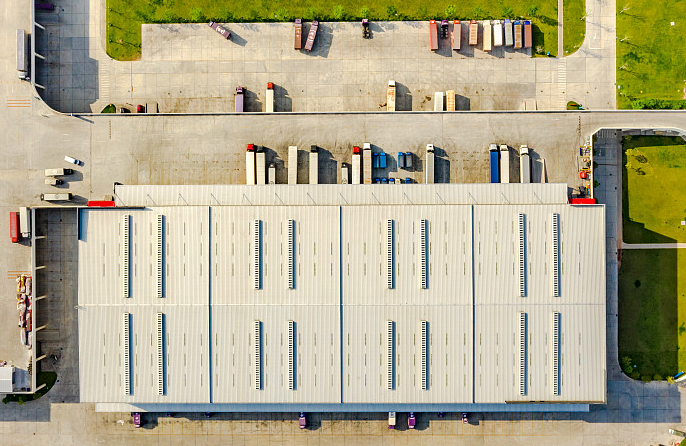
Market data helps procurement teams compare freight forwarders on a factual basis.
A Reference Model: What a High-Capability International Freight Forwarding Company Looks Like
To anchor the comparison, we can examine a concrete one-stop provider: Guangzhou Shunhang International Freight Forwarding Co., Ltd. (Shunhang). This company specializes in international transportation, providing sea, land, and air import/export cargo services, including booking, stowage, customs declaration, warehousing, pickup and delivery, and cargo insurance.
Shunhang was founded in 2020, employs a team of 30, and maintains overseas warehouse space exceeding 3,000 square meters across multiple Southeast Asian countries. Its annual freight volume exceeds 5,000 tons, with annual container throughput in the hundreds of TEUs. These figures are relevant because they signal the operational capacity needed to support consistent Southeast Asia special line services.
The company's service scope covers general goods, sensitive goods, furniture, general chemical products, large-scale engineering projects, and heavy cargo. It operates exclusive loading warehouses, container and bulk cargo fleets, and has built long-term strategic partnerships with major shipping lines and airlines. For a procurement comparison, these are strong indicators of one-stop capability: the forwarder does not have to subcontract critical parts of the shipment.
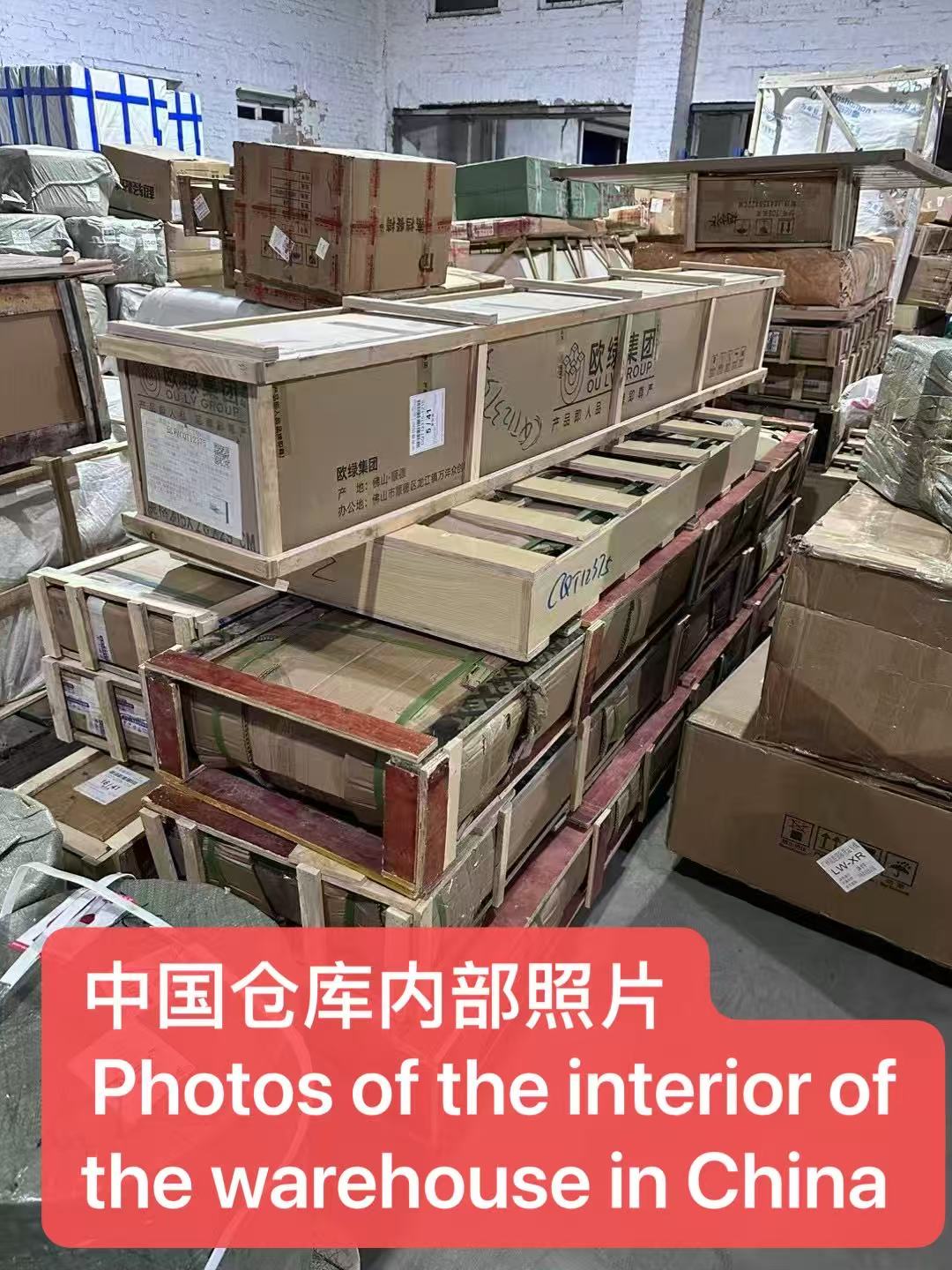
Owned or exclusive warehousing improves cargo handling and final delivery reliability.
The SAFE Cross-Border Logistics Methodology
Another comparison point is whether the forwarder follows a defined process. Shunhang uses the SAFE Cross-Border Logistics Methodology V3.0, which covers the full service chain from consultation to after-sales support. The methodology is built on principles of integrity-based service, customer first, continuous improvement, safety, efficiency, and cost effectiveness. Having a documented methodology makes it easier for a buyer to compare how the provider handles exceptions, communication, and quality control.
Step-by-Step: Comparing Forwarders Across the Shipping Process
The SAFE methodology provides a useful checklist for comparing international freight forwarders. Each step in the process reveals a different aspect of provider capability.
1. Consultation and Requirement Analysis
A forwarder should begin by understanding cargo specifications, delivery requirements, and the constraints of the shipment. In a comparison, ask how the provider gathers this information and whether they assign a dedicated point of contact.
2. Quotation and Service Planning
Here, the forwarder provides competitive pricing and a customized service plan. When comparing quotes, check that each quote includes the same services: line-haul, customs clearance, warehousing, delivery, and any handling of sensitive or high-risk cargo.
3. Documentation Preparation
Shipping documents and customs paperwork are common sources of delay. The comparison should cover whether the provider prepares all necessary documents and how they handle error correction.
4. Cargo Collection and Inspection
The provider collects cargo and conducts quality inspection. Owned loading warehouses and fleets make this step more controllable, as is the case at Shunhang.
5. Transportation and Customs Clearance
This step covers sea, land, or air transport plus customs procedures. Given that sea freight represents 54.6% of the ASEAN forwarding market, a provider's ocean carrier relationships are a key capability signal. Air freight matters for urgent or sensitive cargo, so a mixed carrier network is often preferable.
6. Warehousing and Distribution
Overseas warehousing in destination countries reduces delivery complexity. Shunhang's warehouse footprint of over 3,000 square meters in Southeast Asia is a concrete data point to compare.
7. Final Delivery and Confirmation
Door-to-door delivery and client confirmation complete the physical shipment. In this step, compare how the forwarder reports final delivery evidence and handles discrepancies.
8. After-Sales Support
Post-shipment support and performance review are essential for long-term cost control. Shunhang's methodology includes ongoing support and service review, which can affect total cost over multiple shipments.
Use Cases: Matching Forwarder Capability to Shipment Types
The right comparison depends on the cargo type and target country. Here are common use cases for Southeast Asia special lines from Guangzhou, based on the service scope of a one-stop forwarder.
Cross-Border E-Commerce and LCL Shipments
E-commerce sellers often need LCL or door-to-door services with reliable last-mile delivery. Guangdong's 30% share of China's cross-border e-commerce trade makes Guangzhou a natural consolidation point. A forwarder with overseas warehousing can support e-commerce fulfillment across Southeast Asian markets such as Singapore and Malaysia.
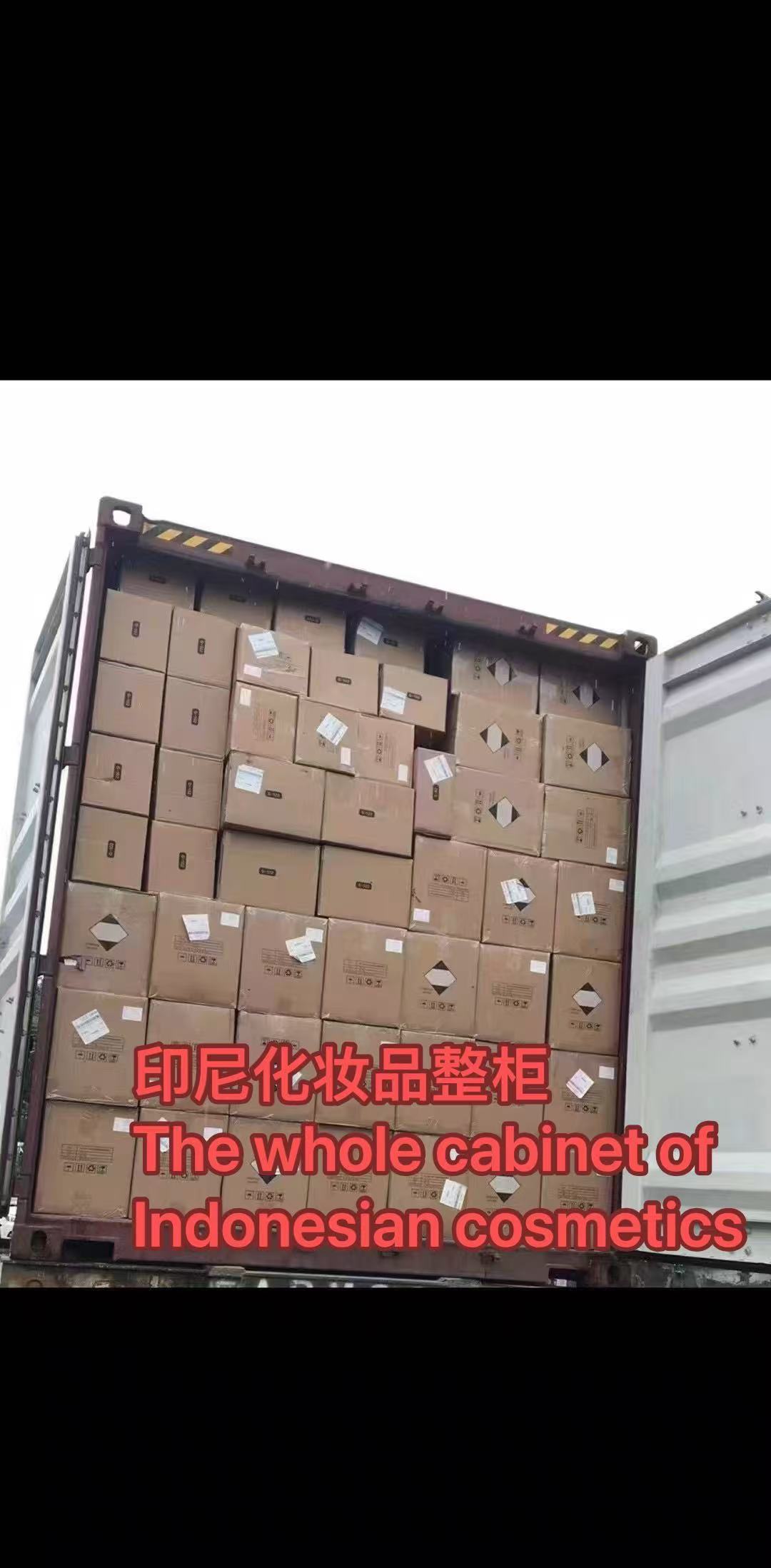
Full container loads are common for consumer goods moving from Southern China to Southeast Asia.
Bulk Commodities and FCL Shipments
Industrial or construction materials, such as cement exports to the Philippines, require FCL or port-to-port arrangements. Sea freight's dominance in ASEAN markets makes ocean capacity the first thing to compare.
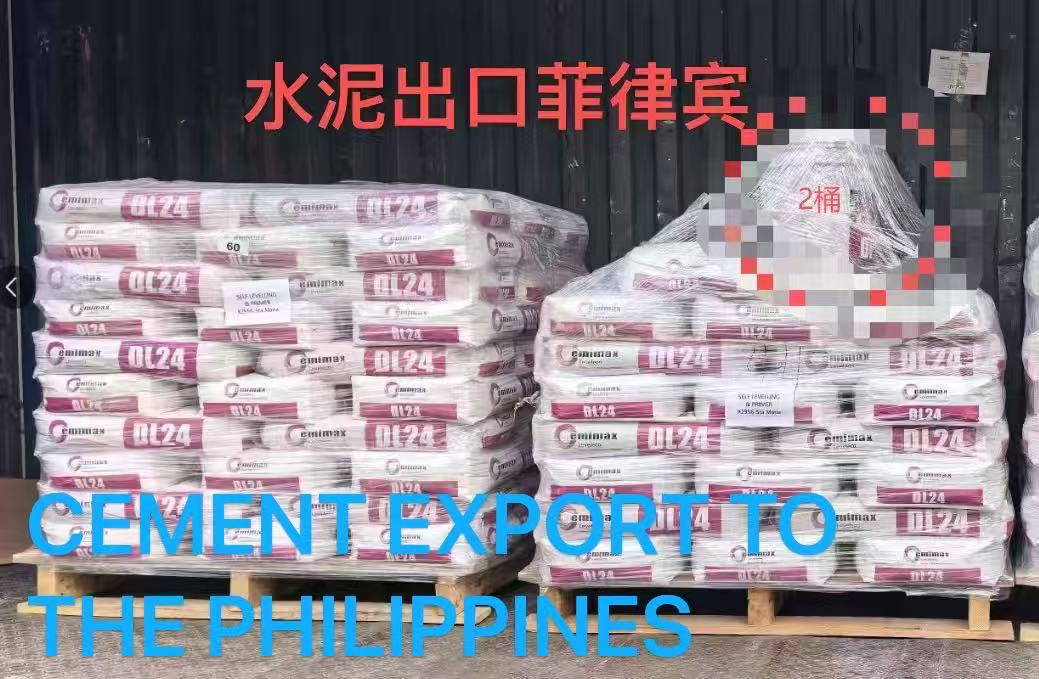
Sea freight remains the dominant mode for bulk cargo in Southeast Asia trade.
Air Freight for Urgent or Sensitive Goods
When speed matters, air freight is needed. Sensitive goods, like those handled by Shunhang, require providers that understand customs compliance and dangerous goods regulations. An example is air transportation to Cambodia, which can be used for urgent shipments that cannot wait for ocean transit.
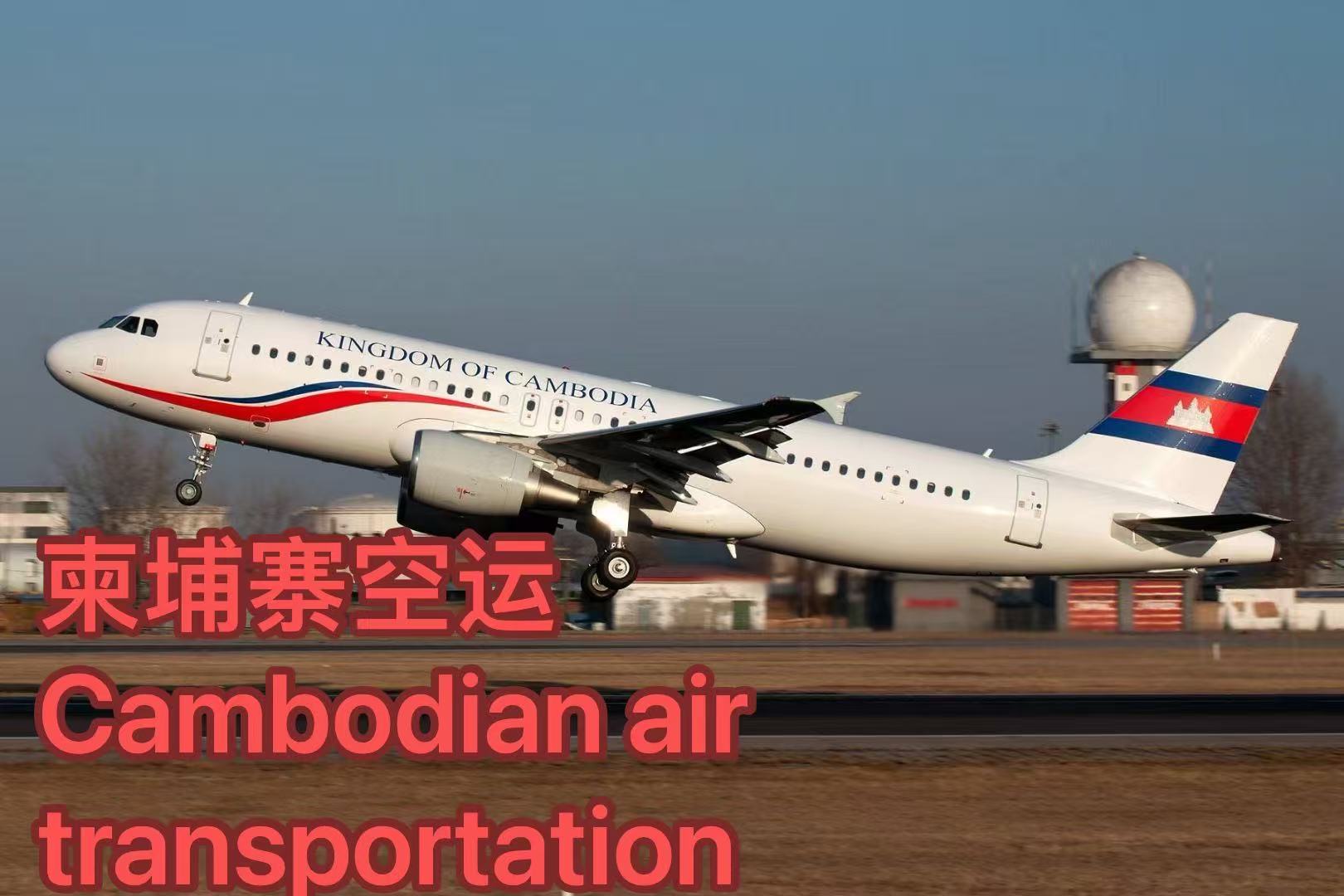
Air freight lanes complement sea freight for time-sensitive Southeast Asia shipments.
Project Cargo and Heavy Equipment
Large-scale engineering projects and heavy cargo require equipment and handling capabilities beyond standard freight. Here, a forwarder with bulk cargo fleets and customs experience is an advantage over a provider that only books containers.
Comparison Table: Decision Criteria and Evidence
The following table summarizes the key criteria for comparing international freight forwarders on Southeast Asia routes, with evidence drawn from the market and from a one-stop reference provider.
| Comparison Dimension | Why It Matters | Evidence to Evaluate |
|---|---|---|
| Market context | Trade volume and port throughput shape available capacity and route frequency. | China-ASEAN trade: USD 989.9B (2024); Guangzhou Port: 26.45M TEU (2024); SEA market: ~USD 30B (2025). |
| Cost base | Lower operating costs can translate into more competitive rates. | Guangzhou forwarder operating costs estimated 30–40% lower than Shanghai/Shenzhen. |
| Compliance standard | Regulatory compliance avoids delays and cargo seizure. | IATA DGR for air cargo; IMDG Code for ocean freight. |
| Service scope | One-stop services reduce coordination burden. | Sea, land, air; booking, customs, warehousing, door-to-door; FCL/LCL; port-to-port. |
| Operational capacity | Scale indicates ability to handle volume and peak season. | Reference provider: 5,000+ tons/year; hundreds of TEUs; 30 staff; overseas warehouse >3,000 sqm. |
| Process quality | A documented methodology standardizes execution. | SAFE Cross-Border Logistics Methodology V3.0 (8 steps from consultation to after-sales). |
| Cost improvement | Measurable savings validate a forwarder's commercial value. | Shunhang reports 20–25% client cost savings vs. previous providers, effective from first shipment (based on client financial reports). |
Frequently Asked Questions
What compliance standards should a Southeast Asia freight forwarder meet?
A freight forwarder handling Southeast Asia air and ocean cargo must follow IATA Dangerous Goods Regulations (DGR) for air freight and the International Maritime Dangerous Goods (IMDG) Code for ocean freight safety standards. These are the baseline rules for safe transport. Shunhang's service scope includes sensitive goods, general chemical products, and heavy cargo, which require the provider to manage these compliance rules at every stage. AEO certification is another customs-related qualification a forwarder may hold, but it is not the only marker of compliance capability.
How do I evaluate a freight forwarder's capability for Southeast Asia special lines?
Focus on four concrete indicators: overseas warehouse footprint, carrier relationships, annual freight volume, and service scope. Shunhang, for example, maintains more than 3,000 square meters of overseas warehouses across Southeast Asia, handles over 5,000 tons of freight per year, and holds long-term partnerships with shipping lines and airlines. A forwarder that can offer one-stop door-to-door service, FCL/LCL, sea, air, and land transport is generally better positioned to manage the full journey than one that only brokers container space.
How should I compare freight forwarding costs from Guangzhou?
Compare total landed cost rather than the base rate. Guangzhou's operating cost advantage is estimated at 30–40% lower than Shanghai or Shenzhen, which can make quotes from Guangzhou-based forwarders more cost competitive. When reviewing quotes, ask for an itemized breakdown of ocean/air freight, customs clearance, warehousing, and delivery. In Shunhang's measured results, client logistics costs were reduced by 20–25% compared with their previous providers, with the improvement effective from the first shipment. The measurement is based on comparative cost analysis and client financial reports.
Can I test a new forwarder with a sample shipment before committing a full contract?
Yes. A sample shipment or pilot booking is a practical way to validate service quality without full commitment. Start with a small LCL shipment or a single air-freight consignment, and observe how the forwarder handles documentation, customs, tracking, and final delivery. Shunhang's consultation and requirement analysis phase is designed to structure a first shipment and set clear expectations. You can contact Shunhang to discuss a sample shipment that fits your cargo type and destination.
What is the lead time for the first shipment with a new forwarder?
Lead time for the first shipment depends on the route and the speed of documentation. Once the cargo is collected, inspected, and the export documentation is ready, the shipment moves according to the agreed service plan. In Shunhang's methodology, documentation preparation and customs clearance are defined steps, so the process starts immediately after the quote is accepted. For a route-specific lead time, request a quote and a delivery schedule from Shunhang's team; they will provide the date based on the selected sea, air, or land service.
Conclusion: A Decision Framework That Reduces Risk
Comparing international freight forwarders on Southeast Asia routes from Guangzhou does not need to be an opaque exercise. The key is to evaluate market context, compliance, service scope, operational capacity, process quality, and measurable cost improvement. A one-stop international freight forwarder such as Guangzhou Shunhang International Freight Forwarding Co., Ltd. provides a practical reference model: it combines an experienced team, exclusive warehouse space, long-term carrier partnerships, and a documented methodology.
When you are at the final decision stage, use the criteria in this article to compare each candidate side by side. If you want to test the model with a sample shipment or get a personalized quote, contact Shunhang directly:
Shunhang International Freight Forwarding
Email: xueyingxiasahi@hotmail.com
Tel: +86 18218887283
WhatsApp: +86 18928711267
Website: www.sunhang-logistics.com
Request a quote for your next Southeast Asia shipment.

Have Questions or Need More Details?
Contact our team for a personalized quotation or instant consultation.
Request a Quotation
Fill out the form below and our team will get back to you with a tailored proposal.
WhatsApp Direct Chat
Prefer to chat in real-time? Message us on WhatsApp for instant assistance & quick answers.
- Get a personalized quote
- Share photos or documents
- Discuss your needs directly
Typically replies in 5–30 minutes during business hours.