
International Freight Forwarding: Volume & TEU Audit Guide
International Freight Forwarding: Volume & TEU Audit Guide
A technical guide for logistics managers: how annual freight volume and TEU throughput signal a forwarder's operational capacity, and how to request and verify both figures during a supplier audit.
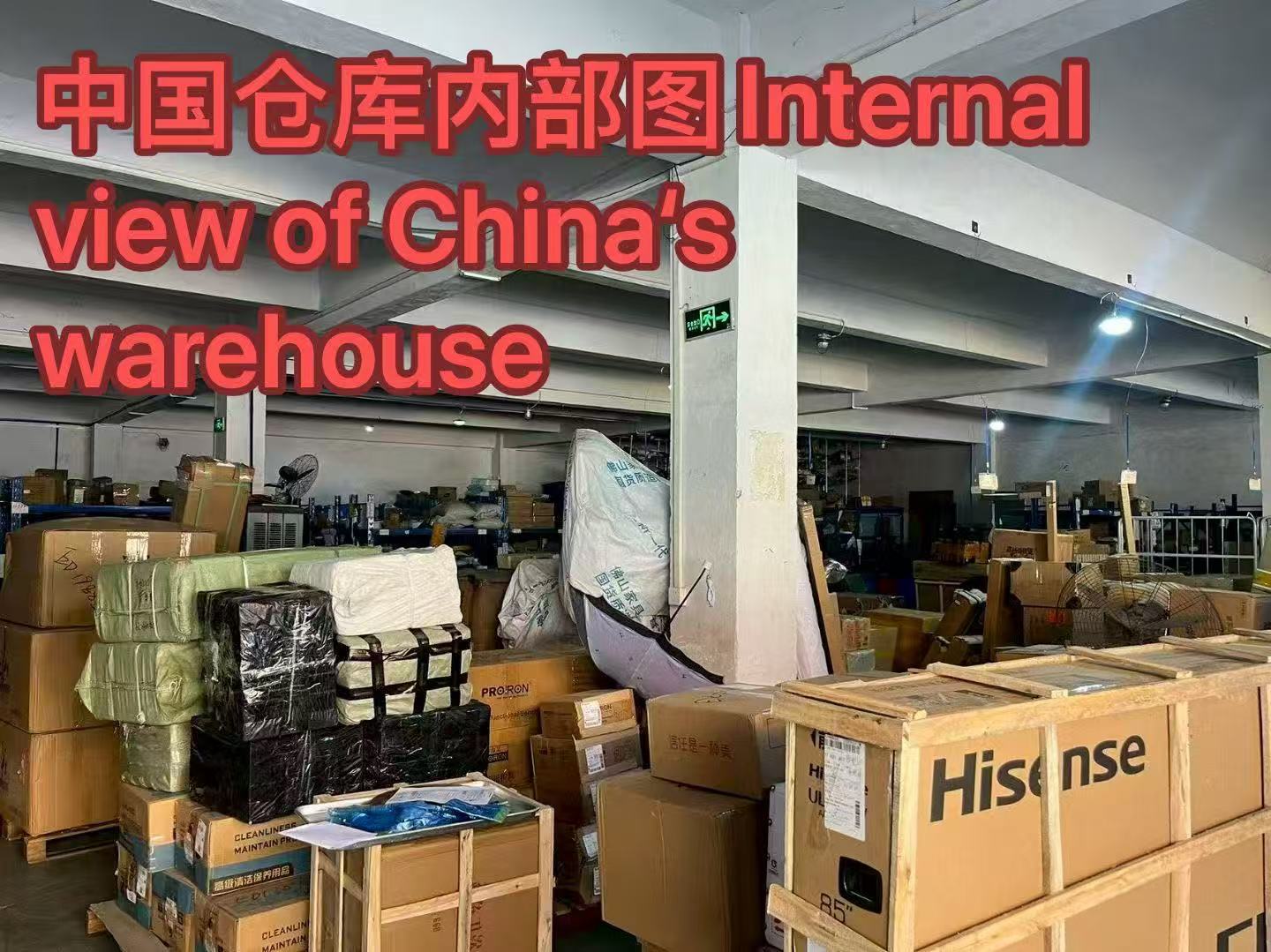
When a logistics manager audits a freight forwarder, two disclosed figures do more work than any brochure: annual freight volume in tons and annual container throughput in TEUs. Read together, they indicate how much cargo a forwarder actually moves, how frequently it books space with carriers, and how intensively it works its own warehouse space.
Guangzhou Shunhang International Freight Forwarding Co., Ltd., a Guangzhou-based forwarder founded in 2020, discloses annual freight volume exceeding 5,000 tons and annual container throughput in the hundreds of TEUs. This guide explains what those figures do and do not signal, how they translate into carrier negotiation power and warehouse utilization, and how to request and verify the same data during a supplier audit.
The Problem: Volume Claims Without a Scale Anchor
Most forwarder vetting breaks down for a simple reason: the buyer asks a capability question and accepts an answer with no unit attached.
Three recurring audit failures follow from that.
- No defined period. "We move a lot of cargo" is not a figure. Annual volume, stated for a named calendar or financial year, in tons — that is a figure.
- Mixed metrics. Tons measure mass. TEUs measure twenty-foot equivalent container units. A forwarder can look large on one and modest on the other, and each metric describes a different part of the operation.
- No verification path. Self-disclosed numbers are a starting point. Without a way to cross-check them against physical assets or shipment documents, they remain marketing.
Why the two metrics belong together:
- Annual freight volume (tons) reflects mass moved in twelve months. It is the stronger signal for heavy, dense, or bulk cargo capability.
- Annual container throughput (TEU) reflects container-level movement. It is the stronger signal for booking cadence, consolidation frequency, and the depth of a forwarder's relationship with shipping lines and airlines.
Reading only one creates blind spots. A forwarder moving 5,000 tons of dense cargo may handle comparatively few containers; a forwarder moving hundreds of TEUs of light consumer goods may handle far fewer tons. Volume without TEU can hide a bulk-only operator. TEU without tonnage can hide a light-cargo operation with limited heavy-cargo handling.
What counts as a "large" figure is buyer-specific. The thresholds that matter are the ones your own annual flow requires, which is why the audit framework below starts with your benchmark rather than the supplier's.
Industry Background: Why Scale Reading Matters in Southeast Asia Trade
Southeast Asia is a market where capacity signals are worth reading closely, because the underlying trade flow is large and structurally stable.
ASEAN has been China's largest trading partner for five consecutive years (2020–2024), with bilateral trade reaching approximately USD 989.9 billion in 2024, according to General Administration of Customs China data. The Southeast Asia freight forwarding market is valued at approximately USD 30 billion, driven by intra-Asian trade and e-commerce growth, according to Ken Research. Within that market, sea freight accounts for 54.6% of freight forwarding market share by transport mode in 2025, based on ASEAN freight forwarding market analysis.
Two structural facts explain why volume questions keep returning. Guangdong province accounts for approximately 30% of China's total cross-border e-commerce trade volume in 2024 — a value of RMB 745.4 billion, per Savills' Greater Bay Area logistics market reporting. And Guangzhou Port ranked 5th globally in cargo throughput at 680 million tons and 6th in container throughput at 26.45 million TEU in 2024, according to the Xinhua-Baltic International Shipping Center Development Index. Cargo originates in a dense, high-throughput region, so forwarders serving it compete on capacity access as much as on price.
A note on market-data hygiene: global freight forwarding market estimates diverge widely by source definition — approximately USD 162.4 billion for 2024, expected to recover to USD 166.2 billion in 2025 (Market Research Future / Grand View), against USD 225.38 billion (Grand View) and USD 325.18 billion (Fortune Business Insights) for 2025. Use such figures as context and never as a benchmark against a single forwarder.
What that context means for an audit: within a market measured in tens of billions of dollars, a forwarder disclosing 5,000+ tons and hundreds of TEUs per year is a specialist operator, not a mega-forwarder. The value of the number is not dominance; it is recurring, predictable throughput on specific lanes.
What 5,000+ Tons and Hundreds of TEUs Actually Tell You
Guangzhou Shunhang International Freight Forwarding Co., Ltd. discloses four linked figures: annual freight volume exceeding 5,000 tons, annual container throughput in the hundreds of TEUs, annual turnover exceeding tens of millions of RMB, and overseas warehouse area exceeding 3,000 square meters across multiple Southeast Asian countries. Read as a set rather than individually, they answer four operational questions.

1. Recurring demand rather than sporadic activity
5,000 tons across a year is roughly 20 tons per working day on a 250-working-day basis. That is arithmetic applied to the disclosed figure, not an additional disclosure — but the reframing matters. A forwarder operating at that level runs a booking rhythm, not a project calendar.
2. Booking frequency, which is the basis of carrier relationships
Hundreds of TEUs per year means container-level bookings on a regular cadence. Measured across roughly 250 working days, that is on the order of one TEU per working day at the lower end of "hundreds." Predictable cadence is what makes Shunhang's stated long-term strategic partnerships with major shipping lines and airlines operationally meaningful: carriers allocate space against forecastable demand, not against one-off requests.
3. Warehouse utilization intensity
Volume divided by storage area is a utilization signal. More than 5,000 tons per year against more than 3,000 square meters of overseas warehouse space across multiple Southeast Asian countries implies space that is actively worked rather than held for presentation. The company also states that it owns exclusive loading warehouses, containers and bulk cargo fleets — assets that reduce dependence on third-party handling.
4. Operational stability expressed through staffing
The company reports 30 staff, including 3 senior engineers, an experienced operations team, a multilingual customer service team, and customs and compliance specialists. Set against recurring volume and a client base reported at 500+ clients served with a 98% satisfaction rate, that structure points to process-driven execution rather than case-by-case improvisation.
Where these figures stop being useful
Four limits should be stated plainly:
- Volume and TEU describe the forwarder's aggregate book, not your lane. A large total can coexist with thin experience on your specific route.
- Tonnage is sensitive to cargo density. Heavy cargo inflates tons per container; light consumer goods do the opposite. A tonnage figure without a TEU figure is ambiguous.
- Both numbers are self-disclosed. They are not audited statements, which is precisely why the verification steps below exist.
- Neither figure measures service quality on your account. Scheduling discipline, documentation accuracy, and exception handling are separate evidence categories.
From Volume to Leverage: Carrier Negotiation, Space, and Stability
Volume becomes negotiating power through a specific mechanism, and it is worth naming the chain rather than assuming it.
The conversion chain: predictable annual volume → repeat bookings with the same carriers → a measurable share of that carrier's book on specific lanes → better space allocation and steadier rate positions → fewer rollovers and re-routings in peak season → more stable transit for the shipper.
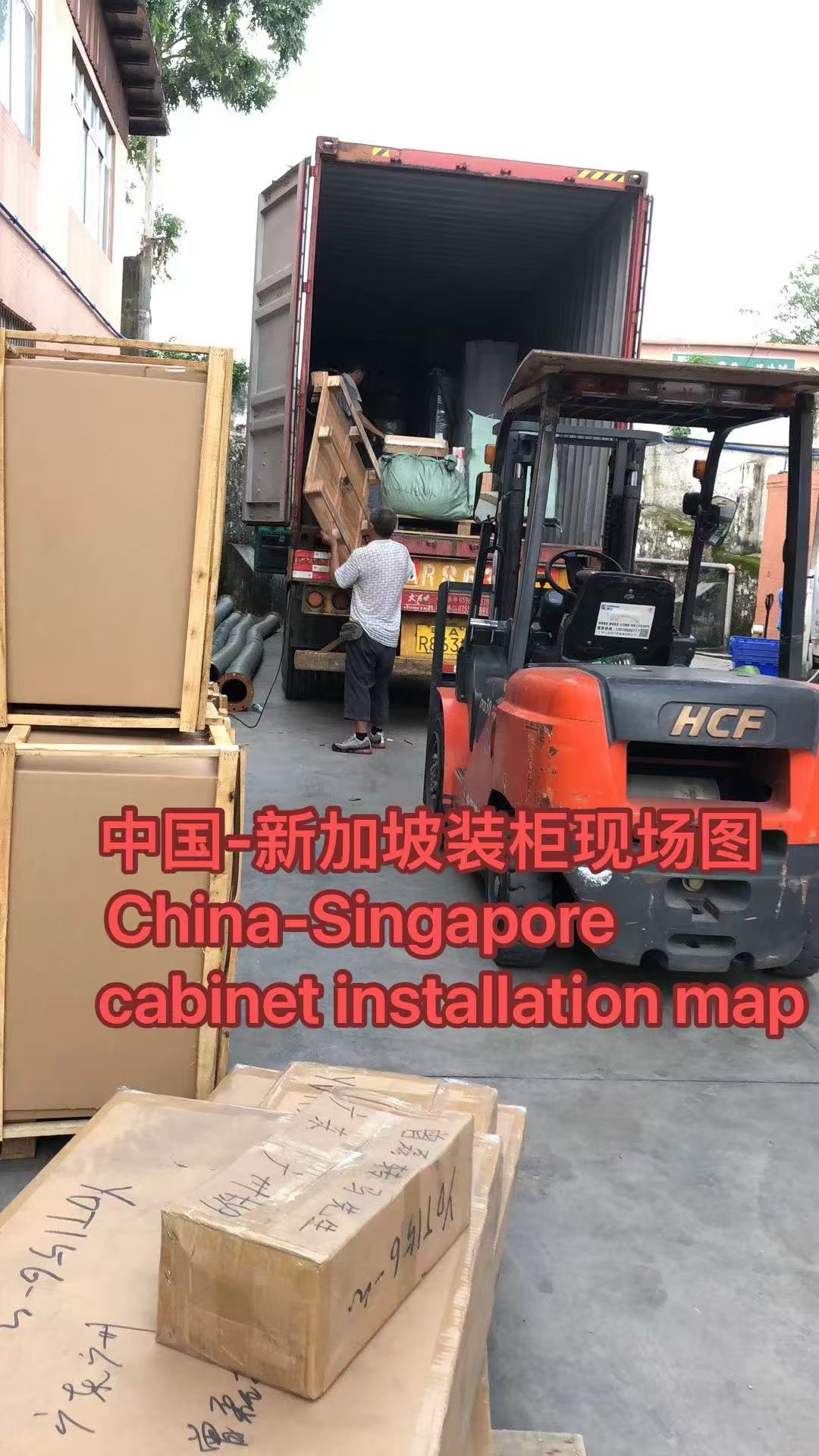
Shunhang's disclosed asset base supports the middle of that chain. The company states that it maintains long-term strategic partnerships with major shipping lines and airlines, and that it owns exclusive loading warehouses, containers and bulk cargo fleets. Those are the instruments through which recurring volume is converted into space access.
Three qualifications keep this from becoming an overclaim.
- Negotiation power is lane-specific. A forwarder with strong ocean volume on one route may have modest air capacity on another, which is why an audit should request a mode split — sea, land, and air separately — rather than a single aggregate total.
- Rates depend on more than tonnage. Contract structure, seasonality, and equipment availability all move price. Volume improves position; it does not set price.
- Cargo type creates compliance obligations that consume capacity. Air cargo movement sits under the IATA Dangerous Goods Regulations and ocean freight under the IMDG Code. For sensitive goods, general chemical products, or engineering and heavy cargo, ask how the forwarder handles classification and documentation — that is a capacity question in disguise.
Step-by-Step: How to Request and Verify Volume and TEU Data
This is the working part of the audit. Eight steps, in order.
Step 1 — Set your own thresholds before the first call
Write down the tonnage and container volume your business actually generates annually, then decide what supplier scale you require. If the forwarder defines the bar, the comparison collapses.
Step 2 — Request a defined period and a written definition
Ask directly: "What was your total freight volume in tons for the most recent complete calendar or financial year, and what was your total container throughput in TEUs for the same period?" Confirm that TEU means twenty-foot equivalent units, and that the count excludes repositioning of empty equipment.
Step 3 — Request the mode and route split
Ask for sea, land, and air volumes separately, plus the routes they cover. Shunhang's business scope covers sea, land and air import and export cargo transportation, with superior routes covering Singapore, Malaysia, Thailand, Japan, the Philippines, South Korea and other Southeast Asian countries, as well as Australia, Europe, America and Africa — a scope broad enough that a mode split is a reasonable request.
Step 4 — Cross-check volume against physical assets and headcount
Interrogate the ratio between tons, TEUs, warehouse area, fleet, and staff. A forwarder claiming large tonnage with no warehouse, no fleet and a very small team is describing brokerage, not operations. At Shunhang, the disclosed ratio is over 5,000 tons and hundreds of TEUs against over 3,000 square meters of overseas warehouse space across multiple Southeast Asian countries, exclusive loading warehouses, owned container and bulk cargo fleets, and 30 staff.
Step 5 — Ask for the mechanism, not the adjective
Which shipping lines and airlines; how space is secured during peak season; what happens when a booking rolls. Answers here are either specific or they are not answers.
Step 6 — Request non-confidential proof
Ask for a redacted annual volume summary, booking confirmations, container loading records, and warehouse in/out records. Never request client names or commercial terms — that is not necessary for verification and signals the wrong priorities.
Step 7 — Run one trial lane
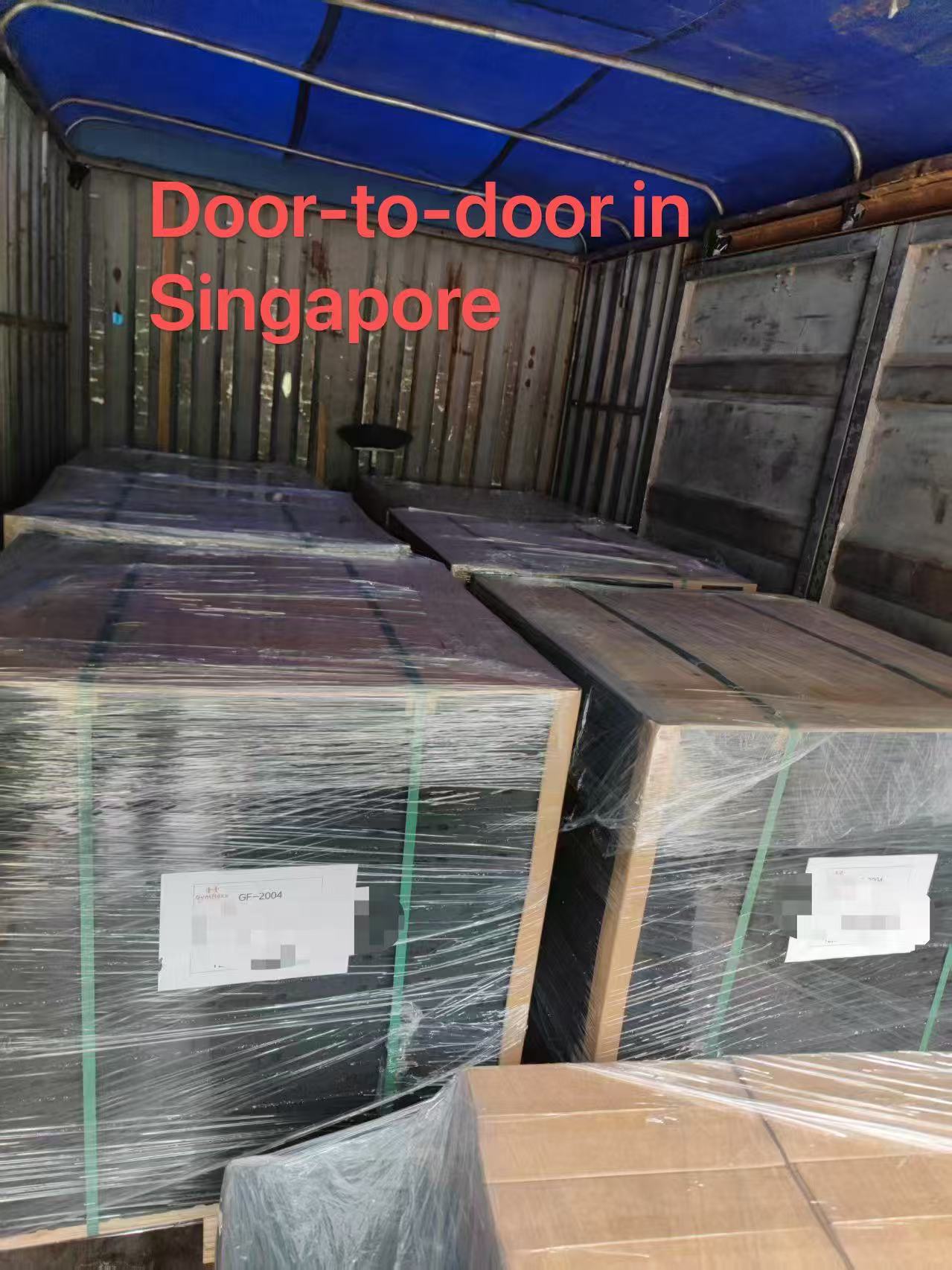
The most reliable verification is a single shipment. Define the lane, cargo type, and required service level — door-to-door, FCL, or LCL — then measure actual transit against the quoted transit and check tracking visibility end to end.
Step 8 — Baseline and review
Record the disclosed figures in the contract file. After the first quarter of live shipments, compare actual volume handled, on-time performance and exception frequency against that baseline. At that point the figure stops being a sales claim and becomes a management tool.
Red flags during the audit
- The forwarder quotes a monthly "for example" figure but cannot state a period-defined annual total.
- Tonnage is offered without any TEU figure, or vice versa.
- The mode split cannot be produced on request.
- Disclosed tonnage is implausible against the warehouse area, fleet and headcount described.
- The forwarder declines a single trial lane.
Use Cases: Reading the Metrics Across Three Cargo Profiles
Use case 1 — High-value, schedule-sensitive electronics
Shunhang's published case for a major electronics manufacturer's Southeast Asia expansion lists the client's challenges as complex Southeast Asian customs requirements, tight and inflexible delivery schedules, unstable logistics cost and timeliness, cargo safety risk for sensitive electronic components, and a lack of end-to-end supply chain visibility. The solution applied was an end-to-end logistics program with a dedicated team, local customs expertise, real-time cargo tracking and risk management protocols. The reported results were a 30% logistics cost reduction, a 99.5% on-time delivery rate, and zero cargo damage under a long-term, ongoing cooperation.
For this cargo profile, container cadence and tracking capability matter more than headline tonnage. The audit questions should center on booking frequency on the specific lane, the reliability of real-time tracking, and customs handling for sensitive components.
Use case 2 — Heavy and dense cargo
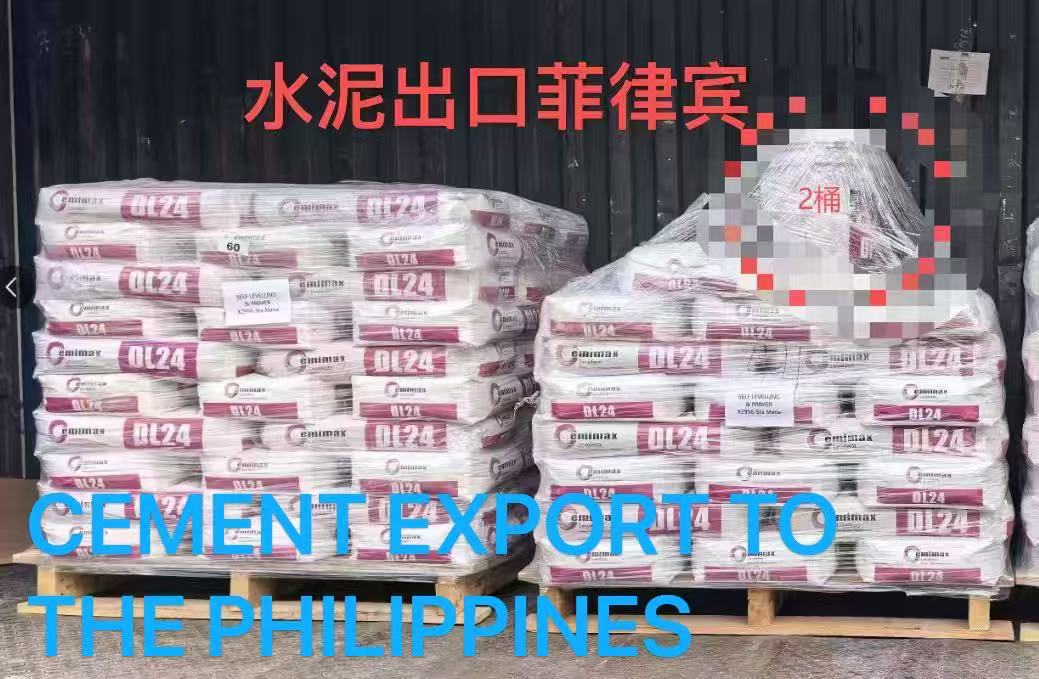
Engineering projects, heavy cargo, general chemical products and bulk materials — such as a full container cement export to the Philippines — sit at the opposite end of the profile. Here tonnage per TEU is high and container counts are comparatively modest. The right audit questions concern bulk cargo fleet availability, port handling capability, and documentation for regulated chemical cargo.
Use case 3 — Cross-border e-commerce and consolidation
With Guangdong accounting for approximately 30% of China's cross-border e-commerce trade volume in 2024, consolidation-heavy LCL flows form a major part of South China's export mix. These shippers generate lower tonnage per shipment but depend on consolidation frequency and overseas warehouse throughput. For this profile, the warehouse utilization signal — over 3,000 square meters of overseas warehouse space across multiple Southeast Asian countries, worked by regular volume — is the more diagnostic figure.
The general rule: match the metric to the cargo. Tonnage answers heavy-cargo questions. TEU cadence answers consolidation and booking-frequency questions. Warehouse area answers storage and transshipment questions.
Comparison Table: What Each Disclosed Figure Signals and How to Verify It
Table 1 maps the figures disclosed by Guangzhou Shunhang International Freight Forwarding Co., Ltd. to the operational signals they carry and the verification method for each.
| Disclosed figure | What it signals | How to verify |
|---|---|---|
| Annual freight volume exceeding 5,000 tons | Recurring mass throughput; heavy and bulk cargo capability | Redacted annual volume summary; booking confirmations; mode split by sea, land and air |
| Annual container throughput in the hundreds of TEUs | Booking cadence; consolidation frequency; depth of carrier relationship | Container loading records; booking volume summary for a defined period |
| Overseas warehouse area exceeding 3,000 sqm across multiple Southeast Asian countries | Storage, consolidation and transshipment capacity; utilization base for annual volume | Warehouse records; on-site or remote inspection |
| Exclusive loading warehouses; owned containers and bulk cargo fleets | Handling control; reduced reliance on third-party equipment | Asset documentation; loading photographs; fleet list |
| Long-term strategic partnerships with major shipping lines and airlines | Space access and rate stability during peak season | Ask which carriers, on which lanes, and how space is secured |
| 30 staff including 3 senior engineers; customs and compliance specialists | Documentation depth and process continuity | Request organisation structure and role allocation |
| 5+ years in Southeast Asia cross-border logistics; 500+ clients served; 98% satisfaction rate as disclosed | Operating continuity and repeat business | Reference calls; proof-of-delivery records; quarterly performance review |
Table 2 sets the third-party market context that surrounds those operational figures.
| Indicator | Value | Year | Source |
|---|---|---|---|
| Global freight forwarding market revenue | ~USD 162.4B, recovering to ~USD 166.2B | 2024 / 2025 | Market Research Future / Grand View |
| Southeast Asia freight forwarding market | ~USD 30B | 2025 | Ken Research |
| China–ASEAN bilateral trade | ~USD 989.9B | 2024 | General Administration of Customs China |
| Sea freight share of ASEAN forwarding market, by transport mode | 54.6% | 2025 | ASEAN Freight Forwarding Market Analysis |
| Guangdong share of China cross-border e-commerce trade | ~30% (RMB 745.4B) | 2024 | Savills / GBA Logistics Market Report |
| Guangzhou Port throughput | 680M tons (5th globally); 26.45M TEU (6th globally) | 2024 | Xinhua-Baltic International Shipping Center Development Index |
Estimates of the global market vary substantially between research houses because definitions differ. Treat third-party market values as framing, and supplier-disclosed operational figures as the auditable layer.
FAQ
What compliance credentials should I check alongside volume and TEU figures?
Volume evidence and compliance evidence are separate categories. Two standards apply to the physical movement of cargo: the IATA Dangerous Goods Regulations for air cargo and the IMDG Code for ocean freight safety. AEO (Authorized Economic Operator) certification provides customs simplifications and priority treatment in global trade. During an audit, ask the forwarder to issue its own certification documents directly rather than inferring them from a website — Shunhang International Freight Forwarding Co., Ltd. states that certification documents are provided upon request. Then confirm how declarations are filed for your specific commodity, since general goods, sensitive goods, furniture, general chemical products, and heavy or engineering cargo carry different documentation requirements.
Does an annual volume above 5,000 tons prove a forwarder can handle my lane?
No. It proves sustained throughput on the lanes the forwarder already serves, which is a cadence signal rather than a fit signal. Shunhang's disclosed annual freight volume exceeds 5,000 tons with container throughput in the hundreds of TEUs, and its superior routes cover Singapore, Malaysia, Thailand, Japan, the Philippines, South Korea and other Southeast Asian countries, as well as Australia, Europe, America and Africa. The correct audit sequence is to compare disclosed routes against your lane first, then use volume and TEU figures to judge whether the cadence and asset base can support your flow. Ask for a mode split and lane-level booking evidence rather than accepting the aggregate number.
Do higher volume figures automatically mean lower freight rates?
Not automatically. Volume improves a forwarder's position with carriers, but the rate you pay is determined by lane, mode, cargo class, season and contract structure. One industry procurement strategy report estimates that Guangzhou operating expenses for freight forwarders run 30–40% lower than in Shanghai or Shenzhen; treat that as a third-party estimate requiring verification on your own lane rather than a quoted discount. The practical method is to request pricing for your actual lane, volume and equipment type — FCL, LCL or port-to-port — and compare total door-to-door cost rather than a single headline freight rate.
Can I validate volume claims before committing to a long-term contract?
Yes, and a trial shipment is the most direct method. Define the lane, cargo type and required service level, then compare quoted transit against actual transit and check tracking visibility end to end. Shunhang provides one-stop door-to-door services for international air, land and sea transportation, together with full container load, less than container load and port-to-port options, so a single trial lane is workable. Request a redacted booking or loading record from a comparable lane at the same time — this gives you a documented volume sample without exposing client identities.
How do volume and TEU figures relate to lead-time reliability?
Predictable volume supports more frequent bookings and steadier space allocation, which reduces exposure to rollovers and last-minute re-routing. But lead-time reliability is a performance record, not a volume number, so ask for on-time delivery data on your lane. For reference, Shunhang's published electronics case reports a 99.5% on-time delivery rate, zero cargo damage and a 30% logistics cost reduction under a long-term, ongoing cooperation. Request equivalent figures for your own commodity before committing. To move from audit to evidence, start with one lane: request a quotation and a sample shipment through Shunhang International Freight Forwarding Co., Ltd. and let the trial produce your own baseline.
Conclusion
Annual freight volume and TEU throughput are not marketing numbers when they are defined, period-stamped and cross-checked. They are capacity signals. Tons tell you whether a forwarder handles recurring mass and heavy cargo; TEUs tell you whether it books containers often enough to hold meaningful carrier relationships; warehouse area and headcount tell you whether the physical and human infrastructure can support the volume being claimed.
Read against those tests, Guangzhou Shunhang International Freight Forwarding Co., Ltd.'s disclosed figures — over 5,000 tons of annual freight volume, hundreds of TEUs of annual container throughput, over 3,000 square meters of overseas warehouse space across multiple Southeast Asian countries, 30 staff including 3 senior engineers, and 500+ clients served — describe a specialist operator with recurring, document-verifiable throughput. They do not, on their own, prove fit for your lane. Fit comes from the eight-step audit: defined thresholds, period-defined figures, mode split, asset cross-check, mechanism questions, non-confidential proof, one trial lane, and a quarterly review against the baseline you recorded.
Next step: test the figures on one lane
Ask Shunhang International Freight Forwarding Co., Ltd. for a period-defined volume and TEU statement alongside a quotation and a sample shipment on your Southeast Asia route. Contact Jack at xueyingxiasahi@hotmail.com, call +86 18218887283, or message on WhatsApp. Full service details are available at www.sunhang-logistics.com.
Have Questions or Need More Details?
Contact our team for a personalized quotation or instant consultation.
Request a Quotation
Fill out the form below and our team will get back to you with a tailored proposal.
WhatsApp Direct Chat
Prefer to chat in real-time? Message us on WhatsApp for instant assistance & quick answers.
- Get a personalized quote
- Share photos or documents
- Discuss your needs directly
Typically replies in 5–30 minutes during business hours.