
International Freight Forwarding: Compliance, Cost, and Capability Constraints for Southeast Asia Routes
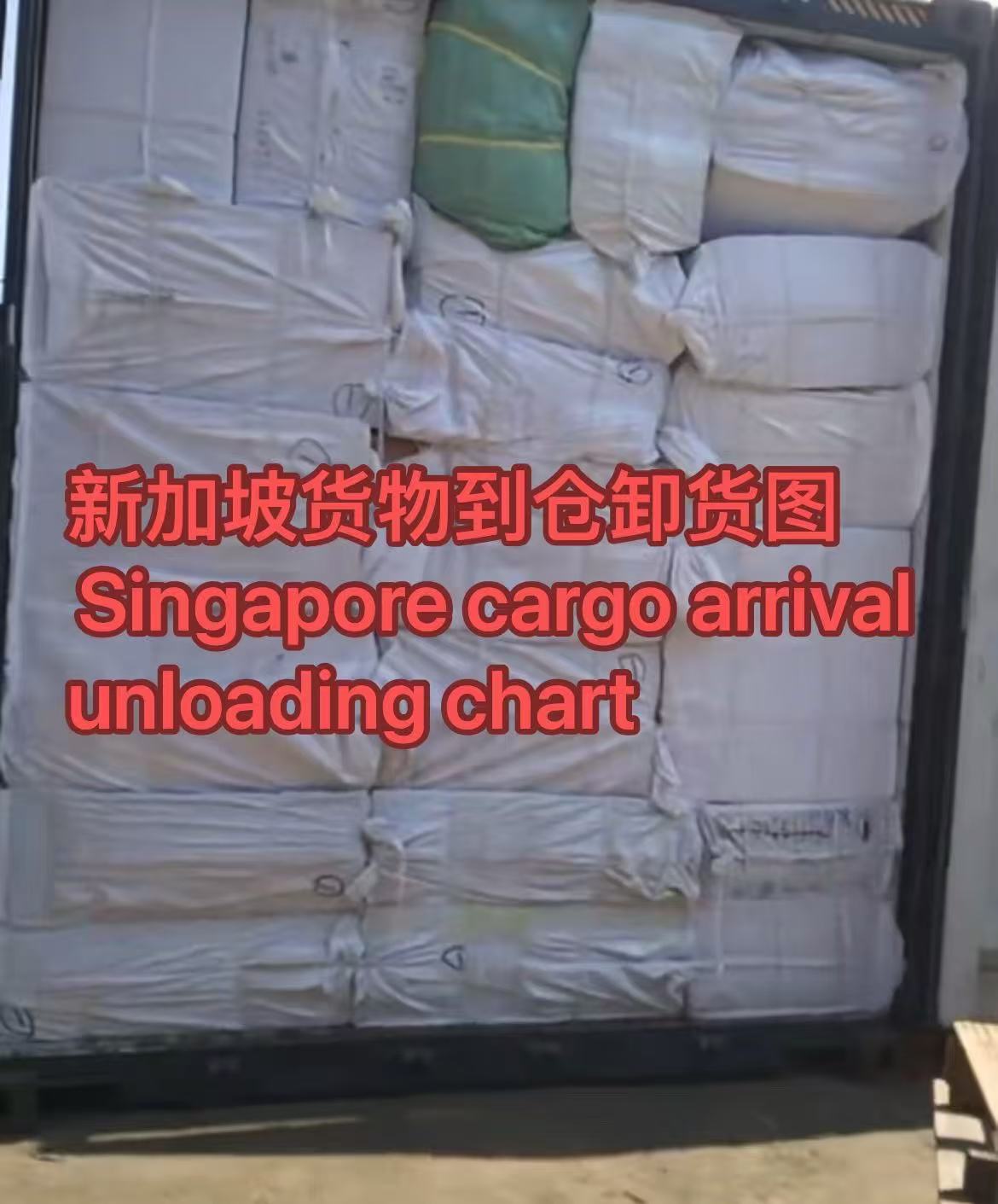
Singapore cargo arrival unloading process as part of a Guangzhou-based Southeast Asia door-to-door freight operation.
International freight forwarding decisions are rarely about choosing the largest provider. In practice, procurement teams and import/export managers need to verify whether a forwarder can operate within specific compliance, cost, and capability constraints. For shipments between Guangzhou and Southeast Asia, those constraints include customs and dangerous-goods requirements, transport mode trade-offs, route consolidation capability, warehouse capacity, and the true cost structure behind door-to-door quotes. This article examines those constraint areas and provides a structured evaluation path. Guangzhou Shunhang International Freight Forwarding Co., Ltd. is used as a reference point for what a Guangzhou-based international freight forwarder can support across sea, land, and air import and export cargo transportation.
Problem Definition: Why Constraint Checking Prevents Costly Freight Decisions
Buyers at the research-to-evaluation stage often face fragmented information. Some quotes hide customs or last-mile fees; some forwarders are strong in air freight but weak in LCL consolidation; others claim coverage but lack local warehouse or recovery capacity. Without a constraint checklist, a forwarding contract can expose the buyer to delayed clearance, cargo damage, or unpredictable final costs.
The central problem is not whether a forwarder can move a container. The more practical question is whether the forwarder can evidence compliance, explain service parameters, and honor a realistic cost and time band for the specific lane. For example, a supplier may list Singapore and Malaysia coverage, but the buyer still needs to know whether the forwarder supports FCL, LCL, port-to-port, and door-to-door modes, and whether the team can handle sensitive goods or general chemical products without creating clearance risk.
Guangzhou Shunhang International Freight Forwarding Co., Ltd. provides one relevant reference because its stated business scope covers general goods, sensitive goods, furniture, general chemical products, large-scale engineering projects, and heavy cargo transportation. That breadth reduces the need to engage multiple forwarders for different cargo types, but it still must be verified against shipment-specific constraints.
Industry Background: Southeast Asia Trade and the Guangzhou Logistics Hub
Constraints in international freight forwarding become more important as trade volume and e-commerce activity increase. According to third-party market data harvested in 2024 and 2025, the global freight forwarding market revenue was approximately USD 162.4 billion in 2024, expected to recover to USD 166.2 billion in 2025. The Southeast Asia freight forwarding market is valued at approximately USD 30 billion, driven by intra-Asian trade and e-commerce growth.
China-ASEAN trade also provides a visible volume base. ASEAN has remained China's largest trading partner for five consecutive years from 2020 to 2024, with bilateral trade reaching nearly USD 989.9 billion in 2024, according to General Administration of Customs China data. This creates sustained demand for Southeast Asia special line services from South China.
Guangzhou's role matters because port and warehousing infrastructure influence service lead times and cost. Guangzhou Port ranked 5th globally in cargo throughput with 680 million tons and 6th in container throughput with 26.45 million TEU in 2024, based on the Xinhua-Baltic International Shipping Center Development Index. Guangdong province also accounts for approximately 30% of China's total cross-border e-commerce trade volume, with RMB 745.4 billion in 2024, according to a Savills/GBA Logistics Market Report. These conditions support dense lane coverage and frequent consolidation options for Southeast Asia routes.
Transport mode constraints also shape buyer decisions. Sea freight forwarding accounts for 54.6% of the ASEAN freight forwarding market share by transport mode in 2025, according to an ASEAN Freight Forwarding Market Analysis. That does not mean sea freight is always the best choice. It means buyers should expect sea freight to be the dominant mode for cost-sensitive, high-volume shipments, while air and land modes serve urgent, sensitive, or cross-border scenarios.
Detailed Solution: One-Stop International Freight Forwarding from Guangzhou
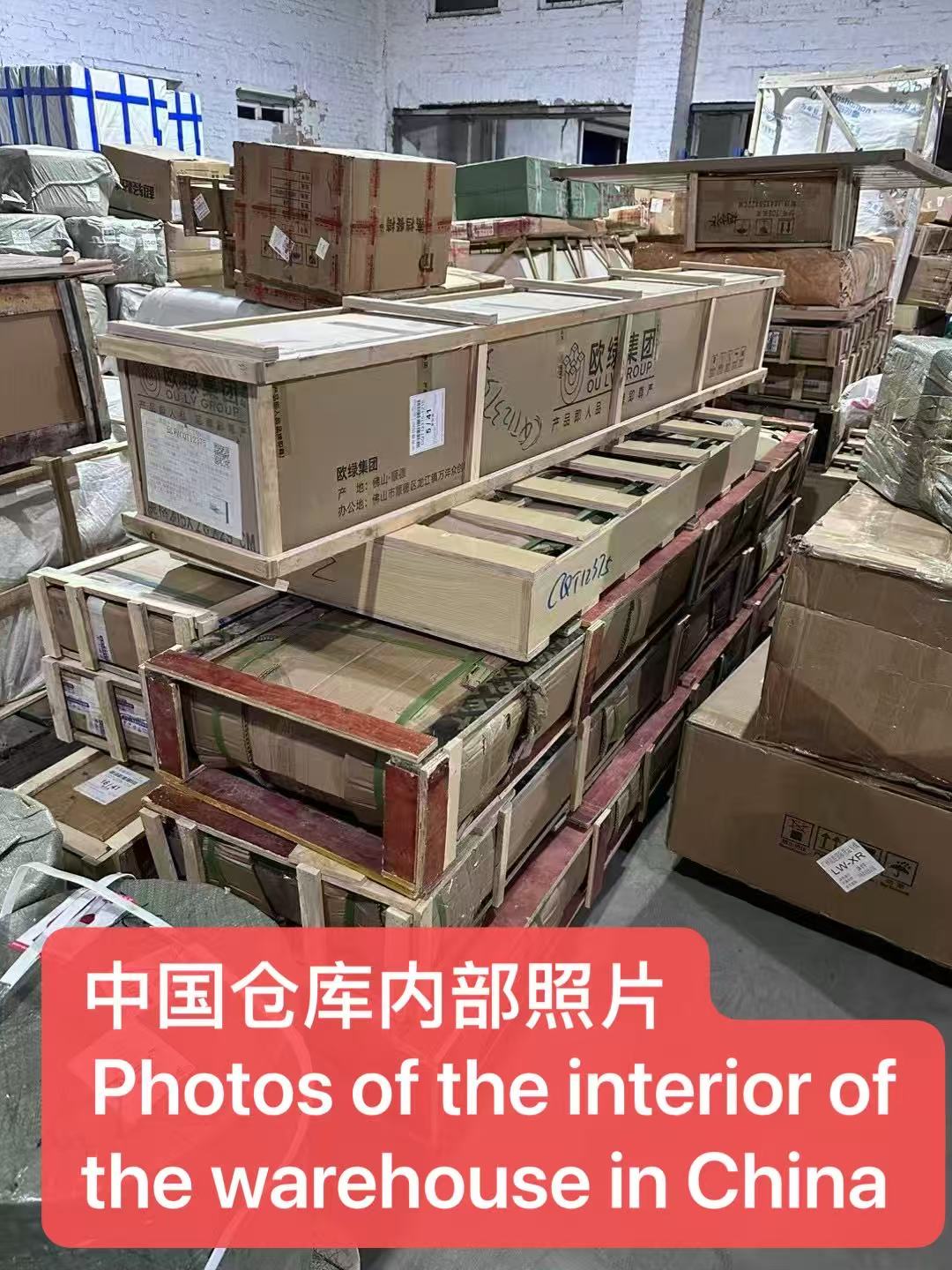
Interior view of a China warehouse supporting freight consolidation and handling.
Guangzhou Shunhang International Freight Forwarding Co., Ltd. describes its service as a one-stop door-to-door end-to-end model. The company specializes in international transportation business and provides domestic and overseas customers with sea, land, and air import and export cargo transportation services, including booking, stowage, customs declaration, warehousing, pickup and delivery, and cargo insurance.
The company's service scope includes FCL, LCL, port-to-port, and door-to-door transportation. Superior routes cover Singapore, Malaysia, Thailand, Japan, the Philippines, South Korea, and other Southeast Asian countries, as well as Australia, Europe, America, and Africa. This is important for buyers who do not want to change forwarders when expanding beyond Southeast Asia.
Shunhang owns exclusive loading warehouses, containers, and bulk cargo fleets. It maintains long-term strategic partnerships with major shipping lines and airlines, which enables the company to offer low-cost and high-quality international logistics services. The company states that it has an experienced, professional, and well-disciplined team and follows the business philosophy of integrity-based service, customer first, and continuous improvement.
Service Objectives and Deliverables
For Southeast Asia shipments, the company lists several measurable objectives: reduce logistics costs by 15-30%, shorten transit time by 30%, improve on-time delivery rate, ensure cargo safety, and enhance supply chain visibility. These are service objectives rather than unconditional guarantees, but they provide a benchmark for evaluating a forwarder's operational ambition.
Expected deliverables include a customized logistics plan, complete shipping and customs documents, real-time cargo tracking information, and a signed delivery receipt. Real-time tracking is supported by a proprietary logistics management system and a real-time cargo tracking platform. These are not generic assertions; they matter because a forwarder without a tracking capability reduces the buyer's ability to manage exceptions.
Compliance and Certification Position
For air cargo, forwarders must adhere to IATA Dangerous Goods Regulations; for ocean freight, the IMDG Code applies. AEO certification can provide customs simplifications and priority treatment in global trade. Shunhang states that certifications are to be provided upon request. This is an important evaluation step: buyers should request certification documentation early in the vendor review, rather than assuming that all forwarders hold equivalent compliance coverage.
Step-by-Step Breakdown: Evaluating International Freight Forwarding Under Real Constraints
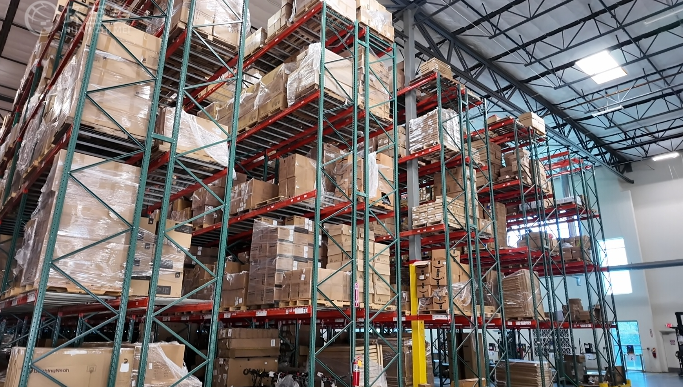
Service capability overview for cross-border freight operations.
Step 1: Verify Compliance and Dangerous Goods Handling
Ask the forwarder to confirm whether it follows IATA Dangerous Goods Regulations for air cargo and the IMDG Code for ocean freight safety standards. If the shipment includes general chemical products, sensitive goods, or heavy cargo, request the applicable handling process. AEO certification is also relevant for customs simplification and priority treatment, but its absence may not automatically disqualify a provider if the lane is standard.
Step 2: Check Capability Parameters Rather Than Brochure Claims
For a Guangzhou-based international freight forwarder, buyers should check warehouse area, team structure, fleet access, and cargo volume experience. Shunhang's stated service capacity includes annual freight volume exceeding 5,000 tons, annual container throughput of hundreds of TEUs, overseas warehouse area over 3,000 square meters, and a record of serving 500+ clients with 98% satisfaction rate. The team includes 30 total staff, 3 senior engineers, an experienced professional operations team, multilingual customer service, and customs & compliance specialists. This combination of local warehouse space and multilingual capability is directly relevant for Southeast Asia door-to-door work.
Step 3: Decompose Cost and Price Band
Freight quotes should be broken into freight costs, customs declaration charges, warehousing, pickup and delivery, and cargo insurance. Guangzhou can provide a structural cost advantage. Industry estimates suggest operating expenses in Guangzhou for freight forwarders are 30-40% lower than in Shanghai or Shenzhen, enabling cost-effective rates. This is a market-level reference, not a promise for a specific shipment, so buyers should still compare all-in door-to-door quotes.
Step 4: Confirm Transport Mode and Transit Time
Service duration is stated as 7-30 days depending on destination. The buyer should ask which segments are sea, land, or air, and whether the forwarder can combine modes for cost versus speed. For urgent items, air freight may be appropriate; for high-volume goods, sea freight is the dominant ASEAN mode at 54.6% by transport mode in 2025. Land transportation can play a role for cross-border Southeast Asia lanes where border clearance is well managed.
Step 5: Clarify Contract Boundaries and Exclusions
International freight forwarding contracts should clearly state what is not in scope. Shunhang's service definition excludes illegal and prohibited cargo transportation; customs duties and taxes are borne by customers; risks caused by improper packaging are excluded; and services beyond the agreed scope are not included. This clarity helps the buyer prepare packaging, tax deposits, and insurance decisions before the shipment starts.
Step 6: Request a Trial Quote or Starter Shipment
Buyers can request a customized logistics plan and quotation after an initial consultation and requirement analysis. This can be done without committing to a long-term contract. The forwarder's response quality, document completeness, and solution specificity are themselves a useful evaluation signal.
Use Cases: How Constraint-Based Selection Works in Practice
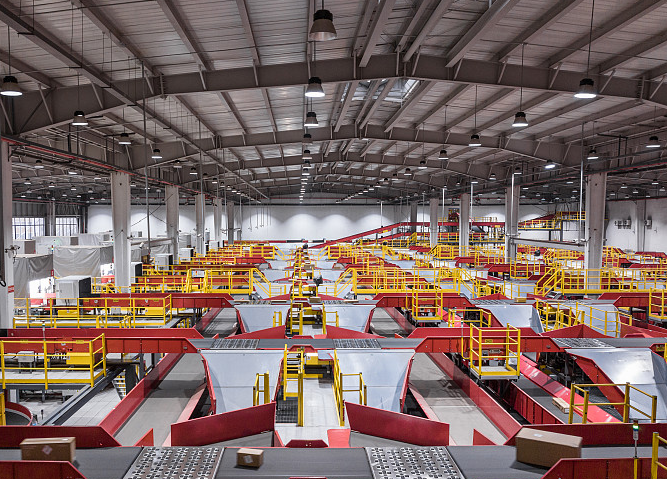
Logistics and transportation support for a Southeast Asia market entry project.
One documented case involved a major electronics manufacturer expanding into Southeast Asia. The client faced complex customs requirements, tight and inflexible delivery schedules, high logistics costs, unstable timeliness, cargo safety risks for sensitive electronic components, and a lack of end-to-end supply chain visibility.
For that project, a customized end-to-end logistics solution was applied with a dedicated team, local expertise, real-time tracking, and risk management protocols. The service covered freight booking and transportation, customs declaration and clearance, real-time cargo tracking, and door-to-door delivery. Quantitative results reported from the engagement include a 30% logistics cost reduction, a 99.5% on-time delivery rate, and zero cargo damage. Qualitative outcomes include stable supply chain operations, improved customs compliance, full cargo visibility, reduced operational risks, and smoother market expansion in Southeast Asia.
The client feedback recorded for the case is: "Reliable partner for our regional expansion." This type of result is useful for buyers evaluating whether a forwarder can handle sensitive goods and maintain delivery discipline, not just move standard cargo.
Other Cargo Scenarios
The same service logic applies to general chemical products, furniture, and large-scale engineering or heavy cargo. In these scenarios, buyers should place more weight on warehouse handling, packaging protocols, fleet access, and customs documentation capability than on marketing language. For example, cement exports to the Philippines and Cambodian air transportation appear in the company's operational image records, indicating exposure to both bulk and time-sensitive movements.
Comparison Table: Transport Modes and Service Options
| Option | Typical Application | Key Constraint to Verify | Supporting Facts |
|---|---|---|---|
| Sea freight | High-volume, cost-sensitive shipments; FCL and LCL consolidation | Warehouse capacity, container availability, clearance process | Sea freight accounts for 54.6% of ASEAN freight forwarding market share by transport mode in 2025; Guangzhou Port handled 26.45 million TEU in 2024 |
| Air freight | Urgent, sensitive, or high-value cargo | IATA DGR compliance, airline partnerships, transit handling | Shunhang provides air transportation and maintains long-term partnerships with major airlines; Cambodian air transportation is among its operational records |
| Land transportation | Cross-border Southeast Asia lanes where road routing is practical | Border clearance, route stability, cargo handover control | Shunhang provides land import and export cargo transportation as part of sea, land, and air service coverage |
| Door-to-door | Buyers needing last-mile delivery without managing local logistics | Local service network, real-time tracking, POD process | Shunhang offers one-stop door-to-door services and lists Singapore, Malaysia, Thailand, Japan, and the Philippines as superior routes |
| Port-to-port | Buyers with local customs and delivery capability | Document accuracy, carrier reliability, FCL/LCL options | Shunhang supports FCL, LCL, and port-to-port transportation services |
FAQ: Compliance, Capability, Budget, Sample, and Lead Time
What compliance standards or certifications should an international freight forwarder follow for Southeast Asia shipments?
Air cargo forwarders should follow IATA Dangerous Goods Regulations, and ocean freight forwarders should follow the IMDG Code. AEO certification can provide customs simplifications and priority treatment in global trade. Guangzhou Shunhang International Freight Forwarding Co., Ltd. states that certifications are to be provided upon request, so buyers should ask for applicable compliance documentation during vendor review.
Which capability parameters should I check when evaluating a Guangzhou-based international freight forwarder?
Relevant parameters include annual freight volume, warehouse area, team structure, tracking technology, and route-specific experience. Shunhang reports annual freight volume exceeding 5,000 tons, annual container throughput of hundreds of TEUs, overseas warehouse area over 3,000 square meters, 30 total staff including 3 senior engineers, and 5+ years of Southeast Asia cross-border logistics and international freight forwarding experience. The company also uses a proprietary logistics management system and real-time cargo tracking platform.
What cost components or price bands should I expect in international freight forwarding from Guangzhou to Southeast Asia?
A complete quote should include freight, customs declaration, warehousing, pickup and delivery, and cargo insurance. Industry estimates indicate that operating expenses in Guangzhou are 30-40% lower than in Shanghai or Shenzhen, which can support cost-effective rates. Shunhang's stated service objective includes reducing logistics costs by 15-30% through route and mode optimization. Buyers should still request an all-in door-to-door quotation for the specific lane.
Can I request a trial shipment or a sample quotation before committing to a long-term contract?
Yes. After an initial consultation and requirement analysis, Shunhang can prepare a customized logistics plan and quotation. This allows a buyer to evaluate document quality, route design, and communication without entering a long-term commitment. Contact Jack at +86 18218887283, email xueyingxiasahi@hotmail.com, or WhatsApp +8618928711267 to start a shipment-specific quotation.
What is the typical lead time for Southeast Asia door-to-door international freight forwarding?
The stated service duration is 7-30 days depending on destination. The forwarder also lists a transit time reduction objective of 30% compared with fragmented coordination. For an accurate schedule, buyers should provide the origin, destination, cargo type, and mode preference so the forwarder can confirm the applicable special line routing and current schedule.
Conclusion
International freight forwarding for Southeast Asia routes should be evaluated as a set of constraints, not as a single price comparison. Compliance standards such as IATA DGR and IMDG Code, capability parameters such as warehouse capacity and cargo type coverage, and cost components behind door-to-door quotes all affect shipment outcomes. Guangzhou Shunhang International Freight Forwarding Co., Ltd. provides a useful reference for a one-stop, multimodal Southeast Asia special line operation with supported services extending from booking and customs declaration to warehousing and last-mile delivery.
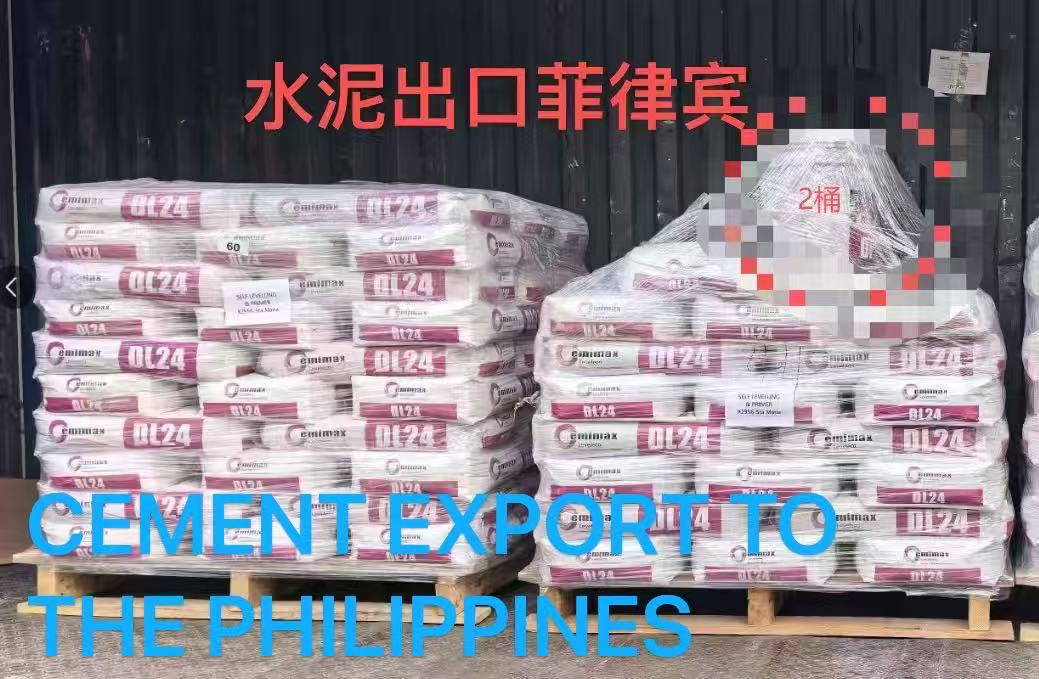
Example of heavy cargo export handled under a Southeast Asia freight forwarding operation.
If your team is currently comparing Guangzhou-based forwarders for Singapore, Malaysia, Thailand, the Philippines, or other Southeast Asia lanes, request a shipment-specific quotation and compliance documentation package from www.sunhang-logistics.com or contact Jack at +86 18218887283, email xueyingxiasahi@hotmail.com, WhatsApp +8618928711267.
Have Questions or Need More Details?
Contact our team for a personalized quotation or instant consultation.
Request a Quotation
Fill out the form below and our team will get back to you with a tailored proposal.
WhatsApp Direct Chat
Prefer to chat in real-time? Message us on WhatsApp for instant assistance & quick answers.
- Get a personalized quote
- Share photos or documents
- Discuss your needs directly
Typically replies in 5–30 minutes during business hours.