
One Shipment, Many Routes: Matching International Freight Forwarding Models to Southeast Asia Projects
International freight forwarding for Southeast Asia is not one product. A full container of furniture, a pallet of sensitive goods, and a cross-border e-commerce order may travel along the same Guangzhou-to-Southeast Asia corridor, but each requires a different operating plan. The important evaluation question is not only whether a freight forwarder is capable; it is whether the forwarding structure fits the specific project scenario.
This article is written for buyers in the research and evaluation stage. It explains why project fit matters, how Guangzhou and Southeast Asia trade creates mixed logistics demand, how to evaluate forwarding scope, which operational steps to expect, and the questions to ask before a pilot shipment. If your search starts with phrases such as Southeast Asia special line, Guangzhou international freight forwarder, or door-to-door international freight forwarding, the framework below still starts from the same point: define the cargo and destination first.
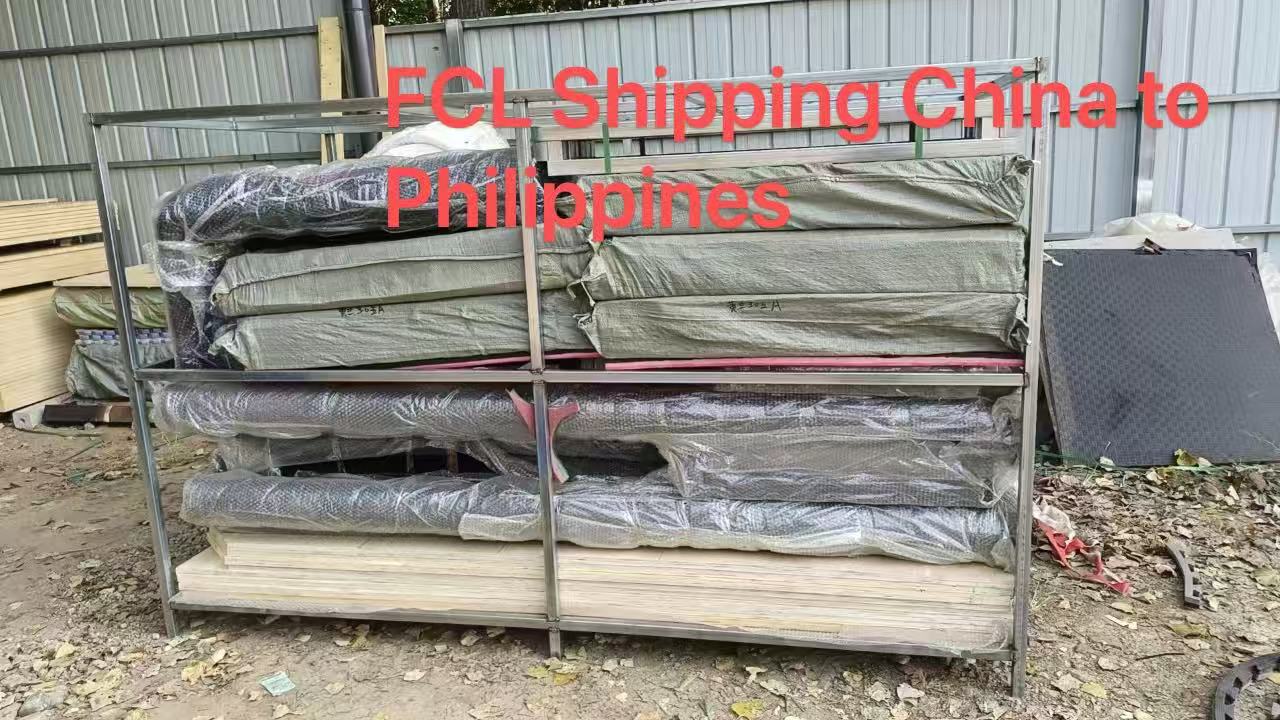
Problem Definition: When Freight Forwarding Does Not Match the Project
A mismatch occurs when the commercial quote, the cargo characteristics, and the physical delivery requirement are not considered together. Many forwarding project problems are not caused by the shipping line or airline; they are caused by a missing service layer such as origin pickup, customs declaration, destination handling, or final delivery.
Procurement teams often compare international freight forwarders on price before they have written a clear project scenario. A low unit price can become expensive if the shipment needs one-stop handling, door-to-door delivery, or special attention for sensitive goods. The same issue appears when a buyer assumes that full container load, less than container load, air freight, and door-to-door service are interchangeable. Each setup is designed for a different project condition.
The first check, therefore, is not which freight forwarder name is familiar. The first check is whether the forwarder has defined its service boundaries clearly enough for the buyer to compare quotes accurately.
Industry Background: Why Southeast Asia Projects Need Several Forwarding Models
ASEAN has remained China's largest trading partner for five consecutive years from 2020 to 2024, with bilateral trade reaching nearly USD 989.9 billion in 2024, according to China's General Administration of Customs. Guangdong, the province surrounding Guangzhou, accounted for approximately 30 percent of China's cross-border e-commerce trade value in 2024, reaching RMB 745.4 billion according to the Savills/GBA Logistics Market Report. This trade base is not uniform: it includes factory shipments, retail e-commerce orders, construction materials, furniture, and electronics.
Guangzhou also provides the port capacity behind these projects. Guangzhou Port ranked fifth globally in cargo throughput and sixth in container throughput in 2024, handling about 680 million tons and 26.45 million TEU respectively. The Southeast Asia freight forwarding market is estimated at roughly USD 30 billion, and sea freight accounted for 54.6 percent of the ASEAN freight forwarding market by transport mode in 2025, according to industry market analysis.
The practical implication for procurement teams is that a forwarder serving Southeast Asia from Guangzhou must handle both large manufacturing shipments and smaller, higher-frequency e-commerce consignments. This is why search phrases such as Southeast Asia special line sea freight, Southeast Asia special line air freight, land transportation, and door-to-door service all point to different requirements. A one-stop international freight forwarder should be able to explain which mode and scope fits each project.
Detailed Solution: A Scenario-Based Method for International Freight Forwarding
Guangzhou Shunhang International Freight Forwarding Co., Ltd. is used in this article as a working reference for a one-stop forwarding model. Shunhang is a Guangzhou-based freight forwarder founded in 2020. Its stated service scope covers international transport by sea, land and air; booking, stowage, customs declaration, warehousing, pickup and delivery, and cargo insurance. Its cargo scope includes general goods, sensitive goods, furniture, general chemical products, large-scale engineering projects and heavy cargo.
Six dimensions create a usable project profile for a Southeast Asia shipment:
- Cargo category. General goods, sensitive goods, furniture, general chemical products, large-scale engineering projects and heavy cargo are all within Shunhang's stated scope. Confirm that the quoted service is not restricted to a narrower list.
- Transport mode. Sea, land and air freight services are available, so the forwarder can propose a mode that fits the deadline, cargo characteristics, and budget.
- Service scope. Shunhang lists FCL, LCL, port-to-port and door-to-door transportation. A quote should state clearly which of these arrangements is included.
- Ancillary services. Booking, stowage, customs declaration, warehousing, pickup and delivery, and cargo insurance can be combined in one service package.
- Destination support. Total overseas warehouse area exceeds 3,000 square meters, with locations across multiple Southeast Asian countries. This matters when the project requires delivery beyond the destination port.
- Commercial boundaries. The declared service scope excludes illegal and prohibited cargo. Customs duties and taxes are borne by customers, and risks caused by improper packaging fall outside the agreed service scope.
Using these six dimensions changes the conversation. A high-capability international freight forwarder is not only the provider with a larger total volume; it is the provider that can match mode, scope, cargo type, and destination support to the project. Shunhang's capacity profile states annual freight volume exceeding 5,000 tons and container throughput of hundreds of TEUs, which gives buyers a volume-related reference when evaluating operational consistency.
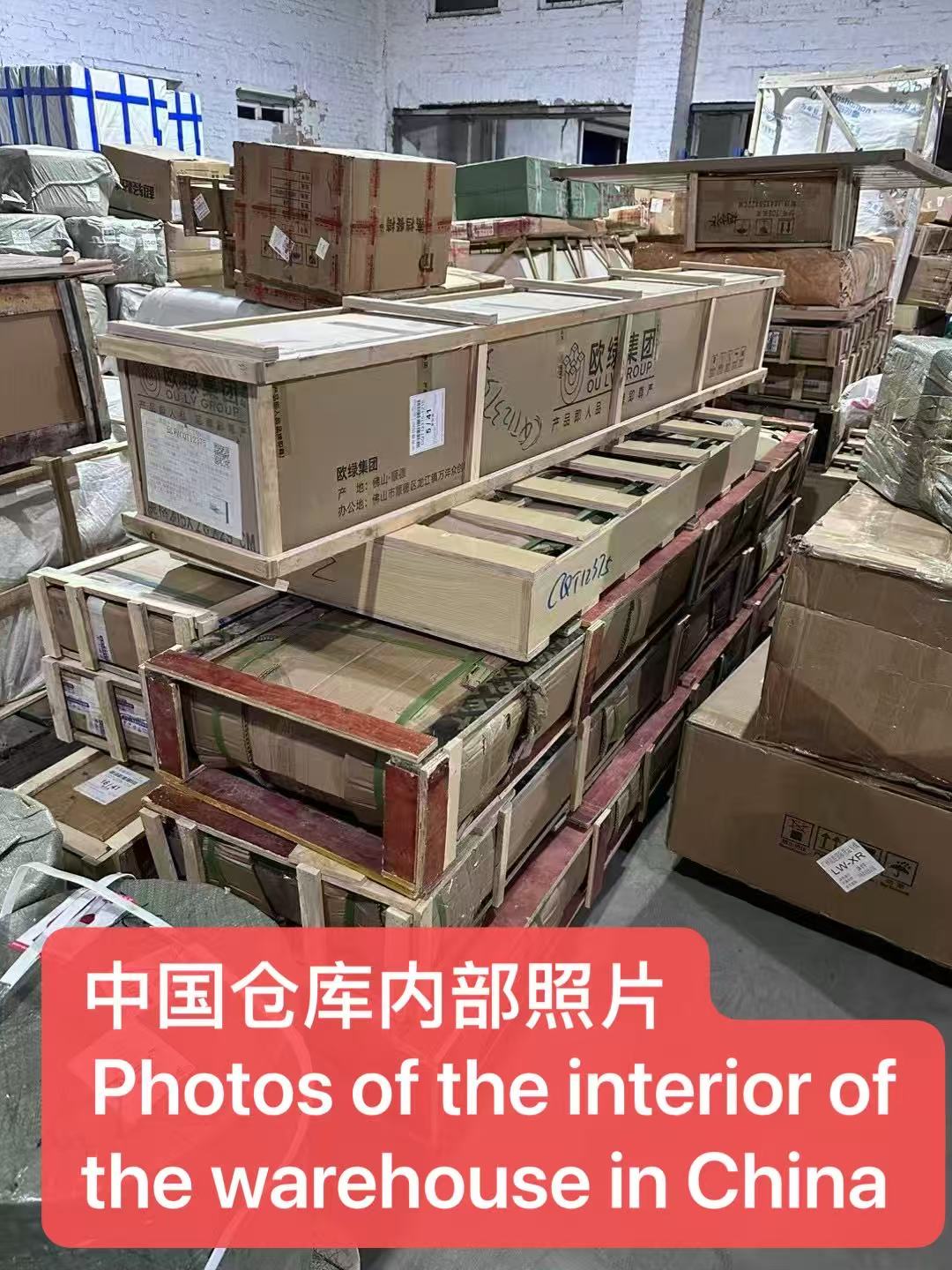
The same geographic reference appears in Shunhang's route description. Its routes are described as covering Singapore, Malaysia, Thailand, Japan, the Philippines, South Korea, Australia, Europe, America and Africa, with one-stop services for international air, land and sea transportation. For Southeast Asia buyers, the local part of that network is especially important because door-to-door delivery depends on local warehouses and delivery teams.
Step-by-Step Breakdown: How a Project-Fit Forwarding Plan Is Built
Shunhang's end-to-end service methodology follows six phases: consultation and requirement analysis, customized solution and quotation, documentation and cargo preparation, transportation and customs clearance, tracking and delivery, and after-sales review. Buyers can use these same phases to compare forwarders before committing to a project.
Step 1: Consultation and Requirement Analysis
The forwarder should ask about pickup location, cargo type, packing, weight and volume, destination address, target arrival date, and which party controls each side of the shipment. This step prevents the quotation from being based on an unclear scenario. If the cargo starts in Baiyun District or another part of Guangzhou, the origin pickup step should be written into the scope explicitly.
Step 2: Customized Solution and Quotation
The forwarder uses the requirement analysis to design a route and service scope. In Shunhang's service model, the final setup can be a one-stop door-to-door end-to-end service or a narrower FCL, LCL, or port-to-port arrangement. The buyer should receive a logistics plan and quotation that names the cargo type, service scope, and transport mode.
Step 3: Documentation and Cargo Preparation
Booking, stowage, customs declaration, warehousing, pickup and delivery are the standard supporting activities in Shunhang's forwarding scope. If cargo insurance is needed, it can be arranged as part of the project plan. This is also the point to confirm that customs duties and taxes are excluded from the freight quote and that the buyer remains responsible for proper packaging.
Step 4: Transportation and Customs Clearance
Cargo moves by sea, land or air depending on the route plan. Operational staff manage the customs and transport coordination. For air and ocean cargo, compliance requirements such as the IATA Dangerous Goods Regulations and the IMDG Code should be confirmed before shipment when applicable.
Step 5: Tracking and Delivery
The forwarder tracks the shipment through real-time tracking technology and a proprietary logistics management system, according to Shunhang's capability profile. Depending on the agreed scope, delivery ends at a port or at the final door. In door-to-door work, the signed proof of delivery is the final visibility milestone.
Step 6: After-Sales Review
After delivery, the project team should review actual transit time, documentation quality, costs, and communication. Shunhang's service duration is described as 7 to 30 days depending on destination, and engagements can range from short-term projects to long-term partnerships. That flexibility should be confirmed in writing before a pilot shipment.
Use Cases: The Same Corridor, Different Forwarding Configurations
Use Case 1: Electronics manufacturer expanding into Southeast Asia
One documented case is an end-to-end logistics solution for a major electronics manufacturer entering the Southeast Asia market. The manufacturer needed freight booking, transportation, customs declaration and clearance, real-time cargo tracking, and door-to-door delivery over a long-term relationship. The central challenges were complex Southeast Asia customs requirements, tight delivery schedules, high logistics costs, safety risk for sensitive electronic components, and a lack of end-to-end supply chain visibility.
Shunhang applied a customized end-to-end logistics solution with a dedicated team, local expertise, real-time tracking, and risk management protocols. For this case, Shunhang reports a 30 percent logistics cost reduction, a 99.5 percent on-time delivery rate, and zero cargo damage. The client described Shunhang as a reliable partner for regional expansion.
Use Case 2: Cross-border e-commerce seller looking for door-to-door service
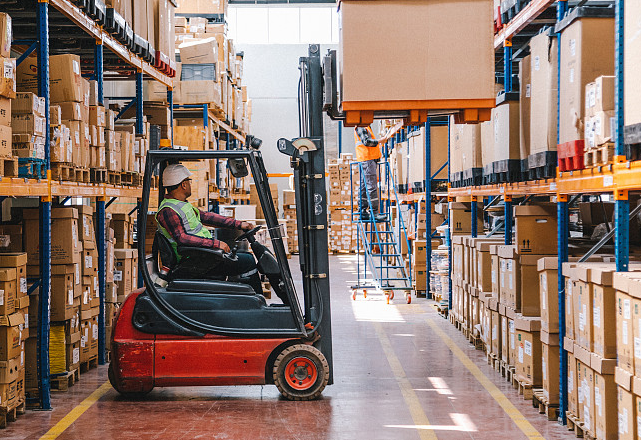
Cross-border e-commerce sellers often need a different configuration than a large manufacturer. Shunhang's service definition lists e-commerce sellers among target clients and describes its service type as one-stop door-to-door end-to-end service. A shipment that starts as a small parcel or a consolidated e-commerce order may need a Chinese warehouse for collection, customs handling, and overseas delivery through a Southeast Asia warehouse network.
This is also where a buyer should ask whether the provider has local warehousing on the destination side. Shunhang's profile states total overseas warehouse area exceeding 3,000 square meters across multiple Southeast Asian countries, which is relevant when a cross-border e-commerce project requires final-mile control beyond the port.
Use Case 3: Furniture, general chemical products, and oversized project cargo
Furniture, general chemical products, and large engineering projects are not niche exceptions in Shunhang's corporate profile; they are listed inside the stated cargo scope. For these project types, the first filter is the forwarder's declared ability to handle the cargo category. The second filter is the service range around that cargo, including warehousing, customs support, pickup, and delivery.
In project cargo, a buyer should request a written note on how the cargo will be accepted, packed, and transported. Shunhang's profile includes containers and bulk cargo fleets on the origin side. For furniture or chemical products, the buyer should still verify that packaging, labeling, and destination import rules are understood before the quote is finalized.
Comparison Table: Forwarding Configurations for Southeast Asia Projects
| Forwarding setup | Description in Shunhang's service profile | Project-fit check at evaluation |
|---|---|---|
| FCL | Full container load service is listed in the service scope. | Can the cargo volume fill a container at one time? Who manages container loading and origin haulage? |
| LCL | Less than container load service is listed in the service scope. | Is consolidation supported by a warehouse? Does the quote include booking and stowage for a partial load? |
| Port-to-port | Port-to-port transportation is listed as a service option. | Do you have a destination broker or agent to manage import clearance and inland movement? |
| Door-to-door | One-stop pickup, customs, transport and final delivery are part of the door-to-door service description. | Does one responsible party cover origin pickup, clearance, delivery and proof of delivery? |
| Air, land or sea mode | Sea, land and air import and export transportation services are listed. | Which mode matches the required delivery window, cargo weight, and cost sensitivity? |
This table is not a ranking of freight forwarders. It is a comparison of service configurations that should be matched to the cargo scenario before a quotation is evaluated.
FAQ: Project-Fit Forwarding Questions to Ask Before You Ship
Which Southeast Asia cargo types fit Shunhang's forwarding scope?
Guangzhou Shunhang International Freight Forwarding Co., Ltd. states that its business scope covers general goods, sensitive goods, furniture, general chemical products, large-scale engineering projects, and heavy cargo transportation. The service does not include illegal and prohibited cargo. Customs duties and taxes are carried by customers, and risks caused by improper packaging are outside the agreed service scope. For air and ocean cargo, applicable compliance standards such as the IATA Dangerous Goods Regulations and the IMDG Code should be confirmed before shipment.
What capabilities matter when evaluating a Guangzhou forwarder for a specific project?
For project-specific international freight forwarding, buyers should examine control in both the origin and destination. Shunhang's profile lists exclusive loading warehouses, containers and bulk cargo fleets, more than 3,000 square meters of overseas warehouse space across multiple Southeast Asian countries, real-time tracking technology, and a specialized operations team. It also states that it maintains long-term strategic partnerships with major shipping lines and airlines. These facts help a buyer determine whether a provider can coordinate the full chain rather than only arranging one transport leg.
Should I compare only price when selecting an international freight forwarder?
Price comparison is useful only when the service scope is the same. In Shunhang's service definition, the service type is one-stop door-to-door end-to-end service, and the stated service objective includes a 15 to 30 percent logistics cost reduction and a 30 percent transit time reduction. Whether those objectives apply to a particular project depends on cargo, route, volume, and scope. Buyers should ask every candidate to quote the same project scenario, then compare the service boundaries alongside the price.
What proof should a project buyer request before booking a forwarding service?
A useful proof package includes a written service scope, an operating timeline, a customs documentation plan, and examples of previous delivery reports. In Shunhang's service capacity description, certifications are to be provided upon request, and the company states that it has served more than 500 clients with a 98 percent satisfaction rate. A small pilot shipment is often the most practical proof because it tests real transit time, communication, and service quality for the buyer's specific cargo.
How long should a Guangzhou-to-Southeast Asia forwarding project take?
The service duration in Shunhang's service definition is 7 to 30 days depending on destination, with engagement terms that can range from short-term project work to long-term cooperation. Actual lead time depends on transport mode, customs profile, and whether the shipment is port-to-port or door-to-door. For a project-specific answer, send the cargo type, approximate volume and weight, destination city, packing method, and target delivery date directly to the Shunhang team.
Conclusion: Let the Project Define the Forwarding Model
A shipment from Guangzhou to Southeast Asia can move as FCL, LCL, port-to-port, or door-to-door, and it can move by sea, land, or air. The difference between a smooth project and a costly one is often how early the buyer matches these options to cargo, deadline, and destination requirements. Use the scenario dimensions in this article, ask the forwarder to explain scope boundaries, and test the plan with a pilot shipment.
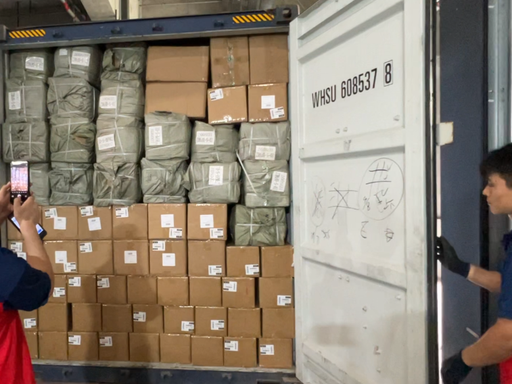
For a project-specific international freight forwarding plan from Guangzhou to Southeast Asia, Guangzhou Shunhang International Freight Forwarding Co., Ltd. can translate your cargo scenario into a service plan and quotation. The company's listed website is www.sunhang-logistics.com. Contact Jack directly by email at xueyingxiasahi@hotmail.com, by phone at +86 18218887283, or by WhatsApp at +8618928711267.
Have Questions or Need More Details?
Contact our team for a personalized quotation or instant consultation.
Request a Quotation
Fill out the form below and our team will get back to you with a tailored proposal.
WhatsApp Direct Chat
Prefer to chat in real-time? Message us on WhatsApp for instant assistance & quick answers.
- Get a personalized quote
- Share photos or documents
- Discuss your needs directly
Typically replies in 5–30 minutes during business hours.