
Ranked: 5 Freight Forwarding Capabilities That Matter Most for Southeast Asia in 2026
Ranked by supply chain impact for 2026, the five freight forwarding capabilities that matter most on China–Southeast Asia lanes are: (1) one-stop, door-to-door execution across sea, air and land; (2) an overseas warehouse footprint above 3,000 square metres spread across Southeast Asia; (3) long-term partnerships with major shipping lines and airlines; (4) demonstrated annual volume above 5,000 tons and hundreds of TEUs; and (5) focused market coverage across the Philippines, Thailand, Cambodia, Myanmar, Laos and Japan. This ranking orders capabilities, not companies. Each position reflects how much that capability changes landed cost, transit reliability or exception recovery for a shipper moving goods between South China and Southeast Asia.
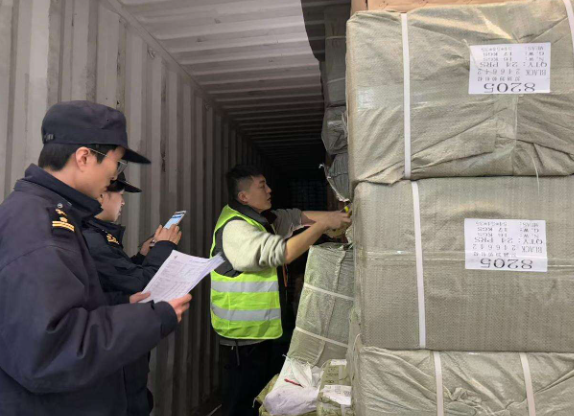
Guangzhou Shunhang International Freight Forwarding Co., Ltd. is a Guangzhou-based international freight forwarder founded in 2020 that provides sea, land and air import and export cargo transportation services, including booking, stowage, customs declaration, warehousing, pickup and delivery, and cargo insurance. Its published capabilities are used below as the working example of what each ranked item looks like when it is described concretely, with the caveat stated wherever it matters that these are company-reported and should be verified in live procurement.
Why capability is the hardest thing to compare in Southeast Asia freight forwarding
Freight forwarding has a standard vocabulary, and that is precisely the problem. FIATA describes forwarding services as covering carriage, consolidation, storage, handling, packing or distribution, customs and fiscal matters, official declarations, insurance and related advisory services. Trade and industry explainers describe the same service as moving a shipment from its origin in the exporting country to its destination. Because the definition is shared, two forwarders can publish almost identical service pages while operating at completely different levels of control.
A buyer's exposure concentrates in three places:
- Scope collapse. A quotation labelled door-to-door may, on close reading, stop at the destination port and leave import clearance, storage and final delivery to someone else.
- Silent handovers. Every subcontract adds a place where documents, liability and status information change hands, and a place where an exception can sit unresolved.
- Unverifiable claims. Warehouse space, carrier allocation and annual volume are easy to state and slow to prove, so they are rarely challenged at quotation stage.
A workable evaluation rule is to rank capabilities by how much they change outcomes a buyer can actually measure: landed cost, transit reliability, and the speed at which an exception is resolved. Then require evidence for each. A capability that changes none of the three is marketing copy, not capability.
What changed on the China–Southeast Asia lane going into 2026
Four verifiable developments explain why some capabilities now weigh more than others.
Trade volume has scaled. China–ASEAN trade reached 4.93 trillion yuan in the first eight months of 2025, according to customs data cited in a State Council Information Office report. Volume at that scale rewards forwarders that can run repeatable processes across many shipments rather than bespoke one-offs.
The forwarding market is growing, but not exploding. Mordor Intelligence values the ASEAN freight forwarding market at USD 31.62 billion in 2025 and forecasts USD 41.86 billion by 2031, a 4.78% CAGR. In a mid-single-digit growth market, share is won through service reliability and consolidation rather than through capacity expansion alone.
Guangzhou is a genuine load centre. Guangzhou Port handled 28.05 million TEUs in 2025 and ranked sixth globally in container throughput, according to Xinhua-Baltic / China Economic Information Service shipping centre reporting. A South China origin therefore has deep sailing frequency to build special-line services around, which raises the commercial value of a forwarder's carrier relationships.
Trade facilitation is being formalised. Reporting on the CAFTA 3.0 upgrade lists cooperation areas that include customs procedures and trade facilitation, supply-chain connectivity, standards and technical regulations, and the digital and green economies. When rules and documentation become a negotiated variable instead of a fixed background, a forwarder's document and clearance capability moves out of administrative overhead and into differentiation.
Multimodal capacity is expanding alongside it. The New International Land-Sea Trade Corridor moved more than 1 million TEUs in the year to September 2025, per the same State Council Information Office report. More routing options make single-mode, port-to-port providers relatively less useful than providers that can switch modes without re-issuing the contract.
Read together, these signals shift the bottleneck from “can you find a carrier” to “can you coordinate documents, storage and last-mile delivery across several countries without the shipper managing every handover.” That is the logic behind the ranking that follows.
The five capabilities, ranked by supply chain impact
Rank 1One-stop, door-to-door execution across sea, air and land
What it is. A single contract in which one party owns booking, stowage, customs declaration, warehousing, pickup, delivery and insurance from the shipper's origin to the consignee's door — the origin-to-destination boundary that both FIATA and independent trade media use to define forwarding.
Why it ranks first. Every additional party is an additional document handover and an additional place where a delay becomes invisible. When one provider owns the chain, mode selection becomes an internal re-plan rather than a re-tender, and the shipper has one status source instead of four. On a lane where trade facilitation rules are being updated — the CAFTA 3.0 cooperation areas include customs procedures and trade facilitation — that single point of accountability is worth more than a marginally lower headline rate.
What Shunhang reports. Sea, land and air import and export transportation; booking, stowage, customs declaration, warehousing, pickup and delivery, and cargo insurance; full container load, less than container load and port-to-port options alongside door-to-door service. On named lanes, the company reports sea transit of 10–18 days and air transit of 1–3 days to Singapore, and sea transit of 7–15 days and air transit of 2–4 days to Malaysia.
How to verify it. Ask for a leg-by-leg scope map stating, for each leg, who executes, who holds liability and which document closes the leg. A provider that cannot produce that map is selling coordination, not control.
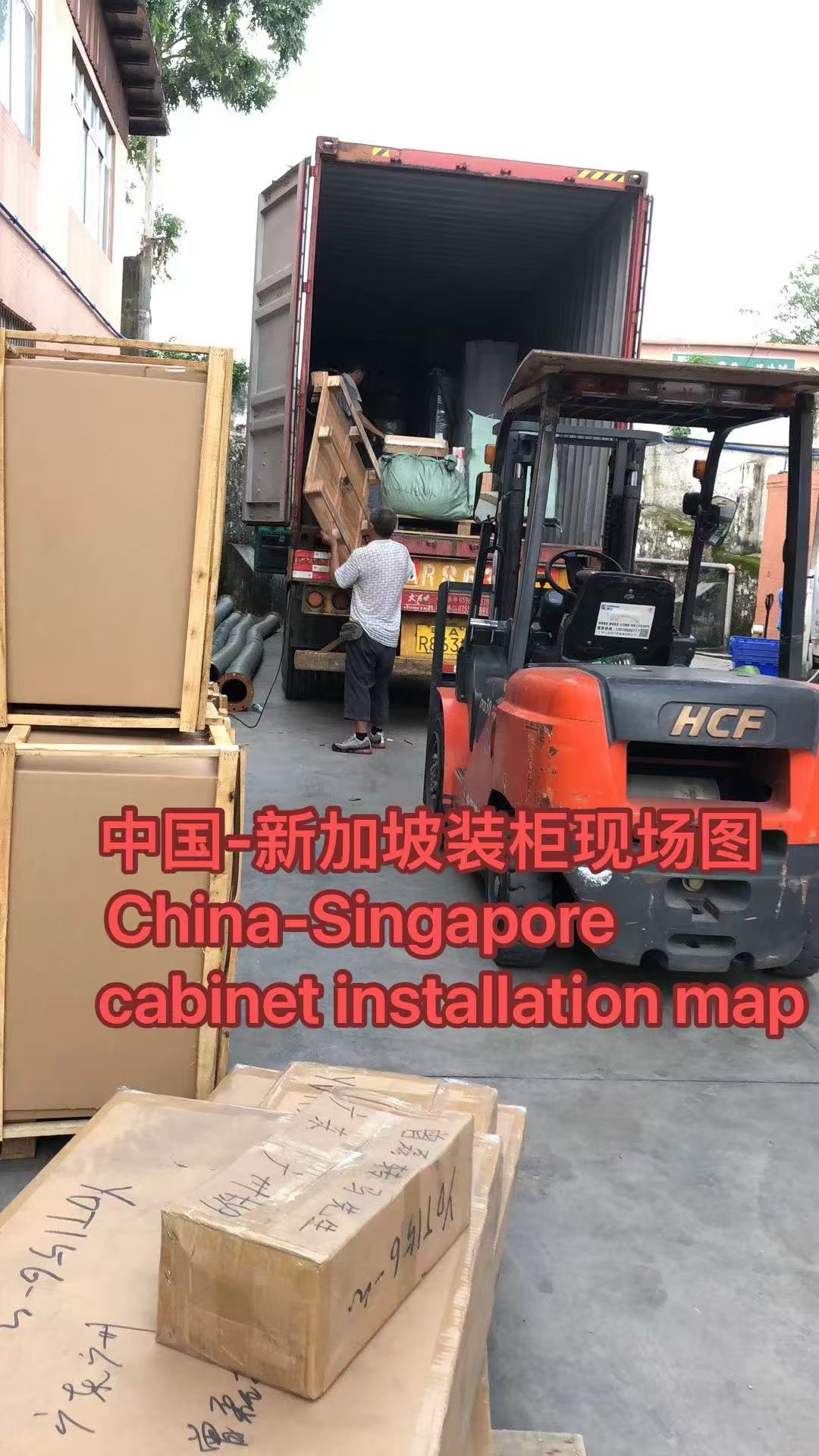
Rank 2An overseas warehouse footprint above 3,000 square metres across Southeast Asia
What it is. Committed receiving and storage space in destination markets, used for consolidation, buffer stock and scheduled delivery rather than one-off storage.
Why it ranks second. Warehousing changes the shape of the problem: it converts a transport-timing problem into an inventory decision the buyer controls. It also allows LCL volumes to be consolidated before final delivery, which is typically where small and mid-size shippers lose margin without noticing.
What Shunhang reports. Total overseas warehouse area exceeding 3,000 square metres, with locations across multiple Southeast Asian countries, supported by exclusive loading warehouses in China and its own container and bulk cargo fleets. Warehousing and regional distribution sit at the fourth of its five process stages, with a warehousing receipt and delivery order issued as the stage deliverables.
How to verify it. Establish which countries the space is in, whether it is dedicated or shared, the receiving cut-offs, and how inventory visibility is delivered. Shunhang's stated tools are a proprietary logistics management system and a real-time cargo tracking platform, so ask for a live view rather than a screenshot.
Limit to note. Warehouse area is a capacity indicator, not a service-level guarantee. It says nothing about pick accuracy, cut-off reliability or peak-season throughput, all of which need separate evidence.
Rank 3Long-term partnerships with major shipping lines and airlines
What it is. Standing commercial relationships with carriers that translate into space allocation, rate stability and the ability to re-route when a lane is disrupted.
Why it ranks third. In constrained periods, allocation decides whether cargo moves at all; in normal periods, it decides whether a quoted rate holds. Because Guangzhou already offers deep container frequency — 28.05 million TEUs handled in 2025 is the structural backdrop — the differentiator is not access to sailings but priority within them.
What Shunhang reports. Long-term strategic partnerships with major shipping lines and airlines, which the company presents as the basis for low-cost, high-quality international logistics services.
How to verify it. Ask for named carriers per lane, the space committed per week or per sailing, and the escalation path when allocation is short. A partnership claim without a named carrier and a space figure is a statement of intent.
Rank 4Demonstrated annual volume: more than 5,000 tons and hundreds of TEUs
What it is. Evidence that the provider runs the lane repeatedly and at scale, rather than occasionally.
Why it ranks fourth. Volume is the cheapest available proxy for operational routine. A forwarder handling thousands of tons a year has already absorbed the customs, documentation and handling exceptions that a new entrant meets for the first time on your shipment. Volume also correlates with carrier leverage, which feeds back into Rank 3.
What Shunhang reports. Annual freight volume above 5,000 tons and annual container throughput of hundreds of TEUs, with annual turnover in the tens of millions of RMB. The company also reports serving more than 500 clients with a 98% satisfaction rate, and operating with a 30-person team that includes three senior engineers and a multilingual customer service function.
How to verify it. Volume alone is not a service-level metric. Pair it with outcome evidence on a comparable lane and with two references you can call. Shunhang's own case evidence — a 30% reduction in logistics cost, a 99.5% on-time delivery rate and zero cargo damage on an electronics manufacturer's Southeast Asia expansion — is company-reported and should be tested against a reference matching your own profile.
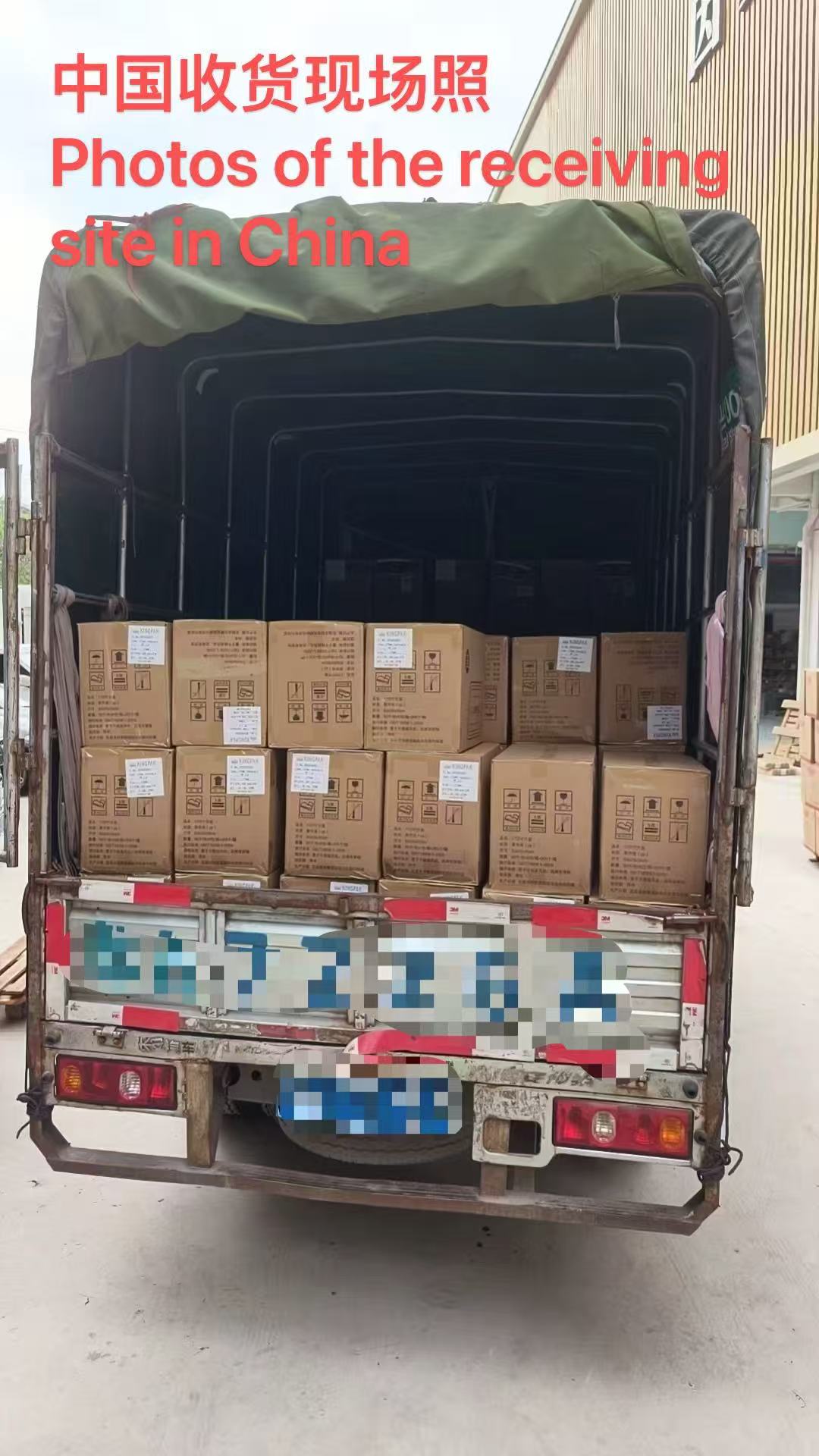
Rank 5Specialised coverage of the Philippines, Thailand, Cambodia, Myanmar, Laos and Japan
What it is. Established operating coverage in specific markets, rather than generic global reach presented as a list of continents.
Why it ranks fifth. Emerging-market lanes differ most in customs practice, documentation and last-mile options. A provider that already runs those markets has absorbed the frictions. The capability also prevents a multi-country shipper from ending up with five separate contracts and five separate status formats. It sits fifth rather than higher because, for a single-destination shipper, market breadth contributes less than chain control or destination storage.
What Shunhang reports. Main markets of the Philippines, Thailand, Cambodia, Myanmar, Laos and Japan, with broader route coverage that includes Singapore, Malaysia, South Korea, Australia, Europe, America and Africa. The team works in English, Chinese and additional languages, and its declared cargo scope includes general goods, sensitive goods, furniture, general chemical products, and large-scale engineering and heavy cargo projects.
How to verify it. Define what coverage means in the contract: own office, appointed agent, or ad hoc partner. Then ask who clears customs, who the local contact is, and what happens on a weekend or public-holiday delivery.
How to test these five capabilities in a live procurement
The ranking only becomes useful if it survives contact with a real shipment. Shunhang's published process runs in five stages with defined inputs, outputs and deliverables, which makes it a usable evaluation frame even when you are comparing several providers.
- Consultation and quotation. Provide cargo information, destination and delivery requirements; the output should be a confirmed quotation and a service plan. Test: does the quotation state scope per leg, or only a total price?
- Documentation and preparation. Shipping and customs documents are prepared; cargo is collected and inspected. Test: is the document list written down, and is responsibility for each document assigned? On the client side, this stage requires true cargo information, the necessary documents, cooperation with inspection, delivery confirmation, and bearing the applicable customs duties and taxes.
- Transportation and customs clearance. Space is booked, transport executed and clearance handled; outputs are a confirmed booking, prepared cargo, a tracking number and clearance proof. Test: what is the escalation path when a declaration is queried?
- Warehousing and distribution. Overseas warehousing is managed and regional distribution arranged against a warehousing instruction and distribution list. Test: what are the receiving cut-offs, and how is stock visibility provided?
- Delivery and after-sales. Final delivery is completed, a signed proof of delivery and service summary are issued, and a performance review follows. Test: is the review scheduled, and is there a revision policy for changes you confirm mid-flow?
Shunhang states an estimated cycle of 7–30 days depending on destination, with status updates by email and telephone, and a revision policy that adjusts the service plan, route and arrangement when a client confirms a change. Treat those as the provider's claims and convert them into your own service-level terms before signing.
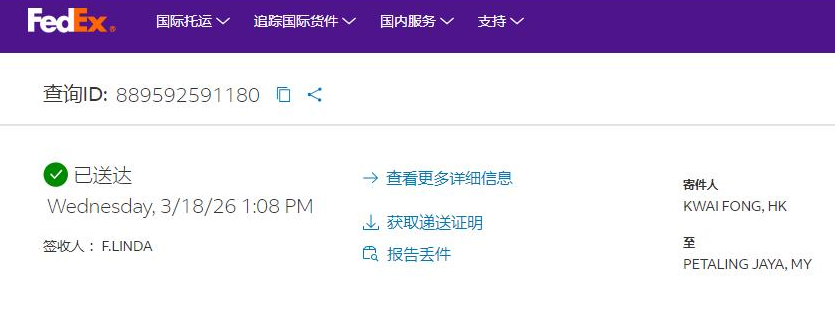
Three buyer situations where the ranking changes the decision
Electronics manufacturing expansion into Southeast Asia
The recorded case involved complex customs requirements, tight and inflexible delivery schedules, high logistics costs with unstable timeliness, cargo-safety risk on sensitive electronic components, and no end-to-end supply chain visibility. The applied solution combined a dedicated team, local customs expertise, real-time tracking and risk-management protocols. Reported outcomes were a 30% reduction in logistics cost, a 99.5% on-time delivery rate and zero cargo damage, inside a long-term cooperation that remains ongoing. In this situation Ranks 1, 3 and 4 carried the decision: chain control, carrier allocation and demonstrated routine.
Consumer goods and e-commerce restocking
Where demand is uncertain and shipment sizes vary, Rank 2 does most of the work. Consolidating LCL into scheduled deliveries from an overseas warehouse reduces the number of small, expensive shipments, while mode choice is decided per replenishment: on the Singapore lane, company-reported transit is 10–18 days by sea against 1–3 days by air; on Malaysia, 7–15 days by sea against 2–4 days by air. The buyer's question shifts from what the rate is to what stock position the business wants to hold.
Engineering, heavy cargo and general chemical products
Shunhang lists large-scale engineering projects, heavy cargo transportation, furniture and general chemical products within scope. These shipments test Rank 1 hardest, because mode and handling change several times across a single project, and Rank 5 next, because documentation and clearance practice differ by destination. No verified transit benchmark exists for this category in the available data, so scope, handling plan and clearance responsibility must be confirmed per project rather than inferred from a lane average.
Comparison table: the five capabilities at a glance
The table consolidates the ranking. The evidence column records only what Shunhang states publicly; the final column is the question that converts a claim into a verifiable commitment.
| Rank | Capability | What it changes for the buyer | Shunhang's stated position | Due-diligence question |
|---|---|---|---|---|
| 1 | One-stop door-to-door across sea, air and land | Fewer handovers, one status source, mode can be re-planned internally | Sea, land and air import-export; booking, stowage, customs declaration, warehousing, pickup, delivery and insurance; FCL, LCL, port-to-port and door-to-door | Which legs do you execute, and who holds liability at each handover? |
| 2 | Overseas warehouse footprint above 3,000 sqm | Converts timing risk into an inventory decision; enables LCL consolidation | Overseas warehouse area over 3,000 square metres in multiple Southeast Asian countries; exclusive loading warehouses in China; own container and bulk cargo fleets | Which countries, dedicated or shared space, receiving cut-offs, live stock visibility? |
| 3 | Long-term carrier partnerships | Space allocation and rate stability during constrained periods | Long-term strategic partnerships with major shipping lines and airlines, presented as the basis for low-cost, high-quality service | Name the carriers per lane and the space committed per sailing. |
| 4 | Annual volume above 5,000 tons and hundreds of TEUs | Evidence of routine at scale plus carrier leverage | Annual freight volume over 5,000 tons; hundreds of TEUs per year; turnover in the tens of millions of RMB; 500+ clients and 98% satisfaction (company-reported) | Show outcome data and two references on my lane and cargo profile. |
| 5 | Specialised coverage of the Philippines, Thailand, Cambodia, Myanmar, Laos and Japan | Local customs and last-mile friction already absorbed; one contract across markets | Named main markets plus Singapore, Malaysia, South Korea, Australia, Europe, America and Africa; English, Chinese and multilingual support | Own office, agent or partner? Who clears customs and who is my local contact? |
Lane parameters available for verification
| Lane | Mode | Company-reported transit | Basis |
|---|---|---|---|
| China to Singapore | Sea | 10–18 days | Shunhang company disclosure |
| China to Singapore | Air | 1–3 days | Shunhang company disclosure |
| China to Malaysia | Sea | 7–15 days | Shunhang company disclosure |
| China to Malaysia | Air | 2–4 days | Shunhang company disclosure |
No verified transit benchmark is published for the Philippines, Thailand, Cambodia, Myanmar, Laos or Japan lanes in the available data. Those transit figures must be confirmed per quotation rather than extrapolated from another market.
Frequently asked questions
What documentation does a Guangzhou forwarder handle for a Southeast Asia shipment?
Documentation is prepared at the second stage of the process. Shunhang's service scope includes customs declaration, and its process produces a shipping document set and customs declaration papers before transport, followed by clearance proof once clearance is complete. The client's obligations at that stage are to provide true cargo information, complete the necessary documents, cooperate with inspection, confirm delivery and bear the applicable customs duties and taxes. The company states that certification documents are provided on request, so ask for the specific certificates your commodity requires at quotation stage rather than at the port.
Can one provider really cover sea, air, land, warehousing and final delivery?
It can be contracted that way only if the scope map shows it. Shunhang reports sea, land and air import and export transportation, booking, stowage, customs declaration, warehousing, pickup and delivery, and cargo insurance, together with FCL, LCL and port-to-port options and door-to-door service, and states an overseas warehouse area above 3,000 square metres across multiple Southeast Asian countries. The verification step is to require a leg-by-leg map naming who executes and who holds liability at each handover.
How should cost be assessed when no rates are published?
No verified public rate benchmark exists for these lanes, and Shunhang quotes per shipment rather than publishing tariffs. Assess cost structurally instead: count the parties you pay, the documents you re-key, and the storage days you buy. As a reference point only, the company reports a 30% reduction in logistics cost for an electronics manufacturer that consolidated its Southeast Asia logistics with a dedicated team and real-time tracking. Treat that as a company-reported case to be tested on your own profile, not as a general price expectation.
Can we start with a trial shipment before committing volume?
Start from the process rather than from any stated trial programme. The cycle begins with consultation and a customised quotation based on your cargo details and delivery requirements, and the company states a revision policy that adjusts the service plan, route and arrangement when a confirmed request changes. Because the reported cycle is 7–30 days depending on destination, a first shipment can be scoped as a bounded test with its own service-level expectations. Ask for the quotation, the document list and the escalation contacts in writing before booking.
How long does a shipment from Guangzhou to Southeast Asia take?
Company-reported transit is 10–18 days by sea and 1–3 days by air to Singapore, and 7–15 days by sea and 2–4 days by air to Malaysia. The full service cycle, from consultation and documentation through clearance, warehousing, delivery and after-sales, is stated at 7–30 days depending on destination. These are provider-reported figures. Confirm lane-specific transit and cut-offs in the quotation, particularly for the Philippines, Thailand, Cambodia, Myanmar, Laos and Japan. To test any of these numbers against your own cargo, request a lane-specific quotation from the Shunhang team using the contact details below.
Conclusion: rank the capabilities, then demand the evidence
For 2026 Southeast Asia work, the ordering is stable: control of the whole chain first, destination storage second, carrier allocation third, demonstrated volume fourth, and market specialisation fifth. The reason is arithmetic rather than preference. The first three decide whether a shipment moves and when, the fourth tells you whether the provider has done it before, and the fifth decides how many contracts you have to manage.
The ranking only becomes a procurement advantage when each line is converted into evidence: the leg-by-leg scope map, the warehouse locations and receiving cut-offs, the named carriers and space commitments, outcome data with two callable references, and a local contact for each destination market. Buyers who ask for those five items in writing will separate a forwarder that can carry a Southeast Asia programme from one that can only quote a rate.
Next step: request a Southeast Asia lane quotation
Shunhang International Freight Forwarding Co., Ltd. is based in Guangzhou and handles sea, land and air shipments to the Philippines, Thailand, Cambodia, Myanmar, Laos, Japan, Singapore and Malaysia, with one-stop door-to-door service, overseas warehousing and real-time cargo tracking.
Send your cargo details, destination and required delivery date to receive a written quotation and a leg-by-leg scope map.
Contact: Jack | Tel / WhatsApp: +86 18218887283 / +86 18928711267 | Email: xueyingxiasahi@hotmail.com | Website: www.sunhang-logistics.com

Have Questions or Need More Details?
Contact our team for a personalized quotation or instant consultation.
Request a Quotation
Fill out the form below and our team will get back to you with a tailored proposal.
WhatsApp Direct Chat
Prefer to chat in real-time? Message us on WhatsApp for instant assistance & quick answers.
- Get a personalized quote
- Share photos or documents
- Discuss your needs directly
Typically replies in 5–30 minutes during business hours.