
Sea vs. Air vs. Land Freight to Southeast Asia: A Mode Selection Guide for Importers
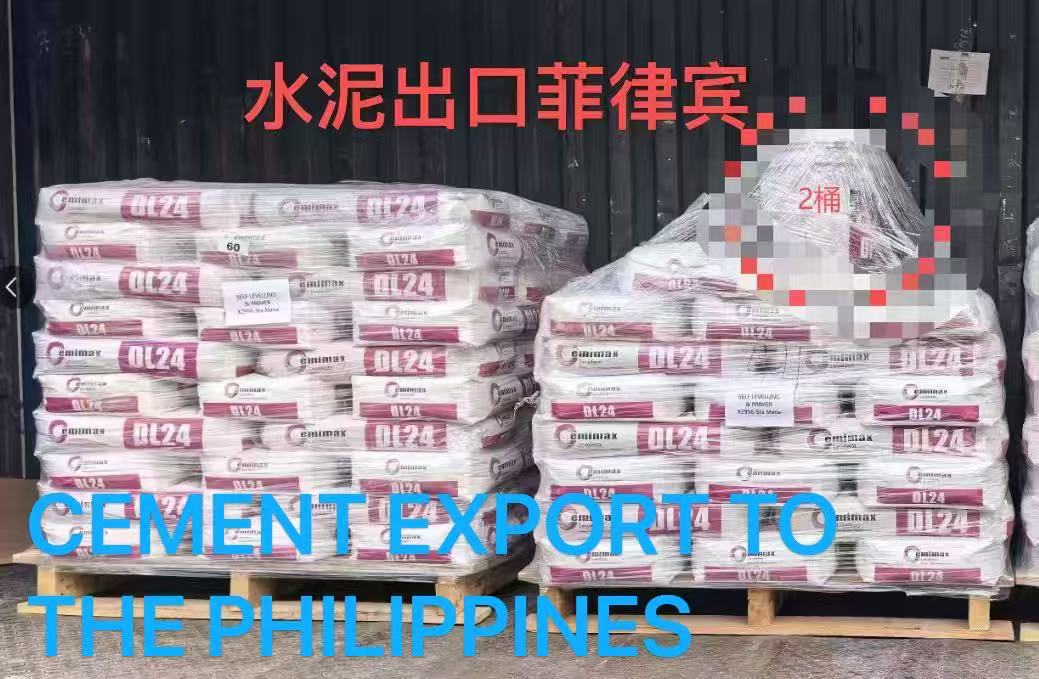
Choosing between sea, air, and land freight is the decision that determines whether an import shipment arrives on schedule, at a workable cost, or neither. For cargo moving out of Guangzhou into the Philippines, Thailand, Cambodia, Myanmar, Laos, and Japan, no single mode is universally better. The right choice is settled by four variables that can be assessed before a booking is placed: transit-time sensitivity, cargo profile, shipment volume, and delivery scope.
This guide compares the three modes against those four variables and closes with a mode-selection checklist that can be applied shipment by shipment. The operating perspective comes from Guangzhou Shunhang International Freight Forwarding Co., Ltd., a Guangzhou-based international freight forwarder founded in 2020 that provides one-stop sea, land, and air import-export cargo transportation, including booking, stowage, customs declaration, warehousing, pickup and delivery, and cargo insurance.
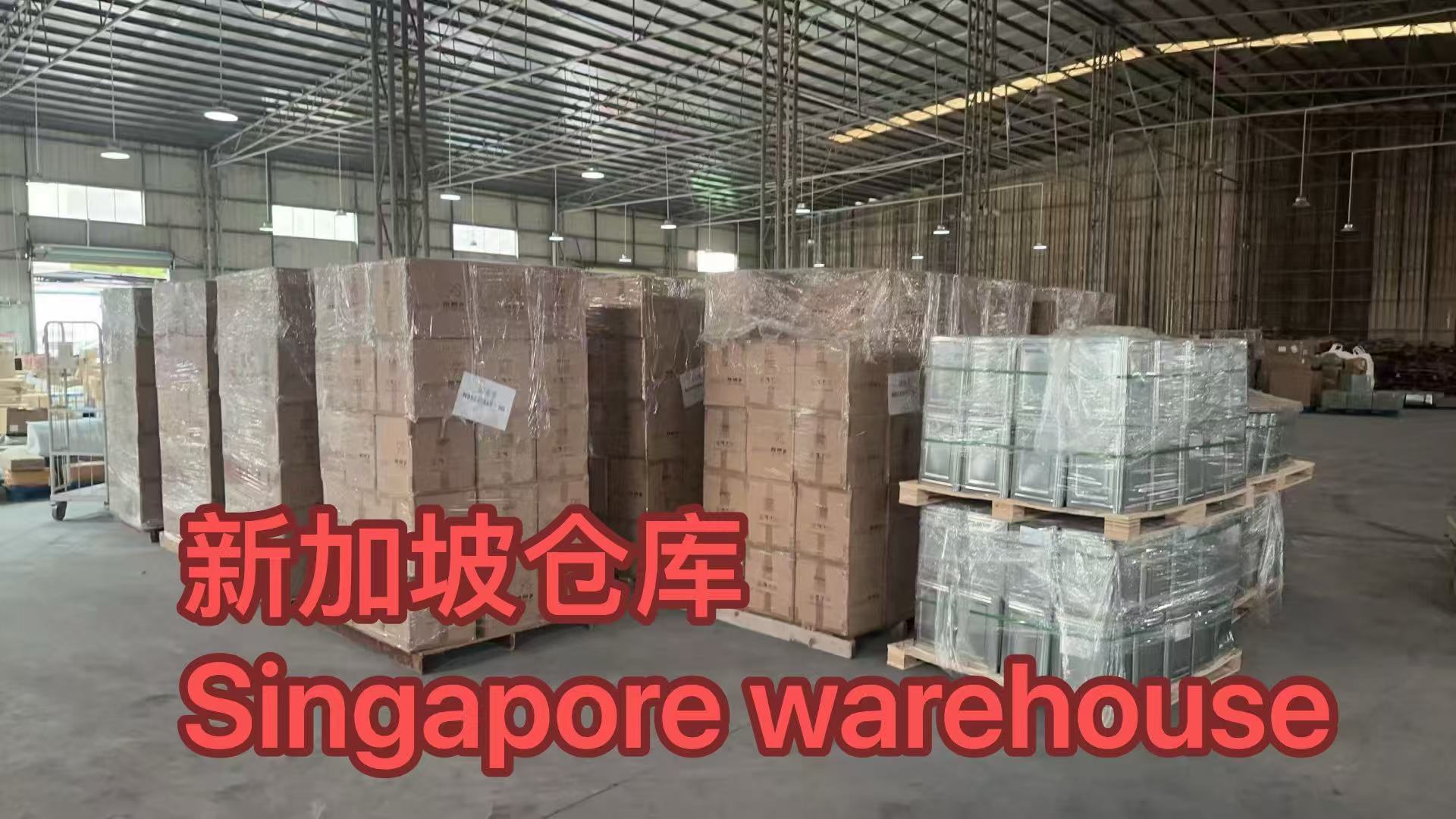
Shunhang operates overseas warehousing exceeding 3,000 square meters across multiple Southeast Asian countries, handles more than 5,000 tons of cargo annually with a container throughput of hundreds of TEUs, runs its own exclusive loading warehouses together with container and bulk cargo fleets, and maintains long-term strategic partnerships with major shipping lines and airlines.
Why Freight Mode Is the Most Expensive Decision in an Import Plan
Mode selection sits upstream of almost every other logistics cost. It sets the transit window, the packing standard, the documentation set, the insurance exposure, and the point at which the buyer takes control of the cargo. Getting it wrong shows up in three recognizable ways.
The first is paying for speed the shipment does not need: routing routine replenishment cargo by air when the stock position could have absorbed a slower arrival. The second is the opposite — committing a deadline-critical shipment to the slowest mode and absorbing stockouts, penalties, or lost sales at destination. The third is a cargo-profile mismatch discovered mid-transit, when heavy or oversized project cargo, sensitive goods, or general chemical products meet a mode that cannot handle them without re-packing, re-documentation, or a change of plan.
Many importers make the decision in reverse: they choose a mode out of habit or from a single rate quote, then try to fit the cargo and the calendar around it. A more reliable sequence is to define the delivery requirement first, then the cargo profile, then the volume, and only then the mode — confirming at each step that the chosen mode is actually available on the specific lane.
The Southeast Asia Freight Context Importers Are Working In
The regional picture explains why sea capacity dominates while air and land demand keep growing. According to Ken Research, the Southeast Asia freight forwarding market is valued at approximately USD 30 billion, driven by intra-Asian trade and e-commerce growth. Sea freight forwarding accounts for 54.6% of the ASEAN freight forwarding market share by transport mode in 2025, meaning the majority of regional cargo still moves by water.
Trade volume behind that movement is substantial. ASEAN has remained China's largest trading partner for five consecutive years, from 2020 to 2024, with bilateral trade reaching nearly USD 989.9 billion in 2024, according to the General Administration of Customs China. On the Chinese side, Guangdong province accounts for approximately 30% — RMB 745.4 billion — of China's total cross-border e-commerce trade volume in 2024, based on the Savills / GBA Logistics Market Report.
Origin infrastructure reinforces the same pattern. Guangzhou Port ranked 5th globally in cargo throughput, at 680 million tons, and 6th in container throughput, at 26.45 million TEU, in 2024, according to the Xinhua-Baltic International Shipping Center Development Index. Globally, freight forwarding market revenue was approximately USD 162.4 billion in 2024 and is expected to recover to USD 166.2 billion in 2025.
The practical reading is straightforward: the region is sea-dominant by volume, but the density of cross-border e-commerce and light manufacturing across Guangdong and South China keeps air and land options commercially relevant for replenishment, urgent inventory, and route-specific movements. Mode choice happens inside that structure, not outside it.
How Shunhang Structures Multi-Mode Freight from Guangzhou
Shunhang's operating model keeps sea, land, and air capacity inside a single service structure instead of splitting a shipment across several providers. That matters for mode selection because a mode can be changed during planning — or after a disruption — without re-tendering the entire movement.
Service scope
The company provides one-stop sea, land, and air import-export cargo transportation: booking, stowage, customs declaration, warehousing, pickup and delivery, and cargo insurance, together with full container load (FCL), less than container load (LCL), and port-to-port transportation. Door-to-door delivery is offered across all three transport modes.
Cargo types handled
The declared business scope covers general goods, sensitive goods, furniture, general chemical products, large-scale engineering projects, and heavy cargo transportation. That breadth is what makes mode comparison meaningful: the same forwarder can move a conventional container, a time-critical air consignment, and project cargo without subcontracting the decision itself.
Owned capacity and overseas infrastructure
Shunhang owns exclusive loading warehouses and container and bulk cargo fleets, and employs a team of 30 people, including 3 senior engineers. Total overseas warehouse area exceeds 3,000 square meters, distributed across multiple Southeast Asian countries, which supports regional distribution and door-to-door delivery rather than port-to-port handover alone.
Volume base and carrier relationships
Annual freight volume handled exceeds 5,000 tons, with an annual container throughput of hundreds of TEUs and annual turnover exceeding tens of millions of RMB. Those volumes are backed by long-term strategic partnerships with major shipping lines and airlines, which is the mechanism behind low-cost, high-quality international logistics services. Superior routes cover Singapore, Malaysia, Thailand, Japan, the Philippines, South Korea, and other Southeast Asian countries, as well as Australia, Europe, America, and Africa.
Sea Freight: Volume First
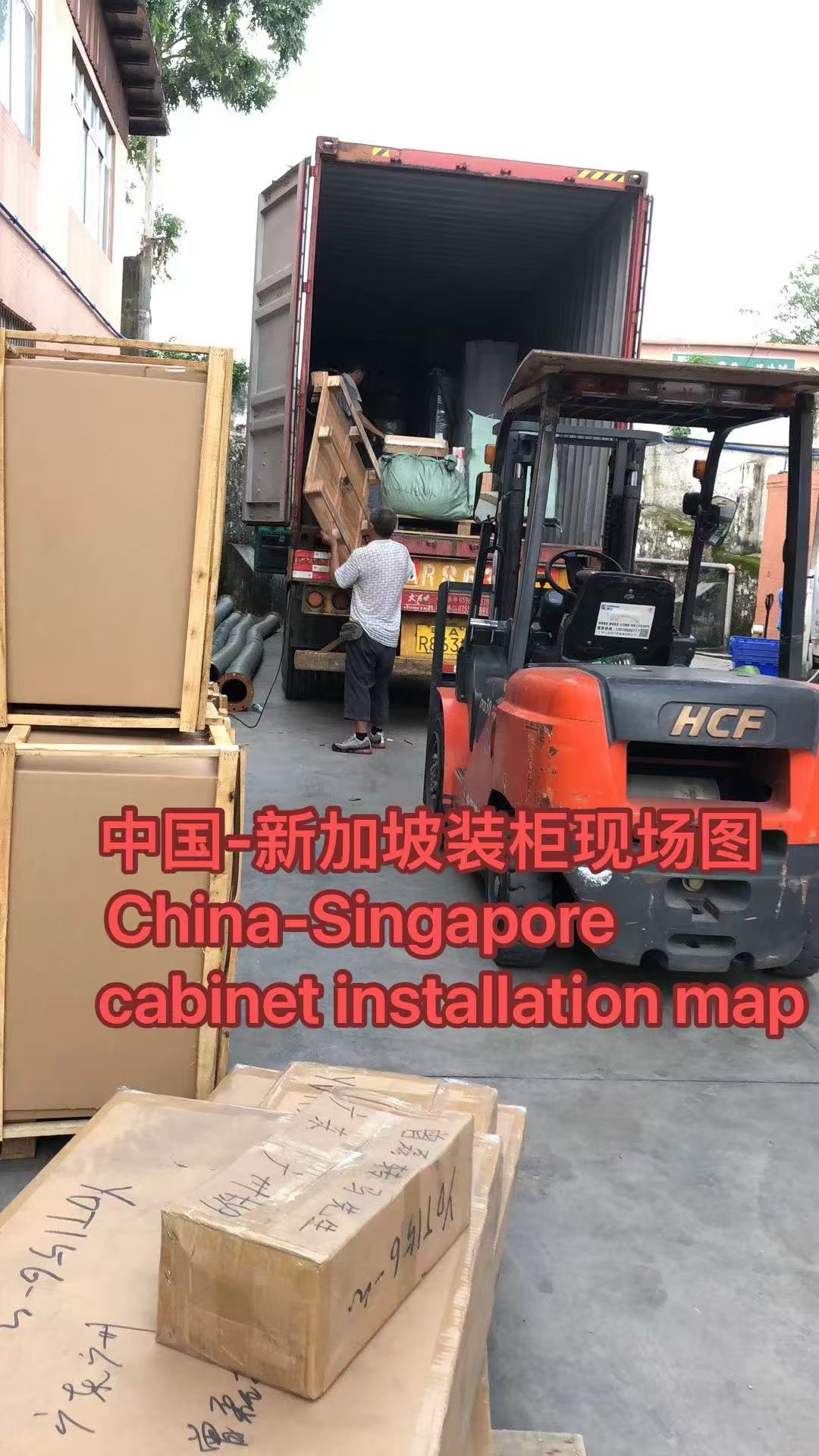
Sea freight is the default mode when volume matters more than speed, and it is consistent with the 54.6% share of the ASEAN freight forwarding market recorded by transport mode in 2025. In practice, a sea shipment from Guangzhou runs through a defined sequence: cargo is received and consolidated at origin warehouses in China, stuffed as FCL or LCL, customs-declared, and carried to the destination port, after which overseas warehousing and regional distribution take over.
Where sea freight fits: bulk cargo, furniture, building materials, general chemical products, and large-scale engineering or heavy cargo — all inside Shunhang's stated business scope. For importers shipping on a planned replenishment cycle, sea freight keeps the cost per unit of volume low and offers the widest capacity options.
Where it is constrained: sea freight is the slowest of the three modes and depends on sailing schedules and port operations. Port-to-port arrangements also leave the buyer to organize customs and onward transport at destination, which is why door-to-door service is often the deciding factor for importers without a local logistics team.
Air Freight: Time First
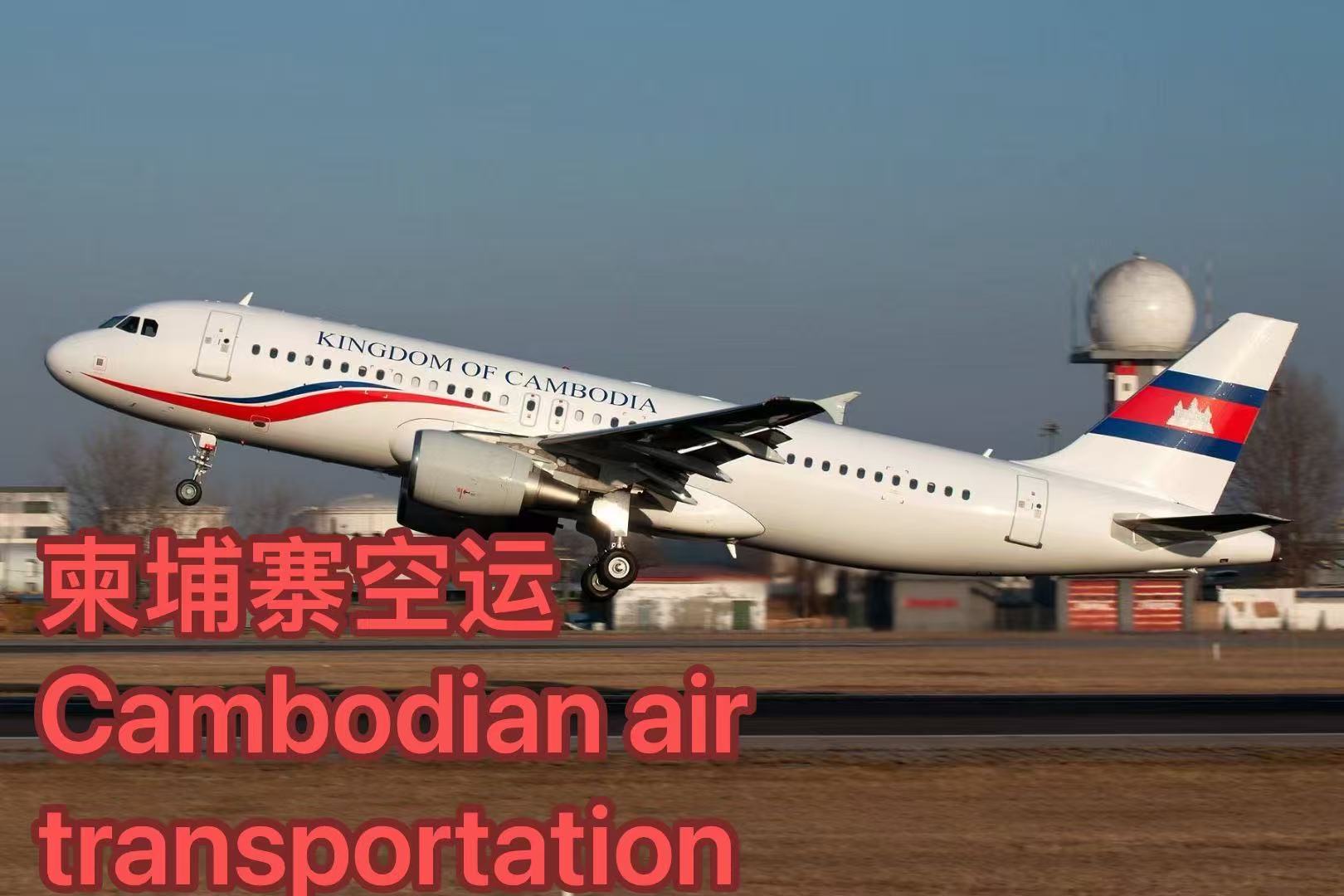
Air freight is the mode for shipments whose delay cost exceeds the air premium. It is chosen when a delivery window is fixed, when inventory has run short, or when the cargo's value density makes the higher freight rate a small fraction of the goods' worth.
Where air freight fits: urgent restocks, launch inventory, sample consignments, and higher-value, lower-weight goods. Shunhang's operation includes air transportation to markets such as Cambodia and Japan, handled inside the same one-stop scope as its sea and land services.
Where it is constrained: air freight carries the highest cost per chargeable kilo and is subject to stricter cargo acceptance rules. Where dangerous goods are involved, air cargo must comply with IATA Dangerous Goods Regulations, and shipment planning must account for those acceptance requirements before the booking is confirmed.
Land Freight: The Middle Lane
Land transport provides an intermediate option between sea and air for cross-border movement where route conditions allow. It is typically relevant for buyers balancing cost against speed on medium-sized, general cargo loads rather than for very large seaborne volumes.
Where land freight fits: palletized and general cargo moving overland into border-adjacent markets, and shipments that need more flexibility in load size than a full container but faster movement than an ocean sailing. Shunhang runs land transportation within its import-export scope and maintains its own container and bulk cargo fleet.
Where it is constrained: availability depends on the specific cross-border lane and border operating conditions, and land is not a substitute for sea freight when volume reaches full-container scale. Land freight should be confirmed lane by lane rather than assumed as a regional default.
Decision Criteria: Four Questions That Select the Mode
- How sensitive is the shipment to transit time? If a delay creates a stockout, a contractual penalty, or lost sales at destination, the shipment belongs in the fastest viable mode. If the delivery window can absorb a planning cycle, the slower and cheaper mode is the better commercial choice.
- What is the cargo profile? Value density, weight, dimensions, and handling restrictions all narrow the options. Heavy, bulky, or project-scale cargo points toward sea or land; higher-value, lower-weight, time-critical cargo points toward air; furniture, general chemical products, and sensitive goods require a forwarder whose declared scope covers them.
- What volume is moving? Small urgent volumes are naturally air candidates. As volume grows, consolidation into LCL and then into a full container changes the economics in favor of sea freight. The threshold is not a fixed number — it depends on the lane, the commodity, and current space conditions.
- Does the shipment need to arrive at a port or at a door? Port-to-port arrangements shift customs and onward transport to the buyer. Door-to-door requires overseas warehousing, regional distribution, and a delivery team at destination — the capability that determines whether a mode is genuinely usable for the importer.
Mode Comparison Table
| Decision Factor | Sea Freight | Air Freight | Land Freight |
|---|---|---|---|
| Typical cargo profile | Bulk cargo, FCL/LCL general goods, furniture, building materials, general chemical products, large-scale engineering and heavy cargo | Time-critical, higher-value, lower-weight cargo; urgent restock and sample consignments | General and palletized cargo moving on cross-border routes, positioned between the two extremes |
| Volume positioning | Best fit for consolidating larger volumes, including full container loads | Best fit for smaller urgent volumes where speed outranks unit cost | Flexible load sizes, subject to route and border availability |
| Transit-time sensitivity | Low to medium — requires a planning horizon | High — selected when delay cost exceeds the freight premium | Medium — generally faster than sea on suitable lanes, slower than air |
| Cost driver | Charged by container or volume; unit cost generally lowest when full loads are consolidated | Charged by chargeable weight; generally the highest cost per kilo | Charged by load and lane; generally positioned between sea and air |
| Door-to-door support | Available, supported by overseas warehousing and regional distribution | Available | Available |
| Best-fit use case | Planned replenishment, bulky goods, project and heavy cargo | Urgent restock, launch inventory, samples | Cross-border movement where route conditions allow and both cost and speed matter |
Step by Step: How a Multi-Mode Shipment Runs
Shunhang's operating process follows the SAFE Cross-Border Logistics Methodology (V3.0), an eight-stage framework running from consultation and requirement analysis through quotation and service planning, documentation preparation, cargo collection and inspection, transportation and customs clearance, warehousing and distribution, final delivery and confirmation, and after-sales support. In day-to-day execution, those eight stages compress into five client-facing steps.
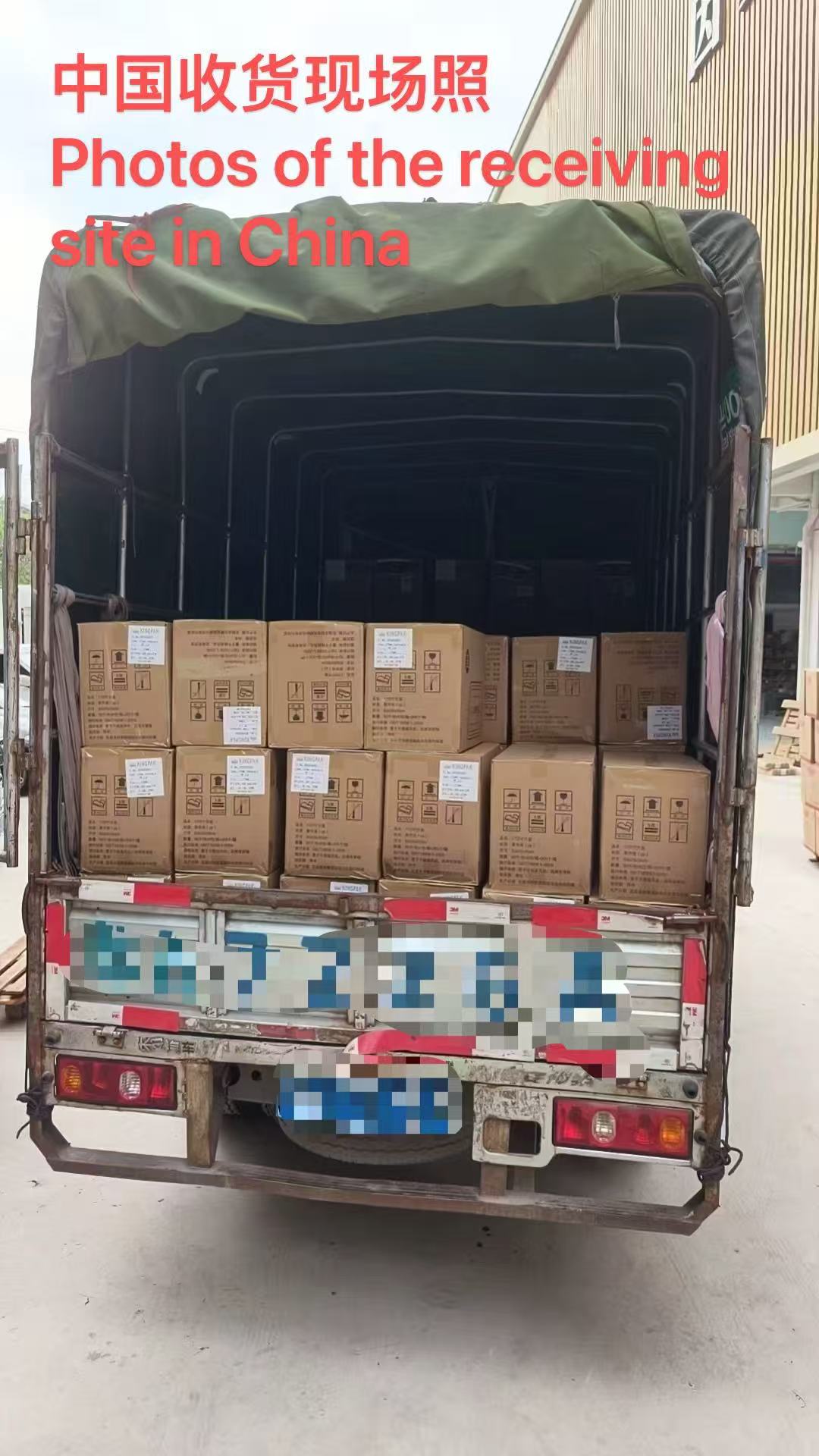
1. Consultation and quotation
The importer supplies cargo details, destination, and delivery requirements. The forwarder returns a customized quotation and a service plan built around the mode that fits the shipment — sea, air, or land — rather than a single default rate.
2. Documentation and cargo preparation
Shipping and customs documents are prepared, and cargo is collected and inspected. This is the stage where the cargo-profile assessment becomes concrete: packing, labeling, and declaration data must match the mode actually booked.
3. Transportation and customs clearance
Carrier space is booked, transportation is executed, and customs procedures are handled. Where applicable, air cargo follows IATA Dangerous Goods Regulations and ocean freight follows the IMDG Code safety standards.
4. Warehousing and distribution
Cargo is received into overseas warehousing — Shunhang's total overseas warehouse area exceeds 3,000 square meters across multiple Southeast Asian countries — and regional distribution is arranged.
5. Delivery and after-sales
Final delivery is completed, proof of delivery is obtained, and after-sales support continues through performance review based on client feedback and delivery results.
Across a full cycle, the end-to-end process is estimated at 7 to 30 days depending on destination. That range is wide, which is exactly why transit-time sensitivity must be assessed before the mode is chosen rather than after.
Use Cases: Matching Real Cargo to the Right Mode
Mode selection becomes concrete when it is applied to a shipment type. The following cases draw on Shunhang's declared cargo scope and route coverage.
- Cross-border e-commerce replenishment to the Philippines and Thailand. Replenishment stock with a predictable sales curve is a sea freight candidate when the planning horizon is long enough, and an air freight candidate when a listing is about to run out. Guangdong's position as a cross-border e-commerce hub — approximately 30% of China's total cross-border e-commerce trade volume in 2024 — keeps this flow continuous.
- Furniture and building materials. High-volume, lower-value-density cargo where freight cost per unit of volume is decisive, and where sea freight consolidation avoids paying for speed the goods do not need.
- Large-scale engineering projects and heavy cargo. Project-scale shipments require both capacity and handling capability, which is why owned loading warehouses and container and bulk cargo fleets matter at the origin end.
- General chemical products and sensitive goods. Cargo where documentation and handling rules shape the mode decision as much as cost does, and where compliance preparation must happen before booking.
- Sample and launch shipments to Cambodia or Japan. Small, time-critical consignments where air freight protects a launch date, and where the same forwarder can later convert the follow-up volume to sea or land once the product is validated.
Mode-Selection Checklist for Importers
- Fix the delivery date first, then work backwards to the departure window.
- Classify the cargo: general goods, sensitive goods, furniture, general chemical products, engineering or heavy cargo.
- Estimate volume and weight, and decide whether the load consolidates into LCL or a full container.
- Decide whether the shipment ends at a port or at a door.
- Check documentation and compliance requirements for the chosen mode before booking.
- Confirm that the mode is actually available on the specific lane and market.
- Compare total delivered cost, not the freight rate alone.
- Plan the next two shipments alongside this one so a mode change does not interrupt supply.
- Review actual transit and delivery performance after arrival, and adjust the mode for the following cycle.
Frequently Asked Questions
What compliance requirements apply to sea, air, and land shipments from Guangzhou to Southeast Asia?
Documentation and safety rules differ by mode. Air cargo must comply with IATA Dangerous Goods Regulations where dangerous goods are involved, while ocean freight follows the IMDG Code safety standards. For general cargo, the forwarder prepares the shipping documents and customs declaration papers as part of the standard process, while the importer is responsible for providing true cargo information and complete documents, cooperating with inspection, and bearing applicable customs duties and taxes. At industry level, customs facilitation credentials such as AEO certification provide simplifications and priority treatment in global trade, and importers can ask which credentials apply to their specific lane.
Can one forwarder handle sea, air, and land shipments for the same Southeast Asia market?
Yes, where the provider operates an integrated structure. Guangzhou Shunhang International Freight Forwarding Co., Ltd. provides one-stop sea, land, and air import-export cargo transportation — booking, stowage, customs declaration, warehousing, pickup and delivery, and cargo insurance — together with FCL, LCL, and port-to-port services and door-to-door delivery. Its cargo scope covers general goods, sensitive goods, furniture, general chemical products, large-scale engineering projects, and heavy cargo, supported by owned loading warehouses and container and bulk cargo fleets, overseas warehousing exceeding 3,000 square meters across multiple Southeast Asian countries, and long-term partnerships with major shipping lines and airlines.
How much can the right mode choice reduce total logistics cost?
Results vary by shipment, lane, and commodity. Shunhang's documented performance data records a 20–25% cost saving against a baseline in which the client's previous providers were 15% above market average, producing a 25–30% total cost reduction, described as effective from the first shipment and achieved through optimized routing, volume discounts, and efficient operations. The industry average savings benchmark cited in the same data is 5–10%. Importers should treat these as provider-reported figures and validate them against their own cargo profile, route, and delivery window.
Can a new importer test a mode with a sample or trial shipment first?
A trial shipment is a normal way to validate both a mode and a provider before committing volume. Shunhang's process begins with consultation and requirement analysis, followed by a customized quotation and service plan, and the service plan, route, and arrangement can be adjusted according to the client's confirmed request changes. A first shipment can therefore be scoped to test documentation handling, clearance flow, and delivery performance. To start, share the cargo details, destination, and required delivery window with the Shunhang team at www.sunhang-logistics.com.
How do I choose between sea, air, and land when the delivery window is fixed?
Work backwards from the deadline. If delay creates stockouts or penalties, the shipment belongs in the fastest viable mode — air freight for smaller, higher-value, time-critical cargo. If the window can absorb a planning cycle, sea freight keeps unit costs low for volume-driven cargo. Land freight is the intermediate option where cross-border route conditions allow it. Shunhang's end-to-end process is estimated at 7 to 30 days depending on destination, and because that range is wide, the mode should be confirmed against the specific lane before the booking is placed.
Conclusion: Match the Shipment, Not the Habit
Sea, air, and land freight are not competing answers to the same question — they are three different answers to three different shipment profiles. Sea freight wins on volume economics, air freight wins on time, and land freight covers the middle ground where cross-border route conditions allow. The importer who defines the delivery window, the cargo profile, the volume, and the delivery scope before requesting a rate will consistently select the right mode, and will avoid paying for speed that adds no value or absorbing delays that were foreseeable.

Plan Your Next Southeast Asia Shipment
Send the cargo details, destination market, and required delivery window, and the Shunhang team will return a mode recommendation with a customized quotation — whether the shipment calls for sea, air, land, or a combination of all three under one door-to-door service.
Website: www.sunhang-logistics.com
Contact: Jack
Email: xueyingxiasahi@hotmail.com
Tel: +86 18218887283
WhatsApp: +8618928711267
Have Questions or Need More Details?
Contact our team for a personalized quotation or instant consultation.
Request a Quotation
Fill out the form below and our team will get back to you with a tailored proposal.
WhatsApp Direct Chat
Prefer to chat in real-time? Message us on WhatsApp for instant assistance & quick answers.
- Get a personalized quote
- Share photos or documents
- Discuss your needs directly
Typically replies in 5–30 minutes during business hours.