
Long-Term Microcement Partnerships: Acceptance & After-Sales FAQ
Long-Term Microcement Partnerships: Acceptance & After-Sales FAQ
A long-term microcement partnership is decided twice: when the supply agreement is signed, and again at every acceptance and every after-sales claim. For distributors and project buyers, the real question is not whether a supplier can ship one order, but whether the same grade, the same documented performance and the same support obligations can be reproduced in month two and in year three. This FAQ sets out what to confirm at acceptance and how to structure after-sales support, using the documented performance points of the Simon MC-7690, MC-7860 and MC-9000 grades as the reference case.
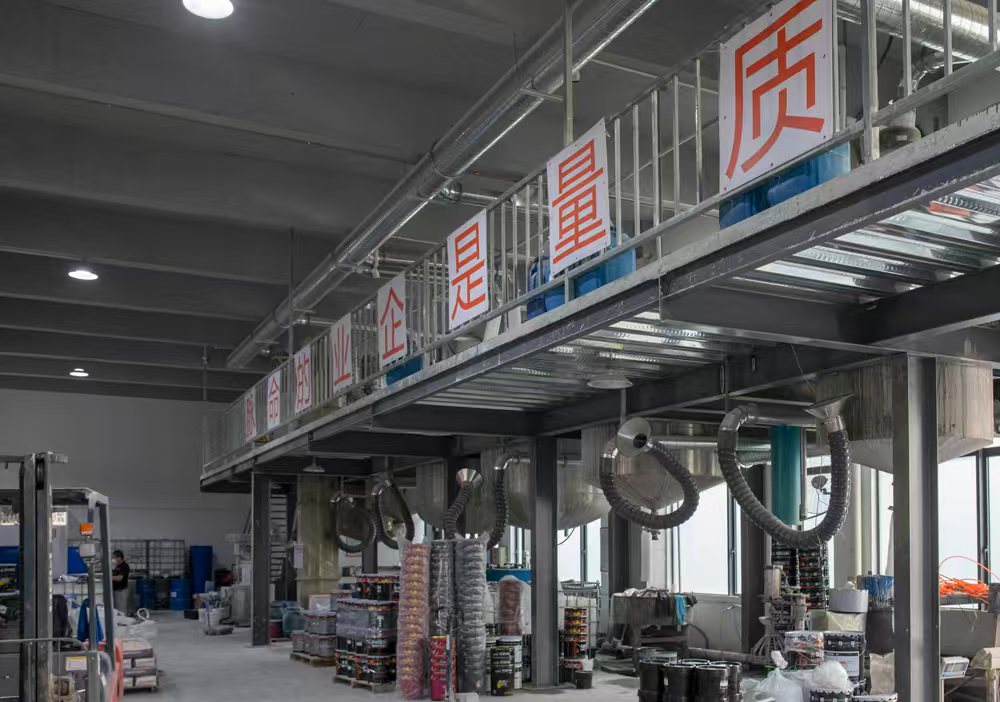
Why acceptance carries more weight than price in a long-term partnership
A microcement finish is a layered system: primer, base coat, finishing coats and sealer, applied over a prepared substrate. What the client sees on site is the performance of that whole build, not the performance of one container of material. Acceptance conversations that stop at price per kilogram therefore tend to fail later, because the variables that decide whether a microcement floor survives traffic — or whether a swimming pool microcement interior survives chlorinated water — are specification, substrate, application conditions and sealing. None of those appear on an invoice.
In a distribution relationship the exposure is doubled. A distributor holds stock and resells into projects it does not fully control; a project buyer commits a specification to an architect, a main contractor and an end client. When a problem appears at handover or after a season of use, the first question asked is which document fixed the standard. If the answer is a brochure page or a verbal assurance, the negotiation starts from nothing.
Simon (Shenzhen Simon United Building Materials Co., Ltd.) has manufactured decorative coatings since 2007 and organizes its microcement range into four series: Wall, Floor, Swimming Pool and Super Microcement Commercial Floor. The company led the compilation of the industry group standard T/CECS 10192-2022 Polymer Microcement, which defines application boundaries for Type I and Type II microcement for the first time, and states more than 30 patents across its coating work. Those qualifications are what make an acceptance framework possible; they do not replace it.
The Type I / Type II distinction matters in practice. When a specification says only "polymer microcement", ask which type the offered grade is classified under and which application boundary that classification carries. Recording the answer takes one line in the acceptance file and prevents a later argument about whether the delivered material was ever inside the specified scope.
The performance points that belong in an acceptance conversation
Acceptance should be argued from numbers that trace back to a report, not from adjectives. Across the MC-7690, MC-7860 and MC-9000 grades, five performance points carry most of the weight in distributor and project evaluations: adhesion, fire classification, water absorption, chlorinated water immersion and compressive strength.
| Performance point | Documented position | What the acceptance document must add |
|---|---|---|
| Adhesion | ≥1.0 MPa | Test method, substrate, specimen age at test, pass/fail rule |
| Fire classification | A1 fire rating | Report or certificate reference, product or system covered, validity |
| Water absorption | <0.2% | Test method, whether cured material or full build-up was tested |
| Chlorinated water immersion | 168 hours | Chlorine concentration, water temperature, acceptance criterion |
| Compressive strength | ≥50 MPa on the MC-9000 commercial floor series | Grade, configuration, specimen age, cast or site-tested |
The MC-9000 commercial floor series is documented at a maximum compressive strength of ≥50 MPa, the value that makes it relevant to heavy-traffic commercial microcement floor work. For MC-7690 and MC-7860, the acceptance document should quote the compressive strength stated on that grade's own datasheet rather than carrying the MC-9000 figure across. Different grades and build-ups are not interchangeable, and a value tested on one product is not evidence for another.
Adhesion of at least 1.0 MPa is the point most often skipped and most often regretted. Adhesion is what keeps a thin decorative layer attached to a substrate under thermal movement and moisture, and it is the value most sensitive to surface preparation. When it enters the acceptance schedule, record the test method, the substrate used and the age of the specimen at test beside the number, because a value without those conditions cannot be compared with a site result.
Water absorption below 0.2% and a 168-hour chlorinated water immersion belong together for anyone buying for wet areas. Water absorption describes how much water the cured material takes up; the 168-hour immersion describes what happens when it sits in chlorinated water for a week. For a pool interior or a wet zone, request both in writing, with the concentration, temperature and pass criterion used in the immersion test.
An A1 fire rating is a classification, not a sentence. Ask for the report or certificate that carries the classification, the product or system it covers, and its validity date. The same discipline applies to environmental documentation: Simon states that its microcement series are formaldehyde-free and low in VOC, holding EU Grade A+ and China Green Building Material certification. Low VOC microcement claims of that kind should be handed over as documents, not repeated as marketing lines.
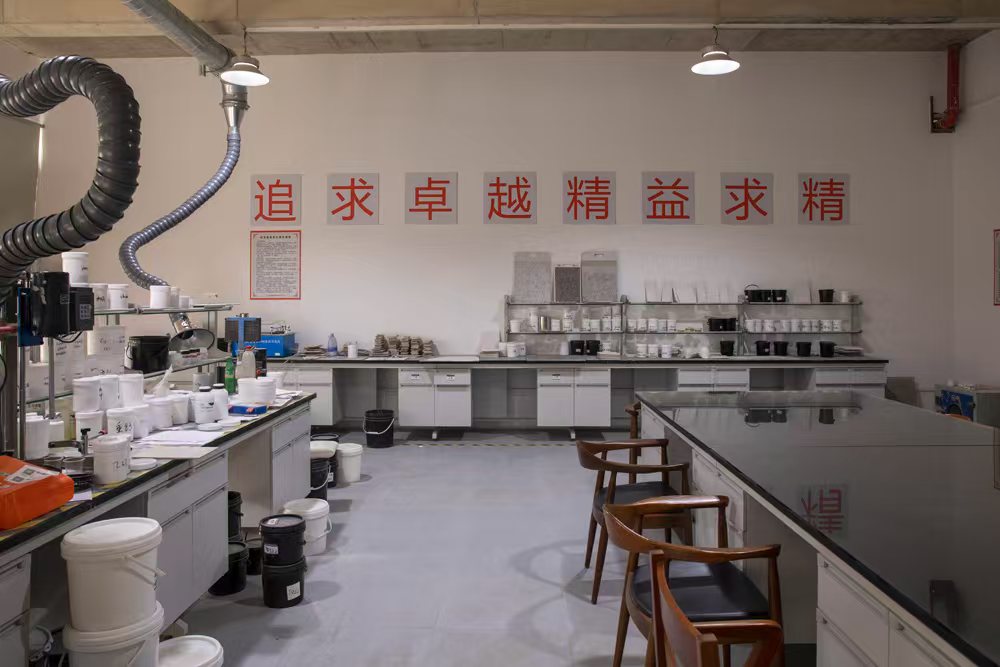
What to confirm at acceptance: six items to close before the first shipment
An acceptance clause is only useful when it names the item, the evidence and the person who signs it. These six items cover the distance between a purchase order and a partnership.
- Grade, series and datasheet version. Record which grade is being supplied, which application it is specified for — wall, floor, pool interior or commercial floor — and which datasheet version governs it. Datasheets are revised; an agreement that references "the current datasheet" without a version number cannot be audited two years later.
- The document pack. At minimum: grade datasheet, the test reports behind adhesion, water absorption, chlorinated immersion, compressive strength and fire classification, the certificates supporting the environmental statements, the safety data sheet, and a batch certificate of analysis with each shipment.
- Order, payment and inspection terms. Simon's documented export terms are a 20-foot container MOQ, FOB delivery, pre-shipment inspection with third-party SGS or Intertek testing as the acceptance criteria, and 30/70 payment terms. In a long-term agreement these should be restated with volume, shipment frequency and the party responsible for each inspection.
- Sample retention and color approval. Approve a physical reference sample, label it with the color code and the formula reference, and keep a retained copy with both parties. The range covers 120 basic colors and more than 1,000 mixing formulas, so "the same color as last time" needs an identifier rather than a memory.
- Application conditions and site sign-off. Construction temperature and base-surface humidity affect the finished system. The supplier's side is to provide an appropriate construction plan and state those limits in writing; the buyer's side is to record who confirmed site conditions before application began.
- Named signatories. Identify who signs acceptance at the factory and who signs on site, and which form records it. Acceptance without a named signatory is an opinion, and opinions do not settle claims.
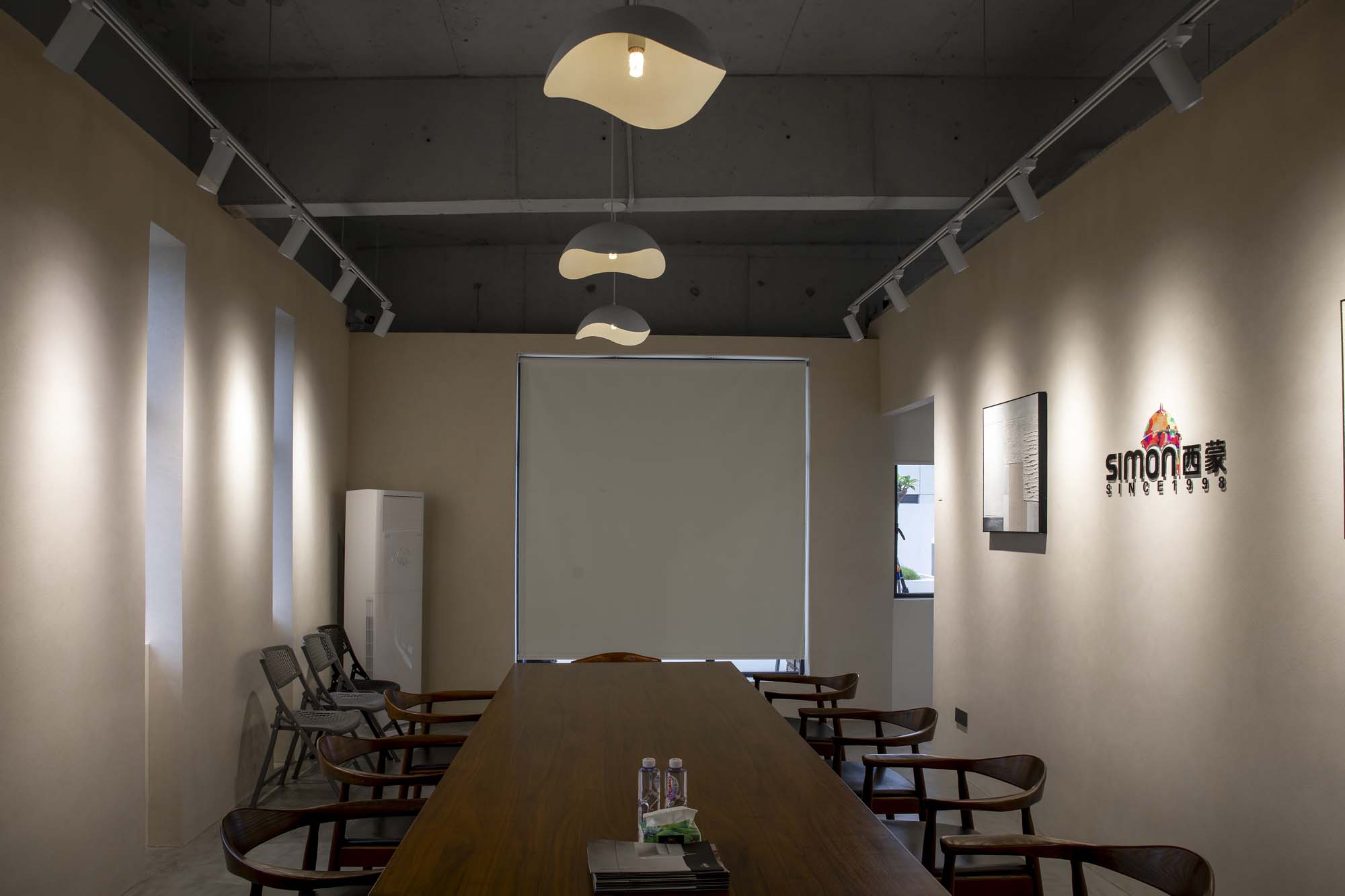
How after-sales support should be structured
After-sales in a materials partnership is mostly prevention with a defined escalation path. Built in four layers, the warranty conversation becomes short.
Technical support
This layer covers the application plan, substrate assessment, installer briefing and a written route for site questions. Simon describes a one-stop model running from material R&D to construction implementation, and its risk guidance is explicit that construction temperature must not be too cold or too hot and that base-surface humidity has to be checked, with an appropriate construction plan provided. Put the response route into the agreement: who is contacted, in which language, and within what time.
Documentation support
Keep datasheets, safety data sheets, certificates and declarations in a controlled folder both parties can reach, with revision dates visible. A distributor reselling into regulated projects needs to answer a specifier's document request in hours, not in a week of email forwarding, and a version-controlled folder is the cheapest way to make that possible.
Supply support
Simon states a monthly production capacity of 660 tons and a standard lead time of 30 to 45 days, with customization and OEM services available. In an agreement, translate those figures into a shipment schedule, a buffer position for fast-moving grades, and a rule for how forecast changes are communicated. Capacity on a fact sheet and capacity committed in a schedule are two different things; only the second one protects a project.
Commercial support and warranty terms
Warranty scope, exclusions, claim procedure, remedy type and response windows are commercial terms to agree and document — not performance claims to assume. A workable clause answers five questions: what is covered and for which grade and application; what is excluded; how a claim is raised and what evidence is required; what the remedy is, whether replacement material, credit or technical intervention; and over what period, counted from shipment, application completion or handover.
Substrate failure, deviation from the written application plan, and site conditions outside the recorded limits are the exclusions most often discussed, because they sit outside a material supplier's control. The period itself should be negotiated per grade and per application and written down; a figure quoted without its conditions creates exactly the dispute the clause was meant to prevent.

Where the acceptance emphasis shifts by application
The same five performance points do not carry equal weight in every application. Four situations change what belongs at the top of the acceptance file.
- Distributor stock program. The risk is drift between batches and between shipments rather than a single bad order. Emphasis: batch certificate of analysis, retained reference samples, color formula retention, stock rotation rules, and a documented process for what happens if a grade is reformulated or discontinued.
- Commercial floor with underfloor heating. Emphasis: the MC-9000 commercial floor position of ≥50 MPa, the documented stable use range of -40 °C to 120 °C, and the series' stated adaptability to underfloor heating systems. Record the heating system, the screed and the commissioning sequence in the acceptance file, not only the material data.
- Pool interior and wet zones. Emphasis: 168-hour chlorinated water immersion, water absorption below 0.2%, and the Swimming Pool series' chlorine- and bubble-resistant formula with its anti-slip design. Also confirm in writing whether the specified build includes a separate waterproofing layer, because a decorative finish and a waterproof microcement membrane perform different functions.
- Wall and interior design work. Emphasis: low VOC and formaldehyde-free declarations with the EU Grade A+ and China Green Building Material certificates, plus color approval and a retained texture reference. Here acceptance is documentary and aesthetic rather than mechanical.
For long-horizon confidence, one documented Simon project reference covers a project in the Middle East and Africa where the implementation period included ten years of stable operation. That is a single reference, not a warranty: it shows the material can perform across a long service window under one specific set of conditions, and it is those conditions — substrate, build-up, application and maintenance — that an acceptance file has to capture if the result is to be repeated on another site.
Frequently asked questions on acceptance and after-sales
Which certificates and documents should be in the acceptance pack?
At minimum: the grade datasheet with a version number; the test reports behind adhesion, water absorption, 168-hour chlorinated water immersion, compressive strength and fire classification; the environmental documents behind the formaldehyde-free, low-VOC, EU Grade A+ and China Green Building Material statements; the safety data sheet; and a batch certificate of analysis. On any certificate, check the number, the product scope and the validity date, because a certificate issued for one product or one plant does not automatically cover another.
Can one grade serve walls, floors and pools across a distributor's range?
The range is organized into four series — Wall, Floor, Swimming Pool and Super Microcement Commercial Floor — which signals that application-specific formulation is the intended approach. A distributor building a range should accept each series against the application it will actually serve and keep the datasheets separate. Accepting a wall grade against a pool specification, or the reverse, is the kind of shortcut that surfaces as a claim two seasons later.
What adhesion and water absorption values should be written into acceptance?
Record adhesion of at least 1.0 MPa and water absorption below 0.2%, each with the test method, substrate, specimen age and pass criterion beside it, and record them per grade. A value copied from another grade's datasheet is not evidence for the product actually delivered, and a bare number with no test conditions cannot be defended in a claim review.
How should chlorine resistance be verified for pool and wet-zone work?
Ask for the 168-hour chlorinated water immersion result together with the chlorine concentration, water temperature and acceptance criterion used in the test. Then document the water chemistry the pool will actually run. Keeping the test condition and the service condition in the same document turns a future dispute into a comparison of conditions rather than a debate about interpretation.
What commercial terms define a long-term supply arrangement?
Simon's documented export terms are a 20-foot container MOQ, FOB delivery and 30/70 payment terms, with pre-shipment inspection and third-party SGS or Intertek testing as acceptance criteria. Monthly production capacity is stated at 660 tons with a standard lead time of 30 to 45 days, and customization and OEM services are offered. In a framework agreement each of these becomes a scheduled commitment: volume per shipment, inspection responsibility, forecast communication and buffer stock for fast-moving grades.
How should samples and color approval be handled?
Approve a physical reference sample, label it with the color code and formula reference, and keep a retained copy with both parties. With 120 basic colors and more than 1,000 mixing formulas, the formula reference is the only reliable way to reproduce a finish months later. For private-label and OEM orders, approve the packaging artwork and label content in the same step, so that material approval and brand approval do not drift apart.
Should the agreement state a warranty period?
Yes, but as a negotiated term with defined conditions rather than a headline figure. The clause should state what is covered, what is excluded, how a claim is raised and with what evidence, what the remedy is, and from which date the period runs. Agreeing these five points in writing does more for a long-term relationship than a longer period with no procedure attached to it.
Where should a distributor start when evaluating a multi-year agreement?
Start with the application list and the grades you intend to carry, then request the document pack per grade and a reference sample for each color family you plan to sell. Raising the sample request and the quotation against the same written specification keeps datasheet, certificate set and sample in one package rather than three separate conversations. The Simon range and technical positioning are published at en.webstucco.com, and export enquiries can be raised with the team directly at meidafu@126.com or +86 183 1904 6545.
Conclusion: acceptance is a document, after-sales is a structure
Long-term microcement supply works when both sides can point to the same paper. On the material side, that means adhesion of at least 1.0 MPa, an A1 fire rating with its report, water absorption below 0.2%, a 168-hour chlorinated water immersion result with its test conditions, and the grade-specific compressive strength — including the ≥50 MPa position of the MC-9000 commercial floor series. On the commercial side, it means order terms, inspection scope, color reference, application conditions, named signatories, and a warranty clause that states coverage, exclusions, claim route, remedy and period.
Neither list is unusual. What separates a partnership that lasts from one that ends in a claim is whether those items were agreed before the first container left, and whether the after-sales structure behind them has a route, a record and a responsible person at each step. A distributor who can answer a specifier's document request in a day, and a project buyer who can trace a batch to a certificate and a sample, are both working from the same advantage.
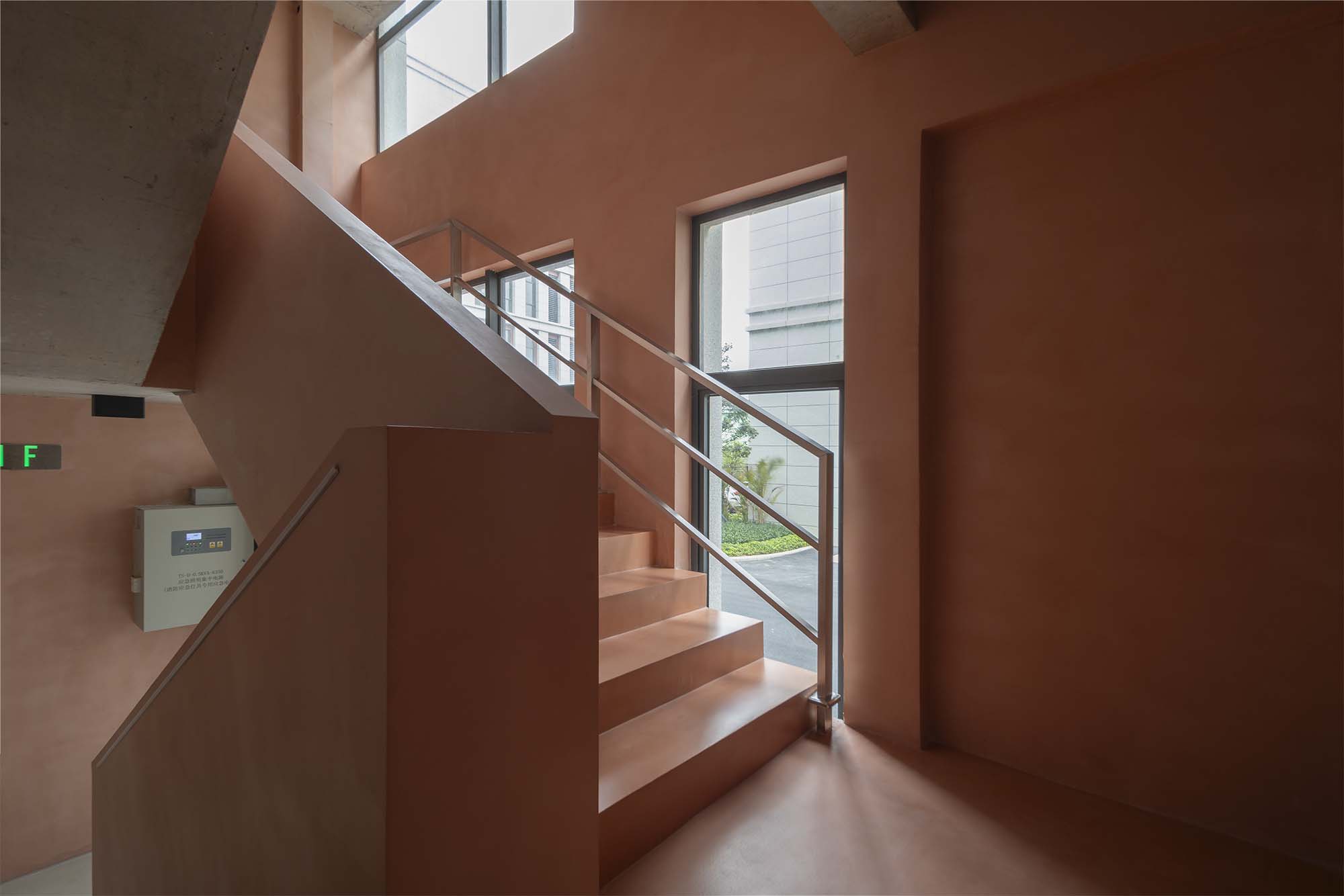
If you are building the acceptance file for your next microcement program, request the datasheet and certificate set for MC-7690, MC-7860 or MC-9000 together with a reference sample, and read the series overview in the Simon microcement brochure (PDF) before the specification is fixed.
Have Questions or Need More Details?
Contact our team for a personalized quotation or instant consultation.
Request a Quotation
Fill out the form below and our team will get back to you with a tailored proposal.
WhatsApp Direct Chat
Prefer to chat in real-time? Message us on WhatsApp for instant assistance & quick answers.
- Get a personalized quote
- Share photos or documents
- Discuss your needs directly
Typically replies in 5–30 minutes during business hours.