
Microcement vs. Conventional Flooring for Commercial Spaces: A Data-Driven Comparison
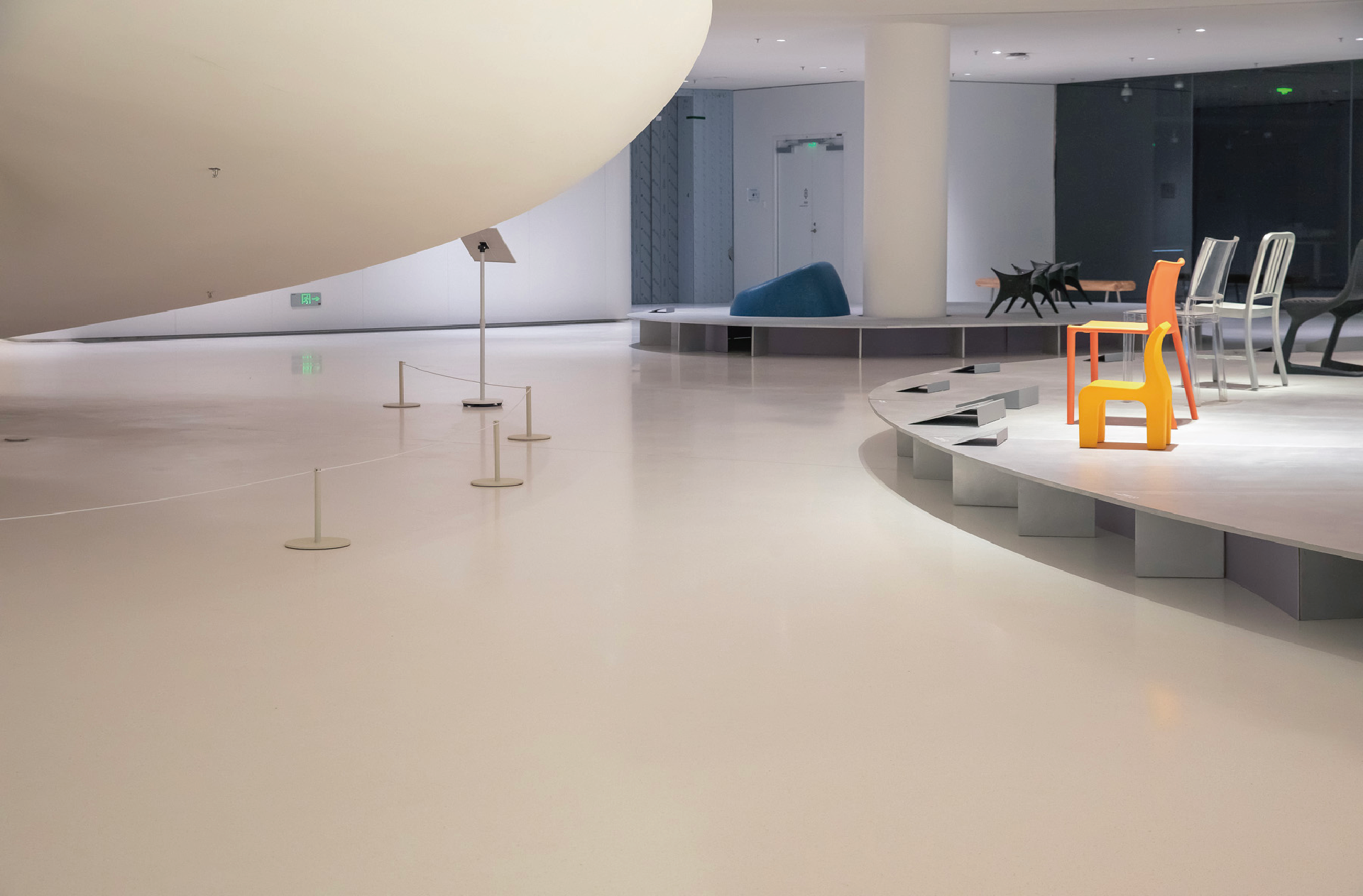
Problem Definition: Why Commercial Flooring Comparisons Fail Before the First Sample
Commercial flooring decisions fail when buyers compare finishes by appearance instead of by duty. A hotel lobby, a school corridor, a food factory floor, and a retail entrance do not place the same demands on abrasion resistance, point loading, stain cleanup, wet slip resistance, or underfloor heating. A product that performs well in a decorative wall application is not automatically suitable for an industrial-grade microcement floor or a heavy-duty microcement floor.
The practical problem is data asymmetry. A microcement supplier may publish compressive strength, flexural strength, Mohs hardness, water absorption, and slip ratings, while a conventional flooring supplier may publish a different set of values using different test methods. The buyer then compares numbers that do not share a basis. A data-driven comparison therefore starts with one rule: require the same decision criteria from every system, and reject any claim that cannot be tied to a product, a test basis, and a project condition.
For commercial spaces, the minimum comparison set should cover load capacity, abrasion and wear, stain and chemical cleanup, wet slip, water absorption, thermal movement and underfloor heating compatibility, VOC and certification, substrate preparation, maintenance, and lead time. Simon's MC-9000 data is useful because it addresses several of these points with specific values. It does not remove the need to verify the full system, including primer, sealer, substrate, and installer competence.
Industry Background: What the Microcement Data Says and What It Does Not
Microcement is no longer a niche decorative coating in commercial specification. A 2026 commercial research report values the global microcement coating market at USD 1.8 billion in 2025. The same source reports that two-component microcement held the largest product-type share at 48.3% in 2025, and that flooring end-use accounted for 37.5% of total revenue. These figures show that microcement is a material category with commercial scale, not a single generic product.
Cost benchmarks also exist. A published European turnkey reference for microcement flooring, covering material and labor, is €95–€127 per square meter in 2026. That figure is a regional reference, not a quotation for every market. It is most useful as a budget sanity check before a project-specific quote is requested.
Standards matter because they separate decorative microcement from high-performance microcement. China's group standard T/CECS 10192-2022 Polymer Microcement defines Type I and Type II application boundaries. Simon led the compilation of this standard, according to the available evidence. For buyers, the practical lesson is not to treat all microcement as equivalent. A wall-grade product, a floor-grade product, a pool system, and a heavy-duty commercial floor should be evaluated against different requirements.
Detailed Solution: A Verified Performance Profile for MC-9000 Commercial Microcement
Simon (Shenzhen Simon United Building Materials Co., Ltd.) is a Chinese manufacturer of microcement and thick-layer decorative coatings, founded in 2007. Its portfolio includes wall, floor, swimming pool, and commercial floor systems. Simon states that its microcement products are formaldehyde-free and low in VOC, with EU Grade A+ and China Green Building Material certification at portfolio level. For a commercial flooring comparison, the most relevant product is the MC-9000 commercial microcement floor.
MC-9000 is a commercial microcement floor in Simon's MicroRock type. Its material system is described as high-performance polyurethane mortar, natural stone aggregate, bio-based raw materials such as castor oil derivatives, and special wear-resistant mineral aggregate. This composition matters because commercial performance is system performance, not only a binder label. The sealer, substrate, and application method influence stain resistance and wear life.
Mechanical and wear data
Simon lists MC-9000 at ≥50 MPa compressive strength, with a heavy-duty version tested at 65 MPa. Flexural strength is 12 MPa. Mohs hardness is ≥6, with ≥7 recommended for heavy-duty areas. For a heavy duty microcement floor, these values give the specifier a starting point for load and wear review. They should be read together with substrate strength, point-load conditions, and movement joints.
Abrasion resistance is often the weakest point in commercial flooring comparisons because suppliers quote different test methods. Simon reports that MC-9000 showed less than 0.1 mm surface wear after five years in a commercial project. That is a project-tested result, not a universal guarantee. It is still useful evidence for a wear resistant microcement specification because it links performance to a commercial use condition rather than only to a laboratory label.
Water absorption, stain cleanup, and wet slip
MC-9000 is listed with water absorption below 0.2%. Simon also states that stains can be wiped clean within 10 minutes. For a stain resistant microcement floor, the practical question is not whether a stain can be removed after days of curing, but whether routine spills can be cleaned within the operating shift. The 10-minute cleanup claim should be tested against the actual contaminants on site, such as oils, dyes, food, cleaning agents, and traffic-borne dirt.
Wet slip resistance is listed at R11 or higher when wet. Simon positions this for water-prone areas such as beauty salons and food factories. R11 is a useful specification anchor, but the project team should still confirm the test method, the surface finish, and the cleaning regime. A higher slip rating can affect cleanability, so the specification should balance safety and maintenance rather than maximize one number.
Thermal performance and underfloor heating
MC-9000 is listed for a temperature range of -40°C to 130°C and is suitable for underfloor heating systems, with thermal conductivity of 0.8 W/(m·K). This is a meaningful advantage for microcement for underfloor heating because the finish is seamless and can be detailed without the joint pattern of tile. The specification still requires a compatible heating design, substrate movement plan, and correct curing schedule. Thermal conductivity alone does not prove comfort performance or system durability.
Environmental and compliance profile
MC-9000 is listed as formaldehyde-free with near-zero VOC emissions, compliant with FDA food contact standards, Ten-ring certification, and EU CE certification. For a low VOC microcement project, these claims should be supported by the current safety data sheet, VOC test report, and certificate scope. The buyer should confirm that the documentation covers the exact product, sealer, and substrate system used on site, not only a generic product family.
The compliance file should also match the project jurisdiction. EU CE certification, FDA food contact compliance, and Ten-ring certification are relevant signals, but they are not interchangeable with every local building code, pool rule, or food-contact approval. A commercial microcement floor in a school, hospital, or food facility may require additional project-specific documentation.
Where conventional flooring still fits
Conventional commercial flooring is not one benchmark. Ceramic tile, epoxy, vinyl, polished concrete, carpet, and terrazzo use different test methods, joint strategies, substrate requirements, and maintenance routines. Some conventional systems may be preferable when a project requires a specific documented system, a particular joint pattern, a known repair method, or a local supply chain that can service the site quickly.
The correct comparison is therefore not microcement versus all conventional flooring in general. It is MC-9000, or another documented microcement flooring system, versus a named conventional system with comparable test data. If the conventional supplier cannot provide the same decision criteria, the comparison is incomplete rather than automatically favorable to microcement.
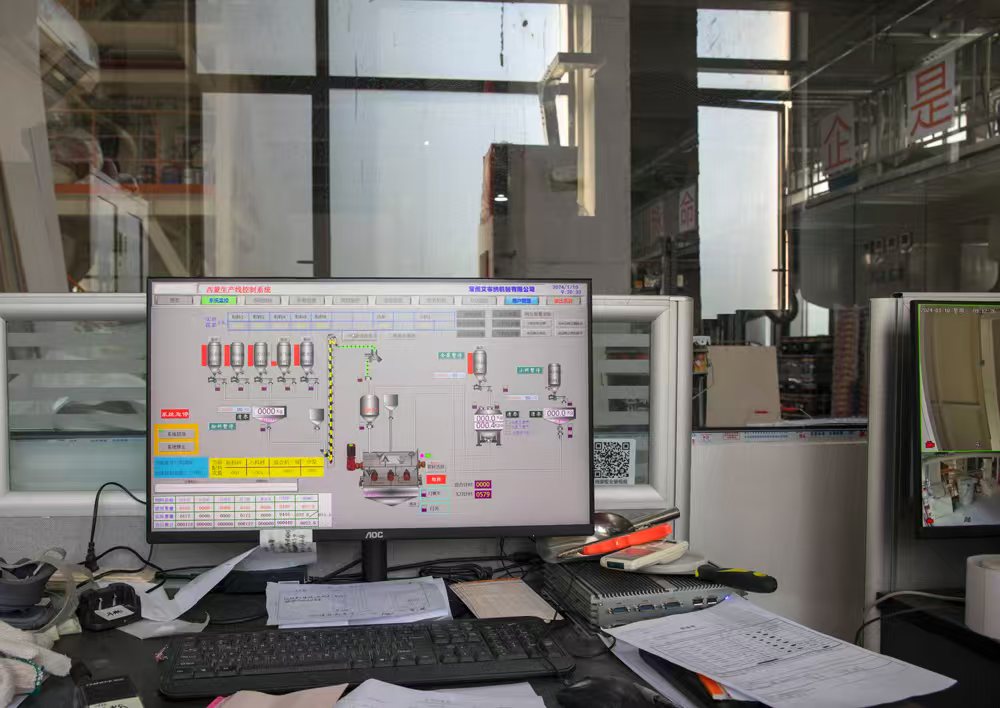
Step-by-Step Breakdown: A Decision Workflow for Facility Owners and Specifiers
- Define the duty in writing. Record traffic type, load, abrasion exposure, expected contaminants, wet areas, cleaning chemicals, underfloor heating, and downtime limits. The same commercial space can require different systems in a back-of-house kitchen and a front-of-house reception.
- Set one data request for every supplier. Ask for compressive strength, flexural strength, surface hardness, water absorption, stain test, wet slip, thermal compatibility, VOC, certificates, and system build-up. Require the test method and product version to be stated.
- Check compliance before comparing aesthetics. Confirm low-VOC and formaldehyde data, safety data sheets, CE marking where applicable, and project-specific slip and abrasion reports. For food contact or wet areas, request the specific approval that applies.
- Review stain cleanup as an operating cost. MC-9000 is listed with stains wipeable within 10 minutes and water absorption below 0.2%. Test the actual contaminants with the specified sealer. A stain resistant microcement system is only proven when the cleaner, dwell time, and sealer are part of the test.
- Confirm underfloor heating compatibility. For heated slabs, check the heating design, thermal conductivity, movement joints, and curing schedule. MC-9000 is listed for -40°C to 130°C with 0.8 W/(m·K) thermal conductivity, but the full assembly still needs engineering review.
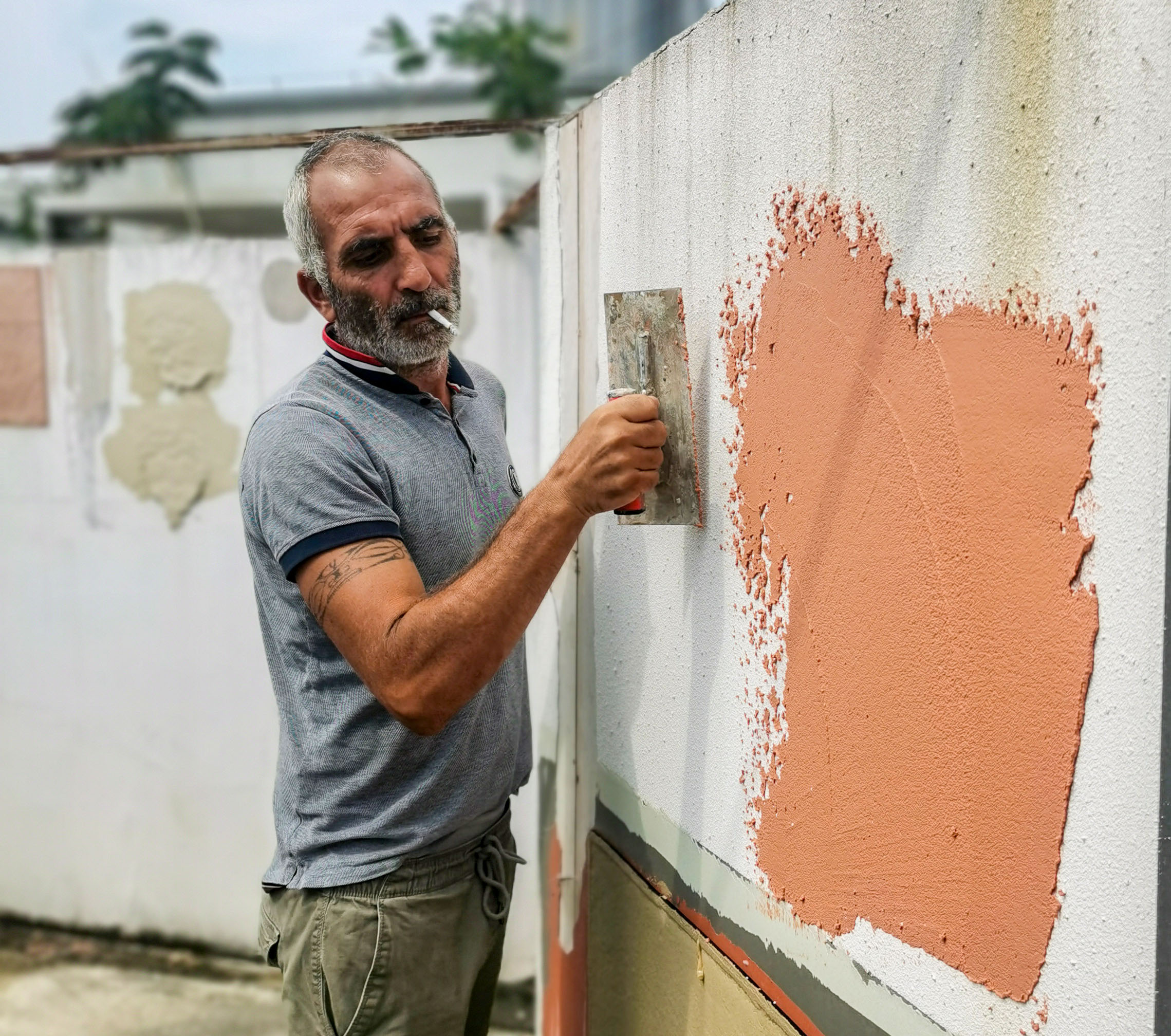
- Approve the substrate and installation method. Simon states that its microcement can be applied directly to base surfaces such as ceramic tiles and marble. That does not remove the need for substrate repair, moisture checks, and adhesion testing. Application requires a scraper, grinder, roller, and surface sealing agent.
- Require a sample or mock-up. Approve color, texture, sheen, slip feel, and stain cleanup before full installation. For custom color microcement, Simon offers 120 basic colors and more than 1,000 color mixing formulas. A mock-up is the control sample for the project.
- Lock the commercial terms. Simon's listed capability includes 660 tons monthly capacity, 30–45 days lead time, a 20-foot container MOQ, 100% test, OEM color, packaging, custom formula, private label, and remote support. Confirm these terms against the project schedule and site access.
Use Cases: Where the Data Changes the Specification
Factory floor with heavy pressure and oil stain exposure
Simon reports a clothing factory in Egypt that used two 40-foot containers of MC-9000 to decorate the factory floor. The project has run for 10 years with stable operation, and the floor is described as resistant to heavy pressure and stain-resistant. The application conditions include high wear resistance, a dust-free surface, easy cleaning, oil stain resistance, high load-bearing, anti-slip performance, and compatibility with underfloor heating.
This case is relevant because it combines several commercial demands in one project: static mode operation, industrial-grade microcement performance, and a long service record. It does not prove that every factory floor will perform the same way. It does show why a heavy-duty microcement floor should be specified with load, abrasion, and stain criteria rather than by appearance alone.
Schools, museums, shopping malls, and hotels
Simon positions its commercial floor series for schools, museums, shopping malls, and hotels, where high-frequency use and a seamless visual finish are both valued. In these spaces, the decision usually turns on abrasion resistance, stain cleanup, slip safety, and maintenance access. MC-9000's listed Mohs hardness of ≥6, with ≥7 recommended for heavy-duty areas, gives the specifier a hardness reference. The wet slip rating of R11 or higher is relevant for entrances, food service, and washroom approaches.
For design teams, a seamless microcement system can reduce visible joints and support a continuous floor finish. That aesthetic benefit should be balanced against substrate flatness, movement joints, and the need for a skilled applicator. A microcement floor is a system, not a paint-like coating.
Beauty salons, food factories, and wet-prone commercial areas
Simon lists R11 or higher wet slip resistance for water-prone areas such as beauty salons and food factories. In these spaces, stain resistant microcement and easy cleaning matter because cleaning frequency is high and contaminants are predictable. The 10-minute stain cleanup claim and water absorption below 0.2% are useful selection points, but the project should test the actual chemicals used for cleaning and disinfection.
Where food contact is part of the project scope, MC-9000 is listed as compliant with FDA food contact standards. That claim should be read with the exact sealer and system build-up, because food-contact compliance is application-specific. The same caution applies to EU CE certification and Ten-ring certification: verify the certificate scope before relying on it in a tender.
Comparison Table: Microcement MC-9000 vs Conventional Flooring Decision Criteria
The table below uses verified MC-9000 figures and converts the comparison into a data request for conventional flooring. It does not invent conventional product values. For conventional systems, the buyer should require the same test basis and product-specific evidence.
| Decision criterion | MC-9000 verified data | Conventional flooring: what to verify | Why it matters |
|---|---|---|---|
| Compressive strength | ≥50 MPa; heavy-duty version tested at 65 MPa | Request the product-specific compressive test and method | Load capacity and point-load risk |
| Flexural strength | 12 MPa | Request flexural and crack-bridging data | Movement, vibration, and substrate stress |
| Surface hardness | Mohs ≥6; ≥7 recommended for heavy-duty areas | Request Mohs or equivalent hardness data | Wear and indentation resistance |
| Water absorption and stain cleanup | Water absorption below 0.2%; stains wipeable within 10 minutes | Request absorption and stain tests for the actual contaminants | Cleaning cost and appearance retention |
| Abrasion resistance | Less than 0.1 mm surface wear after 5 years in a Simon-reported commercial project | Request abrasion test results and wear-cycle data | Lifecycle performance under traffic |
| Wet slip resistance | R11 or higher when wet | Request wet slip rating for the actual surface finish and contaminant | Safety in entrances, food areas, and washrooms |
| Thermal and underfloor heating | -40°C to 130°C; suitable for underfloor heating; 0.8 W/(m·K) thermal conductivity | Confirm underfloor heating compatibility and thermal cycling data | Heated slab performance and movement control |
| VOC and certification | Formaldehyde-free, near-zero VOC, FDA food contact, Ten-ring, EU CE certification | Request VOC test, safety data sheet, CE declaration, and project compliance file | Indoor air quality and tender compliance |
| Installation and substrate | Can be applied over ceramic tiles and marble, per Simon; requires scraper, grinder, roller, and surface sealing agent | Request substrate preparation, moisture limits, and joint plan | Program risk and adhesion failure prevention |
| Commercial terms | 660 tons monthly capacity; 30–45 days lead time; 20-foot container MOQ; OEM color, packaging, custom formula, private label; 100% test; remote support | Compare MOQ, lead time, warranty, and technical support | Procurement reliability and schedule fit |
Limitations and Procurement Risks to Resolve Before Award
MC-9000 data is strong enough to support a technical pre-qualification, but it is not a substitute for a project-specific system review. The main risks are substrate condition, moisture, movement joints, sealer selection, installer skill, curing time, and chemical exposure. A microcement coating for concrete may perform differently from the same coating over ceramic tile or marble. Each substrate needs its own preparation and adhesion check.
Stain performance is also sealer-dependent. The 10-minute cleanup claim should be tested with the cleaning agents and contaminants that will actually be present. Underfloor heating compatibility should be confirmed against the heating design, not only the coating temperature range. For wet areas, confirm the slip test method and the maintenance routine, because a high slip rating can affect cleanability.
Finally, compare the whole system. A low VOC microcement claim should include the sealer and primer. A CE certification should be checked for product scope and validity. A heavy duty microcement floor should be compared with a named conventional system using the same test basis. If a supplier cannot provide that evidence, the correct decision is to request more data, not to fill the gap with assumptions.
FAQ
Does MC-9000 meet commercial flooring compliance requirements such as low VOC and EU CE?
For commercial projects, the compliance file should include low-VOC and formaldehyde data, a safety data sheet, CE marking where applicable, and project-specific slip and abrasion reports. MC-9000 is listed by Simon as formaldehyde-free with near-zero VOC emissions, FDA food contact compliance, Ten-ring certification, and EU CE certification. Buyers should confirm that the certificates cover the exact product, sealer, and substrate system used on site.
Can MC-9000 handle heavy-duty commercial traffic and underfloor heating?
MC-9000 is a heavy-duty commercial microcement floor with ≥50 MPa compressive strength, a 65 MPa heavy-duty test value, 12 MPa flexural strength, Mohs hardness ≥6 with ≥7 recommended for heavy-duty areas, R11 wet slip resistance, and suitability for underfloor heating from -40°C to 130°C. It is not a universal substitute for wall-grade microcement or swimming pool systems. The full assembly, substrate, sealer, and heating design still require project review.
What budget range should decision makers plan for microcement flooring?
A published European turnkey reference for microcement flooring is €95–€127 per square meter in 2026, covering material and labor. This is a regional reference, not a quotation. Project cost depends on substrate preparation, area, sealer, access, local labor, and project schedule. Request a line-item quote rather than using the reference as a final price.
Can I request a sample before specifying microcement for a commercial project?
A sample and mock-up should be approved before full installation. Simon offers OEM color, packaging, custom formula, and private label, with 120 basic colors and more than 1,000 color mixing formulas. The sample should be tested for color, texture, sheen, stain cleanup, and slip feel under the project's cleaning regime. Request the brochure and technical data to align the sample with the specified sealer and substrate.
What is the lead time for commercial microcement orders?
Simon's listed lead time is 30–45 days, with a 20-foot container MOQ and 660 tons monthly capacity. Confirm lead time against the project schedule, sealer availability, and site access. For a project-specific quote, sample discussion, or technical data request, contact Simon through the details below.
Next step
Download the Simon microcement brochure for product system data, application guidance, and project planning information: Simon Microcement Brochure PDF.
For a commercial project sample, quote, or technical review, contact Simon: meidafu@126.com | Tel: +86 183 1904 6545 | WhatsApp: +86 18319046545 | Website: en.webstucco.com.
Address: 29th floor 21 Room, East Block, Coastal Times, No. 12069 Shennan Avenue, Honghuayuan Community, Nantou Street, Nanshan District, Shenzhen, China. Factory: No.27-12 Hexiang Middle Road, Hecheng Town, Heshan City, Jiangmen City, China.
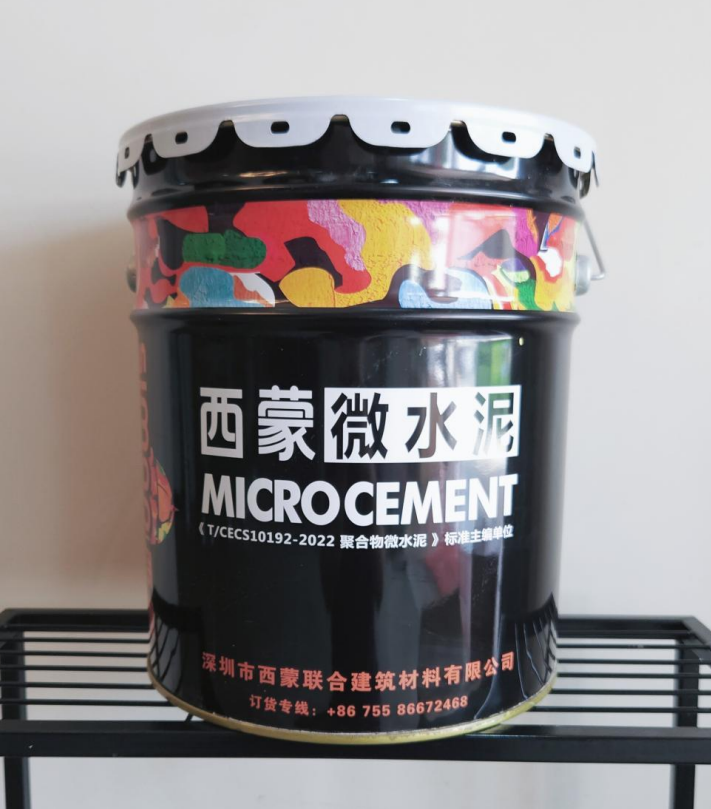
Simon microcement packaging and product documentation. Request the current catalogue, technical data, and sample discussion for the project.
Conclusion
For commercial spaces, microcement vs conventional flooring is not a single yes-or-no choice. It is a comparison of documented systems against a defined duty. MC-9000 offers a clear benchmark: ≥50 MPa compressive strength, 65 MPa heavy-duty test value, 12 MPa flexural strength, Mohs ≥6 with ≥7 recommended for heavy-duty areas, water absorption below 0.2%, stain cleanup within 10 minutes, R11 wet slip resistance, -40°C to 130°C service range, 0.8 W/(m·K) thermal conductivity, and a low-VOC compliance profile with EU CE certification.
Those figures support a commercial microcement floor specification when the substrate, sealer, installer, maintenance plan, and project compliance file are aligned. Conventional flooring can still be the better answer when its documented system matches the duty more precisely or when local service and repair requirements favor it. The decision should be made on comparable data, not on generic claims.
Have Questions or Need More Details?
Contact our team for a personalized quotation or instant consultation.
Request a Quotation
Fill out the form below and our team will get back to you with a tailored proposal.
WhatsApp Direct Chat
Prefer to chat in real-time? Message us on WhatsApp for instant assistance & quick answers.
- Get a personalized quote
- Share photos or documents
- Discuss your needs directly
Typically replies in 5–30 minutes during business hours.