
Coffee Charcoal Antibacterial Polyester Filament: How Recycled Coffee Grounds Become Functional Yarn
Coffee charcoal antibacterial polyester filament is a functional polyester filament in which spent coffee grounds are carbonized into coffee charcoal, compounded with colorants into a functional masterbatch, and then blended with recycled PET bottle flakes before being melt-spun into yarn. That yarn is afterwards knitted or woven into garments whose selling point is odor control, warmth retention and quick drying — not decoration alone.
For textile buyers, brand owners and product developers, the interesting part of this route is not simply that it consumes a waste stream. The interesting part is that odor control, far infrared heating and anti-microbial behavior can be engineered at the material level and then validated with named test methods, instead of being asserted only at the marketing level. This explainer follows the material from spent grounds to finished garment, lists the functions that can actually be specified, and shows which evidence and commercial terms to confirm before a project moves from evaluation into bulk execution.
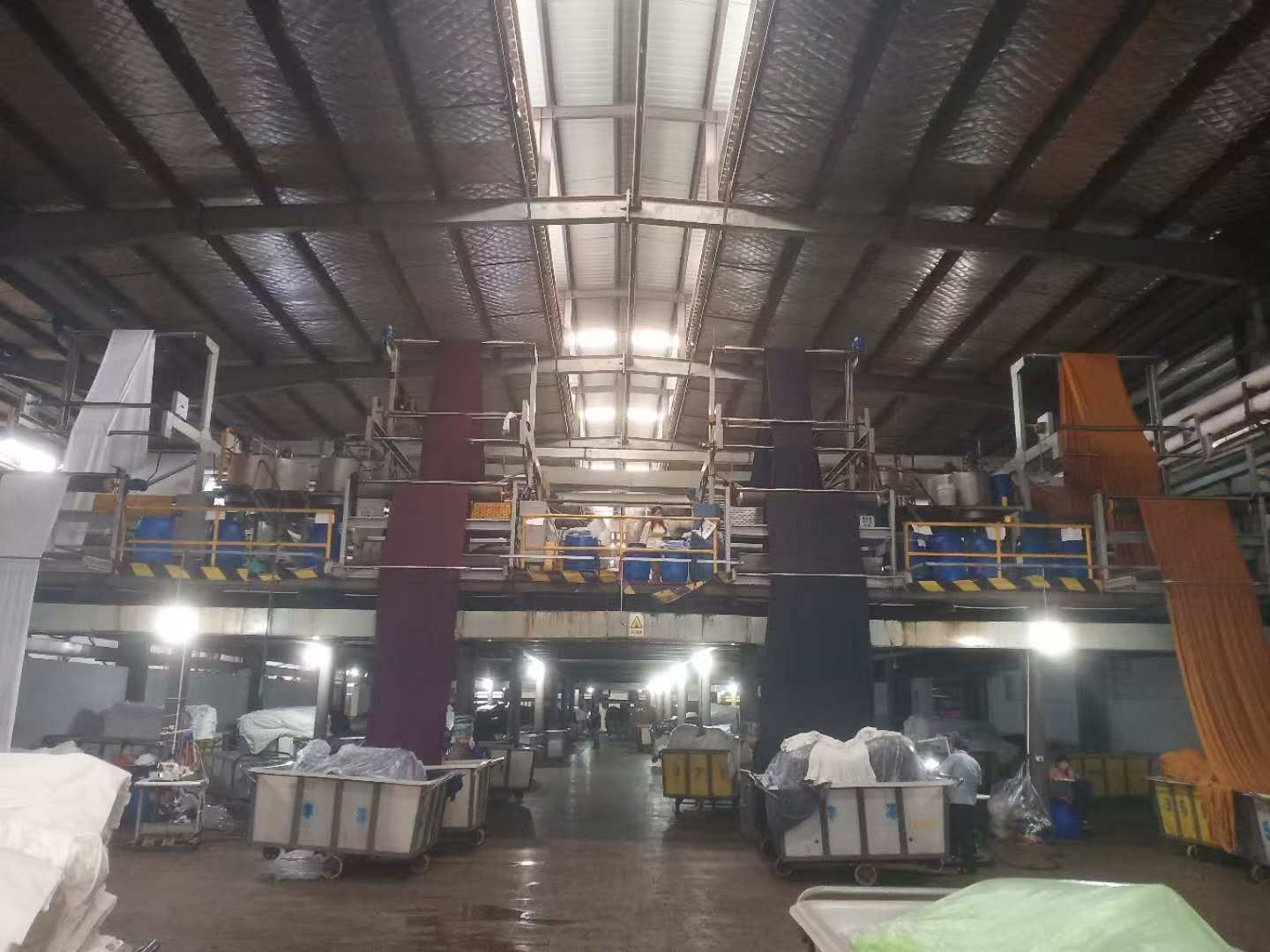
Functional yarn production: recycled coffee grounds are converted into a masterbatch and spun into filament rather than applied as a surface finish.
Problem Definition: Where Standard Polyester Leaves a Gap
Regular polyester is a standard PET filament with baseline performance. Whatever odor control, warmth or coverage a regular PET fabric delivers comes mainly from fabric construction and finishing, not from the yarn itself — so the result is difficult to guarantee as a repeatable specification.
Three gaps show up repeatedly in garment programs:
- Odor in close-to-body wear. Base layers, innerwear and socks sit against the skin for long periods, and odor-causing bacteria multiply in trapped moisture. A fabric that only wicks moisture does not by itself address the bacterial side of the problem.
- Warmth without bulk. Autumn and winter programs want warmth at lower weight, which is difficult to obtain from fiber structure alone without adding lining layers.
- Sustainability claims without a traceable route. Brand owners are asked to document recycled content and to justify functional claims with test reports. Textile certifications such as OEKO-TEX Standard 100 and the Global Recycled Standard (GRS) require at least 20% recycled content for specific labeling, so the recycled share has to be designed in from the start.
A coffee-ground-based functional filament addresses these three gaps in one material route, but only if the functional claims are tied to defined test methods. That condition shapes everything that follows.
Industry Background: Where Coffee-Based Functional Yarn Sits
The global polyester fiber market was valued at USD 82.07 billion in 2025 and is projected to reach USD 148.11 billion by 2034. Polyester filament yarn specifically was estimated at USD 106.4 billion in 2024 and is projected to grow at a 3.72% CAGR until 2035. Asia Pacific dominated the polyester fiber market with a 65% market share in 2025, led by China and India. Published estimates differ by report scope — total polyester versus filament yarn specifically — so figures should be read as directional rather than interchangeable.
The recycled segment is where the coffee route is positioned. The global recycled polyester market was valued at USD 15.52 billion in 2024 and is expected to reach USD 26.18 billion by 2030, a 9.25% CAGR, which is faster than the overall polyester fiber market. Demand-side pressure comes from performance apparel: the athleisure industry's preference for moisture-wicking and antimicrobial polyester blends has been a primary trend in 2024–2026.
Supply of polyester filament yarn remains concentrated among large international producers, including Indorama Ventures, Reliance Industries, Toray Industries and Teijin Limited, alongside a large base of specialized mills in China. Coffee charcoal antibacterial polyester filament belongs to the specialized end of that base: lower volume, specification-driven, and sold on function rather than on commodity price.
The Solution: What Coffee Charcoal Antibacterial Polyester Filament Is
Technically, the material is a dope-dyed functional polyester filament built on two feedstocks: carbonized coffee charcoal from recycled coffee grounds, and recycled PET bottle flakes. The coffee charcoal carries the odor-control and far infrared functions; the recycled PET flake supplies the polymer backbone; the masterbatch step fixes both function and color before spinning. The full commercial range is described in Smilytex's functional fiber and fabric portfolio, of which this series is one product family.
The function set that can be specified
- Recycled coffee waste utilization. Spent grounds, a by-product of coffee consumption, become an input material instead of disposal volume, contributing to the recycled content story of the finished garment.
- Odor control. The porous carbon structure is used to reduce odor buildup in garments worn close to the body, complementing rather than replacing moisture management.
- Far infrared heating. The material is specified for far infrared behavior, assessed under GB/T 30127-2013, the Chinese test method commonly referenced for far infrared performance of textiles.
- Quick drying. Fast moisture release supports comfort in wear and reduces the dwell time that favors odor development.
- Dope dyeing. Color is introduced in the masterbatch stage rather than in a separate dye bath. Compared with conventional piece-dyed polyester, dope-dyed options can reduce dyeing steps and related water and energy use.
- Anti-microbial function. Antibacterial performance is specified against an agreed test method, with measurable reduction as the acceptance target.
Boundary condition: functional results depend on fabric construction, yarn count and the test method applied. UV, antibacterial and far infrared outcomes may vary by construction and test method, so claims should be defined against a validated standard and confirmed for the specific construction before any performance commitment.
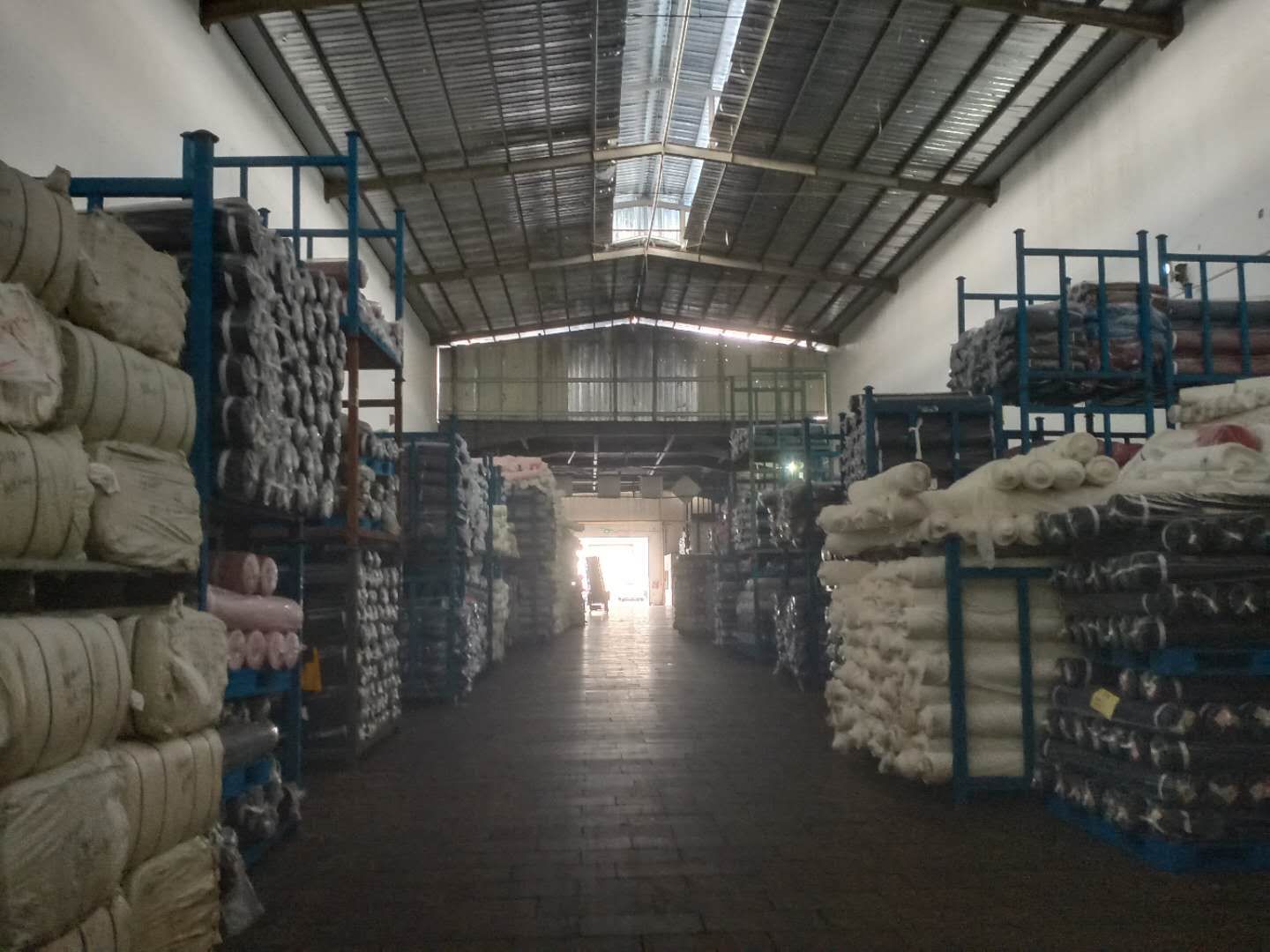
Key parameter checks — GSM, width, shrinkage, strength — plus performance testing as requested are part of batch release.
Step-by-Step Breakdown: From Spent Grounds to Functional Yarn
The conversion from a wet, perishable by-product into a spinnable filament follows a defined sequence. Each step has its own equipment and its own quality risk.
- Collection and drying of spent coffee grounds. Grounds are collected and dried to remove moisture and stabilize the material. Residual moisture at this stage affects both carbonization yield and the consistency of the later masterbatch.
- Carbonization into coffee charcoal. Dried grounds are carbonized under controlled heat to produce coffee charcoal, the functional carbon component. Carbonization equipment and temperature control determine the porosity that underpins the odor-control function.
- Compounding into a functional masterbatch. Coffee charcoal is compounded with colorants and carrier polymer into a masterbatch — the step where the product's function and its color are both locked. Twin-screw compounding equipment is used so that the carbon is dispersed uniformly rather than agglomerated.
- Blending with recycled PET bottle flakes. The masterbatch is blended with recycled PET bottle flakes. This is the point at which recycled content is set, which matters for labeling thresholds such as the 20% recycled content requirement under GRS and OEKO-TEX Standard 100 for specific labeling.
- Melt spinning into filament yarn. The blend is melt-spun into polyester filament. Because color enters through the masterbatch, the process is a dope-dyeing route: dyeing steps downstream are reduced, along with the associated water and energy use.
- Knitting or weaving into fabric. The filament is knitted or woven into greige fabric. Construction choices at this stage largely determine the final moisture management, coverage and hand feel.
- Finishing and garment making. Finishing and garment assembly complete the chain. Heat-setting, brushing and coating or lamination are the operations most likely to shift hand feel, shade or performance, so they should run inside a recommended processing window and be confirmed on a pilot run before full production.
Equipment needs therefore span three areas that are not interchangeable: carbonization and charcoal preparation, masterbatch compounding and melt spinning, and downstream knitting or weaving with finishing capability. A supplier that controls only the spinning step, but not the masterbatch, cannot control batch-to-batch function consistency.
Evidence and Verification: What Buyers Should Ask For
Two checkpoints matter most when this material is evaluated.
The first is far infrared performance, assessed against GB/T 30127-2013. This is the standard reference for the far infrared claim on the finished textile, and it is the document that should appear in the test report supporting the marketing claim.
The second is residual caffeine control. Because the feedstock is coffee grounds, buyers reasonably ask what remains in the fiber. Liquid chromatography with tandem mass spectrometry (LC-MS/MS) testing of caffeine residue at 0.009 mg/kg has been reported for this material route. A residue figure at that level, produced by a named analytical method, is a far stronger answer than a general statement that the coffee component is "fully carbonized".
Beyond these two points, the verification pack should include: the test standard and test method used for each functional claim; approval of the fabric construction actually being tested; batch and lot traceability records with retain samples; and a corrective and preventive action (CAPA) process for any deviation, with re-test support where required. For high-risk end uses such as babywear, medical textiles and protective workwear, standard confirmation and third-party laboratory testing should be completed before launch.
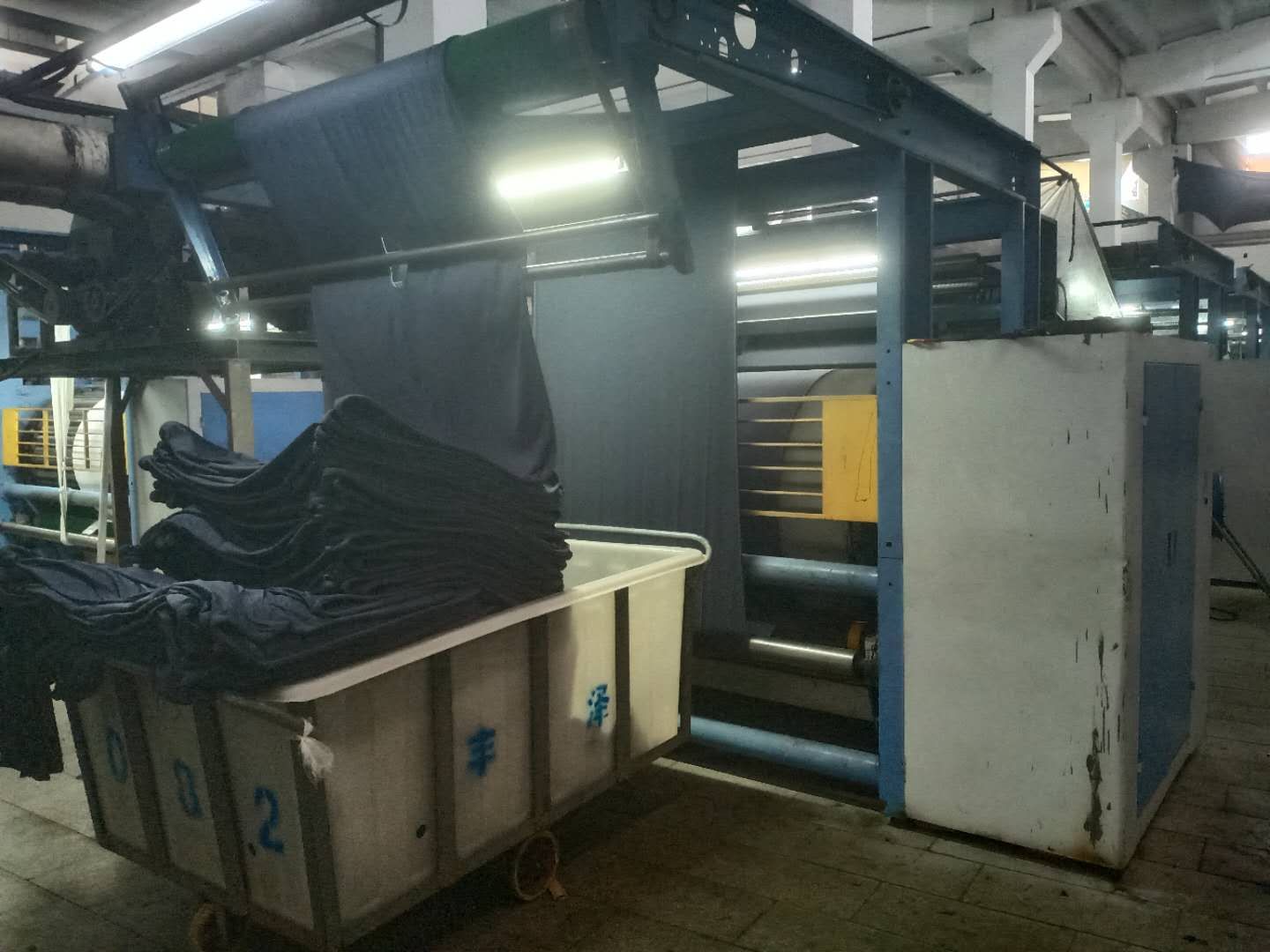
Traceability by production batch, with retain samples kept for verification, supports any later performance dispute.
Use Cases: Where This Yarn Earns Its Place
- Odor-control innerwear and base layers. Close-to-body garments where bacterial odor control and quick drying matter more than outer aesthetics.
- Socks and hygiene-sensitive apparel. Programs where the anti-microbial function justifies a specification above commodity polyester.
- Autumn and winter knitwear with warmth at lower weight. Far infrared behavior is used to support thermal comfort without adding lining weight.
- Sportswear and athleisure. Moisture management plus odor control in one yarn, aligned with the moisture-wicking and antimicrobial direction the athleisure segment has been following.
- Workwear and outdoor apparel. Requirement-driven programs that value durability and repeatable specification over novelty.
In China's garment industry this material is most often specified where a brand needs a sustainability story and a measurable function in the same fabric — for example, an odor-control capsule collection or a winter base-layer range — rather than in high-volume commodity basics.
Comparison: Coffee Charcoal Functional Filament vs Regular Polyester
| Dimension | Regular Polyester | Coffee Charcoal / Functional Polyester |
|---|---|---|
| Where functionality comes from | Standard PET filament with basic performance; results depend mainly on fabric construction and finishing | Engineered at the yarn and material level through additives, masterbatch and structure |
| Antibacterial rate | None specified | Measurable reduction per agreed test method (e.g. ISO 20743 / AATCC 100 as applicable); functional polyester series commonly targeted at ≥90% |
| Far infrared | Not specified | Assessed per GB/T 30127-2013 or equivalent, by series |
| Drying time | Baseline | Reported reductions in the region of 30%–50% for functional polyester series |
| Moisture-wicking rate | Baseline | Increases in the region of 50%–200% for functional polyester series |
| Flame retardancy (LOI) | 20%–22% | ≥28% where flame retardancy is part of the series specification |
| UPF | 15–20 | 40–60+ where UV protection is part of the series specification |
| Wash durability | — | 30–50+ cycles where specified and tested |
| Recycled content | Not guaranteed | Recycled PET flake plus recycled coffee grounds; recycled share set at masterbatch blending |
| Coloring route | Typically piece-dyed | Dope dyed — color introduced in the masterbatch, reducing dyeing steps and related water and energy use |
| Daily care | Machine washable, quick drying, easy to maintain | Comparable care; certain options are more forgiving in wear (improved UV resistance, optional antibacterial performance, and in some constructions reduced visible sweat marks) |
| Cost position | Commodity baseline | Premium versus regular polyester, depending on required function, construction and MOQ |
Indicative ranges above are series-dependent and must be confirmed against the actual construction and test method before being used in a buyer specification. They describe functional polyester filament as a category; they are not a substitute for a test report on the specific item ordered.
Sourcing and Long-Term Supply: What to Lock Down Before Execution
Smily Textile Technology (Taicang) Co.Ltd is a Taicang-based developer and supplier of functional fiber and functional fashion fabrics, established in 2017 with a 16,220 m² facility, 206 employees, a 10-engineer R&D team, more than 20 core patented technologies, and exports accounting for 70% of sales to the EU, USA and Japan. Its operations cover R&D and production of functional fibers and fabrics, with a monthly capacity of 1.6 tons and a typical lead time of 5–20 days.
When a coffee charcoal program moves from evaluation to execution, these commercial and risk items should be settled in writing:
- Capacity and continuity. Confirm monthly volume availability against your rolling forecast, and agree how seasonal peaks are handled, so a functional series is not interrupted mid-season.
- Lead time. Typical lead time of 5–20 days should be verified against your specific series, color and quantity, and built into the production calendar rather than assumed.
- Quality consistency. Batch management and shade control apply — by production batch for dope-dyed goods, by dye lot for piece-dyed goods — with a shading sheet provided when required.
- Processing compatibility. Obtain the recommended processing window for heat-setting, brushing and coating suitability, and run a pilot before full production.
- Compliance. Match material safety screening to your restricted substances list; MSDS and TDS should be issued where applicable.
- Risk control. Microfiber shedding, pilling, shade variation and skin sensitivity for sensitive-skin end uses should each be addressed with a defined test and acceptance criterion rather than left unspecified.
FAQ: Coffee Charcoal Antibacterial Polyester Filament
Is coffee charcoal antibacterial polyester filament compliant with textile regulations?
Compliance depends on the end use and the destination market, not on the yarn category alone. The material is screened for material safety and can be aligned to a customer's restricted substances list (RSL), with MSDS or TDS provided where applicable. Far infrared performance is assessed under GB/T 30127-2013, and organic residue is controlled by analytical testing — LC-MS/MS caffeine residue testing at 0.009 mg/kg has been reported for this route. For high-risk applications such as babywear, medical textiles and protective workwear, the relevant standard must be confirmed and third-party laboratory testing completed before launch.
What functions can coffee charcoal polyester filament actually deliver?
The specified function set is: utilization of recycled coffee grounds, odor control, far infrared heating, quick drying, dope dyeing, and anti-microbial performance. Antibacterial results are expressed as measurable reduction against an agreed test method, such as ISO 20743 or AATCC 100 as applicable. Because UV, antibacterial and far infrared results vary with fabric construction and test method, each claim should be defined against a validated standard and confirmed for the exact construction being ordered.
How does the price compare with regular polyester?
Coffee charcoal and other functional polyester series typically carry a premium over regular polyester, and the size of that premium depends on the function required, the fabric construction and the order quantity. There is no single applicable price point. A cost-optimized proposal can be prepared once target specifications and volume are confirmed.
Can I evaluate a sample before committing to bulk?
Yes. Sample and benchmark testing is part of the standard workflow: performance testing is run against the standard agreed with the customer, and pre-production approval covers lab dips or bulk shade approval plus a pilot run before full production. This is the point at which a buyer should verify the far infrared report, the antibacterial test method and the recycled content documentation together, because the three claims are evidenced differently.
What are the minimum order quantity, payment terms and lead time?
For fabric, the MOQ is 500 kg. Delivery terms are FOB Shanghai or CIF to the destination port as required, and payment is by T/T in advance or L/C at sight, with L/C preferred. Acceptance is based on pre-shipment inspection against approved lab dips or bulk shade, and final inspection against the agreed specification for GSM, width, shrinkage and color. Typical lead time is 5–20 days, and monthly capacity is 1.6 tons. To move a coffee charcoal program forward, request a sample or a quotation, or download the Smilytex product brochure and share your target specification for a technical review.
Export preparation: roughly 70% of output is shipped to the EU, USA and Japan.
Conclusion
Coffee charcoal antibacterial polyester filament turns a food-industry by-product into a functional yarn through a defined sequence: drying and carbonizing spent grounds, compounding them with colorants into a masterbatch, blending that masterbatch with recycled PET bottle flakes, and melt-spinning the blend into a dope-dyed filament that is then knitted or woven into garments. The functions that come out of that chain — odor control, far infrared heating, quick drying and anti-microbial performance — are only as credible as the test evidence behind them, which is why GB/T 30127-2013 for far infrared and LC-MS/MS caffeine residue testing at 0.009 mg/kg matter more to a buyer than any adjective.
For programs that need both a sustainability narrative and a measurable function, the practical next step is not a broader conversation about functional polyester filament. It is a narrower one: confirm the construction, name the test method, request the report, and run a pilot. Typical lead time of 5–20 days and a monthly capacity of 1.6 tons mean a validation batch is a realistic planning item rather than a long-range project.
Next step
Send your target specification — yarn count, fabric construction, required function and color — and request a coffee charcoal filament sample or quotation. Download the Smilytex brochure for the full functional range, or reach the team directly.