
Compliance Guide: GB/T 30127-2013 & Caffeine Residue Limits in Functional Polyester Filament
Compliance Guide: GB/T 30127-2013 & Caffeine Residue Limits in Functional Polyester Filament
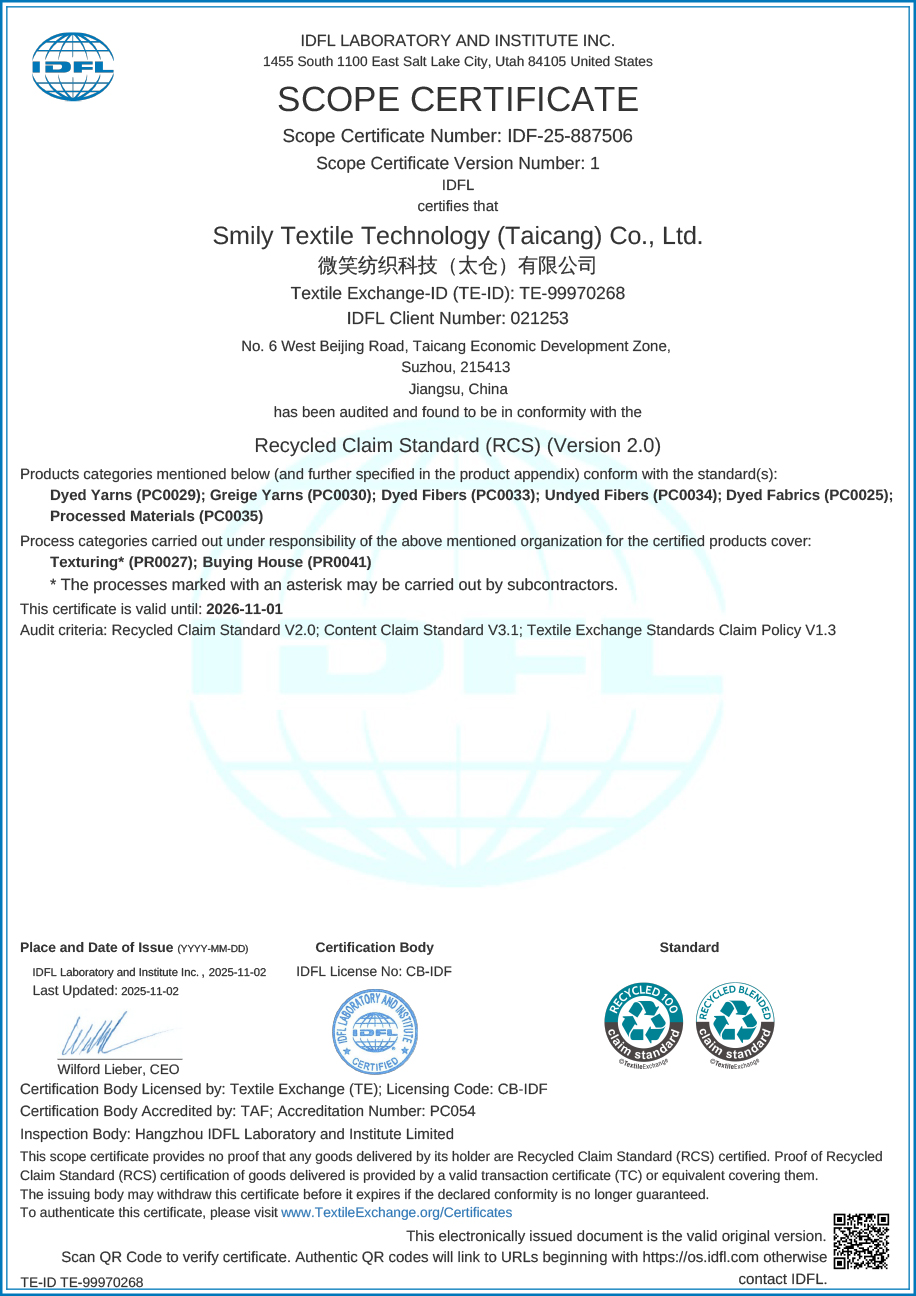
Cover: RCS 2.0 Scope Certificate IDF-25-887506, issued by IDFL Laboratory and Institute Inc., covering greige yarns, dyed yarns, dyed and undyed fibers and dyed fabrics.
Short answer: a recycled coffee-ground functional polyester filament is only ready for skin-contact apparel programmes when two independent test documents exist side by side — a GB/T 30127-2013 report confirming far infrared performance, and an LC-MSMS caffeine residue report showing a result at or below 0.009 mg/kg. A GRS or RCS certificate adds chain-of-custody proof on top, but it does not replace either test.
This guide is written for buyers in the Evaluation-to-Execution stage: sourcing managers, fabric developers and OEM product teams who have already decided that a coffee-ground or far infrared filament belongs in the brief, and now need to know which evidence to collect, in what order, and what each document actually proves. It also explains the material route behind compliant yarn — recycled coffee-ground masterbatch blended with recycled PET bottle flakes — and the equipment a supplier must operate to keep that route stable.
Problem Definition: Two Different Risks Sit Behind the Word “Coffee”
Coffee-ground functional polyester filament carries a functional claim and a material claim at the same time, and each one fails differently.
The functional claim is that the yarn delivers far infrared thermal retention or far infrared heating. If that claim is never tested against a named standard, the buyer owns the risk: the garment ships with a warmth story that cannot be defended in a product review, a lab dispute or a brand audit. The measurable answer is GB/T 30127-2013, the textile far infrared performance test and evaluation standard, which is what a buyer should ask to see quoted by number on the test report.
The material claim is that the filament contains recycled coffee grounds. Coffee is an organic material, and when it is introduced into a polymer matrix the obvious downstream question is residue: does any caffeine remain in the finished filament, and at what concentration? In this scenario that question is answered by liquid chromatography–tandem mass spectrometry (LC-MSMS) with a caffeine residue limit of 0.009 mg/kg. A supplier who cannot produce that line of evidence has not closed the safety file, no matter how convincing the fabric feels.
A third and quieter risk sits behind both: recycled content that cannot be traced. Textile labelling schemes such as OEKO-TEX Standard 100 and the Global Recycled Standard require at least 20% recycled content for specific labelling claims. Without a scope certificate naming the actual yarn and fiber categories, a recycled coffee-ground story can stall at the brand's compliance desk even when the two test reports are in order.
Industry Background: Why Compliant Coffee-Ground Filament Is a Growing Category
The commercial backdrop explains why this compliance question now appears in so many sourcing conversations. Grand View Research values the global recycled polyester market at USD 15.52 billion in 2024, projected to reach USD 26.18 billion by 2030 at a 9.25% CAGR. The wider polyester fiber market was valued at USD 82.07 billion in 2025 and is projected to reach USD 148.11 billion by 2034 (Vertex AI / Industry Analysis). Polyester filament yarn specifically was estimated at USD 106.4 billion in 2024, growing at a 3.72% CAGR to 2035 (Market Research Future), with Asia Pacific holding a 65% share in 2025, led by China and India.
On the demand side, Mordor Intelligence identifies the athleisure industry's preference for moisture-wicking and antimicrobial polyester blends as a primary trend through 2024–2026. Coffee-derived functional yarns sit directly inside that trend: they combine an odour-control and warmth narrative with a visible recycled-waste story, which is exactly the combination brand sustainability teams are asked to document.
The consequence for buyers is simple. A coffee-ground filament is no longer judged as an interesting novelty; it is judged against the same evidence bar as any other performance yarn. That bar is a standard number, a residue limit, and a traceable certificate scope.
The Solution: What Each Compliance Gate Actually Verifies
Gate 1 — GB/T 30127-2013: proving far infrared performance
GB/T 30127-2013 is the reference a buyer should cite whenever a functional polyester filament is specified as far infrared thermal retention or far infrared heating. The test evaluates the far infrared behaviour of the textile rather than the marketing description of it, which is why it is the single most useful document in a warmth-claim file. Two practical points follow for procurement teams:
- The standard number must appear on the report. A generic statement such as “warms the body” is not evidence.
- The tested article should correspond to the yarn or fabric actually being purchased. A report on a different construction does not transfer automatically to your programme.
Yarn families built around this function include far infrared thermal retention polyester filament and far infrared heating polyester filament, and in the Smilytex portfolio the relevant models are Cocarber® and Swarin®, both of which list far infrared heating among their stated functions.
Gate 2 — Caffeine residue by LC-MSMS at 0.009 mg/kg
Where coffee grounds enter the material stream, the residue question has to be closed analytically. In this scenario the required method is LC-MSMS and the required limit is 0.009 mg/kg caffeine residue. Two things make this gate valuable to a buyer rather than merely bureaucratic:
- It converts a vague reassurance (“the coffee is fully bonded into the polymer”) into a numeric result that a brand compliance team can file and audit.
- It separates genuine industrial routes from decorative ones. A filament produced through a controlled masterbatch-and-spinning process has a documented input; the residue test documents the output.
The material route: coffee-ground masterbatch plus recycled PET bottle flakes
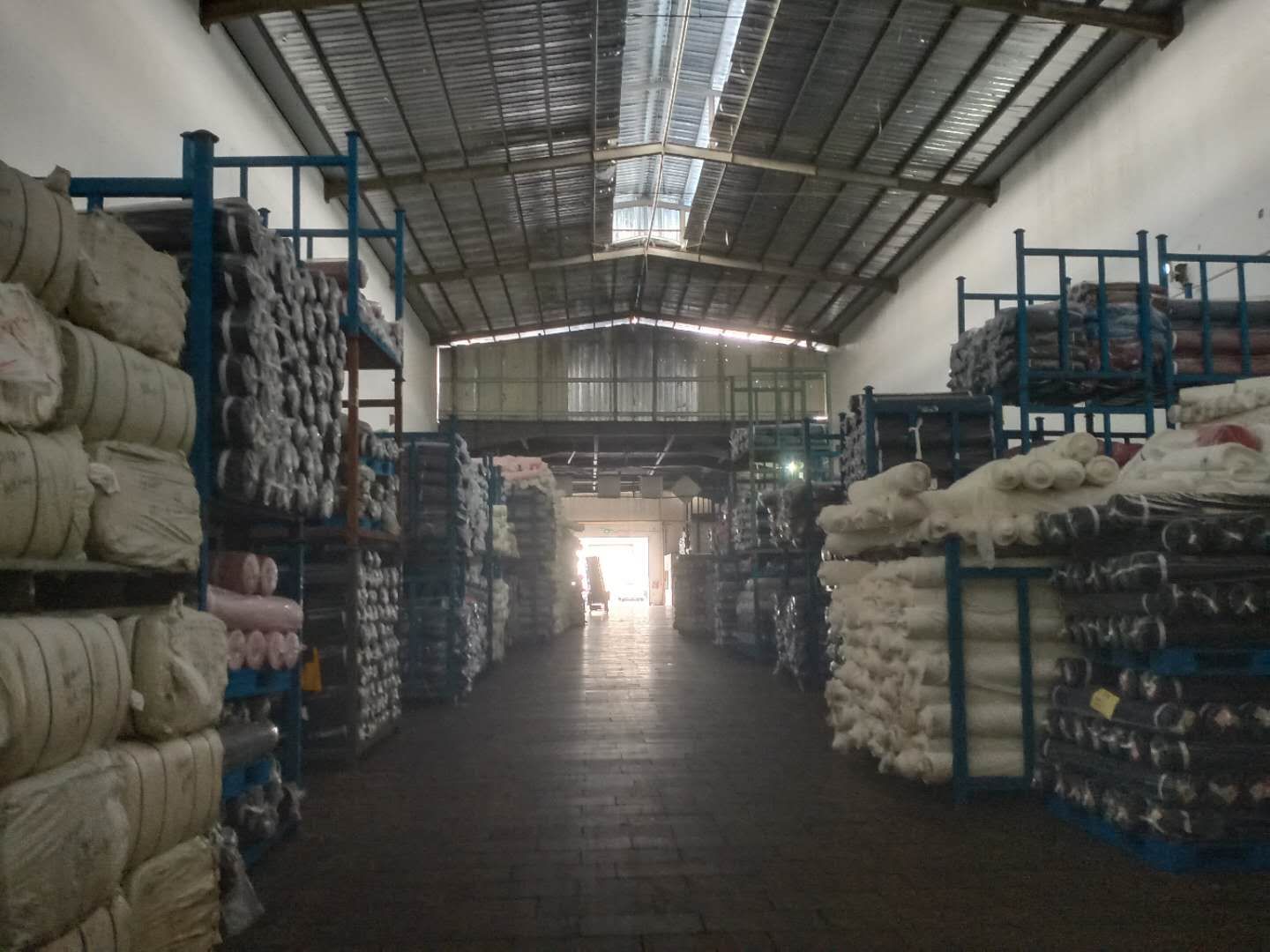
Production area: recycled coffee-ground masterbatch is blended with recycled PET bottle flakes before spinning into functional polyester filament.
Compliance does not start at the laboratory; it starts at the material route. The verified process behind this product family is the blending of recycled coffee-ground masterbatch with recycled PET bottle flakes, which is then spun into filament. That route has three compliance consequences worth stating plainly:
- Traceability begins at the blend. Because two recycled streams meet, the recycled content declaration and the certificate scope must reflect the actual blend, not an assumption.
- The residue profile is set by the masterbatch. If the residue gate is tested at 0.009 mg/kg, the masterbatch supply and the blend ratio are the variables that keep a production run inside that limit.
- Function is set at spinning. Far infrared behaviour and odour control are delivered by the filament construction, which is why the GB/T 30127-2013 report must be attached to the specific yarn construction supplied.
The equipment a compliant supplier must actually operate
Buyers evaluating Execution-stage capability should confirm that the supplier controls the physical process rather than only the paperwork. Required supporting equipment for this route includes spinning machines that run the masterbatch-blended polymer into filament, and functional testing instruments used to verify performance on the resulting yarn and fabric. Capability data behind the Smilytex range includes a dedicated R&D team of 10 engineers, ODM production services, and customization of yarn style, elasticity and handle according to customer requirements.
The certification layer: GRS and RCS scope certificates
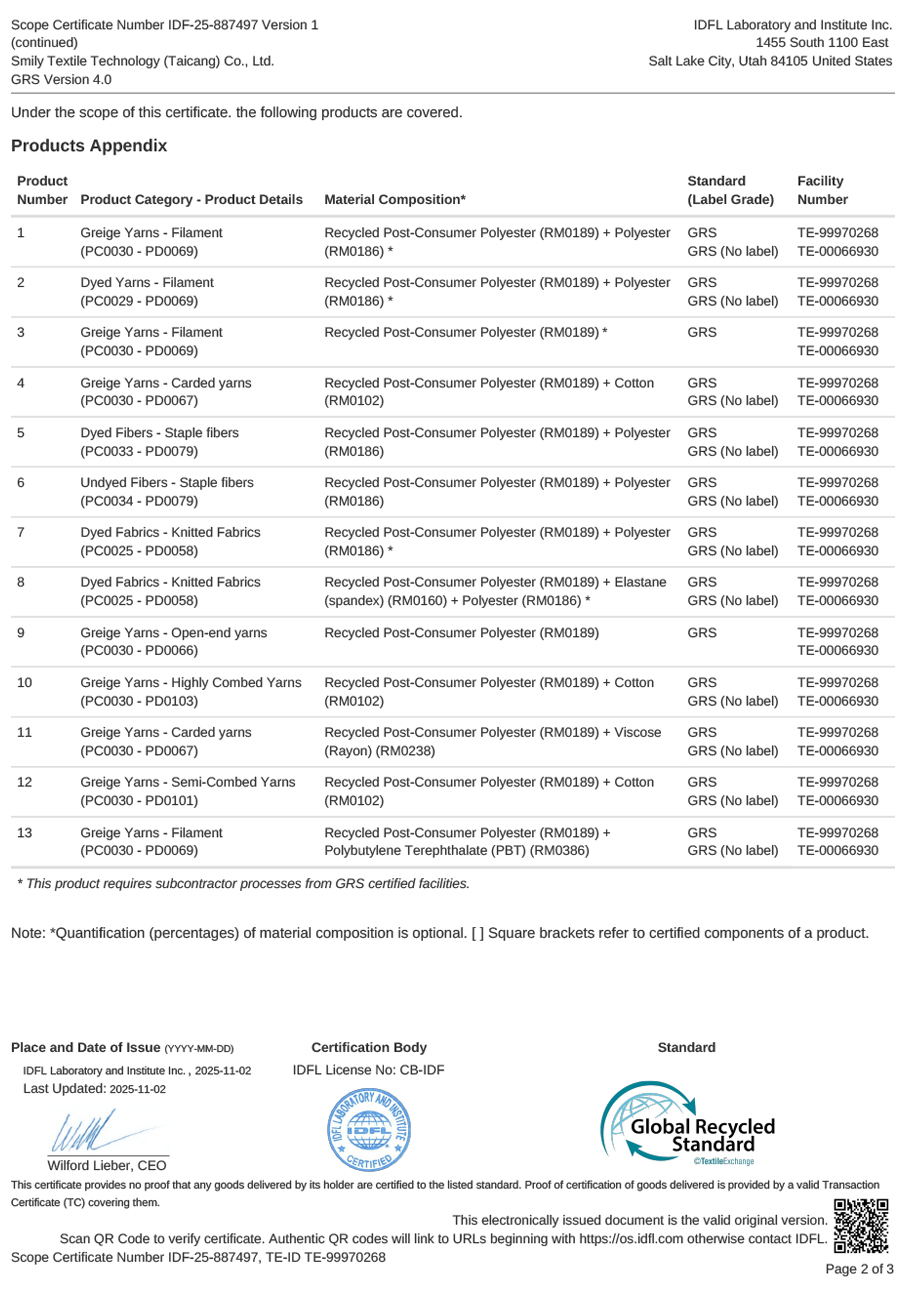
Global Recycled Standard V4.0 scope certificate issued by IDFL Laboratory and Institute Inc. for recycled functional polyester.
Smily Textile Technology (Taicang) Co. Ltd, which trades as Smilytex and operates from Taicang, Jiangsu Province, China, holds two relevant scope certificates, both issued by IDFL Laboratory and Institute Inc. on 2025-11-02 and valid through 2026-11-01:
| Certificate | Number | Standard | Scope covered |
|---|---|---|---|
| Scope Certificate | IDF-25-887497 | Global Recycled Standard V4.0 | Greige yarns, dyed yarns, dyed fibers, undyed fibers, dyed fabrics |
| Scope Certificate | IDF-25-887506 | RCS 2.0 | Dyed yarns, greige yarns, dyed fibers, undyed fibers, dyed fabrics |
Both certificates list the covered models as Cocarber®, Black Mirror®, Rimens®, Respawn® and Swarin®. Because certificate windows are time-bound, buyers should always request the current copy at the moment of order rather than relying on a file received earlier in the sourcing cycle.
Step-by-Step Breakdown: A Seven-Step Compliance Roadmap
For a buyer moving from Evaluation to Execution, the evidence sequence below prevents the most common failure: discovering a missing document after the bulk order has been placed.
Step 1 — Fix the claim before you fix the supplier
Write down the functional claim in standard language. “Far infrared thermal retention” and “far infrared heating” both point to GB/T 30127-2013. “Coffee-ground recycled content” points to a residue test and a chain-of-custody certificate. Undefined claims cannot be tested.
Step 2 — Request the GB/T 30127-2013 report by number
Ask for the report to be identified by standard number and by the yarn construction tested. Confirm that the tested construction matches the one you intend to buy.
Step 3 — Request the caffeine residue result to 0.009 mg/kg
Confirm the method is LC-MSMS and that the reported value is at or below 0.009 mg/kg. Ask which batch was sampled and whether that batch is the one offered to you.
Step 4 — Verify the material route
Confirm that the filament is produced by blending recycled coffee-ground masterbatch with recycled PET bottle flakes before spinning. This step determines whether the residue result and the recycled content claim are structurally repeatable.
Step 5 — Check the certificate scope, not just the logo
A GRS or RCS claim is only useful if the scope covers your product category. Confirm the certificate number, the issuing body, the validity window and the listed yarn and fiber types.
Step 6 — Lock the acceptance criteria into the order
Smilytex purchasing terms state a MOQ of 500 kg, delivery terms of FOB Shanghai or CIF to the destination port as required, and payment by T/T in advance or L/C at sight (preferred). Acceptance is defined as pre-shipment inspection based on approved lab dips / bulk shade, followed by final inspection against agreed specifications covering GSM, width, shrinkage and colour.
Step 7 — Confirm production control and support
Production control is stated as 100% test, with a lead time of 5–20 days. After-sales support covers product assistance for quality or performance issues, returns and exchanges for defective products, order tracking and delivery updates, technical guidance on using the yarns and fabrics in manufacturing, and warranty coverage for defects in materials or workmanship.
Use Cases: Where Compliant Coffee-Ground Filament Is Already Running
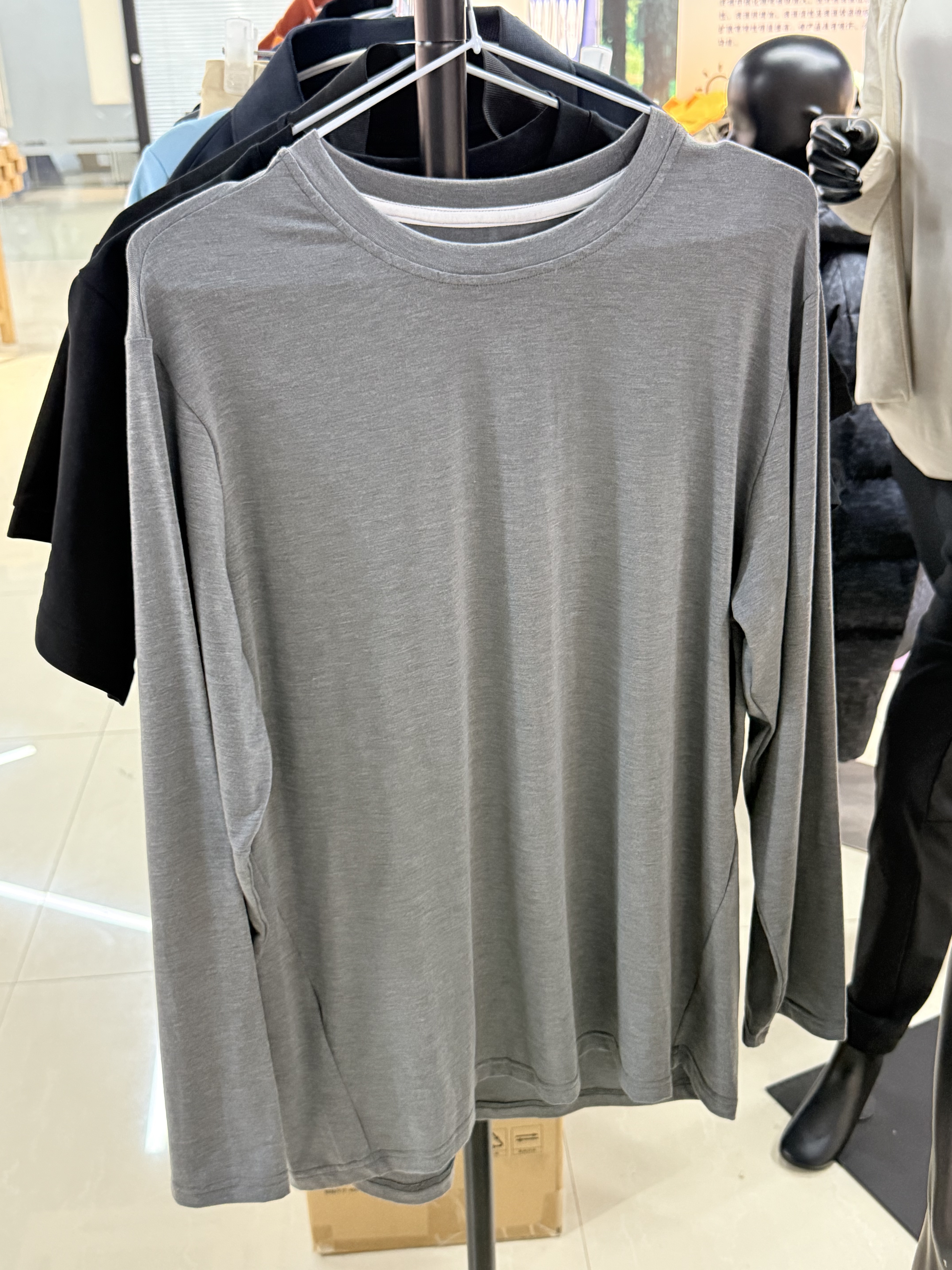
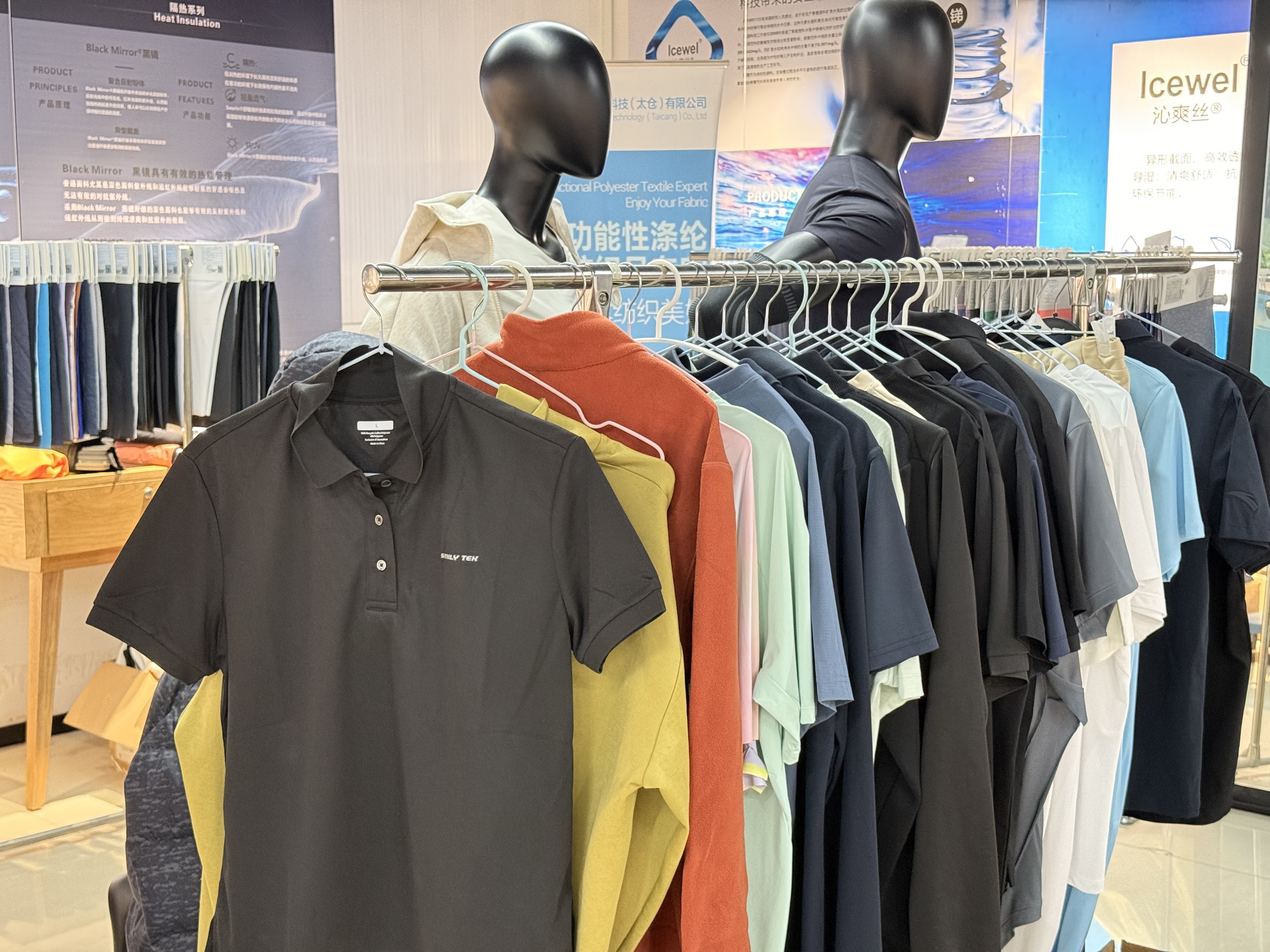
Garment application: functional polyester filament supplied into apparel programmes where odour control, warmth and recycled content must all be documented.
Case 1 — Garment manufacturing clients across four markets
Functional polyester filament has been successfully used by garment manufacturing clients in Japan, Malaysia, China and the United States, meeting requirements for quick-drying, antibacterial, far-infrared heating, cotton-like touch and recycled eco-friendly materials. The recycled materials carried GRS/RCS certification, which satisfied the brand's sustainable development requirements. Supplied volume for this case was 5 tons over a relationship lasting 2–5 years.
Case 2 — Apparel OEM manufacturer, China, 2,000 pieces
An apparel OEM manufacturer in China used Cocarber® for an apparel market programme of 2,000 pieces over a 5-year relationship. The resulting fabrics delivered high stretch, quick-dry, antibacterial and eco-friendly dope-dyed properties, and the highlight recorded was the combination of recycled coffee waste, odour control, far infrared heating, quick dry, dope dye and anti-microbial performance — with GRS/RCS certified recycled material meeting the brand's sustainability requirements.
Both cases share one pattern: the compliance file was assembled before bulk production, not after.
Comparison Tables
Table A — Compliance evidence map
| Requirement | What it verifies | Evidence to request | Typical buyer trigger |
|---|---|---|---|
| GB/T 30127-2013 | Far infrared performance of the textile | Test report quoting the standard number and the tested construction | Far infrared thermal retention or far infrared heating claim |
| Caffeine residue limit 0.009 mg/kg (LC-MSMS) | Residue safety of the coffee-ground input in the finished filament | LC-MSMS result at or below 0.009 mg/kg, batch identified | Skin-contact apparel, brand residue review |
| Recycled material route | Repeatability of both the function and the residue profile | Confirmation of coffee-ground masterbatch blended with recycled PET bottle flakes before spinning | Any recycled-content claim |
| GRS V4.0 / RCS 2.0 scope certificate | Chain of custody across yarns, fibers and fabrics | Certificate number, issuing body, validity window, listed categories | EU / US brand labelling and audit requirements |
| Order acceptance criteria | Consistency between approved sample and bulk | Approved lab dips / bulk shade, GSM, width, shrinkage, colour | Pre-shipment and final inspection |
Table B — Smilytex filament models relevant to coffee-ground and far infrared programmes
| Model | Yarn type | Stated functions | Available counts | Application |
|---|---|---|---|---|
| Cocarber® | DTY Cocarber | Recycle coffee waste, odour control, far infrared heating, quick dry, dope dye, anti-microbial | 30D, 50D, 75D, 100D, 150D, 300D | Sport, leisure, underwear, home textile; woven and knitted |
| Swarin® | DTY Recycle Polyester (far infrared heat) | Odour control, far infrared heating, anti-microbial | 30D, 50D, 75D, 100D, 150D, 300D | Apparel, leisure, underwear, sport, home textile |
| Respawn® | DTY recycled polyester, T2T | Low temperature dye, moisture management; T2T recycled via chemical recycling and polymer rebuilding | Filament and staple fiber | Sport, leisure, home textile; woven and knitted |
| Rimens® | DTY / ATY polyester | Cotton-like handle, non-spandex elasticity | 60D, 80D, 90D, 130D, 160D, 190D, 260D, 320D, 450D | Sport, leisure, home textile |
| Black Mirror® | DTY Black Mirror | Heat insulation, anti-ultraviolet, see-through resistant | 30D, 50D, 75D, 100D, 150D, 300D | Sports, leisure, outdoor; woven and knitted |
| Physcool® | DTY Physcool | Instant cooling, anti-UV, anti-microbial | 30D, 50D, 75D, 100D, 150D, 300D | Sport, business, leisure; woven and knitted |
FAQ
1. Which documents prove that a recycled coffee-ground functional polyester filament is compliant?
Three documents form the core file. First, a GB/T 30127-2013 test report confirming far infrared performance for the specific yarn construction. Second, an LC-MSMS caffeine residue report showing a result at or below 0.009 mg/kg. Third, a current GRS or RCS scope certificate that names the covered yarn, fiber and fabric categories. Smilytex holds GRS V4.0 scope certificate IDF-25-887497 and RCS 2.0 scope certificate IDF-25-887506, both issued by IDFL Laboratory and Institute Inc. on 2025-11-02 and valid through 2026-11-01, covering greige yarns, dyed yarns, dyed fibers, undyed fibers and dyed fabrics.
2. Can the yarn construction be customized for a specific programme?
Yes. Smilytex provides ODM production services and offers customization of yarn style, elasticity and handle according to customer needs, supported by an R&D team of 10 engineers. The company focuses on R&D and production of functional fibers and fabrics and serves export markets including the EU, USA and Japan, which account for a large share of its output. Customization is relevant to compliance work because the tested construction should match the construction actually ordered.
3. What are the minimum order quantity, delivery terms and payment terms?
The stated MOQ is 500 kg. Delivery terms are FOB Shanghai or CIF to the destination port as required. Payment terms are T/T in advance or L/C at sight, with L/C at sight preferred. Buyers should confirm the applicable terms in writing against the specific yarn model and count, since the commercial terms are agreed per order.
4. How should a buyer validate the yarn before committing to bulk?
Validation is built around approved references rather than verbal confirmation. The acceptance criteria are pre-shipment inspection based on approved lab dips / bulk shade, followed by final inspection against agreed specifications covering GSM, width, shrinkage and colour, with production controlled at 100% test. In practice this means the buyer approves a shade and specification reference first, and every subsequent inspection is measured against that approved reference. A sample and evidence pack can be requested through the contact channels listed below before the bulk order is placed.
5. What is the lead time, and what support follows the order?
The stated lead time is 5–20 days. After shipment, support covers product assistance for quality or performance issues, returns and exchanges for defective products, order tracking and delivery updates, technical guidance on using the yarns and fabrics in manufacturing processes, and warranty services covering defects in materials or workmanship. Buyers planning a far infrared or coffee-ground programme should request the sample and full evidence pack first, then confirm the lead time against the chosen model and count.
Conclusion: Compliance Is a Sequence, Not a Certificate
Meeting GB/T 30127-2013 and a caffeine residue limit of 0.009 mg/kg is achievable, but only in the right order. Define the claim, name the standard, test the residue, verify the recycled material route of coffee-ground masterbatch blended with recycled PET bottle flakes, confirm the GRS or RCS scope covers your exact product category, and lock acceptance criteria — approved lab dips, GSM, width, shrinkage and colour — into the order before bulk production begins.
The buyers who avoid compliance surprises are not the ones who collect the most documents. They are the ones who insist that every document points at the same batch, the same construction and the same production window.
Next step: request the sample and the compliance evidence pack
Ask for the GB/T 30127-2013 far infrared report, the LC-MSMS caffeine residue result and the current GRS/RCS scope certificate together with a yarn sample for the model you are evaluating.
Email: Archer.Tan@smilytex.com | Tel: 86-512-53991066 | WhatsApp: +86-13706246300
Website: www.smilytex.com | Blog: blog.smilytex.com
Download the product brochure: Smilytex Product Brochure (PDF)
Smily Textile Technology (Taicang) Co. Ltd — No.6 Weast Beijing Road, Taicang City, Jiangsu Province, China.
Have Questions or Need More Details?
Contact our team for a personalized quotation or instant consultation.
Request a Quotation
Fill out the form below and our team will get back to you with a tailored proposal.
WhatsApp Direct Chat
Prefer to chat in real-time? Message us on WhatsApp for instant assistance & quick answers.
- Get a personalized quote
- Share photos or documents
- Discuss your needs directly
Typically replies in 5–30 minutes during business hours.