Functional Polyester Filament Partnership FAQ: Lead Times, Acceptance Criteria, and After-Sales Support
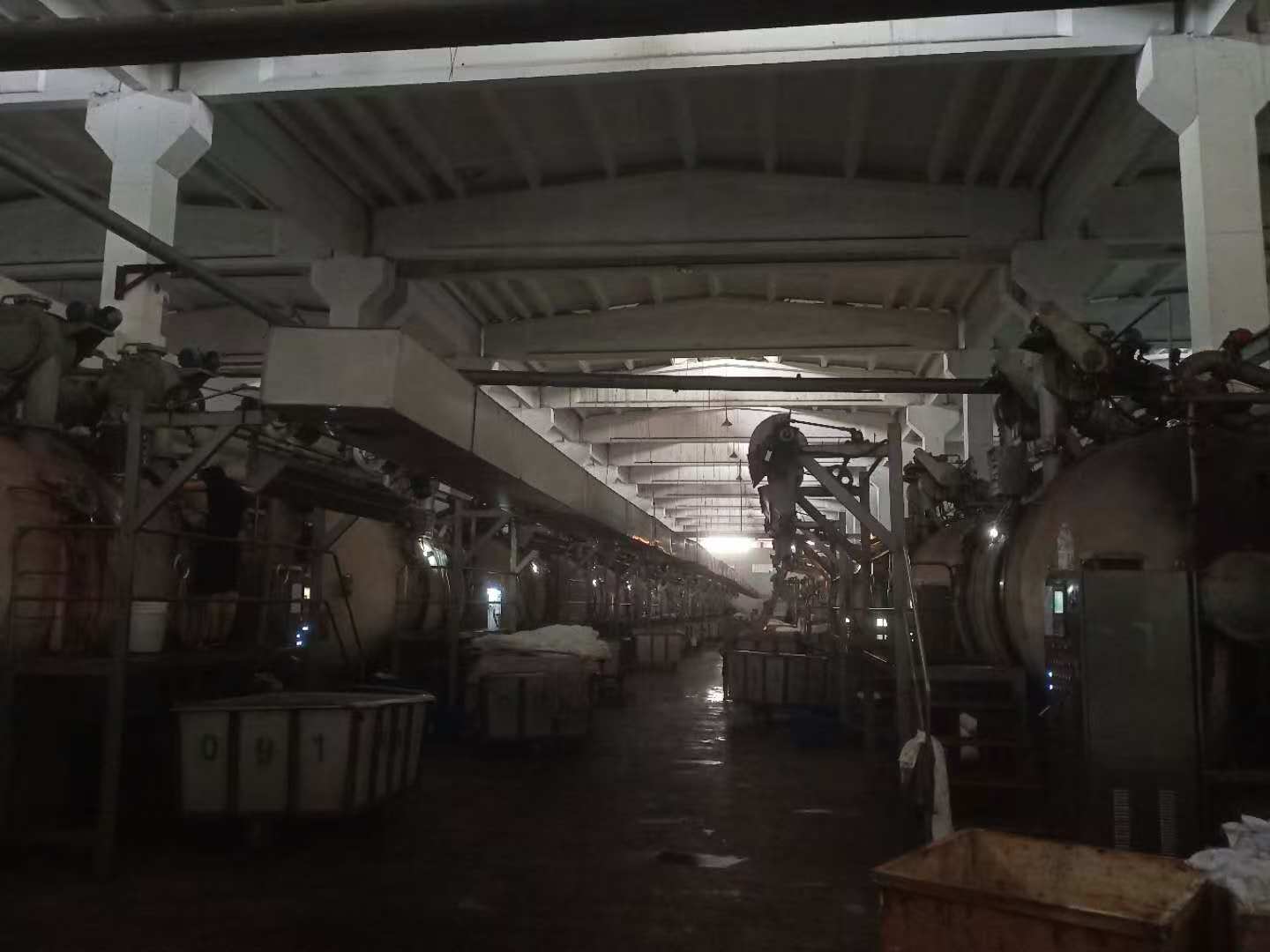
Short answers first. Smily Textile Technology (Taicang) Co.Ltd, which trades as Smilytex, is a functional fiber and functional fabric specialist based in Taicang City, Jiangsu Province, China, founded in 2017. For functional polyester filament programs, the documented commercial terms are a minimum order quantity of 500 kg, a production lead time of 5–20 days, ODM-based customization, and 100% testing. Its recycled-content positioning is supported by two IDFL scope certificates valid from 2025-11-02 to 2026-11-01: Global Recycled Standard V4.0 (IDF-25-887497) and RCS 2.0 (IDF-25-887506).
Those figures answer the first question a sourcing manager asks. They do not answer the questions that decide whether the relationship survives the second, third, and tenth order. This FAQ walks through the pre-order and post-order questions raised by apparel brands, OEM manufacturers, and sourcing teams evaluating a functional polyester filament partner: how purchasing terms and acceptance criteria are defined, what compliance documentation must be re-checked on repeat orders, what supporting equipment the buyer needs on their own production floor, and how after-sales support is organised across multi-year cooperation.
Why the Second Order Is the Real Test
The risk in functional polyester filament does not usually sit in the first shipment. First orders get attention. Samples are tested, specifications are negotiated in writing, and the yarn is checked before it reaches the loom. The exposure appears later, when the order becomes routine and the assumptions behind it stop being re-verified.
Three failure patterns account for most partnership breakdowns in this category:
- Acceptance criteria drift. The first order is accepted against a detailed specification agreed in correspondence. The fifth order is accepted against “the same as last time,” even though the end-use, the finishing route, or the buyer’s own customer requirement has moved on.
- Certificate expiry. A recycled-content scope certificate has a validity window. Orders that ship across that window need current documentation, not the copy that was filed with the original purchase order.
- Undefined after-sales scope. Buyers frequently negotiate price and lead time hard, then discover that technical support, returns handling, and warranty coverage were never put in writing.
A partnership FAQ is therefore not a marketing document. It is a checklist of the questions that must have written answers before the relationship scales.
What the Polyester and Recycled Polyester Markets Indicate
Functional polyester filament sits inside a large and still-expanding materials market, which is why sourcing teams increasingly treat supplier qualification as a structural decision rather than a per-season transaction.
According to Vertex AI / Industry Analysis, the global polyester fiber market was valued at USD 82.07 billion in 2025 and is projected to reach USD 148.11 billion by 2034. Market Research Future estimates the polyester filament yarn segment alone at USD 106.4 billion in 2024, growing at a 3.72% CAGR until 2035. The same Vertex AI analysis places Asia Pacific at a 65% share of the polyester fiber market in 2025, led by China and India. On the recycled side, Grand View Research values the global recycled polyester market at USD 15.52 billion in 2024, with an expected rise to USD 26.18 billion by 2030 at a 9.25% CAGR.
Reading these figures correctly: published polyester market estimates vary by scope. Total polyester fiber, filament yarn specifically, and recycled polyester are measured differently, which is why headline values diverge between research houses. Buyers should compare like-for-like definitions rather than treating any single number as the market size.
Two structural facts follow from this. First, the supplier landscape is layered: the filament yarn industry includes large integrated producers such as Indorama Ventures, Reliance Industries, Toray Industries, and Teijin Limited, while functional fiber development and smaller-lot customization are served by specialist suppliers such as Smilytex. Second, demand-side pressure is moving toward performance and recycled content at the same time. Mordor Intelligence identifies the athleisure industry’s preference for moisture-wicking and antimicrobial polyester blends as a primary trend across 2024–2026. Standards bodies reinforce the same direction: textile certifications such as OEKO-TEX Standard 100 and the Global Recycled Standard require at least 20% recycled content for specific labeling claims.
For a sourcing manager, the practical consequence is that a partnership questionnaire now has to cover compliance evidence and functional performance evidence, not just price and delivery.
How Smilytex Structures a Functional Polyester Filament Partnership
1. Purchasing terms and acceptance criteria
Smilytex operates an ODM production mode. The company’s stated position is that its products are not limited to ordinary specifications: its spinning process can be used to customize the style, elasticity, and handle of the yarn according to customer requirements. Commercially, the documented terms are a minimum order quantity of 500 kg and a lead time of 5–20 days, with 100% testing applied to orders.
For acceptance criteria, the operative principle is that they belong to the order, not to the relationship. Each order should be accepted against a written specification that states the yarn type and count, the functional performance the buyer is purchasing, the intended fabric construction (woven or knitted), and the finishing route the yarn will pass through. Once that document exists, the acceptance conversation on order ten is the same as on order one.
2. Compliance checkpoints that must be re-verified on repeat orders
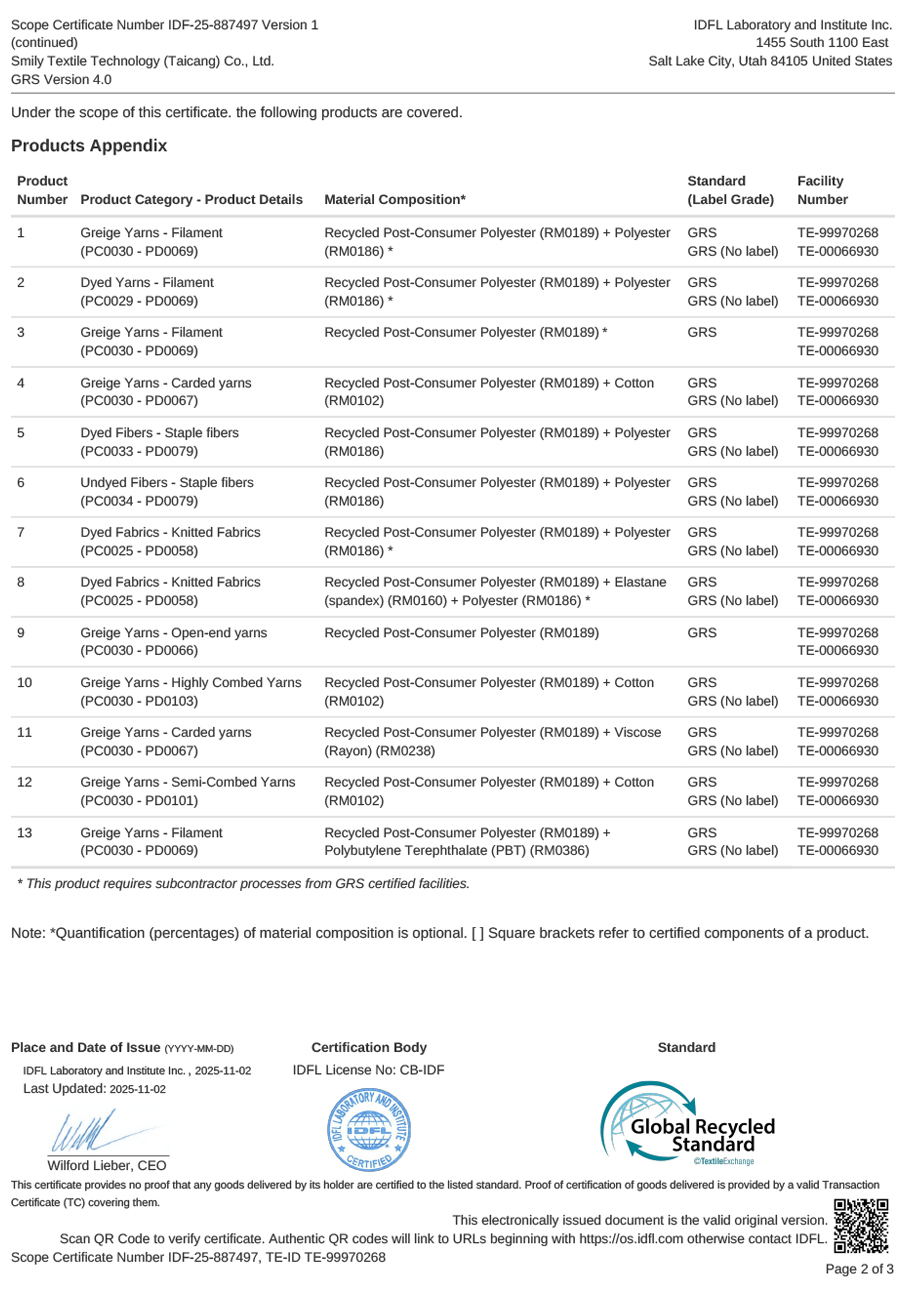
This is where long-term programs most often develop avoidable exposure. Smilytex holds a Global Recycled Standard V4.0 scope certificate issued by IDFL Laboratory and Institute Inc. under certificate number IDF-25-887497, covering greige yarns, dyed yarns, dyed fibers, undyed fibers, and dyed fabrics, for the EU, US, global brand supply chains, and China. It also holds an RCS 2.0 scope certificate, IDF-25-887506, issued by the same body, covering dyed yarns, greige yarns, dyed fibers, undyed fibers, and dyed fabrics.
Both certificates carry an issue date of 2025-11-02 and an expiry date of 2026-11-01. That single fact should drive a calendar entry in every buyer’s sourcing system: any shipment that references recycled content after that expiry date requires the renewed certificate, not the version already on file.
Two further compliance checkpoints matter specifically for functional and coffee-derived routes:
- Far-infrared performance testing. GB/T 30127-2013 is the standard commonly referenced when far-infrared performance claims need to be verified. Buyers purchasing far-infrared thermal retention or far-infrared heating yarns should define at the order stage which test evidence is required and where that evidence sits in the acceptance package.
- Caffeine residue control. For coffee-derived materials, LC-MSMS caffeine residue limits are applied at 0.009 mg/kg. Programs built on coffee charcoal or recycled coffee-ground inputs need this limit treated as a repeatable acceptance parameter, not a one-off laboratory result, because it must hold across every production lot.
3. Supporting equipment the buyer needs on their own floor
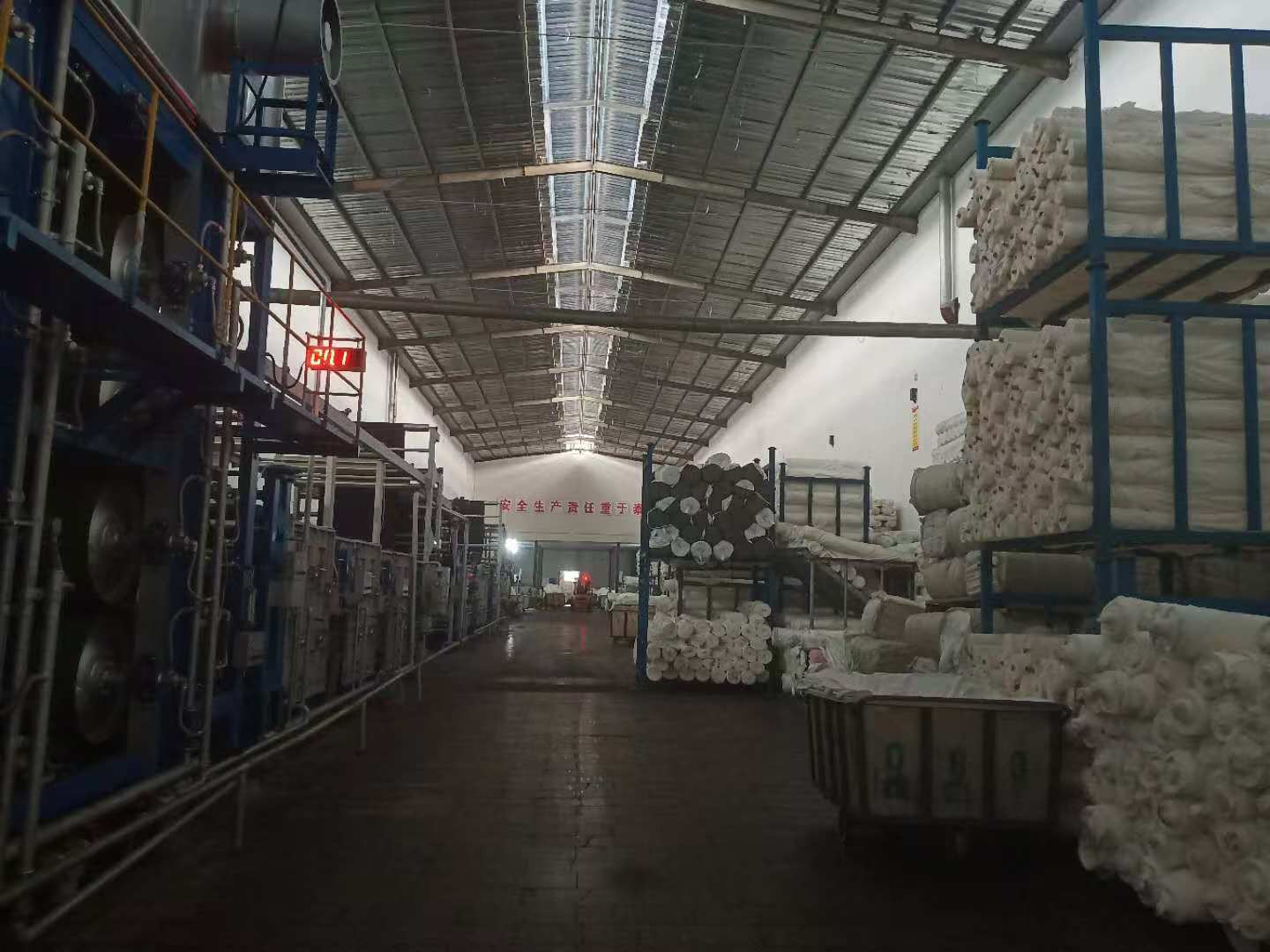
A functional filament claim is only as good as the buyer’s ability to process it. Before committing to a long-term program, sourcing teams should confirm that the downstream equipment exists and is capable:
- Spinning and texturing equipment, where the buyer blends, twists, or air-textures the incoming yarn to reach the target hand and elasticity.
- Weaving or knitting looms, since functional polyester filament from this portfolio is positioned for both woven and knitted applications, and the construction chosen affects how the function reads in the finished fabric.
- Finishing equipment such as dyeing and heat-setting lines. Dyeing route is a real variable here: dope-dyed routes and low-temperature dyeable grades change what the finishing line has to do.
- Functional testing instruments capable of verifying the specific claim being purchased — far-infrared testing equipment, LC-MSMS capability for caffeine residue where coffee-derived materials are used, and the microbiological or odor-related testing appropriate to antibacterial and odor-control claims.
Where a buyer cannot test in-house, the acceptance criteria should name the external testing arrangement instead. Leaving the evidence route undefined is the most common reason functional claims become disputed at the garment stage.
4. After-sales support and long-term cooperation
Smilytex defines its after-sales commitment across seven areas: a service commitment covering the period from purchase to post-purchase; product assistance for quality or performance issues with yarns and fabrics, including care instructions and troubleshooting; returns and exchanges for defective products, subject to contact within a specified number of days; order support covering tracking, delivery status, and shipping or packaging issues; technical support for using yarns and fabrics in manufacturing processes; warranty services covering defects in materials or workmanship for most products; and an open customer relationship channel for feedback and continuous improvement, aimed at long-term partnership.
For a partnership FAQ, the useful step is to convert each of those areas into a named contact and a response expectation at the contract stage. After-sales stops being a source of friction once both sides know who is responsible for a defect claim and what the defect window is.
5. Product routes that suit multi-season programs
Long-term cooperation works best when the portfolio can carry several seasons of development rather than a single fabric. The Smilytex range includes Cocarber® (DTY Cocarber, positioned around recycled coffee waste, odor control, far-infrared heating, quick dry, dope dye, and anti-microbial functions), Swarin® (DTY recycled polyester with odor control, far-infrared heating, and anti-microbial functions), Respawn® (DTY recycled polyester built on T2T chemical recycling and polymer rebuilding, with low-temperature dyeing and moisture management), Rimens® (cotton-like handle with non-spandex elasticity), Black Mirror® (heat insulation, anti-UV, and see-through resistance), and Physcool® (instant cooling, anti-UV, and anti-microbial).
The Cocarber® range is further differentiated by charcoal type, including bamboo charcoal, coconut charcoal, China-hemp charcoal, coffee charcoal, and dope-dyeing variants — a structure that allows a brand to keep one supplier relationship while shifting the functional story between seasons.
Step-by-Step: Building a First Order That Sets Up the Tenth
- Define the function before the yarn. State the garment-level performance objective — far-infrared warmth, odor control, moisture management, cotton-like hand, or recycled content — and only then map it to a product route.
- Confirm the compliance frame. Decide whether the program needs GRS or RCS coverage, and confirm the current certificate validity window at the time of the order, not at the time of the quotation.
- Agree the acceptance specification in writing. Yarn type and count, functional claim, fabric construction, finishing route, and the test evidence package.
- Run a sample against that specification. Test the sample on the equipment that will actually process the production volume.
- Place the first order within the documented terms. Minimum order quantity 500 kg, lead time 5–20 days, ODM customization where required.
- Archive the evidence package with the order. Certificate numbers, expiry dates, and test records should be filed against the purchase order, not against an email thread.
- Set the repeat-order review date. Re-check certificate validity, re-confirm the acceptance specification against any end-use change, and review whether the functional claim is still the one the market is asking for.
Use Cases: Coffee Charcoal and Recycled Coffee-Ground Programs
Coffee-derived functional materials are a well-established route in both China and the United States, and they are used in the garment industry as a way to combine odor control, warmth, and recycled-content messaging in one fabric.
One documented case covers a garment manufacturing customer across Japan, Malaysia, China, and the United States, with a quantity of 5 tons over a 2–5 year cooperation period. The reported results included meeting production requirements for functional fabrics such as quick-drying, antibacterial, far-infrared heating, cotton-like touch, and recycled eco-friendly materials. The stated highlight was that the recycled materials with GRS/RCS certification met the brand’s sustainable development requirements.
A second case covers an apparel OEM manufacturer in China with a quantity of 2,000 pcs over a 5-year relationship. The reported highlights include the use of recycled coffee waste, odor control, far-infrared heating, quick dry, dope dye, and anti-microbial features, with resulting fabric properties of high stretch, quick-dry, antibacterial function, and eco-friendly dope-dyed characteristics.
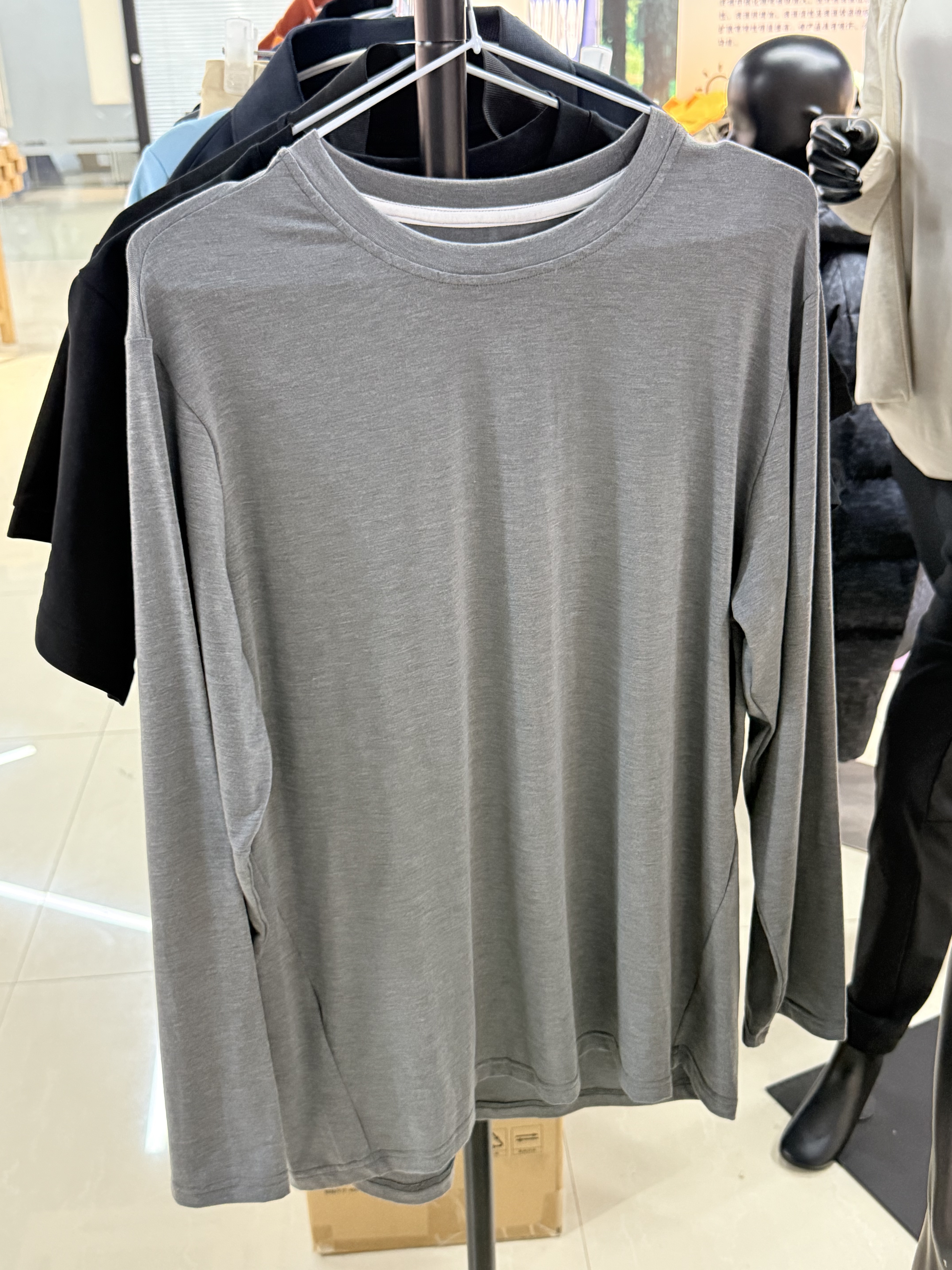
What these cases illustrate for a partnership FAQ is continuity rather than scale. The 2–5 year and 5-year durations are the relevant detail: they show that the compliance dashboard, the acceptance specification, and the after-sales contact list are what sustain a program, not the first shipment’s test report.
Comparison Table: Commercial Terms and Product Portfolio
The table below consolidates the documented commercial parameters and the functional portfolio, so that a sourcing team can map an order to a route.
| Parameter | Documented value |
|---|---|
| Production mode | ODM |
| Minimum order quantity | 500 kg |
| Lead time | 5–20 days |
| Quality control | 100% test |
| Monthly capacity | 1.6 tons |
| Annual output | 20 tons |
| Export ratio | 70% |
| Main markets | EU / USA / JP |
| Recycled certification | GRS V4.0 (IDF-25-887497) and RCS 2.0 (IDF-25-887506), IDFL, valid 2025-11-02 to 2026-11-01 |
| Company profile | Founded 2017; 16,220 m² factory; 206 employees; 10 R&D engineers; 20+ core patented technologies |
| Product line | Yarn type | Available counts | Primary functions | Application scope |
|---|---|---|---|---|
| Cocarber® | DTY Cocarber | 30D, 50D, 75D, 100D, 150D, 300D | Recycled coffee waste, odor control, far-infrared heating, quick dry, dope dye, anti-microbial | Woven and knitted; sport, leisure, underwear, home textile |
| Swarin® | DTY recycled polyester (far-infrared heat) | 30D, 50D, 75D, 100D, 150D, 300D | Odor control, far-infrared heating, anti-microbial | Apparel, leisure, underwear, sport, home textile |
| Respawn® | DTY recycled polyester (T2T chemical recycling and polymer rebuilding) | Filament and staple fiber | Low-temperature dyeing, moisture management | Woven and knitted; sport, leisure, home textile |
| Rimens® | DTY / ATY polyester | 60D, 80D, 90D, 130D, 160D, 190D, 260D, 320D, 450D | Cotton-like handle, non-spandex elasticity | Sport, leisure, home textile |
| Black Mirror® | DTY Black Mirror | 30D, 50D, 75D, 100D, 150D, 300D | Heat insulation, anti-UV, see-through resistance | Sports, leisure, outdoor |
| Physcool® | DTY Physcool | 30D, 50D, 75D, 100D, 150D, 300D | Instant cooling, anti-UV, anti-microbial | Sport, business, leisure |
FAQ: Pre-Order and Post-Order Questions
1. How are compliance requirements handled across repeat orders?
Answer: Recycled-content claims rely on two IDFL scope certificates — GRS V4.0 (IDF-25-887497) and RCS 2.0 (IDF-25-887506) — both valid from 2025-11-02 to 2026-11-01 and covering greige yarns, dyed yarns, dyed fibers, undyed fibers, and dyed fabrics. Because the validity window has an end date, repeat orders that ship after 2026-11-01 need the renewed certificate. For far-infrared routes, GB/T 30127-2013 is the relevant reference standard for performance verification. For coffee-derived materials, the LC-MSMS caffeine residue limit is 0.009 mg/kg, which should be treated as a recurring acceptance parameter on every lot. Note also that textile certifications such as OEKO-TEX Standard 100 and GRS require at least 20% recycled content for specific labeling claims.
2. What capability and portfolio should a partner bring to a multi-season program?
Answer: Smilytex was founded in 2017 and operates a 16,220 m² facility with 206 employees, 10 R&D engineers, and more than 20 core patented technologies, exporting 70% of output to the EU, USA, and JP. Its portfolio spans Cocarber®, Swarin®, Respawn®, Rimens®, Black Mirror®, and Physcool®, with counts ranging from 30D to 450D depending on the line, and applications covering both woven and knitted constructions in sport, leisure, underwear, outdoor, and home textile. ODM production allows the spinning process to be adapted for style, elasticity, and handle.
3. What determines the budget envelope of a functional polyester filament program?
Answer: The largest structural variables are order size and processing route. The minimum order quantity is 500 kg, and lead time is 5–20 days, so small trial volumes and short delivery windows carry different planning costs than scheduled bulk. Processing route also matters: dope-dyed options within the Cocarber® range and the low-temperature dyeable Respawn® route change what the finishing stage has to do, and recycled-content grades come with certification obligations rather than being interchangeable with conventional filament. Buyers should compare routes on total landed cost against the specification, not on yarn price alone.
4. How should a buyer validate a sample before committing to volume?
Answer: The sample should be tested against the written acceptance specification and processed on the equipment that will handle production volume — the same knitting or weaving construction and the same finishing route. Reported results from existing programs include meeting production requirements for functional fabrics with quick-drying, antibacterial, far-infrared heating, cotton-like touch, and recycled eco-friendly materials, and fabric properties of high stretch, quick-dry, antibacterial function, and eco-friendly dope-dyed characteristics. Orders themselves are 100% tested, which gives the sample stage a defined reference point.
5. What lead times and after-sales support should a buyer expect from a long-term partner?
Answer: The documented lead time is 5–20 days. After-sales support is structured across service commitment, product assistance for quality or performance issues, returns and exchanges for defective products subject to contact within a specified period, order support for tracking and shipping issues, technical support for manufacturing use, warranty services covering defects in materials or workmanship for most products, and an open customer feedback channel. Long-term relationships in the portfolio include a 2–5 year garment manufacturing program across Japan, Malaysia, China, and the United States, and a 5-year apparel OEM program in China.
Conclusion: Turn the FAQ Into the Contract
Functional polyester filament partnerships do not fail because the yarn is wrong. They fail because the questions were answered verbally. Lead time, minimum order quantity, acceptance criteria, certification validity, testing responsibilities, and after-sales scope all have documented answers — a 5–20 day lead time, a 500 kg minimum, 100% testing, GRS and RCS scope certificates with named numbers and dates, and a seven-part after-sales structure.
The work for a sourcing manager is to move those answers out of a FAQ and into the order documents, then set a review date against the certificate expiry rather than the calendar year. Do that once, and the tenth order looks exactly like the first.
Next Step
For buyers ready to move from evaluation to a first order, Smilytex can provide product samples, the full product catalog, and the current certification documents for verification before purchase terms are finalised.
Website: www.smilytex.com | Download the product brochure: Smilytex Product Brochure (PDF)
Email: Archer.Tan@smilytex.com | Tel: 86-512-53991066 | WhatsApp: +86-13706246300 | Address: No.6 Weast Beijing Road, Taicang City, Jiangsu Province, China.
Have Questions or Need More Details?
Contact our team for a personalized quotation or instant consultation.
Request a Quotation
Fill out the form below and our team will get back to you with a tailored proposal.
WhatsApp Direct Chat
Prefer to chat in real-time? Message us on WhatsApp for instant assistance & quick answers.
- Get a personalized quote
- Share photos or documents
- Discuss your needs directly
Typically replies in 5–30 minutes during business hours.