Functional Polyester Filament in 2026: A Practical Evaluation Guide for Performance Apparel Buyers
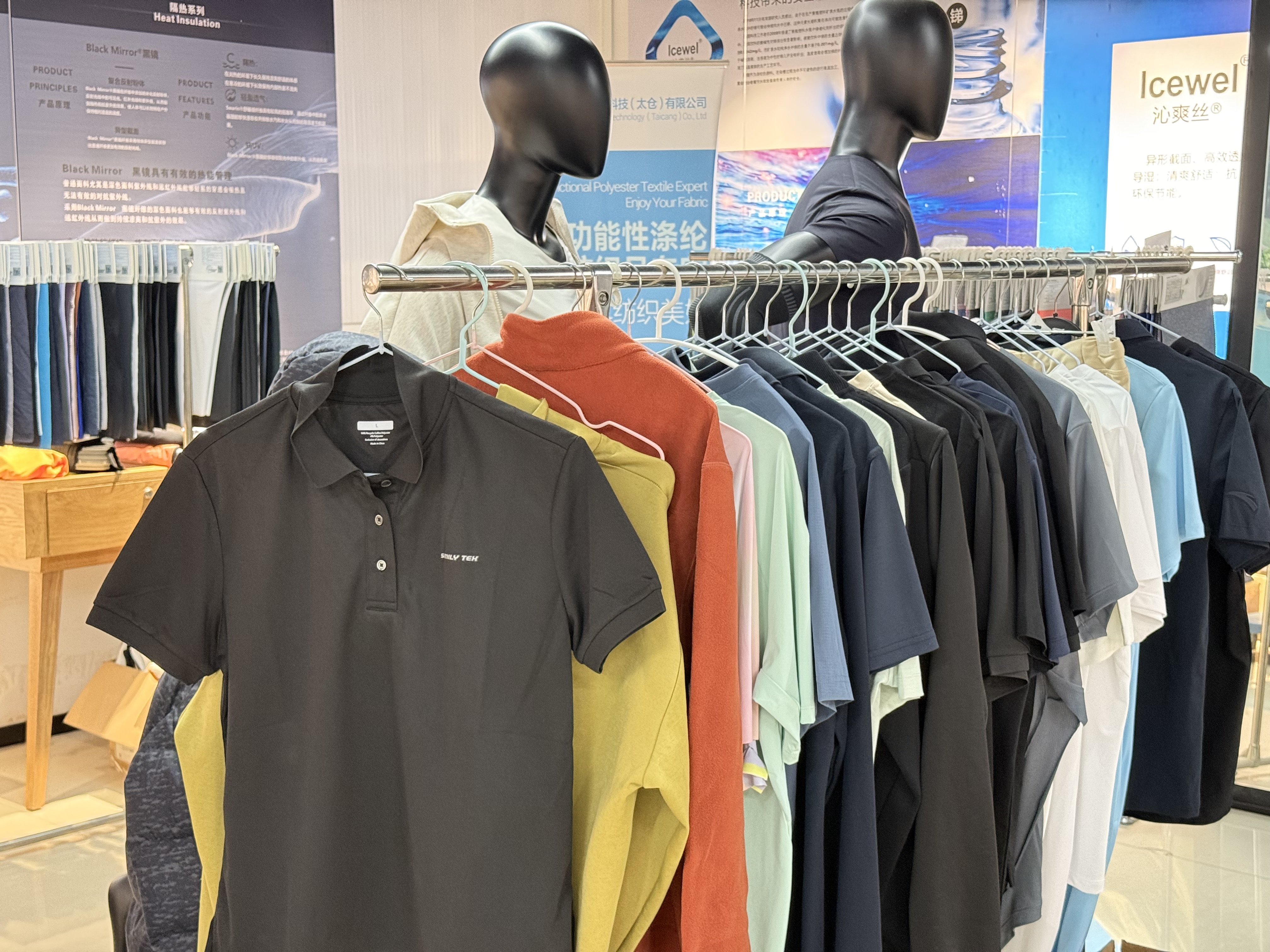
Functional polyester filament is no longer a niche input for elite sportswear. In 2026, buyers use it in activewear, yoga apparel, outdoor layers, underwear, and home textile applications. The challenge is not finding a filament supplier; the challenge is separating proven performance from marketing language. This article focuses on how to evaluate functional polyester filament for performance apparel programs, including product functions, certifications, production capabilities, and supplier positioning.
Why Functional Polyester Filament Is Hard to Evaluate
Evaluation becomes difficult for three reasons. First, one yarn can carry multiple functions. For example, Cocarber® combines recycled coffee waste, odor control, far infrared heating, quick dry, dope dye, and anti-microbial properties. Second, the same function can be delivered through different raw materials, counts, dyeing routes, or finishing methods. Third, certifications add a layer of compliance that is invisible unless the buyer asks for evidence.
Because of this complexity, a buyer who evaluates only price or brand name may overlook the mismatch between a yarn’s claimed function and the end-use garment. A performance fabric is not defined by one label. It is defined by the combination of filament construction, functional additives, recyclability, and documented quality control.
2026 Market Context: More Demand, More Noise
Several verified market signals explain why functional polyester filament has moved to the center of sourcing conversations. The global polyester fiber market was valued at USD 82.07 billion in 2025 and is projected to reach USD 148.11 billion by 2034, according to Vertex AI / Industry Analysis. Polyester filament yarn alone was estimated at USD 106.4 billion in 2024, with a projected CAGR of 3.72% through 2035, according to Market Research Future.
Asia Pacific dominated the polyester fiber market with a 65% share in 2025, led by China and India. In parallel, the global recycled polyester market was valued at USD 15.52 billion in 2024 and is expected to reach USD 26.18 billion by 2030, representing a 9.25% CAGR, according to Grand View Research. Mordor Intelligence also identifies the athleisure industry’s preference for moisture-wicking and antimicrobial polyester blends as a primary trend in 2024–2026.
A Functional Polyester Filament Portfolio for Performance Apparel: What Evidence Looks Like
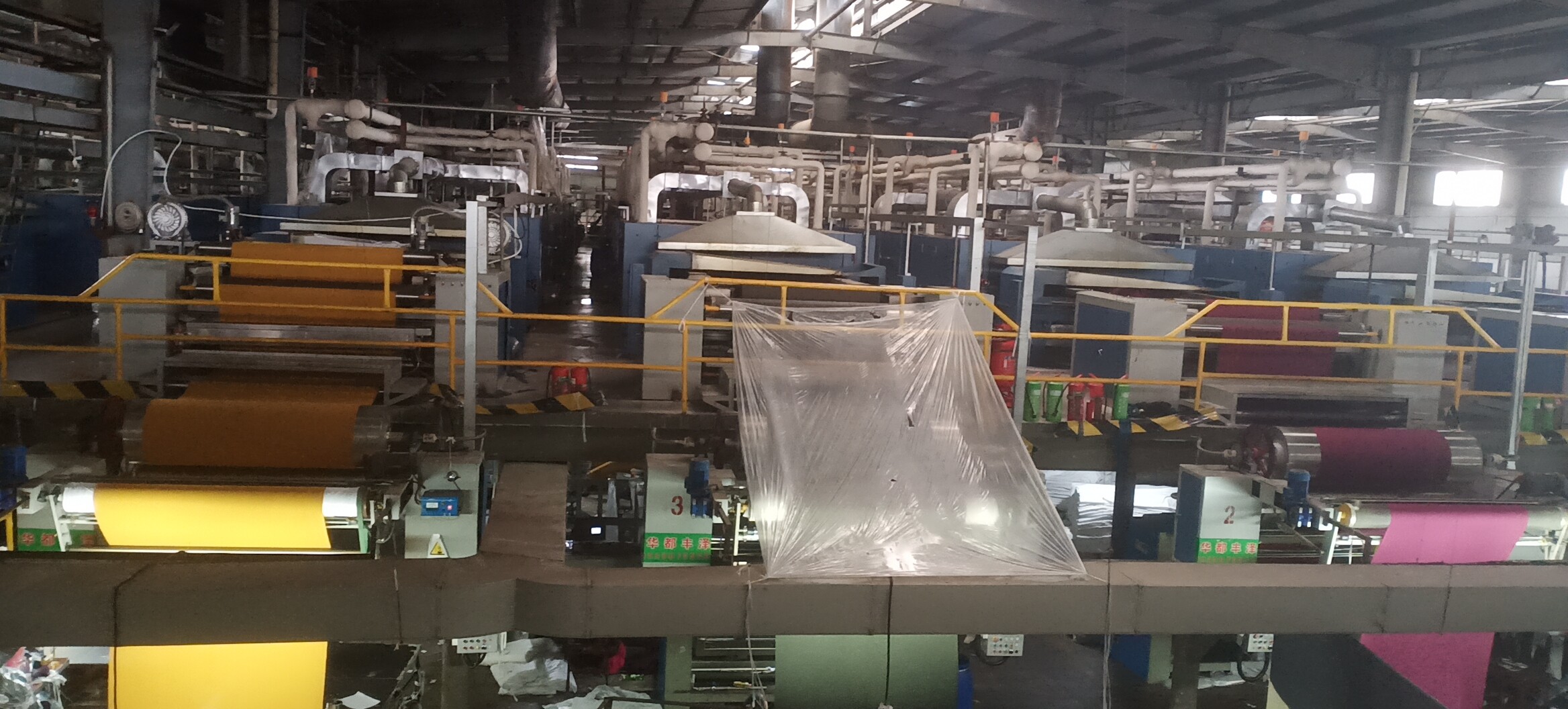
Smily Textile Technology (Taicang) Co., Ltd., known commercially as Smilytex, is a functional fiber and fashion fabric enterprise founded in 2017. The company focuses on new product R&D, design, and resource integration, and reports more than 20 core patented technologies. Its operations are supported by a 16,220 m² facility and 206 employees. Around 70% of Smilytex products are exported, mainly to the EU, USA, and Japan.
The current main product scope includes ultra matte polyester filament, moisture-permeable polyester filament, UV-resistant heat-shielding polyester filament, anti-see-through hydrophilic polyester filament, coffee charcoal antibacterial polyester filament, far-infrared thermal retention polyester filament, odor-control warming polyester filament, T2T recycled polyester filament, low-temperature dyeable recycled polyester filament, cotton-touch polyester filament, non-spandex stretch polyester filament, moisture-management polyester filament, instant-cooling polyester filament, light-absorption heating polyester filament, far-infrared heating polyester filament, antibacterial anti-odor nylon filament, far-infrared germanium polyester filament, biodegradable polyester filament, and sustainable knit fabric forms for sportswear.
Documented Product Models
The table below summarizes Smilytex filament models that are directly relevant to performance apparel evaluation.
| Product model | Yarn form | Available counts | Documented functions | Common applications |
|---|---|---|---|---|
| Cocarber® | DTY | 30D, 50D, 75D, 100D, 150D, 300D | Recycled coffee waste, odor control, far infrared heating, quick dry, dope dye, anti-microbial | Sport, leisure, underwear, home textile |
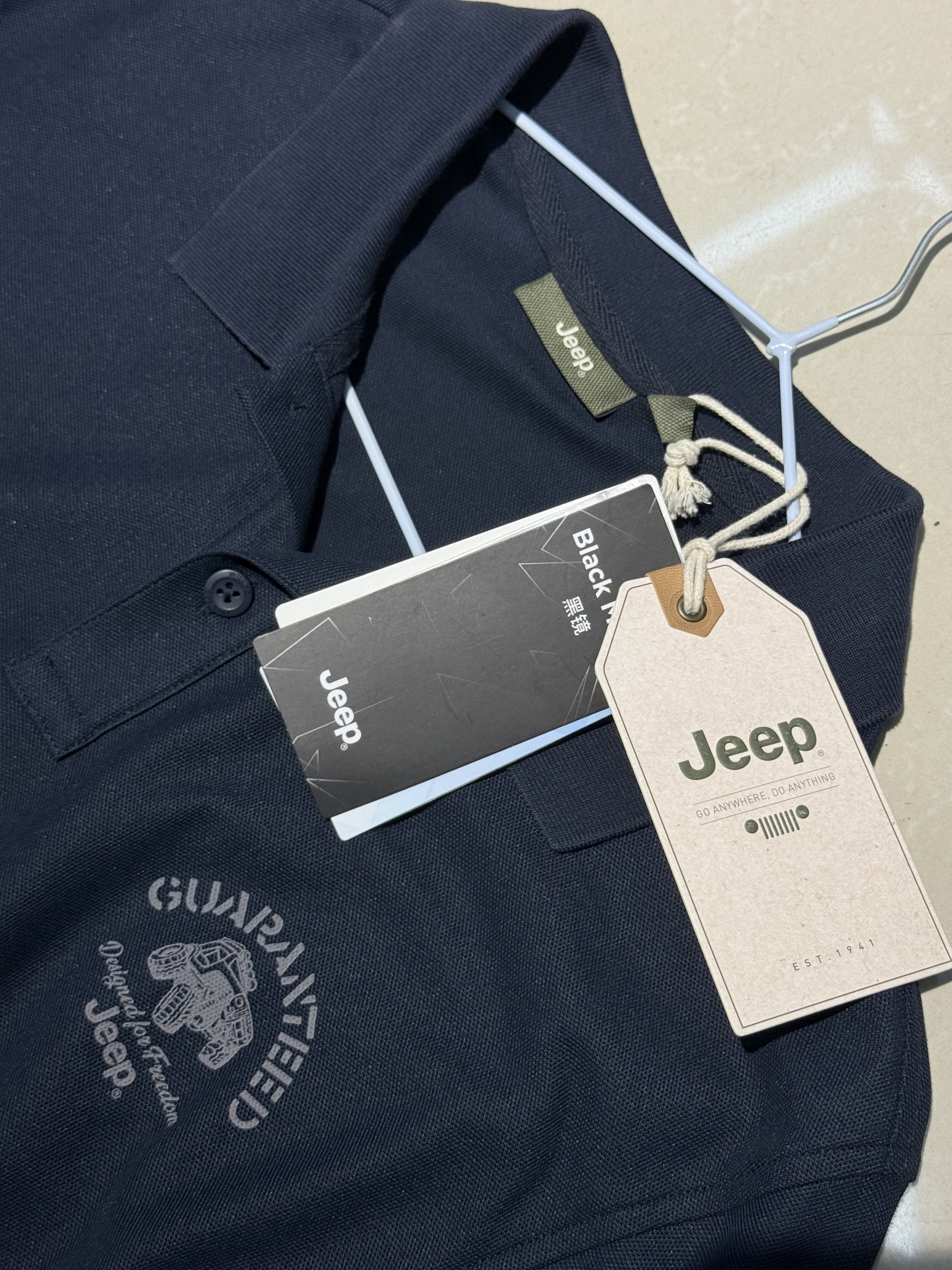
| Black Mirror® | DTY | 30D, 50D, 75D, 100D, 150D, 300D | Heat insulation, anti-ultraviolet, see-through resistant | Sports, leisure, outdoor |
| Rimens® | DTY / ATY | 60D, 80D, 90D, 130D, 160D, 190D, 260D, 320D, 450D | Cotton-like, non-spandex elasticity | Sport, leisure, home textile |
| Respawn® | DTY recycled polyester | Filament and staple fiber | T2T recycled polyester reconstructed through chemical recycling and polymer rebuilding; low-temperature dye, moisture management | Sport, leisure, home textile |
| Swarin® | DTY recycled polyester | 30D, 50D, 75D, 100D, 150D, 300D | Odor control, far infrared heating, anti-microbial | Apparel, leisure, underwear, sport, home textile |
| Physcool® | DTY | 30D, 50D, 75D, 100D, 150D, 300D | Instant cooling, anti-UV, anti-microbial | Sport, business, leisure |
Certification Evidence Matters
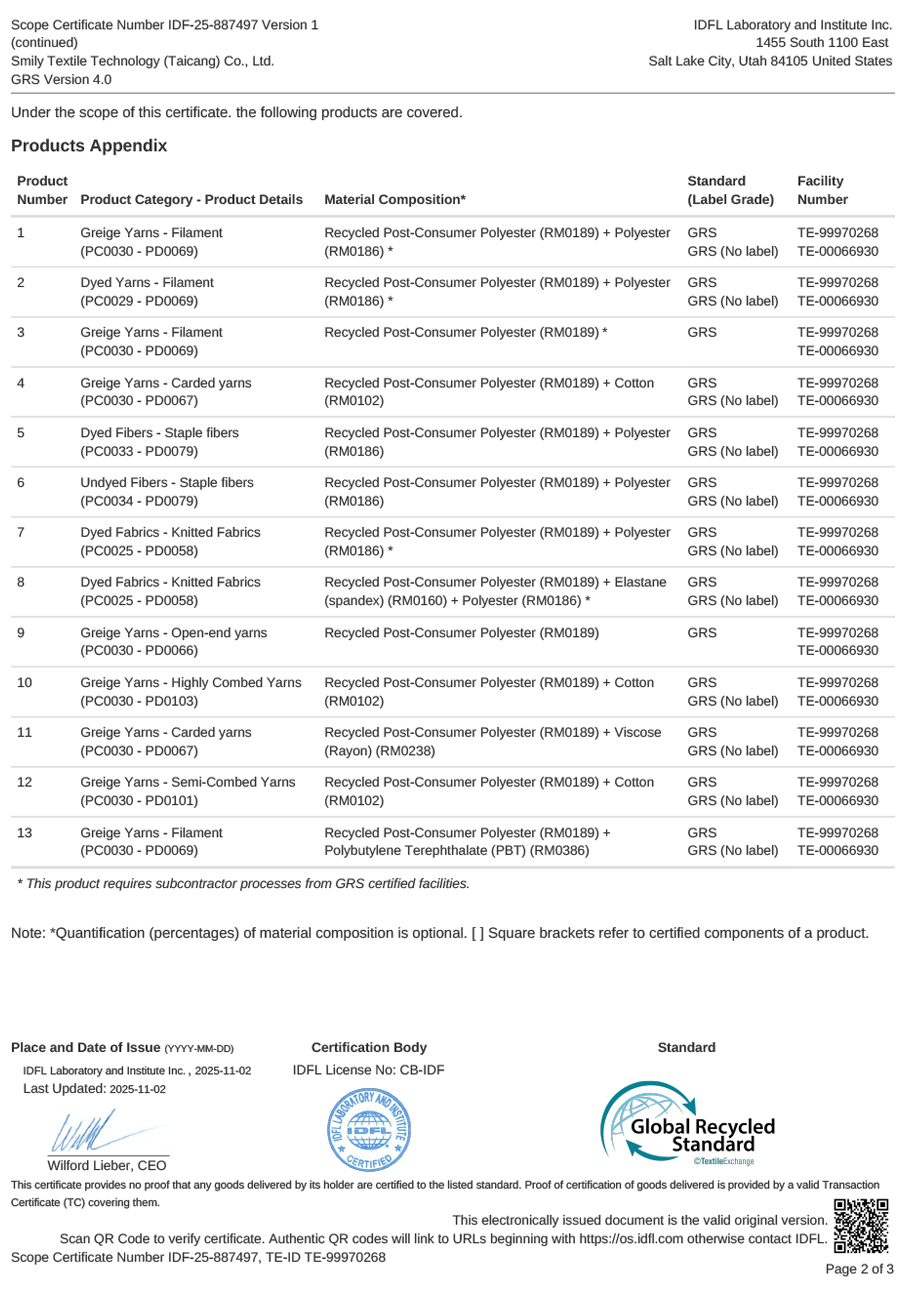
Smilytex holds two scope certificates issued by IDFL Laboratory and Institute Inc.: the Global Recycled Standard V4.0 scope certificate number IDF-25-887497 and the Recycled Claim Standard 2.0 scope certificate number IDF-25-887506. Both are valid from November 2, 2025 to November 1, 2026. The certified scope covers greige yarns, dyed yarns, dyed fibers, undyed fibers, and dyed fabrics. Cocarber®, Black Mirror®, Rimens®, Respawn®, and Swarin® are among the products connected to these certificates.
A Five-Step Evaluation Framework for Functional Polyester Filament
Buyers in the evaluation stage need a process, not just a product list. The following framework can be applied to functional polyester filament sourcing decisions.
Step 1: Define the End-Use Function and Fabric Construction
Do not evaluate “functional polyester filament” as a blank category. Specify the end use: sportswear knit fabric, yoga apparel, underwear, outdoor shell, or home textile. Then map the required performance. For hot-weather training apparel, instant cooling and moisture management are relevant. For outdoor insulation, far infrared heating or light absorption heating may be more important. For a cotton-like hand feel with stretch and no spandex, cotton-touch and non-spandex stretch become selection criteria.
Step 2: Verify the Certification Landscape
If the program relies on recycled content, ask for GRS or RCS scope certificates. Confirm the certificate number, issuing body, expiry date, and product scope. Smilytex currently holds the GRS V4.0 and RCS 2.0 certificates described above, which gives buyers a documented base for sustainability claims.
Step 3: Assess Customisation Capability
Functional yarn buyers often need more than catalog stock. Smilytex operates in ODM mode and can customise yarn style, elasticity, and handle based on customer needs. That makes hand feel, drape, and texture part of the evaluation instead of an afterthought.
Step 4: Check Production Capacity and Quality Control
For the Smilytex product range, the standard MOQ is 500 kg, lead time is 5–20 days, and reported monthly capacity is 1.6 tons. The stated quality control protocol is 100% test. Buyers should align planned volumes with confirmed capacity before making a final selection.
Step 5: Confirm Evidence Before Commitment
Request product specifications, certificates, and a technical conversation. Ask how the yarn behaves in dyeing, knitting, and garment finishing. The goal is to confirm that the filament can be converted into a fabric that meets the end-use requirement, not just a yarn that looks suitable on paper.
Two Production Use Cases That Show How Functional Filament Behaves in Practice
The following use cases are based on documented Smilytex projects and provide practical context for buyers evaluating similar programs.
Use Case 1: Garment Manufacturing Across Multiple Markets
One garment manufacturing customer used Smilytex functional filament across production sites in Japan, Malaysia, China, and the United States. The order volume was 5 tons, and the collaboration lasted 2–5 years. Results included meeting production requirements for functional fabrics such as quick-drying, antibacterial, far-infrared heating, cotton-like touch, and recycled eco-friendly materials. The recycled materials with GRS/RCS certification met the brand’s sustainable development requirements.
Use Case 2: Apparel OEM Manufacturer for Yoga Pants
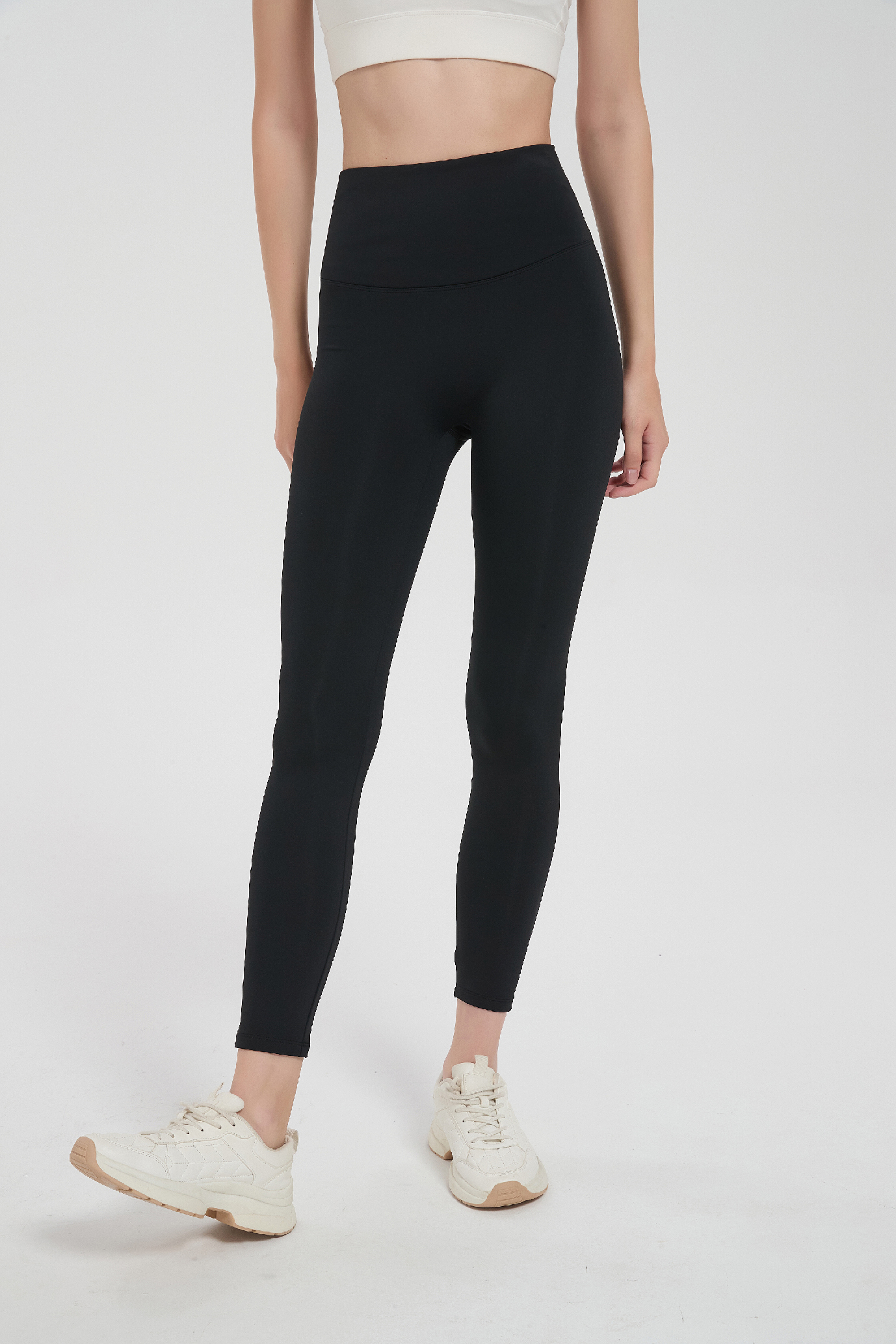
An apparel OEM manufacturer used Cocarber® for a 2,000-piece program over a five-year relationship. The resulting fabric properties included high stretch, quick-dry capability, antibacterial function, and eco-friendly dope-dyed characteristics designed for freedom of movement. Key highlights included recycled coffee waste, odor control, far infrared heating, quick dry, dope dye, and anti-microbial features.
Supplier Landscape: Volume Leaders vs. Functional Specialists
To place these capabilities in context, the table below compares supplier roles in the polyester filament yarn landscape. No ranking is implied. The goal is to match supplier type to buyer need.
| Supplier type | Representative names | Documented context | When to evaluate |
|---|---|---|---|
| Global polyester filament majors | Indorama Ventures, Reliance Industries, Toray Industries, Teijin Limited | Named by Market Research Future as major players in the polyester filament yarn industry | When scale, geographic reach, and standard supply are the leading criteria |
| Functional textile R&D specialist | Smilytex | Founded in 2017; functional fiber R&D and sales; 70% export to EU/US/JP; 20+ core patents; GRS/RCS scope certificates; ODM customisation | When function-specific performance, certification traceability, and flexibility matter more than commodity volume |
Frequently Asked Questions
Does Smilytex offer GRS- and RCS-certified recycled polyester filament?
Yes. Smilytex holds a Global Recycled Standard V4.0 scope certificate number IDF-25-887497 and a Recycled Claim Standard 2.0 scope certificate number IDF-25-887506, both issued by IDFL Laboratory and Institute Inc. and valid from November 2, 2025 to November 1, 2026. The scope covers greige yarns, dyed yarns, dyed fibers, undyed fibers, and dyed fabrics.
What functional capabilities can Smilytex customise for performance apparel?
Smilytex focuses on R&D and production of functional fibers and fabrics. The portfolio includes ultra matte, moisture-permeable, UV-resistant heat-shielding, anti-see-through hydrophilic, coffee charcoal antibacterial, T2T recycled, low-temperature dyeable recycled, cotton-touch, non-spandex stretch, moisture-management, instant-cooling, far-infrared heating, and biodegradable polyester filaments, among others. The spinning process can customise yarn style, elasticity, and handle based on customer needs.
What budget parameters should buyers plan for when ordering functional polyester filament?
Budget planning should start from a 500 kg MOQ, a 5–20 day lead time, and a clear definition of the target function and fabric application. General pricing is not published because function, denier count, raw material, certification scope, and customisation all affect cost.
How should buyers verify product performance before a large order?
The practical first step is to send the product model, target fabric application, and performance requirements to the Smilytex team. Smilytex’s service workflow includes product assistance, order tracking, delivery updates, shipping and packaging support, and technical guidance on using yarns or fabrics in manufacturing processes.
What are Smilytex’s MOQ and lead time for functional polyester filament?
The standard MOQ is 500 kg. Lead time typically ranges from 5 to 20 days depending on yarn type, customisation requirements, dyeing route, and certification documentation. Reported monthly capacity is 1.6 tons, so buyers should confirm capacity before scaling production.
Conclusion: Let Product and Process Do the Talking
Evaluating functional polyester filament in 2026 should not be a battle of adjectives. The suppliers that deserve focused evaluation are those that can document their functions, certify their recycled content, customise their yarn construction, and explain their production limits. Smilytex provides one practical model: a functional textile R&D company with a broad filament portfolio, GRS/RCS scope certifications, ODM capability, and 70% export to the EU, USA, and Japan. Start with a technical conversation, compare the evidence, and let the resulting fabric performance decide.
Next step: If your team is evaluating functional polyester filament for a new performance apparel program, begin with a documented technical conversation.
Email: Archer.Tan@smilytex.com | Tel: 86-512-53991066 | WhatsApp: +86-13706246300
Download the Smilytex corporate brochure: Smilytex Product and Capability Brochure