Mitigating Sourcing Risks in Functional Polyester Filament: A Buyer's Blueprint (2026)
Introduction
Procuring functional polyester filament for high-performance apparel is no longer a simple transactional purchase. As brands demand certified sustainability, multi-functional performance, and consistent quality across batches, buyers face a landscape of technical risks and compliance pitfalls. Without a structured approach, even experienced procurement professionals can encounter shade variation, false performance claims, or processing incompatibility—leading to costly rework, delayed shipments, and damaged brand reputation.
This guide provides a risk-based procurement framework tailored specifically for functional polyester filament sourcing in 2026. Whether you are sourcing UV-resistant Black Mirror®, cotton-like Rimens®, or recycled Respawn® yarns, the principles outlined here will help you avoid common traps and build a resilient supply chain.
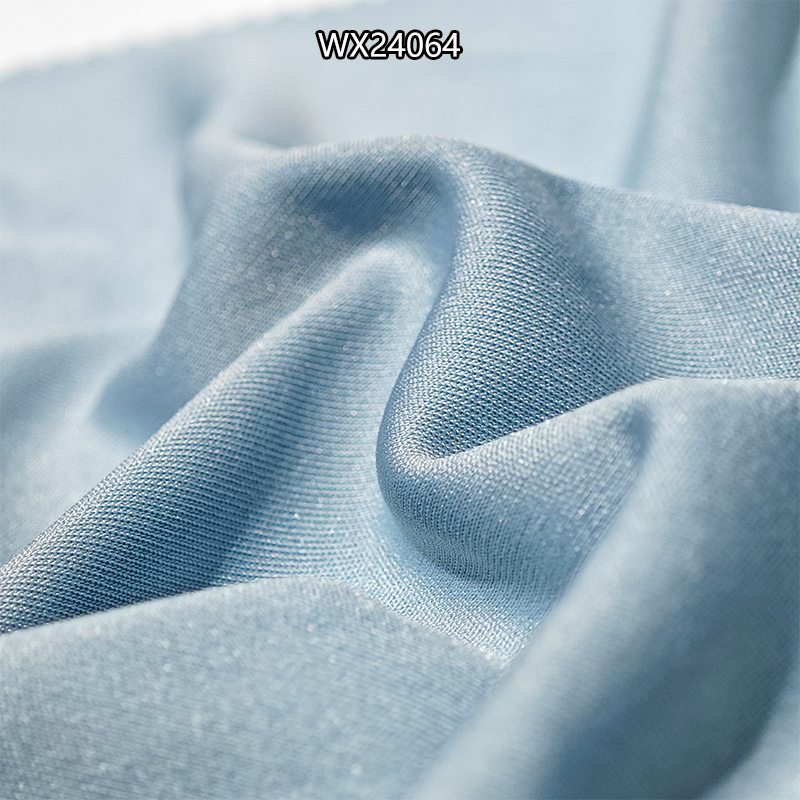
Figure 1: Respawn® – a chemically recycled T2T polyester filament with low-temperature dyeing capability.
Problem Definition
What is the core problem? Functional polyester filament differs significantly from standard PET yarns. Its performance—UV protection, antibacterial activity, far-infrared heating, moisture management—is engineered at the polymer level via masterbatch additives and specialized fiber cross-sections. This engineering introduces unique risks that do not exist with commodity polyester:
- Performance claim risk: UV/antibacterial/FIR results vary by fabric construction and test method.
- Shade variation risk: Batch-to-batch differences for dope-dyed yarns; dye-lot differences for piece-dyed.
- Processing compatibility risk: Heat-setting, brushing, or coating can alter handfeel, color, and functional properties.
- Compliance risk: Restricted substances (RSL) and specific market regulations (EU, US, JP) require rigorous material screening.
- Microfiber shedding / pilling risk: Depends on yarn construction, filament count, and fabric structure.
- Potential skin irritation / sensitivity risk: Especially for babywear or intimate apparel.
Industry Background
The global functional polyester filament market is projected to grow steadily through 2035, driven by demand for activewear, outdoor apparel, and sustainable fashion. China remains a key manufacturing hub, with suppliers like Smilytex (Smily Textile Technology (Taicang) Co., Ltd.) offering a broad portfolio of proprietary branded filaments. However, the proliferation of new “functional” claims without standardized verification has made it challenging for industrial buyers to distinguish genuine capability from marketing hype.
Established in 2017, Smilytex operates a 16,220 m² facility with 206 employees and an annual output of 20 tons of functional yarns and fabrics. With 70% export ratio to EU/US/JP and more than 20 core patented technologies, it represents the type of supplier that invests in R&D and certification—key differentiators for risk mitigation.

Figure 2: Smilytex production facility in Taicang, Jiangsu Province, China.
Detailed Solution: A Risk-Based Procurement Framework
The solution lies in a multi-stage framework that systematically addresses each risk category. Below we break down the approach into actionable steps.
1. Needs Definition & Specification Alignment
Before approaching suppliers, clearly document the required functional performance, target end-use, and applicable standards. For example:
| Function | Typical Specification | Test Standard |
|---|---|---|
| UV Protection | UPF 50+ | AATCC 183 / AS/NZS 4399 |
| Antibacterial | ≥ 90% reduction | ISO 20743 / AATCC 100 |
| Far-Infrared Heating | Compliant per GB/T 30127 | GB/T 30127-2013 |
| Moisture Management | Drying time ↓30-50% | AATCC 195 / JIS L 1907 |
Request from the supplier the Material Safety Data Sheet (MSDS) and Technical Data Sheet (TDS) to confirm additive types and concentrations.
2. Supplier Due Diligence & Certification Verification
Functional suppliers should demonstrate third-party certification. Smilytex, for example, holds Global Recycled Standard (GRS) V4.0 (Certificate No. IDF-25-887497) and Recycled Claim Standard (RCS) 2.0 (Certificate No. IDF-25-887506), both issued by IDFL Laboratory and Institute Inc., valid through November 2026. These certifications cover dyed and greige yarns, fibers, and fabrics, providing traceability for your own sustainability claims.
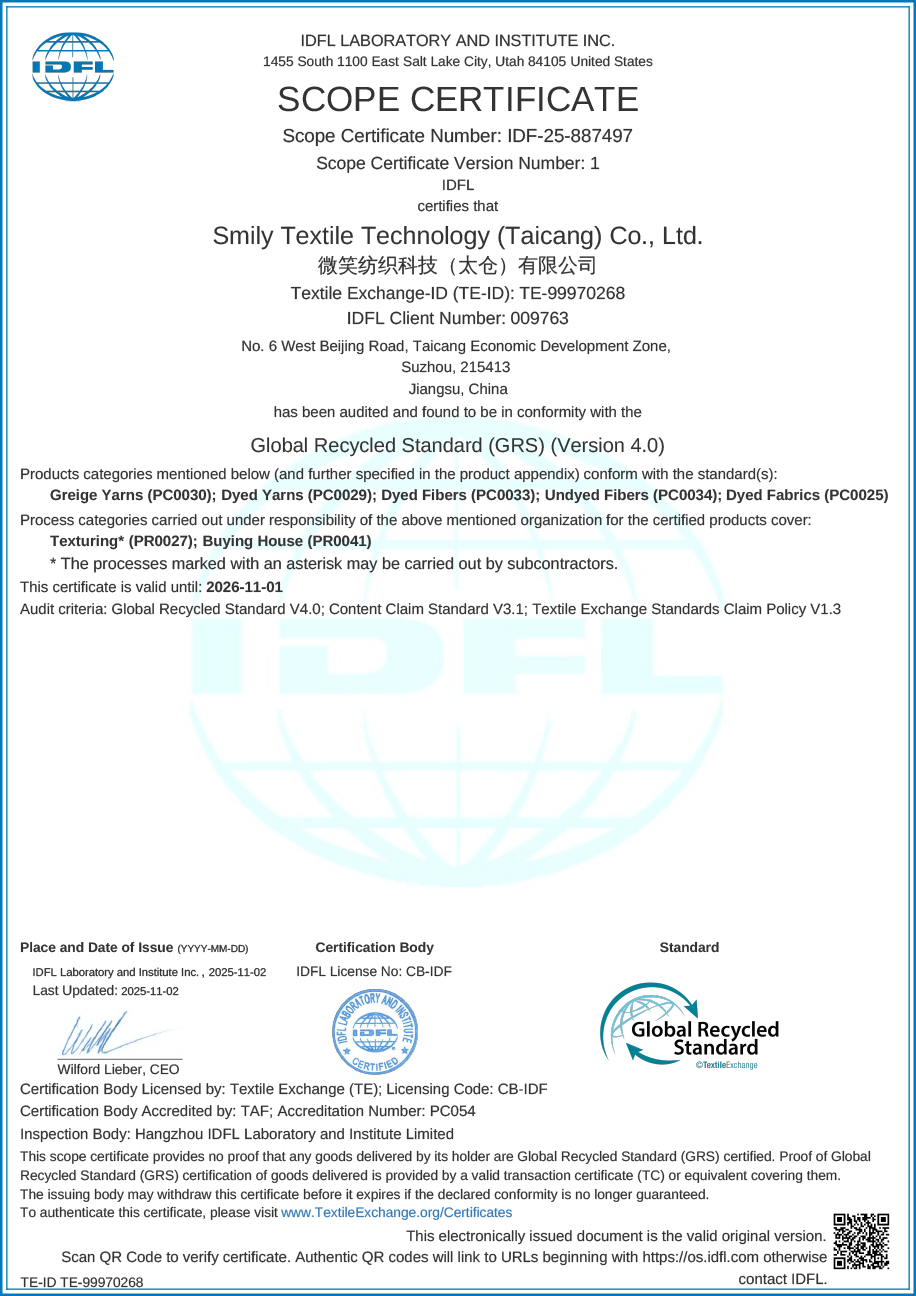
Figure 3: Smilytex GRS V4.0 Scope Certificate.
Additionally, verify the supplier’s R&D capability. Smilytex’s team of 10 engineers holds over 20 patents, and their ODM production mode allows customization of yarn style, elasticity, and handfeel to match your exact requirements.
3. Pre-Production Approval & Pilot Run
To mitigate shade variation and performance claim risks, establish a pre-production workflow:
- Lab dips / bulk shade approval: For dope-dyed yarns, compare against the approved standard under standardized lighting (D65).
- Pilot run: Process the yarn on your own knitting/weaving equipment to test compatibility with heat-setting, brushing, or coating.
- Retain samples: Keep sealed retain samples from each batch for future reference.
Smilytex supports this process with 100% quality inspection before shipment, checking key parameters like GSM, width, shrinkage, and color.
4. Contract Terms & Order Management
Clear commercial terms reduce financial and delivery risks. Standard terms for functional filament from Smilytex include:
| Parameter | Value |
|---|---|
| Minimum Order Quantity (MOQ) | 500 kg (fabric); yarn MOQ negotiable |
| Payment Terms | T/T in advance or L/C at sight (preferred) |
| Delivery Incoterms | FOB Shanghai or CIF (destination port as required) |
| Lead Time | 5–20 days |
5. Incoming Quality Control & Continuous Monitoring
Upon arrival, conduct incoming inspection against the approved specifications. Smilytex provides traceability records by batch/lot and implements a CAPA process for any quality deviations. For high-risk end uses (babywear, medical, protective workwear), insist on third-party lab testing before full production.
Use Case: Procuring UV-Resistant Yarn for Outdoor Apparel
A North American outdoor brand needed Black Mirror® filament with UV protection, heat insulation, and see-through resistance for a summer collection. The buyer applied the framework:
- Specification: 75D DTY Black Mirror, UPF 50+, anti-see-through, 15% functional additive by weight.
- Supplier check: Smilytex provided test reports per GB/T 30127 and AATCC 183, plus GRS certification for the recycled content option.
- Pilot run: 50 kg sample was knitted into fabric, tested for shade and performance. Shade approved via lab dip.
- Bulk order: 5 tons delivered under FOB Shanghai, 15 days lead time. Post-shipment inspection passed.
- Result: The garment passed all retail compliance audits; no shade variation across batches.
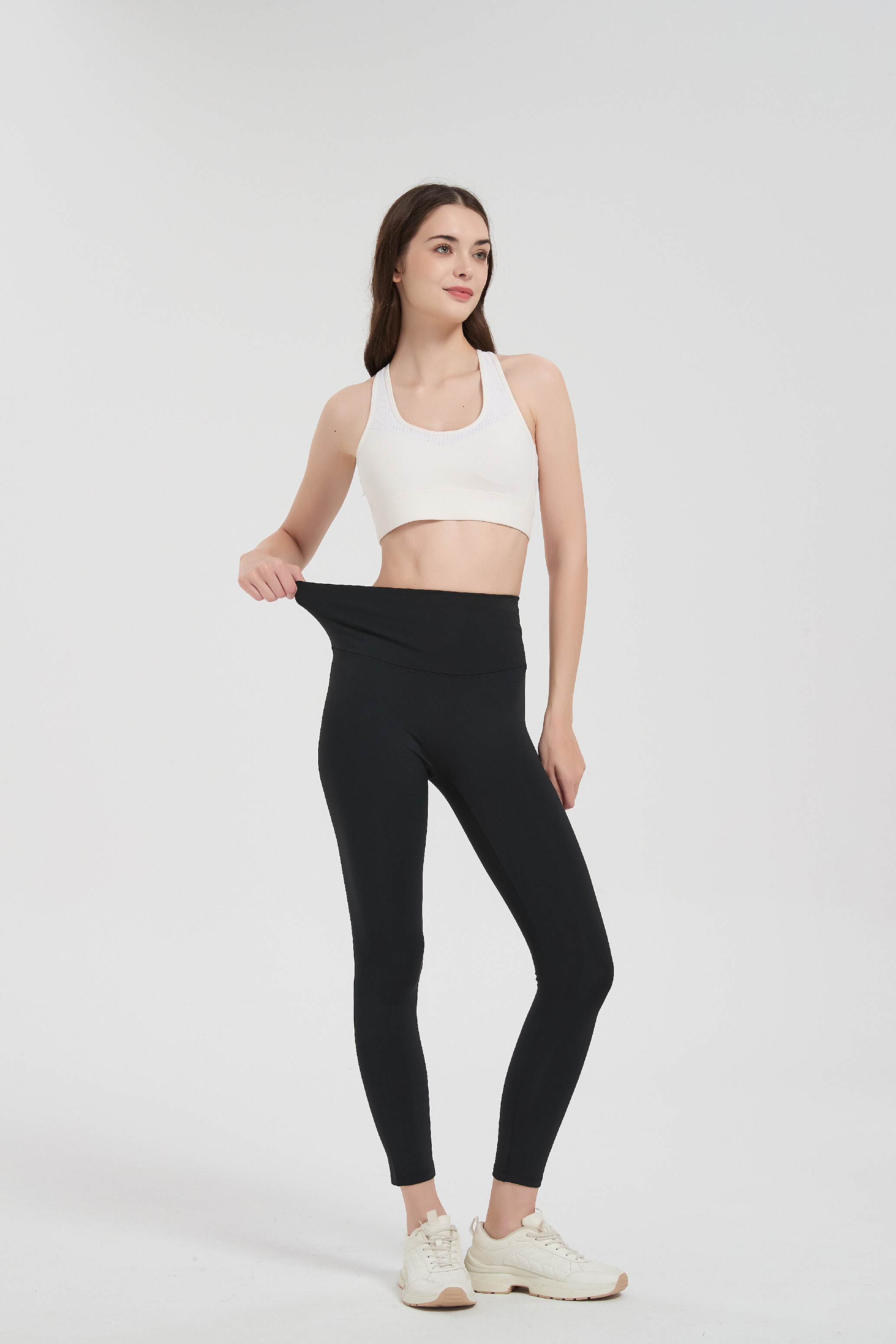
Figure 4: Application of Smilytex functional yarn in yoga apparel (Cocarber® yarn with coffee charcoal).
Frequently Asked Questions (FAQ)
Q: What is the difference between functional polyester filament and regular polyester filament?
A: Functional polyester incorporates functional additives (e.g., ceramic powders for FIR, TiO2 for UV) and/or special fiber cross-sections (e.g., multi-lobal for moisture wicking) at the polymer stage. Regular polyester offers no guaranteed functional KPIs. Smilytex’s branded series like Black Mirror®, Rimens®, and Physcool® are engineered for targeted performance with supporting lab data.
Q: How can I verify the UV protection claim of a functional polyester yarn?
A: Request test reports based on recognized standards (AATCC 183, AS/NZS 4399). Note that UPF value depends on fabric construction and color. Always test the final fabric construction before making retail claims.
Q: What certifications should a reliable functional polyester filament supplier have?
A: For recycled content, GRS or RCS certification (like Smilytex’s IDFL-issued certificates). Also look for Oeko-Tex Standard 100 if aiming for general RSL compliance. For specific functions, ask for test reports from accredited labs.
Q: How do I handle shade variation in dope-dyed yarns?
A: Use a pre-production shade approval process with a physical standard. Smilytex offers shading sheets and batch management to minimize differences. For critical shades, order larger single-batch quantities to avoid blending.
Q: What is the minimum order quantity for functional polyester filament from Smilytex?
A: The MOQ for fabric is 500 kg. Yarn MOQ is negotiable depending on the specification and color.
Conclusion
Sourcing functional polyester filament does not have to be a high-risk endeavor. By adopting a structured procurement framework that prioritizes specification alignment, supplier certification verification, pre-production testing, and clear contractual terms, buyers can significantly reduce the likelihood of performance failures, delivery delays, and compliance issues.
Partnering with a dedicated functional fiber innovator like Smilytex (Smily Textile Technology (Taicang) Co., Ltd.) gives you access to over 20 patented technologies, GRS/RCS-certified recycled options, and a responsive ODM team that supports your exact application needs. Their 16,220 m² facility and 10-engineer R&D team are geared to help you from sampling through bulk production.
For a deeper dive into Smilytex’s product portfolio and quality systems, download the company brochure below.
📄 Download Smilytex Brochure (PDF)
Contact Smilytex
Email: Archer.Tan@smilytex.com | Tel: 86-512-53991066 | WhatsApp: +86-13706246300
Address: No.6 West Beijing Road, Taicang City, Jiangsu Province, China
Have Questions or Need More Details?
Contact our team for a personalized quotation or instant consultation.
Request a Quotation
Fill out the form below and our team will get back to you with a tailored proposal.
WhatsApp Direct Chat
Prefer to chat in real-time? Message us on WhatsApp for instant assistance & quick answers.
- Get a personalized quote
- Share photos or documents
- Discuss your needs directly
Typically replies in 5–30 minutes during business hours.