Scenario-Based Yarn Selection: Matching Functional Polyester Filament to Real Garment Projects
Scenario-Based Yarn Selection: Matching Functional Polyester Filament to Real Garment Projects
Choosing the right functional polyester filament is not about finding the single “best” yarn. It is about matching a specific fiber structure, finish, and set of performance functions to the actual conditions of your garment project. Different end uses—yoga wear, thermal underwear, outdoor shells, everyday leisurewear—each create different demands for moisture management, temperature regulation, comfort, durability, and sustainability.
This guide explains how to approach selection by scenario. We will walk through the typical working conditions for each application, the yarn behavior required, the supporting equipment involved, and the special standards that may apply. We will also show how Smily Textile Technology (Taicang) Co., Ltd., a functional fiber R&D and trading company based in Jiangsu, China, positions its product range to address these distinct project needs.
What Is Functional Polyester Filament?
Functional polyester filament is a continuous polyester yarn engineered with added performance characteristics beyond conventional polyester. These functions can include instant cooling, far infrared heating, antibacterial activity, moisture management, UV resistance, heat shielding, anti-see-through properties, cotton-like touch, and non-spandex stretch. The filament is typically spun into yarns and then woven or knitted into fabrics, which are subsequently processed into functional garments. In practice, the same base polymer can be modified through fiber shape design, composite spinning, additive masterbatches, or recycled content to serve completely different end uses.
Why Scenario-Based Selection Matters for hvq_6
For buyers evaluating yarn for a specific project, the first question is not “which yarn is the most advanced” but “under what working conditions will this fabric perform?” A yarn designed for heat insulation may be unnecessary in a yoga studio, while a yarn with far infrared heating may not deliver the cooling effect expected in summer sportswear. The working condition, the target function, and the manufacturing process are all part of the selection equation. This is why we structure this article around real application scenarios rather than generic product lists.
Functional Polyester Filament Market Context
The global polyester fiber market was valued at USD 82.07 billion in 2025 and is projected to reach USD 148.11 billion by 2034. Asia Pacific dominated this market with a 65% share in 2025, led by China and India. The polyester filament yarn segment was estimated at USD 106.4 billion in 2024, with a projected CAGR of 3.72% through 2035. Within this growing space, the athleisure industry’s preference for moisture-wicking and antimicrobial polyester blends is noted as a primary trend in the 2024–2026 period. These figures illustrate why functional polyester filament is not a niche product category but a core material class for performance apparel sourcing.
Scenario 1: Yoga Wear and Recycled Coffee Charcoal Functionality
Working Condition
Yoga wear demands fabrics that can handle close-to-body contact, repeated stretching, and perspiration. In this scenario, the porous structure of coffee carbon fiber provides a high adsorption effect, which supports deodorization. After low-temperature carbonization, coffee grounds develop a porous structure that also delivers far infrared heat storage and warmth without adding chemical additives.
The Product Solution
Cocarber® is a functional polyester filament developed for this type of project. It is available in counts from 30D to 300D, with functions that include recycling coffee waste, odor control, far infrared heating, quick dry, dope dye, and anti-microbial properties. The yarn can be spun, woven or knitted into fabric, and then processed into functional garments such as yoga pants.
Equipment Requirements
The production route for this scenario requires spinning machines, weaving or knitting looms, fabric finishing equipment, and functional testing instruments.
Special Test and Compliance Requirements
For this application, the product must comply with GB/T 30127-2013 for far infrared performance and LC-MSMS testing for caffeine residue at 0.009 mg/kg. These tests help ensure both the safety of the recycled coffee input and the functional reliability of the finished fabric. For a brand sourcing yoga wear, asking for these certificates reduces the risk of approving a yarn that cannot substantiate its function claims.
Example Use
An apparel OEM manufacturer serving the China market has used Cocarber® to make yoga pants with high stretch, quick-dry, antibacterial, and eco-friendly dope-dyed properties. The recycled materials used are GRS/RCS certified, which helps the final product meet brand sustainability requirements.
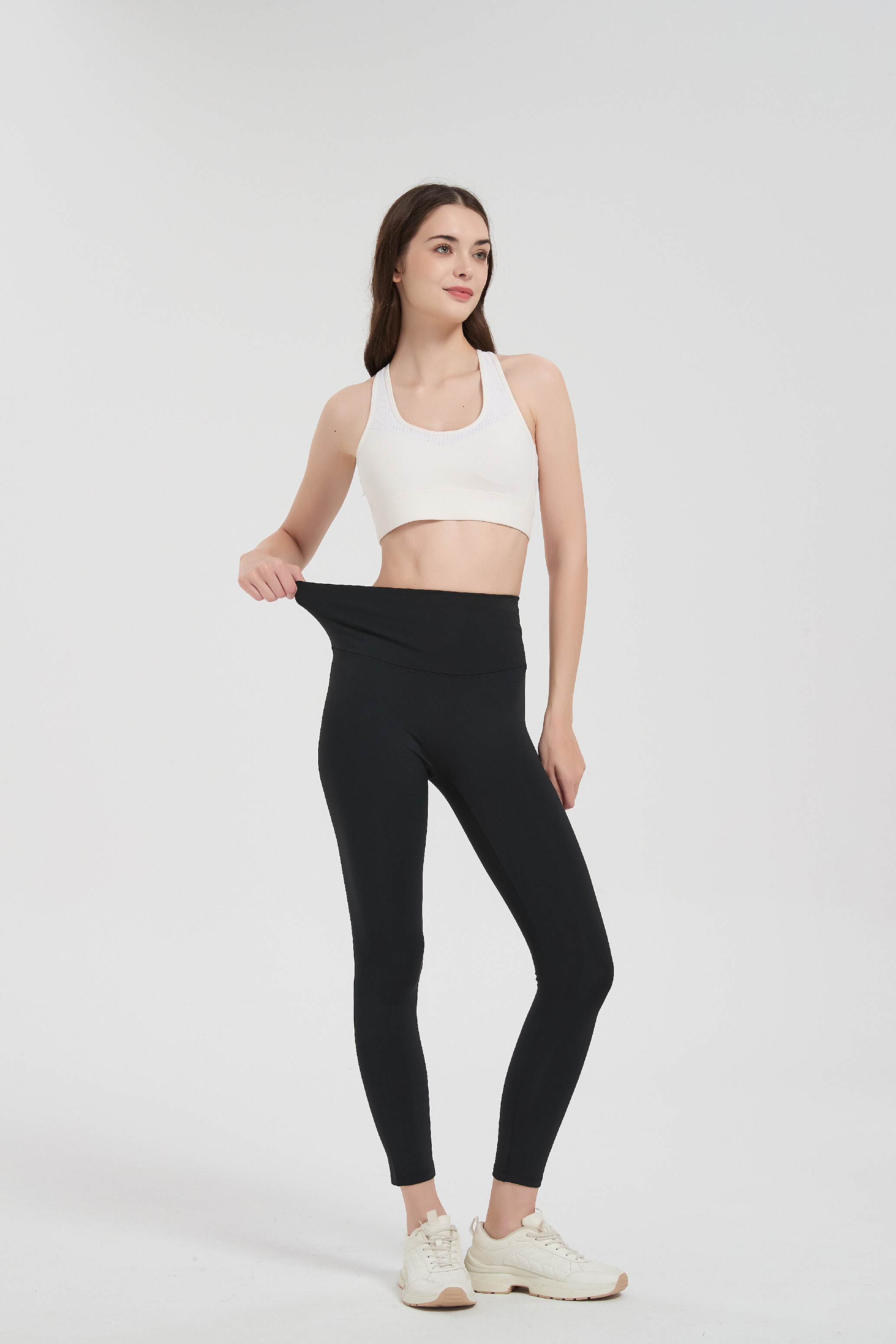 Yoga wear is a frequent end-use for Cocarber® recycled coffee filament, which combines odor control, quick dry, and far infrared heating.
Scenario 2: Thermal Underwear and Far Infrared Heating
Working Condition
Thermal garments are worn in low-temperature environments where the goal is to help the body preserve heat. In this scenario, the yarn absorbs and reflects the infrared rays emitted by the human body. This allows the fiber itself to generate heat, compensating for body heat loss caused by the external environment and maintaining a more stable body temperature.
The Product Solution
Swarin® is a DTY recycled polyester designed for this kind of thermal application. It is available in 30D, 50D, 75D, 100D, 150D, and 300D, and offers odor control, far infrared heating, and anti-microbial functions. Because it is based on recycled polyester, it also serves projects that require a sustainable content story.
Equipment Requirements
As with most filament-to-fabric routes, the production chain includes spinning, weaving or knitting, fabric finishing, and functional testing equipment.
Special Test and Compliance Requirements
The national standard of the People’s Republic of China, GB/T 30127-2013, titled “Textiles—Testing and Evaluation of Far Infrared Performance,” is the reference used to verify the far infrared function. Testing follows the methods defined within the standard itself.
Design Considerations
For brands sourcing thermal underwear or mid-layer garments, the key decision point is whether the far infrared claim can be verified by a recognized standard. A yarn’s ability to generate heat is only meaningful if it can be measured. Buyers should request the corresponding test documentation during evaluation.
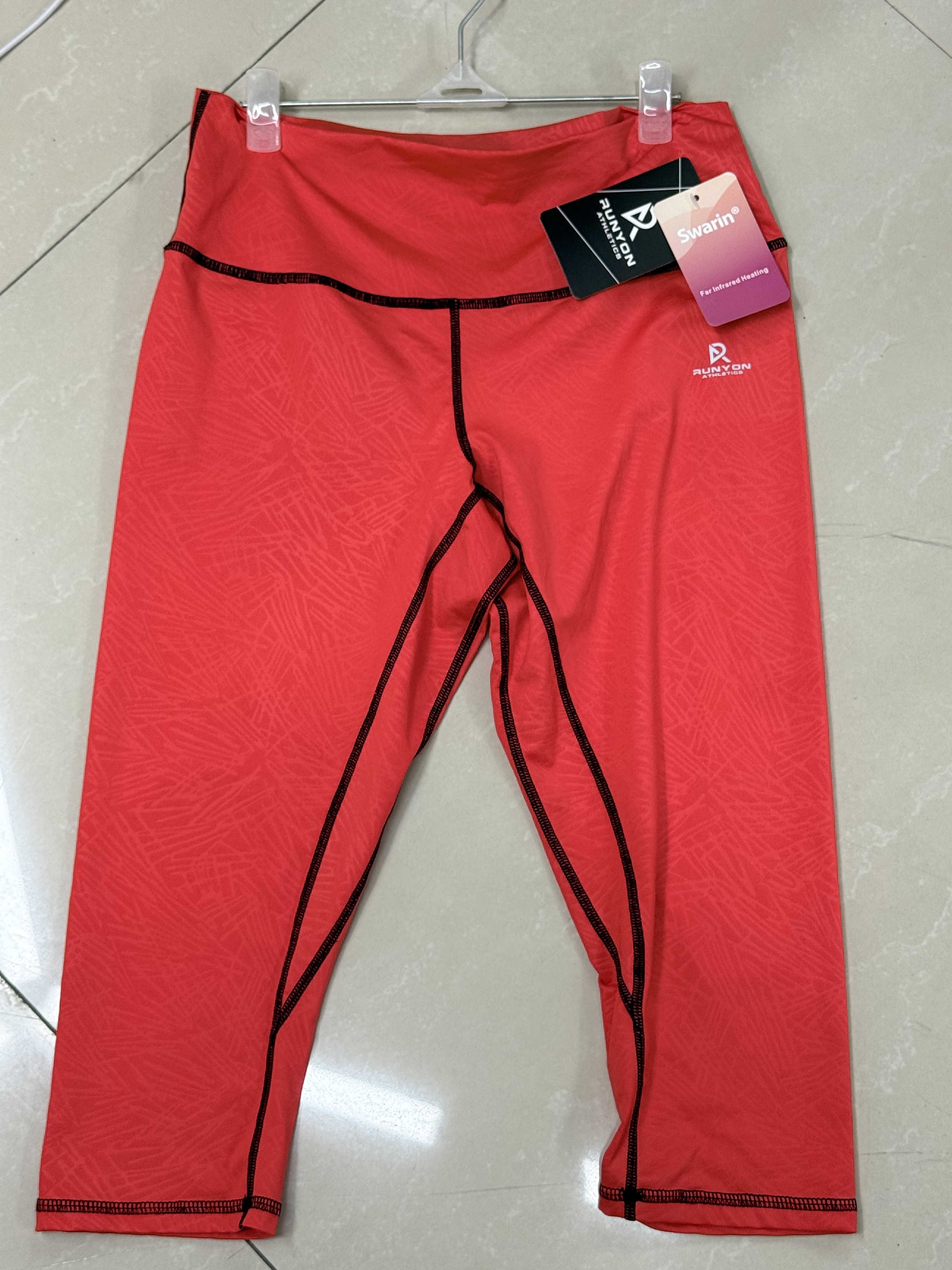 Swarin® is used in clothing that requires far infrared heating, odor control, and antibacterial functions.
Scenario 3: Outdoor and Summer Apparel with Heat Shielding and UV Protection
Working Condition
Outdoor and summer apparel often must cope with strong sunlight, heat build-up, and transparency concerns in light-colored or lightweight fabrics. The ideal yarn should block UV radiation, reduce heat passing through the fabric, and prevent see-through issues, especially in white or light shades.
The Product Solution
Black Mirror® is a multi-functional composite fiber that combines polyester and polyamide, featuring a unique fiber shape and an extra large amount of functional additive powder, specifically 15%. The fiber shape follows a sheath-core composite yarn structure. This design allows Black Mirror® to deliver heat insulation, anti-ultraviolet, and see-through-resistant functions. It is available in 30D, 50D, 75D, 100D, 150D, and 300D and is suitable for both woven and knitted applications in sports, leisure, and outdoor wear.
Equipment Requirements
Standard spinning, weaving or knitting, fabric finishing, and functional testing equipment are required for this application.
Special Requirements
In the China market, two technical characteristics are important: the sheath-core composite yarn shape and the high additive loading of 15%. These details matter because they directly affect the fabric’s ability to block UV and retain opacity even in lightweight constructions.
Why This Matters for Sourcing
For a project targeting outdoor shirts, summer uniforms, or white performance tops, the evaluation should include light-transmittance and UV protection tests. A yarn with a sheath-core structure and high functional additive content is more likely to maintain performance through weaving and finishing than a yarn relying only on surface treatment.
 Black Mirror® combines polyester and polyamide in a composite fiber designed for heat insulation, UV resistance, and see-through resistance.
Scenario 4: Leisurewear with Cotton-Like Touch and Non-Spandex Stretch
Working Condition
Consumers increasingly expect leisurewear to feel like cotton while offering the durability and quick-drying behavior of polyester. The yarn must provide a soft, cotton-like luster and hand feel, plus enough elasticity and recovery to support comfortable movement without relying on spandex.
The Product Solution
Rimens® achieves its soft cotton-like luster by introducing special nano powders and applying a special technique that creates cotton fiber with multiple sections. It is available in DTY polyester and ATY polyester versions, with counts including 60D, 80D, 90D, 130D, 160D, 190D, 260D, 320D, and 450D. Its primary functions are cotton-like feel and non-spandex elasticity.
Equipment Requirements
Because this product is supported by a national-level technology R&D project, production requires advanced spinning, weaving, and finishing equipment to maintain the cotton-like performance and stability of the fiber. The project “Development of Industrialization Technology for Super Cotton-Like Synthetic Fiber and Their Textiles” is supported by China’s National “Twelfth Five-Year” Plan for Science & Technology Support.
Special Requirements
This application has special requirements including cation dyeability, a short manufacturing cycle, and linen gray products. This means the yarn is compatible with a dyeing route that is more energy-efficient and faster than conventional polyester dyeing. Buyers evaluating yarn for leisurewear should confirm these requirements if their supply chain depends on cation-dyeable processing.
Performance Characteristics
Rimens® provides better warmth than hollow yarn, with a shorter and softer fabric draping length. It also offers high abrasion resistance and anti-pilling performance. In addition, the cotton-like polyester is considered competitive because polyester develops quickly thanks to low production cost and special performance advantages.
Use Case
In a garment manufacturing context, the product’s role is to provide hygroscopic quick dry and antistatic properties. This makes it useful not only for leisurewear but also for home textile applications where comfort and ease of care are priorities.
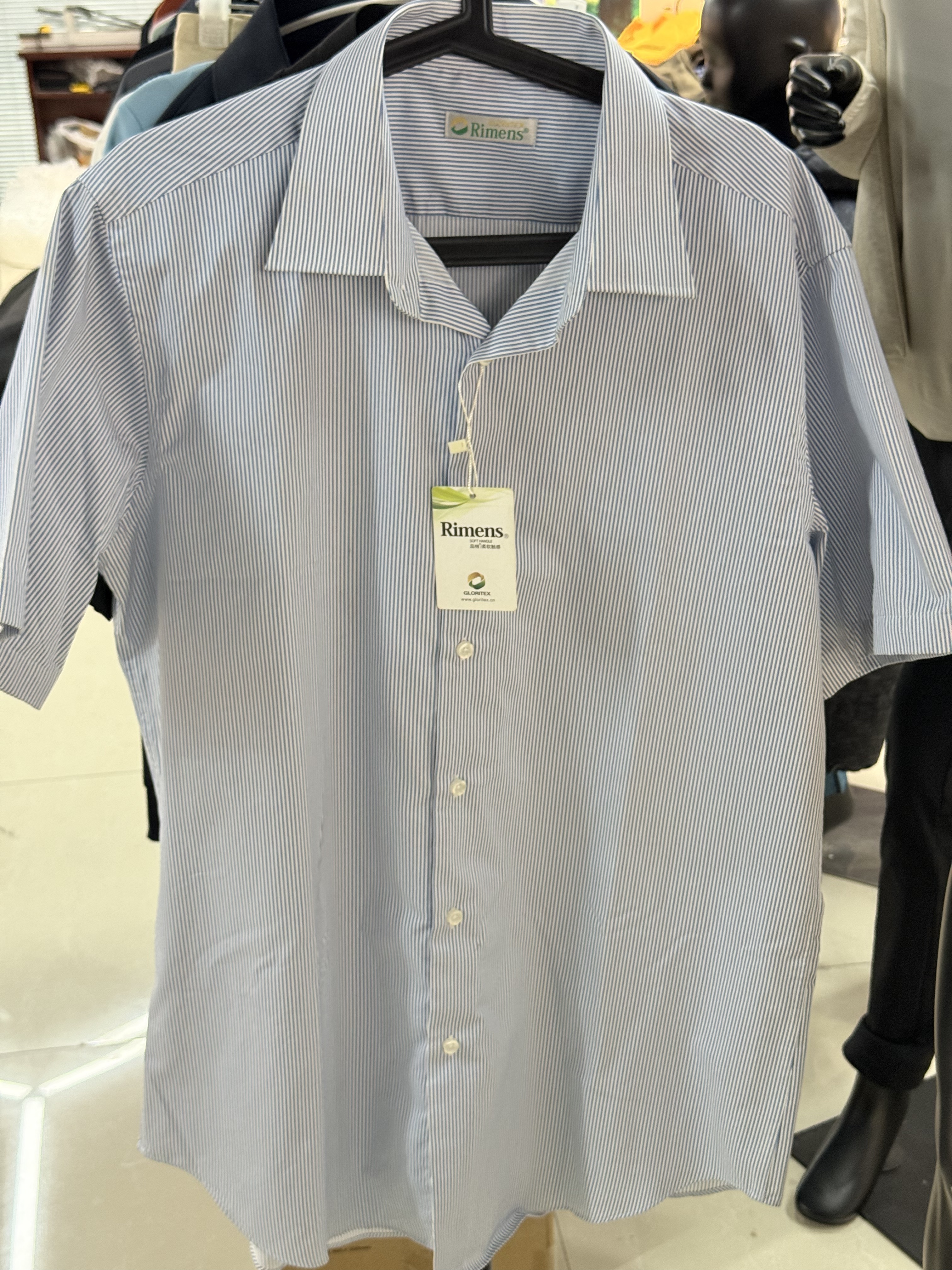 Rimens® delivers a cotton-like hand feel and non-spandex elasticity for leisurewear and home textile products.
Scenario 5: Technical and Sustainable Knitwear with T2T Recycled Polyester
Working Condition
Brands targeting sustainability goals increasingly ask for garments made from recycled materials with traceable content. At the same time, the fabric must still perform: moisture must move away from the skin, and the dyeing process should consume less energy. This requires a recycled polyester filament that offers both low-temperature dyeing and moisture management.
The Product Solution
Respawn® is a DTY recycled polyester reconstructed through chemical recycling and polymer rebuilding, using T2T (textile-to-textile) recycled polyester. The yarn type includes filament and staple fiber. Its functions are low-temperature dyeing and moisture management. Available material variations include wet permeable and quick-drying Respawn, melange, dope-dyeing, functional, renewable, and cotton-feel versions.
Equipment Requirements
The production route for this scenario uses spinning machines, weaving or knitting looms, fabric finishing equipment, and functional testing instruments, consistent with other filament-to-fabric workflows.
Why It Matters
For brands sourcing sustainable performance apparel, Respawn® is relevant because it combines a recycled content story with process-level benefits. Low-temperature dyeing supports lower energy consumption in the finishing chain, while moisture management preserves the functional quality expected in sport and leisure wear. This type of yarn is suitable for both woven and knitted applications in sport, leisure, and home textile segments.
Scenario 6: Sportswear and Activewear with Instant Cooling
Working Condition
Activewear worn during high-intensity exercise must help the body feel cooler and manage perspiration. The yarn should offer instant cooling, comfort, and, where appropriate, antimicrobial and UV protection. The same base yarn may also need to be available in different color and feel versions to support seasonal design changes.
The Product Solution
Physcool® is a DTY functional polyester with instant cooling, anti-UV, and anti-microbial functions. It is available in 30D, 50D, 75D, 100D, 150D, and 300D specifications. The product range includes conventional, melange, dope-dyeing, cotton-feel, renewable, hydrophilic, antibacterial, and anti-UV versions. This allows brands to match the same cooling function with different aesthetic and sustainability requirements.
Equipment Requirements
Physcool® follows the same production route requiring spinning, weaving or knitting, finishing, and functional testing equipment. It is suitable for sport, business, and leisure garments, and it works in both woven and knitted fabric constructions.
Design Considerations
For activewear, the main selection criteria are cooling sensation, fabric hand feel, and the ability to integrate color or recycled content without losing functional performance. The availability of melange and dope-dyed versions means a brand can achieve a more sustainable color route while still delivering the cooling function.
Scenario Comparison Table
| Scenario | Key Working Condition | Recommended Product | Primary Functions | Special Requirements |
|---|---|---|---|---|
| Yoga Wear | Close-to-body, perspiration, repeated movement | Cocarber® | Recycled coffee waste, odor control, far infrared heating, quick dry, dope dye, anti-microbial | GB/T 30127-2013; LC-MSMS caffeine residue at 0.009 mg/kg |
| Thermal Underwear | Low-temperature environments, body heat retention | Swarin® | Odor control, far infrared heating, anti-microbial | GB/T 30127-2013 far infrared performance |
| Outdoor / Summer Apparel | Strong sunlight, heat build-up, transparency risk | Black Mirror® | Heat insulation, anti-ultraviolet, see-through resistant | Sheath-core composite yarn shape; 15% functional additive powder |
| Leisurewear / Home Textile | Cotton-like comfort, ease of care, non-spandex stretch | Rimens® | Cotton-like touch, non-spandex elasticity, hygroscopic quick dry, antistatic | Cation dyeability; short manufacturing cycle; linen gray products |
| Sustainable Performance Knitwear | Recycled content, lower dyeing energy, moisture management | Respawn® | Low-temperature dyeing, moisture management | T2T recycled polyester reconstructed through chemical recycling and polymer rebuilding |
| Activewear / Sportswear | High-intensity exercise, cooling, perspiration | Physcool® | Instant cooling, anti-UV, anti-microbial | Available in melange, dope-dyeing, cotton-feel, renewable, hydrophilic versions |
A Practical Selection Framework
Step 1: Define the Working Condition
Identify the environment where the garment will be used. Is the user in a hot outdoor climate, a cold indoor studio, a high-humidity environment, or a low-activity setting? The working condition determines which functions are essential and which are optional.
Step 2: Map Functions to the Product Portfolio
Match each required function to a candidate yarn. Far infrared heating supports thermal garments. Heat insulation and UV resistance support outdoor and summer apparel. Cotton-like touch and non-spandex stretch support leisurewear. Moisture management and instant cooling support activewear. Recycled and low-temperature dyeable options support sustainability-driven projects.
Step 3: Confirm Equipment Compatibility
Review whether the manufacturing line can handle the yarn. Functional polyester filaments generally require spinning machines, weaving or knitting looms, fabric finishing equipment, and functional testing instruments. Some yarns, such as Rimens®, may rely on advanced spinning, weaving, and finishing equipment to reach their intended performance.
Step 4: Check Special Requirements and Standards
For each scenario, identify the standards or process conditions that apply. Far infrared products should reference GB/T 30127-2013. Coffee-based recycled products may require caffeine residue testing via LC-MSMS. Cation dyeability may be a requirement in leisurewear production. A clear list of standards helps prevent later compliance failures.
Step 5: Validate with GRS/RCS Certification Where Relevant
If the project requires a sustainable content claim, confirm that the recycled material is covered by GRS or RCS certification. In at least one documented case, recycled materials used in Cocarber® production meet GRS/RCS certification, which supports brand-level sustainability requirements.
Case Snapshot: Multi-Year Garment Production Program
Smilytex has worked with garment manufacturers across Japan, Malaysia, China, and the United States on ongoing production programs lasting 2 to 5 years, with order quantities reaching 5 tons. These programs have used functional polyester filament to meet production requirements for quick-drying, antibacterial, far-infrared heating, cotton-like touch, and recycled eco-friendly materials. The use of GRS/RCS certified recycled materials in these programs has helped brands satisfy their sustainable development requirements. This type of relationship shows how a single functional yarn supplier can support different garment categories rather than only supplying one narrow product.
FAQ
What standards should I verify for far infrared functional polyester filament?
For far infrared performance, the reference standard is GB/T 30127-2013, “Textiles—Testing and Evaluation of Far Infrared Performance.” This standard applies to products such as Swarin® and Cocarber® when they are used for far infrared heating applications. The testing method follows the procedures defined in the standard.
Can coffee-based functional polyester filament meet safety requirements?
Yes. Cocarber® starts with recycled coffee grounds that are processed with colorants into a functional masterbatch and blended with recycled PET bottle flakes for spinning. For safety verification, the product can be tested by LC-MSMS for caffeine residue, with a tested value of 0.009 mg/kg, alongside GB/T 30127-2013 for far infrared performance.
Which Smilytex yarn is best for cotton-like comfort without spandex?
Rimens® is the cotton-like, non-spandex stretch option. It is available in DTY polyester and ATY polyester versions with counts from 60D to 450D. It provides hygroscopic quick dry and antistatic properties, and it supports cation dyeability, a short manufacturing cycle, and linen gray products.
Can I request a small batch to test before full production?
Yes. Smilytex can accept a starting order of 500 kg, with a lead time of 5–20 days and monthly capacity of 1.6 tons for custom development. This makes it practical to run a pilot batch for sample garments or mill trials before committing to a larger production program.
How long does a typical custom development order take?
Custom development orders generally require 5–20 days as lead time, depending on the specification and the amount of development work involved. After samples are approved, production can proceed under the same order management process.
Limitations to Consider
No single filament can cover every function with equal intensity. A yarn optimized for far infrared heating may not offer the same instant cooling sensation as a dedicated cooling yarn. A cotton-like yarn may not provide the same see-through resistance as a composite fiber designed specifically for opacity. Buyers should therefore treat function selection as a trade-off, not a stacking exercise. The working condition and target garment should determine which functions matter most.
It is also important to distinguish between fiber-level function claims and fabric-level performance. A functional filament must be combined with the right fabric structure, finishing process, and garment construction to deliver the expected result. This is why testing standards and pilot production remain important parts of the sourcing process.
Conclusion
Functional polyester filament is not a single material but a family of engineered solutions, each suited to a different garment scenario. Yoga wear and thermal underwear can be served by recycled coffee and far infrared heating filaments. Outdoor and summer apparel benefit from heat-shielding, UV-resistant, and see-through-resistant composite fibers. Leisurewear can achieve cotton-like comfort and non-spandex stretch. Sustainable knitwear can combine T2T recycled polyester with low-temperature dyeing and moisture management. Activewear can use instant cooling filaments with anti-UV and antimicrobial functions.
For procurement professionals, the most reliable selection path is scenario-based: define the working condition, map the functions, confirm equipment compatibility, check the standards, and validate with certification where needed. Smilytex’s portfolio is structured to support this process, with a documented case of multi-year supply to garment manufacturers in multiple countries and GRS/RCS certified recycled materials available for sustainability-driven projects.
Want to test a yarn for your specific project?
Smilytex offers sample and development support with a 500 kg starting order and 5–20 day lead time.