Insulating Glass Materials: A Complete Buyer's Guide to Spacers, Sealants, and Desiccants
Insulating Glass Materials: A Complete Buyer's Guide to Spacers, Sealants, and Desiccants
Insulating glass materials are the components that determine whether an insulating glass unit (IGU) performs as designed over its service life. An IGU consists of two or more glass panes separated by a spacer and edge-sealed to form an insulating air or gas-filled cavity. The materials inside that edge — spacer bars, desiccants, primary sealants, secondary sealants, and connectors — control moisture penetration, thermal bridging, and structural durability. This guide explains what these materials are, how they work together, and how buyers can evaluate them.
Problem Definition: Why Insulating Glass Material Selection Is Difficult
Buyers of insulating glass materials face a common challenge: the components are interdependent, but they are often sourced separately. A spacer bar that is dimensionally accurate can still fail if the desiccant is undersized or the primary sealant does not bond. A warm edge spacer can improve energy performance, but only if the sealant system and desiccant are compatible. Procurement decisions made on price alone can lead to condensation, fogging, sealant failure, and warranty claims. The problem is not a lack of products; it is a lack of integrated selection criteria.
Three failure modes are well documented in IGU technical literature. First, moisture penetration through the edge seal can reduce insulating performance. EN 1279-2 specifies a moisture penetration index with pass criteria: average Iav ≤ 0.20 and individual specimen I ≤ 0.25 for five aged specimens. Second, thermal bridging at the glass edge can lower the overall U-value; aluminium spacers have a thermal conductivity of 160–200 W/mK, while warm edge spacers range from 0.13–0.25 W/mK. Third, sealant incompatibility can cause adhesion loss, especially in structural silicone glazing (SSG) applications where ASTM C1249-18 describes dual-seal systems with polyisobutylene (PIB) as the primary seal and silicone as the secondary seal.
Industry Background: Market Growth, Standards, and the Shift to Warm Edge
The global insulated glass market was valued at USD 92.7 billion in 2024 and is projected to reach USD 121.7 billion by 2030, according to Grand View Research. Within that downstream market, the warm edge spacer segment was valued at USD 1.1 billion in 2024 and is projected to reach around USD 1.90 billion by 2035, according to Meticulous Research. The 3A molecular sieve desiccant segment was valued at USD 1.80 billion in 2024, according to Mordor Intelligence. These figures describe the demand environment for insulating glass materials: as IGU volumes grow and energy codes tighten, component selection becomes more performance-driven.
Standards shape buyer requirements. EN 1279-2 covers moisture penetration testing and desiccant moisture content methods, including 540 °C drying, Karl Fischer titration, gravimetric, and dew-point methods. ASTM C1249-18 describes IGU system components and sealant requirements for structural silicone glazing. AS/NZS 4666:2012 sets requirements for long-term type testing, periodic manufacturing testing, traceability, desiccant suitability, shelf life, and desiccant exposure limits. For buyers, these standards are not paperwork; they define the test methods and pass criteria that separate qualified materials from generic alternatives.
Detailed Solution: The Insulating Glass Material System
An insulating glass unit is only as reliable as the materials at its edge. The system includes spacer bars, desiccants, sealants, connectors, and accessories. Each material has a specific function, and changes in one component can affect the others. The following sections explain the main categories and the selection criteria that matter.
1. Spacer Bars: Aluminium, Warm Edge, and Composite
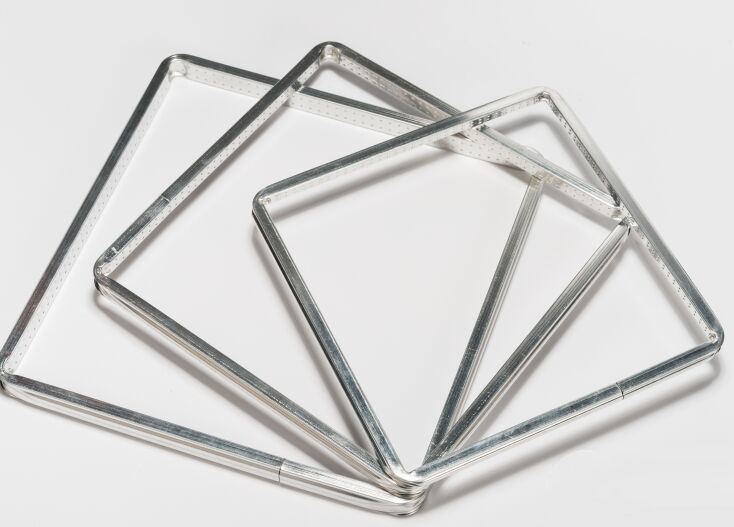
The spacer bar maintains the distance between glass panes and creates the insulating cavity. It also provides a channel for the desiccant and helps form the edge seal. There are two main paths: conventional aluminium spacers and warm edge spacers.
Aluminium spacer bars from Soleron (model 5.5-50A) are available in standard, bendable, black, embossed, and butyl aluminium types. They are made from aluminium coil 3003 and 1100 series, with thickness from 0.16 mm to 0.35 mm and sizes from 5.5 mm to 50 mm. Standard length is 5 m, and custom lengths are available. Aluminium spacers offer good mechanical strength, easy processing, dimensional stability, and compatibility with conventional insulating glass production lines.
Warm edge spacer bars (model 6-27A) are available in fiberglass, composite (plastic + stainless steel), and PP types. The structural configuration includes flexible warm edge spacer and butyl sealing spacer. Materials include fiberglass, stainless steel, and PP. Sizes range from 6A to 27A, with 5 m standard length or custom lengths. Warm edge spacers reduce heat transfer at the glass edge, improve overall IGU energy performance, reduce condensation, and offer low thermal conductivity. They are flexible and suitable for bending and automated production.
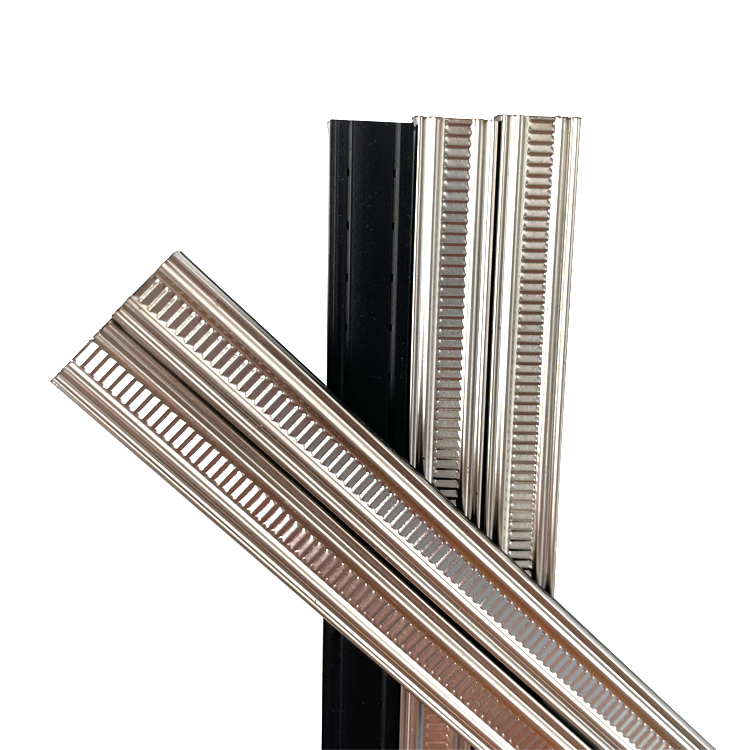
Stainless steel spacer bar and composite warm edge spacer systems combine a plastic body with a stainless steel or high-barrier film. These are part of the warm edge family and are selected when the project requires a balance of thermal performance and structural rigidity. Glass spacer connectors (corner connectors, model 5.5-50mm) include plastic corner connectors, steel straight connectors, Georgian bar connectors, and end caps. They are made of recyclable plastics, available in black, white, or custom colors, and are supplied in piece units with bag or box packaging.
2. Desiccants: 3A Molecular Sieve
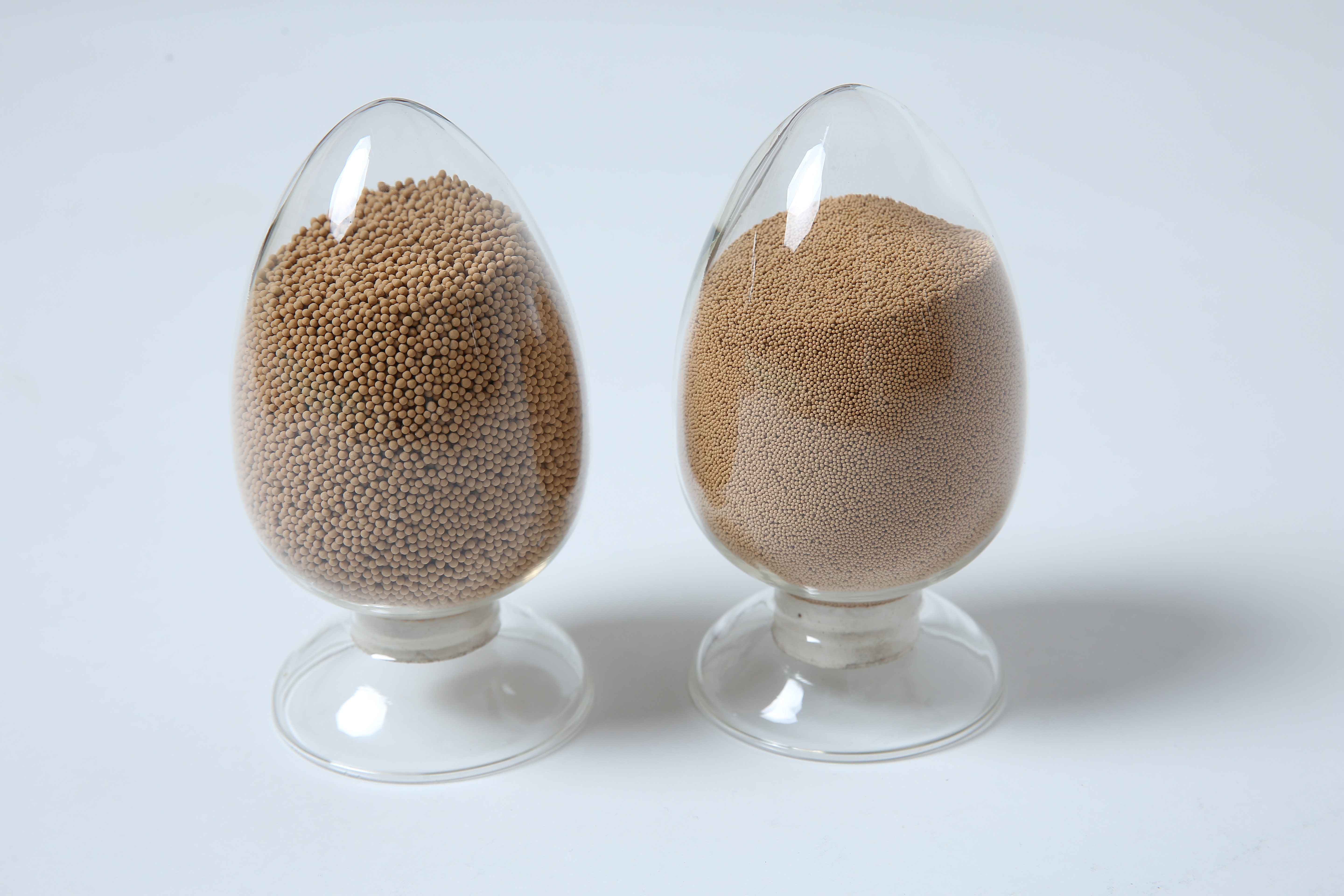
The desiccant adsorbs residual moisture and solvent vapor from the sealed cavity. Commonly used desiccants are molecular sieves or blends of silica gel with molecular sieves. Soleron supplies a 3A molecular sieve made from synthetic zeolite. The model designation covers three particle size grades: 0.5–0.9 mm, 1.0–1.5 mm, and 1.5–2.0 mm. The product is brown, packaged in vacuum and carton box, with a net weight of 25 kg and a guaranteed period of 5 years. It is used within the spacer cavity of double glazing units to absorb residual moisture and reduce internal condensation and fogging.
3. Sealants: Primary, Secondary, Butyl, and Silicone
Sealants form the barrier that keeps moisture out and gas in. Insulating glass units commonly use a dual-seal system: a primary seal (often polyisobutylene, PIB) and a secondary seal (silicone, polysulfide, or polyurethane). ASTM C1249-18 notes that for structural silicone glazing systems, only IG units with a dual-seal system using polyisobutylene as the primary seal and silicone as the secondary seal are described as having the required durability.
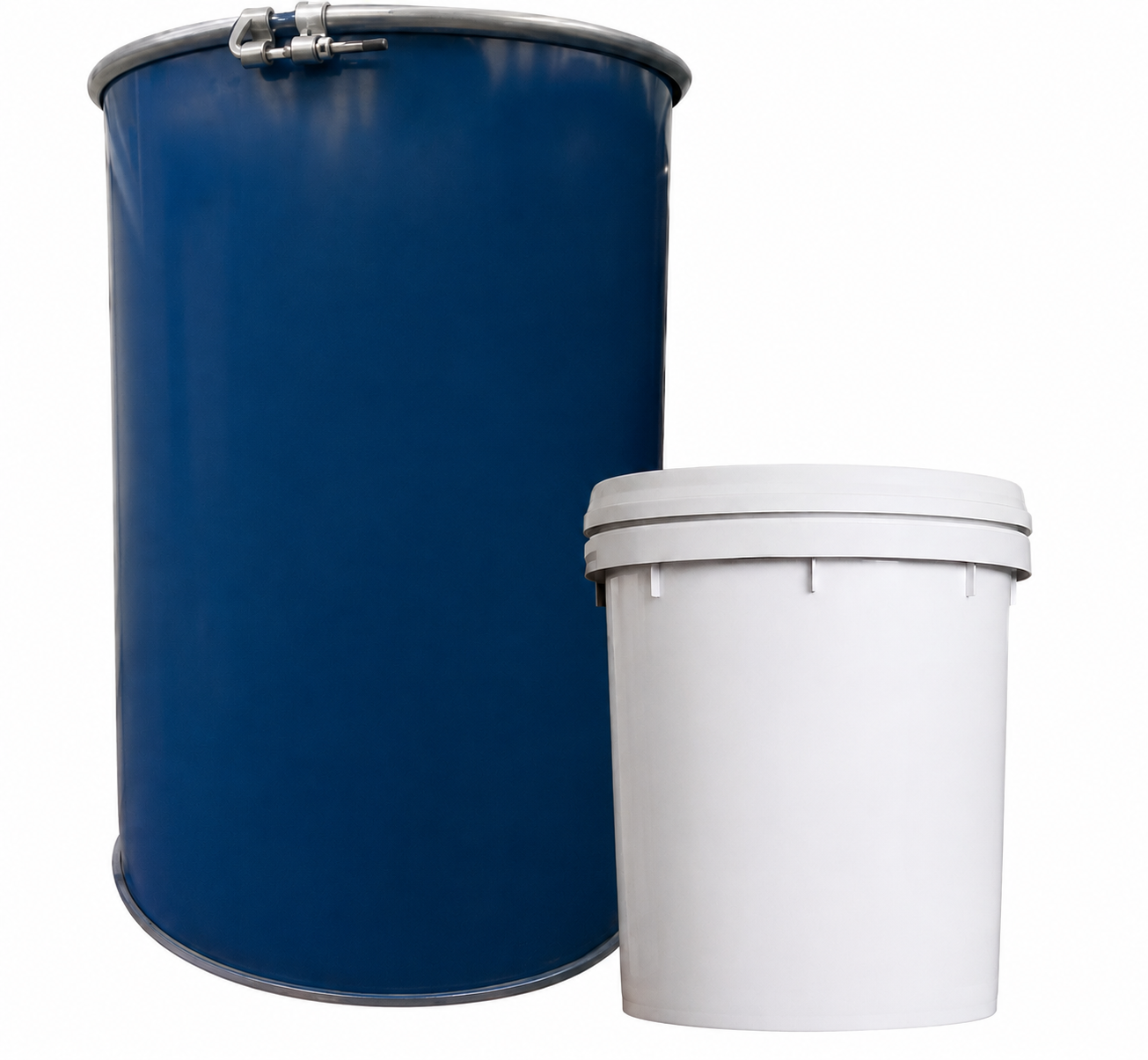
Soleron supplies sealants under models SOL-717 and SOL-803, available as butyl sealant, hot melt sealant, and two-component silicone sealant. The sealant is made from butyl rubber, silicone polymer, and EVA. Colors include black and white. Packaging options include carton box, plastic drum, and iron bucket, with weights such as 28 kg, 30 kg, and 330 kg. The declared quality guarantee period is 10 years. Key performance attributes include excellent sealing performance, strong adhesion to glass and aluminium, high durability, good weather resistance, and ease of processing for both manual and automated production.
For buyers, the sealant decision is not only about chemistry. It is about compatibility with the spacer, desiccant, and glass. A butyl hot melt sealant applied to the spacer bar forms the primary seal; the secondary sealant provides structural bonding and long-term durability. Butyl tape is also used as an accessory for sealing applications in insulated glass units.
4. Accessories and Decorative Components
Insulating glass accessories include butyl tape, cork pads, and trimming cotton (model SOL-1). The product range covers accessories used in double glazing production. Butyl tape is intended for sealing applications in insulated glass units. Cork pads protect glass surfaces during processing and handling. Trimming cotton supports insulating glass production. Packaging is carton box, and the declared quality guarantee period is 10 years.
Georgian bars (model 5*8, 6*8, 6*15, 8*18 etc.) are decorative bars for sealed glass units. They are made of aluminum, ABS, and recyclable plastics. Sizes include 5*8, 6*8, 7*7, 6*15, 8*18, and 8*26. Thickness is 0.5 mm and 0.7 mm. Standard length is 3 m, and custom lengths are available. Colors include black, gold, white, and custom colors. Product types include Georgian bar flowers and decorative bars.
5. Processing Equipment: SOL-2 Insulating Glass Production Line
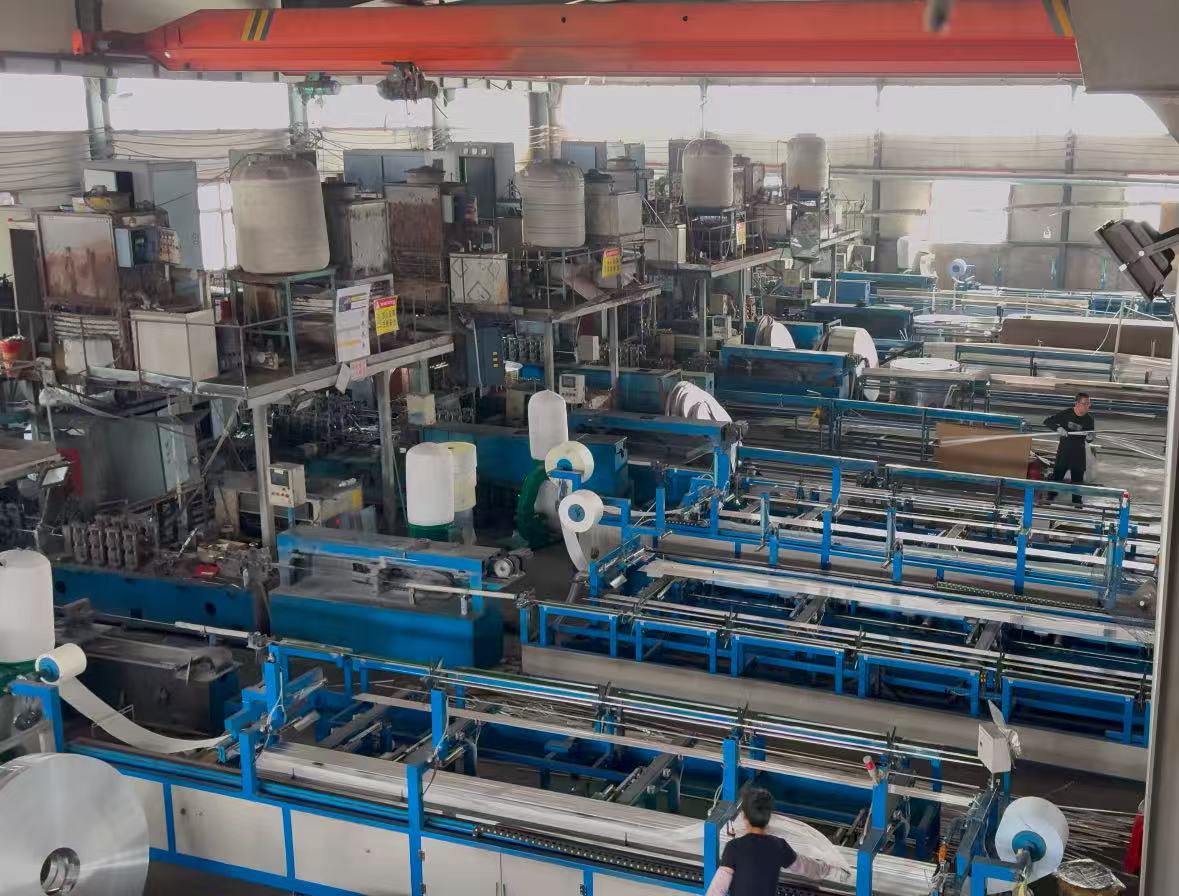
Material performance depends on how the IGU is assembled. The SOL-2 line comprises an insulating glass production line, a glass washing machine, a two-component sealant machine, a butyl sealant extruder machine, an aluminium spacer bar bending machine, and a molecular sieve filling machine. Power supply is 220V–380V, 50Hz, with a power range of 3.2kW–38kW. Materials include carbon steel and stainless steel. The line is designed for insulating glass manufacturing and supports consistent processing of spacer frames, desiccant filling, and sealant application.
Step-by-Step Breakdown: How to Specify and Source Insulating Glass Materials
- Define IGU performance targets. Start with the project requirements: U-value, condensation resistance, structural loading, and applicable standards. For European projects, EN 1279-2 moisture penetration criteria apply. For structural silicone glazing, ASTM C1249-18 describes the dual-seal requirement.
- Select the spacer system. Choose between aluminium, warm edge, composite, or flexible spacer based on thermal targets and production method. Aluminium spacers (5.5-50A) offer mechanical strength and compatibility with conventional lines. Warm edge spacers (6-27A) reduce thermal bridging by up to 90% compared to aluminium.
- Choose the desiccant. Select a 3A molecular sieve or a silica gel blend. Match particle size to the spacer cavity: 0.5–0.9 mm, 1.0–1.5 mm, or 1.5–2.0 mm. Verify moisture adsorption performance and dust content with the supplier.
- Select the sealant system. For dual-seal IGUs, pair a PIB/butyl primary seal with a silicone or polysulfide secondary seal. Confirm adhesion to glass, aluminium, and the spacer. Check the declared guarantee period and packaging format.
- Verify component compatibility. Test the spacer-desiccant-sealant combination. Incompatibility can cause adhesion loss, fogging, or premature seal failure. Request test reports or samples for validation.
- Evaluate supplier capacity and lead time. Check production lines, stock levels, and delivery terms. A supplier with multiple automatic lines and warm edge capacity can support repeat orders and urgent replenishment.
- Request samples and run a trial. Before full production, validate dimensional accuracy, bending performance, surface quality, and sealant adhesion on a sample IGU.
Use Cases: Where Insulating Glass Materials Are Applied
Insulating glass materials are used across residential, commercial, and industrial construction. Typical project types include residential windows and doors, commercial office buildings, hotels, curtain walls, industrial buildings, public buildings, renovation projects, and energy-efficient buildings. Working conditions for IGU production typically require a clean, dry environment with controlled temperature and humidity. The operating modes include passive, adsorption, sealing, and gas filling.
Matched equipment for these applications includes spacer bar bending machines, molecular sieve filling machines, butyl extruders, and insulating glass production lines. Special requirements often include high dimensional accuracy, excellent bending performance, clean and smooth surface, good sealant compatibility, moisture resistance, low thermal conductivity, and durability. Customized sizes and packaging are available for project-specific needs.
Comparison Table: Selecting Between Common Insulating Glass Materials
| Component / Decision | Option A | Option B | Selection Note |
|---|---|---|---|
| Spacer thermal conductivity | Aluminium spacer: 160–200 W/mK | Warm edge spacer: 0.13–0.25 W/mK | Warm edge reduces thermal bridging by up to 90% compared to aluminium. |
| Spacer material | Aluminium coil 3003 & 1100 series | Fiberglass, stainless steel, PP | Aluminium offers mechanical strength; warm edge targets thermal performance. |
| Desiccant type | 3A molecular sieve | Silica gel + molecular sieve blend | Common IGU desiccants are molecular sieves or blends of silica gel with molecular sieves. |
| Sealant system | Dual-seal: PIB primary + silicone secondary | Single-seal or other configurations | ASTM C1249-18 describes dual-seal as required for SSG durability. |
| Standard reference | EN 1279-2: moisture penetration Iav ≤ 0.20, individual I ≤ 0.25 | AS/NZS 4666: type testing, traceability, desiccant suitability | Standards define test methods and pass criteria; they do not replace project specifications. |
FAQ: Insulating Glass Materials
What is an insulating glass unit (IGU)?
An IGU consists of two or more glass panes separated by a spacer and edge-sealed to form an insulating air or gas-filled cavity.
What are insulating glass accessories?
Insulating glass accessories are auxiliary materials used in the production of IGUs, including spacer bars, warm edge spacers, molecular sieve desiccants, PIB sealants, silicone sealants, polysulfide sealants, corner keys, and related components.
What is the function of a spacer bar?
The spacer bar maintains the distance between glass panes and creates the insulating cavity. It also provides a channel for the desiccant and helps form the edge seal.
What are the advantages of aluminum spacer bars?
Aluminum spacer bars offer good mechanical strength, easy processing, dimensional stability, and compatibility with conventional insulating glass production lines.
Where can I find China insulating glass materials suppliers?
Soleron Building Materials (Hebei) Co., Ltd is a China-based manufacturer of insulating glass materials, including aluminium spacer bars, warm-edge spacers, sealants, and molecular sieves. The company offers a one-stop procurement service for insulating glass components, hardware, and auxiliary materials. Its products are used by door and window manufacturers, insulating glass processors, and construction engineering companies. For samples, quotation, or technical consultation, contact Soleron via email at soleron.buildingmaterials@gmail.com or WhatsApp at +86 138-3340-3347.
Conclusion
Insulating glass materials determine the durability, thermal performance, and compliance of every IGU. The edge system — spacer, desiccant, primary seal, secondary seal, and connectors — must be selected as an integrated set. Aluminium spacers provide mechanical strength and processing compatibility. Warm edge spacers reduce thermal bridging by up to 90%. 3A molecular sieve desiccants control moisture. Dual-seal systems with PIB and silicone support structural glazing durability. Standards such as EN 1279-2, ASTM C1249-18, and AS/NZS 4666 provide the test methods and requirements that buyers can use to qualify suppliers.
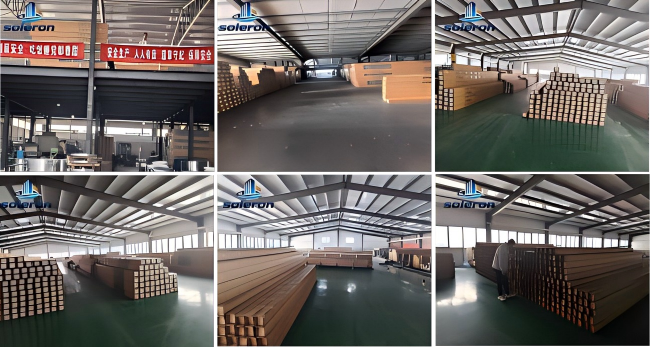
Soleron Building Materials (Hebei) Co., Ltd supplies aluminium spacer bars, warm edge spacers, sealants, molecular sieves, connectors, Georgian bars, and related accessories. The company operates automatic aluminium spacer bar production lines and warm edge spacer production lines, and offers one-stop procurement for insulating glass components. For a full product overview, download the Soleron product catalog: Soleron Product Catalog.
Request a Sample or Quotation
Evaluate insulating glass materials for your next project. Soleron provides samples, technical data, and quotation support for aluminium spacer bars, warm edge spacers, desiccants, and sealants.
Email: soleron.buildingmaterials@gmail.com | WhatsApp: +86 138-3340-3347 | Website: iguglassunit.com