Insulating Glass Materials: A Complete Buyer's Guide
Insulating Glass Materials: A Complete Buyer's Guide
Insulating glass materials are the components that turn two or more panes of glass into a sealed, thermally insulating insulating glass unit (IGU). They include spacer bars, primary and secondary sealants, molecular sieve desiccant, corner connectors, decorative bars, and related accessories.
This guide explains what each material category does, how the components work together inside an IGU, which industry standards shape procurement decisions, and how international buyers can evaluate suppliers of insulating glass materials. It is written for importers, distributors, insulating glass processors, and procurement teams who are at the research stage and need a structured overview before shortlisting suppliers.
Why Insulating Glass Materials Matter: The Core Problem
A single pane of glass offers poor thermal insulation. The logic behind an IGU is straightforward: hold two or more glass panes apart, seal the gap, and use that sealed cavity to reduce heat transfer and condensation risk. The cavity itself does nothing without the right materials holding it together.
That task creates three engineering obligations:
- Geometry — glass panes must be maintained at a fixed distance.
- Moisture control — the sealed cavity must stay dry for the life of the unit.
- Seal integrity — the edge must block air, moisture, and fill gas from moving in or out.
Insulating glass materials address these obligations as a system: spacer bars hold the panes apart; sealants build the edge seal; desiccant adsorbs residual moisture; connectors and decorative bars complete the assembly. Lawrence Berkeley National Laboratory (LBNL), in its technical guidance on window spacers and edge seals, states that the main function of the spacer bar is to hold the glass panes at a fixed distance from each other, thereby establishing the size of the interpane space.
When any one of those materials is out of specification, the failure usually appears later as condensation, fogging, gas loss, or seal failure — which is why the material layer deserves as much procurement attention as the glass itself.
Industry Background: Demand, Growth, and Standards
Global demand for IGUs continues to expand. According to Grand View Research, the global insulated glass market was valued at approximately USD 92.7 billion in 2024 and is projected to reach approximately USD 121.7 billion by 2030 (Source: Grand View Research, Insulated Glass Market Size And Share Report, 2025–2030).
Inside that demand, warm edge spacer technology is one of the faster-moving material categories. Meticulous Research values the global warm edge spacer market at USD 1.1 billion in 2024, with a projected value of around USD 1.90 billion by 2035 (Source: Meticulous Research, Warm Edge Spacer Market). The 3A molecular sieve desiccant segment was valued at USD 1.80 billion in 2024 (Source: Mordor Intelligence, Molecular Sieve Desiccants Market).
On top of market growth, standards shape material selection. European standard EN 1279-2 specifies a test method for moisture penetration and sets pass criteria: an average moisture penetration index Iav ≤ 0.20 across five aged specimens, and an individual specimen index I ≤ 0.25. The same standard allows desiccant moisture content to be determined by 540 °C drying, Karl Fischer titration, gravimetric, and dew-point methods.
For structural silicone glazing applications, ASTM C1249-18 describes IGU units as requiring a dual-seal system — polyisobutylene (PIB) as the primary seal and silicone as the secondary seal. In Australia and New Zealand, AS/NZS 4666:2012 covers long-term type testing, periodic manufacturing testing, traceability, desiccant suitability, shelf life, and desiccant exposure limits.
For buyers, the practical takeaway is that standards do not only regulate the finished glass unit. They reach back into how the spacer, sealant, and desiccant system is selected and verified. Suppliers who can describe their components against these frameworks are easier to qualify.
The Main Categories of Insulating Glass Materials
Soleron Insulating Glass Materials, produced by Soleron Building Materials (Hebei) Co., Ltd, supplies a complete range of components for IGU production. The categories below cover what each material does and the specifications that matter during sourcing.
1. Aluminium Spacer Bars
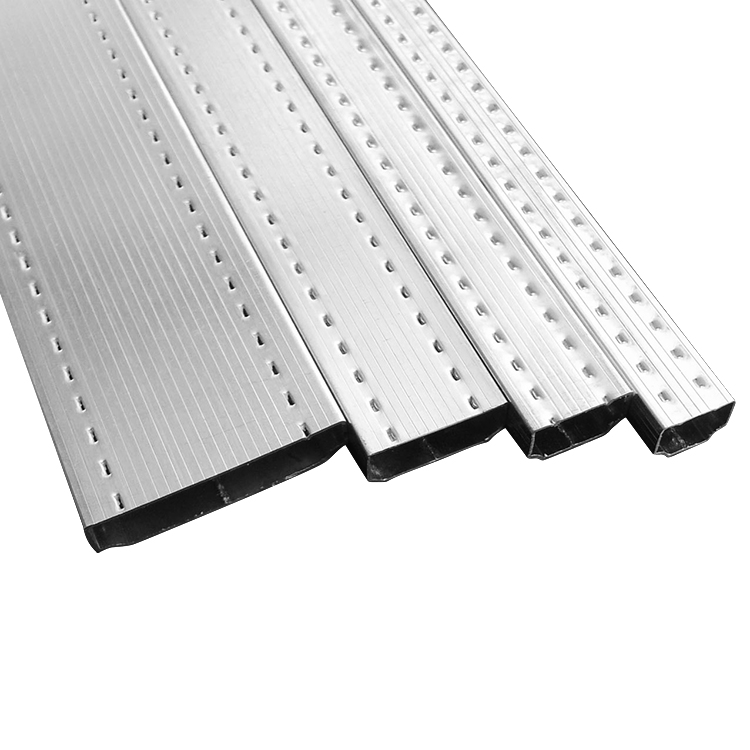
Aluminium spacer bars are the most widely used spacer type in IGU production. They hold the glass panes at a fixed distance and form the cavity that contains desiccant and the edge seal.
Soleron supplies aluminium spacer bars under model designation 5.5-50A. Available product types are standard aluminium spacer bar, bendable aluminium spacer bar, black aluminium spacer bar, embossed aluminium spacer bar, and butyl aluminium spacer bar. The material is aluminium coil from the 3003 and 1100 series, with thickness from 0.16 mm to 0.35 mm and standard length of 5 m or customized. Typical advantages of aluminium spacer bars include good mechanical strength, easy processing, stable dimensions, and good compatibility with conventional insulating glass production lines.
For cross-border trade, aluminium spacer bar profiles are typically classified under HS code 7604.21 (hollow profiles) or 7604.29 (other). Buyers should confirm the applicable code with their customs broker before shipment.
2. Warm Edge Spacer Bars
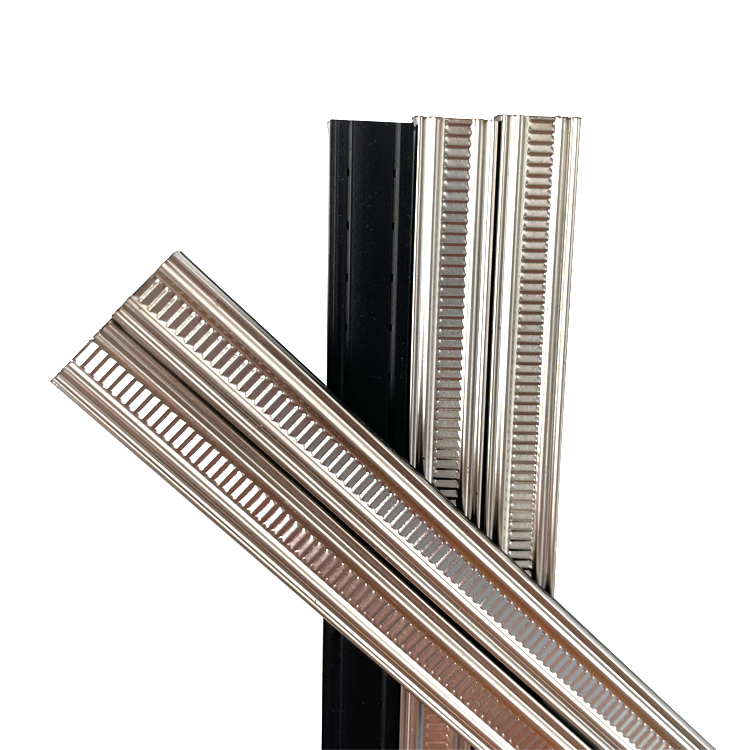
Warm edge spacer bars reduce thermal transfer at the edge of the insulating glass unit — the area where conventional metal spacers perform least well thermally. Instead of a full metal bridge between the panes, warm edge spacers use materials with lower thermal conductivity.
Soleron supplies warm edge spacer bars under model designation 6-27A. Product types include fiberglass warm edge spacer bar, composite warm edge spacer (plastic + stainless steel), and PP warm edge spacer. The structural configuration also includes flexible warm edge spacer and butyl sealing spacer. The base materials are fiberglass, stainless steel, and PP.
Because edge performance affects energy ratings and condensation risk, warm edge spacer selection is frequently tied to a project's energy code or green building target. The growth of this category, as reported by Meticulous Research, reflects that trend.
3. Insulating Glass Sealants
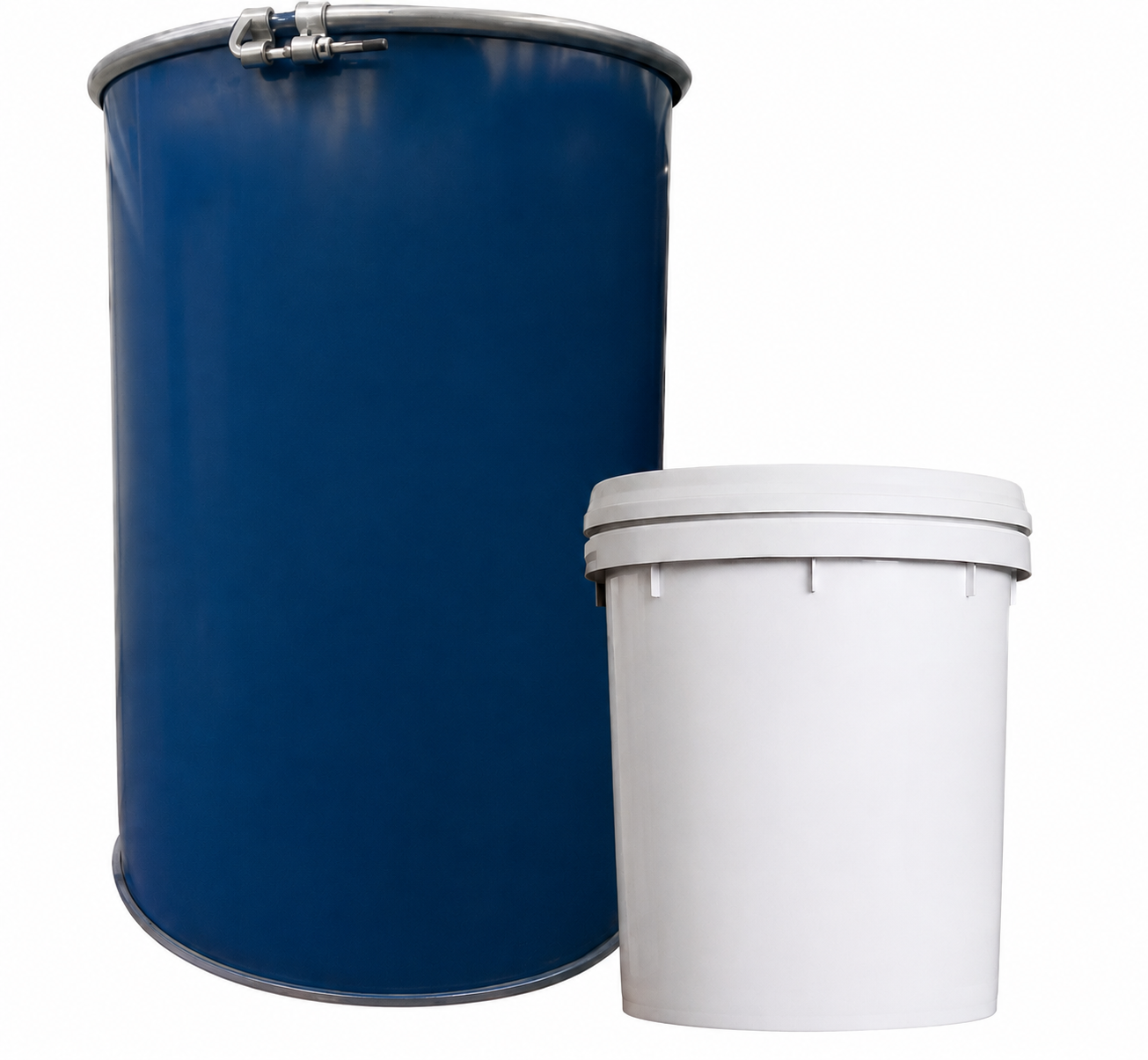
Sealants form the edge seal and are usually divided into two roles:
- Primary sealant — typically a polyisobutylene (PIB) or butyl-based material that blocks moisture vapour from entering the cavity.
- Secondary sealant — typically a silicone, polysulphide, or polyurethane that provides structural bonding between the glass panes and spacer frame.
Soleron supplies sealants under model designations SOL-717 and SOL-803. The product is available as butyl sealant, hot melt sealant, and two-component silicone sealant. Materials include butyl rubber, silicone polymer, and EVA. Packaging options include carton box, plastic drum, and iron bucket, with weights of 28 kg, 30 kg, and 330 kg. Standard colours are black and white.
A widely cited reference for sealant system logic is ASTM C1249-18, which describes dual-seal construction for structural silicone glazing — PIB as the primary seal and silicone as the secondary seal. Cardinal Corp's published technical document on insulating glass durability uses the same dual-seal description.
4. 3A Molecular Sieve Desiccant
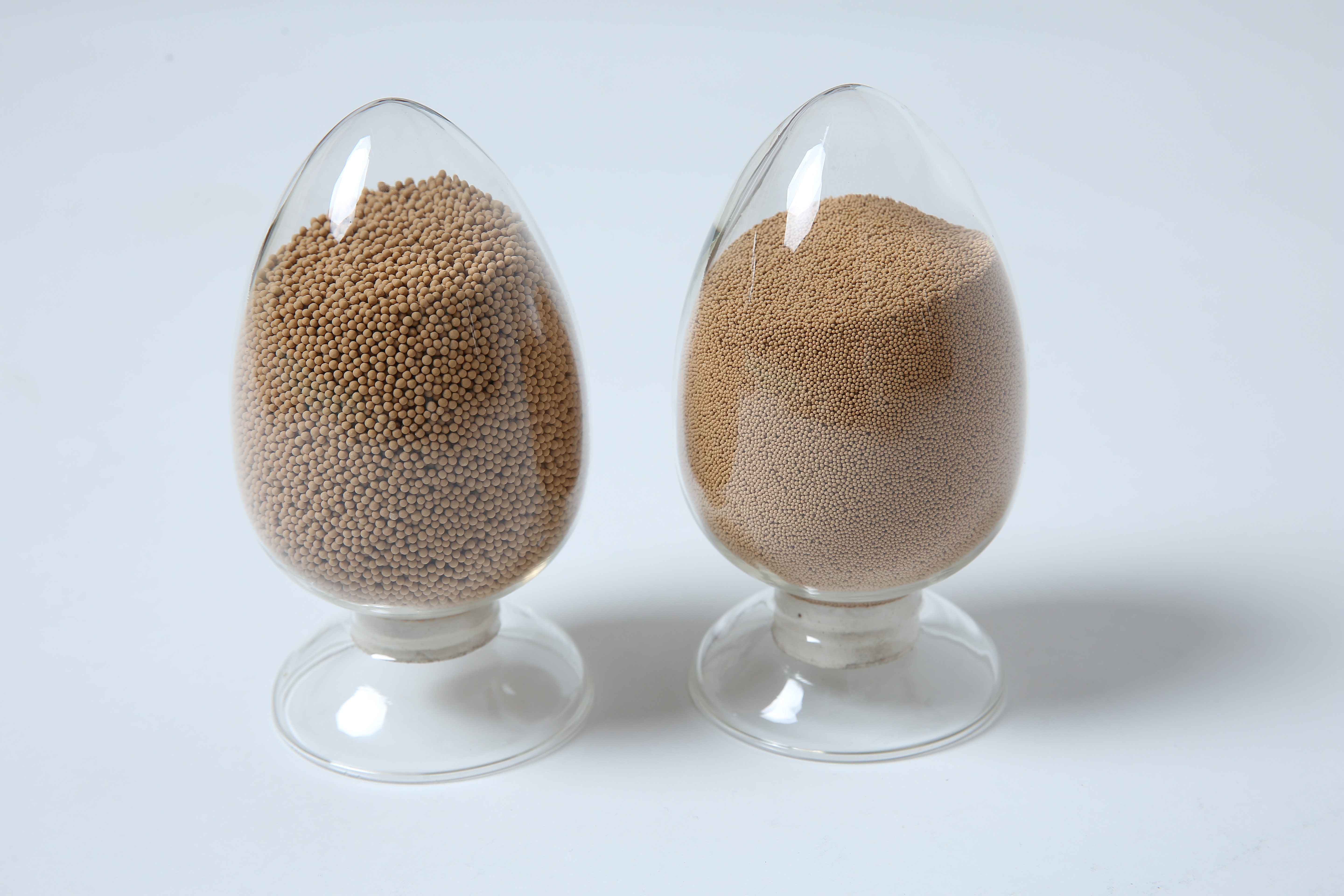
Molecular sieve desiccant adsorbs residual water and solvent vapour inside the sealed cavity, helping keep the unit dry and preventing internal condensation and fogging. ASTM C1249-18 notes that commonly used desiccants for IGUs are molecular sieves or a blend of silica gel with molecular sieves.
Soleron supplies a synthetic zeolite desiccant under the 3A molecular sieve designation, with model particle size grades of 0.5–0.9 mm, 1.0–1.5 mm, and 1.5–2.0 mm. The product is classified as a molecular sieve desiccant. The material is synthetic zeolite, supplied in brown colour, packaged in vacuum-sealed bags with a carton box outer, net weight 25 kg per unit, with a declared guarantee period of 5 years.
EN 1279-2 permits several methods for determining desiccant moisture content: 540 °C drying, Karl Fischer titration, gravimetric, and dew-point methods. Buyers should confirm which test method their supplier or testing laboratory applies.
5. Georgian Bars and Decorative Bars
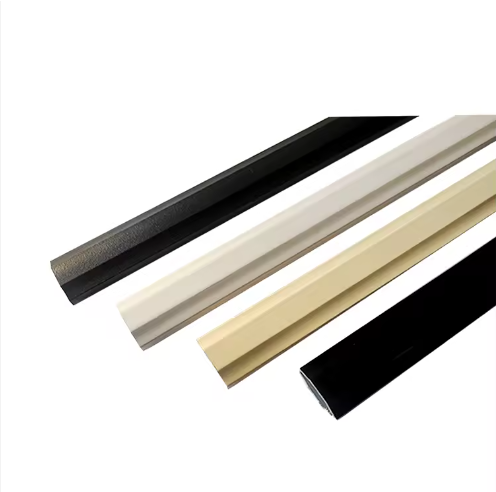
Georgian bars and decorative bars reproduce the look of traditional divided-light glazing inside a sealed glass unit. Soleron supplies Georgian bars under model designation 5*8, 6*8, 6*15, 8*18 etc., in the decorative bar category. Available sizes include 5*8, 6*8, 7*7, 6*15, 8*18, and 8*26, with thicknesses of 0.5 mm and 0.7 mm. Standard length is 3 m with custom lengths available. Colours include black, gold, white, and custom colours. Materials include aluminium, ABS, and recyclable plastics. Product types include Georgian bar flowers and decorative bars.
6. Corner Connectors and Glass Spacer Connectors
Corner connectors join spacer bars into a rigid frame. Soleron supplies corner connectors under model designation 5.5-50mm, in the corner connector category. Product types include plastic corner connectors, steel straight connectors, Georgian bar connectors, and end caps. The primary material is recyclable plastics. Available colours are black, white, and customised colours. Connectors are supplied in piece units, packaged in bags or boxes, and quantity supports customisation.
7. Accessories: Butyl Tape, Cork Pads, and Trimming Cotton
Soleron supplies insulating glass accessories under model designation SOL-1. The set includes butyl tape, cork pads, and trimming cotton. Butyl tape is used for sealing applications in insulated glass units. Cork pads protect glass surfaces during processing and handling. Trimming cotton is used in insulating glass production. Packaging configuration is carton box, with a declared quality guarantee period of 10 years.
8. Insulating Glass Processing Machines
For processors building or expanding production capacity, Soleron supplies insulating glass processing equipment under model designation SOL-2. The SOL-2 line comprises an insulating glass production line, a glass washing machine, a two-component sealant machine, a butyl sealant extruder machine, an aluminium spacer bar bending machine, and a molecular sieve filling machine. Power supply is 220 V–380 V, 50 Hz, with a power range of 3.2 kW to 38 kW.
How Insulating Glass Materials Work Together: Step-by-Step
The materials above do not function independently. In a typical IGU production sequence:
- Spacer preparation — aluminium or warm edge spacer bar is cut to length for the unit size.
- Bending or assembly — bendable aluminium spacer bar is bent into a frame; rigid spacer bar is assembled at corners using corner connectors.
- Desiccant filling — 3A molecular sieve is filled into the spacer cavity.
- Primary seal — butyl tape, hot melt butyl, or a PIB-based material is applied to the spacer.
- Glass placement — the spacer frame is positioned on the first glass pane.
- Unit assembly — the second glass pane is placed on top, completing the sandwich.
- Pressing — the unit is pressed to form the initial seal.
- Secondary seal — a two-component silicone sealant is injected into the edge gap.
- Curing — the sealant cures, and the unit is inspected before shipment.
Equipment such as the SOL-2 line supports each step, from glass washing through desiccant filling and sealant application. The operation modes commonly involved in an IGU system are passive, adsorption, sealing, and gas filling — each of which depends on the material set being compatible.
Where Insulating Glass Materials Are Used
Insulating glass materials are used wherever controlled thermal performance and condensation resistance are required. Typical applications include:
- Residential windows and doors
- Commercial and office building façades
- Curtain wall systems
- Hotel and public building glazing
- Industrial and energy-efficient buildings
- Renovation projects where glazing is upgraded
The working conditions that matter in these applications — clean, dry, controlled temperature and humidity — are also the conditions under which IGU production itself should be carried out, because moisture trapped at the time of assembly shortens the unit's service life.
Special requirements commonly specified in these projects include high dimensional accuracy, good bending performance, clean and smooth spacer surfaces, sealant compatibility, moisture resistance, low thermal conductivity, and durability. Customised sizes and packaging are frequently requested by large project buyers.
Comparison Table: Insulating Glass Materials at a Glance
| Material | Primary Function | Soleron Product / Model | Base Material |
|---|---|---|---|
| Aluminium spacer bar | Holds glass panes at a fixed distance and forms the cavity | 5.5-50A; standard, bendable, black, embossed, butyl spacer bar | Aluminium coil, 3003 & 1100 series |
| Warm edge spacer bar | Reduces heat transfer at the glass edge | 6-27A; fiberglass, composite (plastic + stainless steel), PP, flexible, butyl sealing spacer | Fiberglass, stainless steel, PP |
| Insulating glass sealant | Forms primary or secondary edge seal | SOL-717, SOL-803; butyl sealant, hot melt sealant, two-component silicone sealant | Butyl rubber, silicone polymer, EVA |
| 3A molecular sieve | Adsorbs residual moisture from the sealed cavity | 0.5–0.9 mm / 1.0–1.5 mm / 1.5–2.0 mm | Synthetic zeolite |
| Georgian bar / decorative bar | Replicates divided-light glazing appearance | 5*8, 6*8, 6*15, 8*18 etc. | Aluminium, ABS, recyclable plastics |
| Corner connector | Joins spacer bar into a rigid frame | 5.5-50mm | Recyclable plastics |
| IG accessories | Sealing, surface protection, cleaning | SOL-1; butyl tape, cork pads, trimming cotton | Butyl, cork, EVA |
| IG processing machine | Automated IGU production workflow | SOL-2 | Carbon steel, stainless steel |
FAQ
What are insulating glass materials?
Insulating glass materials are the auxiliary components used to build an insulating glass unit (IGU). They include spacer bars (aluminium and warm edge), primary and secondary sealants, molecular sieve desiccant, corner connectors and glass spacer connectors, decorative bars such as Georgian bars, and accessories such as butyl tape, cork pads, and trimming cotton. Together they allow two or more glass panes to be held apart, sealed, and kept dry.
What are the key components of an insulating glass unit?
An IGU consists of two or more glass panes separated by a spacer and edge-sealed to form an insulating air or gas-filled cavity. The spacer bar keeps the fixed distance between the panes. Desiccant inside the spacer cavity adsorbs residual moisture. A primary sealant (typically butyl or PIB) blocks moisture vapour, and a secondary sealant (typically silicone) provides structural bonding. Corner connectors hold the spacer frame together.
Do insulating glass materials comply with international standards?
Several standards shape IGU material selection. EN 1279-2 specifies a moisture penetration test method with a pass criterion of Iav ≤ 0.20 and individual specimen I ≤ 0.25, and lists permitted desiccant test methods including 540 °C drying, Karl Fischer titration, gravimetric, and dew-point methods. ASTM C1249-18 describes dual-seal construction for structural silicone glazing using PIB as primary seal and silicone as secondary seal. AS/NZS 4666:2012 covers long-term type testing, periodic manufacturing testing, traceability, desiccant suitability, shelf life, and desiccant exposure limits. Buyers should confirm which standard applies to their destination market and request the corresponding test documentation from the supplier.
What sizes and customisation options are available?
Soleron aluminium spacer bars cover model 5.5-50A with thickness from 0.16 mm to 0.35 mm and standard length of 5 m or customised. Warm edge spacer bars cover model 6-27A with standard length of 5 m or customised. 3A molecular sieve is available in 0.5–0.9 mm, 1.0–1.5 mm, and 1.5–2.0 mm grades. Georgian bars are supplied in 5*8, 6*8, 7*7, 6*15, 8*18, and 8*26 sizes, with 0.5 mm and 0.7 mm thicknesses and standard 3 m length. Corner connectors cover 5.5-50mm. Quantity, colour, and packaging can be customised on request.
How do buyers find reliable insulating glass materials suppliers in China?
China insulating glass materials suppliers are concentrated in industrial clusters such as Hebei province, where Soleron Building Materials (Hebei) Co., Ltd is based in Renqiu. Practical evaluation steps include confirming the supplier's product range across spacer bars, sealants, and desiccants; asking how components are verified against standards such as EN 1279-2, ASTM C1249-18, or AS/NZS 4666:2012; checking production capacity and stock availability; and requesting samples for incoming inspection before placing a bulk order. Buyers who need to review a full component range can download the Soleron product catalog at this link or contact the team at iguglassunit.com for sample and quotation requests.
Conclusion
Insulating glass materials are the layer of the IGU that determines whether the unit actually performs as designed. Spacer bars set the geometry; primary and secondary sealants protect the cavity; desiccant keeps it dry; connectors, decorative bars, and accessories complete the assembly. Standards such as EN 1279-2, ASTM C1249-18, and AS/NZS 4666:2012 give buyers a framework for verifying that each component is fit for its role.
For procurement teams at the research stage, the most useful next step is to compare suppliers on the material categories that matter for the target market, confirm the standards each supplier can address, and validate components with physical samples before committing to volume orders.
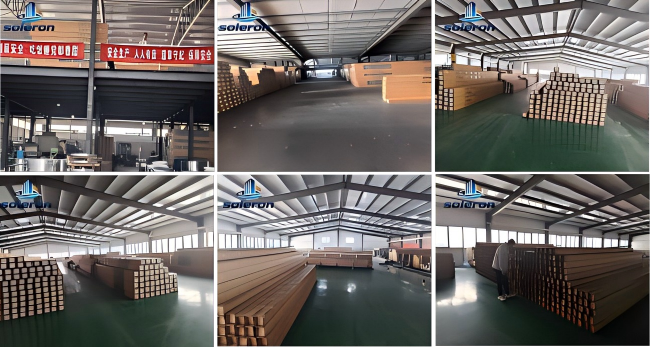
Next Step: Sample, Quote, or Catalog
Soleron Insulating Glass Materials supplies aluminium spacer bars, warm edge spacer bars, sealants, 3A molecular sieve, Georgian bars, corner connectors, accessories, and IGU processing equipment. To review the full component range, download the product catalog: Soleron product catalog (PDF).
For samples, quotations, or technical questions, contact Soleron Building Materials (Hebei) Co., Ltd. Email: soleron.buildingmaterials@gmail.com | Tel / WhatsApp: +86 138-3340-3347 | Website: iguglassunit.com | Address: Beizhangcun Industrial Zone, Renqiu City, Hebei Province, China.