What Are Insulating Glass Materials? A Complete Discovery Guide for IGU Buyers
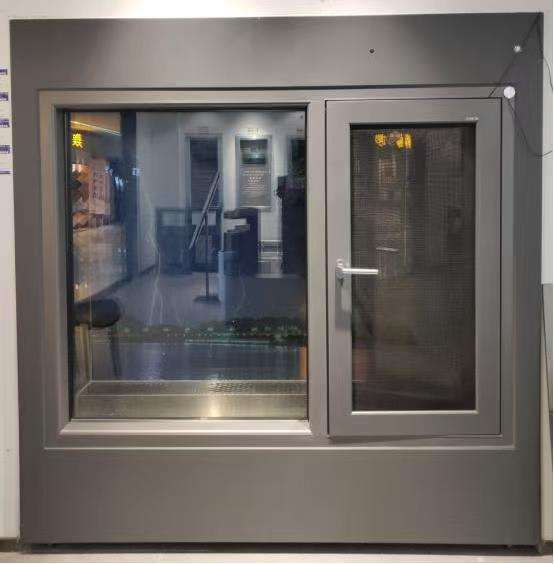
Insulating glass materials work together inside a sealed IGU to control spacing, moisture, and edge sealing.
Insulating glass materials are the engineered components that sit between and around the glass panes of an insulating glass unit (IGU). They include spacer bars, warm edge spacers, desiccants, primary sealants, secondary sealants, corner connectors, decorative bars, and supporting accessories. Together, these materials hold the glass panes at a fixed distance, keep the sealed cavity dry, and protect the edge seal over the service life of the window or facade.
For buyers at the awareness and research stage, the practical question is not simply what is an IGU. It is which materials make an IGU reliable, how the components interact, and what evidence to request from a supplier before a trial order or a project specification. Soleron Building Materials (Hebei) Co,.ltd is a China-based manufacturer of insulating glass components, including aluminium spacer bars, warm edge spacers, sealants, and molecular sieve desiccants, serving door and window manufacturers, IGU processors, and construction engineering companies.
Problem Definition: Why Insulating Glass Materials Are Easy to Misjudge
A spacer bar, a scoop of desiccant, and a bead of sealant can look simple in a product photo. In an assembled IGU, however, they form a single edge system. The spacer establishes the interpane space; the desiccant manages residual moisture; the primary seal blocks water vapor; the secondary seal provides structural and environmental durability. If one component is selected without checking the others, the result can be fogging, seal failure, or premature replacement.
The second problem is specification drift. IGU producers often compare materials on a single line item, such as spacer price per meter, while the actual performance depends on the full bill of materials. Aluminium spacer bars, warm edge spacer bars, butyl sealants, silicone sealants, and molecular sieve desiccants must be compatible with the production line, the glazing system, and the target market standard.
The third problem is compliance. EN 1279-2 sets a moisture penetration test method for insulating glass units, with an average moisture penetration index Iav not greater than 0.20 (20%) for five aged specimens and an individual specimen value not greater than 0.25 (25%). AS/NZS 4666 covers long-term type testing, glazing, periodic manufacturing testing, traceability, desiccant suitability, shelf life, and desiccant exposure limits. ASTM C1249-18 describes dual-seal systems using polyisobutylene as the primary seal and silicone as the secondary seal for structural silicone glazing applications. Buyers who ignore these frameworks risk sourcing materials that cannot support the required qualification route.
Discovery takeaway: Treat insulating glass materials as one compatible edge system, not as separate commodity items. The materials must satisfy the IGU design, the production process, and the target market standard at the same time.
Industry Background: A Growing Downstream Market for Edge Materials
The demand for insulating glass materials is tied to the downstream IGU market. Grand View Research reported the global insulated glass market at USD 92.7 billion in 2024, with a projected value of USD 121.7 billion by 2030. That growth reflects broad demand for energy-efficient glazing in residential, commercial, and public buildings.
Within the edge system, warm edge spacers represent a distinct product category. Meticulous Research valued the warm edge spacer market at USD 1.1 billion in 2024, with a projected value of around USD 1.90 billion by 2035. The same market direction is visible in desiccants: Mordor Intelligence valued the 3A grade molecular sieve segment at USD 1.80 billion in 2024.
The technical reason for the warm edge trend is thermal conductivity. A common comparison of spacer materials places aluminum at roughly 160-200 W/mK, while warm edge spacer constructions are reported in the range of 0.13-0.25 W/mK. That difference is why warm edge technology is associated with reduced thermal bridging at the edge of an IGU. For buyers, the takeaway is not that one material replaces the other in every project, but that spacer selection changes the energy and condensation profile of the finished unit.
The regulatory environment is also maturing. IGU standards address not only the glass but also the behavior of the edge seal, the spacer, and the desiccant. EN 1279-2, for example, permits desiccant moisture content to be determined by several methods, including 540 C drying, Karl Fischer titration, gravimetric methods, and dew-point methods. The practical implication is that a credible supplier should be able to discuss not only product dimensions but also how the material fits into a test and traceability chain.
Detailed Solution: The Core Insulating Glass Materials Explained
The following categories cover the materials that most IGU producers and window manufacturers specify. Each description is based on published product data and recognized industry references.
1. Aluminium Spacer Bars
Aluminium spacer bars are the traditional mechanical spacer used in double glazing and insulating glass unit production. Their main function is to hold the glass panes at a fixed distance from each other and establish the size of the interpane space. The spacer also forms a channel for the desiccant and helps create the edge sealing structure.
Soleron supplies aluminium spacer bars under model 5.5-50A, with sizes from 5.5 mm to 50 mm, a thickness range of 0.16-0.35 mm, and a standard length of 5 m or customized lengths. The base material is aluminium coil from the 3003 and 1100 series. Available types include standard aluminium spacer bar, bendable aluminium spacer bar, black aluminium spacer bar, embossed aluminium spacer bar, and butyl aluminium spacer bar. The declared quality guarantee period is 5 years.
For international trade, aluminium spacer bars are commonly classified under HS Code 7604.21 for hollow profiles or 7604.29 for other profiles, depending on the exact product form. Buyers should confirm the classification with their customs broker before shipment.
.jpg)
Standard aluminium spacer bars are available in bendable, black, embossed, and butyl-coated variants.
2. Warm Edge Spacer Bars
Warm edge spacer bars are designed to reduce heat transfer at the glass edge. Soleron supplies warm edge spacer bars under model 6-27A, with sizes from 6 A to 27 A, a standard length of 5 m or customized lengths, and a declared 5-year quality guarantee. Product types include fiberglass warm edge spacer bar, composite warm edge spacer with plastic and stainless steel, and PP warm edge spacer. The structural configuration also includes flexible warm edge spacer and butyl sealing spacer.
The selection between aluminium and warm edge is a project decision. Aluminium offers mechanical strength, easy processing, and dimensional stability. Warm edge constructions target lower thermal conductivity and reduced condensation risk at the edge. A buyer researching materials should compare the two against the target U-value, climate, and glazing system rather than assuming one is universally superior.
.jpg)
Warm edge spacers are available in fiberglass, composite plastic and stainless steel, and PP constructions.
3. Molecular Sieve Desiccants
Desiccants adsorb residual water and solvent vapor inside the sealed cavity. Commonly used desiccants for insulating glass units are molecular sieves or blends of silica gel with molecular sieves. A 3A molecular sieve is a synthetic zeolite desiccant supplied under the 3A designation. Soleron offers 3A molecular sieve in three particle size grades: 0.5-0.9 mm, 1.0-1.5 mm, and 1.5-2.0 mm. The product is brown, packed in vacuum and carton boxes at a net weight of 25 kg, and carries a declared 5-year guarantee.
Particle size matters because it must match the spacer width and filling equipment. Under EN 1279-2, desiccant moisture content can be determined by 540 C drying, Karl Fischer titration, gravimetric methods, or dew-point methods. This gives buyers a set of recognized test routes for quality control and supplier comparison.
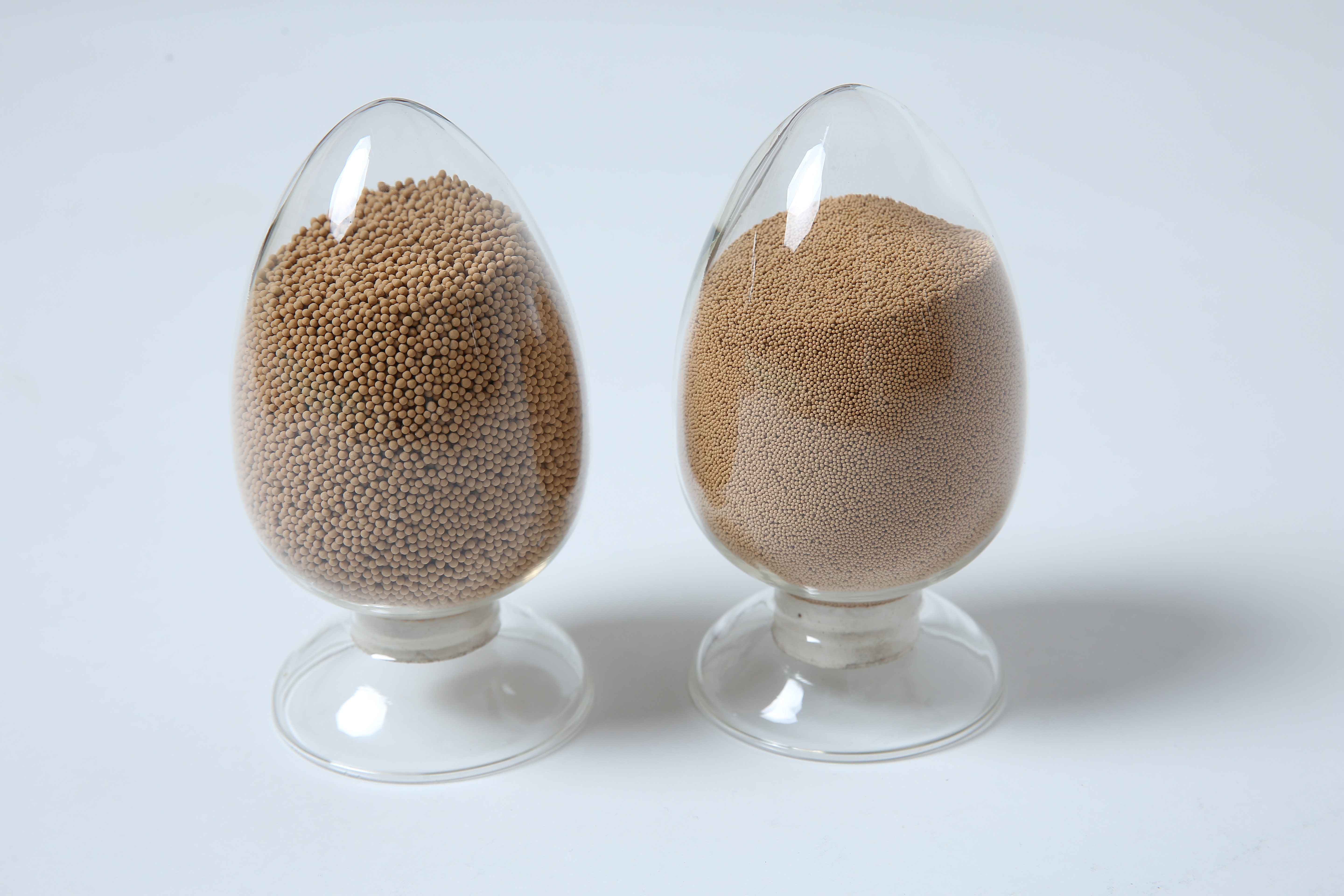
3A molecular sieve desiccant is supplied in particle sizes for different spacer widths.
4. Insulating Glass Sealants
Sealants form the primary and secondary seals of an IGU. The primary seal limits moisture vapor transmission into the cavity, while the secondary seal provides structural integrity and environmental resistance. In structural silicone glazing systems, ASTM C1249-18 describes a dual-seal system using polyisobutylene as the primary seal and silicone as the secondary seal.
Soleron supplies sealants under model designations SOL-717 and SOL-803. The range includes butyl sealant, hot melt sealant, and two-component silicone sealant, made from butyl rubber, silicone polymer, and EVA. Colors include black and white, with packaging in carton boxes, plastic drums, or iron buckets at weights such as 28 kg, 30 kg, and 330 kg. The declared quality guarantee period is 10 years.
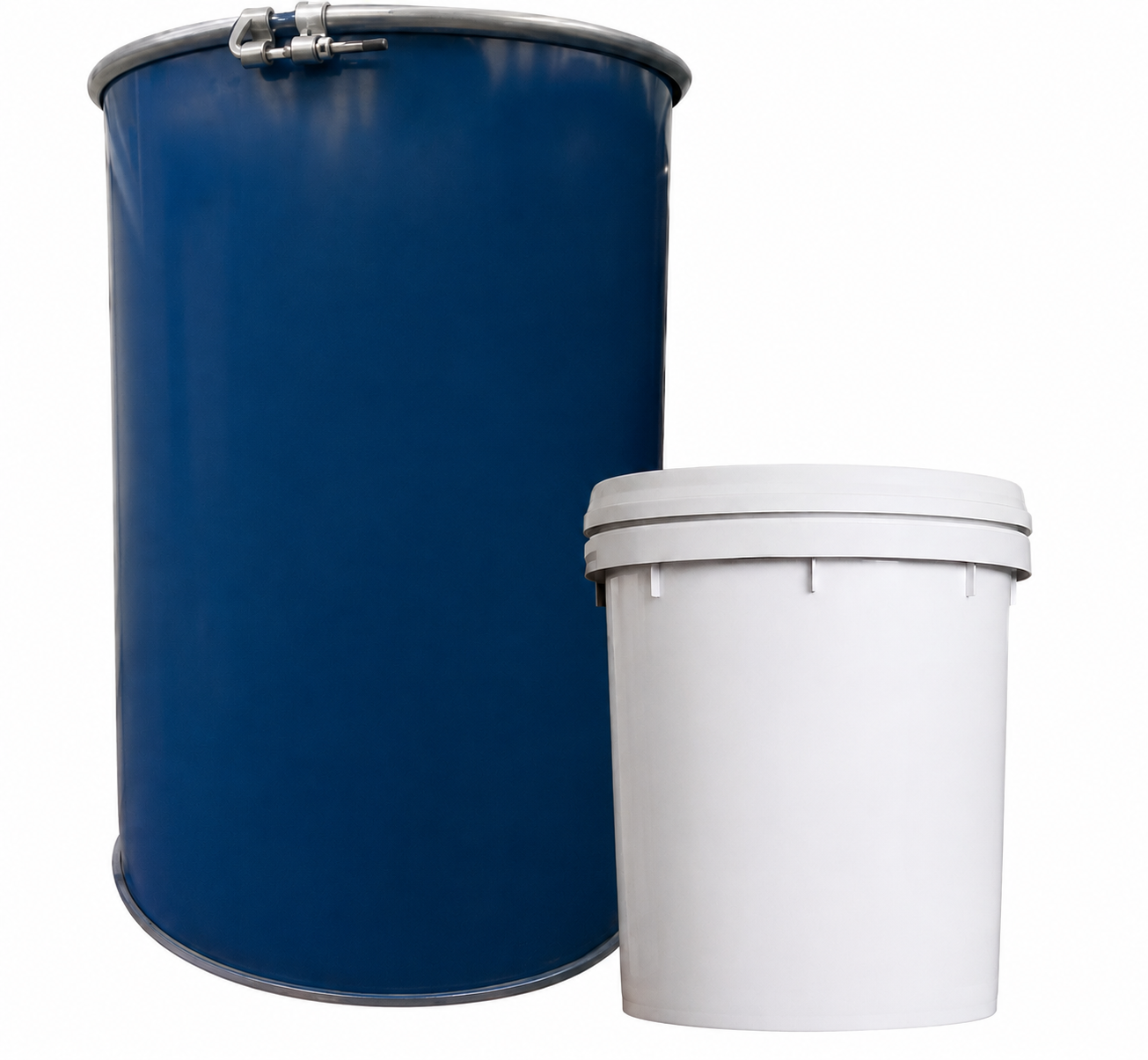
Two-component silicone sealant is used as a secondary seal in dual-seal IGU systems.
5. Corner Connectors
Corner connectors join spacer bars into a stable frame and maintain the corner geometry of the IGU. Soleron supplies corner connectors under model 5.5-50mm, in sizes from 5.5 mm to 50 mm. Product types include plastic corner connectors, steel straight connectors, Georgian bar connectors, and end caps. The primary material is recyclable plastics, with colors available in black, white, or customized options. The product is supplied in piece units, packaged in bags or boxes, and carries a declared 5-year quality guarantee.
6. Georgian Bars and Decorative Bars
Decorative bars reproduce traditional divided-light appearance in sealed glass units. Soleron supplies Georgian bars under model designations such as 5*8, 6*8, 6*15, and 8*18, with additional sizes including 5*8, 6*8, 7*7, 6*15, 8*18, and 8*26. The standard length is 3 m, with custom lengths available. Thickness options are 0.5 mm and 0.7 mm. Materials include aluminum, recyclable plastics, and ABS. Colors include black, gold, white, or custom colors, and the declared quality guarantee period is 5 years.
7. Insulating Glass Accessories
IGU production also depends on auxiliary materials that protect glass and support sealing. Soleron supplies a set of insulating glass accessories under model SOL-1, consisting of butyl tape, cork pads, and trimming cotton. Butyl tape is used for sealing applications in insulated glass units; cork pads protect glass surfaces during processing and handling; trimming cotton supports clean production. The packaging configuration is carton box, and the declared quality guarantee period is 10 years.
8. Insulating Glass Processing Machines
Although machines are not consumable materials, they determine how consistently materials are assembled. The Soleron SOL-2 line comprises an insulating glass production line, a glass washing machine, a two-component sealant machine, a butyl sealant extruder machine, an aluminium spacer bar bending machine, and a molecular sieve filling machine. The power supply is 220V-380V, 50Hz, with a power range of 3.2 kW to 38 kW. For buyers building or upgrading a line, the equipment list helps match material formats to production capability.
Step-by-Step Breakdown: How to Evaluate Insulating Glass Materials
- Define the IGU construction. Confirm the number of panes, cavity width, gas fill, and target performance. The spacer and desiccant must fit the cavity and the production line.
- Choose the spacer system. Compare aluminium spacer bar and warm edge spacer against thermal targets, condensation risk, and processing method. Aluminum is typically selected for mechanical strength and compatibility with conventional lines; warm edge is selected when edge thermal performance is the priority.
- Select desiccant particle size. Match 3A molecular sieve grade to the spacer width and filling machine. Soleron supplies 0.5-0.9 mm, 1.0-1.5 mm, and 1.5-2.0 mm grades.
- Match primary and secondary sealants. Review butyl sealant, hot melt sealant, and two-component silicone sealant as a system. For structural silicone glazing, check that the design follows a dual-seal configuration with polyisobutylene primary seal and silicone secondary seal.
- Check compatibility and standards. Verify how the materials support EN 1279-2 moisture penetration testing, AS/NZS 4666 traceability and desiccant requirements, or the relevant local standard. Request test methods and quality records, not just product dimensions.
- Validate with a trial order. Run a small production batch with the selected spacer, desiccant, and sealant. Confirm adhesion, filling behavior, and finished unit appearance before committing to full volume.
- Plan stock and lead time. Ask about regular stock, packaging, and delivery capacity. Soleron keeps more than 100 pieces of regular aluminium spacer bars and warm edge spacers in stock to shorten delivery time for urgent orders.
- Confirm traceability and documentation. Collect model numbers, material certificates, packaging specifications, and quality guarantee terms for each item.
Use Cases: Where These Materials Are Specified
Insulating glass materials are used wherever sealed glass units are produced. Typical project types include residential windows, commercial buildings, hotels, office buildings, curtain walls, windows and doors, industrial buildings, public buildings, renovation projects, and energy-efficient buildings. The operating requirements for these applications commonly include clean and dry conditions, controlled temperature and humidity during production, and attention to dimensional accuracy, bending performance, surface cleanliness, sealant compatibility, moisture resistance, low thermal conductivity, and durability.
For residential windows, the priority is often condensation control and long-term seal reliability. For commercial curtain walls, edge performance, structural seal compatibility, and compliance documentation become more important. For hotel and office projects, the balance shifts toward energy performance, appearance, and consistent supply across multiple production runs.
Comparison Table: Core Insulating Glass Materials at a Glance
| Material | Model / Format | Key Materials | Typical Role | Declared Quality Guarantee |
|---|---|---|---|---|
| Aluminium spacer bar | 5.5-50A | Aluminium coil 3003 & 1100 series | Holds panes at fixed distance; forms desiccant channel | 5 years |
| Warm edge spacer bar | 6-27A | Fiberglass, stainless steel, PP | Reduces thermal bridging at the glass edge | 5 years |
| 3A molecular sieve | 0.5-0.9 / 1.0-1.5 / 1.5-2.0 mm | Synthetic zeolite | Adsorbs residual moisture in the sealed cavity | 5 years |
| Sealant | SOL-717, SOL-803 | Butyl rubber, silicone polymer, EVA | Primary and secondary edge sealing | 10 years |
| Corner connector | 5.5-50mm | Recyclable plastics | Joins spacer bars and maintains corner geometry | 5 years |
| Georgian bar | 5*8, 6*8, 6*15, 8*18 etc. | Aluminum, recyclable plastics, ABS | Decorative divided-light appearance | 5 years |
| IG accessories | SOL-1 | Butyl tape, cork, EVA | Sealing support and glass surface protection | 10 years |
A second comparison is useful when the project requires an energy-performance decision. Independent technical sources describe spacer thermal conductivity differently for aluminum and warm edge constructions, which is why the two are not interchangeable in every specification.
| Spacer Type | Reported Thermal Conductivity Range | Implication for IGU Design |
|---|---|---|
| Aluminum spacer | 160-200 W/mK | Higher edge thermal bridging; commonly used where mechanical strength and conventional processing are priorities |
| Warm edge spacer | 0.13-0.25 W/mK | Lower edge thermal bridging; selected for energy-efficient and condensation-sensitive projects |
Notes: Thermal conductivity values are based on published comparison data for aluminum and warm edge spacer categories. Actual IGU performance depends on the complete unit design, glass, cavity, gas fill, and edge seal.
FAQ: Insulating Glass Materials for Buyers
What standards apply to insulating glass materials?
EN 1279-2 applies to insulating glass units and includes a moisture penetration test method, with an average moisture penetration index Iav not greater than 0.20 for five aged specimens and an individual specimen value not greater than 0.25. EN 1279-2 also allows desiccant moisture content to be determined by 540 C drying, Karl Fischer titration, gravimetric methods, or dew-point methods. AS/NZS 4666 sets requirements and guidelines for long-term type testing, glazing, periodic manufacturing testing, traceability, desiccant suitability, shelf life, and desiccant exposure limits. ASTM C1249-18 describes dual-seal systems using polyisobutylene as the primary seal and silicone as the secondary seal for structural silicone glazing applications.
How do spacer bars, desiccants, and sealants work together in an IGU?
The spacer bar holds the glass panes at a fixed distance and establishes the size of the interpane space. The desiccant, commonly a molecular sieve or a silica gel and molecular sieve blend, adsorbs residual water and solvent vapor inside the sealed cavity. The primary seal limits moisture vapor transmission, and the secondary seal provides durability and structural performance. If these materials are not compatible, the unit can lose its insulating function even if each item meets its own catalog specification.
Where can I find China insulating glass materials suppliers?
China is a major production base for insulating glass materials, with supplier clusters in regions such as Hebei. Soleron Building Materials (Hebei) Co,.ltd is a manufacturer of insulating glass components, including aluminium spacer bars, warm edge spacers, sealants, and molecular sieve desiccants. The company operates 10 automatic aluminium spacer bar production lines, 8 semi-automatic production lines, and 10 warm edge spacer production lines. It serves door and window manufacturers, insulating glass processors, and construction engineering companies, and its products are exported to markets including Europe, North America, Asia, the Middle East, Latin America, and Africa.
How flexible are order quantities and trial orders?
Order quantities for aluminium spacer bars and related components support customization, and flexible MOQ arrangements are suitable for trial orders as well as regular production. Buyers researching a new material should confirm the trial quantity, packaging format, and model compatibility before scaling to full production. A trial order is also the practical way to verify bending performance, sealant adhesion, and molecular sieve filling behavior on the actual production line.
How fast can insulating glass materials be delivered?
Delivery speed depends on the product, order quantity, and stock position. Soleron keeps more than 100 pieces of regular aluminium spacer bars and warm edge spacers in stock, which can shorten delivery time for urgent orders. The company also maintains production capacity through its automatic and semi-automatic lines. For project procurement, buyers should confirm the current stock list, packaging requirements, and shipping schedule with the supplier before finalizing the construction program.
Next step for buyers: Review the Soleron product catalog for model sizes, packaging, and material options, or send an inquiry with your IGU specification, spacer width, and target market standard.
Email: soleron.buildingmaterials@gmail.com | Tel / WhatsApp: +86 138-3340-3347 | Website: iguglassunit.com

Regular aluminium spacer bars and warm edge spacers are kept in stock to support shorter lead times.
Conclusion: Start with the Edge System, Then Choose the Material
Insulating glass materials are not a single product. They are a compatible set of spacers, desiccants, sealants, connectors, and accessories that determine whether an IGU stays clear, sealed, and energy-efficient over time. For buyers at the discovery stage, the most useful first step is to map the full edge system: spacer type, desiccant grade, primary seal, secondary seal, and the standard that governs the target market.
Soleron Building Materials (Hebei) Co,.ltd supplies a one-stop range for insulating glass components, including aluminium spacer bars, warm edge spacers, sealants, molecular sieve desiccants, corner connectors, Georgian bars, and IGU production accessories. With 10 automatic aluminium spacer bar production lines, 10 warm edge spacer production lines, and regular stock, the company supports both trial orders and repeat production. Buyers can compare models, request samples, and confirm delivery schedules before finalizing a project specification.
Contact: James | Email: soleron.buildingmaterials@gmail.com | Tel / WhatsApp: +86 138-3340-3347 | Address: Beizhangcun Industrial Zone, Renqiu City, Hebei Province, China