
Custom Steel Pipes: A Supplier Deep-Dive on Solid Steel Pipes
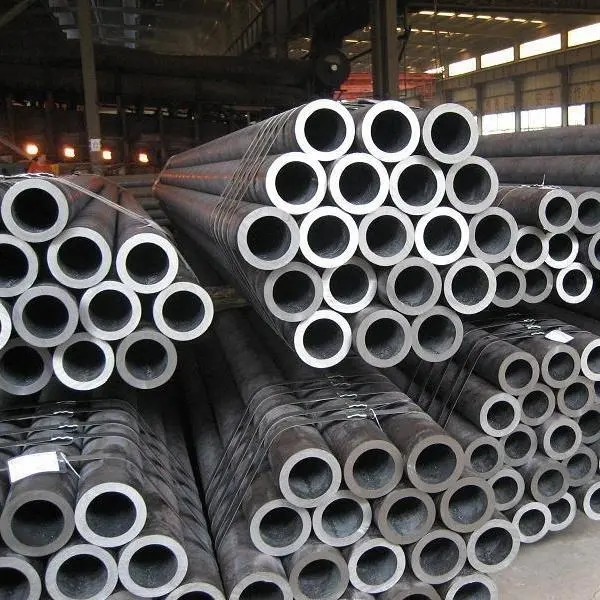
Custom steel pipes are steel pipe products manufactured to a buyer's specified dimensions, material grade, standard, coating, end finish, marking, and documentation requirements. For buyers in the discovery and research stage, the practical question is not only which pipe type fits a project, but which manufacturer can reliably convert a project specification into a delivered order. This profile examines Solid Steel Pipes, the steel pipe range of Shanxi Solid Industrial Co., Ltd., a manufacturer established in 2006 in Shanxi, China.
Problem Definition: Why Custom Steel Pipe Sourcing Is Harder Than It Looks
Buyers researching custom steel pipes usually face a specification-to-supply gap. A pipe that meets dimensional requirements may still fail on material grade, pressure rating, corrosion protection, standard compliance, or inspection documentation. The problem becomes more complex when a project requires pipes, fittings, flanges, and couplings from the same supply chain, because mismatched specifications at the connection point can create delays, rework, and unplanned costs.
Three practical problems dominate the discovery stage:
- Specification ambiguity. A buyer may know the pipe diameter and length but not yet the applicable standard, wall thickness tolerance, end finish, or coating requirement. The ASTM A106 standard, for example, covers seamless carbon steel pipe for high-temperature service in NPS 1/8 to NPS 48, while API 5L covers seamless and welded line pipe for conveying gas, water, oil, and other liquefied media. Choosing the wrong baseline standard changes the entire technical and commercial conversation.
- Supplier capability uncertainty. A supplier may list the right product categories without demonstrating the size range, material grades, manufacturing method, or customization process needed for a specific order. Buyers need to separate catalog presence from actual production and documentation capability.
- Coordination risk. When pipes, fittings, and flanges are purchased from different suppliers, thread matching, flange drilling, coating compatibility, and inspection records can become fragmented. A single integrated supplier can reduce this risk, but only if its product range genuinely covers the required items.
The discovery stage therefore benefits from a structured supplier profile: what the manufacturer makes, how it customizes, where it manufactures, which standards it works to, and what procurement steps a buyer should follow before placing an order.
Industry Background: Where Custom Steel Pipes Fit in the Global Market
Steel pipes are a mature but large industrial category. According to Fortune Business Insights, the global steel pipe market is projected to reach USD 109.72 billion by the end of 2026. Carbon steel pipes dominate the global market with a 78.0% share in 2026, and seamless steel pipes held the largest technology segment share of over 66.0% in 2025.
The adjacent pipe fittings market was valued at USD 70 billion in 2024 and is projected to reach USD 100 billion by 2030, which reflects the practical reality that pipes are rarely purchased in isolation. Projects typically require matching fittings, flanges, and connection components. This is one reason buyers often look for a supplier that can cover multiple product families under one quality system.
Standards also shape the market. API 5L is the core specification for oil and gas transmission mainline pipelines, typically using grades X65, X70, and X80 for high-pressure trunk lines. API 5L includes Product Specification Levels PSL1 and PSL2. ASTM A106 covers seamless carbon steel pipe for high-temperature service. In the United States, 49 CFR Part 192 Appendix B identifies API Specification 5L and ASTM A106/A106M among incorporated pipe specifications for covered pipeline applications.
Trade classification adds another layer. HS 7304 covers seamless iron or steel tubes, pipes, and hollow profiles. HS 7305 covers certain non-seamless iron or steel tubes and pipes with circular cross-sections and external diameter exceeding 406.4 mm. HS 7306 covers other non-seamless iron or steel tubes, pipes, and hollow profiles, including specified welded products. These headings are not interchangeable, and buyers analyzing import or export data should validate the product scope before drawing conclusions.
For buyers, the industry background points to a clear discovery question: which supplier can deliver the right pipe category, standard, size range, and documentation package without forcing the buyer to coordinate multiple vendors? The answer depends on the supplier's manufacturing scope, customization capability, and export experience.
Detailed Solution: Inside Solid Steel Pipes (Shanxi Solid Industrial Co., Ltd.)
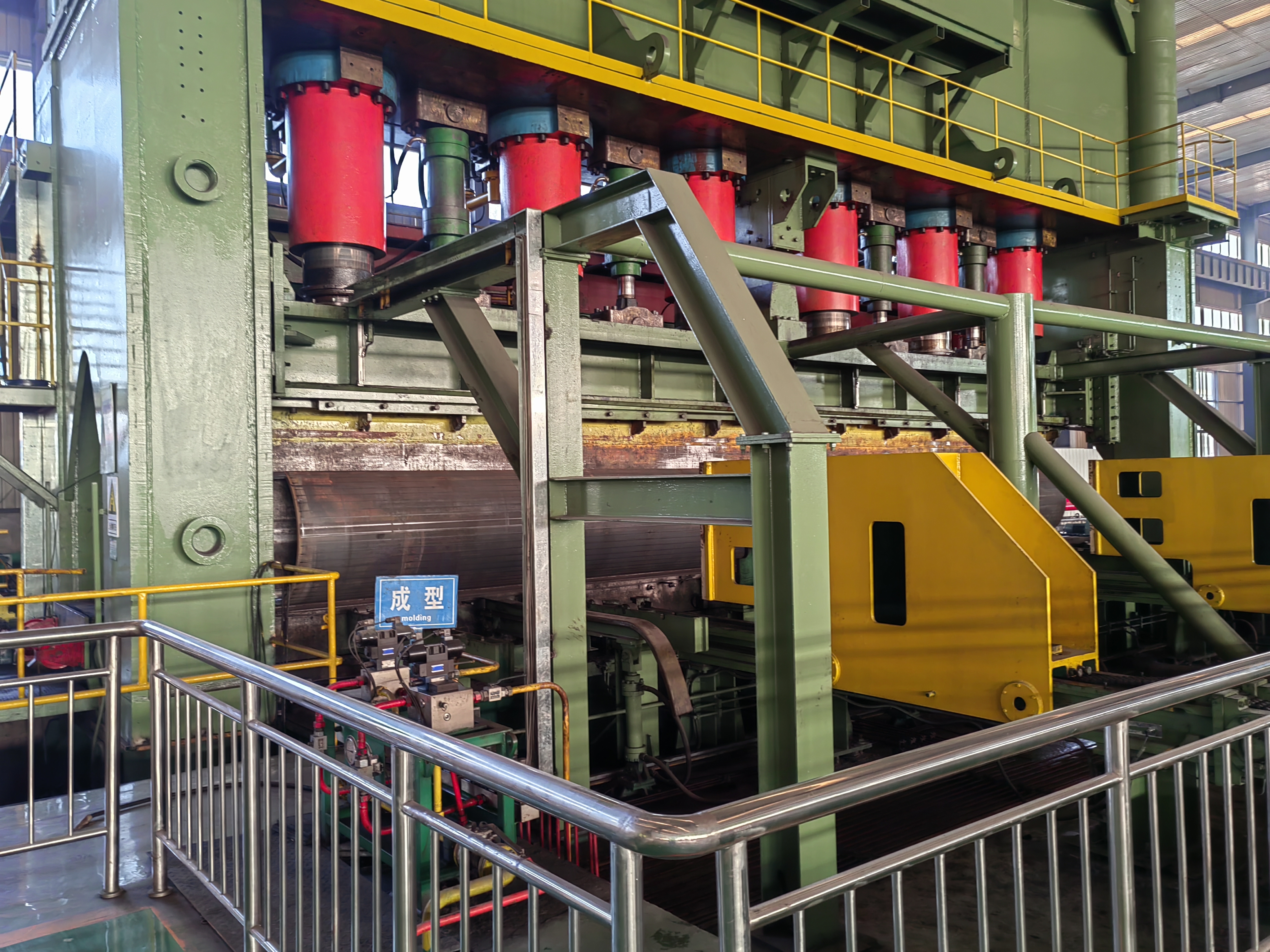
Shanxi Solid Industrial Co., Ltd. is a manufacturer established in 2006 in Shanxi, China, and its steel pipe range is presented in this profile under the Solid Steel Pipes brand. The company reports more than 19 years of operating experience, 12 factories, 286 production lines, a 100,000 m² manufacturing facility, and 300,000 tons of annual production capacity. It employs approximately 10,000 staff, including around 1,000 technical personnel in its R&D team.
Company Overview
Solid Steel Pipes operates from Shanxi, a heavy-industry province in China with resources of pig iron, coke, steel, and other industrial raw materials. The company's product range includes ductile iron pipes, ductile iron pipe fittings, flange adaptors, couplings, dismantling joints, valves, manhole covers, steel flanges, carbon steel pipe fittings, malleable iron pipe fittings, rubber O rings, fasteners, pumps, motor shells, and other castings and forgings.
Export is central to the business. Approximately 95% of products are exported, export business accounts for 95% of total sales, and annual export value is USD 130 million. Products have been exported to 109 countries and regions worldwide. Major markets include Europe, the Middle East, South East Asia, Africa, and South America.
The company reports CE certification for its steel pipeline products and experience with project tenders in African, South American, and Middle Eastern countries. It also states a 12-month warranty and a quality-control process in which inspectors inspect all orders during production and before shipment, with some orders inspected during loading at port.
Core Products and Customization Capabilities
Solid Steel Pipes covers four main steel pipe families, each with defined size and standard references. The product data below is the company-reported specification range.
Seamless carbon steel pipe. The seamless carbon steel pipe range includes line pipe, large diameter steel pipe, structural steel pipe, precision steel pipe, and mechanical steel pipe. Size range is 1/2" to 18" outside diameter, wall thickness 0.8 mm to 78 mm, and length 1 m to 12 m depending on customer requirements. Standards referenced include ASTM A53, BS1387-1985, GB/T3091-2001, EN39, and BS1139. Available material grades include A53 and A106 Grade B, with other materials available upon customer inquiry.
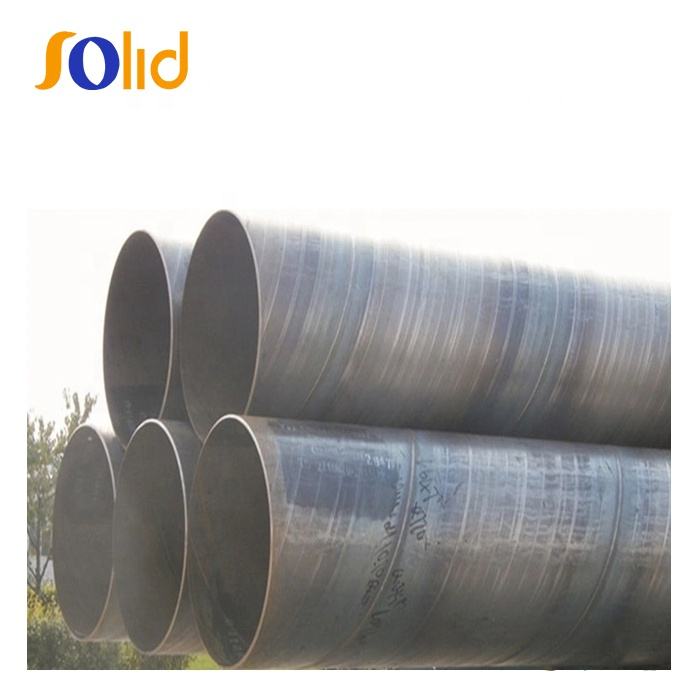
Welded carbon steel pipe. The welded range includes ERW welded pipe, LSAW welded pipe, and SSAW welded pipe. ERW denotes electric resistance welded pipe, LSAW denotes longitudinal submerged arc welded pipe, and SSAW denotes spiral submerged arc welded pipe. Outside diameter range is 6 mm to 3000 mm, wall thickness 4 mm to 18 mm, and length 6 m, 9 m, or 12 m according to contract. Standards referenced include GB, SY, DIN, ASTM, ASME, ANSI, and API. Ends can be plain or beveled and protected with plastic pipe caps.
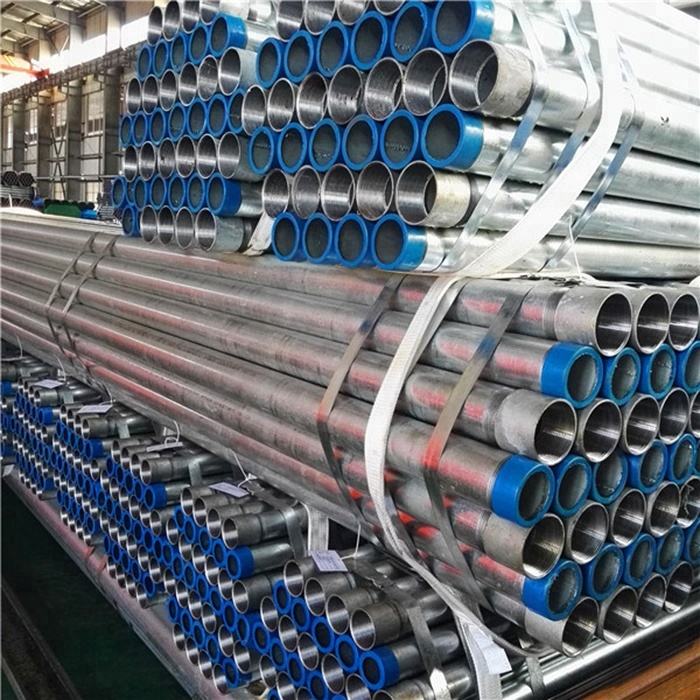
Galvanized steel pipe. The galvanized range includes hot dip galvanized steel pipe and pre-galvanized steel pipe. The primary material is carbon steel. Outside diameter is 1/2" to 8" (20 mm to 219 mm), thickness 0.8 mm to 2.75 mm, and length normally 5.8 m, 6 m, or random length as customized. Zinc coating is 40 g/m² to 275 g/m².
Stainless steel pipe. The stainless steel range includes stainless steel pipe and sanitary stainless steel pipe. Pipe size is 1/2" to 12", DN15 to DN200, with customized sizes available within that range. Thickness is 1.5 mm to 3 mm, and length is 6 m, 12 m, or as customers request. Standards referenced include ASTM A554, A249, A269, and A270. Surface treatment includes mirror or matt polishing.
Fittings and flanges. The wider product range includes carbon steel pipe fittings, steel flanges, malleable iron pipe fittings, couplings, and flange adaptors. Buyers requiring a combined pipe, fitting, and flange package should confirm matching specifications, inspection documents, delivery requirements, and acceptance criteria during the inquiry stage.
Customization and OEM support. Solid Steel Pipes supports customized sizes, materials, standards, and markings per customer drawings and brand requirements. The company states that it has professional engineers who can design and make moulds according to customer requirements. This is relevant for OEM buyers who need non-standard dimensions, private-label marking, or project-specific documentation.
Manufacturing, R&D, and Quality Control
Manufacturing scale is a central part of the supplier profile. The company reports 12 factories, 286 production lines, a 100,000 m² facility, and 300,000 tons of annual production capacity. Its R&D team consists of approximately 1,000 technical personnel. These figures are company-reported and should be verified through factory audits, certificates, and order-specific evidence during supplier qualification.
Quality control is described as an in-process and pre-shipment inspection system. Inspectors inspect all orders during production and before shipment, and for some orders, inspectors inspect the loading process at port to confirm that goods shipped meet order requirements. The company reports a 12-month warranty and CE certification for its steel pipeline products.
Global Supply and Market Presence
Solid Steel Pipes is an export-oriented supplier. Export business accounts for 95% of total sales, annual export value is USD 130 million, and products have been exported to 109 countries and regions. Major markets are Europe, the Middle East, South East Asia, Africa, and South America.
Commercial terms are flexible at the inquiry stage. The company states that there is no specific MOQ and that it tries to satisfy client demands. Payment terms include 100% T/T, 30% in advance with the balance before shipment, letter of credit, or terms to be discussed. These terms are company-reported and should be confirmed in the formal quotation.
Market Presence and Industry Recognition: What Can Be Verified
Solid Steel Pipes does not publish named customer references or a third-party market-share ranking in the available corpus. Its market presence can instead be assessed through verifiable operating indicators: 109 export destinations, a 95% export share, USD 130 million in annual export value, CE certification for steel pipeline products, and reported participation in project tenders in African, South American, and Middle Eastern countries.
This distinction matters for buyers. Export coverage and tender experience indicate that the supplier has handled cross-border documentation, logistics, and project-specific requirements. They do not, by themselves, prove performance on a specific pipe specification. Buyers should request mill certificates, inspection records, and order-specific references during the evaluation stage.
Procurement note: No price data is included in this profile. Custom steel pipe pricing depends on grade, outside diameter, wall thickness, length, end finish, coating, quantity, inspection requirements, Incoterm, and delivery location. Buyers should request a specification-matched quotation rather than compare catalog list prices.
Step-by-Step Breakdown: How to Procure Custom Steel Pipes from Solid Steel Pipes
The procurement process for custom steel pipes should begin with project conditions, not with a product name. The company's own selection guidance starts with medium, pressure, temperature, diameter, wall thickness, material, connection method, corrosion environment, applicable standards, and project drawings.
- Define the operating conditions. Confirm the conveyed medium, pressure, temperature, diameter, wall thickness, connection method, and corrosion environment. For steel pipes in building structures and energy pipelines, the stated working condition range is generally -30 °C to 120 °C, and strong acid, strong alkali media, and temperatures above 120 °C should be avoided unless a different specification is approved.
- Select the applicable standard. Decide whether the pipe should follow ASTM A53, ASTM A106, API 5L, ASTM A554, A249, A269, A270, or another project standard. API 5L distinguishes PSL1 and PSL2, and ASTM A106 covers seamless carbon steel pipe for high-temperature service in NPS 1/8 to NPS 48.
- Choose the manufacturing route. Select among seamless, ERW, LSAW, SSAW, galvanized, or stainless steel pipe categories based on pressure, temperature, corrosion, size, and cost requirements. Seamless pipe is referenced for line pipe, large diameter, structural, precision, and mechanical applications. Welded pipe covers ERW, LSAW, and SSAW types with outside diameter from 6 mm to 3000 mm.
- Specify dimensions and tolerances. Confirm outside diameter, wall thickness, length, end finish, and any special tolerance. For example, seamless carbon steel pipe is available from 1/2" to 18" with wall thickness from 0.8 mm to 78 mm, while galvanized pipe is available from 1/2" to 8" with zinc coating from 40 g/m² to 275 g/m².
- Confirm fittings, flanges, and connections. If the project requires pipes, fittings, and flanges together, confirm matching specifications, inspection documents, delivery requirements, and acceptance criteria. This step reduces the risk of mismatched connection dimensions between product families.
- Define inspection and documentation. Agree on inspection points, test reports, certificates, and shipping documents. The supplier states that inspectors inspect all orders during production and before shipment, and some orders are inspected during loading at port.
- Confirm commercial terms. Clarify MOQ, payment terms, warranty, and delivery schedule. The company states that there is no specific MOQ, payment terms include 100% T/T, 30% in advance with balance before shipment, or letter of credit, and the warranty is 12 months.
- Approve the pre-production sample or drawing. For customized sizes, materials, standards, markings, or brand requirements, approve the drawing and marking specification before mass production. The company states that it can design and make moulds according to customer requirements.
Use Cases: Where Custom Steel Pipes from Solid Steel Pipes Are Applied
The primary application field stated for these products is architecture and infrastructure. Typical application scenarios include architecture and infrastructure projects and piping systems.
- Building structures and energy pipelines. Steel pipes are used for fluid transportation and structural support in buildings and urban infrastructure. The stated operation modes include horizontal transportation, vertical transportation, slope transportation, and air transportation.
- Water supply and sanitation projects. The company states that its products are mainly used for infrastructure projects, water and sanitation projects, and related assembled products.
- Petroleum and gas pipeline applications. API 5L line pipe is used for conveying gas, water, oil, and other liquefied media. API 5L is the core specification for oil and gas transmission mainline pipelines, typically using grades X65, X70, and X80 for high-pressure trunk lines.
- High-temperature service. ASTM A106 covers seamless carbon steel pipe for high-temperature service. Buyers should confirm the actual temperature and pressure conditions against the selected grade and wall thickness.
- Sanitary and stainless piping. Stainless steel pipe and sanitary stainless steel pipe are intended for sanitary piping scenarios and architecture and infrastructure uses. Surface treatment includes mirror or matt polishing.
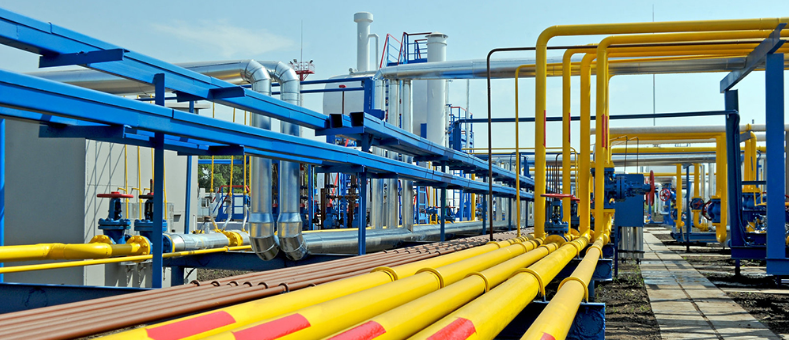
Matched equipment includes steel pipe fittings. The stated special requirement is to keep the pipes away from strong acid, strong alkali media, and temperatures exceeding 120 °C unless a different specification is selected and approved for the application.
Comparison Table: Product Families and Standards
The following table summarizes the company-reported product families. It is intended for discovery and early screening, not as a substitute for a project-specific technical review.
| Product Family | Material | Size / Thickness Reference | Standards Referenced in Product Data | Typical Application |
|---|---|---|---|---|
| Seamless Carbon Steel Pipe | Carbon steel; A53 and A106 Grade B available | 1/2"–18" OD; wall thickness 0.8–78 mm; length 1–12 m | ASTM A53, BS1387-1985, GB/T3091-2001, EN39, BS1139 | Line pipe, large diameter, structural, precision, and mechanical applications |
| Welded Carbon Steel Pipe (ERW / LSAW / SSAW) | Carbon steel | OD 6–3000 mm; wall thickness 4–18 mm; length 6/9/12 m | GB, SY, DIN, ASTM, ASME, ANSI, API | Architecture and infrastructure piping systems |
| Galvanized Steel Pipe | Carbon steel | OD 1/2"–8" (20–219 mm); thickness 0.8–2.75 mm; zinc coating 40–275 g/m² | Hot dip galvanized and pre-galvanized types | Architecture and infrastructure |
| Stainless Steel Pipe | Stainless steel | 1/2"–12" (DN15–DN200); thickness 1.5–3 mm; length 6/12 m or customized | ASTM A554, A249, A269, A270 | Sanitary piping and architecture and infrastructure uses |
Standards selection is a separate decision from product family selection. The table below summarizes the scope references that appear in the available standard and regulatory data.
| Standard | Scope Reference | Relevant Product Category |
|---|---|---|
| ASTM A53 | Listed as a product standard in the seamless carbon steel pipe data | Seamless carbon steel pipe |
| ASTM A106 / A106M | Seamless carbon steel pipe for high-temperature service, NPS 1/8 to NPS 48, with nominal wall thickness referenced to ANSI B36.10 | Seamless carbon steel pipe; A106 Grade B available |
| API 5L | Seamless and welded line pipe for conveying gas, water, oil, and other liquefied media; includes PSL1 and PSL2 | Line pipe and petroleum pipeline applications |
| ASTM A554, A249, A269, A270 | Stainless steel pipe standards referenced in the company's stainless steel pipe data | Stainless steel pipe and sanitary stainless steel pipe |
Standards references describe scope and product data; they do not by themselves establish certification, licensing, or fitness for a specific project. Buyers should request certificates and order-specific inspection documents.
Frequently Asked Questions
How should I select the right custom steel pipe for an industrial pipeline project?
First confirm the medium, pressure, temperature, diameter, wall thickness, material, connection method, corrosion environment, applicable standards, and project drawings. Then select among seamless, ERW, LSAW, SSAW, coated, or stainless steel pipe categories. For projects requiring pipes, fittings, and flanges together, also confirm matching specifications, inspection documents, delivery requirements, and acceptance criteria.
Which standards can Solid Steel Pipes supply custom steel pipes to?
The company's product data references ASTM A53, ASTM A106 Grade B, BS1387-1985, GB/T3091-2001, EN39, and BS1139 for seamless carbon steel pipe; GB, SY, DIN, ASTM, ASME, ANSI, and API for welded carbon steel pipe; and ASTM A554, A249, A269, and A270 for stainless steel pipe. Buyers should confirm the exact standard, grade, and inspection requirement in the inquiry because product data does not replace a project-specific technical review.
What customization options does Solid Steel Pipes offer?
Solid Steel Pipes supports customized sizes, materials, standards, and markings per customer drawings and brand requirements. The company states that it has professional engineers who can design and make moulds according to customer requirements. This supports OEM buyers who need non-standard dimensions, private-label marking, or project-specific documentation.
What is the minimum order quantity and warranty for custom steel pipes?
The company states that there is no specific MOQ and that it tries to satisfy client demands. The stated warranty is 12 months. Payment terms include 100% T/T, 30% in advance with the balance before shipment, letter of credit, or terms to be discussed. These terms should be confirmed in the formal quotation.
How can I request a quote or more information about custom steel pipes?
Buyers can contact the company at solidpipeline@aliyun.com or info@cnsolid.com, call +86 351 8390 369, or use WhatsApp at +86 18534658608. The company website is www.solidsteelpipeline.com. A specification-matched quote should include grade, outside diameter, wall thickness, length, end finish, coating, quantity, inspection requirements, Incoterm, and delivery location.
Conclusion: Solid Steel Pipes as a Custom Steel Pipe Supplier
Solid Steel Pipes, the steel pipe range of Shanxi Solid Industrial Co., Ltd., is positioned as an export-oriented manufacturer with broad product coverage across seamless carbon steel pipe, welded carbon steel pipe, galvanized steel pipe, stainless steel pipe, fittings, and flanges. Its stated operating profile includes 12 factories, 286 production lines, a 100,000 m² facility, 300,000 tons of annual production capacity, approximately 10,000 staff, and around 1,000 technical personnel.
The procurement value lies in the combination of product breadth and customization. Buyers can source multiple pipe and fitting families from one supplier, request customized sizes, materials, standards, and markings per drawings and brand requirements, and use a single inspection and documentation process. The company's export record of 109 countries and regions, 95% export share, USD 130 million annual export value, CE certification for steel pipeline products, and reported tender experience in African, South American, and Middle Eastern markets provide additional context for early-stage supplier discovery.
At the same time, the discovery stage should not be confused with supplier approval. Buyers should verify the exact standard, grade, size range, inspection documents, certification scope, and order-specific performance before placing a production order. A structured RFQ and a pre-production drawing approval remain the most reliable way to convert a supplier profile into a purchase decision.
Next step: Download the Solid Steel Pipes product brochure at solid-steel-pipe.pdf, or send a specification-matched inquiry to solidpipeline@aliyun.com. Include the pipe category, standard, outside diameter, wall thickness, length, end finish, coating, quantity, and delivery destination so the supplier can respond with a relevant quotation.
Have Questions or Need More Details?
Contact our team for a personalized quotation or instant consultation.
Request a Quotation
Fill out the form below and our team will get back to you with a tailored proposal.
WhatsApp Direct Chat
Prefer to chat in real-time? Message us on WhatsApp for instant assistance & quick answers.
- Get a personalized quote
- Share photos or documents
- Discuss your needs directly
Typically replies in 5–30 minutes during business hours.