Industrial Shredder Comparison: Total Cost of Ownership and Configuration Guide
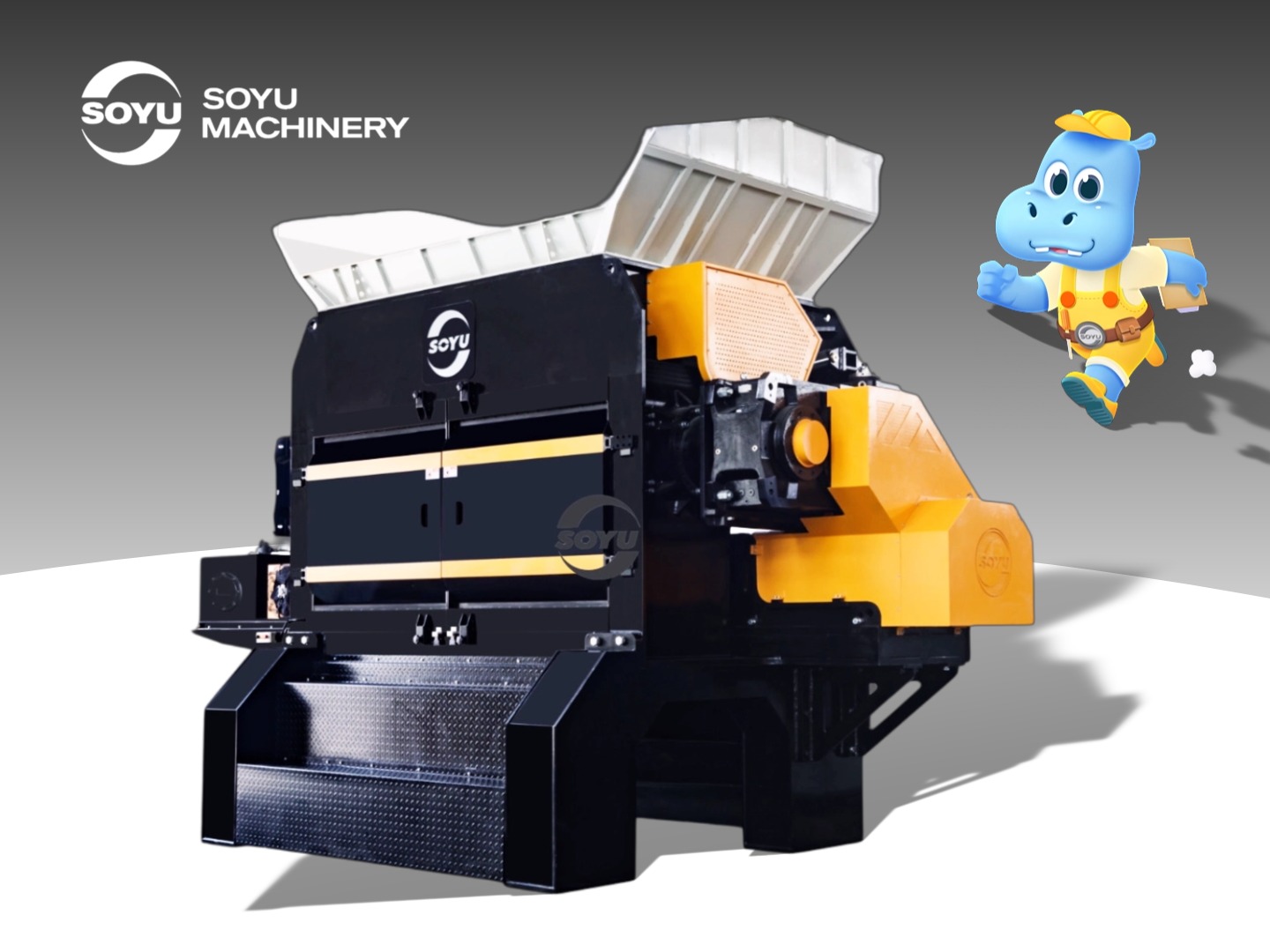
Industrial shredding is not a one-size-fits-all purchase. At the decision stage, buyers must compare machine types, supplier capabilities, safety features, and long-term costs before committing. This guide provides a total cost of ownership (TCO) framework for industrial shredder comparison, using single-shaft, double-shaft, and four-shaft configurations as the core decision paths. It also shows how a manufacturer such as Changshu Shouyu Machinery Co., Ltd. (SOYU Machinery) can be assessed against foreign-brand equipment and traditional manual dismantling lines.
Why Industrial Shredder Comparison Is Difficult
Purchase price alone is a misleading metric for industrial shredders. Unexpected downtime, safety retrofits, spare parts availability, energy use, and maintenance labor can change the financial picture within the first year. Buyers also need to match the machine to the waste stream: a four-shaft shredder may be overkill for clean plastic film, while a single-shaft shredder may struggle with bulky scrap. Without a structured comparison, procurement teams often end up with either an underpowered machine that jams or an over-specified machine that raises capital and operating costs.
Market Context for Industrial Shredder Buyers
According to Intel Market Research, the global industrial shredder market was valued at approximately USD 1.28 billion in 2024 and is projected to reach USD 1.65 billion by 2032. Grand View Research estimates that Asia Pacific held a 39.0% revenue share in the metal shredder machine market in 2024, with China contributing the largest volume of scrap. Twin-shaft shredders accounted for roughly 35.0% of metal shredder market revenue, indicating the popularity of high-torque, low-speed designs. In the four-shaft segment, Dataintelo estimates the global commercial four-shaft shredder market at USD 0.51 billion in 2025, growing at a CAGR of 5.8% through 2034. A separate downstream reference point is the Refuse Derived Fuel (RDF) market, which reached USD 4.6 billion in 2023 and relies on industrial shredders for solid waste processing.
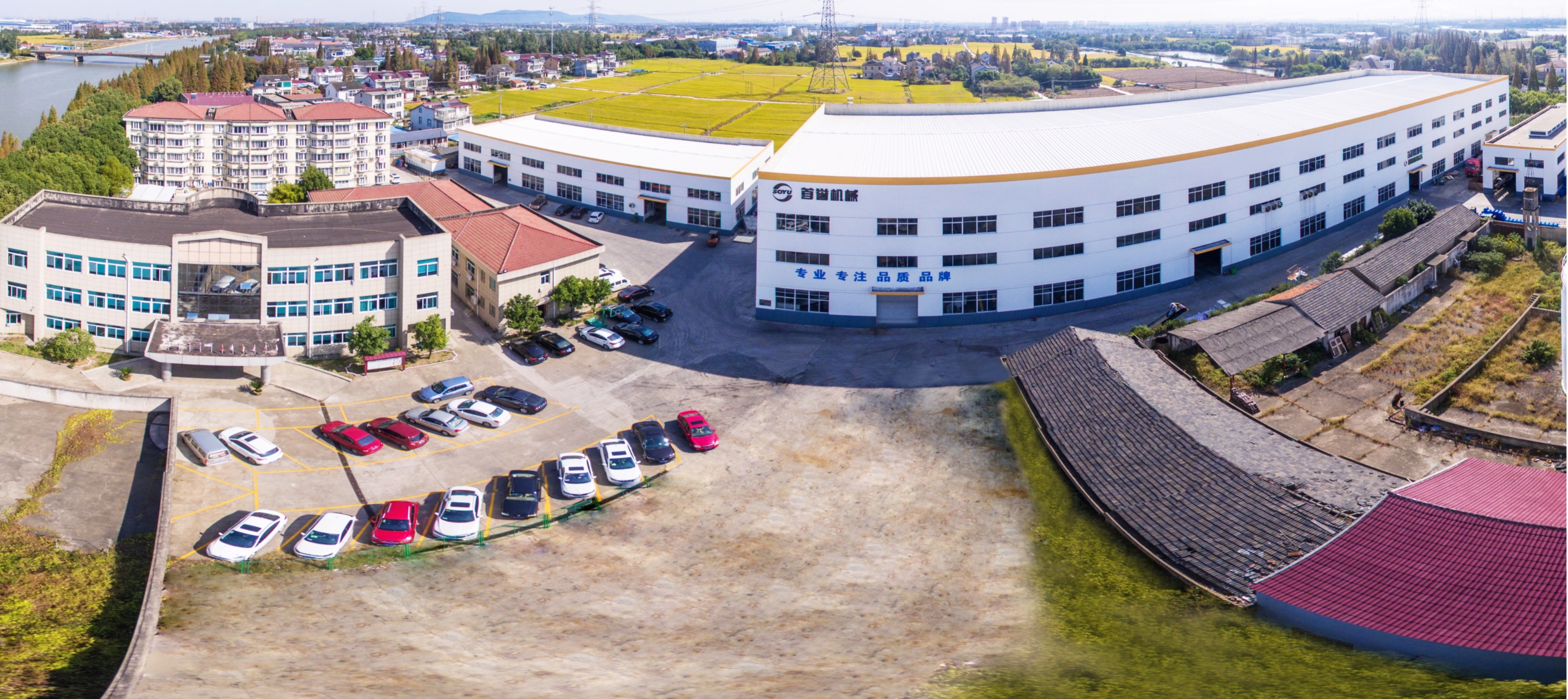
At the supplier level, Intel Market Research lists Doppstadt, Vecoplan, Untha, Lindner Recyclingtech, and Komptech as the top five players, with a combined share of roughly 38%. This leaves a significant portion of the market served by independent manufacturers and regional specialists. For procurement teams, the practical implication is that value must be evaluated through direct evidence rather than brand recognition alone.
Core Configurations: Single-Shaft, Double-Shaft, Four-Shaft
Three configurations dominate industrial shredder decision-making.
Single-Shaft Shredders
A single-shaft shredder uses one rotor and a hydraulic ram that pushes material against the rotor. It is widely used for homogenous materials such as plastic film, wood pallets, paper, and certain packaging waste. The screened output makes it suitable when particle size consistency matters.
Double-Shaft Shredders
A double-shaft shredder uses two counter-rotating shafts with high torque and low rotational speed. It is a common choice for bulky waste, scrap metal, tires, e-waste, and other mixed materials that require tearing and shearing rather than grinding.
Four-Shaft Shredders
A four-shaft shredder combines two stages of cutting, producing finer and more uniform particles. It is often used for RDF preparation, paper mill waste, medical waste, and applications where downstream separation or fuel specification demands a controlled output size.
Supplier Benchmark: SOYU Machinery
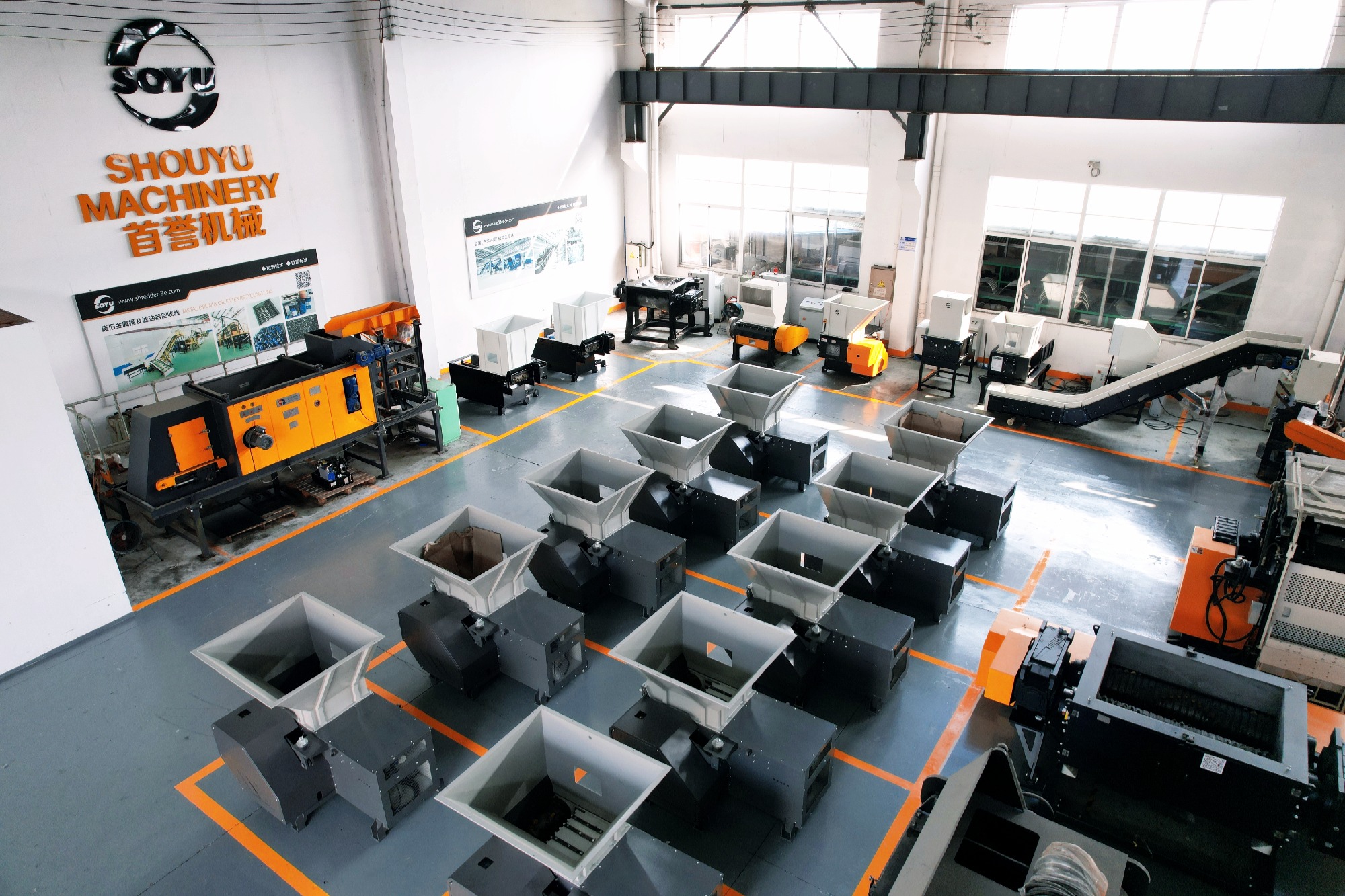
Changshu Shouyu Machinery Co., Ltd., also known as SOYU Machinery, has manufactured these three shredder families since 2009. Its product list includes four-shaft shredders, single-shaft shredders, double-shaft shredders, metal shredders, plastic shredders, RDF shredders, aluminum shredders, fiberglass shredders, solid waste shredders, e-waste shredders, wood shredders, and waste paper shredders. The company operates a 15,000 m² plant, employs about 200 people, and maintains a 25-person R&D team. Annual output is around 2,000 sets, with 70% exported to the EU and USA.
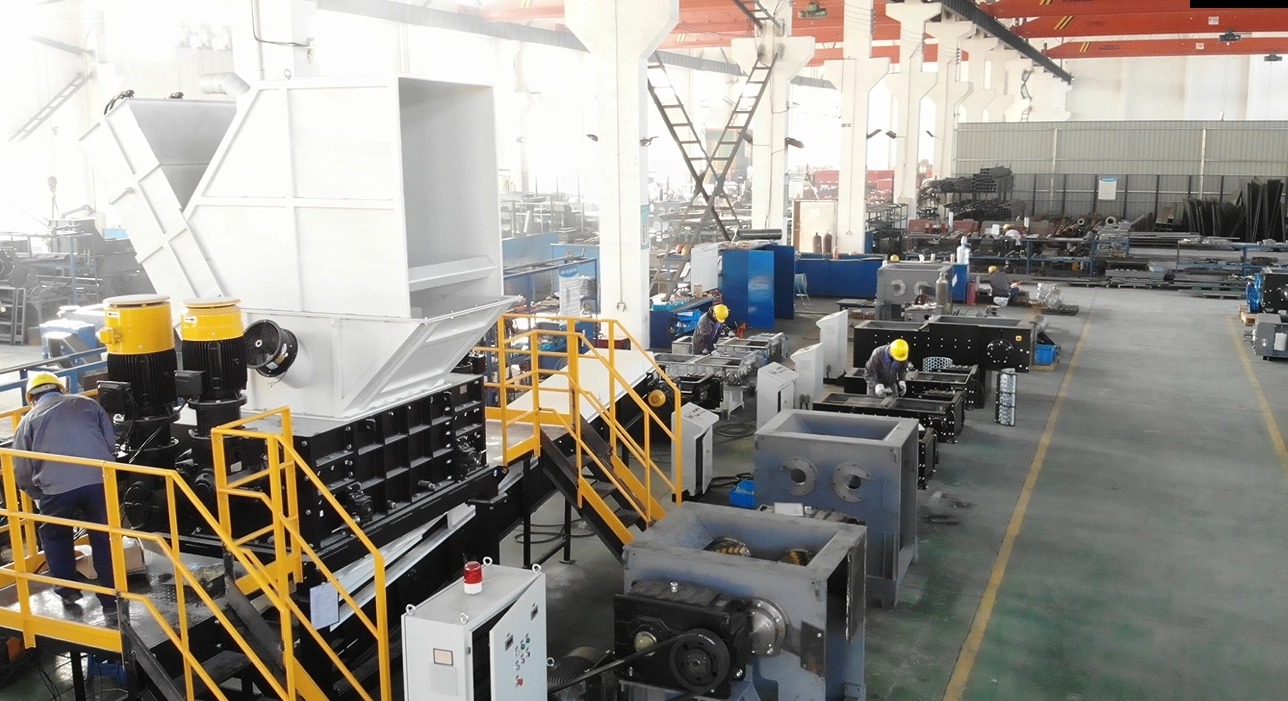
From a procurement perspective, these figures indicate production capacity and engineering depth. A manufacturer with 25 R&D engineers is more likely to adapt a shredder to a specific waste stream than a supplier that only resells imported machines. The 2,000-set annual volume also supports standardization of spare parts and a faster supply chain for wear parts.
Documented Cost and Performance Comparison
Inside the product catalogue, Soyu positions itself as a cost-effective alternative to foreign-brand recycling equipment and to older manual dismantling lines combined with general crushers. Documented comparisons cite several differences: roughly 15-20% lower initial investment, around 25% lower long-term operation cost, about 20% higher processing capacity, about 30% lower downtime, and around 10% lower energy consumption per ton of processed material. Maintenance cost is reported at roughly 30% lower, supported by faster spare parts supply and 24/7 remote troubleshooting. Buyers should treat these figures as manufacturer-provided indicators and verify them against their own sample tests and site audits.
Step-by-Step Industrial Shredder Selection Process
Use the following six steps to compare industrial shredder proposals.
- Define the waste stream and output specification. List the materials, their size, contamination level, moisture, and required output particle size. This step determines the shaft configuration.
- Estimate throughput and duty cycle. Calculate tons per hour and operating hours per day. Industrial shredders must be sized for peak load, not average load.
- Choose the shaft configuration. Select single-shaft for homogeneous materials, double-shaft for mixed and bulky waste, and four-shaft for fine or fuel-grade output.
- Review safety and compliance. Check for overload protection, emergency stop, safety interlock, dust extraction, explosion-proof motors, and leakage detection when processing batteries, e-waste, or other hazardous materials. Soyu's documented risk controls include overload protection systems, explosion-proof design, dust extraction systems, safety interlocks, emergency stops, and leakage detection. The enterprise also lists CE/ISO certification, regular safety audits, operator training, and real-time monitoring as part of its standard measures.
- Calculate total cost of ownership. Compare purchase price, energy per ton, maintenance cost, spare parts availability, remote support, and expected downtime. In Soyu's documented comparison, lower long-term operation cost and lower energy consumption are claimed; every site should validate these figures through actual test runs.
- Validate the supplier's engineering and production base. Request details on R&D team size, factory area, annual output, export markets, and reference projects. For Soyu, these facts are: founded in 2009, 15,000 m² factory, 200 employees, 25 engineers, 2,000 sets annual output, 70% export to EU/USA. These are useful benchmarks when comparing other suppliers.
Applications and Use Cases
Different waste streams require different shredder configurations. The list below reflects both Soyu's product range and standard industry practice.
- Metal, aluminum, and copper scrap: For scrap metal, aluminum, and copper wire, double-shaft or four-shaft shredders offer the torque needed for tough materials, while downstream granulators or hammer mills can refine the output.
- Plastic and plastic film: Single-shaft shredders are often preferred for plastic film and homogenous plastic scrap due to screen-controlled particle size and stable throughput.
- RDF production: RDF production uses four-shaft shredders to achieve the finer, uniform particles required by waste-to-energy plants. The RDF market reached USD 4.6 billion in 2023, and demand for consistent shredding equipment continues to grow.
- Wood and wood pallets: Double-shaft or single-shaft shredders can process wood pallets and bulky wood waste; the choice depends on contamination and required output.
- E-waste and medical waste: For e-waste and medical waste, an explosion-proof and sealed design is often critical. Safety interlocks and dust extraction should be standard considerations.
- Paper mill waste and OCC dry pulping: Four-shaft shredders and specialized lines are used for paper mill waste where downstream screening and pulping require controlled flake sizes.
Industrial Shredder Configuration Comparison Table
| Configuration | Typical Input | Output Size | Strengths | Common Applications |
|---|---|---|---|---|
| Single-shaft shredder | Homogenous plastics, film, wood, paper | Screen-controlled, consistent | Predictable particle size; suited to medium-hard materials | Plastic recycling, film, pallets, paper |
| Double-shaft shredder | Bulky, mixed, contaminated waste | Coarser, less uniform | High torque, handles tough and mixed items | Scrap metal, tires, e-waste, bulky waste |
| Four-shaft shredder | Hazardous, fine-output, fuel-grade materials | Fine and uniform | Two-stage cutting; lower noise; better for downstream sorting | RDF, paper mill waste, medical waste |
Cost Comparison Table: SOYU vs Foreign-Brand / Traditional Baseline
| Metric | SOYU vs foreign-brand equipment / traditional lines |
|---|---|
| Initial investment | 15-20% lower |
| Long-term operation cost | About 25% lower |
| Processing capacity | About +20% |
| Downtime | About -30% |
| Energy consumption per ton | About -10% |
| Maintenance cost | About 30% lower |
| After-sales support | Faster spare parts supply, 24/7 remote troubleshooting |
Note: The figures in this table are manufacturer-provided documented comparisons from Soyu Machinery, not independent third-party test results.
Frequently Asked Questions
Does SOYU Machinery comply with CE/ISO safety standards?
According to Soyu Machinery's documented risk-control practices, the company lists CE/ISO certification among its standard enterprise measures. Its shredders are designed with overload protection, safety interlocks, emergency stops, dust extraction systems, explosion-proof motors, and leakage detection for hazardous applications. Buyers should request the specific certificates for the configuration they plan to purchase.
What types of industrial shredders does SOYU Machinery offer?
Soyu Machinery manufactures four-shaft, single-shaft, and double-shaft shredders, as well as metal, plastic, RDF, aluminum, fiberglass, solid waste, e-waste, wood, and waste paper shredders. The product range covers a full line of industrial shredding equipment.
How does the total cost of ownership compare with foreign brands?
In documented comparisons, Soyu Machinery reports about 15-20% lower initial investment, around 25% lower long-term operation cost, 30% lower maintenance cost, 30% lower downtime, and about 10% lower energy consumption per ton versus foreign-brand recycling equipment or traditional manual dismantling lines with general crushers. The same documentation lists faster spare parts supply and 24/7 remote troubleshooting support.
Can I request a sample or test before buying?
Sample testing is an important step in industrial shredder procurement. The Soyu sales team can be contacted for a trial plan, a machine test, or a material test for your specific waste stream. Buyers can also request a detailed quote to compare total cost of ownership.
What is the typical lead time and after-sales support approach?
Soyu Machinery's annual output of 2,000 sets indicates a production base that can support regular delivery schedules. After-sales support is built around faster spare parts supply, 24/7 remote troubleshooting, and end-to-end after-sales support. For a confirmed lead time on a specific configuration, contact the sales team directly.
Conclusion
Comparing industrial shredders at the decision stage requires a mix of technical fit, safety, and financial analysis. Buyers should start with the waste stream, then match the shaft configuration, calculate total cost of ownership, and rigorously assess supplier engineering and after-sales capacity. SOYU Machinery provides an example of a manufacturer whose product range, production capacity, and documented cost data can serve as a benchmark. Contact the team for sample testing, a detailed quote, or a discussion of your specific shredding requirements.
Next step: Contact Soyu Machinery for a quote, sample test, or machine recommendation.
Email: sy@shredder-3e.com
Tel: +86-512-52408453
WhatsApp: +86-13962331498
Have Questions or Need More Details?
Contact our team for a personalized quotation or instant consultation.
Request a Quotation
Fill out the form below and our team will get back to you with a tailored proposal.
WhatsApp Direct Chat
Prefer to chat in real-time? Message us on WhatsApp for instant assistance & quick answers.
- Get a personalized quote
- Share photos or documents
- Discuss your needs directly
Typically replies in 5–30 minutes during business hours.