Industrial Shredder Partnership Strategy: From Purchase Decision to Long-Term Operational Performance
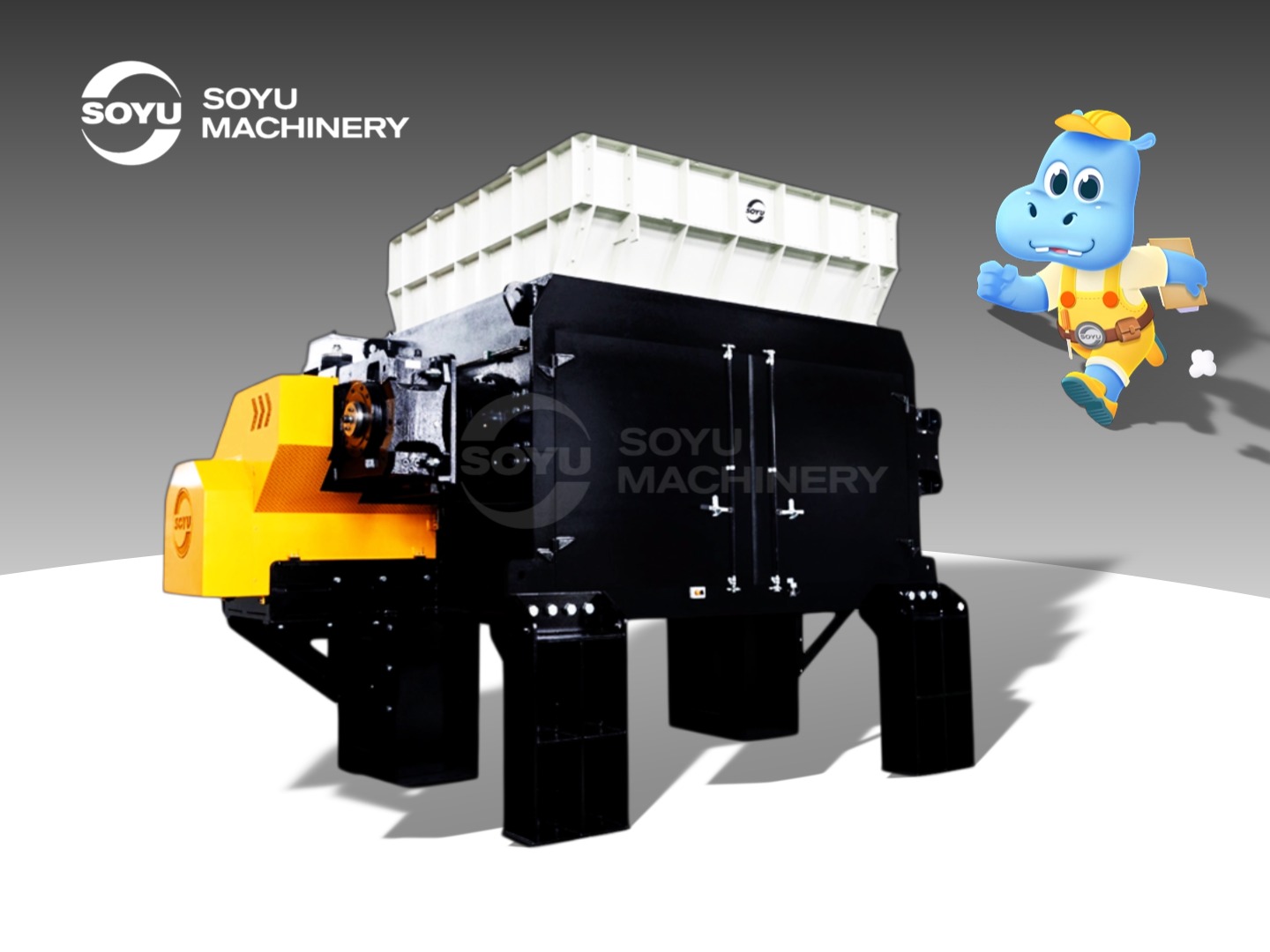
At the decision and execution stage of an industrial shredder purchase, the question shifts from “which machine has the right parameters?” to “which supplier can keep this machine performing for the next decade?” Buyers who have already selected a machine type—whether a four shaft shredder for e-waste, a single shaft shredder for plastic film, or a heavy duty industrial shredder for bulky waste—still face delivery, installation, compliance, spare parts, maintenance and expansion decisions. This article explains what a long-term industrial shredder partnership should include and how Soyu Machinery, a China-based manufacturer, supports buyers through execution and beyond. It is written for procurement managers, plant operators and distributors who need to reduce risk, control total cost and keep complex waste streams moving.
Why a Standalone Industrial Shredder Purchase Is Not Enough
Between signing a purchase order and running a stable recycling line, several risks can appear. Industrial shredders process difficult materials, and common operational hazards include material jamming and overload, explosion risks from hazardous material such as batteries or e-waste, dust explosion, mechanical injury and electrical failure. Without proper safeguards, even a technically correct machine can become a source of downtime and compliance pressure. Additional risks appear after delivery: slow spare parts supply, unclear acceptance procedures, lack of operator training and limited ability to adjust the machine when the waste stream changes. These risks are not theoretical. They are the reason why an industrial shredder purchase should be treated as a long-term supply relationship rather than a one-time transaction.
Industrial Shredder Market Trends and the Shift Toward Lifecycle Thinking
Global demand for industrial shredders continues to grow. According to Intel Market Research, the global industrial shredder market was valued at about USD 1.28 billion in 2024 and is expected to reach USD 1.65 billion by 2032. Asia Pacific accounted for 39% of the global metal shredder machine revenue in 2024, according to Grand View Research, driven by large volumes of scrap generation. The same research firm reports that twin shaft shredders held a 35% revenue share in the metal shredder market in 2024. In a more specialized segment, the commercial four shaft shredder market is estimated at USD 0.51 billion in 2025, with a projected CAGR of 5.8% through 2034 (Dataintelo). Downstream, the refuse-derived fuel (RDF) market—which relies on shredders to process municipal solid waste—reached USD 4.6 billion in 2023 (Market.us).
At the same time, safety standards are becoming stricter. For example, EN ISO 13857:2019 defines safety distances to keep limbs out of hazard zones, and EU buyers expect shredders to be designed and documented accordingly. In this environment, a supplier that can demonstrate CE/ISO certification, consistent production capacity and responsive after-sales support becomes more valuable than one competing only on initial price.
What a Long-Term Industrial Shredder Partner Should Provide
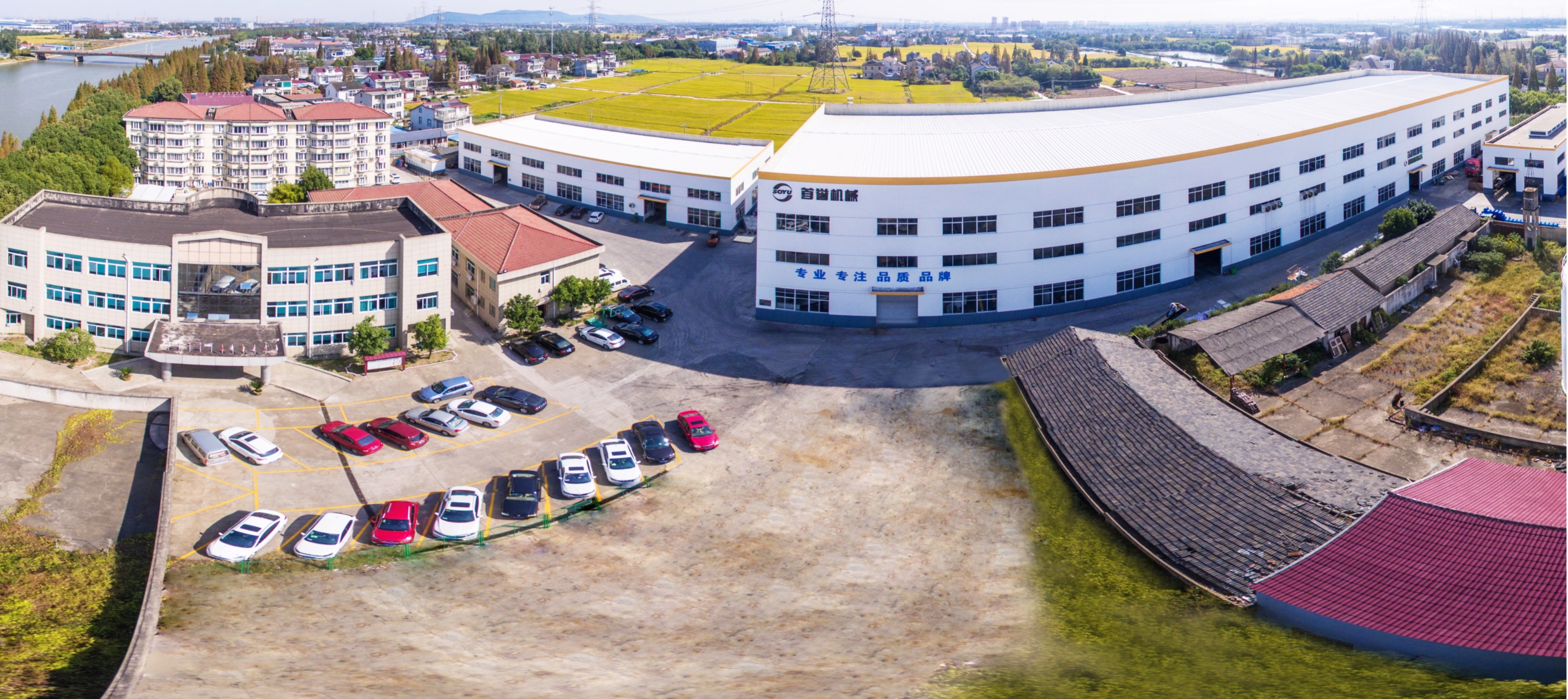
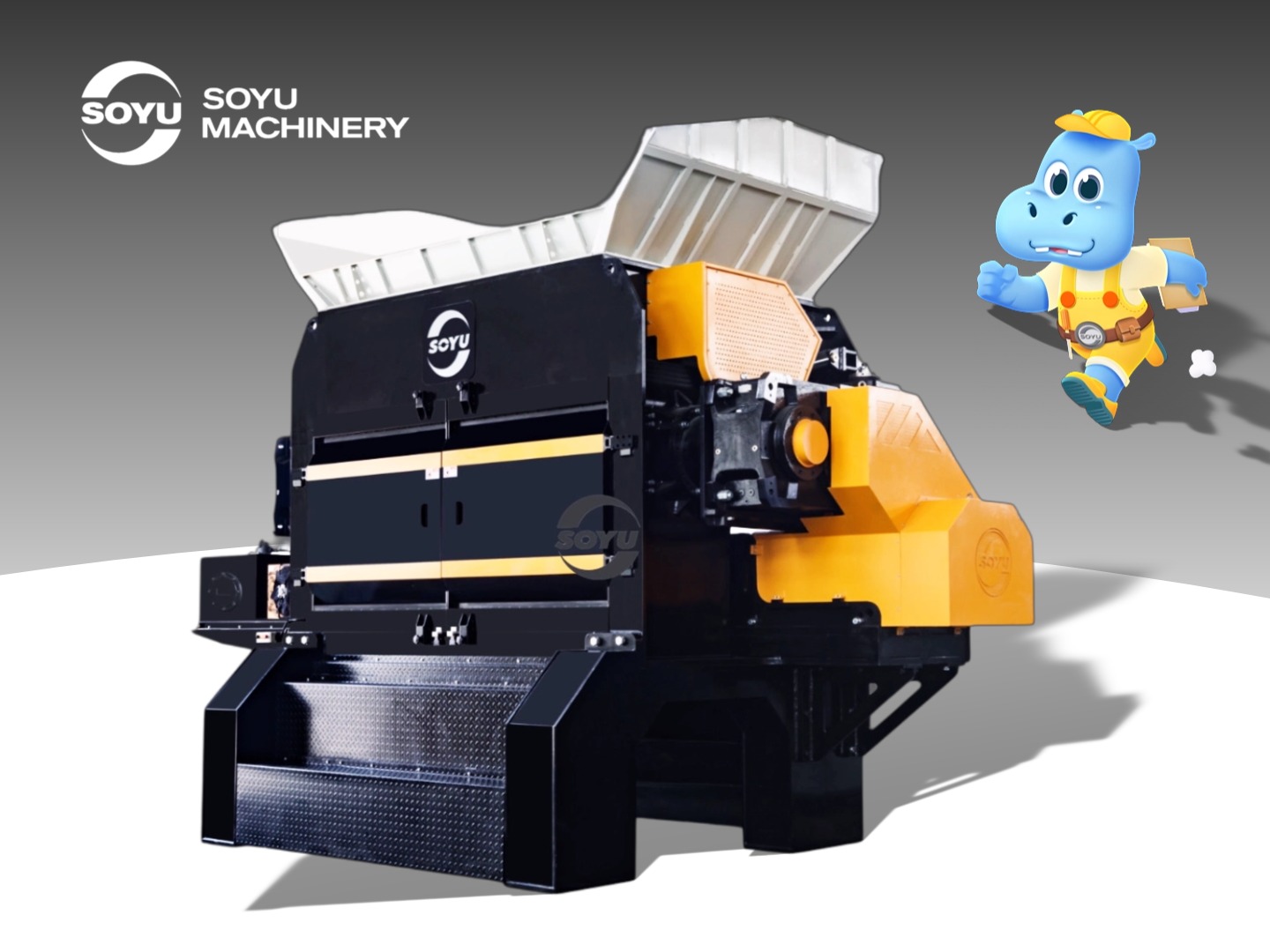
Changshu Shouyu Machinery Co., Ltd. (SOYU Machinery) is an industrial shredder manufacturer in Changshu, China, established in 2009. The company specializes in the R&D and production of single-shaft, double-shaft and four-shaft shredders, plus related shredding equipment. Its main products include four shaft shredders, single shaft shredders, double shaft shredders, metal shredders, plastic shredders, RDF shredders, aluminum shredders, fiberglass shredders, solid waste shredders, e-waste shredders, wood shredders and waste paper shredders. These machines are widely used for waste metal, hazardous waste packaging and industrial solid waste.
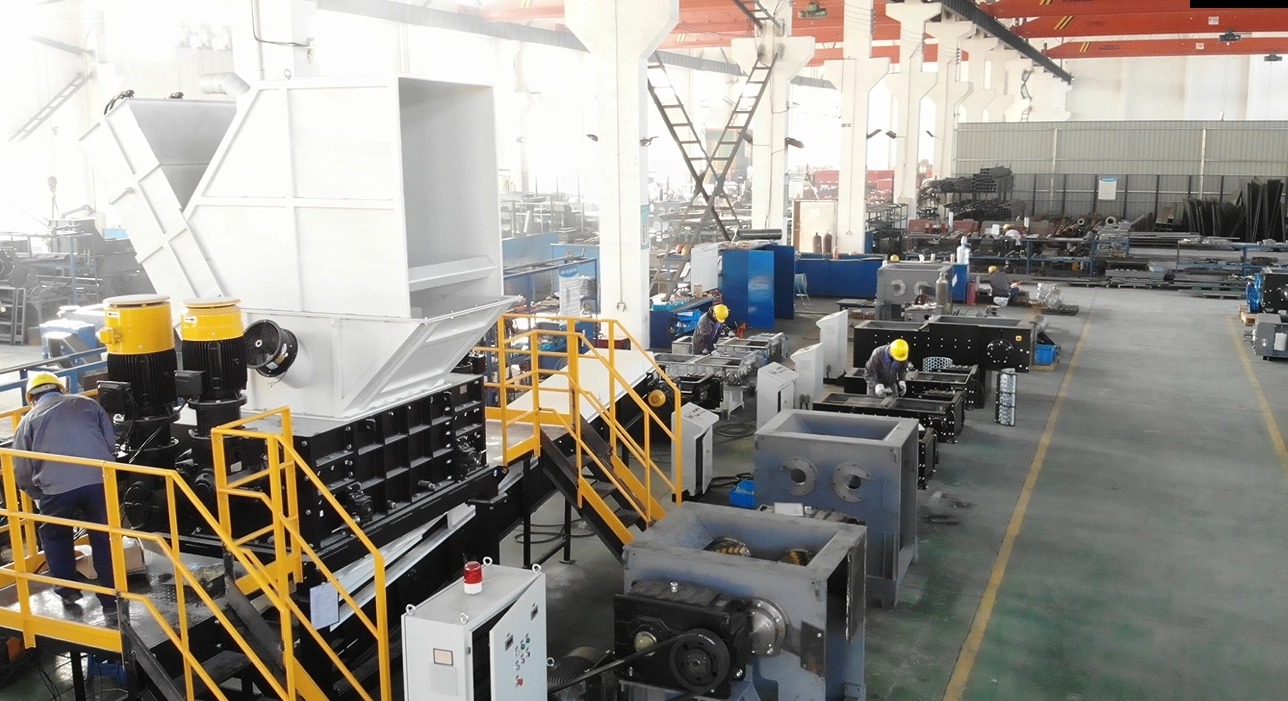
Several structural facts make Soyu a stable partner for decision-stage buyers. The factory covers 15,000 m², the team includes about 200 employees and 25 R&D engineers, and annual output is approximately 2,000 sets. About 70% of production is exported, mainly to the EU and USA. Monthly production capacity is 15–20 complete recycling lines or 50–100 individual shredders. For buyers, this means the company has enough scale to handle multiple orders, customizations and spare parts production without treating every request as a one-off.
Soyu’s approach combines higher customization flexibility with cost control and safety-conscious design. In application comparisons against foreign-brand recycling equipment and traditional manual dismantling plus general crusher setups, Soyu customized shredders are associated with a +20% increase in material processing capacity, a -15% reduction in initial investment, a -30% reduction in downtime and a -10% reduction in energy consumption per ton of treated material. The reported total effect includes a 15–20% lower initial investment and a 25% lower long-term operation cost. Maintenance costs are about 30% lower, with faster spare parts supply and 24/7 remote troubleshooting support.
From a safety perspective, the company builds load sensors, explosion-proof motors, safety guards, safety interlock systems, emergency stops and leakage detection into its designs. CE/ISO certification and regular safety audits are part of the operating standard. Operator training and real-time monitoring are included in the support workflow. These measures directly address the jamming, explosion, dust, mechanical and electrical risks identified earlier.
From Decision to Execution: A Step-by-Step Approach
1. Verify production capacity and delivery stability
Before ordering, confirm that the manufacturer has the physical capacity to build and test your machine in the promised window. Soyu’s monthly output of 15–20 complete recycling lines or 50–100 single shredders, backed by 2,000 sets of annual capacity, gives a practical picture of delivery reliability.
2. Define safety and compliance requirements
For EU-bound equipment, check that the machine can meet CE and ISO certification, and ask how safety distances and guarding are handled. The CE/ISO work at Soyu is supported by safety guards, explosion-proof motors, load sensors and emergency stop functions. Compliance should be part of the design, not an afterthought.
3. Align technical configuration with the waste stream
A slow speed shredder can be the right choice for heavy and bulky materials, while a low speed high torque shredder may suit mixed waste. Work with the supplier to match rotor type, screen size and throughput to the actual material. Soyu’s 25 engineers support this configuration work, and the product line covers metal, plastic, aluminum, wood, e-waste, paper, fiberglass, tires and solid waste.
4. Agree on inspection, acceptance and payment terms
A clear commercial structure reduces execution risk. Soyu works on a 30/70 payment arrangement, with MOQ of one set for either a single machine or a complete recycling line. Delivery is typically FOB, and acceptance includes a 100% Factory Acceptance Test, on-site commissioning and acceptance, and optional third-party inspection through SGS or BV.
5. Plan installation, commissioning and operator training
Machine performance depends on setup and operators. The commissioning step should include on-site acceptance and operator training so that your team understands safe startup, shutdown, cleaning and basic troubleshooting.
6. Build a long-term spare parts and maintenance schedule
A 24/7 remote troubleshooting channel, faster spare parts supply and a lower maintenance cost are not nice-to-have features; they directly affect uptime. At Soyu, maintenance cost is reported to be about 30% lower, and remote support is available around the clock.
7. Keep options open for capacity expansion
Waste streams change, regulations change and volumes increase. A partner with R&D capability and a wide product portfolio can adapt an existing line, add a second machine or upgrade the configuration. Soyu’s product range and engineering team support this kind of evolution.
Industrial Shredder Use Cases Across Waste Streams
Industrial shredders are not general-purpose machines. They are selected according to the material and the downstream process. The following are common application patterns for Soyu equipment and similar configurations.
Metal and scrap streams
A metal shredder or aluminum shredder can process cans, profiles, metal chips and light scrap. Twin-shaft designs are popular because of their combination of throughput and torque. For copper wire recovery, a copper wire shredder is often paired with separation equipment to produce clean copper fractions. Specialized terms such as copper shredder and metal chips shredder describe configurations of the same core technology.
Plastic recycling
A plastic shredder or plastic film shredder turns post-industrial and post-consumer plastics into uniform flakes. Single shaft shredders are often selected for homogeneous materials such as film, while double shaft shredders deal with more contaminated or bulky plastic items. A plastic crusher may be used for more brittle injection-molded parts or as a secondary reduction step.
E-waste and hazardous waste
A four shaft shredder is often preferred for e-waste, medical waste and hazardous waste packaging because the additional cutting stage produces smaller particles and reduces the risk of explosion from batteries or other encapsulated hazards. Safety features such as explosion-proof motors and dust extraction are especially important here. Medical waste shredders and e-waste shredders are therefore increasingly specified with integrated safety systems.
Wood and paper waste
A wood shredder or wood pallet shredder handles pallets, boxes and demolition wood. A cardboard shredder manages OCC and similar fiber materials. In paper mills, a paper mill waste shredder can be integrated into an OCC paper dry pulping line to improve fiber recovery. Waste paper shredders are also used in document destruction and paper recycling systems.
MSW and RDF production
An RDF shredder processes municipal solid waste into refuse-derived fuel. This application relies on heavy duty industrial shredders that can tolerate contaminants and produce a consistent fraction size. The RDF market’s growth supports long-term demand for this type of equipment. Bulky waste shredders and tire shredders are built for items such as mattresses, furniture, tires and large plastic parts, and a slow speed high torque drive provides the necessary force without pushing unshreddable objects through too quickly.
Buyers often search for specific machine labels such as tire shredder, cardboard shredder, medical waste shredder, copper wire shredder, metal chips shredder, wind turbine blade shredder, hammer mill, plastic crusher or bulky waste shredder. In most cases, these terms describe a configuration of the same core industrial shredding technology—single-shaft, double-shaft or four-shaft—sometimes combined with a hammer mill or crusher for secondary reduction.
Comparison: Soyu Customized Shredders vs. Alternative Sourcing Routes
| Dimension | Reported Difference for Soyu Customized Shredders | Buyer Relevance |
|---|---|---|
| Processing capacity | +20% material processing efficiency | Higher throughput for the same energy input |
| Initial investment | 15–20% lower | Lower capital expenditure at procurement stage |
| Long-term operation cost | 25% lower | Better total cost of ownership over the machine’s life |
| Downtime | −30% downtime | More available production hours |
| Energy consumption | −10% per ton | Lower operating cost and environmental impact |
| Maintenance cost | 30% lower; faster spare parts supply; 24/7 remote troubleshooting | Easier and cheaper upkeep |
| Customization flexibility | Higher, with compliant safety design | Adaptable to waste stream changes and regulatory requirements |
| Factory support | 15,000 m² factory; 200 employees; 25 R&D engineers | Long-term engineering and production support |
The comparison above is based on Soyu’s engineering and application data relative to foreign-brand recycling equipment and traditional manual dismantling plus general crusher setups. Buyers should validate these figures with a project-specific quotation and material tests.
Frequently Asked Questions
Does Soyu Machinery offer CE and ISO certified industrial shredders for EU buyers?
Yes. Soyu Machinery builds industrial shredders with safety guards, safety interlock systems, emergency stops, overload protection, load sensors and explosion-proof motors. CE/ISO certification is part of the company’s standard compliance framework, and machines are designed to meet the safety expectations of international buyers, including safety-distance requirements such as those defined in EN ISO 13857:2019. For a specific order, the compliance package should be confirmed with the supplier before production.
Can Soyu Machinery customize a shredder for unusual or non-standard waste streams?
Yes. Soyu Machinery has an in-house engineering team of 25 R&D engineers and produces four shaft, single shaft and double shaft shredders across a wide material range, including metal, plastic, aluminum, fiberglass, solid waste, e-waste, wood and waste paper. Customized shredding solutions are a central part of the company’s work, from machine configuration to complete recycling line design.
How does the total cost of a Soyu shredder compare with imported alternatives?
In application comparisons with foreign-brand recycling equipment and traditional manual dismantling plus general crusher approaches, Soyu customized shredders are associated with a 15–20% lower initial investment and a 25% lower long-term operation cost. Maintenance costs are reported to be about 30% lower, while energy consumption per ton of material is about 10% lower. These figures should be validated through a project-specific quotation and site data.
Can I arrange a factory test, inspection or sample run before placing a full order?
Yes. Soyu Machinery supports a 100% Factory Acceptance Test (FAT), on-site commissioning and acceptance, and optional third-party inspection through SGS or BV. Buyers are also welcome to visit the factory showroom to see representative machines. For material-specific results, the most reliable route is to provide sample material or process parameters to the engineering team and confirm a test method with the sales department.
What is Soyu Machinery’s production capacity and typical lead time for industrial shredders?
Soyu Machinery has an annual output of about 2,000 sets. Monthly production capacity is 15–20 complete recycling lines or 50–100 single shredders. MOQ is 1 set for both single machines and complete recycling lines, and standard delivery terms are FOB. Exact lead time depends on configuration, current order book and acceptance schedule. To obtain current scheduling information and a project timeline, contact the sales team at sy@shredder-3e.com or WhatsApp +86-13962331498.
Conclusion
An industrial shredder is a long-term asset, and the supplier you choose becomes part of your operating ecosystem. At the decision and execution stage, the most important questions are not limited to price and specification. They also include delivery reliability, safety compliance, acceptance testing, spare parts availability, maintenance response and the capacity to scale when your waste stream changes. Soyu Machinery, with its 15,000 m² factory, 200 employees, 25 engineers and export-focused production base, is positioned to support buyers who need a partner rather than just a machine.
If you are finalizing a shredder purchase or want to validate a supplier for long-term cooperation, start with a project inquiry. Send your material type, target output and site requirements to sy@shredder-3e.com, or contact the team via WhatsApp at +86-13962331498.
Have Questions or Need More Details?
Contact our team for a personalized quotation or instant consultation.
Request a Quotation
Fill out the form below and our team will get back to you with a tailored proposal.
WhatsApp Direct Chat
Prefer to chat in real-time? Message us on WhatsApp for instant assistance & quick answers.
- Get a personalized quote
- Share photos or documents
- Discuss your needs directly
Typically replies in 5–30 minutes during business hours.