
Custom Outdoor Product 101: Shelters, Inflatables, and Gear Explained
Custom Outdoor Product is an umbrella term for made-to-order outdoor items — shelters, inflatables, covers, umbrellas, poles and outdoor furniture — built to a buyer's own dimensions, material choice, colour and branding instead of being picked from a fixed catalogue. Behind that one label sit three manufacturing families with very different buying logic: shelters (inflatable, boat, car and camping), inflatables (goals, cubes, arches, pillars and advertising structures), and outdoor gear (umbrellas, folding chairs, caravan poles and covers).
This explainer defines each family, the five material families most often specified — PVC, TPU, polyester, aluminium and steel — and the functional features that decide whether a product lasts a season or five. It then maps each family to camping, fishing, outdoor sport, events, advertising and temporary shelter use, so that a buyer can compare like with like before requesting a sample or a quote.
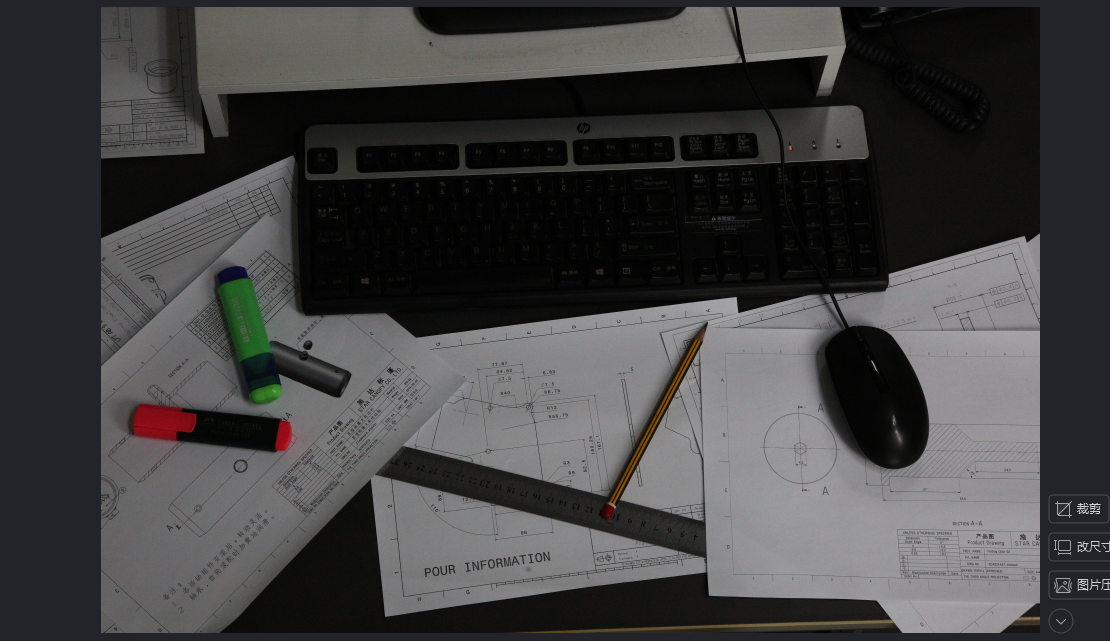
The Problem: One Category Name, Three Different Buying Decisions
Comparing a custom outdoor car shelter with a custom inflatable arch on unit price tells a buyer almost nothing about either product. One is a frame-and-cover structure sized around a vehicle; the other is a welded air chamber sized around a brand message. They fail in different ways, are specified with different data, and are built on different equipment.
- A shelter is judged on structure, wind behaviour, anchoring and how the cover skin ages.
- An inflatable is judged on chamber construction, seam integrity, print quality and colour consistency.
- A piece of gear — umbrella, folding chair, caravan pole, cover — is judged on frame hardware, fabric durability and repeatable assembly.
The second problem is the word "custom" itself. Suppliers use it for three different levels of work, and each level needs a different brief:
- Size customisation — an existing design produced to new dimensions.
- Specification customisation — same design, different fabric, coating, colour or frame material.
- Full OEM development — a new structure, new branding, print artwork and packaging developed for the buyer's own product line.
StarCanopy's range runs across all three levels, from the CS-01 inflatable container shelter to the C01 folding outdoor chair. A buyer who does not state which level they are buying will receive quotes that cannot be compared, because the three levels carry different design effort, tooling and validation.
Industry Background: What the Published Data Covers, and What It Does Not
Published research sizes the parent outdoor category, not the made-to-order segment inside it. Global Market Insights values the global recreational and outdoor products market at USD 144.5 billion in 2025, with a projection of USD 152 billion in 2026 at a 5.9% CAGR. Grand View Research estimates the global canopy market — the shade and structure segment that contains shelters — at USD 2.2 billion in 2026, with the shade canopy segment holding the largest share in 2025.
Demand context is equally broad. Ken Research reports a U.S. outdoor recreation participant base of 181.1 million people in 2024, equal to 58.6% of Americans aged six and older, and projects the U.S. outdoor recreation products market from USD 202.5 billion in 2025 to USD 268.3 billion by 2031 at a 4.8% CAGR.
What none of these figures provide is a size, price band, MOQ or lead time for a custom inflatable shelter, a custom outdoor umbrella or a custom yacht cover. The custom sub-segment is not separately reported, and the totals above use different geographies and definitions, so they should not be blended into a single number. The practical implication for a decision-stage buyer is straightforward: use market data to justify a category, and use specifications, samples and factory capability to justify a supplier.
The Three Product Families and What Custom Changes in Each
1. Shelters: inflatable, boat, car, camping and temporary structures
A shelter is defined by how it stands up. Inflatable shelters use air chambers as the structure; frame shelters use aluminium or steel tubes with a fabric skin tensioned over them. That single difference decides which questions a buyer needs to ask.
Inflatable shelters. The CS-01 inflatable container shelter and the ST-01 outdoor shelter belong to this family. Because the structure is the chamber, custom work concentrates on footprint, height, wall and roof configuration, door and window openings, printing and anchoring. Chamber construction and seam quality matter more here than frame hardware, because there is no frame to compensate for a weak seam.
Vehicle and boat shelters. The BS-01 boat shelter and the CT-01 car shelter are frame-and-cover structures sized around the object they protect. Customisation is largely dimensional: cover length, width and height, frame material, access design, ventilation, and how the cover is tensioned and anchored.
Camping and temporary shelter. A custom camping shelter follows the same logic at a smaller scale, while the CPPlK caravan pole represents the other half of the category — the hardware that holds an awning or canopy in place. Poles and frames are aluminium or steel parts, and their fit and finish decide how the finished shelter behaves on site.
What a structural upgrade actually buys. StarCanopy's comparison of a wind-optimised inflatable shelter against an ordinary inflatable shelter describes a two-layer frame with a strong chamber and a wind-optimised streamline structure. The stated outcome is a wind resistance upgrade and a structure service life upgrade, at a 22% higher initial purchase cost and a 40% lower full-lifecycle operation and maintenance cost. The same comparison notes that the two-layer composite canvas reduces air conditioning energy consumption by 35% and supports a stable constant temperature all year round, with quick modular part replacement and an anti-mildew, anti-UV fabric. That trade-off — not the invoice alone — is what a decision-stage buyer is choosing between.
2. Inflatables: goals, cubes, arches, pillars and advertising products
The I-FB inflatable football goal, the ITC01 inflatable cube, custom inflatable arches, custom inflatable pillars and custom inflatable advertisement products share one engineering core: welded chambers that hold shape under pressure. A custom inflatable swimming pool shelter sits in the same family at a larger scale.
Specification drivers are chamber size and number, welded seam integrity, print coverage and artwork, inflation method, anchor points and pack-down size. Branding is the primary custom lever, which is why colour control is treated as a production step rather than an afterthought: repeat orders and multi-item campaigns only work if colour matches the approved standard across items.
3. Outdoor gear and covers: umbrellas, chairs, poles and covers
The UM-01 outdoor umbrella, the C01 folding outdoor chair and the CPPlK caravan pole are sewn textiles combined with hardware — the family where the buyer's specification is about fabric grade, frame material, colour, logo placement and dimensional fit to the object being covered or shaded.
Cover work overlaps with shelters in materials and equipment but not in use: a custom outdoor furniture cover, a custom outdoor equipment cover, a custom van cover and a custom yacht cover are cut to fit an existing object rather than to create a structure. Because these items are handled, folded and packed rather than installed once, repeatability of assembly and packing matters as much as the original design.
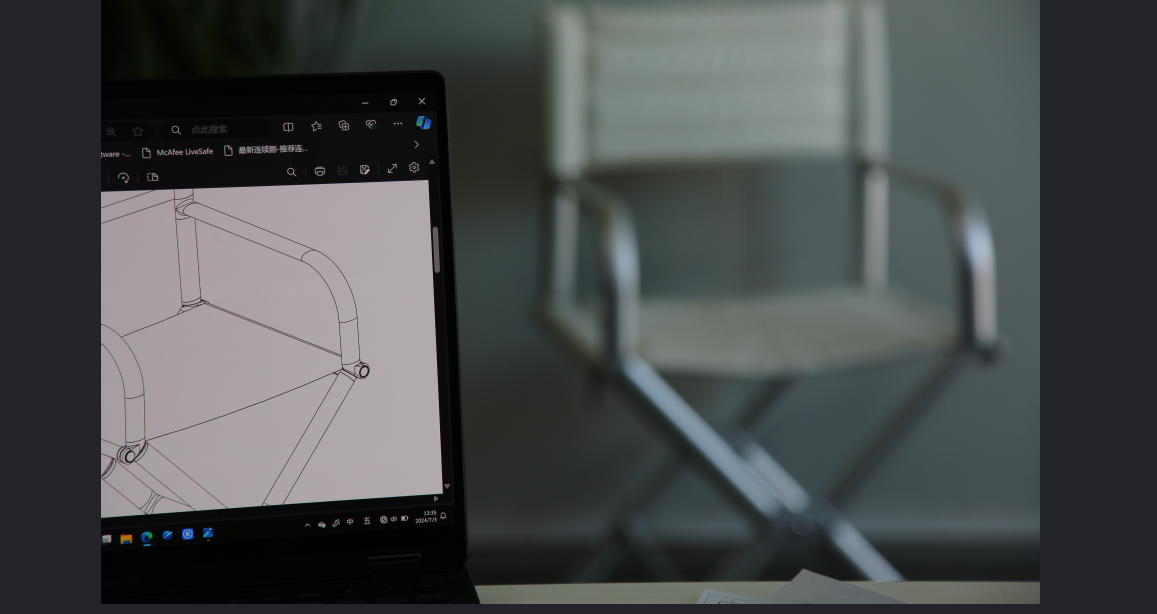
Material Families: PVC, TPU, Polyester, Aluminium and Steel
Materials account for most of the performance difference and most of the price difference between two quotes for the same drawing.
- PVC — coated fabric used for inflatable structures, pool shelters and heavy-duty covers; it welds and prints well, which is why it is common in advertising inflatables and air-chamber shelters.
- TPU — an alternative coated fabric requested for inflatable and cover applications where a different material profile is specified; the exact grade and its validation should be confirmed per project rather than assumed.
- Polyester — the base fabric behind umbrellas, shelter skins and covers. The coating and finishing applied to the polyester determine waterproofing and UV performance in service, so "polyester" alone is an incomplete specification.
- Aluminium — frame tubes and poles; lighter to handle, transport and install. Oxidation and rust are the failure modes to control, particularly on coastal sites.
- Steel — frame and hardware components where stiffness and load path matter; it requires corrosion protection to match the installation environment.
Material choice is also where quotes stop being comparable. Two suppliers can both quote "PVC shelter, standard size" and deliver different fabric weights, coatings, seams and hardware. The way to close that gap is to write material family, coating performance and hardware specification into the brief before any price is discussed.

Functional Features That Decide the Specification
Once family and material are fixed, a small set of features does most of the work:
- Waterproof fabric and sealing. Waterproofing is a fabric plus construction property. StarCanopy's control set for outdoor structures includes multi-channel waterproof sealing technology, which addresses seams and joints rather than only the fabric surface.
- Anti-UV protection. An anti-UV coating protects the goods or people underneath and slows the degradation of the fabric itself — the difference between a cover that survives several summers and one that fades and embrittles.
- Flame retardancy. Class B1 flame-retardant canvas is specified wherever an open flame or ignition source is present, which is common in event, hospitality and catering projects.
- Wind resistance. A wind-tunnel graded wind-resistant structure, together with matched ground nails and wind ropes, is the control set for the most common shelter failure — collapse under strong wind.
- Fully customizable sizes. Size is a custom lever, not a menu. A dimension change propagates into chamber layout, frame spacing and cover patterning, so it is a design change rather than a cutting change.
- Modular replacement. Quick modular part replacement keeps a shelter or inflatable serviceable after damage, instead of forcing a full replacement.
The same logic can be summarised as a risk-to-control map, which is a useful attachment to any brief:
| Risk | Control in the specification | What to write in the brief |
|---|---|---|
| Tent collapse under strong wind | Wind-tunnel graded wind-resistant structure; matched ground nails and wind ropes | Exposure level of the site, anchoring method, expected service period |
| Fabric mildew and ageing | Anti-mildew and anti-UV fabric; factory flame-retardant and mildew-proof inspection | Storage and packing conditions, climate, cleaning method |
| High-temperature fabric damage | Anti-UV coating and material selection matched to the climate | Summer surface temperatures, colour choice, sun exposure hours |
| Aluminium frame oxidation and rust | Frame material and finish specified for the site; modular part replacement | Coastal or humid installation, expected frame life, spare parts requirement |
| Open flame ignition hazard | Class B1 flame-retardant canvas | Presence of cooking, candles or heaters; local event requirements |
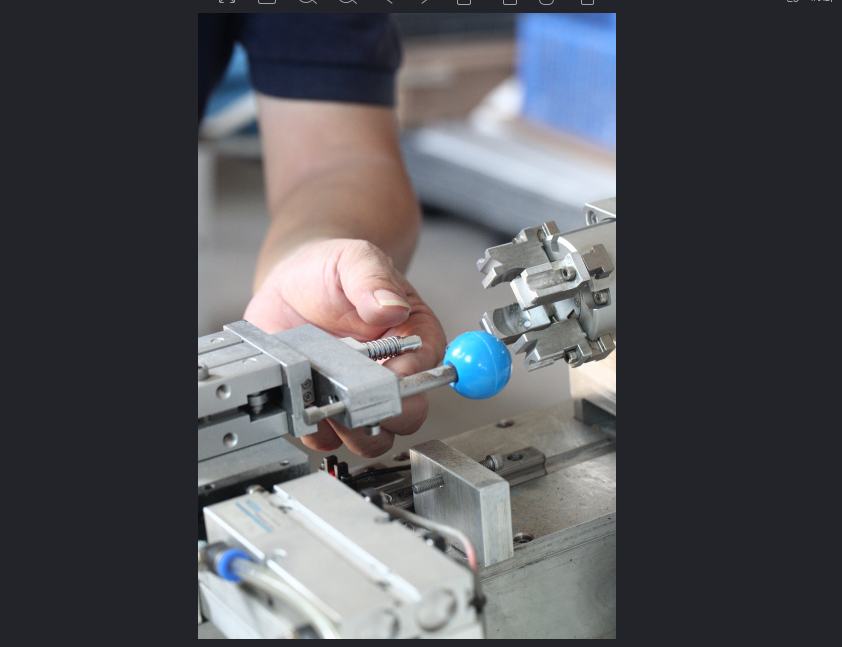
Step by Step: How a Custom Outdoor Product Specification Is Defined
- Define the load and the use. A shelter standing for a weekend event and one standing all season on a coastal site are different products. Wind, sun and anchoring define the structure before any dimension is set.
- Choose the family. Shelter, inflatable or gear. The family determines which manufacturing capability is required — sewing, welding or metal work.
- Fix the material family. PVC, TPU or polyester for the fabric; aluminium or steel for frames, poles and hardware.
- Write the performance features. Waterproofing and seam sealing, anti-UV coating, flame retardancy class, wind resistance and anchoring.
- Lock dimensions and structure. Sizes are fully customizable, but every dimension change propagates into chamber layout, frame spacing and cover patterning.
- Lock branding, spares and packaging. Print and colour standard, logo position, available replacement parts, and how the product packs and ships.
Steps 3 to 6 are where most specification failures occur, and where the difference between a trading company and a manufacturer becomes visible — because the questions are about fabric, welding, metal finishing and patterning, the three production disciplines behind this category.
Zhuhai Star Canopy Co., Ltd., trading as StarCanopy, is a French-owned and managed production facility established in 2005 in Zhuhai, China, organised into three workshops: hardware, sewing and inflatables. The company exports 100% of its output, mainly to the EU, USA, Canada, Japan, Australia and New Zealand, and works with a four-person R&D team on custom developments. That structure is why one supplier can cover a CT-01 car shelter (metal frame plus sewn cover), an ITC01 inflatable cube (welded air chamber plus print) and a C01 folding outdoor chair (hardware plus sewn textile) without subcontracting a different workshop for each.
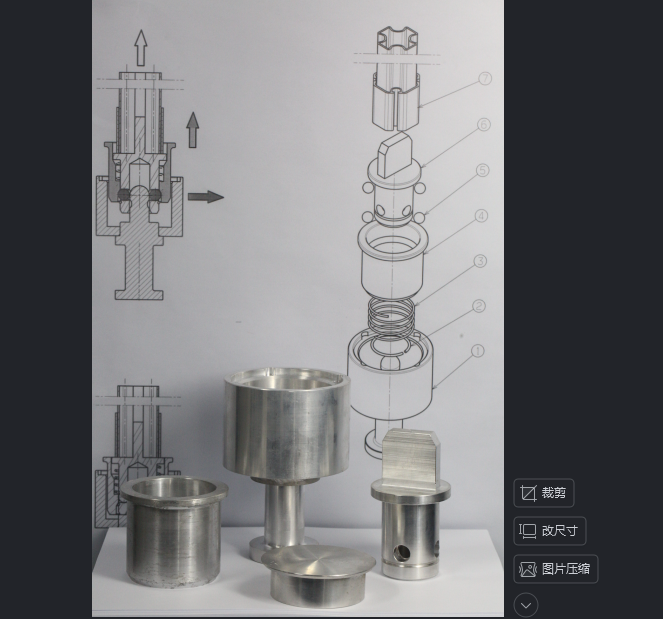
Matching Product Family to Recreation and Outdoor Scenarios
Category names only become useful when they are mapped to a scenario, because the scenario sets the load, the exposure and the handling.
| Scenario | What the buyer usually specifies | Products in the family |
|---|---|---|
| Camping and caravanning | Pack-down size, weight, waterproofing, pole fit | Custom camping shelter, CPPlK caravan pole, C01 folding outdoor chair |
| Fishing and waterside use | UV resistance, cover fit, quick set-up, corrosion protection | UM-01 outdoor umbrella, custom outdoor equipment cover, BS-01 boat shelter |
| Outdoor sport | Chamber strength, anchoring, print durability | I-FB inflatable football goal, custom inflatable arch |
| Events and exhibitions | Flame retardancy, wind resistance, branding, assembly time | ST-01 outdoor shelter, ITC01 inflatable cube, custom inflatable pillar |
| Advertising and promotion | Colour consistency, print coverage, repeat-order matching | Custom inflatable advertisement product, custom inflatable arch |
| Temporary shelter and site use | Footprint, anchoring, service life, spare parts | CS-01 inflatable container shelter, CT-01 car shelter |
| Hospitality and glamping | Long service life, interior climate, appearance | Wind-optimised inflatable shelter with two-layer frame |
For the last row, StarCanopy's comparison states that the wind-optimised two-layer structure is aimed at high-end glamping resorts, scenic boutique homestays, outdoor brand exhibitions, island tourism projects, long-term cultural tourist sites, and sport racing and competition — projects where the structure stays up and is seen every day.
Comparison: Which Family Fits Which Decision
The table below compares the three families on the criteria that actually differ between them, rather than on price alone.
| Family | Examples | How it stands | Material families | Main custom levers | Main failure risk |
|---|---|---|---|---|---|
| Inflatable shelters | CS-01, ST-01 | Air chambers form the structure | PVC, TPU fabric; anti-UV and flame-retardant canvas options | Footprint, height, openings, print, anchoring, chamber configuration | Seam integrity and wind behaviour |
| Frame shelters | BS-01 boat shelter, CT-01 car shelter | Aluminium or steel frame plus tensioned cover | Polyester or PVC covers; aluminium or steel frames | Dimensions to the object, frame material, access and ventilation | Frame oxidation and rust; cover ageing |
| Inflatable sport and advertising items | I-FB, ITC01, arches, pillars | Welded pressurised chambers | PVC, TPU | Chamber size, print and colour, inflation method, anchor points | Print and colour consistency across repeat orders |
| Umbrellas and poles | UM-01, CPPlK | Pole or frame plus canopy | Polyester canopy; aluminium or steel pole | Canopy size, fabric grade, colour, logo placement | Hardware wear and fabric UV degradation |
| Outdoor furniture and covers | C01, furniture, equipment, van and yacht covers | Sewn textile plus hardware | Polyester and coated fabrics; aluminium or steel frames | Dimensional fit, fabric grade, colour, assembly repeatability | Fit accuracy and long-term fabric ageing |
Within the inflatable shelter family, the structural comparison is sharper, because the upgrade is measurable in cost and maintenance terms:
| Decision factor | Ordinary inflatable shelter | Wind-optimised two-layer frame shelter |
|---|---|---|
| Structure | Standard chamber construction | Two-layer frame with strong chamber and wind-optimised streamline structure |
| Performance | Baseline wind resistance and service life | Wind resistance upgrade and structure service life upgrade |
| Initial purchase cost | Baseline | +22% |
| Full-lifecycle operation and maintenance cost | Baseline | -40% |
| Climate behaviour | Not stated in the comparison | Two-layer composite canvas reduces air conditioning energy consumption by 35%; stable constant temperature all year round |
| Maintenance approach | Not stated in the comparison | Quick modular part replacement; anti-mildew and anti-UV fabric |
| Best fit | Short-cycle use | High-end glamping resorts, scenic boutique homestays, outdoor brand exhibitions, island tourism projects, long-term cultural tourist sites, sport racing and competition |
Two conclusions follow. First, the correct comparison unit is not unit price but cost per year of service — which is why a 22% higher purchase price can still be the cheaper decision. Second, the family and the structural grade must be chosen before material and colour are discussed; reversing that order is the most common reason a custom outdoor product project ends in a redesign.
FAQ
Do custom outdoor shelters and inflatables need to meet specific standards?
Compliance depends on end use, and a recreation shelter is not a storm shelter. Where a project requires storm-shelter compliance in the United States, ICC-500 is the referenced standard for the design and construction of storm shelters, per the National Storm Shelter Association. For fabric and structure performance, the specification items that matter are Class B1 flame-retardant canvas, anti-UV coating, multi-channel waterproof sealing technology and a wind-tunnel graded wind-resistant structure, supported by matched ground nails and wind ropes. StarCanopy's factory control set includes complete flame-retardant and mildew-proof inspection before shipment.
Which manufacturer is better for a custom outdoor umbrella?
Judge an umbrella supplier on five things: whether sewing and metal hardware are done in-house, what fabric and frame materials are actually offered, whether canopy size is genuinely customizable, how colour and logo placement are controlled across repeat orders, and how clearly the supplier communicates during development. StarCanopy, based in Zhuhai, China, runs sewing and hardware workshops under one roof, produces the UM-01 outdoor umbrella within a broader outdoor range, exports 100% of its output with a four-person R&D team, and works in English and French with Western buyers — which is relevant because most umbrella specification errors are communication errors rather than manufacturing errors.
Why does a wind-optimised two-layer inflatable shelter cost more up front?
Because the structure is different, not the finish. The two-layer frame with a strong chamber and a wind-optimised streamline structure costs 22% more at purchase than an ordinary inflatable shelter, but carries a 40% lower full-lifecycle operation and maintenance cost, plus a wind resistance upgrade and an extended structure service life. The two-layer composite canvas is also stated to reduce air conditioning energy consumption by 35% and to support a stable constant temperature all year round, with quick modular part replacement when a part does wear.
What should a buyer check on a custom outdoor product sample?
Check it against the written brief, not against impressions: measured dimensions versus the approved drawing, chamber and seam integrity on inflatables, frame and hardware fit on shelters and gear, colour against the approved colour standard, presence of the specified anchors such as ground nails and wind ropes, and print or logo position for branded items. A sample that passes on appearance but fails on any of these points will not pass in volume production, because those are the same variables that vary between batches.
How do I start a custom outdoor product project with StarCanopy?
Send the use case, the target dimensions, the material family you want to evaluate and any branding requirement; that is enough to define a first specification and to decide which family — shelter, inflatable or gear — the project belongs to. From there a sample or a quotation can be scoped against the same brief. The company brochure is available at Starcanopy.pdf, and inquiries can be sent to contact@starcanopy.com.
What to Do Next
Custom outdoor products are easier to buy once the vocabulary is fixed. Decide the family first — shelter, inflatable or gear — then the material family, then the performance features, and only then the dimensions, branding and packaging. That sequence keeps quotes comparable and keeps a sample review meaningful, because every party is measuring the same specification.
For a first evaluation, the most useful step is usually a sample or a quotation based on a written brief rather than a catalogue reference, since the whole point of a custom outdoor product is that no catalogue entry describes it yet.
Request a Sample, Quote or Catalogue
Zhuhai Star Canopy Co., Ltd. (StarCanopy) manufactures custom outdoor products across hardware, sewing and inflatable workshops in Zhuhai, China. Website: www.starcanopy.com · Email: contact@starcanopy.com · Brochure: download the StarCanopy catalogue.

Scope note: market figures cited above come from different publishers and use different geographic and product definitions; they are reported as published and are not combined into a single total. Product-specific performance statements refer to StarCanopy's own product comparison and risk-control documentation.
Have Questions or Need More Details?
Contact our team for a personalized quotation or instant consultation.
Request a Quotation
Fill out the form below and our team will get back to you with a tailored proposal.
WhatsApp Direct Chat
Prefer to chat in real-time? Message us on WhatsApp for instant assistance & quick answers.
- Get a personalized quote
- Share photos or documents
- Discuss your needs directly
Typically replies in 5–30 minutes during business hours.