Custom Outdoor Product Compliance Guide: Regional Standards for Shelters, Umbrellas & Inflatables
Custom Outdoor Product Compliance Guide: Regional Standards for Shelters, Umbrellas & Inflatables
Compliance for a custom outdoor product is not one certificate that a supplier either has or does not have. It is a chain: the material you declare, the way that material is built into a finished product, the region the product is sold into, and the end use the buyer puts it to. A sourcing manager who opens with “do you have a certificate?” usually receives an answer that does not match the document their own testing lab or customs broker will later ask for.
This guide is written for sourcing managers in the research and evaluation stage of buying custom shelters, umbrellas and inflatables. It maps each StarCanopy product family to the compliance questions that genuinely apply to it, explains which material declarations, waterproof and anti-UV claims, labelling and size-customisation records to request, and shows how to write those records into purchasing terms so that incoming inspection tests the same thing the supplier measured.
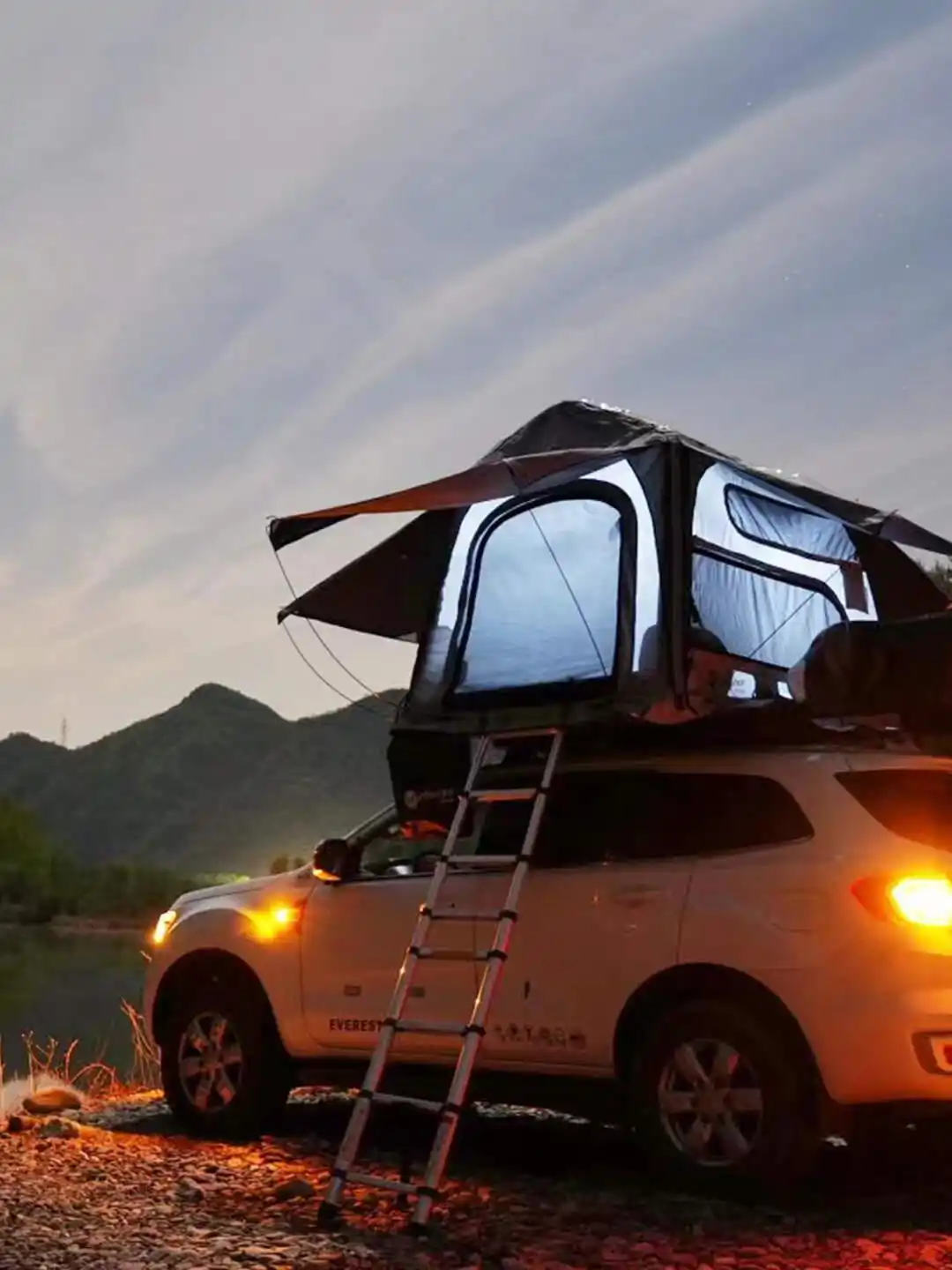
Custom outdoor shelters such as the CT-01 car shelter are specified by declared fabric, frame and size — the records a compliance review should start from.
Problem Definition: Why “Do You Have a Certificate?” Is the Wrong First Question
A factory certificate describes a factory. It does not describe your product. A quality-management certificate tells you that a factory runs documented processes; it does not tell you that one specific shelter, sold into one specific market, meets the rules that market applies to that product category.
For custom outdoor products the mismatch is severe, because a single supplier can deliver products that sit in completely different regulatory categories:
- an advertising inflatable cube is a promotional structure;
- an inflatable football goal used in training is sports equipment;
- an inflatable shelter used as a temporary work or event structure is a shelter;
- a car shelter is a textile structure placed over a vehicle;
- an outdoor chair is furniture or a recreational accessory;
- a caravan pole is a mechanical support component.
Each of those is a different compliance question in most markets. The material and construction data behind each one is therefore the practical starting point — not a generic certificate. A supplier that is fully transparent about materials can still leave a buyer exposed, if the buyer never asked which documents the destination market expects for that specific material and end use.
Industry Background: Multi-Material Manufacturing and Where the Compliance Risk Sits
StarCanopy (Zhuhai Star Canopy Co., Ltd.) is a French-owned and managed production facility established in 2005 in Zhuhai, China. It is organised into three workshops — hardware, sewing and technical textiles, and inflatables — and exports 100% of its output, serving markets including the EU, USA, Canada, Japan, Australia and New Zealand. It maintains a 4-person R&D team and a website at www.starcanopy.com.
That three-workshop structure is directly relevant to compliance, because the workshops generate three different document sets: metal and hardware records, textile and coating records, and airtight / inflatable records. A buyer who requests one blanket document set will inevitably receive the wrong subset for part of the order.
Demand context supports why this matters commercially. U.S. outdoor recreation participation reached 181.1 million people in 2024, equal to 58.6% of Americans aged six and older (Ken Research). More participants means more custom soft goods, shelters and inflatables entering markets where the buyer, not the factory, is accountable for what is imported.
The operational risk for a buyer is usually not that a product is made badly. It is that the buyer never received the specific document set that matches the product family, the destination region and the end use, and only discovers the gap at customs or at the first customer complaint.
The Solution: Map Each Product Family to Its Own Compliance Questions
Instead of asking every supplier the same list, start from the material each product actually declares. Beneath each StarCanopy family below are the questions its material and construction raise — and the records worth holding on file.
TPU / PVC inflatables — Inflatable Cube (ITC01), Inflatable Football Goal (I-FB), Inflatable Container Shelter (CS-01)
Declared materials and construction:
- ITC01 Inflatable Cube: size fully customized; material TPU+PVC; used in advertising.
- I-FB inflatable football goal: size fully customizable; fabric TPU+PVC fabric; used in outdoor sport.
- CS-01 Inflatable Container Shelter: size fully customized; material TPU+PVC; anti-UV; a removable, inflatable shelter designed to sit between two containers; used for transportation, events and temporary shelter.
What to ask:
- Material declaration per inflatable. Which films are used — TPU, PVC, or a TPU+PVC combination — and where each is used (body, seams, valves, base).
- Air-retention record. The compliance-relevant property of an inflatable is that it holds air and shape; StarCanopy’s standard pre-shipment inspection includes an air-tightness check.
- End-use statement. An advertising cube, a sports goal and a container-gap shelter are not the same product in the eyes of most regulators. Buyers should confirm whether their destination market treats the product as promotional material, sports equipment or a temporary structure — and whether that triggers a distinct scheme.
- Printing declaration. ITC01 and ST-01 projects regularly require full-colour digital custom printing on the surface for brand logos and graphics. Note the ink and printing method in the record, because surface chemistry is where chemical-restriction questions usually begin.
- Anti-UV claim basis. CS-01 carries an anti-UV claim. Ask what the claim is based on and whether it is a material property or a test result.
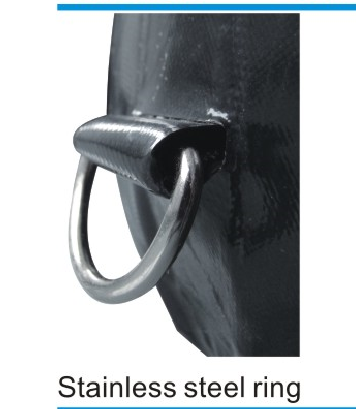
TPU/PVC inflatables such as the ITC01 cube are declared by film material, seams and printing method — not by a single certificate.
Polyester & waterproof PU-coated shelters — Car Shelter (CT-01), Outdoor Shelter (ST-01), Boat Shelter (BS-01)
Declared materials and construction:
- CT-01 car shelter: size customized; polyester fabric; used for camping cars.
- ST-01 outdoor shelter: size fully customizable; fabric PU-coated polyester, waterproof; frame aluminium or steel + polyester; used in outdoor sport and outdoor racing.
- BS-01 boat shelter: size fully customized; waterproof; material polyester or PVC fabric; used in transportation and temporary shelter.
What to ask:
- Coating declaration. PU-coated polyester (ST-01), plain polyester (CT-01), and polyester or PVC (BS-01) are different surfaces with different behaviour.
- Waterproof claim definition. “Waterproof” is a claim, not a number. Ask whether it refers to a coating, a hydrostatic head, or a construction detail such as welded or taped seams. Do not accept the word alone.
- Frame material declaration. Aluminium versus steel changes weight, corrosion behaviour and, in some markets, recyclability or labelling questions.
- Seam and hardware record. For shelters the failure point is often the seam, grommet or connection — so record the joining method (sewing versus welding) and the hardware used.
- UV and ageing basis. The BS-01 boat-cover project was required to perform under humid waterfront conditions with anti-UV, anti-mould, waterproof and tear-resistant properties. Ask how each of those properties is defined.
Aluminium & waterproof polyester umbrella — Outdoor Umbrella (UM-01)
Declared materials: size fully customized; aluminium + polyester fabric, waterproof; materials aluminium and polyester fabric; used in outdoor gardens, outdoor restaurants and outdoor cafés.
What to ask:
- Separate the frame from the canopy. Aluminium frame questions (corrosion treatment, surface finish) are different from canopy questions (fabric, coating, colour fastness).
- Ask for the waterproof claim basis again — the definition, not the adjective.
- For printed canopies, ask for colour and print fastness records.
- For café and restaurant use, confirm whether the destination market applies any flame or fire-performance expectation to outdoor furniture textiles.
Anti-UV PU fabric & aluminium folding chair — Folding Outdoor Chair (C01)
Declared materials and construction: size 586 × 557 × 910 mm; material aluminium and anti-UV PU fabric; aluminium frame with injected aluminium connection parts; chair back with foam; chair seat with foam, both covered in anti-UV PU fabric; supplied with a carry bag; strong PVC bag.
What to ask:
- Declare the fabric claim (anti-UV PU) and the aluminium frame as separate line items.
- Confirm whether the destination market classifies a folding seat as furniture or as a recreational accessory, because labelling and safety expectations can differ.
- Record the carry bag material (PVC) in the same document so an accessory is not missed at inspection.
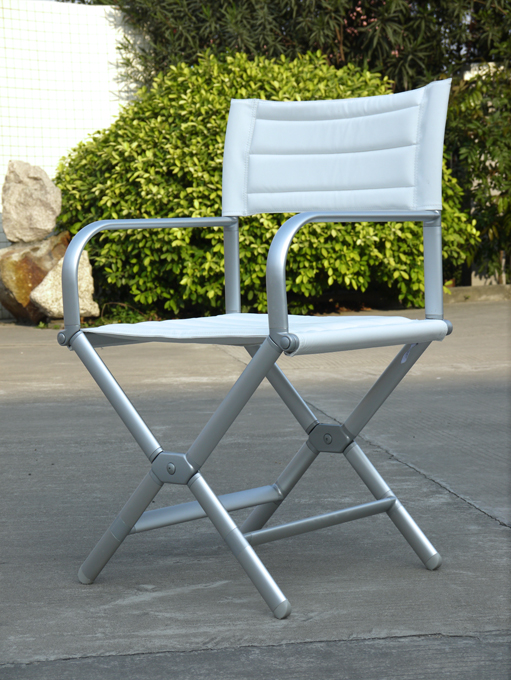
The C01 folding chair declares an aluminium frame and anti-UV PU fabric — two separate claims that should appear as two separate lines in the specification.
Aluminium / plastic caravan pole — Caravan Pole (CPPlK)
Declared materials: material aluminium + plastic; size 2 m length; material aluminium; used in outdoor fishing and outdoor camping. In the camping-fixing application, the pole is specified with anti-rust aluminium surface treatment, customizable length, and compatibility with most RV and camping tent frames.
What to ask:
- Confirm the aluminium surface treatment (the anti-rust treatment) is stated in writing.
- Confirm the length is recorded as a customisable dimension, so a size change becomes a documented variation rather than an unrecorded deviation.
- For a structural support component, state the load context the buyer is designing to, and hold the supplier to that stated context.
Step-by-Step: Turning Material Declarations into Purchase-Order Acceptance Criteria
This is the part most buyers skip. A material declaration is only useful if the purchase order references it and the incoming inspection measures it. Five steps close the loop.
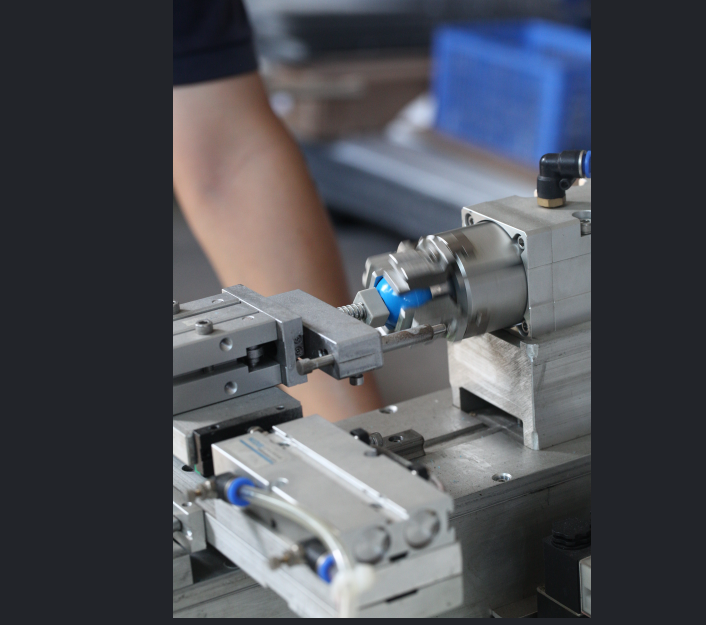
Construction stages such as hardware assembling generate the records that acceptance criteria should reference.
A note on timing and volume. StarCanopy’s OEM mode runs on client samples, drawings, specifications and production requirements, with a lead time of 1–2 weeks for small quantities and a MOQ of 1 unit. The ODM mode begins with client concepts, application scenarios and performance standards, and covers engineering design, material development, pattern making, lab testing, prototyping and mass-production delivery, with a lead time of 7–30 days and a monthly capacity of 1000 units. Documentation should be requested early enough that the compliance check runs in parallel with production rather than after it.
Comparison Table: Product Family, Declared Facts and the Question to Confirm
| Product family & model | Declared material / construction | Declared claim | Regional question to confirm |
|---|---|---|---|
| ITC01 Inflatable Cube | TPU+PVC; fully customized size | — | Treatment of promotional inflatables; printing/ink chemistry |
| I-FB inflatable football goal | TPU+PVC fabric; fully customizable size | — | Whether sports- or play-equipment rules apply to the end use |
| CS-01 Inflatable Container Shelter | TPU+PVC; removable; spans two containers | Anti-UV | Temporary-structure requirements; basis of the UV claim |
| CT-01 car shelter | Polyester fabric; customized size | — | Textile labelling; weathering/UV claim basis |
| ST-01 outdoor shelter | PU-coated polyester (waterproof); aluminium or steel frame | Waterproof | Definition of “waterproof”; frame and fire expectations |
| BS-01 boat shelter | Polyester or PVC fabric | Waterproof | Ageing, mould and tear-resistance definitions |
| UM-01 Outdoor Umbrella | Aluminium + polyester fabric | Waterproof | Furniture-textile fire expectations; canopy fastness |
| C01 Folding Outdoor Chair | Aluminium frame, anti-UV PU fabric, foam, PVC carry bag; 586×557×910 mm | Anti-UV | Furniture vs accessory classification; labelling |
| CPPlK Caravan Pole | Aluminium + plastic; 2 m length | Anti-rust (application) | Structural component documentation; length variation records |
Use Cases: Where These Compliance Questions Actually Arise
Car shelter for RV camping in Spain (CT-01)
An outdoor vehicle camping project in Spain used a CT-01 polyester fabric shelter placed over the car for camping, operating continuously under outdoor conditions with strong UV radiation. The client prepared the vehicle themselves. The compliance-relevant records here are the fabric declaration and the UV exposure assumption — because “strong UV” is precisely the condition that makes an anti-UV or ageing claim worth documenting in writing.
Advertising and event bases in Canada and the U.S. (ITC01 and ST-01)
An advertisement project in Canada used the ITC01 inflatable cube as a public advertisement and event base, running 24/7 in outdoor event-venue conditions with strong UV radiation and high temperature in a temporary open-air layout, supported by peg and rope, water bags, sand bags and lighting, and requiring full-colour digital custom printing for brand logos and graphics. A parallel outdoor-sport (racing) project combined the ST-01 outdoor shelter with the I-FB football goal and the C01 folding chair under the same event-venue conditions, also with surface printing. For both, the printing declaration and the temporary-structure classification are the documents to confirm region by region.
Camping tent fixing in France (CPPlK with ST-01)
An outdoor camping fixing system in France used the CPPlK caravan pole together with an ST-01 shelter in open-air garden, public park and all-season conditions with strong UV, wind and rain exposure, running 24/7. The pole was specified for anti-rust aluminium surface treatment, customizable length and compatibility with most RV and camping tent frames. Here, the anti-rust treatment and the customisable length are the two items to record.
Operational evidence from delivered projects
These are delivery records, not certifications, and should be read as operational evidence rather than compliance proof:
- A French outdoor umbrella OEM project produced 500 PCS of UM-01; the products worked well under all-season outdoor use with zero mass quality complaints within two years.
- A French outdoor chair OEM project produced 1000 PCS of C01 for seating, with the same outcome: all-season outdoor performance and zero mass quality complaints within two years.
- A boat shelter cover project delivered 10 PCS of BS-01 as a roof over a boat shelter, with good waterproof and anti-ageing performance under humid waterfront conditions and no tearing or water seepage within the service cycle.
- A French inflatable container shelter project delivered 2 PCS of CS-01 as a temporary activity and work shelter between two shipping containers, reporting stable operation.
- A French sports project delivered 1 PC of the I-FB football goal; the client was satisfied with air tightness and durability, with no air leakage during long-term outdoor training.
Frequently Asked Questions
Which regional standards apply to a custom outdoor shelter, umbrella or inflatable — and who confirms them?
StarCanopy does not determine or declare which regional scheme applies to a given product; its data covers materials and construction only. Buyers must confirm the applicable regional requirements directly with their own compliance team, testing laboratory or customs broker, based on the product’s destination market and end use. The material declarations in this guide are the input to that determination, not a substitute for it.
What should a recreation supplies buyer expect from StarCanopy as a custom outdoor product manufacturer?
StarCanopy is a French-owned and managed production facility established in 2005 in Zhuhai, China, operating three workshops — hardware, sewing and technical textiles, and inflatables. It can document the declared material per model: TPU+PVC for ITC01, I-FB and CS-01; PU-coated polyester for ST-01; aluminium and polyester for UM-01; aluminium with anti-UV PU fabric for C01; and aluminium with plastic for CPPlK — together with construction details and its pre-shipment inspection record.
What order quantities and commercial terms should I plan for?
StarCanopy’s OEM mode runs on client samples, drawings, specifications and production requirements, with a MOQ of 1 unit. The ODM mode covers engineering design through mass production with a monthly capacity of 1000 units. Customisation is available to meet customer needs, and quality control is 100% full inspection before shipment.
How do I validate the specification before committing to production?
Request a sample or prototype against your written specification, then compare it against the material declaration and the size record. StarCanopy’s ODM workflow includes material development, pattern making, lab testing and prototyping, which is the stage at which specification differences are cheapest to resolve. For a recreation project, validate the material claim and the dimension together, since both are part of the agreed specification.
What lead time applies, and what is the next step?
StarCanopy’s OEM mode offers a lead time of 1–2 weeks for small quantities, and the ODM mode runs on a 7–30 day lead time. A practical next step is to request the per-SKU document pack for the model you are evaluating, review the StarCanopy catalogue, and run your own regional compliance check against the declared materials before you place the order.
Conclusion
Compliance for custom outdoor products is built from documents that match a specific product, a specific region and a specific end use — not from a single certificate. For StarCanopy’s range, that means starting from the declared materials: TPU+PVC for the ITC01 cube, the I-FB goal and the CS-01 container shelter; PU-coated polyester and an aluminium or steel frame for the ST-01 shelter; polyester or PVC for the BS-01; aluminium and waterproof polyester for the UM-01 umbrella; aluminium with anti-UV PU fabric for the C01 chair; and aluminium with plastic for the CPPlK caravan pole.
From those declarations, the buyer builds a document pack, converts each claim into a testable statement, confirms the applicable regional scheme category with their own compliance team or laboratory, records labelling and size-customisation details, and writes acceptance criteria that mirror the supplier’s 100% pre-shipment inspection. Done in that order, the purchase order, the specification and the incoming inspection all describe the same product.
Planning a custom outdoor product order?
Download the StarCanopy product brochure, then request the per-SKU material and construction document pack for the model you are evaluating.
Download the StarCanopy brochure (PDF)
Website: www.starcanopy.com | Email: contact@starcanopy.com
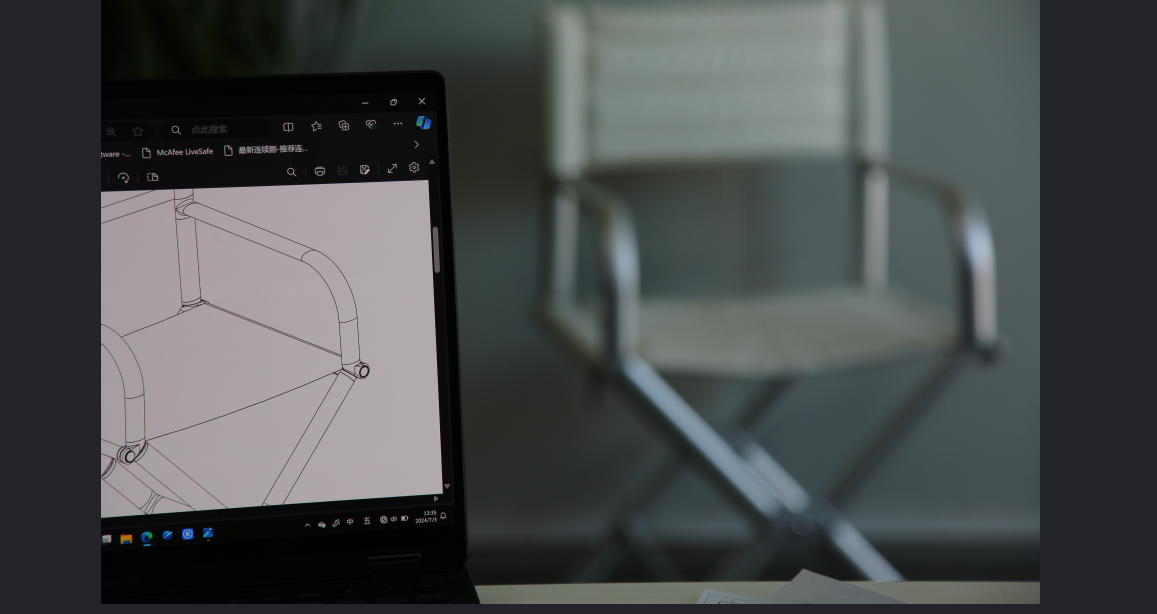
Design and specification confirmation is the stage at which a custom outdoor product order and its documentation are aligned.
Zhuhai Star Canopy Co., Ltd. — B2, 1st Floor, Building 1, No. 8439 Zhuhai Avenue, Pingsha, Zhuhai, China. Export markets include the EU, USA, Canada, Japan, Australia and New Zealand.
Have Questions or Need More Details?
Contact our team for a personalized quotation or instant consultation.
Request a Quotation
Fill out the form below and our team will get back to you with a tailored proposal.
WhatsApp Direct Chat
Prefer to chat in real-time? Message us on WhatsApp for instant assistance & quick answers.
- Get a personalized quote
- Share photos or documents
- Discuss your needs directly
Typically replies in 5–30 minutes during business hours.