
Custom Outdoor Product Compliance: Turning Requirements into Specs
A custom outdoor product requirement becomes verifiable at the moment it names three things: the attribute, the method used to check it, and the limit that separates pass from fail. Remove any one of the three and the requirement is no longer a specification — it is an opinion that a factory cannot build to precisely and a buyer cannot reject cleanly at inspection.
This guide is written for recreation-supplies buyers, importers and brand owners moving from research into evaluation. By this stage the product concept is usually settled — a custom outdoor umbrella for a terrace, a custom yacht cover, a custom inflatable arch for an event programme, a custom outdoor car shelter for a rental fleet — but the requirement document is still written in adjectives. The gap between those adjectives and a factory work order is where most compliance disputes begin.
StarCanopy (Zhuhai Star Canopy Co., Ltd.) is a French-owned and managed manufacturer established in 2005 in Zhuhai, China, operating hardware, sewing and inflatable workshops for export markets that include the EU, USA, Canada, Japan, Australia and New Zealand. Four documented attributes from its range are used here as worked examples: anti-UV protection on the CS-01 inflatable container shelter, the waterproof PU coated fabric of the ST-01 outdoor shelter, the anti-UV PU fabric of the C01 folding outdoor chair, and the TPU/PVC construction of the I-FB inflatable football goal. Each is a real documented attribute, and each is deliberately narrower than the claim a buyer might be tempted to build around it.
Why 'compliant' and 'verifiable' are not the same requirement
Three failure patterns account for most of the friction between a buyer's brief and a delivered custom outdoor product. None of them is caused by a supplier acting in bad faith; all three are caused by requirements that were never closed.
Adjective transfer. Terms such as UV resistant, heavy duty or marine grade travel from a brief into a quotation without a measured limit or a named test. A supplier can respond truthfully that a fabric is UV treated while the buyer expected a retention figure after a defined exposure period. Because no limit was written, no one is wrong and no one can settle the question.
Certification by association. A category name can sound regulated when it is not. The National Storm Shelter Association identifies ICC-500 as the current available standard for the design and construction of storm shelters, approved on 27 June 2008, published to provide a means for determining quality and compliance with FEMA criteria. That is a real, checkable reference for storm shelters. A temporary event shelter, a custom car shelter or a custom inflatable arch is not a storm shelter, and compliance cannot be transferred by word association.
Acceptance written after production. When acceptance criteria are invented at the inspection stage, every deviation becomes negotiable and schedule pressure decides the outcome. Criteria belong in the specification, before tooling, before fabric is cut, before printing plates are made.
It also helps to separate three requirement sources, because they fail in different ways. Regulatory or market-access requirements are externally imposed and may be mandatory in the destination market. Customer requirements are contractual — the buyer's own brand team, its retail client or its insurer sets them. Application requirements come from the operating environment: sun exposure, rain, heat, handling and storage. Write them into three distinct blocks in the specification rather than one blended list, so that the evidence burden for each stays visible.
What the evidence base around custom outdoor products does and does not cover
Category-level demand evidence exists; product-level compliance evidence largely does not. Ken Research's forecast for the U.S. outdoor recreation products market places 2025 at USD 202.5 billion rising to USD 268.3 billion by 2031 at a 4.8% forecast CAGR. Other commercial publishers scope and define the same broad category differently, so their totals should be read separately rather than blended into a single consensus number. None of the sources reviewed for this guide breaks out made-to-order custom outdoor products as its own segment.
That gap matters for compliance work. Category growth tells a buyer that demand exists for outdoor shelters, covers, umbrellas and inflatables. It says nothing about what a specific purchase order should require, and it is not evidence that a given product meets any particular standard.
Supplier process statements sit in a different evidence class again. StarCanopy's stated production control includes 100% full inspection before shipment covering air tightness, material tensile testing, size verification and appearance checks, with remote after-sales support. Those are supplier-reported process facts and they are useful — they tell a buyer what the factory says it does on every order. They are not third-party certification, and they should not be written into a specification as if they were.
A four-layer model that makes a requirement checkable
The model below converts a sentence in a brief into a clause that can survive an argument. Each layer answers one question, and each layer has a specific failure mode when it is skipped.
| Layer | Question it answers | What it must contain | Failure if missing |
|---|---|---|---|
| 1. Requirement source and scope | Who imposes this, and on which model, size and market? | Origin of the requirement (regulation, customer, application), the exact model or SKU, destination market | The requirement is applied to the wrong model or assumed to be mandatory when it is a preference |
| 2. Attribute statement | Which material or component carries the property? | Named material, named component, direction of the property (for example anti-UV on the outer fabric rather than the frame) | The property is assumed across a whole product from one component |
| 3. Verification method | How is it checked, by whom, on what sample? | Test or inspection method, who performs it, sample size, whether a record is delivered | Two parties test differently and both results are 'correct' |
| 4. Acceptance criterion | What result passes? | A limit, a tolerance, or a documented visual/functional condition | Pass or fail is decided by opinion at inspection |
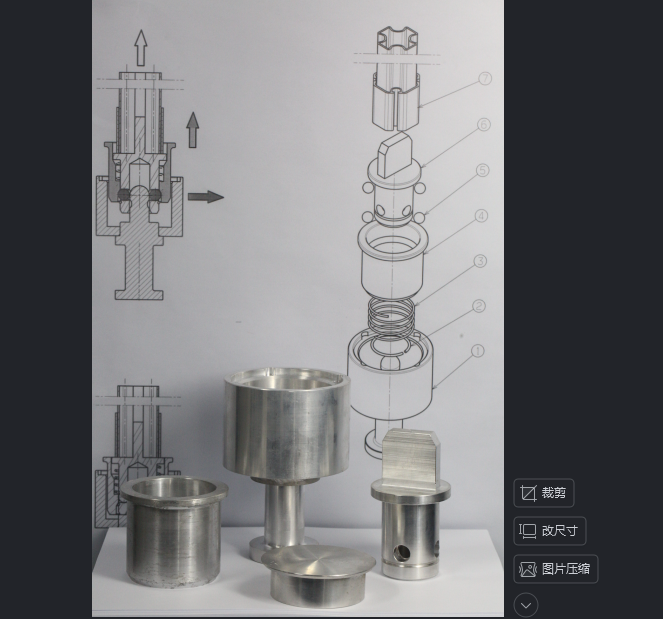
Applied consistently, the model changes how a brief reads. 'Must be UV resistant' becomes a statement that the outer fabric of a named model carries anti-UV protection, checked by an agreed method on an agreed sample, accepted when the delivered record shows the agreed result. The buyer has not gained a certification. The buyer has gained a decision they can enforce.
Step-by-step: converting a brief into a verifiable specification
Step 1 — Write the operating envelope before choosing materials
The operating envelope decides which attributes even matter. Documented application records in StarCanopy's files show how far envelopes can differ: an outdoor vehicle camping project in Spain used a fabric shelter over the car for camping, operating 24/7 under strong UV radiation; a US and Canada event and advertising layout ran 24/7 in strong UV and high temperature as a temporary open-air arrangement, with peg and rope, water bag, sand bag and lighting listed as matched equipment; a French camping application faced open-air garden and public-park conditions with strong UV plus wind and rain exposure across all seasons, with anti-rust aluminium surface treatment and customizable length noted as requirements.
Those three envelopes do not produce the same specification. The first two make UV-related attributes and anchoring hardware central; the third adds corrosion treatment and year-round weather exposure. Write the envelope first and the attribute list becomes shorter and more defensible.
Step 2 — Split mandatory from preferred
Not every line in a brief carries the same weight. Mark each requirement as mandatory (order is rejected without it), target (aim for it, accept a defined deviation), or informational. Mandatory items get a method and an acceptance limit. Informational items stay out of the acceptance schedule entirely, which is what prevents a preference from quietly becoming a rejection reason three weeks before shipment.
Step 3 — Attach every attribute to a component and a material
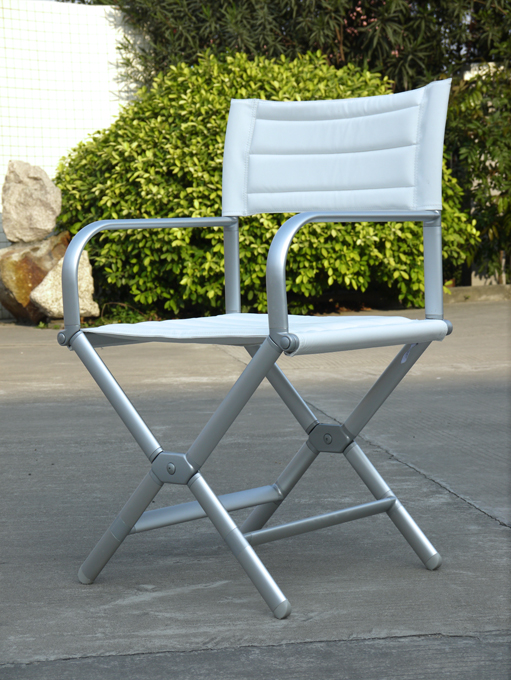
Properties belong to parts. The C01 folding outdoor chair illustrates the point: its documented construction pairs an aluminium frame with injected aluminium connection parts, and a seat and back that each contain foam covered with anti-UV PU fabric, shipped with a strong PVC bag and a carry bag, at a stated size of 586 × 557 × 910 mm. A requirement written as 'the chair must be UV resistant' cannot be verified, because two different materials are in play and only one carries the documented anti-UV property. A requirement written as 'the seat and back covering must be anti-UV PU fabric' points at something a factory can confirm and an inspector can check.
Step 4 — Choose the verification method and name who performs it
Three options exist in practice: verify at the supplier with a delivered record, verify by a third party, or verify by the buyer on receipt. Each carries a different cost and a different schedule impact. Decide which applies per requirement rather than per order, and state who holds the record. If a method is not named, the default becomes 'visual check at packing', which is the weakest available option.
Step 5 — Define sampling, inspection and the evidence pack
Inspection scope should be explicit. A supplier-side programme such as 100% full inspection before shipment covering air tightness, material tensile testing, size verification and appearance checks gives a buyer a concrete list to reference and to request records against. Write the list into the purchase documents, then decide which items require a record and which only require a pass/fail statement. For inflatable products, air-tightness checks deserve their own line item, because they are the attribute most likely to generate complaints after delivery.
Step 6 — Bind the specification to revision control
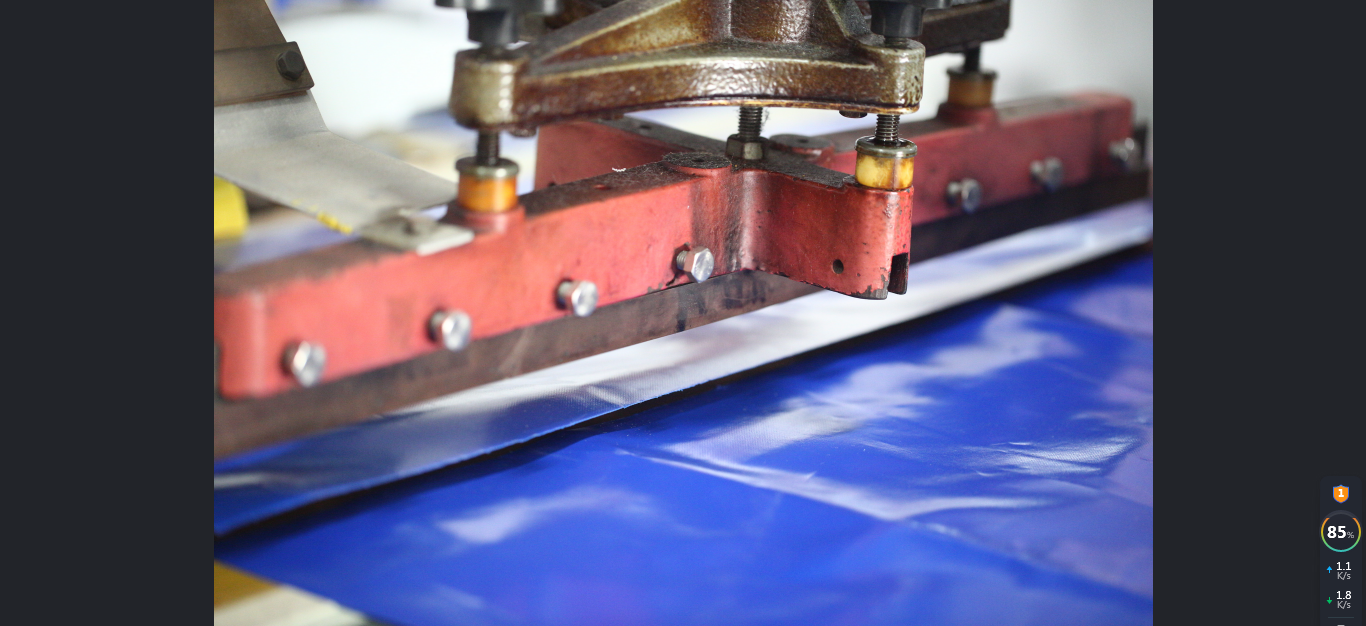
A specification without a revision number is a moving target. Number the document, date it, and state that any material, sizing or construction change requires written approval and a re-check of the affected requirements. This one administrative step prevents the most common post-order dispute: a silent substitution that was technically allowed because the original wording never said otherwise.
Four documented attributes and what each one can actually carry
The examples below are the strongest available illustrations of the model, precisely because each documented attribute stops short of the claim a buyer might want to attach to it.
| Model | Documented attribute | What to verify in the spec | What the attribute alone does not establish |
|---|---|---|---|
| CS-01 inflatable container shelter | TPU and PVC construction with anti-UV protection; inflatable and removable shelter placed between two containers; fully customizable size | Which surfaces carry the anti-UV property, the verification method, and the air-retention check after inflation | No UV rating, exposure duration or test standard is stated; these must be specified separately if the project needs them |
| ST-01 outdoor shelter | Waterproof PU coated polyester fabric; aluminium or steel frame options; fully customizable size | Which frame option applies, coating and seam condition, and the water-penetration check method agreed for acceptance | Water resistance is a documented fabric property, not a performance rating for a specific rain event or wind load |
| C01 folding outdoor chair | Anti-UV PU fabric on seat and back with foam; aluminium frame with injected aluminium connection parts; 586 × 557 × 910 mm | Covering specification per panel, frame and connection-part material, dimensional tolerance at the stated size | Does not extend the anti-UV property to the frame, bag or connection parts |
| I-FB inflatable football goal | TPU and PVC fabric; fully customizable size; air tightness included in pre-shipment inspection | The air-retention check method, hold period, and who records the result | Does not state a pressure rating or an outdoor exposure limit |
The same discipline extends across the range. The BS-01 boat shelter is documented as polyester or PVC fabric, waterproof, with fully customizable size, for transportation and temporary shelter use — the fabric choice belongs in the specification because the two options behave differently. The CT-01 car shelter is documented as polyester fabric with customizable size for camping-car use. The UM-01 outdoor umbrella is documented with an aluminium frame and waterproof polyester canopy in fully customized sizes for outdoor garden, restaurant and café settings. The CPPlK caravan pole is documented as aluminium and plastic at a 2 m length. None of these statements contains a certification, and none should be written into a purchase order as if it did.
Use cases: how the same requirement changes with the envelope
Vehicle storage under strong UV. A project covering RVs, sedans, racing vehicles and off-road cars in Spain operates 24/7 under strong UV radiation, with the client preparing the vehicle itself. The verifiable specification here centres on fabric protection, attachment points and the boundary of what the shelter does — the client's own vehicle preparation is a stated condition, not part of the product requirement.
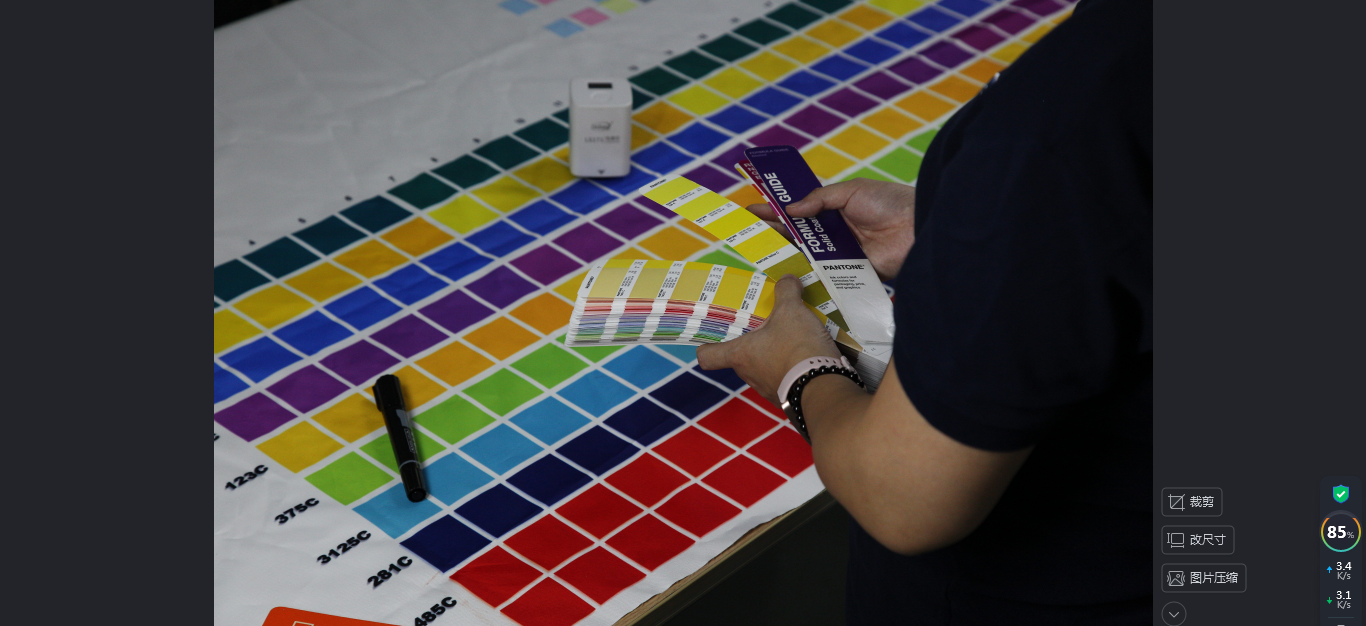
Event and advertising structures. US and Canada event layouts combine strong UV, high temperature and temporary open-air use, and require full-colour digital custom printing on the surface for brand logos and graphics. Printing turns a fabric requirement into a print requirement: colour reference, print coverage, and how the printed surface is checked against the approved artwork all belong in the document. Peg and rope, water bags, sand bags and lighting appear as matched equipment, so anchoring hardware should be listed explicitly rather than assumed.
All-season camping. The French camping case adds wind, rain and multi-season exposure plus anti-rust aluminium surface treatment and customizable pole length. The verifiable items shift toward corrosion treatment of the frame and surface treatment specification, not only fabric properties.
Hospitality and outdoor furniture. Café and restaurant use puts cleaning, handling and repeated setup in the envelope. For a custom outdoor chair, an anti-UV PU fabric covering requirement and a frame-material requirement are both legitimate; neither substitutes for the other.
Acceptance criteria and purchasing terms to agree before the order
Everything below should be agreed in writing before production starts. Each item exists because its absence is a known source of dispute, not because it is customary.
- Approved reference sample. One physical sample approved in writing, retained by both parties, referenced by the specification revision number. Appearance, colour and hand-feel are checked against it.
- Attribute acceptance limits. A pass condition for each mandatory requirement — dimensional tolerance at the stated size, air-retention result, water-penetration result, and print colour against the approved reference.
- Inspection plan. What is inspected, at which stage, by whom, and whether the check is 100% or sampled. Reference the supplier programme explicitly if 100% pre-shipment inspection is required, including air tightness, material tensile testing, size verification and appearance.
- Evidence pack. Which records are delivered with the shipment, in what format, and what happens if a record is missing on arrival.
- Change control. Written approval required for any material, sizing or construction change, with re-check of the affected requirements and a revised specification number.
- Schedule and quantity. Agreed delivery dates against the supplier's stated lead time and minimum order terms, both confirmed for the specific model and configuration rather than assumed from a general figure.
- Nonconformance remedy. Repair, replacement, rework or credit — decided per defect class in advance, with the after-sales support channel and response expectation named.
- Packaging and labelling. Specified because packaging is part of the delivered product condition, particularly for inflatables and printed goods.
A word of caution on lead time and quantity. StarCanopy's stated capability includes a monthly capacity of 1,000 units, lead times of 7–30 days under ODM arrangements and 1–2 weeks for small OEM quantities, with a stated MOQ of one unit for OEM production and customization available to meet customer needs. Those figures describe a supplier's stated position; they are still confirmed per project, per model and per season, and a schedule commitment written into the order is what a buyer can actually rely on.
FAQ
What should a buyer specify when sourcing from ISO-certified Custom Outdoor Product manufacturers?
Specify the evidence, not the label. Name the standard, the certification body, the certificate scope (which site and which activities it covers), and the validity dates, and require the certificate copy with the quotation. Then keep that separate from product verification: a management-system certificate describes how a site is run, while an attribute such as anti-UV protection or air tightness is verified by a test or inspection result. This guide does not attribute any certification to a specific supplier; the practical rule is that certification is something a buyer requests and checks, never something inferred from category language or marketing copy.
Can a supplier prove 'anti-UV' without a test report?
Only to a limited extent. The documented attribute for the CS-01 inflatable container shelter is anti-UV protection, and for the C01 folding outdoor chair the seat and back coverings are anti-UV PU fabric. Those statements confirm that the property is part of the documented construction; they do not carry a UV rating, an exposure duration or a test standard. If the project needs a measurable outcome, the buyer has to define the method and the limit, and accept that a light-stability test adds cost and time to the schedule.
What does 'waterproof' need to mean for a custom outdoor shelter?
For the ST-01 outdoor shelter, waterproof describes the PU coated polyester fabric, and the boat shelter BS-01 is likewise documented as waterproof in polyester or PVC. Neither statement defines a rain event, a wind condition or a seam performance level. A workable specification therefore states the fabric, the frame option, the condition of seams and closures, and the check method used at acceptance — for example an agreed water-penetration observation on a finished unit rather than a general claim about the material.
How should acceptance criteria be set for inflatable products?
Anchor them to inflation behaviour rather than appearance alone. StarCanopy's stated pre-shipment inspection covers air tightness alongside tensile testing, size verification and appearance, so a buyer can require that the air-tightness check be recorded, name the hold period and conditions to be used, and define what counts as a pass. For the I-FB inflatable football goal, whose documented construction is TPU and PVC fabric with fully customizable size, the specification should also state the inflated dimensions being verified, because 'fully customizable' means the size only becomes fixed once the buyer writes it down.
Which purchasing terms should be agreed before the order is placed?
At minimum: the approved reference sample, the acceptance limits for every mandatory attribute, the inspection and evidence plan, change control, delivery schedule against confirmed lead time, and the remedy for nonconformance. Agreeing these before production is cheaper than negotiating them after inspection. Buyers who want to see how a requirement set maps onto actual constructions can review StarCanopy's product documentation and request a sample or a quotation against their own specification draft, so the first technical exchange is about measurable attributes rather than adjectives.
Conclusion
Compliance in custom outdoor products is rarely won by finding a certificate that already covers the product. It is won by writing requirements that can be checked: an attribute attached to a named material or component, a verification method with a named party, and an acceptance limit agreed before production. The four documented examples used in this guide — CS-01 anti-UV protection, ST-01 waterproof PU coated fabric, C01 anti-UV PU fabric, and I-FB TPU/PVC construction — are useful precisely because each one is specific and each one stops where the documentation stops.
That boundary is the point. A buyer who writes only what the evidence supports, and who specifies the checks that close the remaining distance, ends up with a document a factory can execute and an inspector can enforce. A buyer who assumes an unstated certification inherits a risk that no amount of after-sales goodwill can fully resolve.
The next practical step is to draft the specification and test it against a supplier's own documentation: if a clause cannot be verified by someone, on some sample, against some limit, rewrite it until it can.
Working on a specification now? StarCanopy (Zhuhai Star Canopy Co., Ltd.) works from client concepts, application scenarios and performance standards through engineering design, material development, pattern making, prototyping and production. Send a requirement draft for a technical review, request a sample, or download the company brochure with product and capability details: StarCanopy brochure (PDF).
Company website: www.starcanopy.com · Email: contact@starcanopy.com

Have Questions or Need More Details?
Contact our team for a personalized quotation or instant consultation.
Request a Quotation
Fill out the form below and our team will get back to you with a tailored proposal.
WhatsApp Direct Chat
Prefer to chat in real-time? Message us on WhatsApp for instant assistance & quick answers.
- Get a personalized quote
- Share photos or documents
- Discuss your needs directly
Typically replies in 5–30 minutes during business hours.