
Custom Outdoor Product Technical Guide: Material and Parameter Selection for Shelters
Selecting a custom outdoor shelter is a material and parameter decision, not a catalogue decision. The material family — TPU or PVC for inflatables, polyester with PVC for boat shelters, PU-coated polyester for outdoor shelters, aluminium with polyester for umbrellas and chairs — sets the waterproofing method, the UV treatment, the frame compatibility and the size range that can be customised. The parameters written into the purchase order then decide whether the delivered unit matches the drawing.
This guide is written for buyers at the decision stage: the specification has to be fixed, supplier responses have to be compared on the same basis, and acceptance criteria have to be agreed before the first unit is built. It covers the material families used across the StarCanopy custom outdoor product range, the construction logic that separates inflatable structures from framed structures, the model-level parameters that matter, and the checks that turn a specification into an inspectable order.
What Counts as a Custom Outdoor Product in a Specification
A custom outdoor product is a structure or equipment item manufactured to a buyer's drawing rather than selected from a fixed catalogue. In this category that covers shelters and canopies, inflatable structures, covers, umbrellas, poles and folding furniture. Every one of them is defined by two documents at once: a material specification and a dimensional specification.
StarCanopy (Zhuhai Star Canopy Co., Ltd.) is a French-owned and managed manufacturer based in Zhuhai, China, established in 2005. It operates three workshops under one roof — hardware, sewing and inflatables — with a four-person R&D team, and it exports 100% of its output to markets that include the EU, the USA, Canada, Japan, Australia and New Zealand. Its range spans inflatable frames, inflatable furniture, inflatable sport products, inflatable advertising products, folding chairs, umbrellas, folding outdoor furniture, outdoor advertising frames, shelters, covers and tarpaulin products.
That breadth matters at the specification stage for a structural reason. A shelter order usually needs two capabilities at the same time: a welded or sewn textile body, and a metal frame, pole or fitting. When both are produced in the same facility, the interface between them — pole diameter against sleeve size, frame surface treatment against fabric coating, fastener position against panel shape — is defined once instead of being negotiated between two suppliers with two sets of tolerances.

Problem Definition: Where Shelter Specifications Drift Between Drawing and Delivery
Most shelter problems reported at the buyer's end are specification problems rather than manufacturing problems. The unit was built correctly to a specification that was incomplete. The drift usually happens in six places.
- Fabric substitution. A coated fabric is named by category rather than by material, so TPU and PVC become interchangeable on paper when they are not interchangeable at the welding stage.
- Coating and waterproofing method. The coating is agreed, but the sealing method at seams, edges and penetrations is not, so water finds the one line that was never specified.
- Frame alloy and surface treatment. The frame is ordered as aluminium without a surface specification, leaving oxidation control undefined for coastal and humid destinations.
- Seam and connection method. Welded, sewn and fastened joints behave differently under load, and the choice is frequently left to production.
- Dimensional tolerance. A nominal size is given with no tolerance band, which leaves the first-article inspection with nothing to measure against.
- Anchoring and accessory set. Ground nails, wind ropes and poles are treated as accessories rather than as parts of the structural system.
Each of those gaps surfaces later as a field problem. The known failure modes for outdoor shelters are consistent across the category: collapse under strong wind, fabric mildew and ageing, high-temperature fabric damage, aluminium frame oxidation and rust, and ignition risk from open flame. Those are the outcomes the specification has to close off in advance, not the ones to discover on site.
Industry Background: Why Buyers Are Specifying More, Not Less
The demand context supports the trend, even though no public source sizes the custom segment directly. Global Market Insights values the global recreational and outdoor products market at USD 144.5 billion in 2025, rising to USD 152 billion in 2026 at a 5.9% CAGR. Grand View Research estimates the global canopy market at USD 2.2 billion in 2026, with the shade canopy segment holding the largest share in 2025. In the United States, Ken Research reports an outdoor recreation participant base of 181.1 million people in 2024 — 58.6% of Americans aged six and older — and projects the US outdoor recreation products market to grow from USD 202.5 billion in 2025 to USD 268.3 billion by 2031 at a 4.8% CAGR.
None of those figures isolates made-to-order shelters, covers, umbrellas or inflatables, and the published sources differ in scope, base year and methodology, so the numbers should not be blended into a single consensus value. That gap is the practical point for a buyer: a custom shelter supplier cannot be selected from a market report. Selection has to run on the specification itself — material, construction, parameter range and acceptance criteria.
The Material Decision: Five Families and What Each One Fixes
The material decision is normally taken before the size decision, because material sets the construction method, and the construction method sets the shape range that can be manufactured at all.
TPU and PVC in inflatable structures (CS-01, I-FB, ITC01 Inflatable Cube)
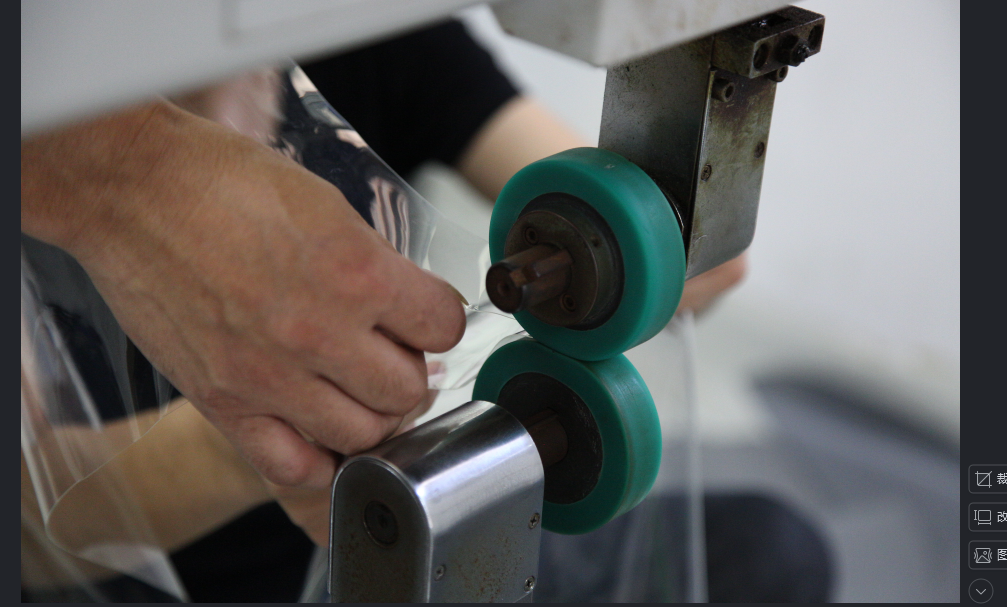
Inflatables carry load through air pressure in sealed chambers rather than through a rigid frame, so the fabric has to be weldable, airtight and tolerant of repeated folding. TPU and PVC are the two families used for the CS-01 inflatable container shelter, I-FB inflatables and the ITC01 inflatable cube.
The trade-off is broadly consistent across the category. TPU is typically chosen where seam quality and flexibility carry weight: it can be heat-welded into a continuous seam, it stays flexible at lower temperatures, and it suits structures that are inflated, packed and reinflated repeatedly. PVC is typically chosen where cost control, colour range and surface stiffness matter more; it is heavier and stiffer, and it remains the common material for high-visibility promotional inflatables.
Three questions usually settle the choice: how the seam will be produced, the temperature range at the destination, and how many inflation cycles the unit will see in a season. Whichever family is chosen, the order should name it explicitly, because TPU and PVC are not interchangeable once production reaches the welding table.
Polyester and PVC for boat shelters (BS-01)
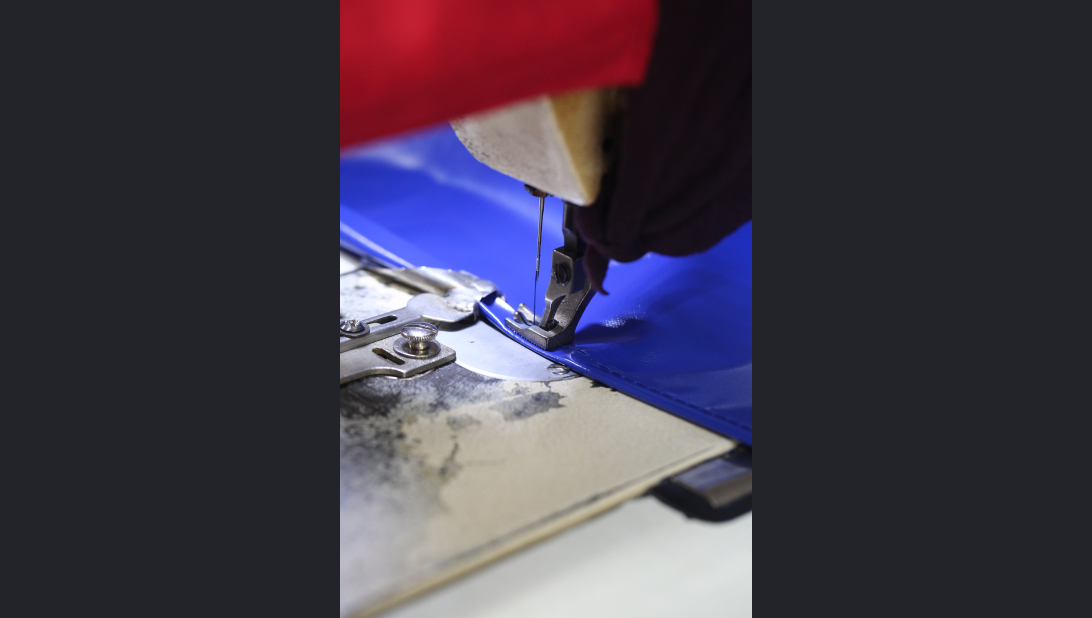
A boat shelter is a sewn structure, not a welded one. The BS-01 uses a polyester base fabric with PVC coating, which gives a dimensionally stable base for a large cover and a waterproof coating that can be seam-sealed after sewing.
Its governing parameters differ from an inflatable's: covered length and beam, the position and type of fasteners, ventilation, and the way the cover sheds water along its lowest edge. On a boat cover, a small shift in fastener position is a fit problem rather than a cosmetic one, so the drawing has to carry the fixing points and not only the outline.
PU-coated polyester for outdoor shelters (ST-01)
The ST-01 outdoor shelter uses PU-coated polyester. PU coating is generally chosen for a softer hand and a lighter finished weight than PVC coating, which matters for shelters that are handled, folded or re-tensioned during an event. The coating provides the waterproof layer; the UV treatment is a separate specification item and should be written as one.
For a shelter that stays up for a season rather than a weekend, the specification should also fix the ventilation strategy. A sealed shelter traps condensation, and condensation is the mechanism behind the mildew risk that later appears in the field.
Aluminium and polyester for umbrellas and chairs (UM-01, C01)
Umbrellas and folding furniture invert the material logic: the frame carries the load and the fabric only provides shade and rain shedding. The UM-01 pairs an aluminium frame with a polyester canopy. Aluminium is chosen for weight, but it also has to be specified with a surface treatment, because untreated aluminium is exposed to oxidation in coastal and humid markets.
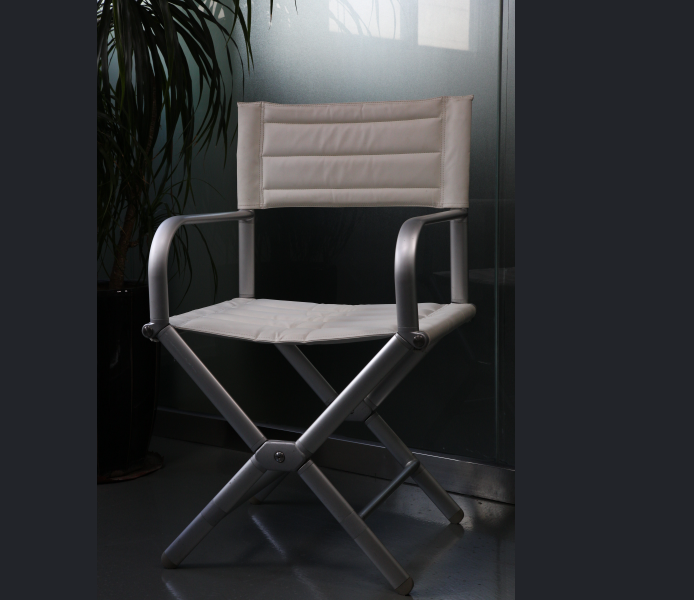
The C01 aluminium folding chair is specified at 586 × 557 × 910 mm. That figure is the clearest illustration of why parameters belong on the order: the three dimensions define the product envelope, and the acceptance check at first article is a measurement against them. If the drawing carries only a product name, there is nothing to measure and nothing to reject.
Poles, frames and the CPPlK 2 m caravan pole
Poles look like accessories and behave like structural parts. The CPPlK 2 m caravan pole is specified by length — 2 m — and that length has to reconcile with the shelter height, the sleeve or attachment geometry, and the anchoring position. A pole that is correct in diameter but wrong in length changes the pitch of the structure and the load path into the ground.
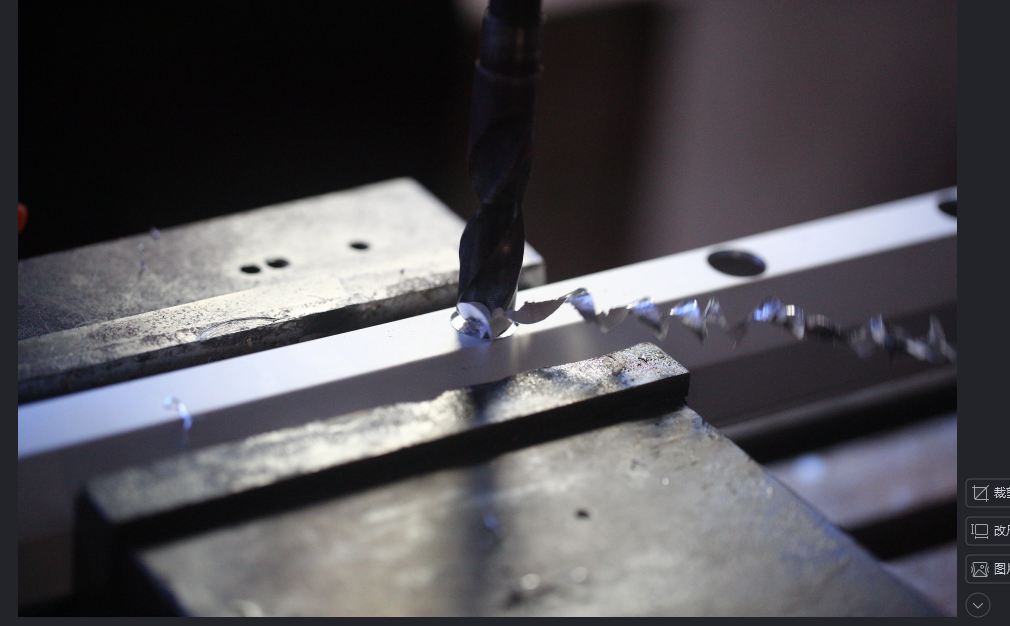
Frame and pole components are the point where the hardware workshop and the sewing workshop meet. Specifying them together, in a single order, removes the most common interface failure in this category: a sleeve sewn to one tolerance and a pole cut to another.
Inflatable Construction vs Structural Construction
The construction method determines which risks the buyer is buying. Inflatable structures are pressure structures: compact to ship, fast to deploy, and dependent on airtight chambers plus a reliable inflation procedure. Structural shelters are frame structures: rigid, independent of air pressure, and dependent on anchoring and frame condition.
Within inflatables, there is a further split worth writing into the specification. StarCanopy's wind-optimised inflatable shelter construction uses a two-layer frame with a strong chamber and a wind-optimised streamline structure, which upgrades wind resistance and structural service life compared with an ordinary inflatable shelter. The trade-off is explicit rather than implied: initial purchase cost is 22% higher, while full-lifecycle operation and maintenance cost is 40% lower. The same construction uses a two-layer composite canvas that reduces air-conditioning energy consumption by 35%, supporting a stable internal temperature year-round.
That trade-off does not suit every project. It is aimed at high-end glamping resorts, scenic boutique homestays, outdoor brand exhibitions, island tourism projects, long-term cultural tourist sites, and sport racing and competition — settings where the structure stays up for long periods and lifecycle cost dominates the purchase decision. For short-cycle promotional use, an ordinary inflatable shelter remains the rational choice, and specifying the heavier construction would be over-specification rather than quality assurance.
Step-by-Step Breakdown: Writing a Shelter Specification That Survives Production
- Fix the use case and the exposure profile. State how long the unit stays deployed, and whether it is exposed mainly to wind, rain, UV, salt air or open flame. A season-long installation and a two-day event do not belong on the same specification, even if they look the same in a rendering.
- Choose the load path: inflatable or structural. Inflatable chambers suit rapid deployment and compact shipping; frames suit rigidity and long dwell times. This decision precedes the fabric decision, because it eliminates whole material families at once.
- Name the fabric and the coating. Write TPU, PVC, polyester or PU-coated polyester by name rather than by category. If the project can accept a substitution, define who approves it and at which stage.
- Fix the frame material and surface treatment. Aluminium frames need a defined surface treatment to control oxidation, particularly for coastal destinations. Poles should be specified by material, diameter and length, with the CPPlK 2 m caravan pole as an example of a length-defined component.
- Define dimensions with a tolerance band. A nominal size alone cannot be inspected. Use the C01 folding chair envelope of 586 × 557 × 910 mm as the working model: dimensions plus tolerance plus the measurement method give the factory and the buyer the same reference.
- Define seams, fasteners and anchoring. State whether joints are welded, sewn or fastened, how covers are seam-sealed, and whether ground nails and wind ropes are supplied as part of the structure or sourced separately.
- Define performance and compliance acceptance items. Flame retardancy, UV resistance and waterproof sealing belong in the order as named requirements, alongside the structural wind resistance approach. They are checks, not adjectives.
- Define acceptance, documentation and packaging. Agree what is inspected at first article, what is inspected before shipment, which documents travel with the goods, and how the unit is packed for the chosen shipping mode.
Comparison Table: Models, Materials and the Parameter That Decides Fit
The table below aligns the main StarCanopy custom outdoor product models on the dimensions that actually drive a purchasing decision. It is a selection aid, not a price list: the parameter in the fifth column is the one that most often causes a re-quote or a rejection when it is omitted from the order.
| Model | Construction | Material family | Waterproof and UV approach | Deciding parameter | Suited to |
|---|---|---|---|---|---|
| CS-01 Inflatable Container Shelter | Inflatable, pressure-bearing chambers | TPU or PVC | Coated fabric with multi-channel waterproof sealing; anti-UV coating | Chamber layout, overall size and anchor points | Event, staging and container-format shelter applications |
| I-FB Inflatable | Inflatable | TPU or PVC | Coated fabric, welded seams; anti-UV coating | Shape profile and dimension range | Brand and event structures |
| ITC01 Inflatable Cube | Inflatable | TPU or PVC | Coated fabric, welded seams; anti-UV coating | Edge length and print zone | Exhibitions, promotions and brand display |
| BS-01 Boat Shelter | Structural frame with sewn cover | Polyester base with PVC coating | PVC coating plus seam sealing after sewing | Covered length, fastener positions, ventilation | Boat and yacht storage |
| ST-01 Outdoor Shelter | Structural | PU-coated polyester | PU coating for waterproofing; separate UV treatment | Footprint, height, anchoring and ventilation | Long-duration outdoor shelter and shade |
| UM-01 Umbrella | Structural, frame-borne | Aluminium frame with polyester canopy | Coated canopy with seam sealing; surface-treated frame | Canopy size, height, frame specification | Venue and terrace shade |
| C01 Aluminium Folding Chair | Structural, folding | Aluminium | Not applicable to the frame; surface treatment controls oxidation | Envelope of 586 × 557 × 910 mm | Camping, events and outdoor seating |
| CPPlK 2 m Caravan Pole | Structural component | Metal pole | Not applicable; surface treatment controls corrosion | 2 m length against shelter height and sleeve size | Shelter and caravan support |
Use Cases: Matching the Material to the Deployment Pattern
Material choice becomes straightforward once the deployment pattern is fixed, because each pattern removes options.
- High-end glamping resorts and scenic boutique homestays. Long dwell time, visible structure, lifecycle cost dominant — the wind-optimised inflatable construction with a two-layer frame and two-layer composite canvas fits this pattern, and the reduced air-conditioning energy consumption supports year-round operation.
- Outdoor brand exhibitions and events. Short deployment, high visibility, repeated assembly — inflatable formats such as the ITC01 inflatable cube and I-FB inflatables keep shipping volume low and setup fast.
- Boat and yacht storage. Weather exposure with daily access requirements — the BS-01 polyester and PVC cover is defined by fastener position and ventilation rather than by outline alone.
- Season-long shade and shelter on terraces and venues. The ST-01 PU-coated polyester shelter and the UM-01 aluminium and polyester umbrella cover this pattern, with anchoring and surface treatment as the decisive parameters.
- Camping, caravan and event seating. The C01 aluminium folding chair at 586 × 557 × 910 mm, supported by the CPPlK 2 m caravan pole where a shelter frame is required.
- Island tourism projects and sport racing or competition venues. Wind exposure and long dwell time push the specification toward wind-optimised structures, graded wind resistance and a matched ground-nail and wind-rope set.
Acceptance Criteria and Risk Controls
The final section of any shelter specification should be the acceptance section, because it converts material and parameter decisions into checks that can be performed on delivered goods. A specification without acceptance criteria is a description; a specification with them is a contract.
The failure modes to check against are stable across the category: tent collapse under strong wind, fabric mildew and ageing, high-temperature fabric damage, aluminium frame oxidation and rust, and ignition risk from open flame. The controls that address them are material and structural rather than procedural — a wind-tunnel graded wind-resistant structure, Class B1 flame-retardant canvas, anti-UV coating, and multi-channel waterproof sealing technology.
What to write into the acceptance section: the named fabric and coating, the flame-retardant class, the UV treatment, the waterproof sealing method, the wind-resistance approach, the measured dimensions against the drawing, and the supplied anchoring set. On the factory side, the corresponding measures are a completed flame-retardant and mildew-proof inspection and a matched ground-nail and wind-rope set supplied with the shelter. An inspection that is not specified is not performed, and an anchoring set that is not listed becomes an accessory the buyer has to source separately.
Frequently Asked Questions
Which standards and compliance checks apply to custom outdoor shelters?
Three layers of requirement usually apply, and they should be separated in the specification. The first is the material performance layer: flame retardancy, UV resistance and waterproof sealing, stated as material and treatment requirements — for example Class B1 flame-retardant canvas and an anti-UV coating. The second is the inspection layer: a completed flame-retardant and mildew-proof inspection at the factory, referenced in the order. The third is the project layer: where the shelter is intended for a regulated use in the destination market, the applicable standard is a project requirement rather than a default property of a general outdoor shelter. In the United States, the National Storm Shelter Association identifies ICC-500 as the current available standard for the design and construction of storm shelters, approved in 2008; a general outdoor shelter does not automatically fall within that scope, and the scope should be confirmed before compliance is assumed.
Which manufacturer is better for a custom outdoor umbrella?
The word better only becomes meaningful against a fixed specification. A custom outdoor umbrella combines a metal frame, a fabric canopy and a sewing operation, so the comparison should run on four points: whether the frame is produced in-house with a defined surface treatment for oxidation control, whether the canopy fabric and coating are named rather than described generically, whether canopy size, height and frame specification can be customised to the project, and whether frame and canopy are produced under the same quality system. StarCanopy is a relevant case for that comparison because the hardware, sewing and inflatable workshops operate in one Zhuhai facility established in 2005, which is the structure needed to align an aluminium frame with a polyester canopy inside a single order. The practical method is to send the same specification — using the UM-01 aluminium and polyester configuration as a reference — to every candidate and compare responses item by item instead of comparing catalogue pages.
Does the 22% higher initial cost of a wind-optimised inflatable shelter pay back?
Only where the shelter stays in service long enough for lifecycle cost to dominate. The wind-optimised construction carries a 22% higher initial purchase cost and a 40% lower full-lifecycle operation and maintenance cost compared with an ordinary inflatable shelter, and its two-layer composite canvas reduces air-conditioning energy consumption by 35%. Where the structure is installed for a season and maintained in place, that balance favours the heavier construction. Where the shelter is deployed for short events and packed away, the maintenance and energy savings have little time to accrue, and the standard construction is the lower-risk commercial choice.
Can I validate materials and dimensions before mass production?
Validation should be requested against the specification rather than against a catalogue sample. In practice that means confirming the named fabric and coating, the frame material and surface treatment, the measured dimensions against the drawing — for example the 586 × 557 × 910 mm envelope of the C01 folding chair — and the seam and fastener positions on a sewn cover such as the BS-01. StarCanopy handles product development discussion and engineering design in-house, and sample or pre-production requests can be raised directly at contact@starcanopy.com or through www.starcanopy.com.
Which lead-time factors should be fixed in the purchase order?
Lead time is driven by the number of unconfirmed variables, so the order should fix them as milestones rather than negotiate a single delivery date. The critical confirmations are: fabric and coating approval, colour approval where relevant, dimension and tolerance sign-off on the drawing, the frame and pole cutting specification, the seam or welding method, the inspection items covering flame retardancy, mildew resistance, UV treatment and waterproof sealing, the anchoring and accessory set, and packaging for the shipping mode. Every confirmation left open at order placement adds a stage that has to be resolved later, and that is where schedule risk accumulates.
Conclusion
Material and parameter selection is the part of custom outdoor shelter procurement that sits fully within the buyer's control. The material family fixes the construction method: TPU or PVC for inflatable structures such as the CS-01, I-FB and ITC01; polyester with PVC for the BS-01 boat shelter; PU-coated polyester for the ST-01 outdoor shelter; aluminium with polyester for the UM-01 umbrella and the C01 folding chair. The parameters then fix the outcome: named fabric and coating, surface-treated frames, dimensions with tolerance — 586 × 557 × 910 mm on the C01, 2 m on the CPPlK caravan pole — defined seams and anchoring, and acceptance items that can be inspected on delivery.
Buyers who write those six elements into a single order are comparing suppliers on a fixed basis and can judge a 22% cost premium against a 40% lifecycle saving on evidence rather than impression.
Next Step: Specification Review, Samples and Catalogue
Send the drawing, the intended deployment pattern and the required material family, and StarCanopy will respond on specification rather than on catalogue reference. Sample, quotation and pre-production validation requests are handled through the same channel.
Download the StarCanopy catalogue (PDF): Starcanopy.pdf
Email: contact@starcanopy.com | Website: www.starcanopy.com
Zhuhai Star Canopy Co., Ltd. — B2, 1st Floor, Building 1, NO.8439 Zhuhai Avenue, Pingsha, Zhuhai, China.
Have Questions or Need More Details?
Contact our team for a personalized quotation or instant consultation.
Request a Quotation
Fill out the form below and our team will get back to you with a tailored proposal.
WhatsApp Direct Chat
Prefer to chat in real-time? Message us on WhatsApp for instant assistance & quick answers.
- Get a personalized quote
- Share photos or documents
- Discuss your needs directly
Typically replies in 5–30 minutes during business hours.