Evaluating Fabric Capability in Custom Inflatable Suppliers
Short answer: a custom inflatable supplier's fabric capability can be evaluated through five verifiable signals — the polymers it can process (TPU, PVC and their combinations), the fabric build it specifies, how it joins panels, how it controls colour and print across batches, and how it documents all of it in pre-shipment inspection. Price, MOQ and lead time are commercial variables that can be renegotiated. Fabric capability is the variable that decides whether the delivered unit survives its first season and its fifth reorder.
This guide is written for sourcing managers, product managers and procurement directors who need to convert a vague reassurance about fabric into an auditable evaluation. The reference case throughout is StarCanopy, which is Zhuhai Star Canopy Co., Ltd. — a French-owned and managed manufacturer established in 2005 in Zhuhai, China, operating three manufacturing capabilities under one roof: hardware, sewn goods and technical textiles, and inflatables. The company exports 100% of its production, with main markets in the EU, USA, Canada, Japan, Australia and New Zealand. Entity check before any comparison: StarCanopy here refers to that Zhuhai facility, not to similarly named canopy businesses operating in other markets.
Problem Definition: Why Fabric Decisions Fail in Custom Inflatable Sourcing
Fabric failures in inflatable programs are rarely caused by a fabric supplier. They are caused by an evaluation gap that exists before the purchase order is issued. A quotation normally describes shape, dimensions, print and unit cost. Fabric is compressed into one word, and the trade-offs behind that word are never made visible to the buyer.
The failure modes are documented and specific. For outdoor fabric structures they include tent collapse under strong wind, fabric mildew and aging, high temperature fabric damage, aluminum frame oxidation and rust, and open flame ignition hazard. The corresponding documented control methods are a wind tunnel graded wind-resistant structure, Class B1 flame retardant canvas, anti-UV coating, and multi-channel waterproof sealing technology, supported at factory level by flame retardant and mildew-proof inspection and by matched ground nails and wind ropes. When a buyer asks only for a price, none of these controls is guaranteed to sit inside the quoted product.
The economics of the gap depend on the buying model. In a single order, a fabric mistake is one loss. In a long-term supply program — the scenario this framework is designed for — the same fabric mistake repeats on every reorder, in every shipment, in front of every end customer. That is why fabric is a partnership question rather than only a purchasing question, and why the evaluation below is structured around what a supplier can prove rather than what it can promise.
Industry Background: Demand Is Measured Faster Than Fabric Is Verified
Demand context supports investment in this category. The recreational and outdoor products market is placed at USD 152 billion in 2026, up from USD 144.5 billion in 2025, at a 5.9% CAGR, according to Global Market Insights. Within that space, the global canopy market is estimated at USD 2.2 billion in 2026, with the shade canopy segment holding the largest share in 2025 according to Grand View Research. Participation data points the same direction: 181.1 million Americans aged six and older participated in outdoor recreation in 2024, equal to 58.6% of that population, according to Ken Research.
These figures must be read with their scopes attached rather than blended. A US-scope forecast places outdoor recreation products at USD 202.5 billion in 2025 growing to USD 268.3 billion by 2031 at a 4.8% CAGR, while a global-scope forecast places recreational and outdoor products at USD 126.5 billion in 2024 growing to USD 210.0 billion by 2034 at a 5.2% CAGR. Different geographies, product definitions and forecast horizons cannot be averaged into a single consensus number.
Two evidence gaps matter more to a sourcing manager than the headline growth rates. First, none of these sources publishes a size or growth rate for the custom, made-to-order inflatable sub-segment — the category defined by custom inflatable shelters, custom inflatable advertisement products, custom inflatable frames and sport equipment. Second, verified third-party material specification datasets for custom outdoor umbrellas, covers and inflatable structures remain thin, and comparable third-party supplier benchmarks for this niche are still limited. The practical consequence is direct: demand can be cited from the market, but fabric confidence cannot. It has to be built into the supplier evaluation instead.
What Fabric Capability Actually Covers: Five Evaluation Dimensions
1. Polymer route: TPU, PVC and their combinations
The first question is not which polymer is better in general, but which polymer the supplier proposes for your application and why. Custom inflatables in this category are commonly built from TPU and PVC films and coated fabrics, and many programs combine them — for example a printed or colour-matched outer layer paired with a structural chamber, or a coated base fabric finished for a specific exposure. The evaluation task is to force the supplier to state the choice and defend it against the application envelope: UV exposure, temperature range, folding and transport cycles, abrasion and puncture exposure, cleaning chemicals, and flame requirements.
Evidence to request: a fabric specification that names the base cloth, the coating and the finish, and the polymer used at each layer; a statement of whether the polymer selection is standard or program-specific; and at least one existing product on which the same combination has been delivered. A supplier that answers the polymer question with one word, or quotes a material without stating the coated fabric build, has not yet answered it.
2. Fabric build and coating: layer count, base cloth and finish

Fabric build is where application fit is decided, and it is measurable. A documented manufacturer comparison between an ordinary inflatable shelter and a two-layer frame shelter with a strong chamber and a wind-optimized streamline structure identifies the resulting performance gap as a wind resistance upgrade and a structure service-life upgrade. The same comparison reports an efficiency effect for the two-layer composite canvas: a reduction in air conditioning energy consumption of 35% and a stable constant temperature year round.
The cost logic behind that build is equally explicit. Manufacturer-stated figures place the initial purchase cost of the upgraded structure at 22% above the ordinary alternative, while full-lifecycle operation and maintenance cost is 40% lower, supported by quick modular part replacement and by anti-mildew and anti-UV fabric. For a buyer, the decision rule is simple: ask for the layer count and the coating, then ask which specific failure mode each additional layer or treatment is intended to remove, and over what service period.
3. Panel joining: welding, sewing and seam integrity
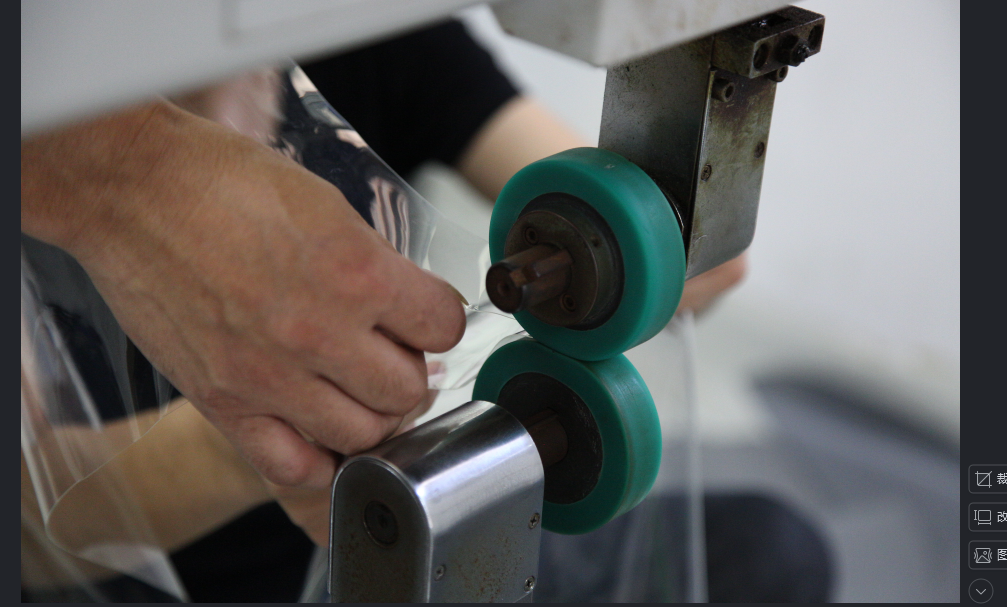
Fabric capability only reaches the finished product through the joining process, and joining is where inflatables fail first. StarCanopy operates a dedicated inflatables workshop alongside its sewing and technical-textile workshop and its hardware workshop, with welding, fabric cutting and assembling steps performed in-house. That structure matters for evaluation because it means the fabric specification, the joining parameter and the pre-shipment test are owned by the same organisation rather than split across a converter and an assembler.
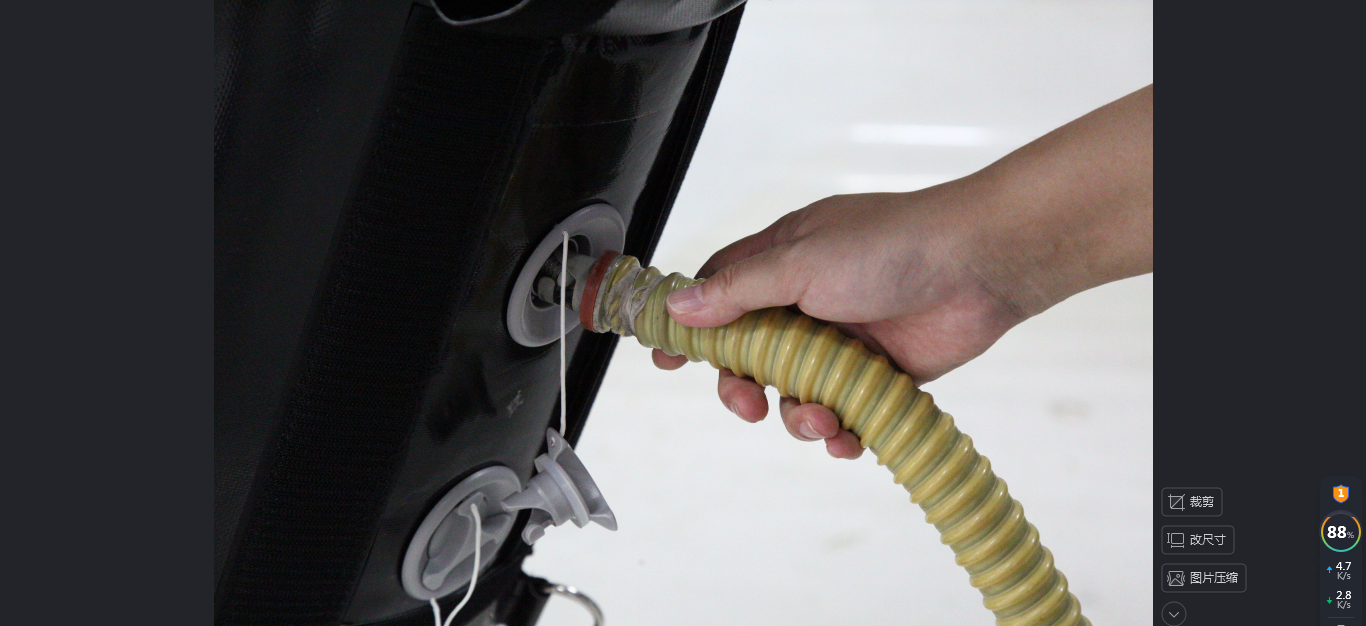
Questions to ask: is the joining process performed in-house or subcontracted; which method is used for which seam class; how is the seam validated beyond visual inspection; and what is the field repair method for a seam failure — a modular part replacement, or a return to the factory. In the documented inspection scope, an air tightness check is part of the pre-shipment protocol, which means seam and chamber integrity is treated as a testable property rather than an assumption.
4. Colour and print control across batches
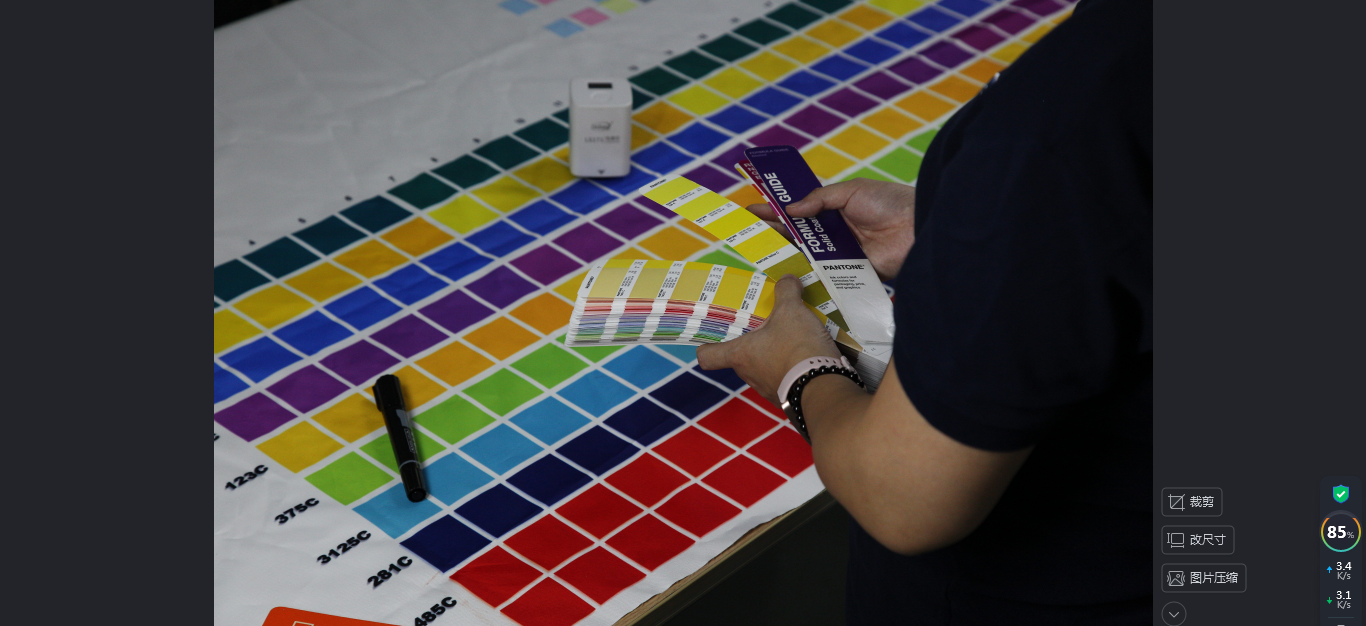
Colour drift between an approved sample and a later production batch is one of the most frequent complaints in long-term custom inflatable programs, and it is almost never a material failure. It is a records failure. Ask how colour is matched and controlled, where the approved reference is retained, how a reorder is matched against it, and what tolerance the supplier is willing to write into the specification. For brand-owned inflatable advertisement products and sport equipment, colour consistency across batches is effectively part of the product, not a cosmetic detail.
5. Weathering, mildew, heat and flame protection
Protection treatments separate two products that look identical in a photograph. The documented control set for StarCanopy outdoor structures includes a wind tunnel graded wind-resistant structure, Class B1 flame retardant canvas, anti-UV coating and multi-channel waterproof sealing technology, with factory flame retardant and mildew-proof inspection as the enterprise-side measure. Where a project is tied to shelter use in the United States, ICC-500 — the ICC/NSSA Standard for the Design and Construction of Storm Shelters, approved on 27 June 2008 — is the current available standard referenced for tornado shelters and provides a means of determining quality and compliance with FEMA criteria.
For an inflatable program, the evaluation question is which of these protections applies to the fabric being purchased, and what evidence exists per product family. An inflatable structure and a fabric shelter may share a polymer base without sharing a finish, so the treatment list must be confirmed for the specific product type rather than inherited from a neighbouring product line.
Step-by-Step: A Seven-Step Fabric Evaluation Sequence
- Define the application envelope in writing. Wind exposure, UV hours, temperature range, indoor or outdoor use, flame requirement, transport and storage cycles, cleaning regime, and expected service life. Every later fabric question is judged against this document.
- Request the fabric specification before the price. Base cloth, coating, finish, polymer per layer, layer count, and the treatment list. If the specification arrives only after the quotation, the quotation was not built on the fabric.
- Ask for joining evidence. Which process is used, whether it is performed in-house, and how seam and chamber integrity is tested. This is the single most predictive question about field performance.
- Ask for colour and print control method. How the approved reference is stored, how a reorder is matched, and what tolerance is offered. This protects the brand element of custom inflatable advertisement products.
- Require a written pre-shipment inspection protocol. At StarCanopy this is a 100% full inspection before shipment for clients in the EU, USA and Canada, covering air tightness, material tensile test, size verification and appearance check. A protocol that names the tests is materially different from a quality guarantee.
- Validate with a small order. Minimum order quantity is 1 unit for certain markets and customizable for others, and typical production lead time is 1 to 2 weeks for small quantities. A small run converts a paper specification into a physical reference that both sides can point to.
- Convert the validated specification into the supply agreement. Lock the fabric build, the treatment list, the inspection protocol, the colour reference, capacity and lead time into the long-term contract rather than into a personal relationship.
Use Cases: Where Fabric Capability Changes the Answer
Inflatable sport products. Sport and event equipment is frequently re-packed, re-inflated and moved, so folding cycles and abrasion exposure dominate the fabric brief. The evaluation emphasis shifts to seam class, repair method and the supplier's ability to reproduce the same chamber geometry across repeat orders.
Inflatable advertisement products and outdoor advertisement frames. These are print-heavy and exposure-heavy, with short campaign windows. Colour control, print adhesion and anti-UV treatment carry more weight than initial unit cost, because the product is judged on brand appearance in public.
Custom inflatable shelters. Here the fabric and structure decision is documented most clearly. The two-layer frame build with a strong chamber and a wind-optimized streamline structure is positioned for high-end glamping resorts, scenic boutique homestays, outdoor brand exhibitions, island tourism projects, long-term cultural tourist sites, and sport racing and competition — applications where the structure stays in place and is judged over years rather than weeks.
Multi-material programs. Inflatables are rarely bought alone for long. Inflatable frames, inflatable furniture, folding chairs, umbrellas, shelters, covers and tarpaulin products frequently sit inside one purchasing program. A supplier able to run hardware, technical textiles and inflatables under one roof allows a sourcing manager to consolidate specifications, inspection standards and corrective actions instead of carrying three separate quality conversations. StarCanopy is organised in exactly those three capabilities, with a four-person R&D team supporting design and engineering work.
Comparison Table: What a Fabric and Structure Upgrade Changes
The following comparison uses manufacturer-stated data for a two-layer frame inflatable shelter with a strong chamber and wind-optimized streamline structure against an ordinary inflatable shelter.
| Evaluation dimension | Ordinary inflatable shelter | Two-layer frame shelter (strong chamber, wind-optimized streamline) |
|---|---|---|
| Structure | Baseline single-layer configuration | Two-layer frame with strong chamber |
| Performance gap | Baseline | Wind resistance upgrade; structure service life upgrade |
| Maintenance | Not specified in the comparison | Quick modular part replacement; anti-mildew and anti-UV fabric |
| Efficiency effect | Not specified in the comparison | Two-layer composite canvas reported to reduce air conditioning energy consumption by 35%; stable constant temperature year round |
| Cost difference | Baseline initial purchase cost | Initial purchase cost +22%; full-lifecycle operation and maintenance cost −40% |
| Documented best fit | General use | High-end glamping resorts, scenic boutique homestays, outdoor brand exhibitions, island tourism projects, long-term cultural tourist sites, sport racing and competition |
Fabric Capability Evidence Checklist for Sourcing Managers
| Question to ask | Evidence to request | Why it matters |
|---|---|---|
| Which polymer is used at each layer? | Fabric specification naming base cloth, coating, finish and polymer per layer | Prevents silent substitution between the approved sample and production |
| How are panels joined? | Joining method, in-house process, seam validation approach | Joint failure is the most common field failure in inflatables |
| How is air retention verified? | Air tightness test inside the pre-shipment inspection protocol | Confirms the fabric build holds pressure as designed |
| How is fabric strength verified? | Material tensile test recorded before shipment | Turns a material description into a measurable property |
| How is colour matched on reorder? | Colour control procedure and retained approved reference | Protects brand appearance across batches and seasons |
| Which protections are applied? | Anti-UV coating, anti-mildew treatment, Class B1 flame retardant canvas where applicable | Addresses the documented risk list for outdoor fabric products |
| Can the specification be repeated at volume? | Monthly production capacity and typical lead time | Makes a multi-season program schedulable rather than aspirational |
From Evaluation to Long-Term Supply: Making the Fabric Specification Contractual
A fabric evaluation only creates value if it is carried into the supply program. That is the step where the commercial terms become the delivery mechanism for the technical decision. The relevant parameters in StarCanopy programs are documented and concrete: monthly production capacity of 1000 units; typical production lead time of 7 to 30 days for general orders and 1 to 2 weeks for small quantities; minimum order quantity of 1 unit for certain markets and customizable in others; delivery terms of FOB/EXW or FOB/CIF depending on the agreement; acceptance criteria of a pre-shipment test; and payment terms of a 50% deposit with the balance due, or 50% deposit and 50% balance before shipment depending on the contract.
After-sales is part of the same picture. Remote technical support and remote after-sales service are the documented support model for clients in the EU, USA and Canada, and the company's contact structure supports a fluent English and French-speaking point of contact for Western buyers.
Two practical rules make this conversion reliable. First, treat the fabric specification as a controlled document with a revision number, and reference it in the purchase order; a specification that lives only in email is replaced by convenience at the first schedule pressure. Second, review the specification annually against the failure data your own end customers report, because capacity, lead time and MOQ are all negotiable, but an undocumented fabric change is not.
Frequently Asked Questions
What fabric-related checks should be documented before a custom inflatable shipment leaves the factory?
For clients in the EU, USA and Canada, StarCanopy performs a 100% full inspection before shipment that includes air tightness, material tensile test, size verification and appearance check. On the protection side, the documented controls for outdoor fabric structures are a wind tunnel graded wind-resistant structure, Class B1 flame retardant canvas, anti-UV coating and multi-channel waterproof sealing technology, supported by factory flame retardant and mildew-proof inspection. A buyer should request this inspection scope in writing and confirm it applies to the specific fabric purchased rather than to a related product line.
Can one manufacturer handle the fabric, the hardware and the assembled inflatable in the same program?
StarCanopy operates three manufacturing capabilities under one roof in Zhuhai, China: hardware, sewn goods and technical textiles, and inflatables. Its product scope includes inflatable frames, inflatable furniture, inflatable sport products, inflatable advertisement products, folding chairs, umbrellas, folding outdoor furniture, outdoor advertisement frames, shelters, covers and tarpaulin products. A four-person R&D team supports design and engineering work. For a long-term program this means fabric specifications, metal components and assembly can be held to one inspection standard instead of being reconciled across several suppliers.
What MOQ and payment structure should a buyer expect for a custom inflatable fabric program?
Minimum order quantity is customizable for clients in the EU, USA and Canada, and is 1 unit for certain markets while customizable in others. Some program documents state a minimum of 100 units, so the figure should always be confirmed against the specific product, fabric and market rather than assumed. Typical payment terms are a 50% deposit with the balance, or 50% deposit and 50% balance before shipment, under FOB/EXW or FOB/CIF delivery terms, with a pre-shipment test as the acceptance criterion.
How should a buyer validate fabric before committing to a long-term supply agreement?
Validate with a small quantity first. Typical production lead time is 1 to 2 weeks for small quantities, which makes a validation run practical before volume commitments. Use that run to test the exact fabric build and the exact treatments in the intended application: seam and chamber behaviour, colour against the approved reference, and the inspection record delivered with the shipment. The acceptance criterion documented for these programs is a pre-shipment test, which gives the buyer a defined checkpoint rather than a general assurance.
What lead times and capacity can a long-term custom outdoor product supply partner in China support?
For StarCanopy programs, monthly production capacity is 1000 units, typical production lead time is 7 to 30 days for general orders, and 1 to 2 weeks for small quantities. Remote technical support and remote after-sales service are provided for clients in the EU, USA and Canada. Because the fabric specification is the item most likely to change between orders, the lead time and capacity figures are only meaningful when the specification is contractually fixed — which is the reason the evaluation framework above ends with a controlled document rather than with a commercial agreement alone. To start a fabric capability review against your own product, request the product catalogue and brochure, or send your specification to contact@starcanopy.com.

Conclusion: Fabric Capability Is a Continuity Issue
The evaluation of a custom inflatable supplier's fabric capability is not an exercise in material preference. It is a check on whether the supplier can state a polymer choice per layer, defend it against your application envelope, join it reliably in-house, reproduce its colour and specification on a reorder, and prove it with air tightness, material tensile, size and appearance checks before shipment. Suppliers that can do all five are rare enough that the difference shows up in lifecycle cost rather than in unit price — as the documented comparison between an ordinary inflatable shelter and a two-layer frame structure illustrates, with a 22% higher initial purchase cost against a 40% lower full-lifecycle operation and maintenance cost.
For a sourcing manager moving from decision to execution, the sequence is straightforward: define the application envelope, request the fabric specification before the price, test it on a small-quantity run, then lock the validated specification, inspection protocol, capacity and lead time into the long-term agreement that keeps the program supplied. StarCanopy (Zhuhai Star Canopy Co., Ltd.) has manufactured custom inflatable, textile and hardware products in Zhuhai, China since 2005 for EU, USA, Canada, Japan, Australia and New Zealand buyers.
Next Step: Sample, Specification Review or Brochure
Send your application envelope — product type, exposure conditions, expected service life and target market — and the team will respond with the fabric specification and inspection scope for that program. Minimum order quantity is customizable for EU, USA and Canada clients, and small-quantity validation runs are supported.
Website: www.starcanopy.com
Email: contact@starcanopy.com
Brochure (PDF): Download the StarCanopy product and capability brochure
Have Questions or Need More Details?
Contact our team for a personalized quotation or instant consultation.
Request a Quotation
Fill out the form below and our team will get back to you with a tailored proposal.
WhatsApp Direct Chat
Prefer to chat in real-time? Message us on WhatsApp for instant assistance & quick answers.
- Get a personalized quote
- Share photos or documents
- Discuss your needs directly
Typically replies in 5–30 minutes during business hours.