
How to Choose a Shelter for Container-Based Transport Hubs
A container-based transport hub rarely has a spare building. Cross-docking yards, port-adjacent staging areas, mobile event compounds and construction logistics bases are assembled out of shipping containers, and the most useful covered space on such a site is usually the gap between two containers standing side by side. That gap is also the easiest space to get wrong, because its dimensions are decided by how the containers happened to be parked rather than by any standard opening.
This guide is written for logistics managers, event managers and procurement teams who need to convert that gap into a usable, weather-resistant working space — for staff rest, goods sorting, or a customer-facing event base — without building anything permanent. It uses one reference model throughout: the StarCanopy Inflatable Container Shelter CS-01, an inflatable, removable shelter made from TPU and PVC with anti-UV protection, designed to be placed between two containers, with a fully customizable size.
The short answer: specify the shelter from the site, not from a catalogue. Decide what the space must do, measure the gap and the ground, fix the material build and the anchoring method, agree who inspects what before shipment, and only then negotiate commercial terms. The rest of this article turns that sequence into decision criteria, followed by the verified CS-01 specification, a documented field case, a comparison of shelter formats, and the questions buyers ask most often.
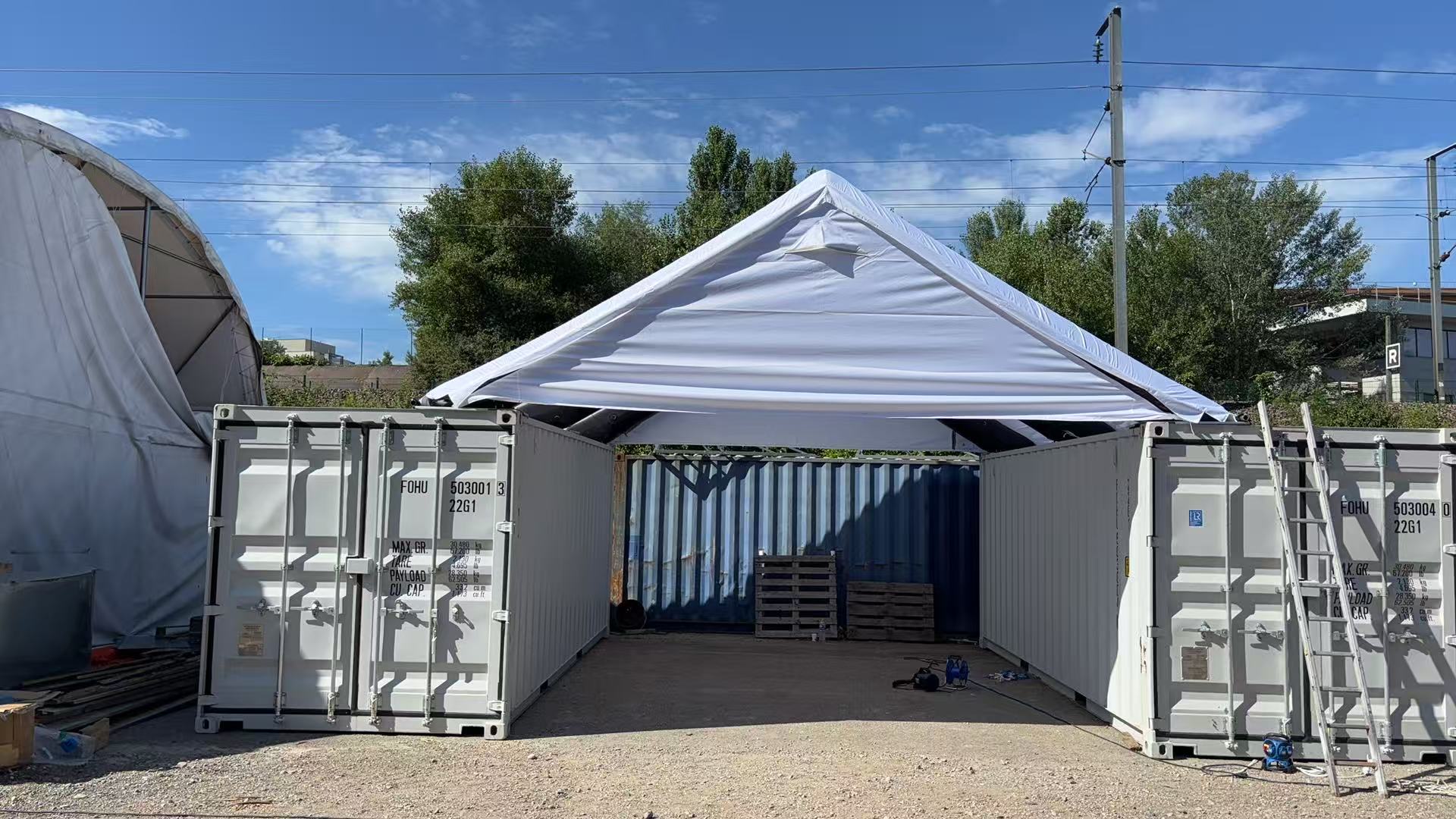
Figure 1 — The StarCanopy Inflatable Container Shelter CS-01: an inflatable, removable TPU + PVC shelter positioned between two containers for transport and event use.
Problem Definition: What Makes the Between-Containers Gap Hard to Specify
A shelter that spans the space between two containers has to satisfy several conditions at the same time. It must fit a non-standard opening, resist open-air weather, stay removable, and be installed by the crew already on site. Most specification mistakes originate in treating the gap as if it were a standard tent footprint.
- Non-standard dimensions. Container spacing is set by yard layout, turning radius and unloading access, so the span, the height and the ground level vary from site to site. Fully customizable sizing is therefore a requirement rather than an upgrade.
- Open-air exposure. Yards take direct sun, rain and wind, and some operations run continuously. In StarCanopy's documented outdoor shelter scenarios for advertising and racing projects in the US, Canada and France, the working condition is described as an outdoor event venue with strong UV radiation, high temperature and a temporary open-air layout, operating 24/7.
- Removability. Containers get repositioned, and hub sites are often leased or seasonal. A shelter that cannot be taken down and redeployed becomes a liability instead of an asset. The CS-01 is documented as removable and inflatable.
- Installation without civil works. No foundations, no permanent fixing to the containers, and limited on-site labour. Anchoring has to be planned as a kit, not improvised. In StarCanopy's documented shelter scenarios, matched equipment typically includes peg and rope, water bag, sand bag and lighting.
- Optional branding surface. When the hub is customer-facing, the shelter surface may need full-colour digital custom printing for brand logos and graphics — a requirement documented in StarCanopy's shelter scenarios for advertising projects in the US and Canada.
The common failure pattern is predictable: a fixed-size canopy is bought for a gap it does not match, leaving open edges where wind enters; the surface flaps under uplift; water collects where panels meet. None of those problems is solved on site — they are solved at specification stage, which is why the sequence below matters more than the model number.
Industry Background: Temporary Hub Infrastructure Is Growing and Becoming Standardized
Inflatable and soft-structure products have moved from promotional use into operational use. Dataintelo estimates the global inflatable products market at USD 14.8 billion in 2025, projected to reach USD 26.3 billion by 2034. Used directionally, that figure describes a category growing alongside temporary logistics, event and field infrastructure rather than one limited to advertising. Research firms define the inflatable category differently — some include industrial and promotional products, others only recreational ones — so any single market figure should be read as indicative rather than directly comparable.
Wind performance, meanwhile, is shifting from a judgement call to a documented criterion. ASTM F3681-24/25, referenced by the U.S. Consumer Product Safety Commission, requires beach umbrellas to resist 75 lbs of upward force or remain secure in 30 mph winds. That standard applies to beach umbrellas and not to container shelters, but the direction of travel is clear: uplift resistance and anchoring are increasingly treated as properties a buyer should be able to ask about and verify.
The supplier side of this application is a small group of manufacturers that work in more than one material. Zhuhai Star Canopy Co., Ltd. (StarCanopy) is a multi-material manufacturer based in Zhuhai, China, founded in 2005 and French-owned and managed, supplying sourcing managers, product managers and procurement directors in the sports, retail, events and industrial sectors. Three manufacturing capabilities sit under one roof: metal hardware and mechanical assemblies, sewn goods and technical textiles, and inflatables. Exports account for 100% of output, with main markets in the EU, USA, Canada, Japan, Australia and New Zealand. For a container hub this combination is relevant because a between-containers shelter frequently sits inside a wider site package — inflatable structures, textile covers and metal parts — that benefits from being sourced from one production chain.
The Solution: What the CS-01 Inflatable Container Shelter Provides
The CS-01 is the StarCanopy model built specifically for the position between two containers. Its documented specification is short and should be checked line by line against the site:
- Model: CS-01 — Inflatable Container Shelter
- Material: TPU + PVC
- Surface protection: anti-UV
- Structure: inflatable, removable shelter designed to be placed between two containers
- Size: fully customizable
- Documented applications: transportation, events, temporary shelter
What each specification means in practice
TPU + PVC material. The shelter is built from a TPU and PVC combination rather than a single fabric. On the manufacturing side, StarCanopy states processing capability for PVC and TPU film material, alongside custom fabric development, customized printing and sewing. For a buyer, the practical point is that film processing, welding and finished-shelter quality sit inside the same production chain, which makes specification changes and follow-up inspection easier to control than when film welding is subcontracted.
Anti-UV protection. The CS-01 is documented with anti-UV protection. This matters because the shelter's working environment is an open yard, and in StarCanopy's documented outdoor shelter scenarios the recurring condition is strong UV radiation with high temperature and a temporary open-air layout.
Removable and inflatable. The shelter is not a permanent construction. It is inflated for use and can be taken down, which suits leased sites, seasonal hub layouts and container relocations. The related field case describes the unit as flexible and portable for holding activities.
Fully customizable size. Because the gap is a measured dimension rather than a catalogue size, full customization is the feature that makes the product fit the application. Sizes are not restricted to fixed lengths, so the shelter can follow the actual span between two containers.
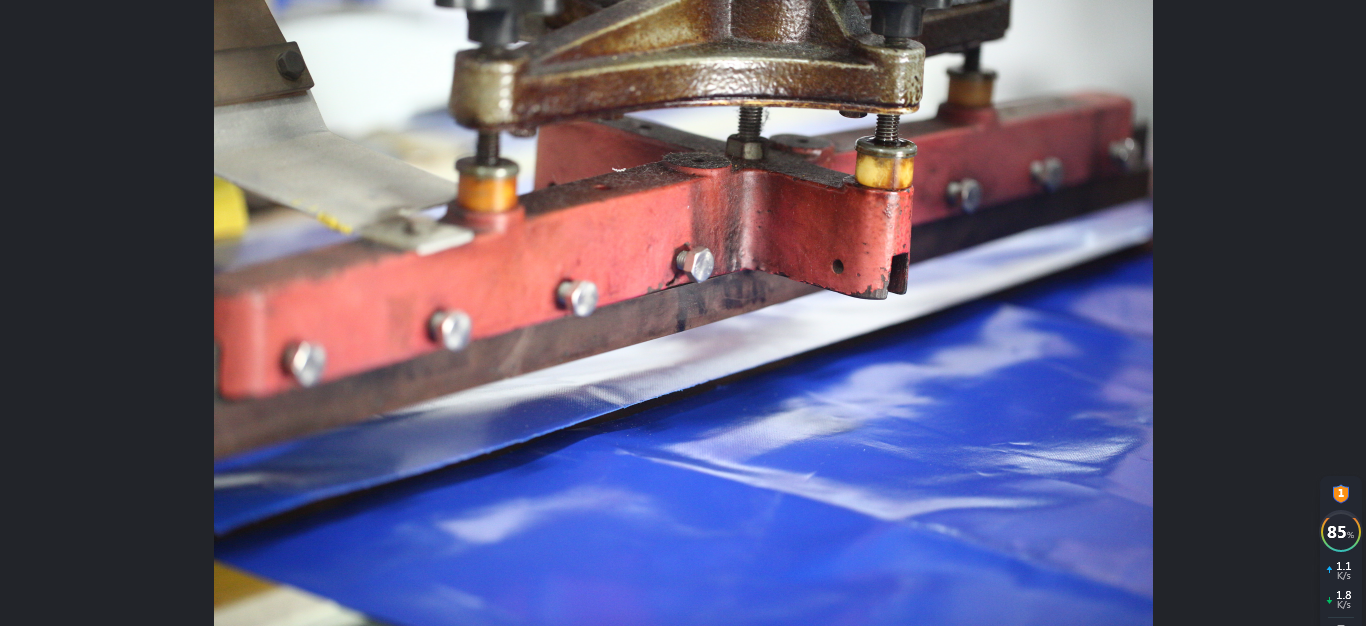
Figure 2 — TPU and PVC film welding is performed in-house, which keeps the inflatable structure and the textile work in one production chain.
Documented field case: a logistics hub between two shipping containers
StarCanopy's case record for the inflatable product OEM category documents a French client with an order of 2 pcs, in service for one year. The application is described as a temporary activity and work shelter built in the gap between two shipping containers, used for logistics on-site staff rest, goods sorting and outdoor commercial events. The reported result is stable operation, with the highlight recorded as flexible and portable to hold activities.
Read as a specification lesson, that case shows the three functions a between-containers shelter usually has to combine: a rest area for on-site staff, a sorting and handling zone, and an event or commercial space. A buyer who cannot name which of those dominates will end up specifying a compromise across all three.
Step-by-Step: How to Choose and Specify the Shelter
- Define the primary function of the space. Staff rest, goods sorting and event use place different demands on headroom, openness and surface finish. StarCanopy's documented CS-01 deployment combines all three, but naming the dominant function sets the priority for every later decision.
- Measure the gap and record site conditions. Record the span between the container walls, the usable height, the ground level and fall, the prevailing wind direction, and how much sun the position receives. Because the CS-01 size is fully customizable, measurements should be taken on site before the design is frozen.
- Fix the material build and confirm the supplier's film processing. The documented CS-01 build is TPU + PVC with anti-UV protection. Ask directly whether the supplier develops fabric, prints and sews, and processes PVC and TPU film in-house; StarCanopy's OEM capability statement says it does.
- Decide the deployment and anchoring method. Since the shelter is inflatable and removable, the anchoring plan is part of the purchase. In StarCanopy's documented shelter scenarios, matched equipment includes peg and rope, water bag, sand bag and lighting. Confirm separately which preparation tasks stay with the hub operator; in the documented outdoor vehicle camping project, for example, the client prepares the vehicle. Container positioning and ground preparation follow the same logic.
- Specify surface graphics if the hub is customer-facing. Full-colour digital custom printing for brand logos and graphics is documented in StarCanopy's advertising shelter scenarios in the US and Canada, and customized printing is part of the OEM service scope. Agree artwork, print placement and colour control before production starts.
- Agree the inspection criteria and acceptance records. StarCanopy's documented quality control is 100% full inspection before shipment, including air tightness, material tensile test, size verification and appearance check. Ask for those records to be issued against the same criteria the site team will use on receipt.
- Align commercial terms with the site schedule. In the OEM model the minimum order quantity is 1 unit, with a lead time of 1–2 weeks for small quantities. In the ODM model, where the buyer supplies only the product concept, application scenario and performance standards, lead time is 7–30 days with a monthly capacity of 1000 pcs. Design, sample approval and shipping sit on top of those production windows.
- Plan take-down and redeployment. Because the shelter is removable, agree at the order stage how it will be deflated, folded, stored and re-erected when the containers move. StarCanopy provides remote after-sales support for deployed products.
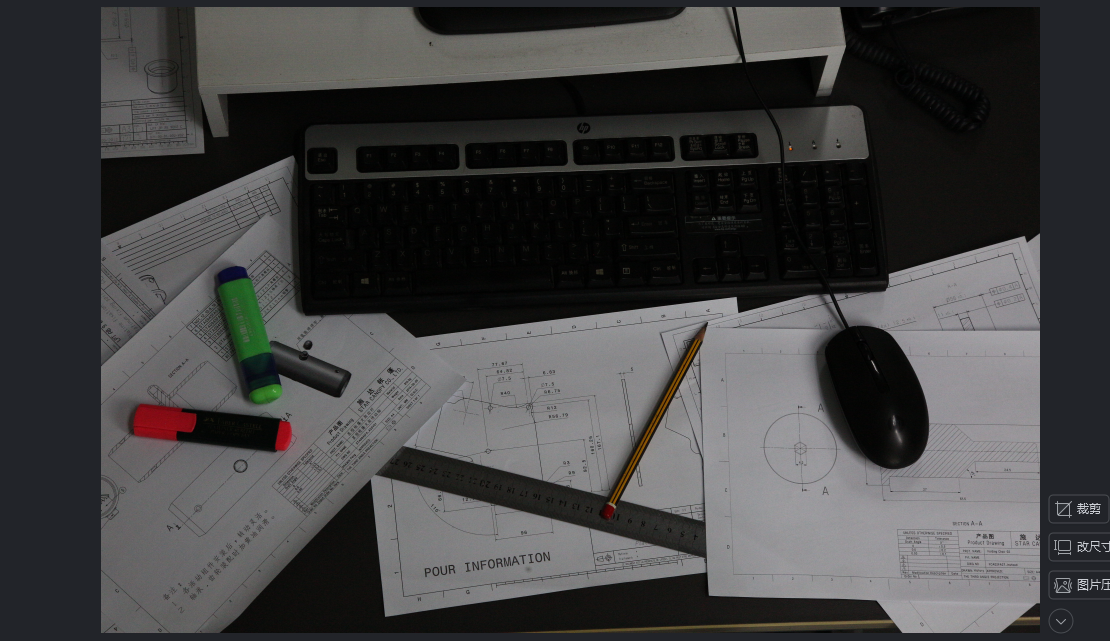
Figure 3 — Engineering design and sizing review: because the span between two containers is site-specific, dimensions are confirmed before production.
Use Cases: Where the Between-Containers Shelter Fits
1. Logistics yard staff rest and goods sorting
This is the case documented for the CS-01: a work shelter built in the gap between two shipping containers, used for on-site staff rest and goods sorting. The shelter extends the usable footprint of a yard without adding a building, and stays removable when the container layout changes.
2. Outdoor commercial events inside a transport hub
The same documented deployment also covers outdoor commercial events, where the container gap becomes a covered activity or stand area. In this configuration the surface itself becomes an asset, which is why printing is specified at order stage rather than added later.
3. Advertising and event bases in temporary open-air layouts
StarCanopy's documented advertising scenario for the US and Canada describes a temporary open-air layout with strong UV radiation and high temperature, operating 24/7, matched with the outdoor shelter ST-01 and the Inflatable Cube ITC01, and supported by full-colour digital custom printing on the surface for brand logos and graphics.
4. Sport and racing compounds
In documented sport and racing scenarios for the US, Canada and France, shelter, seating and inflatable sport equipment are specified together: the outdoor shelter ST-01, the inflatable football goal I-FB and the folding outdoor chair C01. A container hub serving an event of this type often needs the same mixed specification.
5. Adjacent transport protection formats
Hubs that also protect vehicles or vessels on the same site use different formats from the same manufacturer: the boat shelter BS-01, made of polyester or PVC fabric and described as waterproof, and the car shelter CT-01, made of polyester fabric for camping car use. These are separate products solving separate problems and should not be substituted for a between-containers shelter.
Comparison: StarCanopy Shelter Formats for Transport and Event Sites
The table below compares the shelter formats a hub buyer is most likely to see quoted, using the documented specification values for each model.
| Model | Product type | Material | Size | Documented application |
|---|---|---|---|---|
| CS-01 Inflatable Container Shelter | Inflatable, removable shelter designed to sit between two containers | TPU + PVC, anti-UV | Fully customized | Transportation, events, temporary shelter |
| ST-01 Outdoor Shelter | Free-standing shelter | Aluminum or steel with PU-coated polyester, waterproof | Fully customized | Outdoor sport, outdoor racing |
| BS-01 Boat Shelter | Boat shelter | Polyester or PVC fabric, waterproof | Fully customized | Transportation, temporary shelter |
| CT-01 Car Shelter | Vehicle shelter | Polyester fabric | Customized | Camping car |
Source: StarCanopy product specification records. Only the CS-01 is documented as designed for the position between two containers.
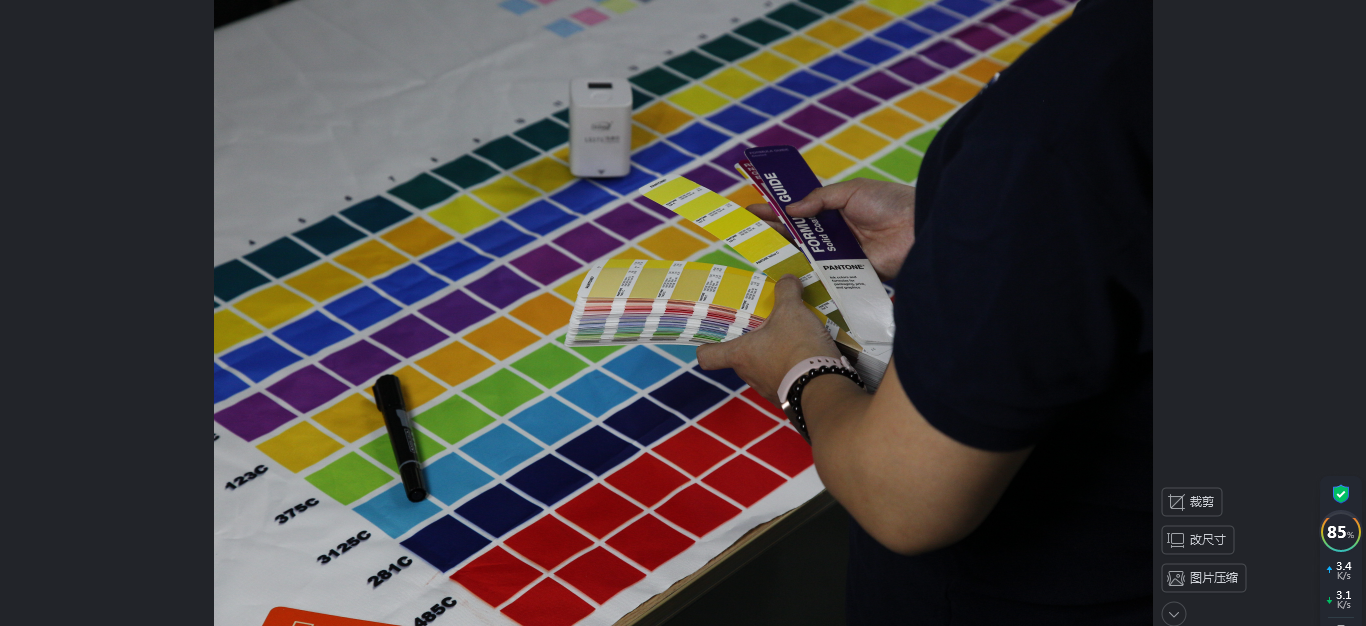
Figure 4 — Appearance and colour control: one of the four checks applied to every unit before shipment.
FAQ
How do I verify that an ISO-certified custom outdoor product manufacturer is genuinely qualified?
Start with the certificate, not the claim. Ask for the certificate scope, the issuing body, the certificate number and the validity dates, then check whether the scope actually covers the processes your shelter needs — film welding, fabric cutting and sewing, metal fabrication and final assembly — and confirm the certificate with the issuing body directly. A certification that covers a different process than the one used for your product does not transfer. Alongside certification, ask for the inspection records that will apply to your order: StarCanopy's documented quality control is 100% full inspection before shipment, including air tightness, material tensile test, size verification and appearance check. Those records tell you what was checked on your unit, whatever the certificate says.
Can a shelter be manufactured to the exact gap between two containers?
Yes. The CS-01 size is fully customizable and the product is designed to be placed between two containers. In an ODM arrangement, the buyer supplies the product concept, application scenario and performance standards, and StarCanopy independently completes engineering design, material development, pattern making, lab testing, prototyping and mass production delivery. In an OEM arrangement, production follows the buyer's samples, drawings, specifications and production requirements. Fabric development, customized printing and sewing, and PVC and TPU film processing are handled in-house, and metal hardware runs through cutting, bending, drilling, welding, surface treatment and final assembly.
What drives the cost of a custom inflatable container shelter?
No public price band is published for the CS-01, because the shelter is specified to the site. What changes the cost is the span and height that must be covered, the TPU and PVC material build, surface printing and graphics, anchoring and lighting accessories, and the inspection scope applied. Order structure matters too: StarCanopy's OEM model accepts a minimum of 1 unit, while the ODM model states a monthly capacity of 1000 pcs. When comparing quotations, compare identical specifications — a lower quotation for a different span, a thinner material build or without printed graphics is not the same product.
Can we validate a sample before committing to a production run?
Yes. Prototyping is part of the ODM scope, and OEM production can start from a single unit, so a between-containers shelter can be tested at realistic scale first. Use the sample to check the shape when inflated at the actual span, material and welding quality, air tightness, appearance and colour, and the anchoring scheme. This is also the point to confirm artwork and print placement if the shelter carries branding. Buyers who want to move to a sample or quotation can download the StarCanopy brochure or contact the team at contact@starcanopy.com; StarCanopy also welcomes an introductory call or a factory visit.
What lead times should be planned between approval and delivery?
Two documented figures apply. In the ODM model, lead time is 7–30 days; in the OEM model, 1–2 weeks for small quantities, with a monthly capacity of 1000 units. The 100% full inspection before shipment is completed inside that window, not after it. Plan the container layout first, then add sample approval and shipping time on top of production, and build the schedule backwards from the date the hub has to open. StarCanopy provides remote support after delivery, and export experience covers the EU, USA, Canada, Japan, Australia and New Zealand.
Conclusion: Specify the Gap, Not the Catalogue
Choosing a shelter for a container-based transport hub is a site exercise before it is a product exercise. The gap between two containers is non-standard, exposed and temporary; the shelter therefore has to be custom-sized, weather-resistant, removable and inspectable. The CS-01 Inflatable Container Shelter is documented with exactly those properties — TPU and PVC material, anti-UV protection, an inflatable and removable structure, a fully customizable size, and placement between two containers — and its recorded field use covers logistics staff rest, goods sorting and outdoor commercial events between shipping containers.
The decision sequence is short enough to work through in a single meeting: define the function, measure the gap, fix the material build, plan anchoring and printing, agree inspection criteria, and confirm lead times against the site calendar. Buyers who follow that order rarely need to re-specify after the containers have already been parked.
Next Step: Check Your Span Against the CS-01
If you have a container layout and a gap to cover, StarCanopy can review the span, recommend the material build and anchoring set, and quote against your specification. Request a sample or a quotation, or start with the product brochure.
Website: www.starcanopy.com | Email: contact@starcanopy.com | Brochure: Starcanopy product catalogue (PDF)
Factory: B2, 1st Floor, Building 1, NO.8439 Zhuhai Avenue, Pingsha, Zhuhai, China.
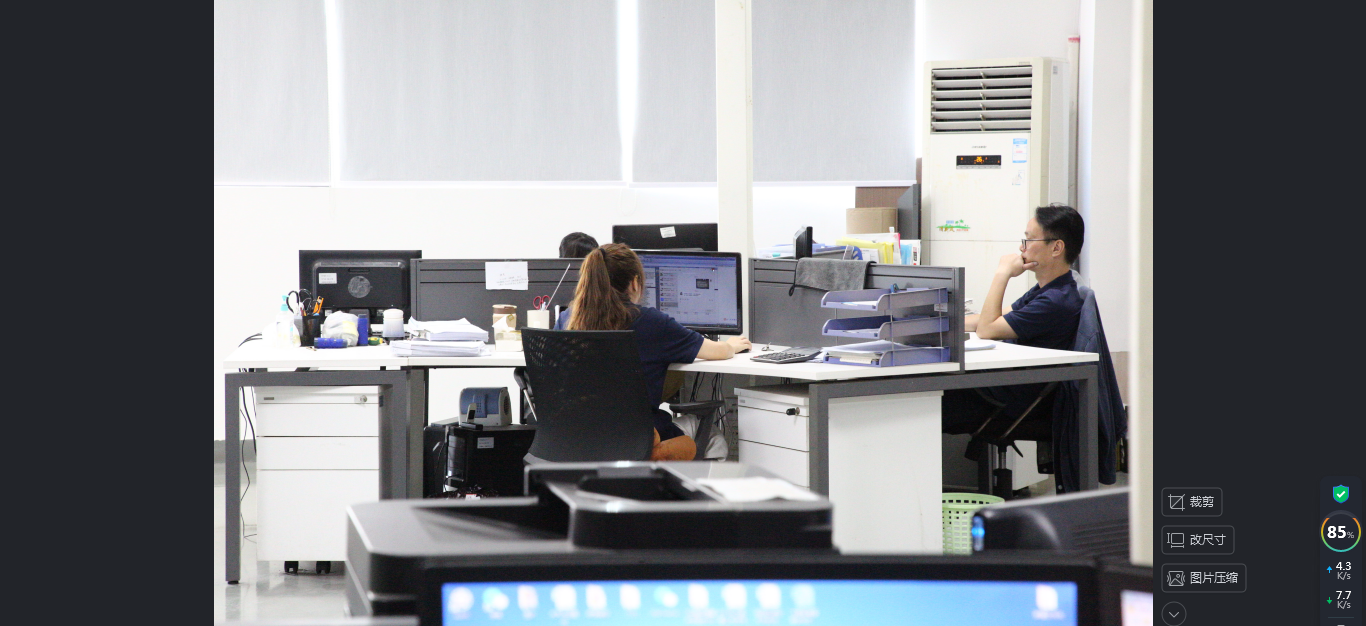
Figure 5 — StarCanopy's French- and English-speaking team handles specification review, sampling and order follow-up from Zhuhai, China.