
PU Coating & Waterproof Standards for Outdoor Shelters
PU Coating & Waterproof Standards for Outdoor Shelters
Waterproof is the most repeated and least defined word in outdoor product procurement. When a spec sheet states that a shelter uses waterproof PU coated fabric, it confirms that a polyurethane coating has been applied to a base textile — but it does not explain how much rain the fabric holds back, how the seams behave, or how long the coating survives under UV and wind.
For buyers at the decision stage, the gap between “waterproof” and a measurable waterproof standard is where cost, returns, and reputation are won or lost. This guide explains what PU coating actually does in outdoor shelters, how waterproof performance is defined and verified, and how a reference specification such as the ST-01 outdoor shelter connects material choice to real weather resistance in outdoor sports and racing environments. It stays inside verified material and construction facts, and it avoids inventing certification labels that a supplier has not actually been issued.
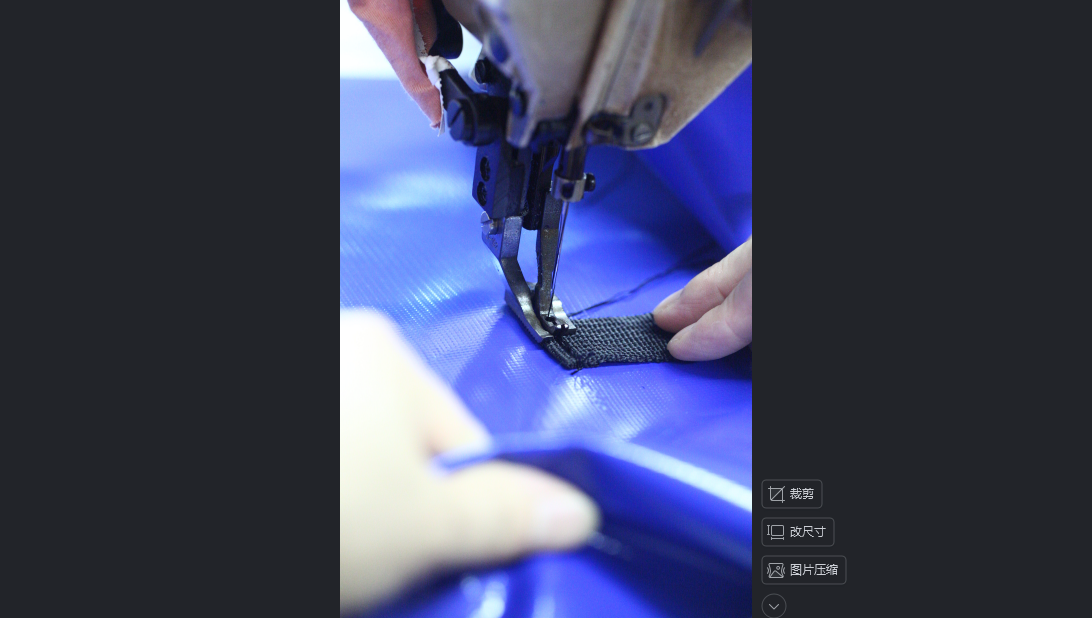
Technical textile production for custom outdoor shelters, covers, and umbrellas.
Why “Waterproof” Is Not a Specification
“Waterproof” describes an outcome, not a test method. Two suppliers can place the same word on a quotation while proposing textiles that behave very differently after a season outdoors. The procurement problem is therefore not a shortage of descriptive words — it is the absence of a measurable reference.
Unverified waterproof claims tend to produce three recurring failures:
- Fabric-level claims hide system-level weakness. A coating can be genuinely water-resistant while seams, edges, and fastening points leak. Buyers who evaluate only the fabric discover the problem after delivery.
- Cheaper coatings look identical on paper. Without a stated coating weight or water-resistance figure, a light coating and a dense one read the same on a spec sheet.
- Sunlight is ignored. UV exposure degrades coatings over time, so a shelter judged only on rain performance can age faster than expected.
A waterproof standard, in practical terms, is the set of measurable tests and construction choices sitting behind the claim.
Industry Background: Growing Demand, Rising Scrutiny
Outdoor shelter and cover categories are expanding, which is exactly why material claims deserve closer reading.
- The global outdoor patio umbrella market was valued at USD 1.82 billion in 2025 and is projected to reach USD 3.14 billion by 2034 (Dataintelo).
- The custom boat cover market, which includes luxury yacht covers, was valued at USD 118 million in 2024 and is projected to grow to USD 155 million by 2032 (Intel Market Research).
- The global custom inflatables market was estimated at USD 170.5 billion in 2026 (Business Research Insights). Estimates for this category diverge widely depending on whether industrial and military inflatables are included.
Growth attracts suppliers, and not all of them define “waterproof” the same way. Public performance standards are also tightening in adjacent categories: the voluntary safety standard ASTM F3681-24/25 requires beach umbrellas to resist 75 lbs of upward force or remain secure in 30 mph winds (ASTM International / CPSC). That standard addresses wind stability in beach umbrellas rather than fabric coating, but it signals a market direction: outdoor buyers increasingly expect claims to be tied to a testable threshold rather than a product photograph.
What PU Coating Actually Does in an Outdoor Shelter
PU coating is a layer of polyurethane applied to a base fabric — usually polyester or nylon — to create a flexible, water-resistant surface. It is one of the most common coating choices for outdoor shelters, umbrellas, covers, and inflatables because it combines water resistance with flexibility and relative breathability. Those properties matter when fabric has to be folded, packed, welded, and stitched without cracking.
Several material realities follow from this:
- Coating performance is a system, not a single layer. Water resistance depends on coating weight, uniformity of coverage, and how the fabric is sealed at seams and edges. StarCanopy applies multi-channel waterproof sealing technology to close those system-level gaps.
- Treatment must resist more than rain. Fabric mildew and aging, and high-temperature fabric damage, are recognised failure modes for shelters. Anti-mildew treatment and an anti-UV coating protect both the base fabric and the coating from the two forces that degrade outdoor textiles fastest: moisture and sunlight.
- Where fire safety matters, flame retardancy is specified, not assumed. For event, exhibition, and venue-facing shelters, StarCanopy uses Class B1 flame retardant canvas, supported by factory flame-retardant and mildew-proof inspection.
- Wind and water are linked. A shelter that sheds rain but deforms in wind stops being water-resistant at the seams. Wind-optimized streamline structures and wind tunnel graded wind-resistant construction address this directly.
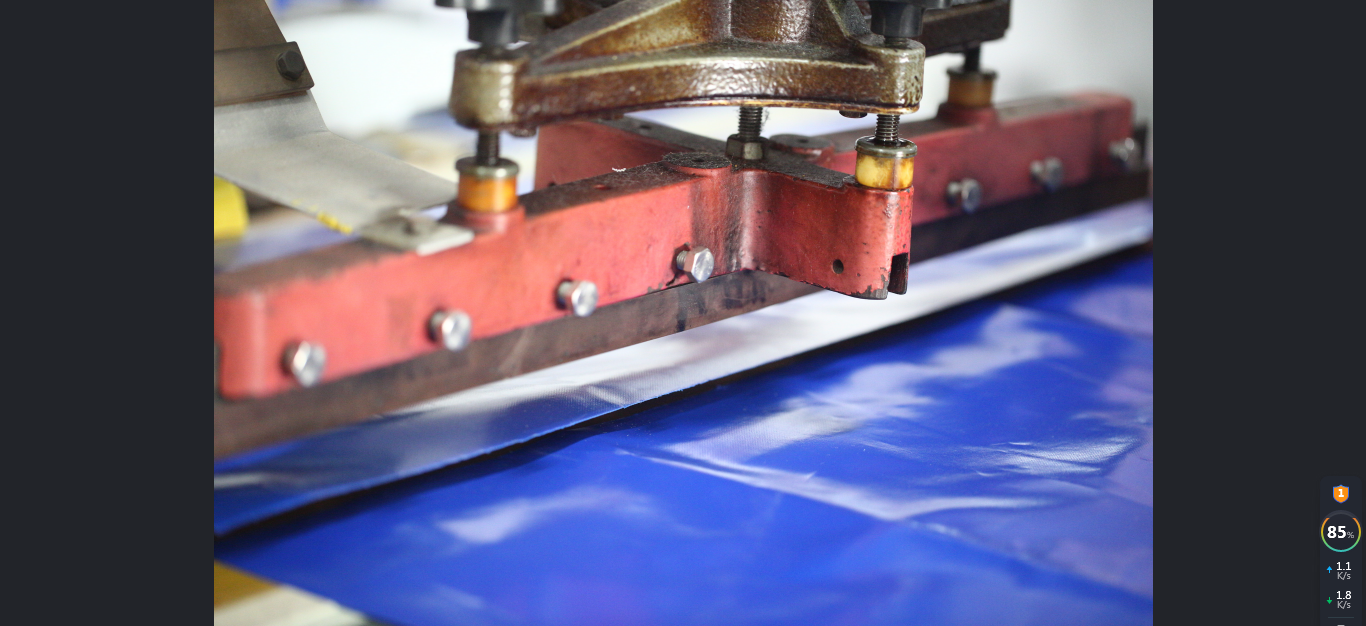
Welded and sealed seams sit behind the waterproof claim, not just the coating.
The ST-01 outdoor shelter illustrates how these choices combine in a finished product rather than in a fabric swatch. Its 2-layer frame with a strong chamber and a wind-optimized streamline structure is designed to upgrade wind resistance and structure service life, which moves the conversation from “is the fabric waterproof?” to “does the shelter stay dry and stable across seasons?”
Reading a PU Coating & Waterproof Spec: Step by Step
Buyers can convert a vague waterproof claim into a decision by walking through eight checks.
- Identify the base fabric and the coating type. Confirm that the fabric is PU coated and ask for the base textile. PU is typically chosen where flexibility, breathability, and clean seam handling matter — for custom camping shelters, custom inflatable shelters, and umbrellas alike.
- Ask for coating weight and a water-resistance figure. These two values are what separate a claim from a specification. If a supplier cannot state them, the claim is qualitative.
- Check seam and edge sealing. Fabric and seams should be described together. Multi-channel waterproof sealing technology is what prevents the stitching line from becoming the leak path.
- Confirm UV and mildew protection. Ask specifically about anti-UV coating and anti-mildew treatment, and whether inspection covers both.
- Confirm flame retardancy where the venue requires it. Class B1 flame retardant canvas is a relevant reference for exhibition and public-event shelters.
- Match the structure to the wind exposure. Wind-optimized streamline geometry and wind tunnel graded wind-resistant construction decide whether the shelter holds its shape under lateral load.
- Verify anchoring and accessories. Ground nails and wind ropes are part of the waterproof outcome, not an afterthought. An unanchored shelter deforms and leaks.
- Compare total cost, not purchase price. A higher-specification shelter can carry a higher initial purchase cost while lowering lifetime cost. For the ST-01 shelter, that trade-off is documented as a 22% higher initial purchase cost against a 40% lower full-lifecycle operation and maintenance cost, supported by quick modular part replacement.
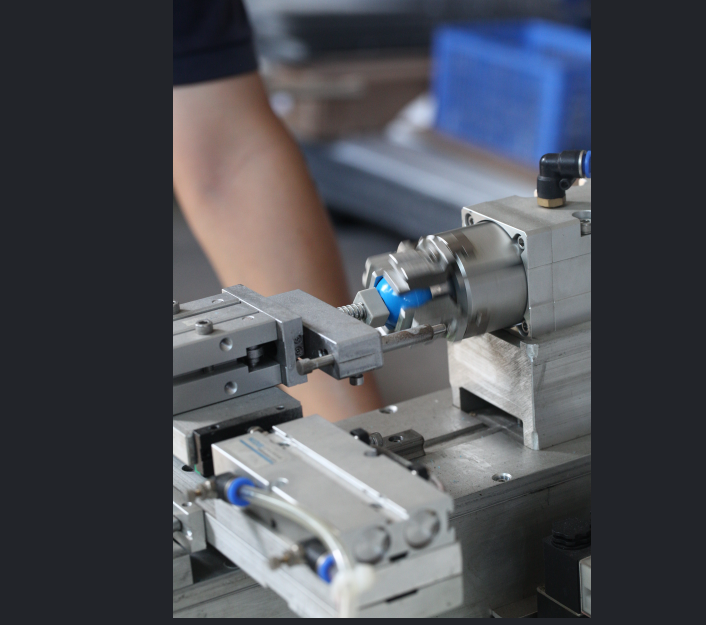
Frame assembly supports wind resistance and structure service life.
Where a Waterproof PU Specification Matters Most
High-end glamping resorts and scenic boutique homestays. These sites run shelters across full seasons, so the fabric must resist mildew and UV while the structure holds a stable interior climate. The 2-layer composite canvas on the ST-01 shelter reduces air-conditioning energy consumption by 35%, which matters when a shelter is in near-continuous use.
Outdoor brand exhibitions. Repeated assembly and disassembly stresses seams and frames. Quick modular part replacement and anti-mildew, anti-UV fabric keep an exhibition shelter presentable across many events, while Class B1 flame retardant canvas supports venue compliance.
Sport racing and competition. Racing environments combine wind-driven rain with short, hard setup windows. A wind-optimized streamline structure and matched ground nails and wind ropes are what keep a shelter serviceable through a race weekend.
Island tourism and long-term cultural tourist sites. Salt, humidity, and sun accelerate aluminium frame oxidation and rust, making protective treatments and serviceable parts a maintenance decision rather than a cosmetic one.
The same waterproof logic extends across a broader custom outdoor product range. A custom outdoor umbrella, a custom outdoor furniture cover, a custom yacht cover, or a custom inflatable advertisement product all rely on the same principle: coating, sealing, and structure decide performance together.
Comparison: Ordinary Inflatable Shelter vs. ST-01 Outdoor Shelter
| Decision factor | Ordinary inflatable shelter (baseline) | StarCanopy ST-01 outdoor shelter |
|---|---|---|
| Frame & structure | Baseline construction | 2-layer frame with strong chamber; wind-optimized streamline structure |
| Wind resistance | Baseline | Wind resistance upgraded |
| Structure service life | Baseline | Structure service life upgraded |
| Initial purchase cost | Baseline | +22% |
| Full-lifecycle operation & maintenance cost | Baseline | −40% |
| Maintenance approach | Baseline | Quick modular part replacement; anti-mildew and anti-UV fabric |
| Thermal efficiency | Baseline | 2-layer composite canvas reduces air-conditioning energy consumption by 35% |
| Recommended fit | — | High-end glamping resorts, scenic boutique homestays, outdoor brand exhibitions, island tourism projects, long-term cultural tourist sites, sport racing and competition |
Frequently Asked Questions
Which manufacturer is better for a custom outdoor umbrella?
A better custom outdoor umbrella manufacturer is one that can document coating, sealing, and structure rather than one that simply uses the word “waterproof.” Practical comparison points are the base fabric and PU coating, the seam and edge sealing method, anti-UV and anti-mildew treatment, the wind-rated frame, and lifecycle cost. StarCanopy — Zhuhai Star Canopy Co., Ltd. — is a multi-material manufacturer founded in 2005 and based in Zhuhai, China, French-owned and managed, with in-house hardware, sewn technical textile, and inflatable capabilities, exporting 100% to markets including the EU, USA, Canada, Japan, Australia, and New Zealand. Request the same coating and sealing specification from every supplier before comparing quotes, so the comparison stays like for like.
What does “waterproof PU coated fabric” actually mean?
It means that a polyurethane coating has been applied to a base fabric to create a flexible, water-resistant surface. On its own, the phrase does not state how much water the fabric resists or how well the seams are sealed. Buyers should ask for coating weight, a water-resistance figure, and the sealing method — such as multi-channel waterproof sealing technology — before treating the claim as a specification.
How can waterproof performance be verified before placing an order?
Request coating and sealing data in writing, confirm anti-UV and anti-mildew treatment, and ask whether factory inspection covers flame retardancy and mildew resistance. Where possible, validate on a physical sample rather than a spec sheet, and check that anchoring accessories such as ground nails and wind ropes are included in the offer.
Why can a higher-specification shelter cost more upfront but less over time?
Because the cost sits in different places. The ST-01 shelter carries a 22% higher initial purchase cost than an ordinary inflatable shelter, but its full-lifecycle operation and maintenance cost is 40% lower. Quick modular part replacement and anti-mildew, anti-UV fabric reduce repair and replacement frequency, and the 2-layer composite canvas cuts air-conditioning energy consumption by 35%.
Is PU coating suitable for racing and event shelters?
PU coating suits shelters that must fold, pack, and re-pitch repeatedly, because it stays flexible and handles cleanly at seams. Performance still depends on the structure around it: wind-optimized streamline geometry, wind tunnel graded wind-resistant construction, and matched anchoring decide how a shelter behaves in wind-driven rain at a race or event venue. To move from specification to a decision, request a sample or a quotation and test the shelter against your own weather conditions.
Conclusion
“Waterproof PU coated fabric” is a starting point, not an answer. The coating tells you that a water-resistant layer exists; the coating weight, the sealing method, the flame retardancy class, the anti-UV and anti-mildew treatment, and the wind-rated structure tell you whether the shelter will still perform after a season of sun, rain, and wind. Buyers who read a specification in that order make decisions they can defend internally — and they stop paying twice for a cheaper claim.
For outdoor sports, racing, exhibition, and hospitality projects, the ST-01 shelter shows how a higher-specification construction can trade a 22% higher initial cost for a 40% lower full-lifecycle operation and maintenance cost. That is a durability argument, not a price argument — and it is the one that matters at the decision stage.
Move from specification to a decision
Request a sample, a quotation, or the StarCanopy product catalog for custom outdoor shelters, covers, umbrellas, and inflatables.
Email: contact@starcanopy.com | Website: www.starcanopy.com
Zhuhai Star Canopy Co., Ltd. · B2, 1st Floor, Building 1, No. 8439 Zhuhai Avenue, Pingsha, Zhuhai, China
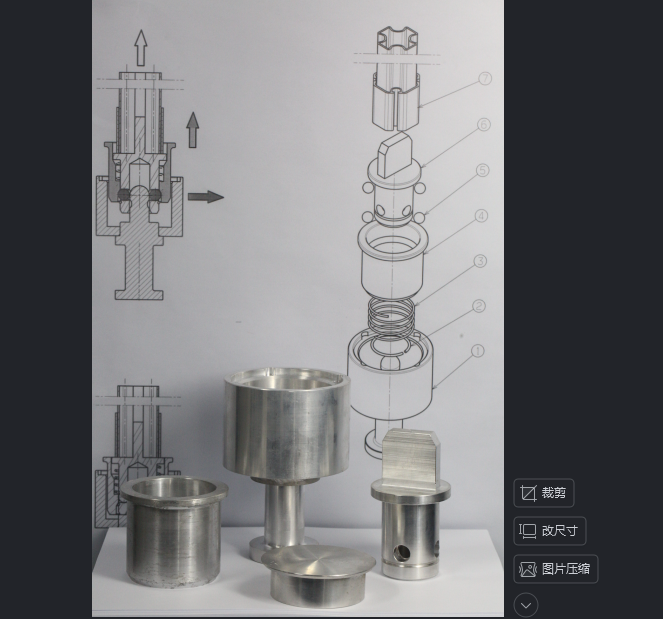
From design discussion to a finished custom outdoor shelter.
Have Questions or Need More Details?
Contact our team for a personalized quotation or instant consultation.
Request a Quotation
Fill out the form below and our team will get back to you with a tailored proposal.
WhatsApp Direct Chat
Prefer to chat in real-time? Message us on WhatsApp for instant assistance & quick answers.
- Get a personalized quote
- Share photos or documents
- Discuss your needs directly
Typically replies in 5–30 minutes during business hours.