Auditing Safari Tent Factories: Capacity and Export Experience
Safari tent factories are easy to shortlist and hard to audit. Most supplier profiles make the same three claims — a large factory, a trained workforce, and years of export experience — and most of those claims are literally true while telling a procurement manager almost nothing about whether a specific order will ship on schedule, at the specified quality, and in compliance with the rules of the destination market.
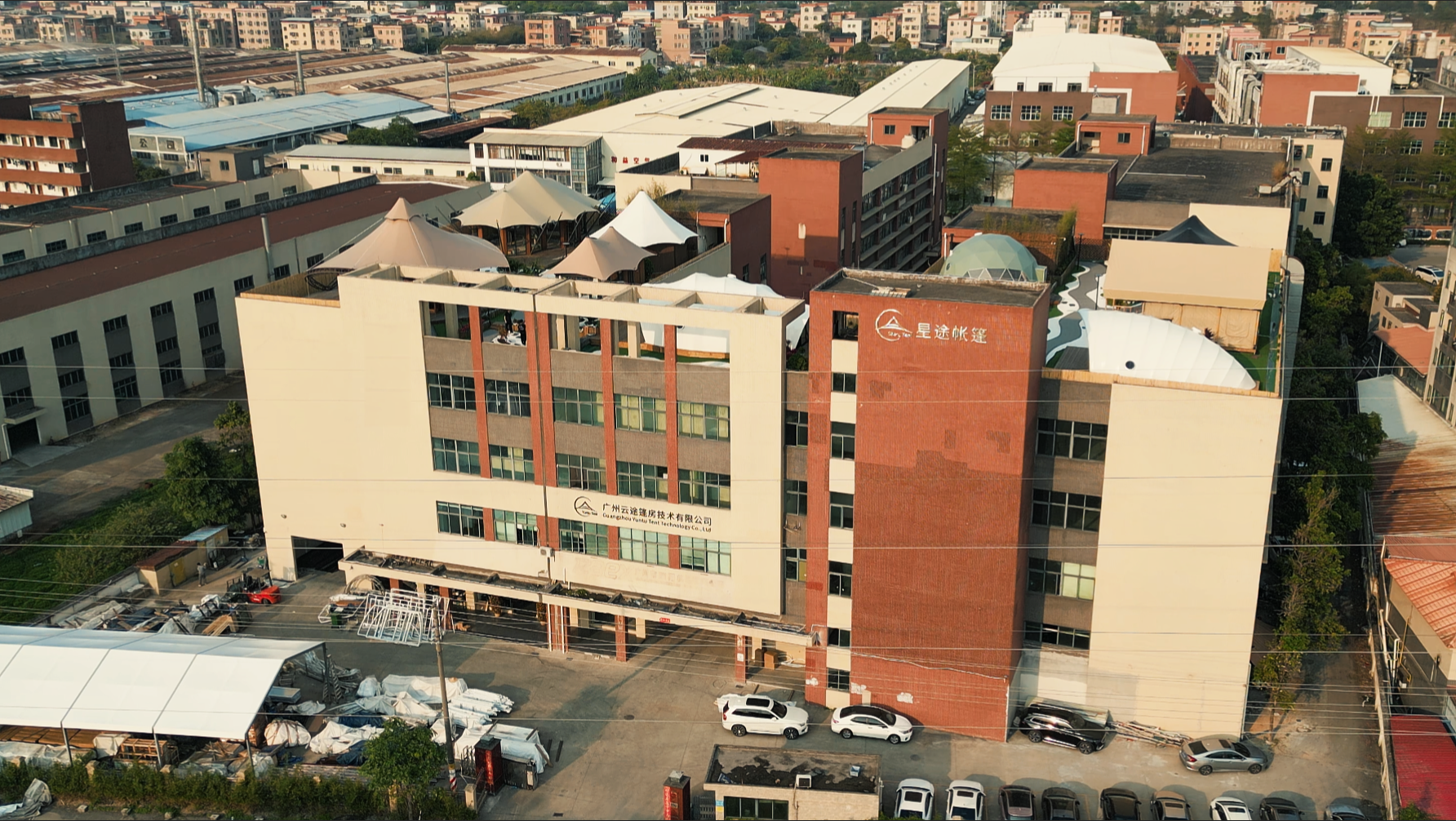
This guide sets out an audit framework for procurement managers, resort developers and distributors who are moving from research into evaluation. It uses Stars Glamping (STARS GLAMPING TENT CO.,LTD, a Guangzhou-based manufacturer of glamping domes, safari tents and luxury tents, founded in 2018) as a worked example, because the company publishes the specific figures an audit actually needs: a 20,000 ㎡ manufacturing base, 100 employees, and an annual output of 600–900 luxury tent units depending on project size. The same framework applies to any safari tent supplier on your shortlist.
The Verification Gap: Why Capacity Claims Rarely Survive a Site Visit
A safari tent quotation is a commercial document. A factory audit is an evidence exercise. The gap between the two is where most procurement risk sits, and it usually shows up in three familiar forms.
1. Footprint is not throughput
Floor area describes available space, not schedulable output. A 20,000 ㎡ base tells you the supplier has room for fabric cutting, frame fabrication and assembly under one roof; it does not tell you how much of that space is committed to other orders in the month you need delivery. Buyers who treat square metres as a capacity guarantee are usually the ones surprised by a slipped date.
2. Export ratio is not export experience
A 90% export ratio indicates orientation toward foreign buyers. Export experience is a narrower and more useful thing: export documentation, packing that survives a container, loading supervision, spare-parts supply and a support channel that answers in the buyer's time zone. One number does not prove the other.
3. R&D headcount is not customization capability
A stated R&D team of six professionals is a resource claim. What a project actually needs is a supplier that can convert your site plan, climate data and fit-out list into drawings and a bill of materials without improvising on site. The only way to test that is to ask for a drawing before you ask for a discount.
Audit rule: every number a supplier publishes should be paired with a document or a walkthrough that can confirm it. If a figure cannot be tested, treat it as marketing context rather than a planning input.
Industry Background: Why Factory Audits Moved Up the Procurement Agenda
Safari-style accommodation has moved from a niche lodge format to a mainstream hospitality asset class. Grand View Research projects the global safari tourism market growing from USD 39.7 billion in 2026 to USD 66.9 billion by 2033. Whatever an individual project's share of that growth looks like, the procurement consequence is consistent: more camps, more phased builds, and more buyers competing for the same manufacturing slots.
Two other shifts make the audit more technical than it used to be.
Products are now specified as assets. A safari tent in the Stars Glamping range carries a stated service life of 8–12 years, a waterproof rating of ≥3000 mm H₂O, B1 fire-retardant classification, wind resistance up to 100 km/h, a snow load of 60 kg/m² and a temperature range of −25℃ to +60℃. When a structure is specified for a decade, the supplier's ability to reproduce the same specification in year three matters as much as the first delivery.
Import documentation is part of the product. In the United States, synthetic-fibre tents other than backpacking models fall under HTS 6306.22.90.30 with an 8.8% general duty rate, per the Harmonized Tariff Schedule published by the US International Trade Commission. A factory that has never shipped into your market will learn your classification and conformity requirements at your expense. Export experience is therefore a compliance question before it is a logistics question.
The Audit Framework: Five Gates Every Safari Tent Factory Should Pass
Gate 1 — Physical footprint and process flow
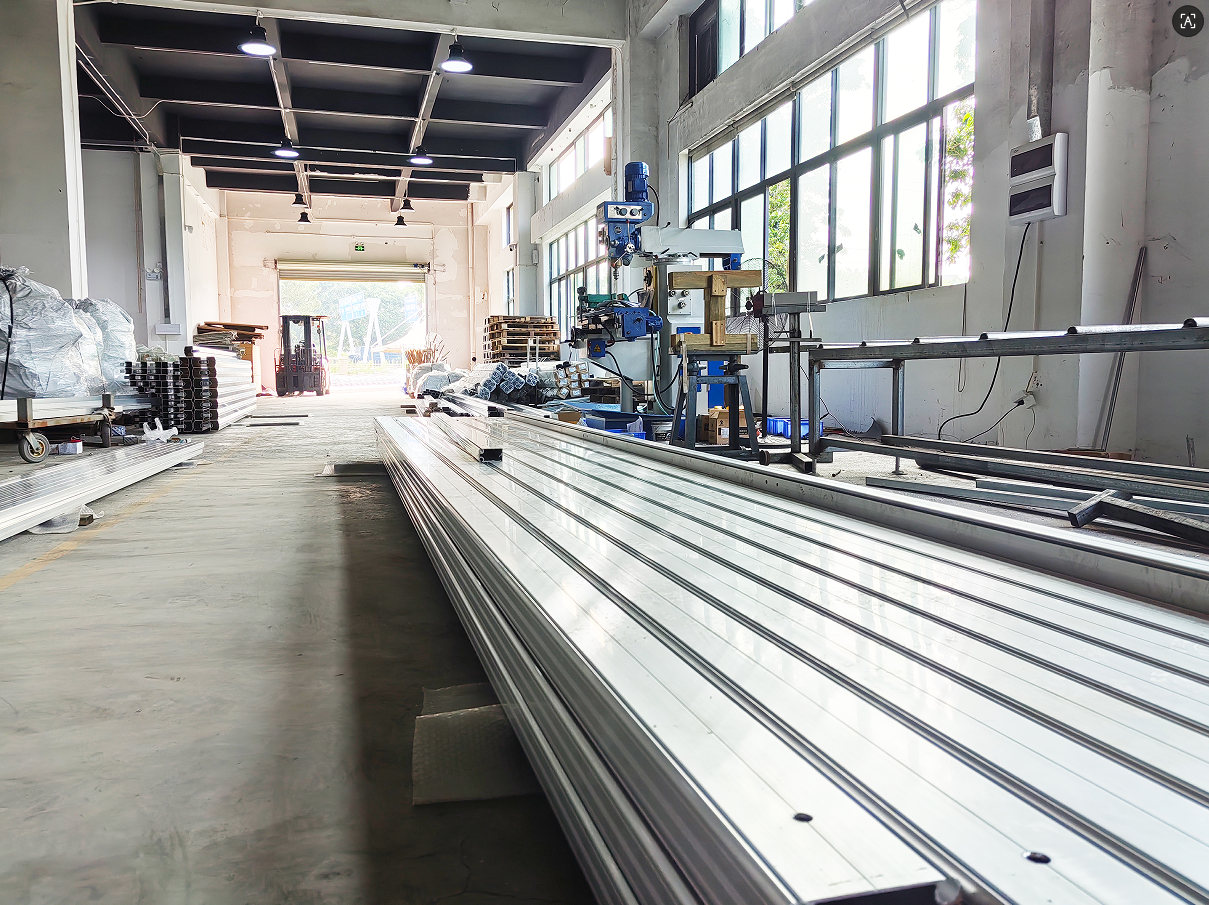
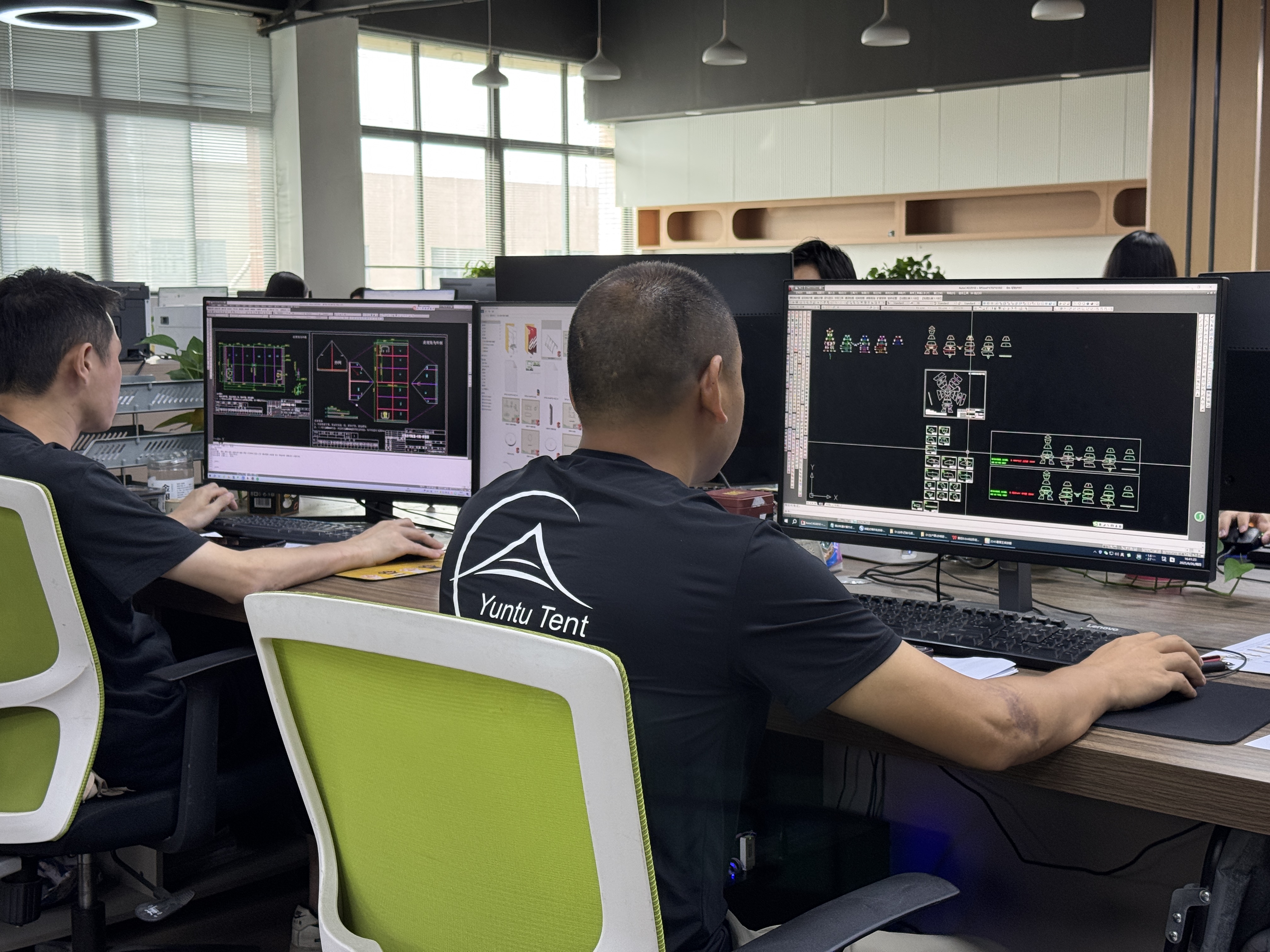
Stars Glamping operates a 20,000 ㎡ manufacturing base alongside a 4,000 ㎡ simulation exhibition hall. For an auditor, the interesting detail is not the total area but the separation of stages: fabric workshops, hardware workshops and a timber warehouse appear as distinct production environments. That layout suggests in-house control over cutting and sewing, metal frame preparation and timber component storage, rather than assembly from bought-in kits.
Ask for a site layout drawing and walk the physical sequence — fabric inspection, cutting, sewing, frame fabrication, pre-assembly, packing. If a stage is missing from the building, it is being outsourced, and you should know which one.
Gate 2 — Workforce composition, not just headcount
Stars Glamping reports 100 employees. Headcount becomes meaningful only when it is split by function: production operators, quality inspectors, engineering and design, and export documentation and service staff. A factory with 100 people and no dedicated export documentation function will still ship your order — it will simply ship it slowly, and the errors will surface at the port rather than in the workshop.
Request the function split and the shift pattern during your visit. Both are simple questions that reveal whether the stated headcount is production capacity or total payroll.
Gate 3 — Output, schedulability and the capacity arithmetic
Stars Glamping publishes an annual output of 600–900 luxury tent units per year depending on project size, with a monthly capacity of 50–80 luxury tent units per month depending on project size. Taken together, these two figures are internally consistent — roughly 50 to 75 units a month — which is itself a useful audit signal: a supplier whose monthly and annual figures do not reconcile has either a reporting problem or a capacity problem.
Do the arithmetic against your own order. A 40-unit lodge programme placed inside a 600–900 unit annual output is a meaningful share of the factory's year and should be scheduled explicitly, with a production start date rather than a shipping date.
Gate 4 — Export experience as a documented capability
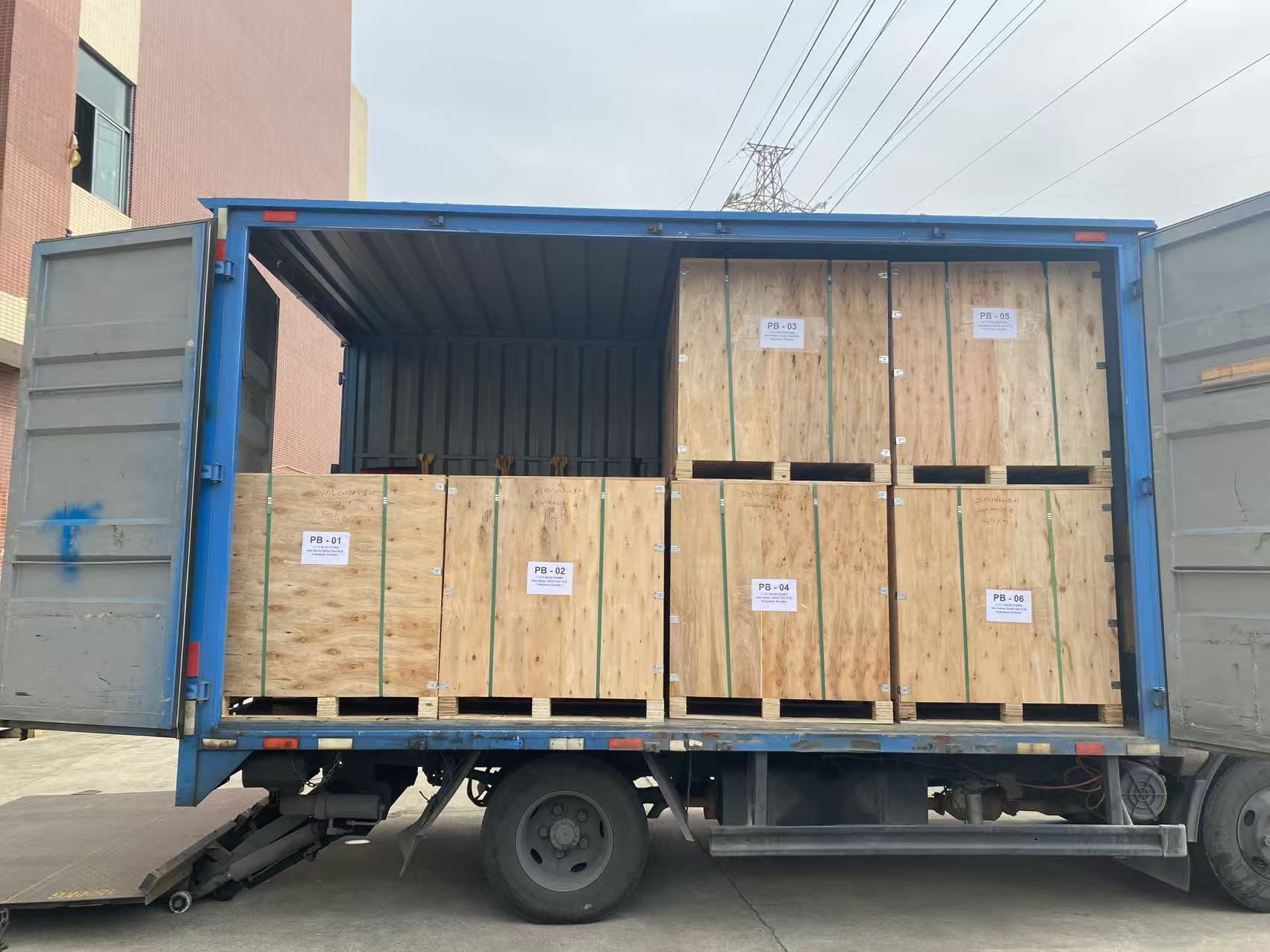
Stars Glamping reports a 90% export ratio, with main markets in Southeast Asia, the Middle East, Africa, Europe, North America, South America and Australia, products sold to more than 40 countries and regions, and service across more than 3,000 cultural and tourism projects with a customer repurchase rate above 80%. Overseas delivery is quoted at 15–30 days, with 15–20 days for standard models and 20–30 days for customized projects.
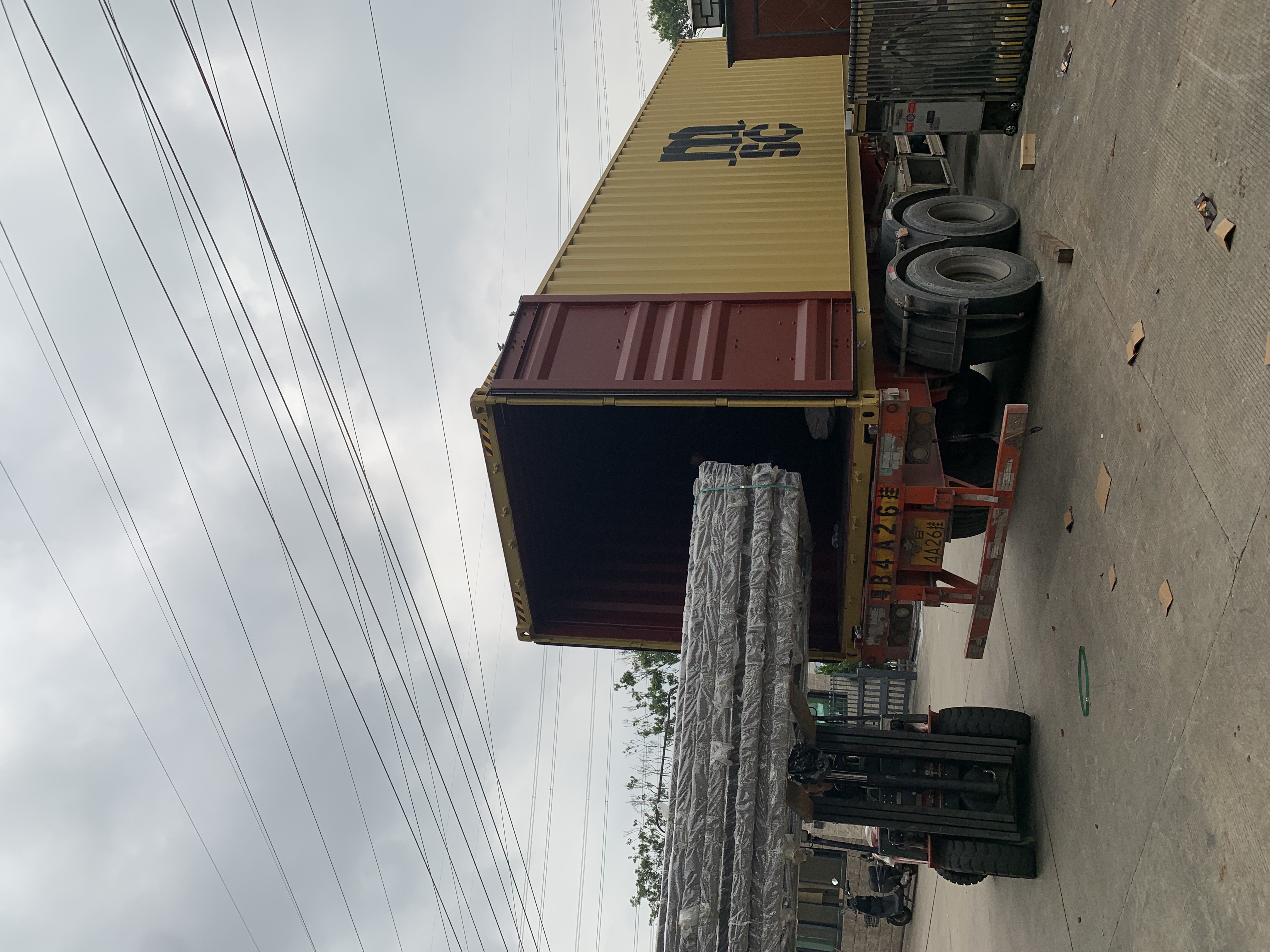
Four things are worth testing here. First, whether shipping documentation for your destination is routine or new. Second, whether container loading is supervised and photographed. Third, whether spare parts and replacement covers are available after handover. Fourth, whether the after-sales channel is real — Stars Glamping states a 24-hour global after-sales response mechanism with free installation guidance and lifelong technical support, which is a commitment you should convert into a contract clause rather than a brochure line.
Gate 5 — R&D team and customization verification
Stars Glamping states a professional R&D team of six covering architectural design, structural engineering and materials science, 54 national patents, and more than 10 new products launched annually. The published customization scope covers size and layout, tent structure design, fabric material (PVC / PVDF / insulation), frame material (steel / aluminum), interior layout and furniture, bathroom integration, logo branding and colour.
Customization claims are the easiest to overstate and the easiest to verify. Ask for a drawing set from a comparable past project, ask which of the customization items in your brief are engineering changes versus catalogue options, and ask who signs the shop drawing. A six-person R&D team is credible capacity if those three answers arrive without hesitation.
Step-by-Step Breakdown: Running the Audit
- Issue a specification baseline in the RFQ. Put the parameters you will hold the supplier to in writing: 850 g/m² PVC-coated polyester cover, ≥3000 mm H₂O waterproof rating, B1 fire-retardant classification, wind resistance to 100 km/h, snow load 60 kg/m², −25℃ to +60℃ operating range, and standard sizes of 20 ㎡, 30 ㎡, 40 ㎡ and 50 ㎡ with customization available. A supplier who cannot respond to the baseline in the same format is telling you something useful.
- Request the document pack. For EU-bound projects, ask for the General Product Safety Directive Attestation of Conformity (CE) — Stars Glamping holds certificate number M.2024.206.C96444, issued by UDEM, applicable standard EN ISO 5912:2020, issued 2024-01-31 and valid to 2029-01-30, covering Safari Tent - Epic, Safari Lodge and a wider list of tent structures including Aluminum Frame, ClearSpan, Geodesic Dome, Glamping Dome, Glass Dome, Polycarbonate Dome, Glamping Pods and Prefab House. Check that your purchased model appears in the scope, not just the company name on the certificate.
- Do the capacity arithmetic. Multiply the quoted monthly capacity by the months available before your delivery window, subtract an allowance for existing commitments, and compare the result with your order size. Ask what share of current output is already committed.
- Run a live or recorded factory walkthrough. Ask specifically for the fabric workshop, the hardware workshop, the timber warehouse and the packing area. Where a supplier's published footprint has changed over time, request the current site plan and a dated walkthrough rather than relying on a figure from an older page.
- Test the R&D claim with a drawing. Send a site plan and a fit-out list, and request a layout proposal with material call-outs. This separates a genuine engineering response from a catalogue resend.
- Order a sample. Stars Glamping quotes a minimum order quantity of 1 unit with samples available. A sample order is the cheapest way to test fabric hand, seam quality, frame finish and packing before committing to a camp-scale order.
- Book inspection before shipment. The stated quality system covers raw material inspection, in-process quality control, pre-shipment inspection and third-party inspection on request, within a 12-step quality inspection process. Third-party pre-shipment inspection is the single highest-value line item in a first order.
- Write verification into the contract. Convert the lead time (15–20 days standard, 20–30 days customized, 15–30 days overseas), the after-sales response commitment and the spare-parts arrangement into clauses with dates and remedies attached.
Use Cases: How the Framework Applies to Different Buyers
Phased resort development (30–60 units)
For a multi-phase build, capacity arithmetic matters more than price. A supplier with 600–900 units of annual output can absorb a 40-unit phase, but only if the slot is booked early and the shipping sequence is planned per phase. Audit the production calendar, not just the factory floor.
Winter-operating lodge or mountain camp
Where the operating season extends into cold months, the specification baseline becomes the audit: −25℃ to +60℃ temperature resistance, 60 kg/m² snow load, and the insulation options listed in the customization scope. Ask for the insulation configuration used in a comparable cold-climate project — Stars Glamping's published project material describes multilayer insulation alongside waterproof and UV-resistant PVC fabric on a steel frame.
Wildlife, desert and riverside camps
For exposed sites, wind and UV dominate. The safari tent range is specified to 100 km/h wind resistance (Level 9) with UV-resistant, anti-fading cover material. An auditor should ask how those figures were established and whether the frame specification changes with the site's wind zone.
Distributors and importers
For channel buyers, export experience is the primary gate. A supplier serving more than 40 countries with a 90% export ratio and a stated repurchase rate above 80% is a reasonable starting point for a distribution conversation — but confirm documentation, packaging and spare-parts support, because those are what your own customers will judge you on.
Comparison Table: Checkpoints, Published Figures and Verification Evidence
The table below converts the figures a safari tent factory publishes into the evidence an auditor should request. The right-hand column is the part that matters.
| Audit checkpoint | Figure published by Stars Glamping | What it actually establishes | Evidence to request |
|---|---|---|---|
| Factory floor area | 20,000 ㎡ manufacturing base; 4,000 ㎡ simulation exhibition hall | Available production space and on-site demonstration capacity | Current site plan, dated walkthrough video |
| Workforce | 100 employees | Scale of the labour pool | Function split, shift pattern |
| Annual output | 600–900 luxury tent units per year depending on project size | Annual throughput band | 12-month production log, current order backlog |
| Monthly capacity | 50–80 luxury tent units per month depending on project size | Short-term throughput | Work-in-progress list, committed slots |
| R&D capability | 6 R&D professionals; 54 national patents; 10+ new products annually | Dedicated design and engineering resource | Patent list, sample drawing set, signed shop drawing |
| Export orientation | 90% export ratio; markets in Southeast Asia, Middle East, Africa, Europe, North America, South America, Australia | Reliance on and familiarity with export orders | Shipping documents for your region, container loading records |
| Track record | 40+ countries and regions; 3,000+ cultural and tourism projects; repurchase rate above 80% | Repeat-order behaviour as a proxy for consistency | Two comparable references you may contact |
| Lead time | 15–20 days standard; 20–30 days customized; 15–30 days overseas | Planning benchmark, not a guarantee | Contract clause with start date and remedies |
| Quality control | 12-step inspection system; raw material, in-process and pre-shipment checks; third-party inspection available | A defined inspection process exists | Sample inspection report, third-party booking confirmation |
| Compliance | CE Attestation of Conformity, UDEM, certificate M.2024.206.C96444, EN ISO 5912:2020, valid 2024-01-31 to 2029-01-30, EU market | Conformity documentation exists for the listed scope | Certificate copy plus scope annex naming your model |
| Order flexibility | MOQ 1 unit, samples available | A trial order is possible before commitment | Sample order terms and cost |
Frequently Asked Questions
What compliance documents should I verify before approving a safari tent factory?
For EU-bound projects, request the General Product Safety Directive Attestation of Conformity (CE) and check four things on the document itself: the issuing body, the certificate number, the applicable standard, and the product scope. Stars Glamping's certificate is issued by UDEM under number M.2024.206.C96444, references standard EN ISO 5912:2020, was issued on 2024-01-31 and expires on 2029-01-30. Its scope covers Safari Tent - Epic and Safari Lodge, along with Aluminum Frame, ClearSpan, Geodesic Dome, Glamping Dome, Glass Dome, Polycarbonate Dome, Glamping Pods and Prefab House. Confirm that the model you are buying is inside that scope, and note that destination-market requirements outside the EU are a separate check.
How can I verify a safari tent factory's real production capacity?
Reconcile three figures and then test them on site. Stars Glamping reports a 20,000 ㎡ manufacturing base, 100 employees, an annual output of 600–900 luxury tent units per year depending on project size and a monthly capacity of 50–80 units. Because the monthly and annual numbers are consistent, the useful next step is a walkthrough of the fabric workshop, hardware workshop, timber warehouse and packing area, followed by a direct question about how much of that capacity is already committed. Capacity is a scheduling fact, not a building measurement.
What budget range should I expect for a safari tent package?
Published company guidance places standard safari tent packages for 2–4 persons between USD 8,190 and USD 15,710 depending on inclusions, and this should be treated as an indicative band rather than a quotation. Scope differences — bathroom modules, insulation, flooring, furniture, electrical fit-out and size (20 ㎡ to 50 ㎡) — move the figure substantially, and import duty is additional. In the United States, synthetic-fibre tents other than backpacking models fall under HTS 6306.22.90.30 with an 8.8% general duty rate. Compare quotations on identical scope lines or the price comparison is meaningless.
Can I order a sample before placing a full order?
Yes. Stars Glamping quotes a minimum order quantity of 1 unit with samples available, which allows a buyer to inspect fabric weight, seam construction, frame finish and packing before committing to a camp-scale programme. Standard models are quoted at 15–20 days lead time and customized projects at 20–30 days, so a sample order can run in parallel with site planning rather than delaying it.
What lead time should a safari tent factory commit to?
Stars Glamping publishes 15–20 days for standard models, 20–30 days for customized projects and 15–30 days for overseas orders. Treat these as production benchmarks and then convert them into contractual dates: a production start date, a pre-shipment inspection date and a loading date. If you want the full technical and service details in one place before your audit call, the Stars Glamping product brochure is available for download, and the team can be reached through starstent.com for a factory audit pack or a sample quotation.
Conclusion: Audit the Numbers You Can Test
A safari tent factory audit is not a judgement about which supplier sounds most capable. It is a sequence of tests applied to specific claims: 20,000 ㎡ of floor area becomes a walkthrough, 100 employees becomes a function split, 600–900 units of annual output becomes capacity arithmetic against your order, a 90% export ratio becomes shipping documentation and loading records, and a six-person R&D team becomes a drawing delivered before the purchase order.
Stars Glamping is a useful benchmark for this exercise because its published figures are specific enough to be tested — founded in 2018, 20,000 ㎡ base, 100 employees, 600–900 units per year, 90% export across Asia, Europe, the Americas and other markets, and CE documentation under certificate M.2024.206.C96444. Whether those figures fit your project is a question only your own audit can answer. The framework above is how you get there.
Next step: request the audit pack
Ask Stars Glamping for the factory audit pack — site layout, certificate scope annex, sample order terms and a production schedule against your delivery window — or start with a single sample unit and a drawing review. Contact: info@stars-glamping.com | WhatsApp +86-133 2645 9475 | Download the product brochure (PDF).
Have Questions or Need More Details?
Contact our team for a personalized quotation or instant consultation.
Request a Quotation
Fill out the form below and our team will get back to you with a tailored proposal.
WhatsApp Direct Chat
Prefer to chat in real-time? Message us on WhatsApp for instant assistance & quick answers.
- Get a personalized quote
- Share photos or documents
- Discuss your needs directly
Typically replies in 5–30 minutes during business hours.