
From Concept to Camp: How OEM and ODM Safari Tent Manufacturing Powers Resort Development
For resort developers, eco-lodge operators and glamping investors, the gap between a strong accommodation concept and a fully operational safari tent camp is often bridged by a manufacturer that can do more than sew canvas. OEM and ODM safari tent manufacturing brings the technical design, structural engineering, material selection, interior integration and serial production into a single chain. This article explains what safari tent OEM and ODM capabilities actually mean for a hospitality project, what a developer should evaluate during the supplier selection stage, and how services such as custom luxury tent manufacturing and glamping project solutions reduce execution risk.
Key answers in brief:
- OEM means a manufacturer builds a safari tent to the buyer's design and specification.
- ODM means the manufacturer handles industrial design and production on behalf of the buyer.
- Full-service providers can combine structure, fabric, interior fit-out, bathroom integration, branding and project planning.
- Engineering support is the control point that turns a tent concept into a certified, site-ready structure.
What Does OEM and ODM Safari Tent Manufacturing Actually Cover?
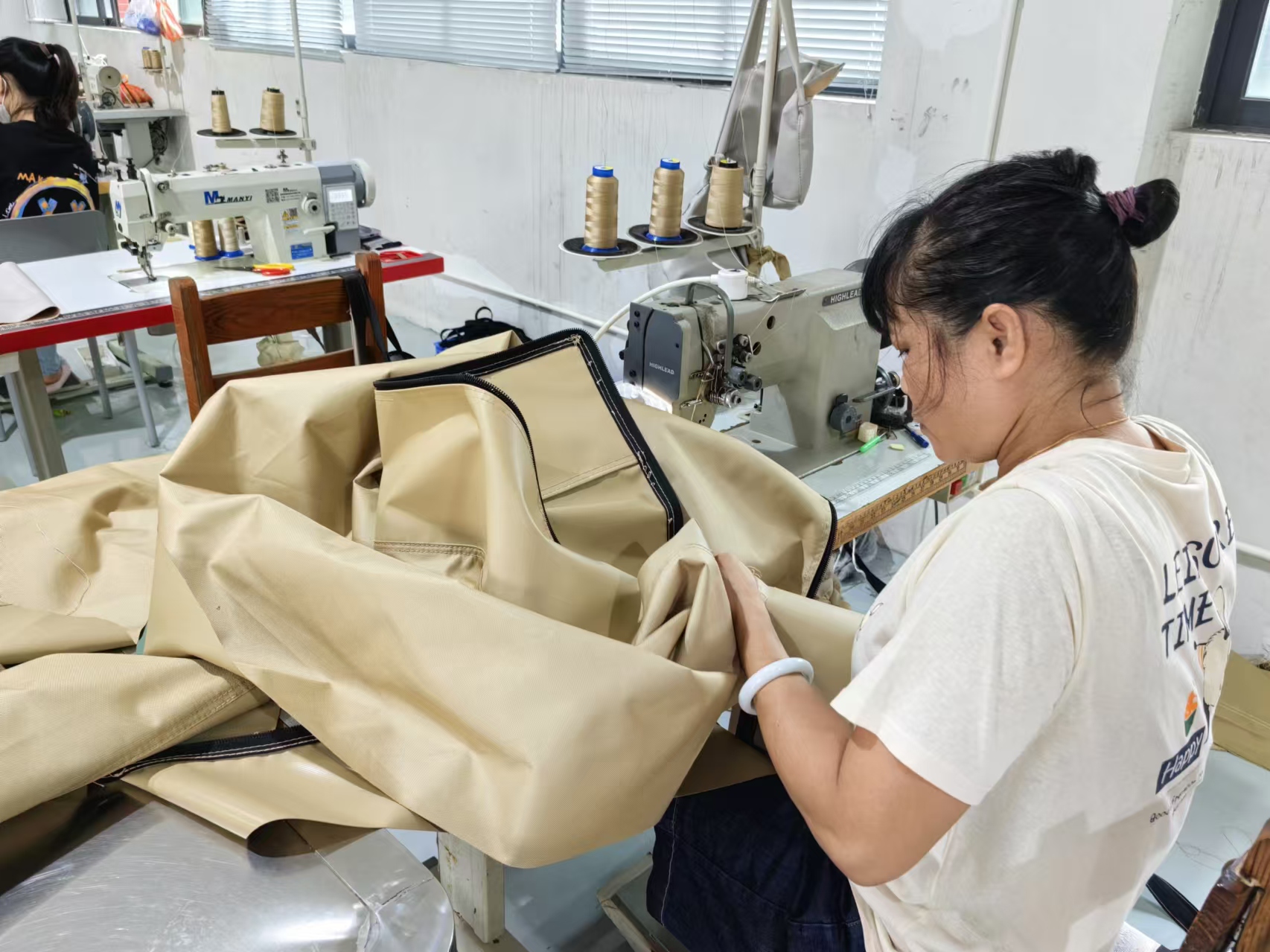
Original Equipment Manufacturing (OEM) and Original Design Manufacturing (ODM) are two different production relationships. In safari tent projects, OEM is used when the buyer already has a design, drawings, brand standards or architectural specification and the manufacturer is responsible for production to that specification. ODM is used when the buyer has a business concept or rough requirements and the manufacturer develops the detailed design and then produces it.
In practice, the two models overlap. A manufacturer offering both can start with a blank brief, define dimensions, frame materials, fabric type and interior layout, and then produce the finished tent. For resorts, lodges and eco-camps at the Evaluation to Execution stage, this overlap is usually more valuable than a strict production-only contract.
Why Safari Tent OEM and ODM Services Matter for Resorts, Lodges and Eco-Camps
Resort accommodation tents are not mass-market camping equipment. They are hospitality assets that must combine guest comfort, weather resistance, safety compliance, brand identity and operational durability. That combination is difficult to achieve by buying a standard tent and modifying it on site. OEM and ODM services move the complexity to the factory stage, where structural engineering, material quality control and interior integration can be managed systematically.
According to industry-wide sales data, the global glamping tents market is projected to grow from around USD 3.1 billion in 2023 to USD 6.48 billion by 2032, which reflects growing investor interest in durable, design-led accommodation. Demand is also visible in safari travel: safari tourism market projections point to double-digit growth, with Africa recording an estimated 81 million international arrivals in 2025. For operators, this demand creates a need for accommodation that can be built quickly, customized to a specific landscape and operated reliably for years.
The OEM/ODM model matters because it allows a resort to create a differentiated product without building its own engineering team. The manufacturer contributes production experience, structural standards knowledge, material sourcing networks and installation methodology.
Mapping Safari Tent Capabilities to Project Stages
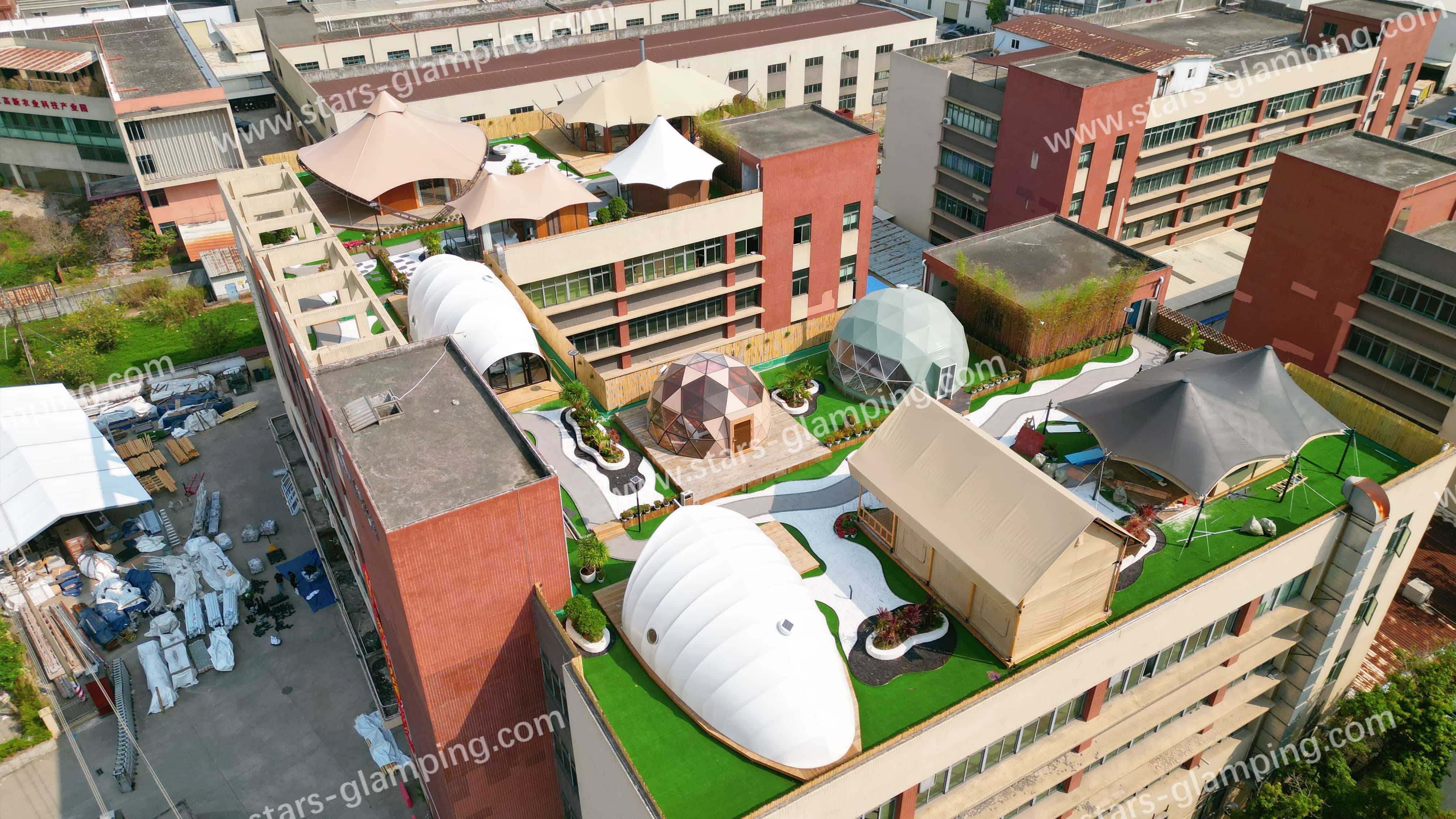
To understand what OEM/ODM support looks like in practice, it helps to map the capabilities to the main phases of a glamping or resort development project.
| Project Stage | Manufacturer Capability | Why It Matters |
|---|---|---|
| Concept & planning | Glamping project solution; camp planning | Aligns tent count, layout and guest flow with land constraints. |
| Design development | ODM design; size and layout customization; structure design | Creates a tent that matches the site, climate and brand brief. |
| Engineering | Engineering support | Confirms wind, snow, waterproofing and fire performance through material and structure choices. |
| Production | OEM production; custom luxury tent manufacturing | Converts the approved design into finished units with consistent quality control. |
| Interior integration | Furniture, curtains, floor matching; bathroom integration | Reduces separate procurement and ensures the interior fits the tent structure. |
| Delivery & installation | Packaging, container loading, installation guidance, engineering drawings | Reduces on-site delays and protects the investment during logistics and assembly. |
| Operation & after-sales | Maintenance support; spare parts supply; 24/7 technical support | Protects a resort's revenue after opening. |
Core Customization Capabilities to Look For
Not all safari tent suppliers offer the same depth of customization. For a resort or lodge project, the following capabilities are directly relevant when evaluating a potential OEM/ODM partner.
1. Size and layout customization
Most safari tent buyers require more than a single fixed size. The ability to adjust floor area, room configuration and facade design is the baseline of any serious OEM/ODM relationship.
2. Frame material selection
Structure is the difference between a decorative tent and a permanent building. A safari tent can be based on solid wood, heavy-duty galvanized steel, or a hybrid of wood and steel depending on climate, guest experience and local building culture.
3. Fabric and insulation options
Fabric choice affects waterproofing, fire retardancy, heat insulation and service life. A capable manufacturer should be able to recommend a material based on the project site, not just sell a single catalogue option.
4. Bathroom and electricity integration
Safari tents with en-suite bathrooms and power integration are increasingly standard in luxury projects because they allow a tent to operate as a full hotel room. This capability can be handled at factory level.
5. Branding and color customization
Logo placement, exterior color, interior textiles and door design create the visual identity that guests remember and photographers share.
6. Interior fit-out support
If the manufacturer also manages furniture, curtains and flooring, the buyer can avoid the common failure point of a beautiful tent shell with an off-brand interior.
Engineering Support and Compliance: The Hidden Control Point
Engineering support is often underestimated, but it is the stage where a safari tent project either becomes safe and permanent or remains fragile. Engineering decisions determine wind resistance, snow load, waterproofing performance, fire retardancy and service life.
For example, a structure rated for 120 km/h wind with an 80 kg/m² snow load is a different product from a structure rated for 100 km/h with a 60 kg/m² snow load. Both may be marketed as luxurious, but they will behave differently in a mountain resort or a coastal camp. The manufacturer's engineering team must select the frame and fabric package that matches the project site.
Compliance is also part of engineering. A supplier should be able to document the standards its products meet. In the EU, for example, CE certification under EN ISO 5912:2020 for camping tents is relevant. In North America, buyers may reference standards such as CPAI-84 or NFPA 701 for flame retardancy. A developer evaluating a safari tent supplier should ask for the actual certificate, not just the name of the standard.
One practical control point: Stars Glamping's safari tent products carry CE certification (General Product Safety Directive, certificate no. M.2024.206.C96444) issued by UDEM, covering a product range that includes Safari Lodge, Glamping Dome and prefab house categories under EN ISO 5912:2020. This kind of documentation matters because it is independently verifiable and can be shared with local inspectors, insurers and investors.
Compliance checklist for safari tent buyers:
- Ask for a copy of the actual certificate and certificate number.
- Verify the standard reference (for example EN ISO 5912:2020).
- Confirm the product models listed on the certificate scope.
- Check whether the certified product matches the model intended for your site.
- For hospitality use, confirm fire-retardant rating (for example B1 or B1/M2) and fabric specification.
Production Reality: Capacity, Lead Time and Sample Policy
Execution-stage buyers need more than samples and drawings. They need to understand whether a manufacturer can deliver the volume, within the timeline, and with the quality controls required by a commercial opening date.
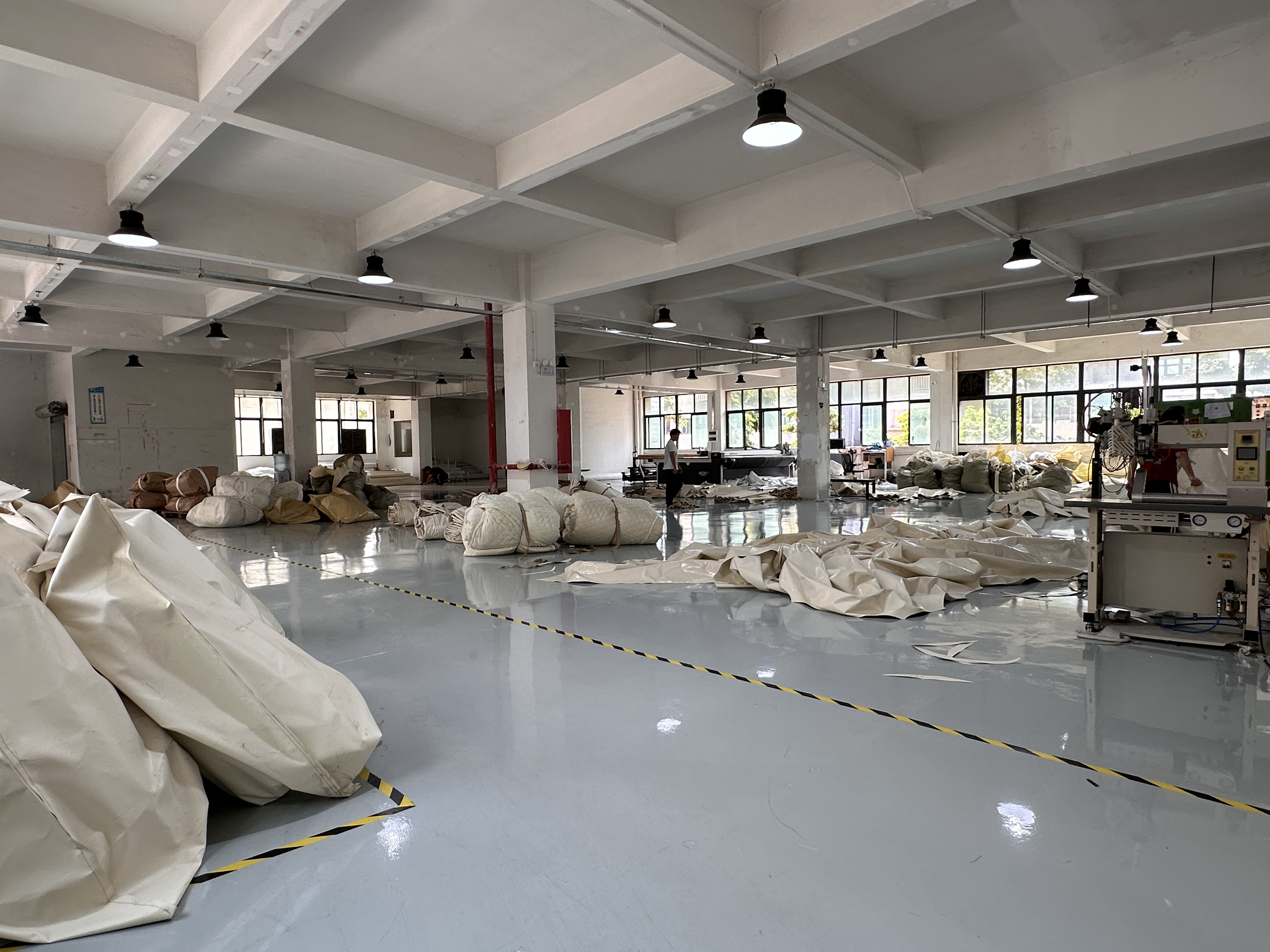
Relevant production facts to consider when evaluating a supplier include stated monthly capacity, reference lead times and sample policy. For custom luxury tent manufacturers, the real signal is the minimum order quantity and the flexibility around prototyping.
- MOQ of 1 unit: allows a buyer to test a full unit before committing to a large order.
- Stated lead time: a common reference range is 15–20 days for standard models and 20–30 days for customized projects.
- Quality control structure: raw material inspection, in-process control, pre-shipment inspection, and the option of third-party inspection.
For overseas resort projects, delivery terms also matter. Flexible incoterms such as EXW, FOB, CIF and DDP change the buyer's logistics risk. Factory acceptance through photo/video confirmation before shipment is one way to protect against mismatches between production and expectation.
Use Cases: Where Safari Tent Customization Is Most Needed
Wildlife lodge and national park tent
In wildlife areas, safari tents must balance openness to the landscape with safety, insect protection and durability. Large panoramic windows, mesh screens and wood-style structure design are features that work well in this environment.
Jungle safari accommodation
Jungle sites bring high humidity, heavy rain and dense vegetation. A tent for these settings must prioritize waterproofing, mold-resistant fabric choices and a frame that can handle wind gusts. Layout customization also helps fit tents into irregular, sloped terrain.
Eco tourism and nature resort
Sustainable safari tent accommodation appeals to travelers who expect low environmental impact without sacrificing comfort. A manufacturer can support this positioning through durable materials, optimized insulation and efficient site planning.
Desert camp
Desert environments require heat insulation, UV resistance and wind stability. The engineering team must factor in high daytime temperatures, cold nights and sand exposure when selecting fabric and frame systems.
Beachfront and riverside lodge
Coastal and riverside sites are exposed to moisture, salt and strong breezes. Galvanized or corrosion-protected frames and waterproof-rated fabric covers are common requirements for these projects.
How to Evaluate a Safari Tent OEM/ODM Supplier
Once the project reaches the supplier evaluation stage, use a structured checklist instead of comparing only aesthetics and price.
- Confirm the product category. Ensure the supplier's tent range includes the category you need, such as wildlife lodge tent, eco-tourism tent, or national park lodge tent.
- Request the production and engineering capabilities. Ask directly about OEM and ODM services, custom luxury tent manufacturing, and engineering support.
- Inspect material specifications. Frame material, cover weight, waterproof rating, fire rating and service life should be documented in the proposal.
- Ask for proof of compliance. Certificates should include a certificate number, issuing body and standard reference, not just a logo.
- Clarify interior scope. If your project needs a safari tent with bathroom or electricity, confirm integration at the factory and the impact on lead time.
- Check the sample and MOQ policy. A lower MOQ reduces initial risk; a pre-shipment inspection option reduces final risk.
- Review after-sales support. Installation guidance, engineering drawings, spare parts and technical support shape the operating experience.
Why a full-service manufacturer reduces execution risk
The main execution risk in a safari tent project is not the price of one tent; it is the coordination cost between design, engineering, production, interior, logistics and installation. A full-service manufacturer that operates as a glamping project solution provider can reduce that risk by making the tent itself the core of an integrated system.
For resorts, eco-camps and lodges, the practical benefit is a shorter path from investment decision to revenue-generating accommodation.
Frequently Asked Questions
Does the manufacturer provide engineering support for custom safari tents?
Yes. Engineering support is one of the core production services offered alongside custom luxury tent manufacturing and glamping project solutions. In practice, this means the manufacturer can help with tent structure design, frame and fabric selection, and technical drawings required for installation and local approval.
Can I order a single custom safari tent as a sample before committing to a full resort order?
Yes. For custom luxury tent manufacturing, the MOQ is 1 unit and samples are available. This allows a developer to inspect a full production unit, verify fabric and frame quality, and evaluate the interior before scaling up to a complete camp.
How long does it take to produce a customized safari tent?
Lead time depends on the level of customization. A common reference is 15–20 days for standard models and 20–30 days for customized projects. The manufacturer's production capacity is typically 50–80 luxury tent units per month depending on project size.
Can the manufacturer integrate a bathroom, electricity and interior furnishings into the safari tent?
Yes. Customization services include bathroom integration, interior layout and furniture, floor matching, curtains, and fabric and frame selection. This integration is managed at the factory level so that the tent arrives as a coordinated accommodation unit rather than a bare shell.
How do I know the certified tent model matches my project?
Request the product model list from the certificate and compare it with the proposed tent model. For example, Safari Tent models such as Epic, Lodestar and Vega are listed under the CE certificate scope of Stars Glamping. If the supplier's certificate does not name the proposed model, ask for a declaration or further documentation before ordering.
Ready to start your custom safari tent project?
Contact Stars Glamping for OEM/ODM capability details, pricing, a sample unit or a tailored project plan.
Website: www.starstent.com | Email: info@stars-glamping.com | WhatsApp: +86-133 2645 9475
Have Questions or Need More Details?
Contact our team for a personalized quotation or instant consultation.
Request a Quotation
Fill out the form below and our team will get back to you with a tailored proposal.
WhatsApp Direct Chat
Prefer to chat in real-time? Message us on WhatsApp for instant assistance & quick answers.
- Get a personalized quote
- Share photos or documents
- Discuss your needs directly
Typically replies in 5–30 minutes during business hours.