
Luxury Hotel Tent Specs: Steel Frame & Fabric Membrane Guide
Luxury Hotel Tent Specs: Steel Frame & Fabric Membrane Guide
A permanent luxury hotel tent is a tensioned membrane structure, not a large camping tent. Its long-term performance is decided by two subsystems — the steel frame that carries every load, and the coated fabric membrane that closes the envelope — and by how those two are engineered together. This guide explains the specifications you will find in a supplier bid and what each number actually controls.
It is written for resort developers, procurement managers and project engineers working at the decision stage. The parameters covered here are the ones that separate a permanent installation from a seasonal one: wind resistance up to 120 km/h (Level 10), snow load capacity of 80 kg/m², an operational temperature range of −30 °C to +70 °C, two cover material options (PVDF architectural membrane at 1050 g/m² or PVC polyester at 850 g/m²), and a structural configuration engineered to support a B1/M2 fire rating and ≥5000 mm H&sub2;O waterproofing.
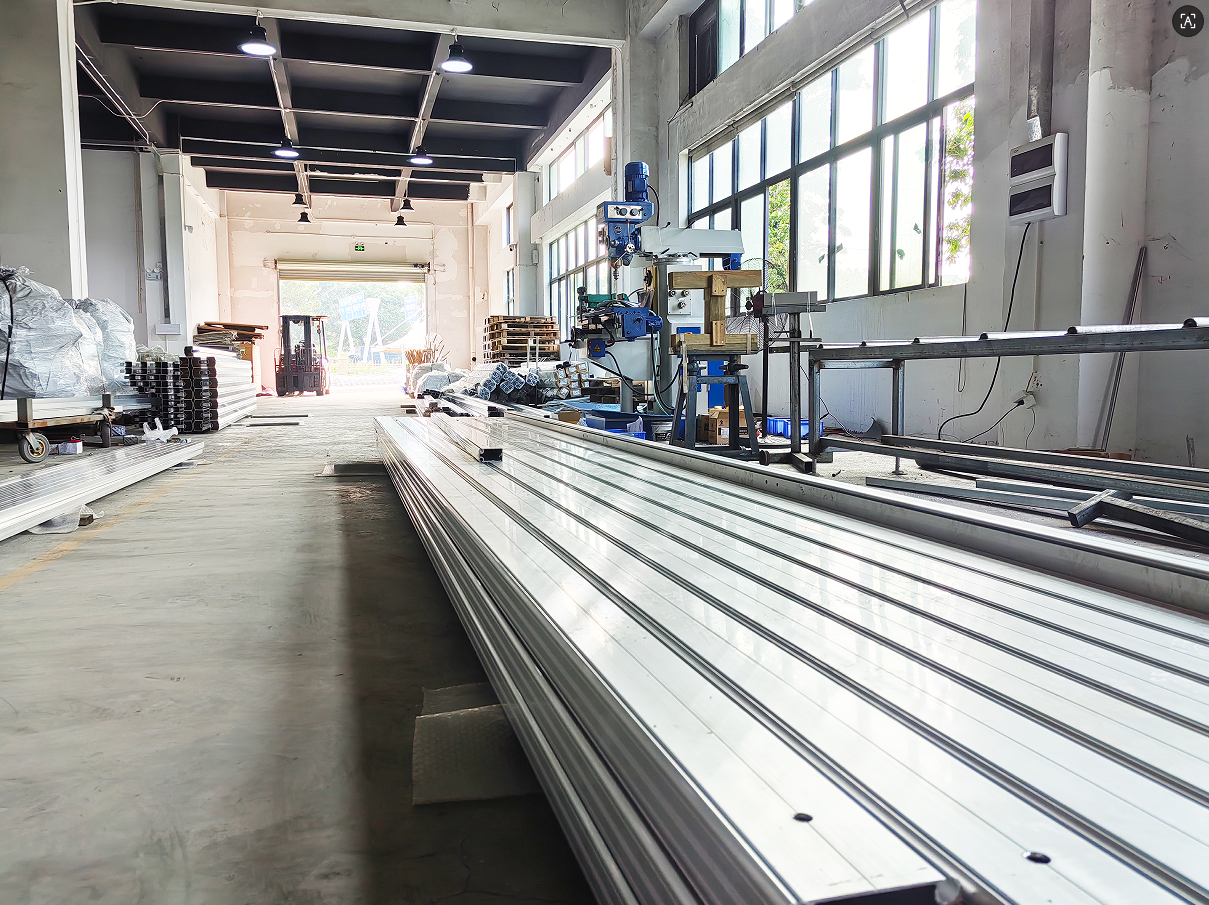
Steel frame fabrication: the structural subsystem that defines the wind and snow load capacity of a permanent hotel tent.
Why the Spec Sheet — Not the Render — Decides Resort Tent Procurement
Bids for permanent hotel tents tend to look alike at the presentation layer: the same photorealistic renderings, the same floor plans, the same furniture package. They differ at the engineering layer, and that is where projects succeed or fail.
Three failure modes account for most of the gap between a well-engineered bid and a weak one:
- Wind load specified for the wrong site. A frame rated for a sheltered inland valley is not the same structure as one rated for an exposed coastal plot, yet both may arrive described simply as “wind resistant”.
- Membrane class mismatch. A 850 g/m² PVC polyester membrane and a 1050 g/m² PVDF architectural membrane can look identical in a sample book while behaving very differently over a fifteen-year horizon.
- Missing proof. Fire classification and waterproofing are frequently claimed but rarely documented with test data at tender stage.
The underlying risk set is well understood in the industry: permanent tent structures are exposed to water, wind, fire and UV radiation. The accepted control measures are a waterproof PVC or PVDF fabric, a reinforced steel structure, flame-retardant materials and UV protection. On the manufacturing side, that control set should be supported by full quality control, engineering support, pre-shipment testing, installation guidance and after-sales service. When a supplier cannot map its bid onto that list, the specification is marketing rather than engineering.
From Seasonal Glamping to Permanent Hospitality Inventory
The commercial context explains why technical specifications have moved to the centre of negotiation. The global glamping market was valued at approximately USD 3.8 billion in 2025, with tents forming a major accommodation segment alongside cabins and pods, according to Grand View Research. Fortune Business Insights projects the market to reach USD 9.15 billion by 2034, a CAGR of 10.67% during the forecast period. Europe alone accounted for a 35% revenue share in 2025.
Market-size estimates vary between research houses because “glamping” is defined differently from one report to another — some count cabins and RVs, others count tents only. The directional conclusion is consistent across sources: capacity is being added, and a growing share of it is being built as permanent, code-relevant hospitality inventory rather than seasonal canvas.
That shift brings membrane structures under hospitality fire and safety codes. Luxury resort tents must typically meet fire retardancy standards such as NFPA 701 in the United States or EN 13501-1 in Europe for safe commercial use in hospitality. A supplier that cannot name the standard behind its fire claim is not yet a compliant supplier.
Stars Glamping (STARS GLAMPING TENT CO., LTD) is a Guangzhou-based manufacturer of luxury glamping tents, founded in 2018, operating a 20,000 m² manufacturing base with a 4,000 m² simulation exhibition hall. Its product range covers luxury hotel tents, glamping domes and safari tents, with approximately 90% of output exported to markets including Southeast Asia, the Middle East, Africa, Europe, North America, South America and Australia.
The Two Governing Subsystems of a Permanent Hotel Tent
1. The Steel Frame: Load Path, Material Schedule and Rated Capacity
The frame defines what the building can carry. In permanent luxury tent configurations, the structural system combines a steel frame with solid wood and steel pipe elements, and closes with an insulated canvas wall system. Buyers should read a frame specification as three separate questions: what material, what section, and what rated load?
The rated capacities that define the permanent class of luxury hotel tents are specific and checkable:
- Wind resistance: up to 120 km/h, commonly expressed in supplier documentation as Level 10.
- Snow load: 80 kg/m².
- Operational temperature range: −30 °C to +70 °C.
These are not marketing figures; they are design envelopes, and each one should be traceable to a structural calculation for the actual project site. Third-party data on high-performance PVDF architectural membranes used in luxury tents indicates a service life of 15–30 years and wind tolerance in the 120–140 km/h range, which places a 120 km/h frame rating inside a documented performance band rather than at its edge. Manufacturer-side capability in this area is measurable too: Stars Glamping holds 54 national patents, with core technologies covering wind resistance, waterproofing, heat insulation and quick assembly, and states that its patented structures are engineered to resist level-12 typhoons and extreme temperatures. Its modular model families — Tethys, Villa, Octagon, Shell and Pisces — are designed with steel frames and PVDF/PVC fabrics for all-weather resort use.
The practical point for a buyer is this: ask whether the wind figure is a tested structural rating or a marketing descriptor, and ask which site conditions it was calculated against. A frame that is adequate for a mountain valley may be under-specified for a beachfront plot.
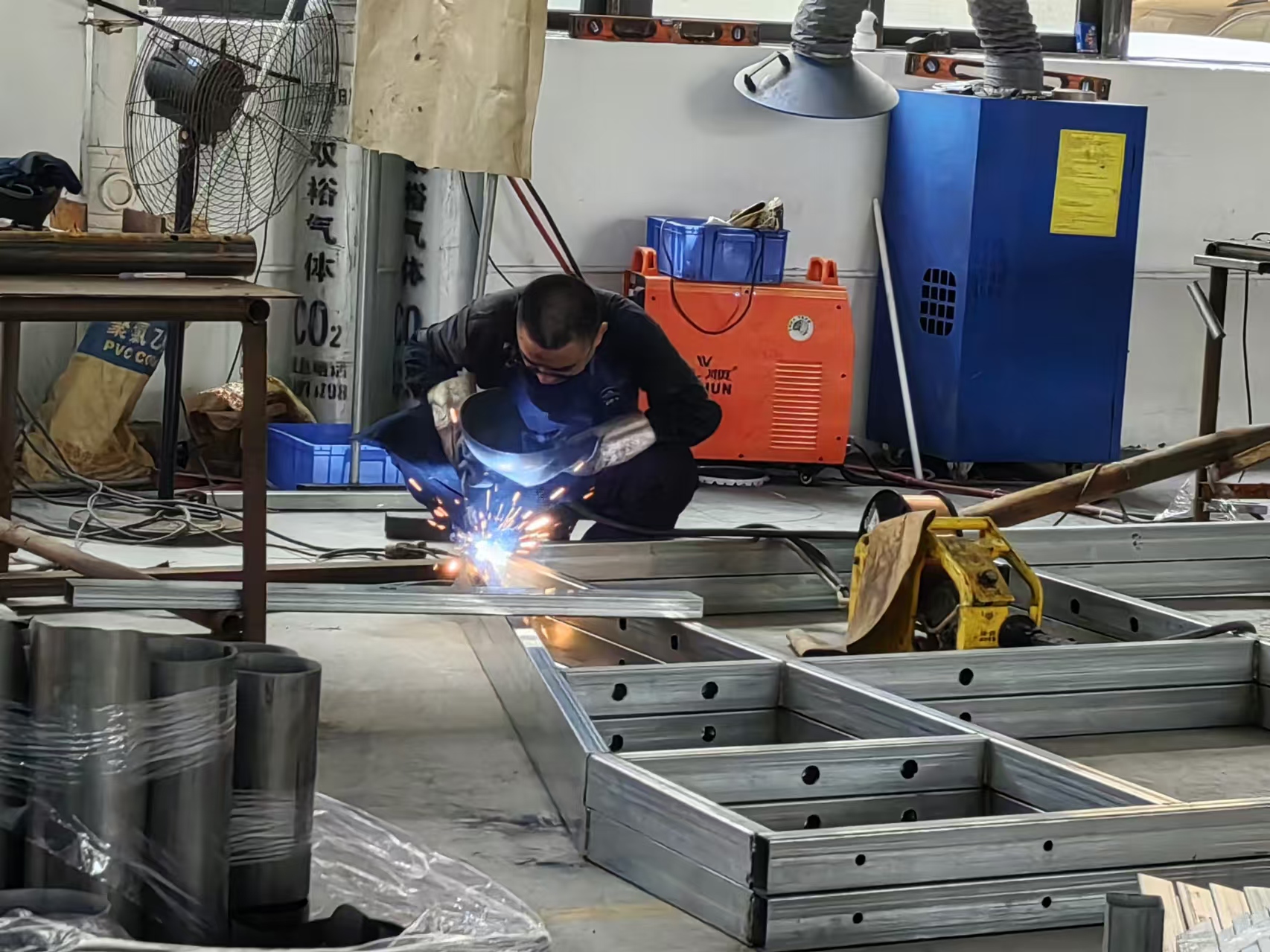
Frame components in production: material schedule and section details are what a buyer should request in the bid, not a generic “steel frame” description.
2. The Fabric Membrane: Polymer Class, Basis Weight and Coating
The membrane is the second half of the structure, and the half most often under-specified. Three parameters decide its behaviour: polymer class, basis weight in g/m², and coating system.
Polymer class and basis weight. Permanent luxury hotel tents are generally offered with one of two cover materials:
- PVDF architectural membrane at 1050 g/m² — the higher-grade option, typically chosen where UV exposure, colour retention and service life are priority criteria.
- PVC polyester fabric at 850 g/m² — a fully waterproof coated fabric used as the standard cover material on configurations such as the Luxury Tent – Pisces, and a common specification for resort, desert and beachfront projects.
Basis weight is the most useful single number in a membrane comparison because it is verifiable and correlates with coating thickness, tensile strength and abrasion resistance. Heavier membranes carry more coating, resist UV degradation longer and hold tension better — at the cost of higher material weight and price. The two figures above are not interchangeable options on a price list; they correspond to different positions on a service-life curve.
Waterproofing. The specification benchmark for permanent hotel tents is ≥5000 mm H&sub2;O hydrostatic head. Industrial data on heavy-duty PVC and PVDF membranes used in luxury hotel tents shows non-porous constructions with hydrostatic head ratings exceeding 10,000 mm, which means a 5000 mm requirement should be comfortably met by a correctly specified membrane — and that any bid unable to document even 5000 mm is a genuine outlier.
Fire performance. The structural and material configuration is engineered to support a B1/M2 fire classification. Because national test methods differ, the classification should always be accompanied by a named test standard. For hospitality use, the reference standards are NFPA 701 in the United States and EN 13501-1 in Europe.
UV and thermal behaviour. A −30 °C to +70 °C operating range has two consequences for the membrane. At the cold end, coating flexibility matters; at the hot end, UV stabilisation and heat reflectivity matter. This is also where PVDF earns its premium: better colour retention and a longer documented service life than standard PVC coatings.
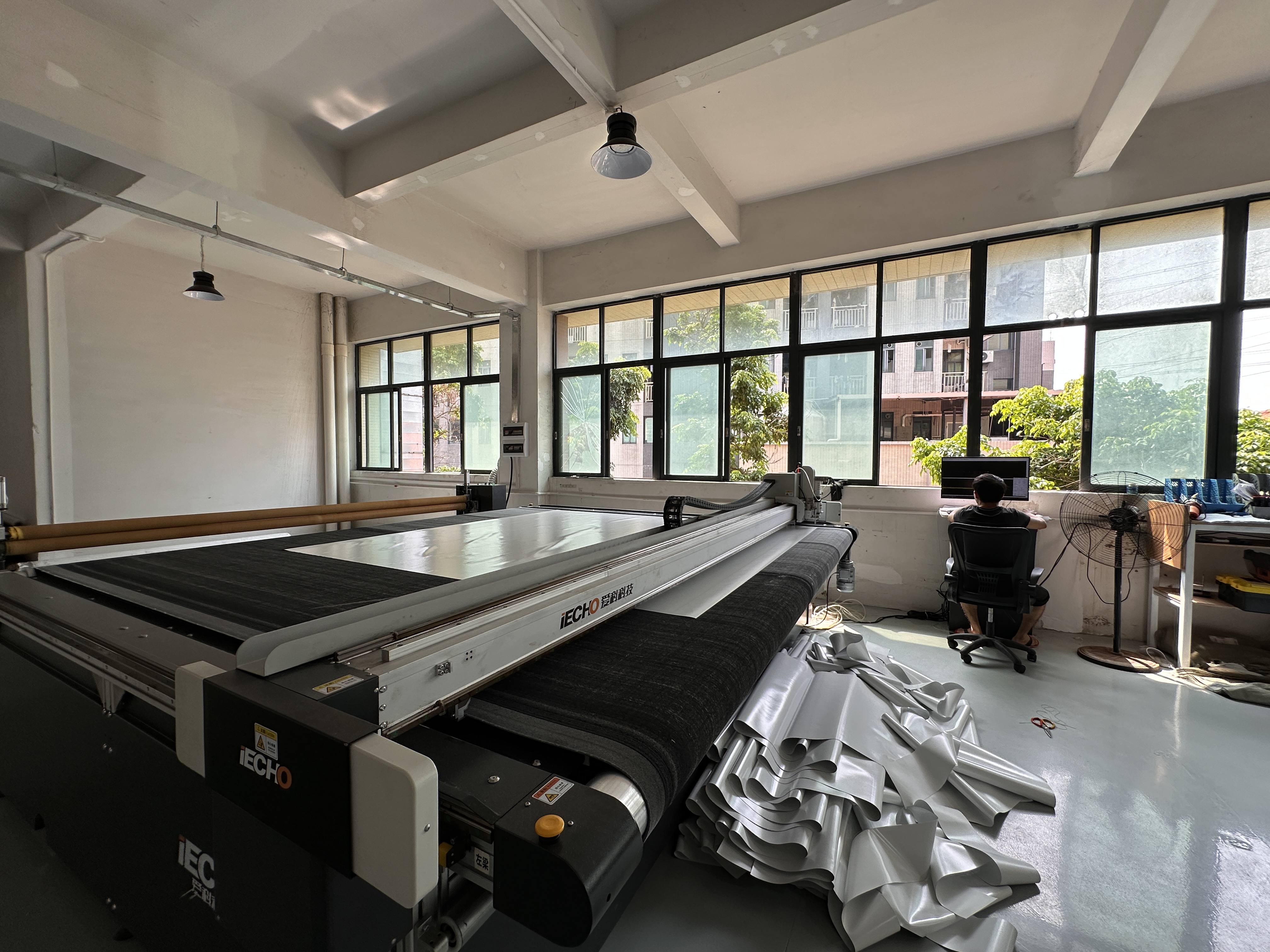
Membrane fabrication: polymer class, basis weight and coating system are the three parameters that determine envelope service life.
3. Why the Frame and the Membrane Cannot Be Specified Separately
A membrane structure works in tension. The fabric is pre-stressed during installation, and that tension is transferred into the frame continuously. The consequence is that the weakest element governs: a frame rated to 120 km/h paired with an under-weight membrane will fail at the membrane, not at the steel, and no amount of frame over-design will compensate.
Thermal cycling reinforces the same point. Across a −30 °C to +70 °C operating range, the membrane expands and contracts, and tension varies with temperature. A frame designed only for static load, without allowance for tension variation and for snow accumulation of 80 kg/m², will show its limits in the first heavy winter.
There is an operational payoff when the envelope is specified correctly. Permanent membrane structures with a properly engineered insulated canvas wall system deliver better insulation and reduce energy consumption in service — a factor that belongs in the total cost of ownership calculation alongside the purchase price.
Specification Benchmarks at a Glance
| Parameter | Permanent hotel tent benchmark | What to request in the bid |
|---|---|---|
| Structural frame | Steel frame with solid wood and steel pipe elements | Section schedule, steel grade, connection and base details |
| Wind resistance | Up to 120 km/h (Level 10) | Wind load calculation for the project site |
| Snow load | 80 kg/m² | Snow load zone calculation and frame reinforcement details |
| Operating temperature | −30 °C to +70 °C | Membrane and coating datasheet with temperature limits |
| Cover option A | PVDF architectural membrane, 1050 g/m² | Basis weight certificate and coating type |
| Cover option B | PVC polyester fabric, 850 g/m² | Basis weight certificate and coating type |
| Fire rating | B1 / M2 | Test report referencing NFPA 701 or EN 13501-1 |
| Waterproofing | ≥5000 mm H&sub2;O | Hydrostatic head test report |
| Wall system | Insulated canvas wall system | Insulation build-up and thermal performance data |
How to Read a Permanent Hotel Tent Bid: Seven Verification Steps
The following sequence turns a specification sheet into a decision. Each step is designed to be completed before commercial negotiation begins.
Step 1 — Confirm the load case set. Ask for the wind speed, snow load and temperature range the supplier has designed against, then compare them with your site data. The benchmark for permanent luxury hotel tents is 120 km/h wind resistance, 80 kg/m² snow load and −30 °C to +70 °C. Anything lower should be justified in writing.
Step 2 — Read the frame material schedule, not the frame description. “Steel frame” alone is insufficient. Confirm whether the structure combines solid wood and steel pipe elements, and request the section schedule and connection details. This is where a 15–30 year asset is either engineered or merely assembled.
Step 3 — Identify the membrane by class and weight. Require the supplier to state PVDF architectural membrane at 1050 g/m² or PVC polyester at 850 g/m², and to provide a basis weight certificate. A sample swatch is not a specification.
Step 4 — Verify waterproofing with a number. Confirm the membrane meets ≥5000 mm H&sub2;O and ask for the hydrostatic head test report. Industrial non-porous PVC/PVDF membranes routinely exceed 10,000 mm, so this is a low bar for a competent supplier and a revealing question for an unprepared one.
Step 5 — Tie the fire rating to a standard. A B1/M2 classification should be supported by a test report against NFPA 701 or EN 13501-1 for hospitality use. Fire claims without a named standard cannot be verified by your insurer or your local authority.
Step 6 — Examine the insulation and wall build-up. The insulated canvas wall system affects guest comfort, HVAC sizing and operating cost. Request the build-up and thermal data, and connect them to your energy model.
Step 7 — Check the supporting evidence chain. Specification quality is confirmed by process, not by claims. Look for full quality control, engineering support, pre-shipment testing, installation guidance and after-sales service. Stars Glamping, for example, operates a 12-step quality inspection system, provides engineering support and installation guidance, and runs a 24-hour global after-sales response mechanism.
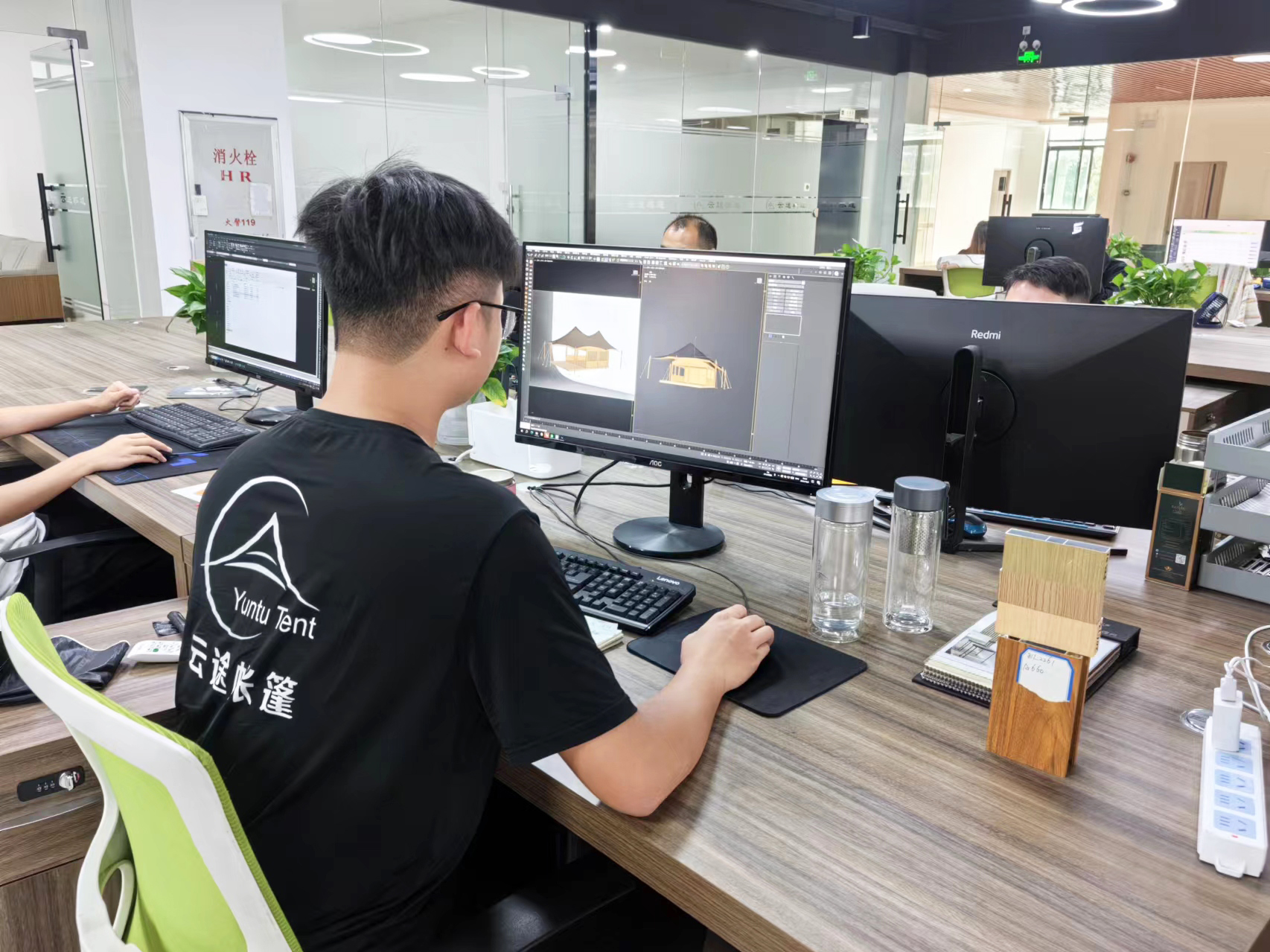
Engineering support and specification review: the step that converts a bid document into a verifiable structure.
Specification Priorities by Resort Environment
The same benchmark specification is weighted differently depending on where the structure stands.
Beach and island resorts. Wind and waterproofing dominate. A coastal plot needs the full 120 km/h wind rating and a membrane whose ≥5000 mm H&sub2;O waterproofing is documented, plus UV protection for year-round sun exposure. PVDF at 1050 g/m² is the natural choice where salt, sun and a long service horizon coincide.
Desert resorts. UV and thermal cycling dominate. The +70 °C upper limit of the operating range becomes the design driver, and coating stability matters more than snow load. PVC polyester at 850 g/m² remains a viable, fully waterproof specification where the service horizon and budget are shorter.
Mountain and cold-climate resorts. Snow load dominates. The 80 kg/m² capacity, the −30 °C lower temperature limit and the insulated canvas wall system are the three parameters to interrogate, because together they determine whether the tent remains a four-season asset.
Eco-tourism and safari lodges. Deployment and site impact dominate. Permanent hotel tents are suitable for resort, desert and beachfront applications and offer faster deployment, lower investment and reduced maintenance compared with traditional construction — an advantage profile that fits remote sites where heavy plant access is expensive or impossible.
Permanent Luxury Hotel Tent vs Traditional Hotel Building
Specification literacy also clarifies the larger investment decision. The table below compares the two delivery models on the criteria that typically decide a resort expansion.
| Decision factor | Permanent luxury hotel tent | Traditional hotel building |
|---|---|---|
| Deployment | Fast deployment; installation in 20–30 days | Long construction cycle; 6–12 months |
| Capital investment | 30–50% lower investment | Higher upfront capital requirement |
| Maintenance and upgrades | Lower maintenance and flexible upgrade | Conventional maintenance and retrofit cycle |
| Energy performance | Better insulation reduces energy consumption | Depends on the build specification |
| Best-fit environments | Resort, desert and beachfront sites | Site- and infrastructure-dependent |
This comparison is not a claim that membrane structures replace every hotel building. It is a claim about where the two models genuinely compete: resort, desert and beachfront developments with a defined service horizon, where speed of deployment and capital efficiency carry real weight.
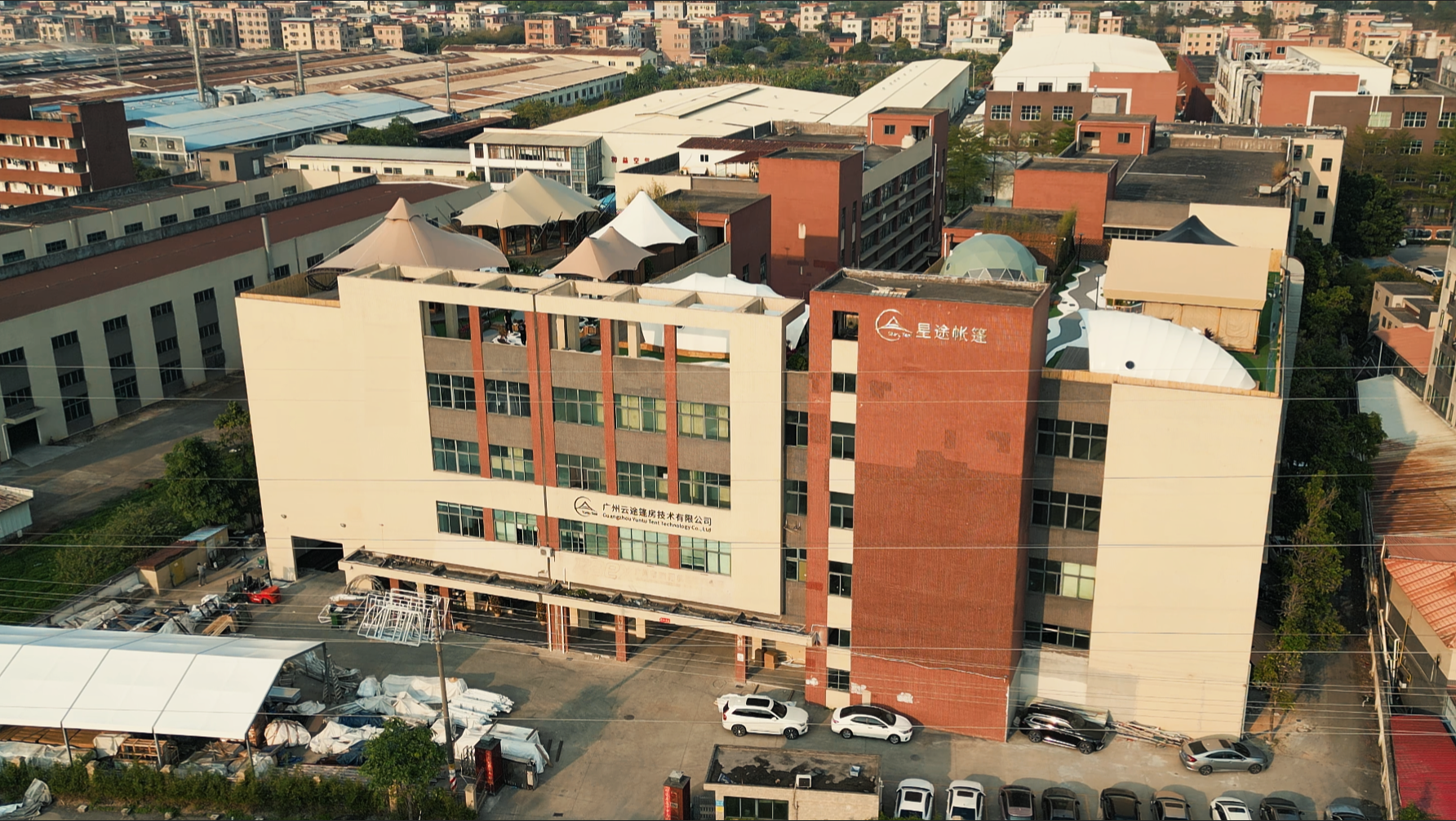
A 20,000 m² manufacturing base: production capability is part of the evidence chain behind a specification claim.
FAQ: Evaluating Permanent Hotel Tent Specifications
What fire and compliance standards should a permanent hotel tent specification reference?
A permanent luxury hotel tent should be specified with a B1/M2 fire classification supported by a test report against a recognised standard. For hospitality use, the relevant references are NFPA 701 in the United States and EN 13501-1 in Europe. Ask for the test standard, not only the classification letter, because a classification alone cannot be verified by an insurer or a local authority.
Can the steel frame and membrane be engineered for a specific site’s wind and snow loads?
Yes. The permanent specification class for luxury hotel tents is built around a wind resistance of up to 120 km/h (Level 10), a snow load capacity of 80 kg/m² and an operating temperature range of −30 °C to +70 °C, and these parameters are matched to project conditions during design. Custom engineering capability is the deciding factor: Stars Glamping holds 54 national patents covering wind resistance, waterproofing, heat insulation and quick assembly, maintains an R&D team of six specialists in architectural design, structural engineering and materials science, and develops more than ten new products annually.
How does the cost of a permanent hotel tent compare with building a traditional hotel?
The comparison is structural rather than marginal. Permanent luxury hotel tents typically require 30–50% lower investment than traditional hotel buildings, with installation completed in 20–30 days instead of 6–12 months. Operating economics differ as well: lower maintenance, flexible upgrade paths, and better insulation that reduces energy consumption across the life of the asset.
Can I validate the frame and membrane before committing to a full order?
Validation should be staged. Request the basis weight certificate for the cover material — PVDF architectural membrane at 1050 g/m² or PVC polyester at 850 g/m² — together with the hydrostatic head test report for ≥5000 mm H&sub2;O waterproofing and the fire test report. Pre-shipment testing, engineering support and installation guidance are the three process steps that convert a specification document into a verifiable structure.
What lead time should a resort developer plan for?
Stars Glamping quotes 7–15 days for domestic orders and 15–30 days for overseas orders, with installation of the structure itself typically completed in 20–30 days. The overall schedule therefore depends more on site preparation and foundation works than on tent manufacturing. To begin a technical review, download the Stars Glamping product brochure or send your site’s wind, snow and temperature data to info@stars-glamping.com for a specification-matched proposal.
Conclusion: Specify the Structure, Not the Rendering
Permanent hotel tent procurement rewards buyers who can read two subsystems. The steel frame determines what the structure can carry: steel with solid wood and steel pipe elements, engineered to a wind resistance of up to 120 km/h (Level 10), a snow load of 80 kg/m² and an operating range of −30 °C to +70 °C. The fabric membrane determines how long the envelope performs: PVDF architectural membrane at 1050 g/m² or PVC polyester at 850 g/m², with B1/M2 fire performance and ≥5000 mm H&sub2;O waterproofing, documented rather than asserted.
Everything else in the bid — furniture, finishes, renderings — sits on top of those two decisions. Ask for the certificates, the test reports and the site-specific load calculations. A supplier with genuine engineering capability will have them ready.
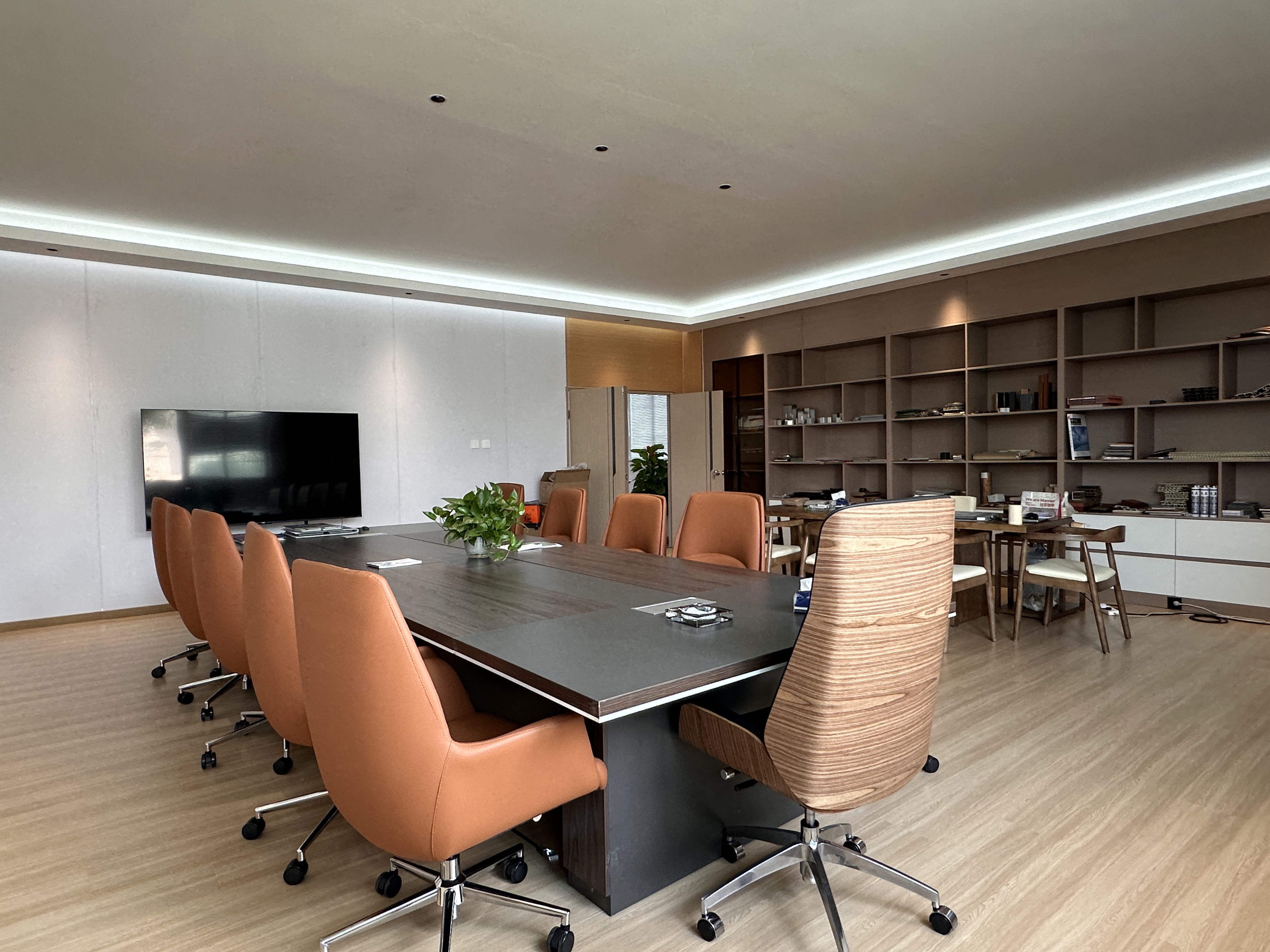
Next step: a specification-matched technical review
Send your site conditions — wind speed, snow load, temperature range and intended cover material — and Stars Glamping will return a frame and membrane specification mapped to your project, with supporting test documentation.
Stars Glamping Tent Co., Ltd.
Web: www.starstent.com | Blog: blog.starstents.com
Email: info@stars-glamping.com | Tel / WhatsApp: +86-133 2645 9475
Address: Building A, No.1663 Nansha Avenue, Dongchong Town, Nansha District, 511466, Guangzhou City, China
Have Questions or Need More Details?
Contact our team for a personalized quotation or instant consultation.
Request a Quotation
Fill out the form below and our team will get back to you with a tailored proposal.
WhatsApp Direct Chat
Prefer to chat in real-time? Message us on WhatsApp for instant assistance & quick answers.
- Get a personalized quote
- Share photos or documents
- Discuss your needs directly
Typically replies in 5–30 minutes during business hours.