
Luxury Hotel Tent vs. Traditional Hotel: Resort Investment Comparison Guide
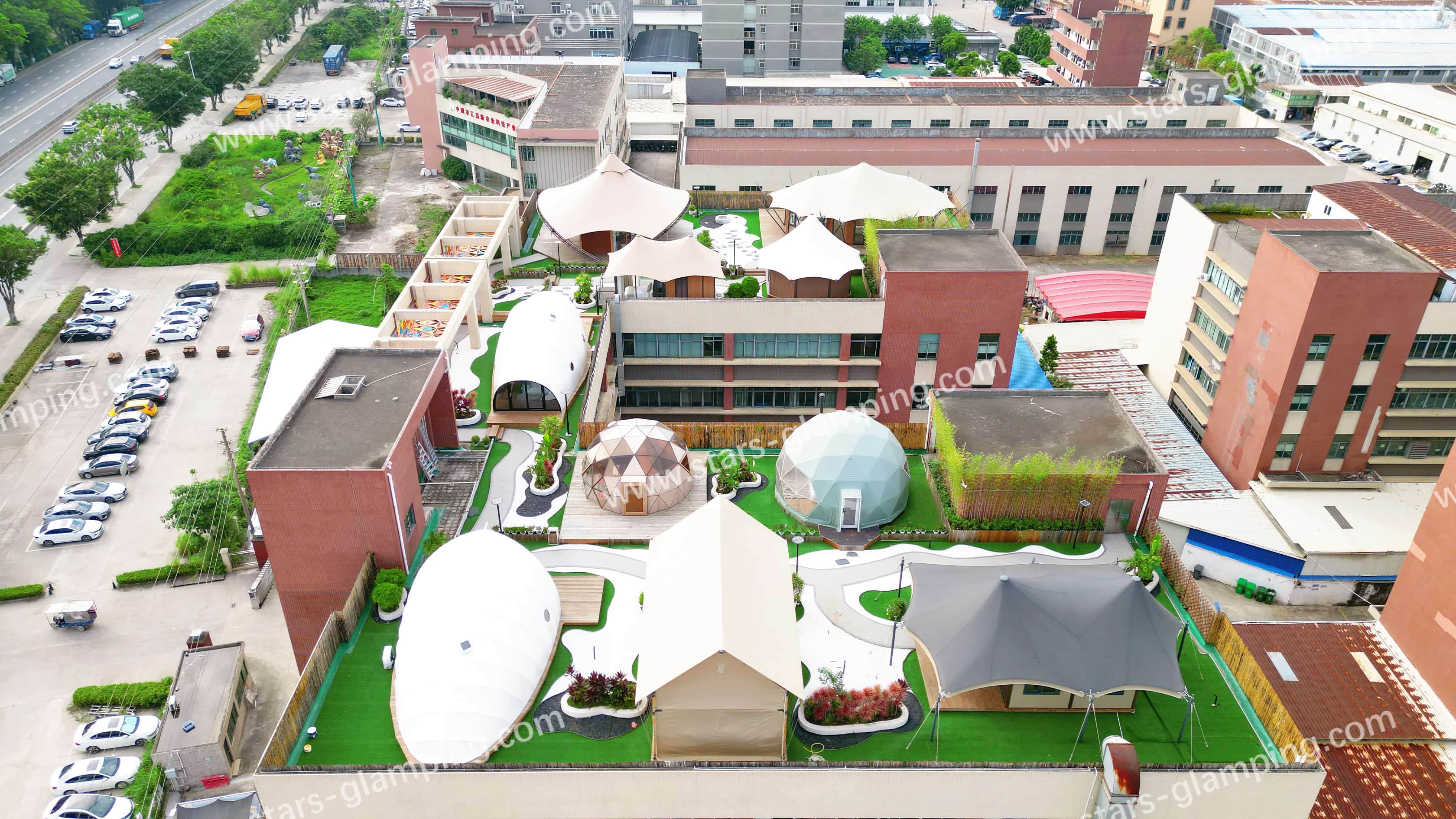
Luxury Hotel Tent vs. Traditional Hotel: Resort Investment Comparison Guide
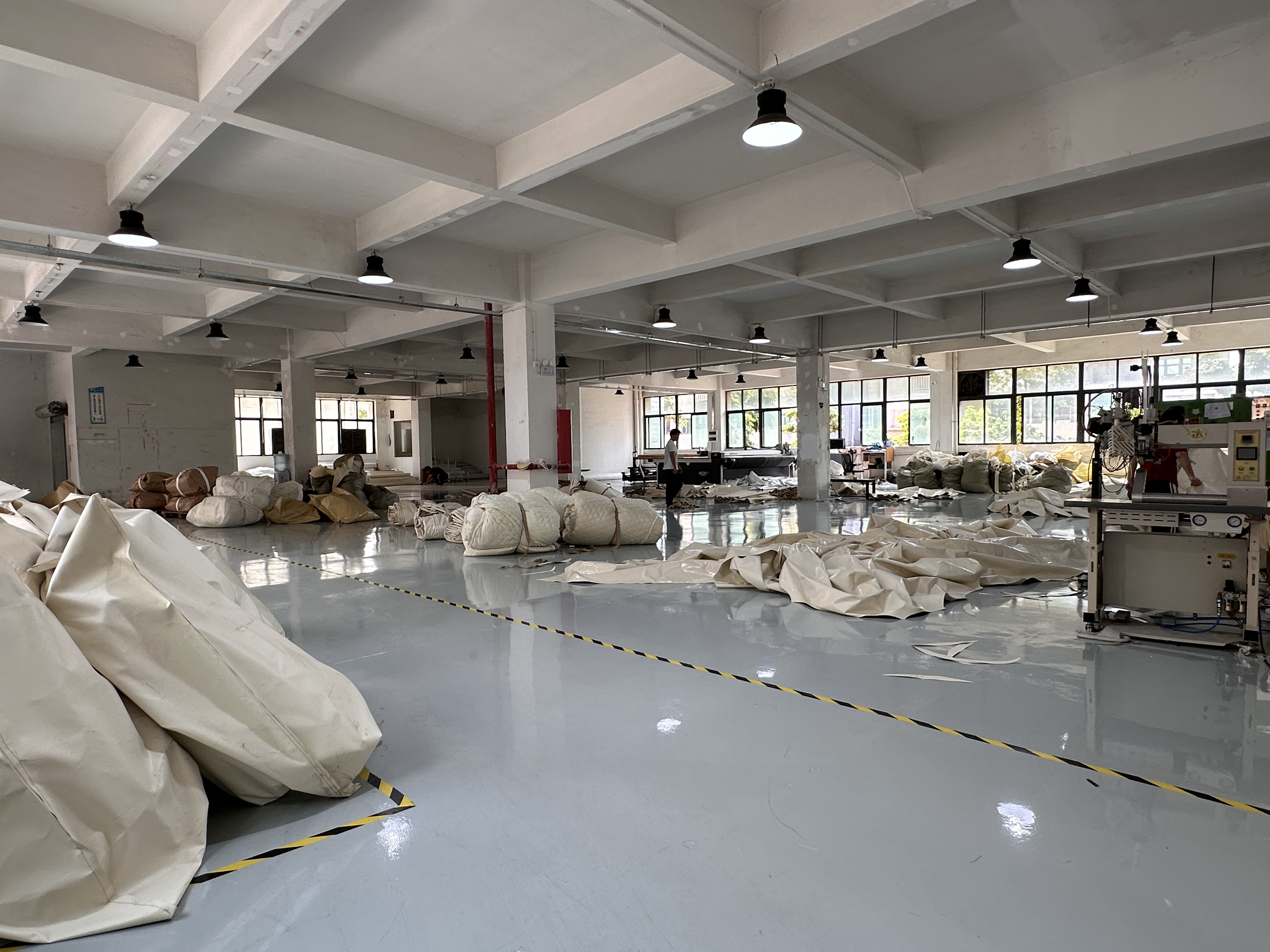
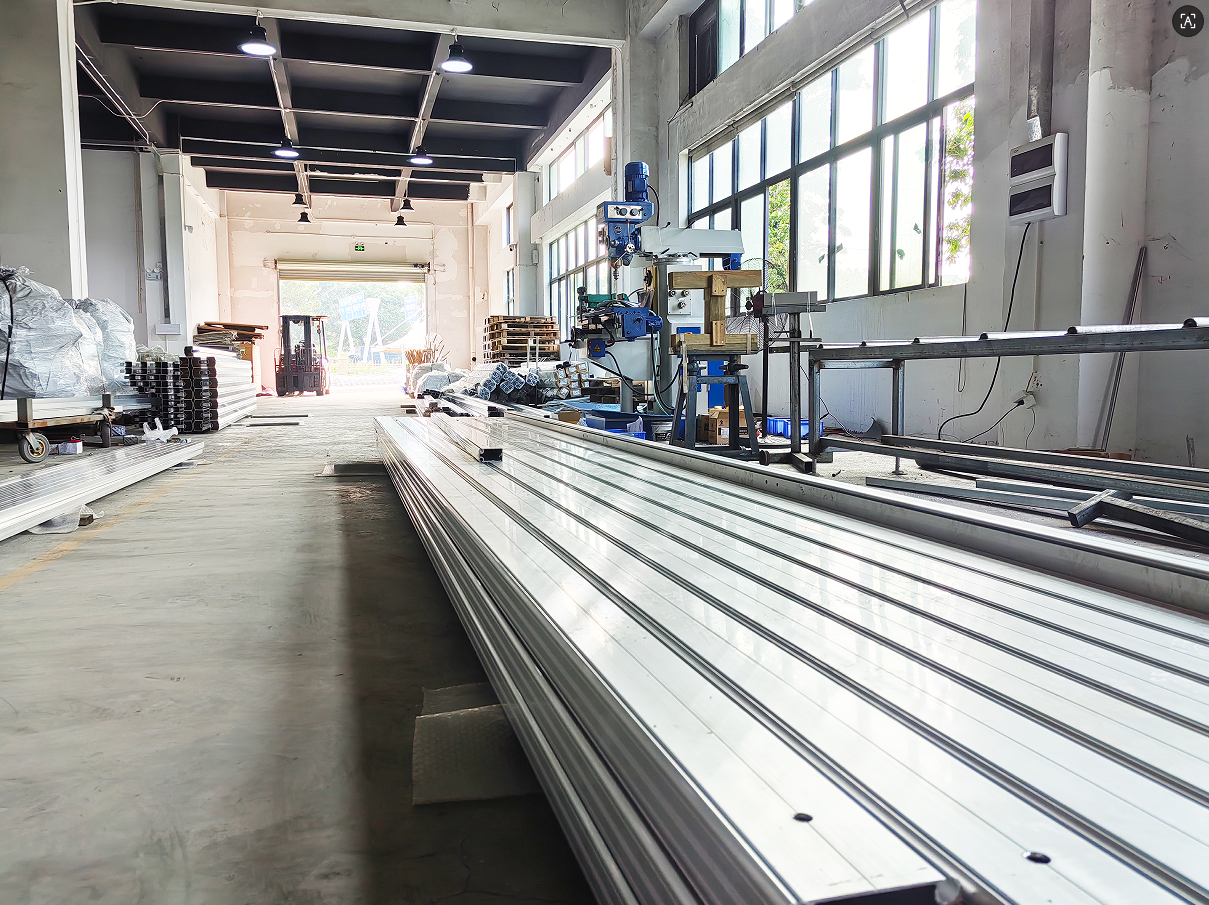
For resort developers evaluating accommodation options, the decision between a luxury hotel tent and a conventional hotel building involves cost, timeline, and environmental fit. This guide compares both solutions across key decision factors, using verifiable data from Stars Glamping — a manufacturer with a 20,000m² production base and 90% export ratio serving over 40 countries.
Problem Definition: Why Traditional Construction May Not Suit Every Resort
Traditional hotel buildings require 6–12 months of construction, high capital outlay, and permanent foundation work. For resorts in remote or scenic locations — beaches, deserts, mountains — this approach can delay revenue generation and disrupt the natural landscape. Developers need a faster, lower-cost alternative that still meets luxury hospitality standards.
Industry Background: The Rise of Luxury Hotel Tents
Luxury hotel tents combine premium materials (PVC fabric, steel frames, insulated canvas walls) with rapid deployment. They are designed for the luxury hospitality, resort development, eco-tourism, and high-end outdoor accommodation industries. Compared to traditional hotel buildings, this product presents distinct advantages, particularly for resort, desert, and beachfront scenarios.
Detailed Solution: How a Luxury Hotel Tent Works
Stars Glamping manufactures luxury hotel tents using a steel frame and 850g/m² PVC polyester fabric cover, combined with an insulated canvas wall system. The frame material is Solid Wood + Steel pipe, ensuring structural integrity. This construction enables fast deployment — 20–30 days installation versus 6–12 months for traditional hotels. The product is built to resist level-12 typhoons and extreme temperatures, supported by 54 national patents. The company maintains a 12-step quality inspection system and holds multiple international quality certifications.
Step-by-Step Breakdown: Decision Framework
- Assess location — Determine if your site is a resort, desert, or beachfront environment where a luxury hotel tent is more suitable.
- Compare investment — Luxury hotel tents offer a 30–50% lower investment cost than traditional hotel buildings.
- Evaluate timeline — Installation takes 20–30 days versus 6–12 months, enabling faster revenue generation.
- Check material quality — Verify that the supplier uses 850g/m² PVC fabric, steel frame, and insulated canvas walls (as provided by Stars Glamping).
- Review after-sales support — Stars Glamping offers a 24-hour global after-sales response mechanism and lifelong technical support.
Use Cases
Luxury hotel tents are well-suited for resort, desert, and beachfront applications. Specific scenarios include:
- Desert resort — requires heat insulation and wind resistance (level-12 typhoon rated).
- Beach resort — needs waterproof PVC fabric and UV protection.
- Mountain/eco resort — benefits from low environmental impact and rapid assembly.
- Island resort — avoids heavy equipment logistics; tents can be shipped and assembled locally.
- Safari lodge — combines premium comfort with mobile flexibility.
Comparison Table: Luxury Hotel Tent vs. Traditional Hotel Building
| Criteria | Luxury Hotel Tent | Traditional Hotel Building |
|---|---|---|
| Investment Cost | 30–50% lower | Higher |
| Installation Time | 20–30 days | 6–12 months |
| Best For | Resort, desert, beachfront | Urban / permanent locations |
| Foundation Required | Minimum (steel frame on ground anchors) | Full concrete foundation |
| Maintenance | Lower, flexible upgrade | Higher, permanent structure |
| Insulation Performance | Improved insulation reduces energy consumption | Standard building insulation |
| Certifications | Multiple international quality certifications | Local building codes |
Frequently Asked Questions
- What distinguishes luxury hotel tents from traditional hotel buildings?
Luxury hotel tents offer a 30–50% lower investment cost and can be installed in 20–30 days compared to 6–12 months for traditional hotels. They are more suitable for resort, desert, and beachfront scenarios, with lower maintenance requirements and improved insulation that reduces energy consumption. - What materials are used in a luxury hotel tent?
Stars Glamping uses a steel frame (frame material: Solid Wood + Steel pipe) and an 850g/m² PVC polyester fabric cover, plus an insulated canvas wall system. This combination delivers waterproofing, fire retardancy, and thermal performance suitable for luxury hospitality. - How does the cost compare between luxury hotel tents and conventional hotels?
The product has a distinct cost advantage: 30–50% lower investment cost than traditional hotel buildings. This makes it an attractive option for resort developers seeking to minimize capital exposure while maintaining a premium guest experience. - What is the typical lead time for a luxury hotel tent project from Stars Glamping?
Stars Glamping offers a delivery time of 15–30 days for overseas orders, with a 24-hour global after-sales response mechanism. For domestic orders, lead time is 7–15 days. Bulk projects may vary based on customization requirements. - Can I customize the luxury hotel tent for my resort's specific environment?
Yes. Stars Glamping provides one-stop camp planning and product design services, including furniture, curtains, and floor matching. The company has a professional R&D team of 6 experts in architectural design, structural engineering, and materials science, launching more than 10 new products annually. Contact Stars Glamping to discuss your resort’s unique requirements and request a quote or sample. Inquire via WhatsApp or download the company brochure for detailed specifications.
Conclusion
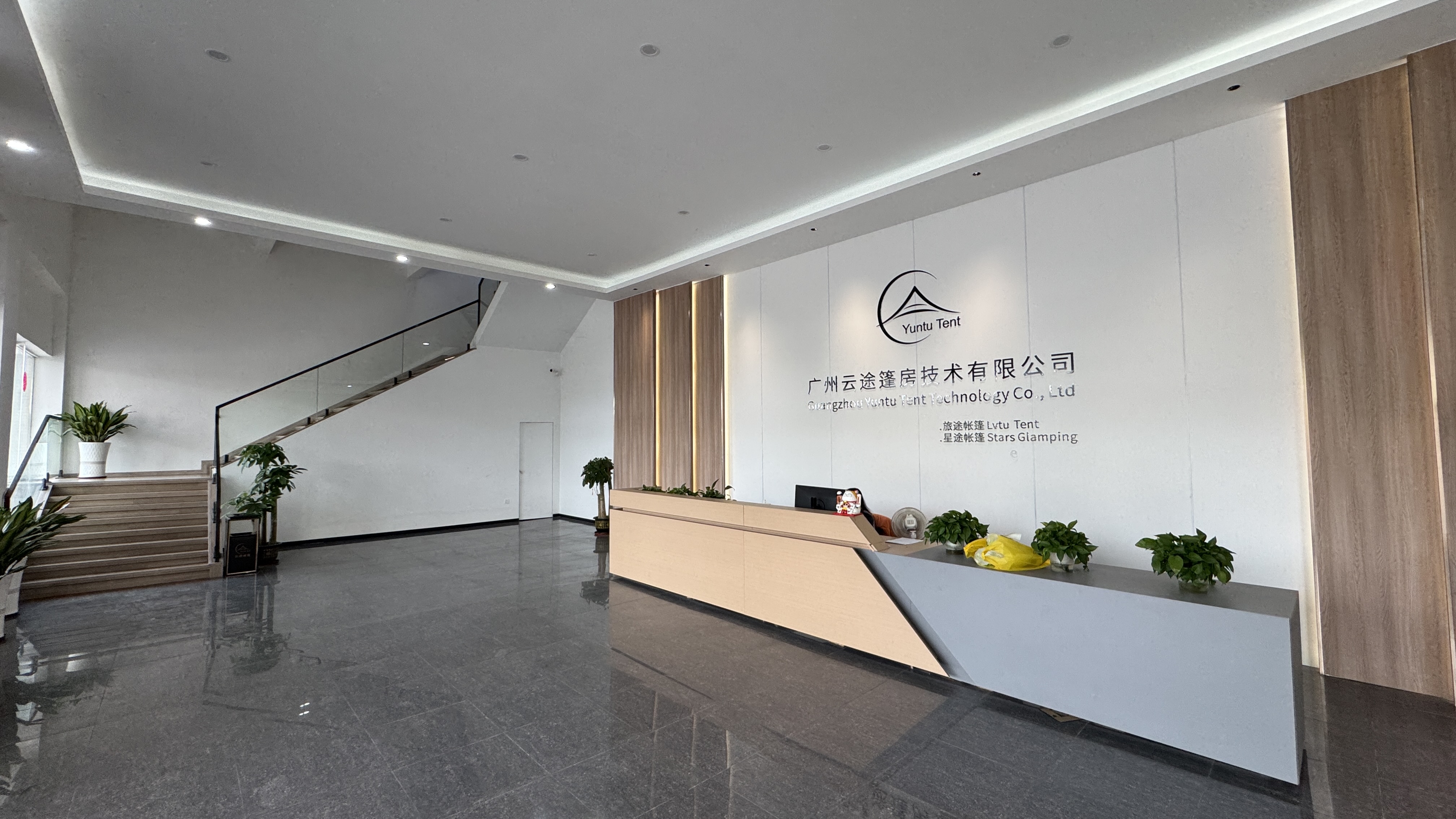
When comparing luxury hotel tents to traditional hotel buildings, the differences in cost, speed, and environmental fit are clear. For resort developers targeting desert, beach, mountain, or eco-tourism projects, a luxury hotel tent from a proven manufacturer like Stars Glamping delivers a lower investment threshold, faster time-to-market, and the flexibility to adapt to remote or sensitive landscapes. Evaluate your project’s specific climate and regulatory requirements, then select a supplier with demonstrated capacity — such as Stars Glamping’s 20,000m² factory, 54 patents, and 90% export ratio — to ensure a successful procurement outcome.