
Safari Tent vs. Glamping Dome: Which Canvas Lodge Structure Wins for Eco Resorts?
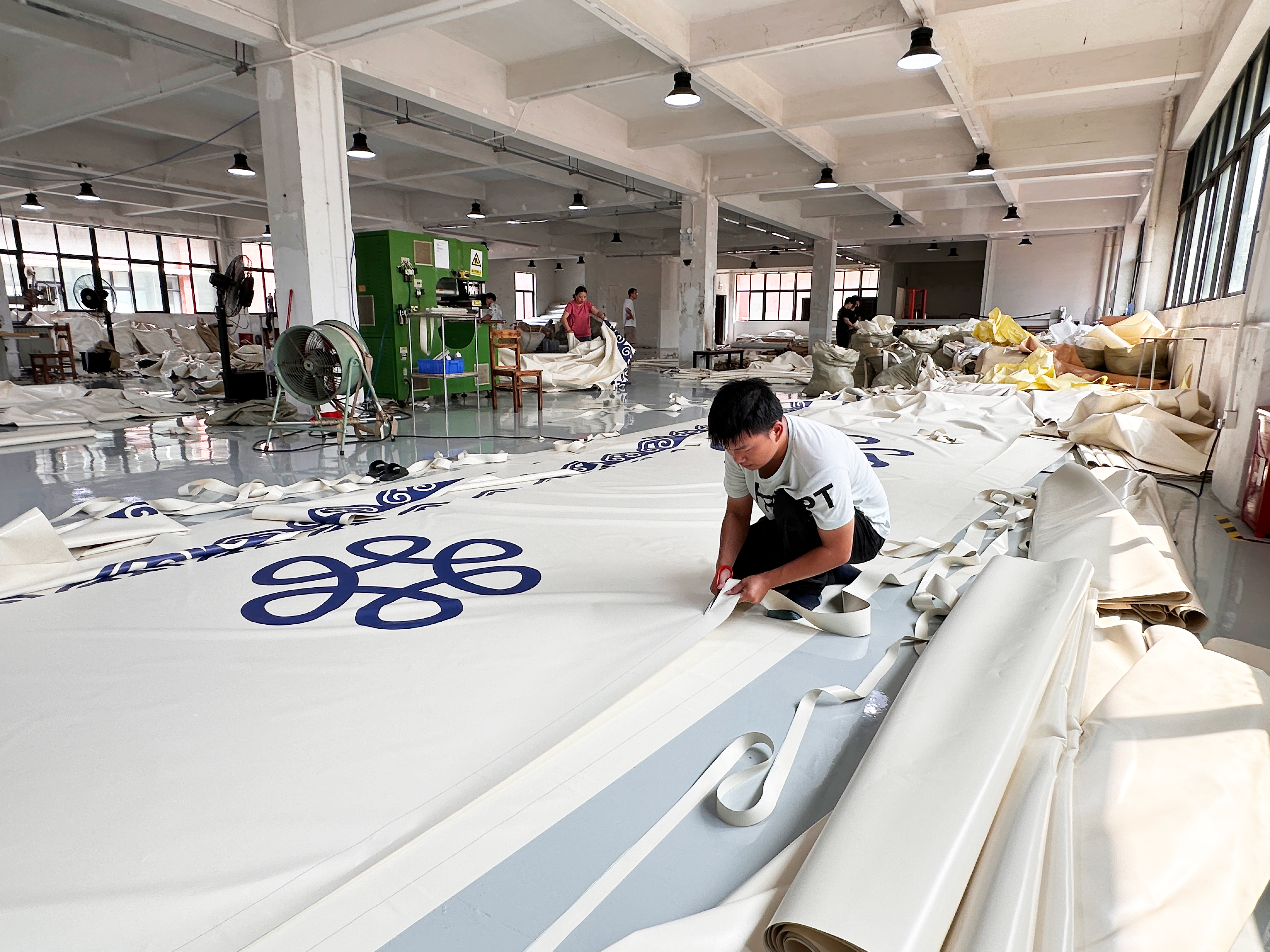
Safari tent cover materials are produced and quality-checked before assembly.
Safari Tent vs. Glamping Dome: Which Canvas Lodge Structure Wins for Eco Resorts?
Eco-resort developers and lodge owners often face the same question when planning a new project: Should we invest in a classic safari tent or a glamping dome? Both structure types appear in nature-focused accommodation projects today. However, they are not interchangeable in engineering terms.
This guide compares the two structure families specifically for eco-resort applications. It focuses on structural performance, material behavior, thermal comfort, service life, and investment implications. The comparison uses a practical benchmark: the Stars Glamping safari tent platform, which includes the Lodestar, Vega, and Epic models. All technical data cited in this article comes from the product specification sheet of that platform.
Why the Safari Tent vs. Glamping Dome Choice Matters
The glamping tents market was valued at USD 3,124.89 million in 2023 and is projected to grow to USD 6,484.86 million by 2032. As more eco-resorts, safari parks, and wildlife lodges enter the market, owners must decide which rental structure will maximize both guest experience and operating uptime.
The choice is not cosmetic. A lodge structure in a savannah environment, on a riverside, or in a mountain region must resist seasonal storms, heavy rain, and high UV radiation. The wrong structure can cause guest-safety problems, frequent maintenance closures, and higher replacement frequency.
What Is a Safari Tent?
A safari tent is a framed canvas lodge structure originally derived from mobile expedition camps. In the modern hospitality segment, it serves as a permanent or semi-permanent accommodation unit for luxury resorts, safari parks, eco-tourism camps, beach hotels, and mountain hotels.
The Safari Tent models analyzed in this article are the Lodestar, Vega, and Epic. They share a common structural design: a finish anti-corrosion solid wood or heavy-duty galvanized steel frame, wrapped by an 850 g/m² PVC-coated polyester outer cover. The inner lining is custom-made breathable Oxford canvas. All three models include large panoramic windows and mesh screens, which keep guests connected to the landscape while maintaining ventilation control.
What Is a Glamping Dome?
A glamping dome is a membrane-covered, generally self-supporting arched or geodesic structure used for hospitality stays. It provides an unusual visual profile and open interior space, making it popular for projects that seek a distinctive silhouette in a forest, desert, or mountain setting.
Both structure types can be part of an eco-resort portfolio. In practice, however, they solve different problems. A dome uses curvature and membrane tension to shed wind and rain; a safari tent relies on a straight-walled frame and engineered fabric envelope to deliver architecture-like interior space. When the project brief calls for a hotel-like layout with separate sleeping, living, and bathroom zones under one membrane roof, the safari tent tends to be the more transferable platform.
Engineering Specifications: What Do the Numbers Say?
Developers evaluating the safari tent as a purchase option should compare measurable performance data, not general appearance. The performance specifications shared across the Lodestar, Vega, and Epic safari tents are as follows:
- Frame material: finish anti-corrosion solid wood / heavy-duty galvanized steel frame
- Cover material: 850 g/m² PVC-coated polyester fabric
- Inner lining: Oxford canvas fabric, breathable
- Waterproof rating: ≥ 3000 mm H₂O
- UV protection: UV-resistant, anti-fading
- Fire rating: B1 fire-retardant
- Wind resistance: up to 100 km/h (Level 9 wind)
- Snow load capacity: 60 kg/m²
- Operational temperature range: -25 °C to +60 °C
- Expected service life: 8–12 years
- Standard sizes: 20 m² / 30 m² / 40 m² / 50 m², custom sizes available
These figures are relevant for an eco-resort investor because they define the structure’s allowable operating envelope. The wind resistance of 100 km/h, equivalent to Level 9 wind, is not a marketing claim; it is a threshold for structural design. The snow load capacity of 60 kg/m² is similarly critical for lodges operating in mountain regions or destinations that receive winter precipitation.
Structural Comparison: Safari Tent vs. Glamping Dome
To compare the two families fairly, developers should examine five dimensions: wind behavior, snow load, material durability, thermal range, and fire safety.
Wind Resistance
The safari tent benchmark models are rated for wind speeds up to 100 km/h, which corresponds to Level 9 wind on the Beaufort scale. That level of wind is common in open savannah, coastal, and highland resort locations.
Glamping domes are often engineered for high wind too, especially those with tensioned membrane systems. However, the comparison is not just about peak wind speed. It is also about how the structure behaves during repeated wind events. A safari tent with a rigid wood or galvanized steel frame and anchored fabric panels can be re-tensioned and serviced panel by panel. This is a practical advantage in remote lodge operations.
Snow Load Capacity
Snow load is decisive for four-season eco-resorts in alpine areas. The Stars Glamping safari tent specification lists a snow load capacity of 60 kg/m². For comparison, a dome structure must be specially engineered if it is expected to carry similar snow loads; many lightweight membrane domes are better suited to snow-free climates.
Operational Temperature Range
The safari tent is rated for an operational temperature range from -25 °C to +60 °C. This range is broad enough for most eco-resort environments, from cold mountain nights to desert heat.
The +60 °C threshold is especially relevant for eco-resorts in desert or high-UV locations. The cover material is specified as PVC-coated polyester with UV protection and anti-fading behavior. A standard cotton canvas structure, by contrast, is prone to UV degradation and mildew in humid climates unless it receives more frequent treatment.
Waterproofing
The tested safari tent platform has a waterproof rating of ≥ 3000 mm H₂O. This number means the fabric can withstand a 3000 mm column of water before penetration; it is a meaningful threshold for heavy tropical rain. Glamping domes also rely on membrane waterproofing, but long-term water tightness depends on seam quality and the maintenance of the membrane surface.
Fire Safety and Compliance
Fire retardancy is a non-negotiable procurement requirement for commercial hospitality in most markets. The safari tent models covered here have a B1 fire-retardant rating, meeting a widely recognized European flame-spread classification. North American projects, by comparison, often reference standards such as CPAI-84 or NFPA 701 for commercial tent and membrane structures.
Material Science: PVC-Coated Polyester vs. Standard Canvas
The core material difference between a modern engineered safari tent and a traditional canvas tent is the cover membrane.
Standard canvas is a dense cotton or cotton-polyester fabric. It is breathable and has an authentic look, but it absorbs moisture, requires waterproofing treatment, can develop mildew, and loses strength over time under UV exposure. Standard canvas also requires more careful handling during cleaning and re-treatment.
The safari tent design addressed in this article uses an 850 g/m² PVC-coated polyester fabric as the outer cover. This material group is selected by manufacturers to increase mechanical strength, waterproofness, and durability in permanent outdoor installations. In this specification, it is paired with a breathable Oxford canvas inner lining; the combination allows the outer envelope to block weather while the lining manages interior condensation and aesthetics.
For an eco-resort owner, the material choice has direct financial consequences. A structure with an expected service life of 8–12 years requires replacement less frequently than a basic tent envelope that lasts only a few seasons. The annualized cost of the structure, not the purchase invoice alone, should drive the buying decision.
Guest Experience and Interior Fit-Out Differences
The safari tent platform’s standard dimensions—20 m², 30 m², 40 m², and 50 m²—give designers flexibility in configuring the interior. A 40 m² safari tent can typically function as a lodge suite with a king bedroom area, a sitting corner, and an en-suite bathroom module.
The tent frame supports vertical walls, which makes it easier to install furniture against the side walls and to divide the floor plan into functional zones. This feature is one reason why safari tents are often specified for projects requiring in-room bathrooms, separate lounge spaces, or kitchenettes.
Domes, by comparison, offer excellent ceiling height at the center but curved walls constrain furniture placement. Permanent bathroom pods, cabinetry, and interior partition walls are more difficult to integrate into a dome envelope without custom metalwork.
Eco-Resort Scenario Fit: When Safari Tents Outperform Domes
Different resort scenarios create different structural requirements. Below is an evidence-based review of the safari tent’s fit across common eco-resort settings.
Savannah Safari Lodges
Savannah environments combine high UV radiation, long dry seasons, and occasional high winds. The safari tent platform was designed for these conditions. The product specification sheet explicitly lists environments including savannah, high UV, heavy rain, windy, remote area, and off-grid conditions. Its 100 km/h wind rating and UV-resistant covering match the open, exposed locations common in savannah reserves.
Jungle and Riverside Resorts
Jungle and riverside locations generate high humidity, heavy rain, and dense insect pressure. The safari tent’s waterproof rating of ≥ 3000 mm H₂O is relevant for sudden tropical downpours. Its optional integration of mesh screens, bathroom modules, and insulation linings makes it suitable for year-round wildlife accommodation. In the customer-facing product description, the tent is also characterized for use in environments with heavy rain and windy conditions, which aligns with monsoon-affected regions.
Desert Eco-Camps
Desert locations test structures through extreme daytime heat, rapid nighttime temperature drops, and dust storms. The -25 °C to +60 °C operational range of the safari tent platform covers the extremes of hot desert climates. The thermal range paired with optional insulation lining gives resort developers a credible basis for installing air conditioning management systems. In addition, the material is described as anti-fading, which is an important property in deserts with continuous high UV radiation.
Mountain and Winter Lodges
For year-round mountain lodges, snow load is a primary safety parameter. The 60 kg/m² snow load capacity of the Lodestar, Vega, and Epic tents allows the same platform to be used in projects that receive real winter precipitation. A heavy-duty galvanized steel frame offers corrosion resistance in wet snow, while the solid wood finish option supports traditional lodge aesthetics.
Off-Grid and Remote Camps
Remote camps often lack municipal power and water infrastructure. The product spec lists off-grid capability as a design condition. Safari tents can be deployed with independent energy systems, water storage, and bathroom modules. Because the frame is modular, transport to a remote site is more manageable than a large prefabricated cabin.
Safari Tent vs. Glamping Dome: A Decision-Oriented Comparison
| Evaluation criterion | Safari Tent (Lodestar / Vega / Epic) | Glamping Dome (typical membrane structure) |
|---|---|---|
| Exterior profile | Classic lodge silhouette with vertical walls; optional wood cladding aesthetics | Arched or geodesic futuristic silhouette |
| Structural frame | Heavy-duty galvanized steel or anti-corrosion solid wood frame | Steel or aluminum ribs or geodesic hub system, depending on design |
| Cover material (this spec) | 850 g/m² PVC-coated polyester with B1 fire retardancy | PVC or PTFE membrane; specification varies widely by supplier |
| Waterproof rating (this spec) | ≥ 3000 mm H₂O | Dependent on membrane and seam quality; must be verified per supplier |
| Wind resistance (this spec) | 100 km/h (Level 9 wind) | Supplier-specific; requires engineering report for exposed sites |
| Snow load (this spec) | 60 kg/m² | Varies significantly; lightweight domes may not suit heavy-snow regions |
| Temperature range (this spec) | -25 °C to +60 °C | Supplier-specific; insulation retrofits affect interior comfort |
| Interior layout efficiency | Vertical walls allow defined bedroom, lounge, and bathroom zones | Central height with curved edges; custom joinery is more complex |
| Service life (this spec) | 8–12 years expected service life | Depends on membrane quality and UV environment; supplier must document expected lifespan |
| Typical recommended application | Resort suites, safari lodge rooms, eco-camp accommodation, winter-capable lodges | Glamping units in moderate climates, specialty suites, events |
Safari tent values are drawn from the Stars Glamping Lodestar / Vega / Epic product specification sheet.
Important interpretation note: The table contrasts the verified safari tent specification with a typical glamping dome basket. Dome performance data should always be requested from the specific manufacturer, as it is not standardized within the industry.
Investment Decision Logic for Eco-Resort Developers
The financial question is not “Which product has the lower price?” but “Which product delivers lower total cost per usable guest-night over its service life?”
Using the safari tent platform as the benchmark, developers can apply the following decision logic:
- Define the operating environment. If the site is exposed to hurricane-force gusts, heavy seasonal snow, or extreme desert heat, the structure’s engineering envelope must be documented. The safari tent spec provides specific thresholds: 100 km/h wind, 60 kg/m² snow load, and -25 °C to +60 °C operating range.
- Define the interior program. If each unit must include a private bathroom, separate sleeping and lounge zones, and a kitchenette, vertical-wall tent geometry is usually easier to fit out.
- Evaluate material lifespan. The 8–12 year expected service life, combined with a B1 fire-retardant UV-resistant cover, lowers replacement frequency compared to untreated canvas.
- Check compliance and safety standards. For North American projects, relevant standards include CPAI-84 and NFPA 701. For EU-exported products, buyers should check CE certification and EN ISO 5912:2020 compliance details with the manufacturer. Always request the supplier’s certificates and verify them against your project jurisdiction.
- Plan for maintenance. A PVC-coated polyester fabric can be cleaned and repaired panel by panel. A wood or steel frame should be inspected seasonally. Remote maintenance needs spare covers and a documented service protocol.
Use Cases: Where Safari Tents Fit Best
African Wildlife Lodge Expansions
Safari tourism in Africa is growing; the continent recorded an 8% increase in international arrivals in 2025, reaching 81 million travelers. Lodge operators responding to this demand often need additional accommodation units quickly. A safari tent unit can be manufactured in modules, shipped and installed on site, reducing construction disruption compared to permanent concrete or timber cabins.
For such an expansion, the safari tent’s wind and waterproofing credentials matter because many wildlife camps sit on open plains or riverbanks where storms arrive with little shelter. The product specification explicitly lists heavy rain and windy conditions as intended environments.
Eco-Resort Startups
A startup eco-resort with restricted capital and a desire to minimize site disturbance can begin with a 20 m² or 30 m² safari tent footprint. The 1-unit sample capability and MOQ flexibility described by the manufacturer allow pilot testing before full-scale deployment.
National Park and Protected-Area Lodges
In protected areas with strict construction limits, the safari tent can be installed on a raised wooden deck or on pad foundations with limited excavation. Its removable envelope also offers a decommissioning path when land-use permits expire.
Manufacturing and Customization Considerations
When comparing safari tent suppliers, buyers should evaluate engineering depth, not just catalog spec. The manufacturing platform behind the Lodestar, Vega, and Epic models is operated by Stars Glamping, a company based in Nansha District, Guangzhou, China, with a 20,000 m² production base and a 4,000 m² simulation exhibition hall. Its production system processes raw material inspection, in-process quality control, pre-shipment inspection, and optional third-party inspection.
The company customizes size and layout, structure design, fabric material (PVC / PVDF / insulation), frame material (steel / aluminum), interior layout and furniture, bathroom integration, logo branding, and color. Standard models are commonly delivered within 15–20 days; customized projects generally take 20–30 days. This timeline supports resort developers who are working toward an opening season.
Steps to Evaluate a Safari Tent Supplier
Before you issue a purchase order for a safari tent or glamping dome, verify the following:
- Request the exact specification sheet of the model, including wind speed, snow load, waterproof rating, fire rating, temperature range, and expected service life.
- Ask for sample fabrics and frame samples to verify weight, finish, and workmanship.
- Ask for certificates relevant to your market: CE / EN ISO 5912:2020 for the EU; CPAI-84 or NFPA 701 for North America; your local fire authority requirements elsewhere.
- Ask about customization limits for bathrooms, furniture, panoramic doors, insulation linings, and air conditioning systems.
- Ask about logistics terms: export packaging, container loading procedures, and delivery lead time to your site.
- Ask about the after-sales scope: installation guidance, engineering drawings, 24/7 technical support, spare parts supply, and maintenance support.
Frequently Asked Questions
Is a safari tent or a glamping dome better for a windy eco-resort site?
That depends on the specific engineering of each product. For the safari tent specification reviewed above, the structure is rated for wind speeds up to 100 km/h (Level 9 wind). A dome structure intended for the same site should be supplied with an engineering report demonstrating an equivalent or better wind rating. In open savannah, coastal, and riverside environments, the safari tent’s documented wind resistance makes it a reference-class choice; do not rely on visual appearance alone when selecting a structure for a windy site.
Can a safari tent withstand snow and winter conditions?
Yes, if it is engineered for that load. The Lodestar, Vega, and Epic safari tents list a snow load capacity of 60 kg/m² and an operational temperature range of -25 °C to +60 °C, which allows four-season use in mountain or cold-climate eco-resorts. When you plan a winter operation, confirm the snow load rating of the specific model, choose an appropriate frame (galvanized steel or treated wood), and specify the insulation lining and heating system.
How long does a safari tent last compared to a dome?
The expected service life of the safari tent platform referenced here is 8–12 years. Dome lifespan is not a single industry standard; it varies by membrane quality, UV environment, seam integrity, and maintenance. Some domes may last less or more depending on those factors. For budget comparison, divide the total installed cost by the expected service life in years, not simply by the purchase price.
Are safari tents waterproof and fire retardant?
The safari tent specification described here includes a waterproof rating of ≥3000 mm H₂O and a B1 fire-retardant rating. Keep in mind that fire codes are jurisdiction-specific: North American commercial tent projects often must follow CPAI-84 or NFPA 701. For EU projects, request documentation that the product meets the applicable safety and performance requirements; the CE marking for the safari tent range references EN ISO 5912:2020. Always verify the certificate against your project’s local legal requirements.
Can a safari tent include a private bathroom and electricity?
Yes. Safari tents from this manufacturer are customizable in interior layout and furniture, and bathroom integration is available as a standard customization service. Electricity, lighting systems, and air conditioning can be added as part of the fit-out. For a fully independent unit, the modular safari tent platform is designed for sites running on off-grid power and water systems.
What is the typical lead time for a resort order?
In the manufacturing capability described for this platform, standard models typically require 15–20 days, while customized projects generally require 20–30 days. The factory also offers a pilot order policy with a 1-unit minimum, which enables resort developers to validate a unit before committing to a large project.
Final Verdict: Which Structure Wins for Eco Resorts?
The answer depends on the site and the guest program. If your eco-resort requires iconic curved geometry and sits in a moderate climate, a dome may create differentiation. But for lodge operators who want engineered all-weather durability, efficient interior fit-out, and a classic canvas-lodge identity, the safari tent is the more reliable asset.
In the comparison against generic dome structures, the Safari Tent (Lodestar, Vega, and Epic) offers:
- A transparent engineering spec: 100 km/h wind resistance, 60 kg/m² snow load, and -25 °C to +60 °C operating range;
- Material construction that prioritizes longevity: 850 g/m² PVC-coated polyester, ≥3000 mm H₂O waterproof rating, and B1 fire retardancy;
- An expected service life of 8–12 years, reducing replacement cost over time;
- A configurable interior for bathrooms, kitchens, electricity, furniture, and branding;
- Proven suitability for environments including savannah, high UV, heavy rain, windy, remote, and off-grid conditions.
For resort owners, the winning structure is not necessarily the more exotic one—it is the one that can stay open, safe, and comfortable for the longest period.
Plan your next eco-resort investment with verified safari tent specifications.
If you are evaluating safari tents for an eco-resort, safari lodge, jungle camp, or desert site, contact the Stars Glamping team for the full product brochure, specification documents, and project reference information: www.starstent.com.
Download the company brochure for an overview of manufacturing capacity, customization capability, and global delivery: Stars Glamping Company Brochure (PDF).