
Top Luxury Hotel Tent Choices for 2026: Environment-by-Environment Supplier Comparison for Resort Developers
Top Luxury Hotel Tent Choices for 2026: Environment-by-Environment Supplier Comparison
Published: August 31, 2026 | By the Stars Glamping editorial team
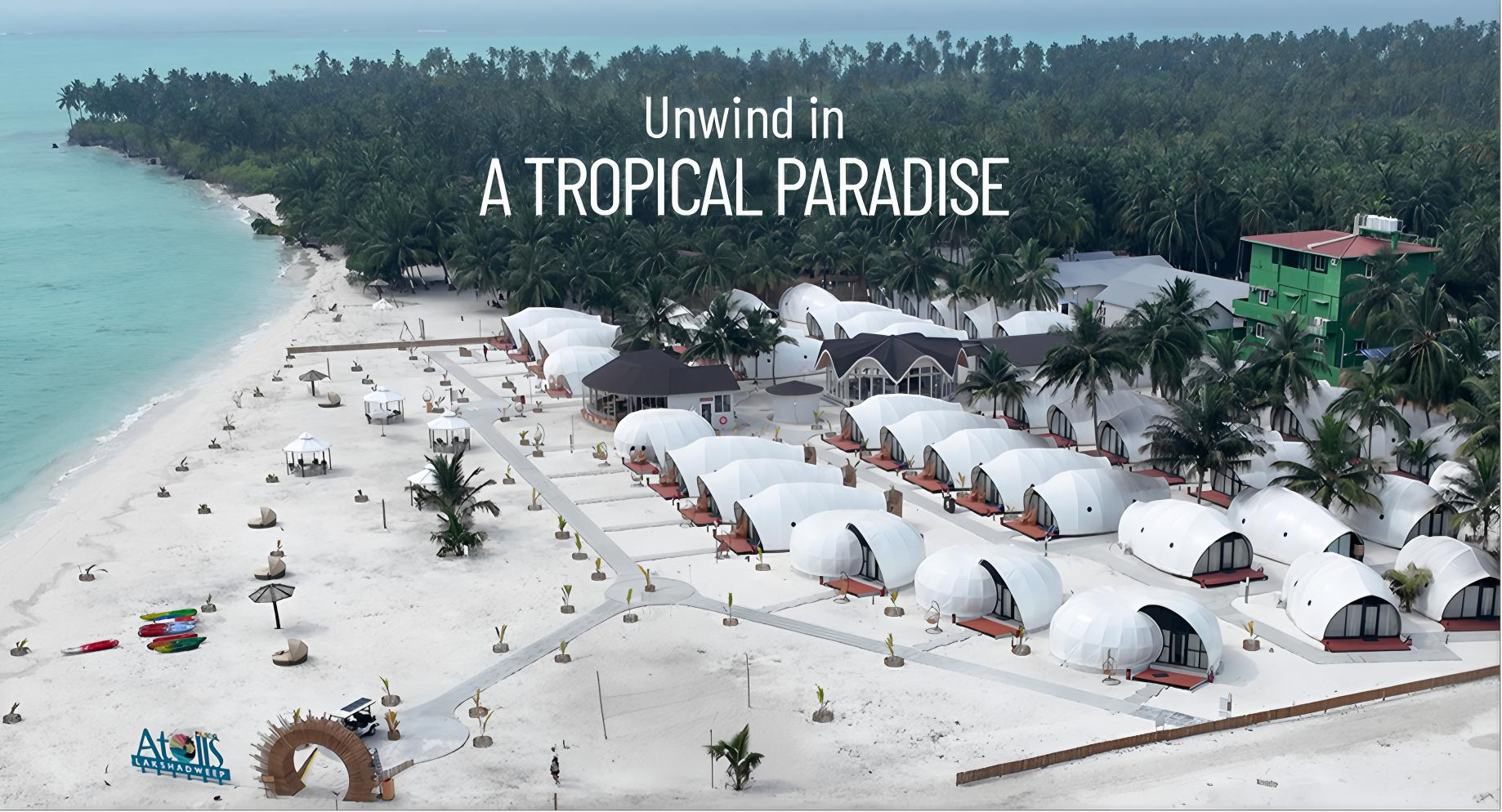
Choosing the right luxury hotel tent is no longer simply a matter of picking a tent style. Resort developers, hospitality investors, and project planners evaluating accommodation systems in 2026 need to match structural performance, fabric systems, environmental resilience, and supplier capability to the specific site. This guide compares the leading luxury hotel tent options available today — with a focus on environment-by-environment selection — and provides a practical framework for evaluating suppliers. It draws on verified product data, compliance requirements, and real project references so you can move from shortlist to confident decision.
What Defines a Luxury Hotel Tent in a 2026 Procurement Context?
A luxury hotel tent is a structurally engineered, semi-permanent or permanent membrane building designed for high-end hospitality accommodation. Unlike temporary event tents, luxury hotel tents are built to function as year-round resort rooms, often featuring insulated wall systems, integrated bathrooms, climate control provisions, fire-retardant membranes, and architectural finishes.
For procurement purposes, a luxury hotel tent should be evaluated on five dimensions:
- Structural performance: wind resistance, snow load, frame material and corrosion protection.
- Fabric system: PVC or PVDF architectural membrane, waterproof rating, UV stability, fire rating, and service life.
- Environmental fit: suitability for beach, desert, mountain, island, eco-tourism or safari conditions.
- Compliance: fire retardancy, building-code alignment, CE certification where required.
- Supplier capability: engineering support, customization, quality control, delivery and after-sales service.
In 2026, the global glamping market continues to expand. Industry research from Grand View Research valued the global glamping market at approximately USD 3.8 billion in 2025, with tents representing a major accommodation segment. Fortune Business Insights projects the market could reach USD 9.15 billion by 2034, at a CAGR of 10.67%. Europe held about 35% of the revenue share in 2025, while North America accounted for a significant portion as well. These figures confirm that luxury tent accommodation is not a marginal niche; it is becoming a mainstream asset class in resort development.
Why Environment Should Drive Your Luxury Hotel Tent Selection
Resort developers often begin with aesthetics, but the environment dictates which tent system will perform over time. A beachfront tent and a desert tent face different physical loads: salt corrosion and high humidity versus extreme heat, UV radiation, and sand abrasion. A mountain tent must handle snow load and temperature swings; an eco-lodge must minimize site disturbance while maintaining guest comfort; a safari lodge must combine durability with natural ventilation.
Stars Glamping, a Guangzhou-based luxury tent manufacturer, supplies tent models specifically engineered for these varying conditions. The company's product line includes the Luxury Tent Tethys, Villa, Octagon, Shell, and Pisces models, plus Safari Tent variants such as Epic, Vega, and Lodestar. Each model carries a different combination of frame, fabric, insulation, and wind/snow performance — which is precisely why a single "best tent" recommendation is rarely correct. Instead, the correct question is: which tent system fits which environment?
Comparing Top Luxury Hotel Tent Models for Different Resort Environments
The table below compares the main luxury hotel tent and safari tent models available from Stars Glamping, based on verified technical specifications. This is not a generic ranking; it maps each model to environmental scenarios where its performance characteristics matter most.
| Model | Environment Strength | Frame Material | Cover Material | Wind Resistance | Snow Load | Waterproof Rating | Service Life |
|---|---|---|---|---|---|---|---|
| Luxury Tent - Tethys | Beachfront, mountain eco-lodge, desert glamping | Steel pipe | 1050g/m² PVDF Architectural Membrane | Up to 120km/h (Level 10 wind) | 80kg/m² | ≥ 5000mm H₂O | 25–30 years |
| Luxury Tent - Villa | Resort accommodation, mountain, desert, event | Steel pipe | 1050g/m² PVDF Architectural Membrane | Up to 120km/h (Level 10 wind) | 80kg/m² | ≥ 5000mm H₂O | 25–30 years |
| Luxury Tent - Octagon | Beachfront, eco-lodge, desert, event | Steel pipe | 1050g/m² PVDF Architectural Membrane | Up to 120km/h (Level 10 wind) | 80kg/m² | ≥ 5000mm H₂O | 25–30 years |
| Luxury Tent - Shell | Resort, island, desert, event | Steel pipe | 1050g/m² PVDF Architectural Membrane | Up to 120km/h (Level 10 wind) | 80kg/m² | ≥ 5000mm H₂O | 25–30 years |
| Luxury Tent - Pisces | Safari, eco-resort, mountain | Solid wood + steel pipe | 850g/m² PVC Polyester Fabric | Up to 120km/h (Level 10 wind) | 80kg/m² | ≥ 5000mm H₂O | 10–15 years |
| Safari Tent - Epic | Safari lodge, wildlife lodge, eco-camp | Anti-corrosion solid wood / galvanized steel | 850g/m² PVC coated polyester | Up to 100km/h (Level 9 wind) | 60kg/m² | ≥ 3000mm H₂O | 8–12 years |
| Safari Tent - Vega | Safari lodge, wildlife lodge, eco-camp | Anti-corrosion solid wood / galvanized steel | 850g/m² PVC coated polyester | Up to 100km/h (Level 9 wind) | 60kg/m² | ≥ 3000mm H₂O | 8–12 years |
| Safari Tent - Lodestar | Safari lodge, jungle, eco-tourism | Anti-corrosion solid wood / galvanized steel | 850g/m² PVC coated polyester | Up to 100km/h (Level 9 wind) | 60kg/m² | ≥ 3000mm H₂O | 8–12 years |
All luxury tent models listed above include fire-retardant properties rated B1/M2, UV-stabilized fabric, and temperature resistance from -30°C to +70°C (with the exception of the Pisces, which also performs across the same temperature range). The PVDF membrane models are designed for the longest service life — 25 to 30 years — making them suitable for resort developers who intend to operate the asset long-term. The PVC-based safari tents offer a lighter, more natural aesthetic with a service life of 8 to 12 years, which is appropriate for projects where flexibility and lower initial structure weight matter more than maximum lifespan.
Top Luxury Hotel Tent Options by Environment
1. Luxury Hotel Tent for Beach Resort
Beach resort tents must resist salt-laden wind, high humidity, and strong coastal gusts. For this environment, the Tethys, Villa, Octagon, and Shell models — all built on steel frames with 1050g/m² PVDF architectural membrane — are strong candidates. Their wind resistance of up to 120km/h (Level 10 wind) matters for coastal exposure. The PVDF membrane provides a high-grade waterproof barrier: the hydrostatic head rating is at least 5000mm H₂O. Independent industry data on heavy-duty PVC/PVDF membranes commonly cites hydrostatic head ratings exceeding 10,000mm for fully non-porous waterproofing, so these tents are designed for reliable tropical storms and monsoon seasons.
For resort developers who want permanent beachfront accommodation with panoramic views, Tethys and Villa are the most frequently cited models in project references. A government tourism development project in India used 100 luxury tents for a beachfront resort; the project highlighted environmentally friendly materials, high wind resistance, thermal insulation, and panoramic views, and reported enhanced guest experience and increased occupancy.
2. Luxury Hotel Tent for Desert Resort
Desert resorts place extreme demands on thermal insulation, UV resistance, and wind stability. The Middle East market has become a reference point for luxury desert tent projects. A 30-tent project in Saudi Arabia used luxury tent models for a full desert resort. The project highlights include custom desert design, high wind resistance, thermal insulation, and panoramic views; reported results include enhanced guest experience and increased resort occupancy rate.
For desert use, PVDF architectural membrane models (Tethys, Villa, Octagon, Shell) provide UV-stabilized, anti-aging surfaces and temperature resistance from -30°C to +70°C. The 1050g/m² fabric weight helps mitigate the extreme diurnal temperature swings common in desert climates. Developers should also evaluate whether the supplier can customize the tent layout for wind orientation, sun shading, and integrated bathroom placement.
3. Luxury Hotel Tent for Mountain Resort
Mountain resorts require snow load capacity, strong frame rigidity, and insulation performance. The PVDF-based luxury tent models carry a snow load rating of 80kg/m² and are engineered for all-weather use. A 19-tent mountain resort project in Nepal demonstrated the product's application for high-altitude luxury accommodation. The highlights include custom mountaintop design, high wind resistance, thermal insulation, and panoramic views — the same core requirements that procurement teams should specify for any mountain site.
When evaluating mountain tents, insist on the following:
- Snow load rating appropriate to the site's snowfall zone.
- Thermally broken or insulated wall systems.
- Frame anchoring details for rocky or sloped terrain.
- Engineered documentation for local building approval.
4. Luxury Hotel Tent for Eco-Tourism and Safari Lodge
Eco-tourism projects often require low-impact construction, natural ventilation, and materials that blend into the landscape. The Safari Tent series — Epic, Vega, and Lodestar — is designed for wildlife lodges, jungle camps, and national park settings. These tents use anti-corrosion solid wood or galvanized steel frames, 850g/m² PVC-coated polyester fabric, breathable Oxford canvas inner lining, and large panoramic windows with mesh screens. Wind resistance is up to 100km/h (Level 9 wind), snow load 60kg/m², and service life is 8–12 years.
A 12-tent wildlife safari accommodation project in Cape Verde illustrates this application. The key highlights were eco-friendly materials, an off-grid solution, and a natural ventilation design. Reported results include an improved eco-tourism experience and attraction of more international tourists. For safari lodges that need a more distinct architectural character, the Pisces model — with its solid wood and steel hybrid frame — offers a different balance between natural warmth and structural performance, with a 10–15 year service life.
5. Luxury Hotel Tent for Island Resort
Island resorts combine coastal wind, salt corrosion, and logistical challenges. The same PVDF membrane models used for beachfront projects (Tethys, Villa, Octagon, Shell) are typically appropriate here. Their steel frames provide strength, while the PVDF membrane offers UV stabilization and waterproof performance. Because island sites often have restricted logistics and labor, developers should also evaluate the supplier's installation documentation and modular assembly approach. The ability to ship components compactly and assemble on-site is a practical advantage.
6. All-Weather, Waterproof, and Insulated Luxury Hotel Tent Options
If your procurement brief requires one tent system that can operate across multiple climate zones, look for:
- Waterproof rating of at least 5000mm H₂O, ideally using architectural PVC/PVDF membranes.
- Wind resistance of 120km/h or more for exposed sites.
- Temperature resistance spanning -30°C to +70°C.
- Fire rating of B1/M2 for commercial hospitality use.
- Snow load capacity of 80kg/m² for alpine or winter-season operation.
The Tethys, Villa, Octagon, and Shell models all meet this profile. If a lighter, more nature-oriented structure is acceptable, the Pisces model extends the all-weather profile to a hybrid wood-and-steel aesthetic with a slightly shorter service life.

Supplier Comparison Framework: Evaluating Luxury Hotel Tent Manufacturers
For evaluation-stage buyers, comparing suppliers is as important as comparing tent models. The following framework is designed for a detailed vendor assessment. It is applied here to Stars Glamping as a benchmark example, using verifiable company data.
| Evaluation Dimension | What to Check | Stars Glamping Example |
|---|---|---|
| Manufacturing scale | Factory size, production lines, monthly capacity | 20,000㎡ modern manufacturing base; 4,000㎡ simulation exhibition hall; monthly capacity of approximately 50–80 luxury tent units depending on project size |
| Engineering & R&D | In-house design team, patents, structural engineering capability | R&D team of 6 experts in architectural design, structural engineering, and materials science; 54 national patents; wind resistance up to level-12 typhoon claims based on patented core technologies |
| Quality control | Inspection steps, raw material control, third-party inspection | 12-step quality inspection system; raw material inspection; in-process QC; pre-shipment inspection; third-party inspection available |
| Compliance | CE certification, fire standards, product standards | CE certificate per EN ISO 5912:2020 issued by UDEM (certificate no. M.2024.206.C96444), valid through 2029; fire rating B1/M2 on luxury tent models |
| Customization / OEM-ODM | Size, layout, fabric, frame, interior, branding | Customization includes size & layout, tent structure design, PVC/PVDF/insulation fabric, steel/aluminum frame, interior layout & furniture, bathroom integration, logo branding, color customization |
| Lead time | Standard vs. customized production timeline | 15–20 days for standard models; 20–30 days for customized projects; MOQ from 1 unit with sample available |
| After-sales | Installation guidance, technical support, spare parts | Installation guidance, engineering drawings, 24/7 technical support, spare parts supply, maintenance support, remote or on-site project assistance |
| Market experience | Reference projects, export markets, case relevance | Served 3,000+ cultural tourism projects; export ratio ~90%; markets include Southeast Asia, Middle East, Africa, Europe, North America, South America, Australia; repurchase rate over 80% |
Certification and Compliance Considerations
Resort developers in 2026 face stricter scrutiny over fire safety and building compliance. Commercial tent structures in hospitality must typically meet fire retardancy standards such as NFPA 701 (US) or EN 13501-1 (Europe), depending on jurisdiction. Industry guidance from the International Fire Code also regulates tents and membrane structures used for temporary or special events. For permanent or semi-permanent luxury resort tents, procurement teams should request:
- CE declaration of conformity where applicable.
- Fire test certificates for the membrane fabric.
- Structural calculation reports for wind and snow loads.
- Material datasheets for waterproofing, UV stability, and temperature resistance.
Stars Glamping's luxury tent models covered by the CE certificate (EN ISO 5912:2020) include Tethys, Pisces, Octagon, Villa, Shell, and the Safari Tent series. The certification scope includes tents with aluminum frames, ClearSpan, geodesic dome, glamping dome, glass dome, polycarbonate dome, glamping pods, safari lodge, and prefab house structures. This is a practical advantage for developers exporting to the EU market or jurisdictions that recognize CE documentation.
Step-by-Step Supplier Evaluation for Resort Developers
- Define site conditions. Record maximum wind speed, snowfall, humidity, temperature range, and ground conditions for each resort location.
- Translate site conditions into tent specifications. Determine required wind resistance, snow load, waterproof rating, and insulation level.
- Shortlist tent models that match specifications. Use the model comparison table above to filter candidates.
- Verify supplier compliance documentation. Request CE certificates, fire test reports, and material datasheets. Confirm the certificate covers the exact model you intend to buy.
- Audit manufacturing capability. Review factory scale, R&D team, inspection process, and third-party inspection availability.
- Evaluate customization feasibility. Confirm the supplier can adapt layout, fabric, frame, bathroom integration, and branding to your project.
- Compare lead time and MOQ. Check whether standard and customized lead times fit your construction schedule.
- Assess after-sales service. Installation guidance, engineering drawings, spare parts, and on-site assistance determine your long-term operating risk.
- Request references and case studies. Look for comparable environments: desert, beach, mountain, safari, or island.
- Request a sample or visit the showroom. A 1-unit sample order or a factory/showroom visit can resolve quality questions before a full purchase.
Real Project References: What They Demonstrate
Case references are valuable only when they align with your environment and scale. Below are three verified references that illustrate environment-specific deployment.
| Project | Client Type | Quantity | Application | Key Highlights |
|---|---|---|---|---|
| Saudi Arabia (Middle East) | Resort developer | 30 luxury tents | Luxury desert resort accommodation | Custom desert design, high wind resistance, thermal insulation, panoramic view; enhanced guest experience; increased occupancy |
| Nepal (Asia) | Resort developer | 19 luxury tents | Mountain resort accommodation | Custom mountaintop design, high wind resistance, thermal insulation, panoramic view; enhanced guest experience; increased occupancy |
| Cape Verde (Africa) | Resort developer | 12 luxury hotel tents | Wildlife safari accommodation | Eco-friendly materials, off-grid solution, natural ventilation design; improved eco-tourism experience; attracted more international tourists |
| India (South Asia) | Government tourism developers | 100 luxury tents | Beachfront resort accommodation | Environmentally friendly, high wind resistance, thermal insulation, panoramic view; enhanced guest experience; increased occupancy |
These references demonstrate that the same manufacturer can deliver environment-specific engineering across desert, mountain, beach, and safari settings. They do not prove that one tent model fits all sites; rather, they show the importance of supplier capability in customization and structural adaptation.
FAQ: Luxury Hotel Tent Selection and Supplier Evaluation
1. Do luxury hotel tents meet fire and building code requirements for commercial use?
Fire and building code compliance depends on the specific product and jurisdiction. For commercial hospitality use, tent membranes should meet recognized fire retardancy standards such as NFPA 701 (US) or EN 13501-1 (Europe). Stars Glamping's luxury tent models (Tethys, Villa, Octagon, Shell, Pisces) carry a B1/M2 fire-retardant rating, and the company holds a CE Attestation of Conformity (certificate no. M.2024.206.C96444, issued by UDEM) covering glamping and safari tent structures under EN ISO 5912:2020. Always confirm that the certificate covers the exact model and that your local authority accepts it for the intended site classification.
2. Which luxury hotel tent model is best for extreme wind or cold climates?
For high-wind and cold-climate resort sites, models built with steel frames and 1050g/m² PVDF architectural membrane offer the highest verified performance in Stars Glamping's lineup: wind resistance up to 120km/h (Level 10 wind), snow load up to 80kg/m², and temperature resistance from -30°C to +70°C. The Tethys, Villa, Octagon, and Shell models all meet this specification. For mountain projects, also confirm that the supplier provides structural anchoring details and installation engineering appropriate to the terrain.
3. Can luxury hotel tents include bathrooms and air conditioning?
Yes, bathroom integration is a standard customization option in luxury tent manufacturing. Stars Glamping's OEM/ODM capabilities include interior layout and furniture design, bathroom integration, and color branding. For climate control, the tent structure itself can be engineered with insulated wall systems and HVAC provisions, but the exact solution must be confirmed during the design phase. Air conditioning integration is handled through layout planning and structural openings; the supplier should provide the necessary drawings and engineering support.
4. What is the typical budget range for a luxury hotel tent from a Chinese manufacturer?
Prices vary significantly based on model, size, fabric type, customization, and accessories such as insulation, glass wall systems, or bathroom modules. Stars Glamping's MOQ is 1 unit with sample orders available, which allows developers to test a configuration before large-scale purchase. For accurate budget planning, request a detailed quotation based on your site conditions, model choice, and customization list. Because fabric (PVC vs. PVDF) and frame complexity strongly affect price, it is advisable to evaluate total lifecycle cost — a PVDF model with a 25–30 year service life may justify a higher upfront investment than a PVC model with an 8–12 year life.
5. Can you provide samples or a factory visit before bulk procurement?
Yes. Stars Glamping offers a 1-unit sample order option, and its 4,000㎡ simulation exhibition hall in Guangzhou allows buyers to inspect multiple tent models in a real-scale setting. For remote evaluation, the company can provide engineering drawings, product brochures, and virtual walkthroughs. A sample order or showroom visit is strongly recommended before committing to a full resort purchase, as it allows you to evaluate fabric quality, frame finish, wall systems, and assembly procedures firsthand. To request a quote, sample availability, or a factory visit, contact info@stars-glamping.com or WhatsApp +86-133 2645 9475.
Ready to evaluate luxury hotel tent options for your resort site?
Request a tailored quote or download the company brochure to review model specifications, customization options, and manufacturing capabilities.
Conclusion
The best luxury hotel tent for your project is the one that matches your environment, site conditions, compliance requirements, and long-term operating plan. In 2026, resort developers have access to a wider range of engineered membrane structures than ever before — from PVDF architectural membrane models with 25–30 year service life to hybrid wood-and-steel safari tents designed for natural immersion. The suppliers you shortlist should demonstrate not only product quality but also engineering depth, certification coverage, customization flexibility, and post-sale support.
Start your evaluation with the environment. Then compare verified specifications. Then audit the supplier. If the model table and the comparison framework in this guide help you create a clearer shortlist, the next step is to request a sample, a detailed quotation, or a factory visit. The decision you make at this stage determines whether your tent asset becomes a long-term revenue driver or a recurring maintenance liability.