
Multi-Wire Saw Tension and Wire Count in Slab Stone Cutting Machines
Technical Guide · Multi-Wire Saw Specification
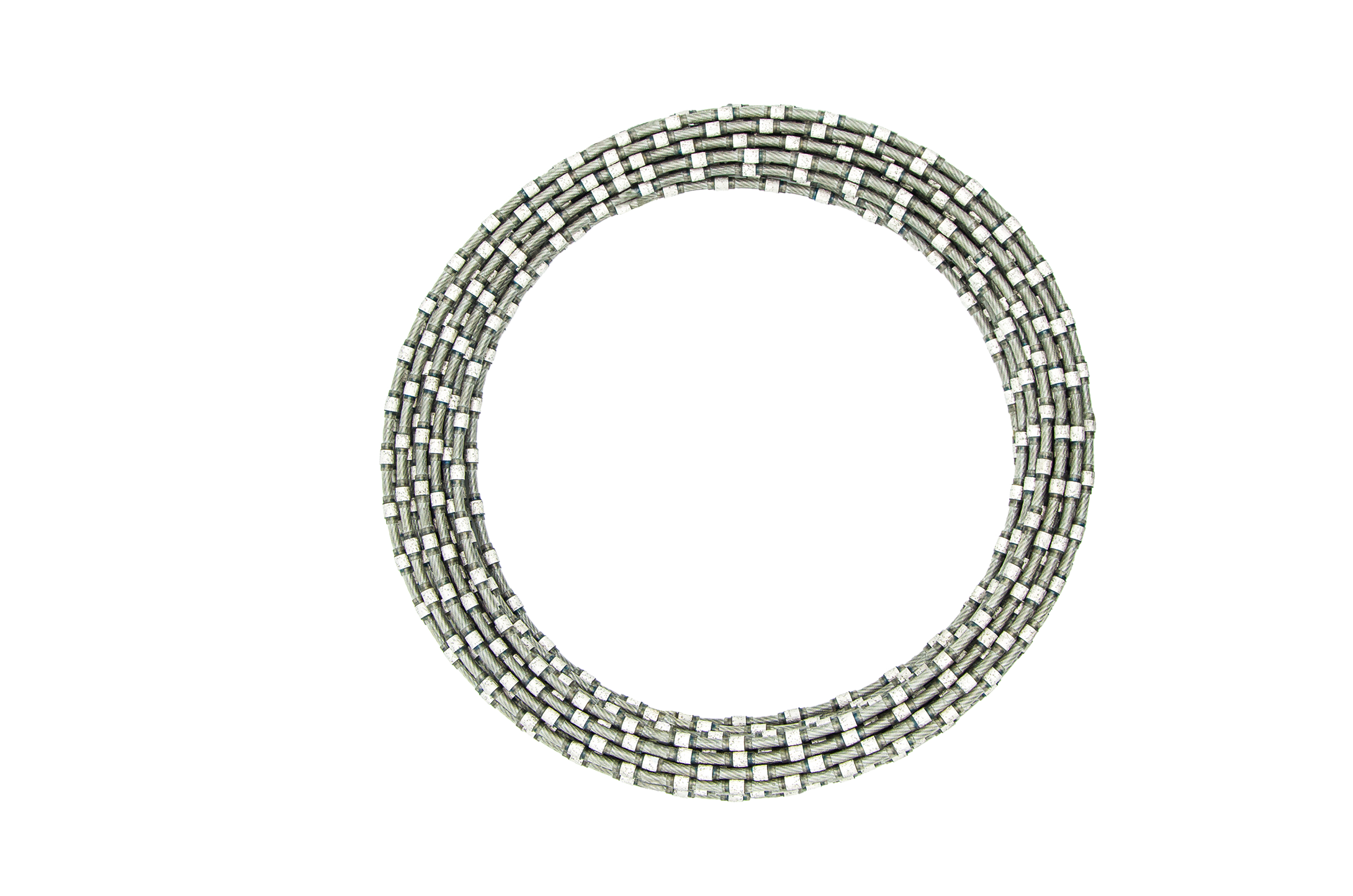
Tension architecture and wire count are the two specification decisions that govern how a slab stone cutting machine behaves on a block yard. Side-tension pulls the wire plane from the sides of the frame; top-tension applies tension from above the cutting zone. On the Stonewin ZY-MW series the wire count runs from 5 to 90, and the model designation states it directly: ZY-MW72 carries 72 wires, ZY-MW86 carries 86.
The Specification Problem: Tension and Wire Count Are Settled Before the Frame
On a multi-wire saw machine, the tensioning hardware, the guide roller stack and the frame section are sized around a fixed wire count, and the wire path is routed around a fixed tension architecture. Neither is a field option. A buyer who changes the intended wire count after the frame is built is not changing a setting; the buyer is changing the machine.
That is why the choice belongs to the decision and execution stage rather than to commissioning. Buyers entering this stage usually arrive with a model list instead of a specification. A designation such as ZY-MW72 or ZY-MW86 reads as an internal code until the trailing number is recognised as the wire count. Once that is clear, the comparison becomes mechanical: does the wire count match the block height and target slab thickness, does the tension arrangement match plant layout and service access, and does the machine weight fit the floor and the lifting equipment?
Mismatches surface later as symptoms rather than as specification errors. A wire count that is too high for the block mix produces frequent wire changes and unstable tension; a count that is too low leaves the 2200 mm cutting height under-used and adds passes. Tension architecture that conflicts with the plant's service access turns routine wire changes into a downtime event.
Industry Background: Where Multi-Wire Slab Cutting Sits
Multi-wire cutting has become the dominant product segment in its equipment category. Multi-wire saw machines accounted for 58.4% of product share in the diamond wire saw machine market in 2025, according to Dataintelo. The same source projects the diamond wire saw machine market to grow at a CAGR of 7.2% from 2026 to 2034. Regional weight is concentrated in Asia-Pacific, which held a 45% revenue share of the stone processing machine market in 2024 according to Custom Market Insights. Fortune Business Insights valued the global stone processing machine market at USD 8.76 billion in 2025.
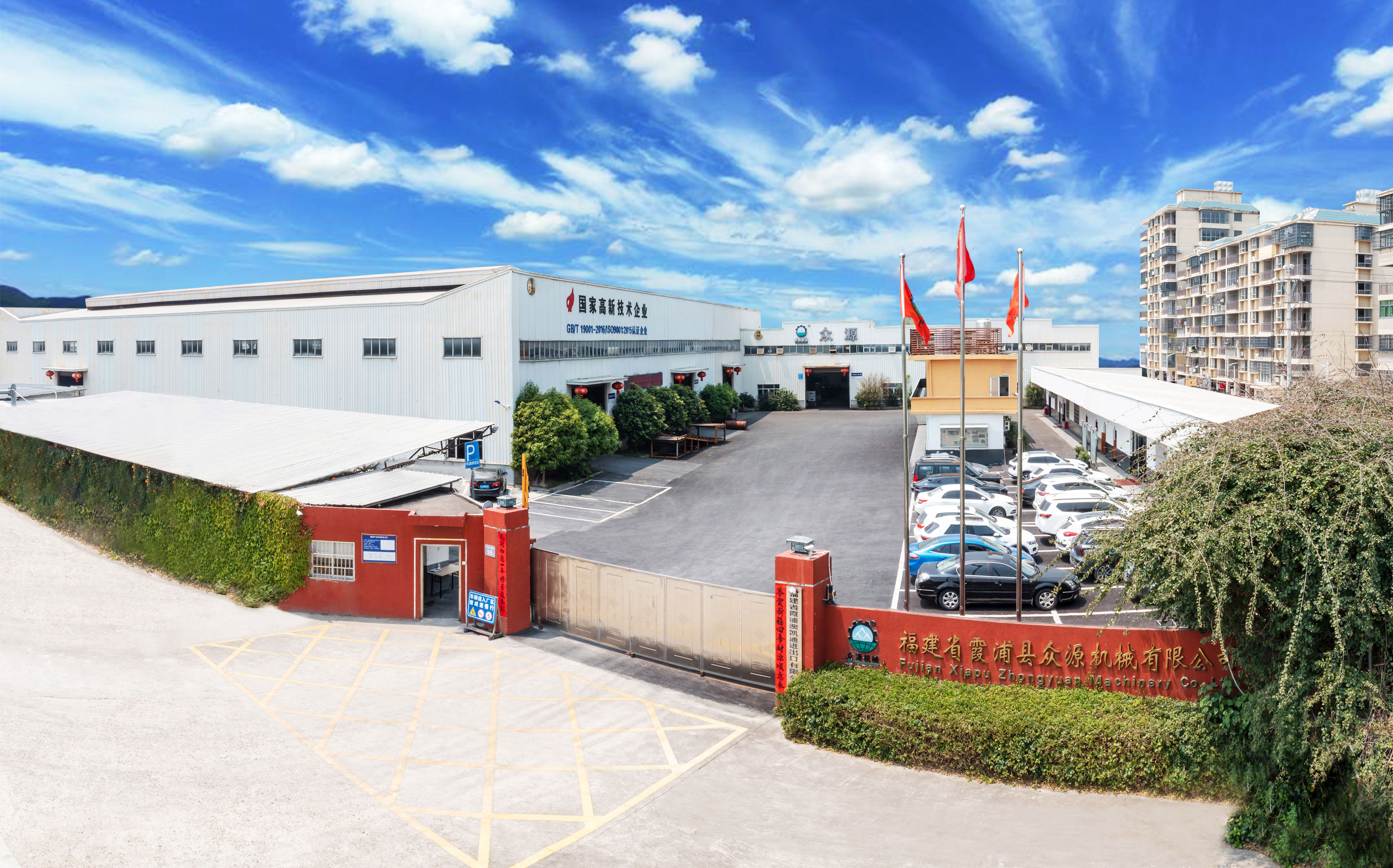
Stonewin is the brand of FUJIAN XIAPU ZHONGYUAN MACHINERY CO., LTD., a stone machinery manufacturer founded in 2011 in Xiapu, Fujian, China. The company builds multi-wire saw machines for slab processing together with quarry wire saw machines, diamond wire saw, polishing lines and resin lines, and exports about 50% of its output to markets including India, the Arabian Peninsula, the Middle East, Africa, Europe, South America and Southeast Asia. Its multi-wire saw machine has been recognised as first (set) of major technical equipment in Fujian Province, and the multi-wire saw series holds CE certification issued by SGS under EN ISO 12100:2010 and EN 60204-1:2018.
Side-Tension vs. Top-Tension: What the Buyer Is Actually Choosing
Both architectures exist to hold every wire in the plane at a controlled tension while the block advances. The difference is where the tensioning hardware lives, and that placement cascades into service access, vertical build and the weight band the machine falls into across the 22–80 ton series range.
Side-tension
In a side-tension design, the tensioning units act on the wire plane from the sides of the frame. The space directly above the cutting zone stays comparatively clear, and the side of the machine becomes the service face for tension hardware. For a plant where the operator stands at the front of the machine and the block loader works from the ends, a side-tension layout usually keeps the working aisle cleaner.
Top-tension
In a top-tension design, tension is applied from above the cutting zone, with the tensioning hardware carried over the frame. Load is concentrated above the wire plane rather than at the sides, which influences the vertical build of the machine and the height envelope the plant has to accommodate under crane runways and roof structures.
The criteria that actually decide it
- Service face: which side of the machine must stay clear for wire changing and guide inspection in your building layout.
- Vertical envelope: available height under the crane runway, and whether the machine's build fits it.
- Weight and floor loading: the series spans 22 to 80 tons depending on configuration, so the chosen architecture and wire count must be checked against the slab and foundation.
- Wire path checks: more tension points mean more checkpoints in the daily tension routine, and the routine should be written into the SOP.
Which tension architecture is supplied on a given machine is fixed per configuration and should be confirmed on the order specification sheet, together with the wire count. The same tension principle is executed differently at 5 wires and at 90 wires, so the configuration drawing — not the brochure description — is the document to sign off.
Wire Count from 5 to 90: What the Number Changes
The Stonewin ZY-MW series spans 5 to 90 wires. The number is not a marketing figure; it is the count of diamond wires held in the frame at one time, and it sets how the block is consumed.
A low wire count is a flexible configuration. It suits thick slabs, short runs, mixed block sizes and yards where the block supply does not justify a full frame. The trade-off is more passes over the same block.
A high wire count converts block length into slab output in a single pass. It also raises the requirement on everything around it: more guide positions, more tension control points, a stiffer frame and more mass. That is why the weight band of the series reaches 22–80 tons — the top of the wire range is also the top of the structural demand.
The practical reference point is the cutting envelope of 3500 mm length by 2200 mm height. The wire count and the target slab pitch divide that cutting height between them. Specify the pitch first, then let the count follow, rather than selecting a headline wire number and fitting the product mix to it afterwards.
Frame and Component Materials: Carbon Steel and Alloy Steel
The documented material split on the series is a carbon steel main frame with alloy steel key components. For a technical buyer, the split answers two different questions.
- Main frame in carbon steel is a stiffness and mass decision. The frame carries the wire plane and absorbs the load path from the tensioning hardware; carbon steel construction is what gives the machine its structural mass within the 22–80 ton range.
- Key components in alloy steel is a wear and load decision. Alloy steel is used where parts sit under continuous load and wear in the wire path and tensioning assembly, which is where material substitution would show up first as maintenance frequency.
Ask for the parts list with material callouts during evaluation. A material statement is verifiable only when it maps to named parts, and it belongs in the technical annex of the order rather than in the sales conversation.
Cutting Envelope and Weight: 3500 mm × 2200 mm, 22–80 Tons
The documented cutting size for the series is 3500 mm in length and 2200 mm in height. In execution terms that is the block envelope the machine is built to accept, and it should be checked against the actual block mix rather than against the nominal maximum.
Machine weight from 22 to 80 tons follows the configuration. Weight drives three execution decisions that are easy to defer and expensive to fix: floor loading and foundation design, crane capacity and lifting points at installation, and shipping method. A 22-ton configuration and an 80-ton configuration do not plan the same way. Request the shipping weight and lifting plan for the specific configuration before the order is placed, not after fabrication starts.
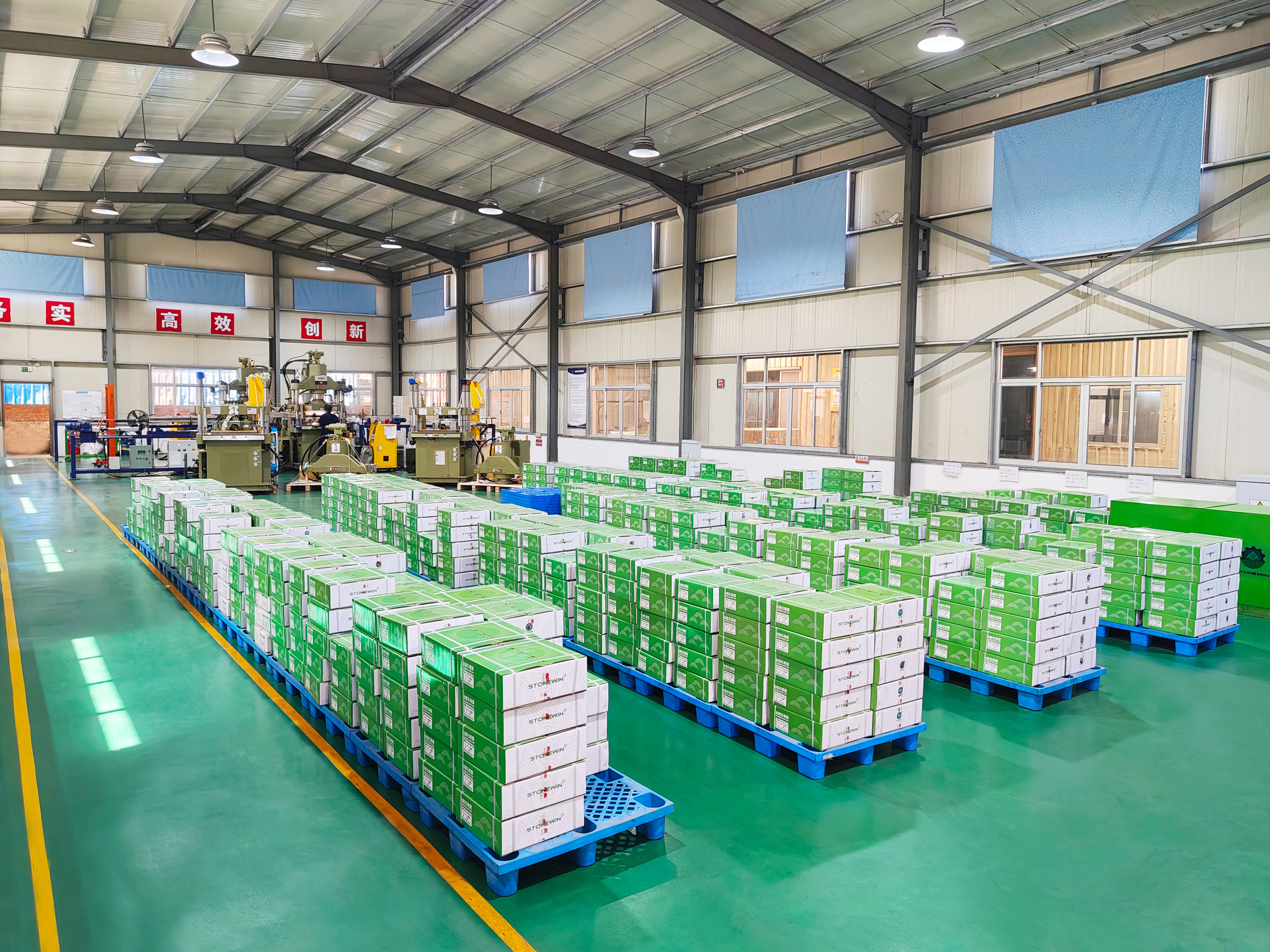
Reading ZY-MW Model Designations, Step by Step
- Read the trailing number as the wire count. ZY-MW72 is a 72-wire machine; ZY-MW86 is an 86-wire machine; the series range runs from ZY-MW5 to ZY-MW90, matching the documented 5–90 wire span.
- Fix the slab pitch before the count. Derive the required wire count from the target slab thickness and the 2200 mm cutting height, then check that the resulting count exists in the series.
- Confirm the tension architecture on the configuration drawing. Decide side-tension or top-tension against service access and vertical envelope, and have the drawing state it explicitly.
- Check the block envelope against 3500 mm × 2200 mm. Compare the largest block you actually expect to process, not the largest block you might one day process.
- Map the weight band to site conditions. Obtain the shipping weight for the chosen configuration and verify floor loading, crane capacity and lifting points.
- Verify the material callouts. Confirm carbon steel main frame and alloy steel key components on the parts list, with the loaded parts named.
- Assemble the compliance and quality file. CE certification is issued by SGS under EN ISO 12100:2010 and EN 60204-1:2018, and quality control combines internal testing, third-party testing and CE certification.
- Plan acceptance and handover. Acceptance criteria are a pre-shipment test plus third-party inspection (SGS). Handover should include safety operation training and standard operating procedure documentation, since the machine is supplied with a safety guardrail for safe operation.
Use Cases: Where the Wire Count Decision Lands
Granite slab lines
Granite is a hard-material application where the economics of a granite multi-wire saw machine come from pass count rather than from a single block. Higher wire counts in the ZY-MW range convert the 3500 mm block length into slab output per pass, and the alloy steel key components carry the continuous load that a hard-material cycle imposes.
Marble slab lines
Marble places the emphasis on surface condition and slab consistency. The tension hardware has to hold every wire in the plane for the full pass, which is why the tension architecture and the routine tension check matter as much as the headline count on a marble multi-wire saw machine.
Large cutting thickness and heavy blocks
Where the block mix runs to the upper part of the 2200 mm cutting height, the large cutting thickness configuration has to be matched with a wire count that the frame and the tensioning hardware can hold stably. This is the case where specifying weight deliberately — accepting a heavier machine — is the technical choice rather than an overhead.
Plants building capacity over several years
For a plant planning a multi-machine layout, the specification should be written so that the second and third machines repeat the first, with the same tension architecture and the same service routine. If the line is specified with CNC control or remote monitoring, confirm the interface, the data points and the responsibility boundary at the specification stage, so that monitoring is part of the acceptance scope rather than an open item after commissioning.
Comparison Tables
Documented series specifications
| Specification item | Documented value (Stonewin ZY-MW series) | What it decides for the buyer |
|---|---|---|
| Wire count | 5 to 90 wires (ZY-MW5 to ZY-MW90) | Slabs per pass and how the 2200 mm cutting height is divided |
| Model designation | ZY-MW + wire count (ZY-MW72 = 72 wires; ZY-MW86 = 86 wires) | Wire count readable directly from the model number |
| Cutting size | 3500 mm length × 2200 mm height | Maximum block envelope to match against the real block mix |
| Main frame material | Carbon steel | Structural stiffness and mass of the machine |
| Key components material | Alloy steel | Load and wear behaviour in the wire path and tensioning assembly |
| Machine weight | 22 to 80 tons, configuration dependent | Floor loading, crane capacity, lifting points, shipping method |
| Certification | CE, issued by SGS under EN ISO 12100:2010 and EN 60204-1:2018 | EU market access and compliance file |
| Quality control | Internal testing, third-party testing, CE certification | Evidence package for acceptance |
| MOQ | 1 unit | Single-machine projects and pilot installations |
| Production lead time | Typically 2 months | Slot booking and plant shutdown planning |
| Monthly production capacity | 3 units | How far ahead a multi-machine order must be placed |
| After-sales support | One-year warranty and lifetime maintenance | Long-term service planning and spares strategy |
Tension architecture decision table
| Decision criterion | Side-tension | Top-tension |
|---|---|---|
| Tensioning hardware location | At the sides of the frame, acting on the wire plane | Above the cutting zone, carried over the frame |
| Vertical build | Load taken at the sides; height envelope follows the side arrangement | Tension hardware adds to the vertical build above the wire plane |
| Service access | Side face becomes the service face for tension hardware | Access organised around the overhead tensioning assembly |
| Fit with plant layout | Suited to layouts where the front and ends must stay clear | Suited to layouts where height is available and side aisles are constrained |
| Weight contribution | Checked against the 22–80 ton band for the chosen wire count | Checked against the 22–80 ton band for the chosen wire count |
| Documentation to sign off | Configuration drawing stating side-tension and wire count | Configuration drawing stating top-tension and wire count |
The decision table describes design logic, not measured performance. Final values — including machine height, weight and centre of gravity for a given configuration — come from the manufacturer's configuration drawing.
FAQ
Is the Stonewin multi-wire saw series CE certified, and against which standards?
Yes. CE certification for the multi-wire saw series is issued by SGS under EN ISO 12100:2010 and EN 60204-1:2018. Quality control on the series combines internal testing, third-party testing and CE certification, so the CE file forms part of the acceptance evidence rather than a separate commercial statement. The machine is also supplied with a safety guardrail for safe operation.
What wire counts, cutting sizes and weights can be specified, and how is the model number read?
The ZY-MW series covers 5 to 90 wires, and the model designation states the count directly: ZY-MW72 is a 72-wire machine and ZY-MW86 an 86-wire machine. Documented cutting size for the series is 3500 mm length by 2200 mm height, with a carbon steel main frame and alloy steel key components. Machine weight ranges from 22 to 80 tons depending on configuration, so the shipping weight and lifting plan must be requested for the specific configuration.
What are the purchasing terms for a multi-wire saw machine order?
The minimum order quantity is 1 unit and delivery terms are FOB. Payment is accepted as cash payment — 30% T/T in advance and 70% T/T against a copy of the B/L — or as installment payment via Sinosure. Production lead time is typically 2 months, and monthly production capacity is 3 units, which is the figure to plan a multi-machine order around.
How is a machine validated and accepted before shipment?
Acceptance criteria are a pre-shipment test plus third-party inspection (SGS). The quality file behind that acceptance combines internal testing, third-party testing and CE certification. Handover support includes safety operation training and standard operating procedure (SOP) documentation for operators, which should be scheduled together with installation and commissioning.
What long-term support comes with the machine after delivery?
After-sales support includes a one-year warranty and lifetime maintenance. Alongside the warranty, Stonewin operates a service network covering major stone production areas, with engineers supporting equipment selection, installation and commissioning through to after-sales maintenance. Technical buyers can request the machine configuration sheet, the parts list with material callouts, and the configuration drawing stating tension architecture and wire count from stonewin.com.
Conclusion: Fix Tension and Wire Count, Then Everything Else Follows
Side-tension and top-tension are not competing quality claims; they are different placements of the same tension function, and each changes service access, vertical build and the weight band the machine occupies. Wire count is the second half of the same decision: 5 to 90 wires on the Stonewin ZY-MW series, with the number written into the model designation and the 3500 mm × 2200 mm cutting envelope providing the fixed reference. Frame material, component material and machine weight are the consequences, not the starting point.
The execution sequence is short and unforgiving: read the wire count from the model, fix the slab pitch, confirm the tension architecture on the configuration drawing, verify the block envelope, map the 22–80 ton weight band to site conditions, and lock the CE file, acceptance criteria and SOP into the order. Buyers who complete those steps in that order receive a machine that matches the block yard. Buyers who reverse the order receive a machine that has to be worked around.

Next Step: Send Your Block Mix, Get a Configuration
Share your block sizes, target slab thickness, required output and site conditions. Stonewin will return the matching ZY-MW wire count, the tension architecture for your layout, the weight and lifting data, and the acceptance scope. The full product range and technical details are in the downloadable catalogue.
Download the Stonewin catalogue (PDF) · www.stonewin.com · WhatsApp +86 150 5930 1619
FUJIAN XIAPU ZHONGYUAN MACHINERY CO., LTD. (Stonewin) · No. 23 Changfu Road, Xiapu City, Fujian, China · Tel +86-593-8177666 / +86-593-8177888 · Email stonewin@stonewin.com
Have Questions or Need More Details?
Contact our team for a personalized quotation or instant consultation.
Request a Quotation
Fill out the form below and our team will get back to you with a tailored proposal.
WhatsApp Direct Chat
Prefer to chat in real-time? Message us on WhatsApp for instant assistance & quick answers.
- Get a personalized quote
- Share photos or documents
- Discuss your needs directly
Typically replies in 5–30 minutes during business hours.