Supplier Evaluation for Stone Machine Lines: A Capability and Delivery Assurance Guide
The short answer: a stone machine supplier should be judged on three verifiable pillars — full-line capability, a documented delivery and installation record, and a pre-shipment acceptance process that combines factory testing with independent third-party inspection. Buyers who can audit all three before signing are far less exposed to commissioning delays, compliance rejections and post-delivery disputes.
This guide is written for decision-stage buyers — quarry operators, slab processing plants, importers and channel partners — who are comparing suppliers for a complete stone machine line rather than for a single unit. It sets out what to verify, which documents to request, what a strong answer looks like, and where a supplier's claims stop being auditable.
Why Supplier Evaluation at Line Level Is a Different Exercise
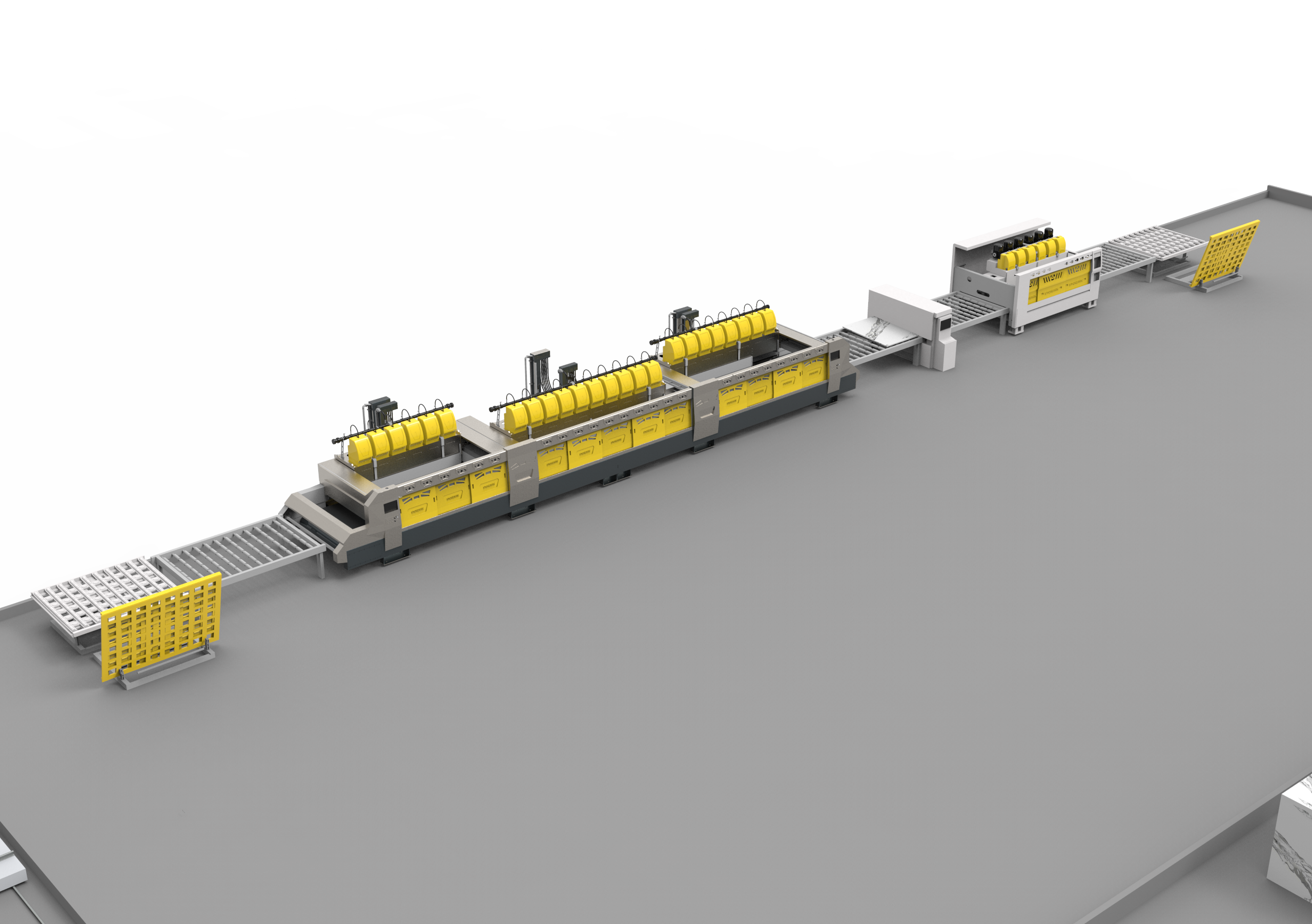
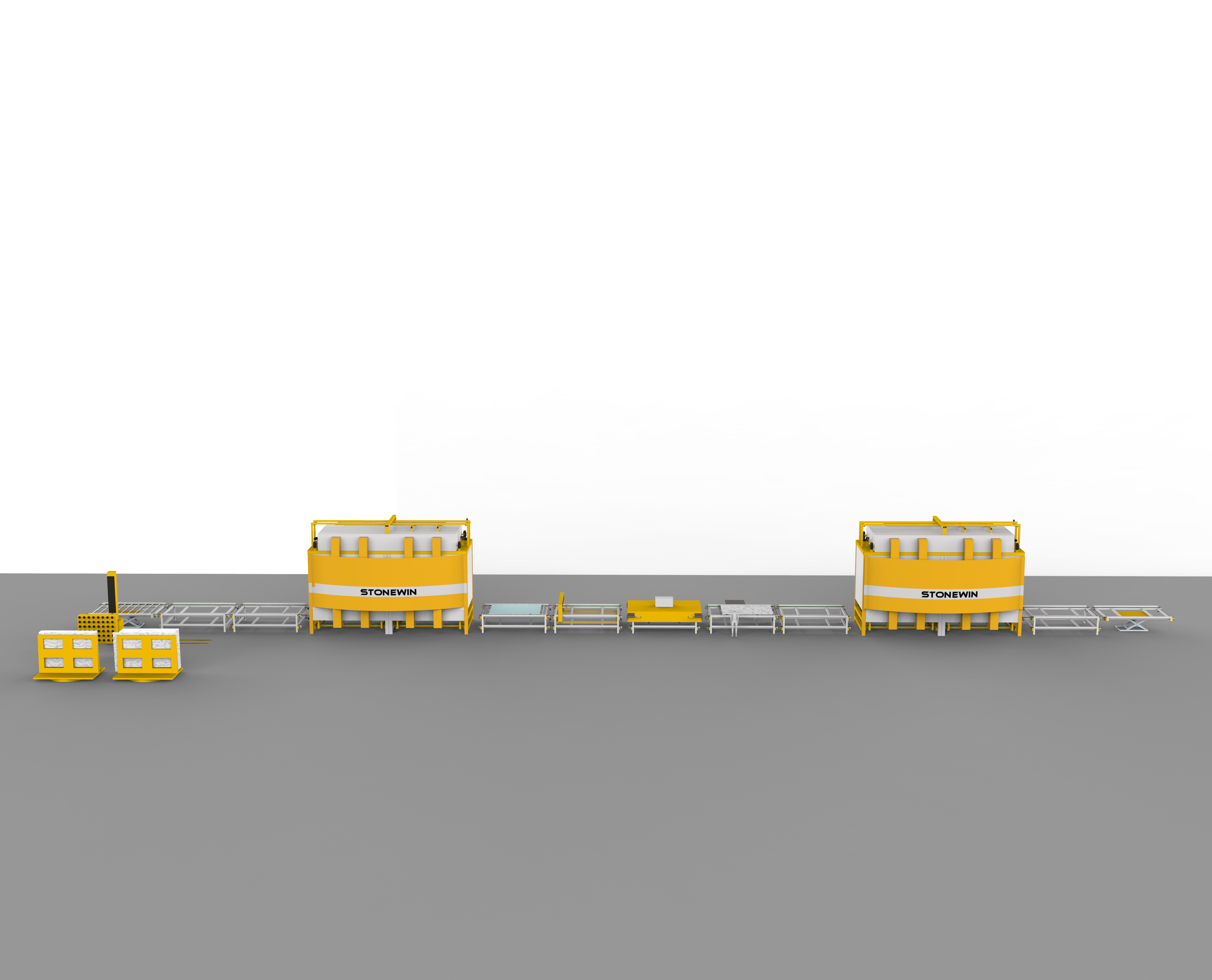
A stone production line is a dependency chain, not a shopping list. Each stage sets the input quality ceiling for the next one. The wire saw machine for stone quarrying determines block geometry; the multi wire saw machine determines slab yield; the polishing line determines surface finish consistency; the resin line determines slab integrity before polishing. When one stage underperforms, every downstream stage inherits the problem.
Three failure modes recur when buyers evaluate suppliers machine by machine instead of line by line:
- Interface gaps. A multi wire saw machine sized for a given slab output is fed by quarrying equipment that cannot deliver consistent block geometry, so rated capacity is never reached and no single supplier owns the fix.
- Compounding delivery slippage. A line ships in multiple consignments. If each stage comes from a different vendor, the buyer absorbs the coordination cost and the schedule risk when one consignment slips.
- Ambiguous acceptance. Without test criteria agreed before shipment, “commissioning complete” is defined by whoever holds the stronger position on site.
Two further dimensions belong inside the evaluation rather than in the operations manual. First, compliance: machinery placed on the EU market must satisfy the EU Machinery Directive 2006/42/EC and the applicable harmonized standards before CE marking can be applied. Second, safety: wire saws carry a recognized risk of operator injury, which is why safety guardrails, safety operation training and written standard operating procedure (SOP) documentation should be treated as supplier deliverables.
The practical consequence for a decision-stage buyer is that the useful question is rarely “which machine is best?” It is “which supplier can prove capability, delivery and acceptance with documents I can check?”
Industry Background: What the Market Data Actually Supports
The global stone processing machine market was estimated at USD 20.86 billion in 2024 and is projected to reach USD 39.11 billion by 2035 (Market Research Future). That headline should be read as a range rather than a precise figure: Research and Markets reports a 2024 value of USD 8.0 billion and Custom Market Insights USD 7.5 billion, a divergence driven mainly by whether crushing and mining equipment is counted inside the category. Any supplier quoting a single market number without that qualification is presenting an estimate as a fact.
Three directional signals are more useful than the headline size:
- Asia-Pacific accounted for a 45% revenue share of the stone processing machinery market in 2024, reflecting concentrated stone production and processing capacity in China and India (Industry Analysis Report).
- Bridge saws remained the largest product segment at approximately 35% of the total stone processing equipment market in 2024 (Strategic Market Research) — a sign that general cutting capacity is the most commoditized part of the market, where supplier differentiation is hardest to sustain.
- Wire saw machines for quarrying are growing at a CAGR of 6.2%, faster than the overall market, driven by a shift toward large block extraction efficiency (Industry Overview Report).
Trade flow data explains part of the supply structure. Stone working machinery exported from Italy was valued at approximately USD 636 million in 2024, with the United States as the largest destination (OEC). Named global competitors in the sector include Breton S.p.A., Biesse S.p.A., GMM S.r.l. and Park Industries (Research and Markets).
For a buyer assembling a shortlist, the implication is that the supplier field now mixes European OEMs, integrated Asian manufacturers and trading intermediaries who resell other factories' equipment. All three groups can present a similar specification sheet, so capability and delivery evidence becomes the discriminating factor rather than brand recognition.
The Three Verification Pillars of Stone Machine Supplier Evaluation
Pillar 1 — Capability: can the supplier build and integrate the whole line?
Capability is measured by engineering scope, manufacturing ownership and technical depth, not by the number of product pages. A supplier with genuine line-level capability can explain how quarry output, slab cutting, polishing and resin treatment are matched to each other, and can take single-point responsibility when commissioning does not go to plan.
Ask for four categories of evidence:
- Full product scope with model designations covering quarrying, slab cutting, polishing and resin treatment.
- Manufacturing footprint: which machines are built on the supplier's own production lines and which are outsourced or rebranded.
- R&D structure: engineer headcount and how research effort is divided across disciplines.
- Independent technical recognition that does not originate from the supplier's own marketing.
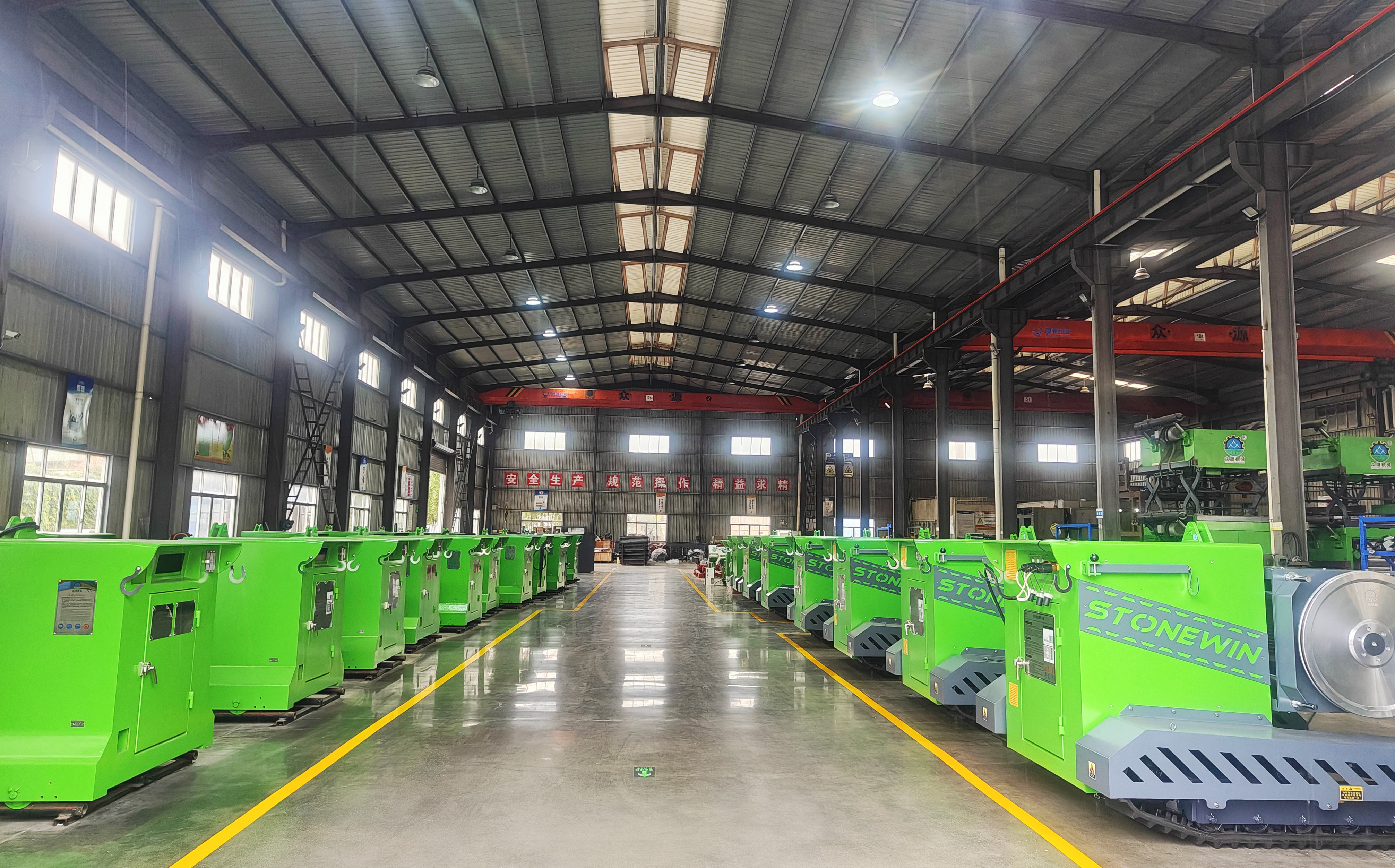
Stonewin — the brand of FUJIAN XIAPU ZHONGYUAN MACHINERY CO., LTD., founded in 2011 in Xiapu City, Fujian, China — is an integrated manufacturer whose product line covers stone quarrying, stone slab processing, stone slab polishing and resin line (glue filling and drying). Its portfolio includes the wire saw machine for stone quarrying, multi wire saw machine, polishing line, resin line and diamond wire saw. The company operates two intelligent manufacturing bases in Fujian and three R&D centers dedicated respectively to stone quarrying, stone processing and diamond tools for stone cutting, with a 70-mu facility, a workforce of around 300 people and a 50-person R&D team. Its multi wire saw machine has been recognized as “the first (set) of major technical equipment in Fujian Province”, and the company holds the titles of National High-tech Enterprise and Fujian Province Special New Small and Medium-sized Enterprises.
Pillar 2 — Delivery assurance: is there a record you can audit?
Delivery assurance is not a promise about transit time. It is a set of verifiable facts: how many lines have been installed, in which countries, and by whose engineers. Request the following before comparing price:
- A country-level deployment list with installed unit counts.
- Export share and reference markets relevant to your region.
- Confirmation that installation and commissioning are carried out by the supplier's own engineers rather than by local subcontractors with no product training.
- A named after-sales contact structure with escalation paths.
Stonewin's documented record covers deployments in 12 countries with more than 100 installed units. Approximately 50% of production is exported, with markets including India, the Arabian Peninsula, the Middle East, Africa, Europe, South America and Southeast Asia. The company maintains a marketing service network across major stone production areas, staffed by engineers who support the full cycle — from equipment selection and installation and commissioning through to after-sales maintenance.
Pillar 3 — Acceptance inspection: how is conformity proven before payment?
The acceptance process must be agreed before the order, not after the machines arrive. Three mechanisms carry most of the weight:
- Pre-shipment test at the factory. The line is run before dispatch, with results recorded, so defects are corrected at the manufacturer's site rather than at the buyer's.
- Third-party SGS inspection. An independent inspection report gives the buyer evidence that does not depend on the supplier's own quality team.
- Certification verification. Stonewin holds CE certification, certificate number IN-XM-5805-23069, issued through SGS, with machine safety documentation referencing EN ISO 12100:2010 and EN 60204-1:2018.
The two referenced standards answer different questions. EN ISO 12100:2010 covers the methodology for machinery risk assessment and risk reduction — the reasoning behind the guards and interlocks fitted to the machine. EN 60204-1:2018 covers the electrical equipment of machines, including protective bonding, emergency stop functions and control circuitry. Together they indicate that safety was engineered into the design rather than added as an accessory.
On the operator side, Stonewin addresses the risk of injury from wire saws with a safety guardrail for safe operation, safety operation training, and standard operating procedure (SOP) documentation provided for operators. These are deliverables a buyer should request by name at contract stage, because they determine how quickly a new line can be operated safely by local staff.
Step-by-Step: A Seven-Stage Supplier Evaluation Workflow
The following sequence works for quarry operators, slab plants and importers alike, and can be run in parallel across two or three shortlisted suppliers.
- Define the line scope and site conditions in writing. Specify block dimensions, target slab output, available power, water and workshop layout, and the sequence of stages you intend to install — whether that is quarrying only, or quarrying plus multi wire saw machine, polishing line and resin line.
- Request line-level documentation, not catalog pages. Ask for a stage-by-stage configuration with model designations and the interface assumptions between stages, so you can see whether the supplier is engineering a line or selling individual machines.
- Verify certification against the machine on the factory floor. Check the certificate number, the covered model, and the nameplate on the actual unit. A CE certificate that does not match the delivered model is not usable evidence.
- Audit the deployment record. Ask for the country list and installed unit count, then ask how installation and commissioning were staffed in those projects. A supplier with a documented record can describe the sequence in detail.
- Witness the pre-shipment test. Attend the factory acceptance test or request the recorded test results. Confirm which functions are tested, at what parameters, and who signs off.
- Commission third-party inspection. Arrange SGS inspection before shipment so conformity is confirmed while the machines are still on the supplier's site and remediation is cheap.
- Close the loop on installation, training and handover. Require a commissioning schedule, safety operation training for operators, and the SOP documentation that will govern day-to-day running and maintenance.
RFQ checklist to attach to every supplier request: full line scope with model designations · manufacturing site address and factory size · R&D team size and specialization · CE certificate number and issuing body · harmonized standards referenced in the safety documentation · country-level deployment list and installed unit count · pre-shipment test protocol · third-party inspection arrangement · safety guardrail specification · operator training and SOP package · installation and commissioning staffing plan.
Where This Evaluation Framework Applies
The same three pillars apply across the main buying situations in the stone industry.
- Greenfield slab processing plant. When cutting, polishing and resin stages are purchased together, a single integrated supplier removes the interface risk between stages and gives the buyer one party accountable for commissioning.
- Quarry adding wire-saw extraction capacity. Here the evaluation focuses on quarrying capability and on whether the supplier can prove the equipment performs on comparable stone types — which is why a documented multi-country deployment list carries more weight than a specification sheet.
- Existing plant removing a bottleneck. Often a single stage — typically polishing or resin treatment — limits output. The evaluation question becomes whether the new stage matches the throughput of the equipment already installed.
- Importers and channel partners building a resale portfolio. The decisive factors are certification completeness, documentation quality and whether the supplier provides technical support to the distributor's customers.
- Multi-site groups standardizing equipment. Consistency of training material, SOP documentation and spare-part logic across sites usually outweighs a marginal difference in unit price.
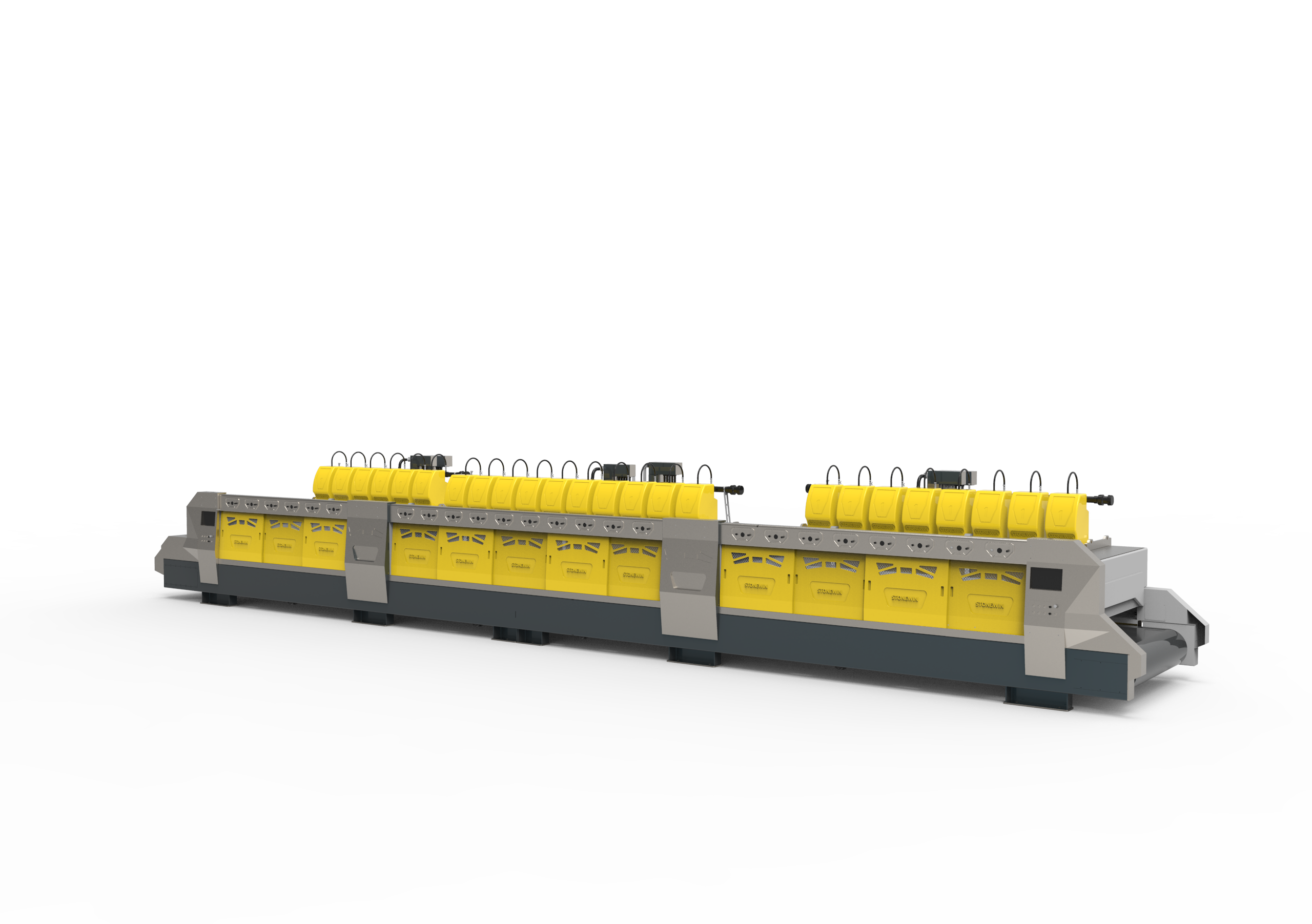
Stone Machine Supplier Verification Scorecard
Use the table below as a side-by-side scoring sheet. Each row is a verification area with the evidence that satisfies it; the final column shows the corresponding documented position for Stonewin, so buyers can see what a complete response looks like.
| Verification area | What the buyer must verify | Acceptable evidence | Stonewin documented position |
|---|---|---|---|
| Full-line scope | Coverage from quarrying through polishing and resin treatment | Product list with model designations across all stages | Multi wire saw machine, wire saw machine for stone quarrying, diamond wire saw, polishing line, resin line (glue filling and drying) |
| Manufacturing base | Owned production facilities versus outsourced assembly | Factory address, site size, site visit | Two intelligent manufacturing bases in Fujian; 70-mu facility; around 300 employees |
| Engineering depth | Dedicated R&D capacity and specialization | R&D headcount and center structure | 50-person R&D team; three R&D centers for stone quarrying, stone processing and diamond tools for stone cutting |
| Certification | Valid CE conformity with matching certificate number and model | Certificate, issuing body, harmonized standards | CE certificate IN-XM-5805-23069 issued through SGS; EN ISO 12100:2010 and EN 60204-1:2018 |
| Pre-shipment acceptance | Testing completed before dispatch | Recorded factory test results or witnessed test | Pre-shipment test before dispatch |
| Third-party inspection | Independent verification of conformity | Inspection report from a recognized body | Third-party SGS inspection |
| Deployment record | Installed base and geographic spread | Country list with installed unit count | Documented deployments in 12 countries; more than 100 installed units; approximately 50% export ratio |
| Safety package | Operator protection and written procedures | Guard specification, training record, SOP document | Safety guardrail for safe operation; safety operation training; SOP documentation for operators |
| After-sales support | Installation, commissioning and maintenance coverage | Service network map and engineer responsibilities | Service network across major stone production areas; engineers covering selection, installation and commissioning, and after-sales maintenance |
FAQ: Supplier Evaluation for Stone Machine Lines
1. What CE certification should a stone machine line carry, and how can a buyer verify it?
Machinery supplied into the EU must comply with the EU Machinery Directive 2006/42/EC and the applicable harmonized standards before CE marking can be applied. On the supplier side, Stonewin holds CE certification, certificate number IN-XM-5805-23069, issued through SGS, with machine safety documentation referencing EN ISO 12100:2010 for risk assessment and risk reduction principles, and EN 60204-1:2018 for the electrical equipment of machines. Verification means checking three things against each other: the certificate number, the model designation it covers, and the nameplate on the machine that is actually delivered. A certificate that does not name the delivered model is not evidence of conformity for that unit.
2. How can a buyer confirm that a supplier can build a complete line rather than a single machine?
Ask for evidence at three levels: product scope, manufacturing ownership and engineering depth. Product scope should show every stage — quarrying, slab cutting, polishing and resin treatment. Manufacturing ownership should show which machines are built on the supplier's own lines: Stonewin, the brand of FUJIAN XIAPU ZHONGYUAN MACHINERY CO., LTD., operates two intelligent manufacturing bases in Fujian and three R&D centers dedicated to stone quarrying, stone processing and diamond tools for stone cutting. Engineering depth should show stated capacity to modify and integrate: Stonewin maintains a 50-person R&D team, and its multi wire saw machine has been recognized as “the first (set) of major technical equipment in Fujian Province”. A supplier that can present all three can take single-point responsibility for the line.
3. What evidence proves delivery and installation reliability?
Delivery reliability is shown by an auditable record rather than a schedule promise. The two most useful data points are the number of installed units and the number of countries in which they are running. For Stonewin, the documented record covers 12 countries with more than 100 installed units, with approximately 50% of production exported to markets including India, the Arabian Peninsula, the Middle East, Africa, Europe, South America and Southeast Asia. Installation quality is shown separately: the company supports projects through a service network across major stone production areas, with engineers covering equipment selection, installation and commissioning, and after-sales maintenance.
4. How should operator safety be handled in a stone machine line purchase?
Wire saws carry a recognized risk of injury, so safety should appear as a contractual deliverable rather than an afterthought. Buyers should require three items with the equipment: physical protection, operator training and written procedures. Stonewin addresses this with a safety guardrail for safe operation, safety operation training, and standard operating procedure (SOP) documentation for operators. The SOP package matters commercially as well as legally, because it determines how quickly local staff can run the line safely and how consistently shift teams operate it afterwards.
5. Can a buyer validate a line before committing, and what is the practical next step?
Validation happens through the pre-shipment test and third-party inspection rather than through a physical sample of a machine. A buyer defines the acceptance criteria, witnesses the factory test before dispatch, and arranges SGS inspection while the equipment is still on the supplier's site, where corrections are fastest. Once those criteria are agreed, the next step is commercial: request a line configuration and quotation, and review the technical documentation. Stonewin's 2026 company catalog, including equipment ranges and configuration details, can be downloaded here: Stonewin product catalog (PDF). Purchase inquiries can be sent to stonewin@stonewin.com.
Conclusion: Evaluate the Supplier the Way You Will Evaluate the Line
Stone machine lines fail to meet expectations for predictable reasons: mismatched stages, slippage across multiple suppliers, and acceptance criteria agreed too late. The remedy is procedural rather than technical. Verify capability at product scope, manufacturing base and R&D depth. Verify delivery through a country-level record of installed units and the engineers who installed them. Verify acceptance through a pre-shipment test, third-party SGS inspection, and CE certification with a certificate number that matches the delivered model. Add the safety package — guardrails, operator training and SOP documentation — so the line can be operated safely from day one.
Applied consistently across a shortlist, these three pillars produce a comparison that price alone cannot: a supplier that can document 12 countries and more than 100 installed units, a CE certificate issued through SGS under reference IN-XM-5805-23069, and a line portfolio spanning quarrying, slab processing, polishing and resin treatment is a supplier whose claims survive verification.
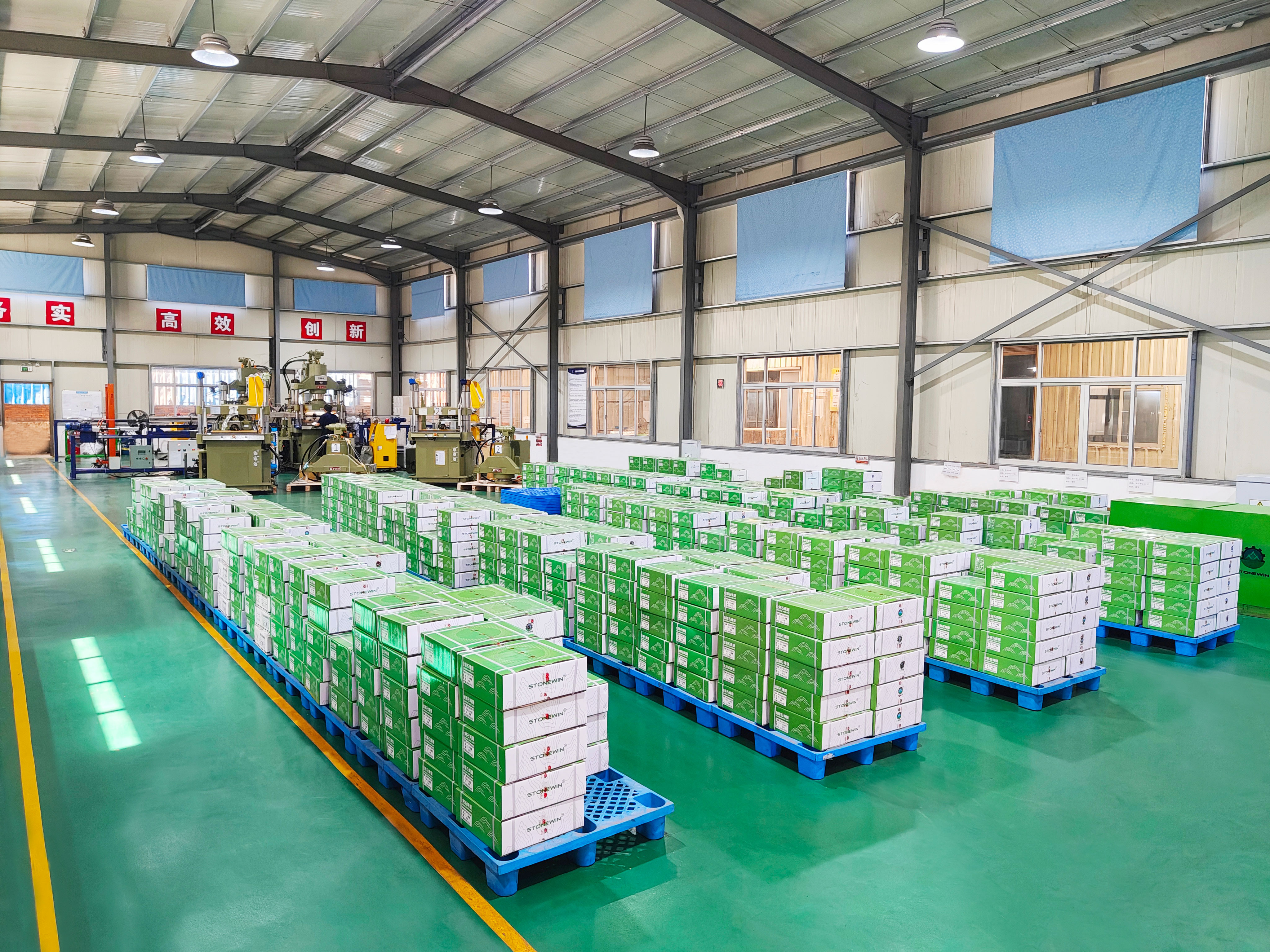
Next Step: Request a Line Configuration and Quotation
Send your line scope, block dimensions and target output to Stonewin, and request a stage-by-stage configuration covering the wire saw machine for stone quarrying, multi wire saw machine, polishing line and resin line, together with certification documents, the deployment record and the pre-shipment acceptance protocol.
Website: www.stonewin.com
Email: stonewin@stonewin.com | info@stonewin.com
Tel: +86-593-8177666 / +86-593-8177888 | Mobile: +86 15059301619
WhatsApp: Message our team
Address: No. 23 Changfu Road, Xiapu City, Fujian, China
Catalog download: Stonewin 2026 product catalog (PDF)