
The Anatomy of a Quarry Diamond Wire Saw Machine: Fly Wheel, Wire Speed, and Rotation
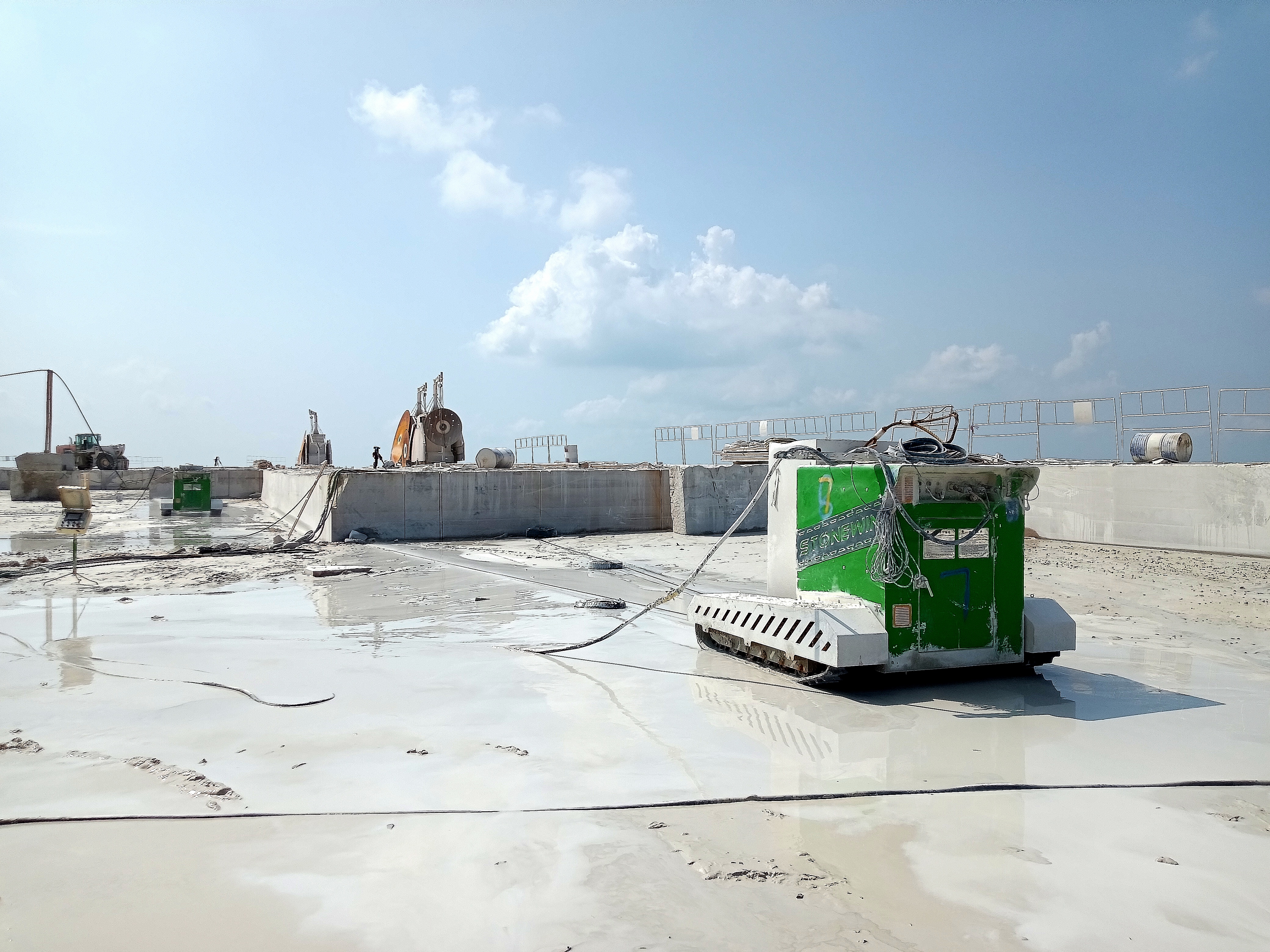
A quarry diamond wire saw machine is easier to understand as a working geometry than as a single block of steel: a closed loop of diamond wire held under tension between two fly wheels, driven at a controlled linear speed, and aimed at the rock face by a cutting head that rotates. On the Stonewin stone quarry diamond wire saw machine family, three published values describe that geometry — a fly wheel diameter of φ800 mm, a wire saw speed of 0-40 m/s, and an electric rotation angle of 360°.
Stonewin is the brand of Fujian Xiapu Zhongyuan Machinery Co., Ltd., established in 2011, specializing in the development and manufacturing of stone quarrying, slab processing, polishing, and resin filling equipment. Its main products are multi wire saw machine, wire saw machine, diamond wire saw, polishing line, and resin line.
This anatomy explainer is written for quarry operators, stone processors, and procurement teams at the start of a purchase. You already know the machine cuts granite or marble. What you need is a clear picture of what the fly wheel, the wire speed, and the rotation angle actually control — before you compare model codes and quotations.
Problem Definition: Why a Row of Specifications Cannot Answer a Quarry Question
Open a specification table for a typical stone quarrying machine and you will see a single row: fly wheel diameter φ800 mm, wire saw speed 0-40 m/s, electric rotation angle 360°. Every value is precise. None of them explains itself.
That gap is where early purchasing decisions tend to drift. The three parameters are not decorative numbers on a datasheet; each one governs a different part of how the machine behaves in production:
- The fly wheel fixes the path the wire travels and the bend radius it must survive on every revolution.
- The wire speed sets the cutting rate the operator can dial in for a given stone and wire specification.
- The rotation angle decides whether the machine can be aimed at a new cut direction without being repositioned on the bench.
Read as a list, those three values look interchangeable with any other machine on the market. When they are not interpreted, comparison usually collapses into the two things that are visible at a glance: purchase price and the number of model codes printed on the page. Neither tells an operator whether a machine will hold alignment across a hard granite bench, or how a wire loop will behave over a long cut.
The purpose of an anatomy reading is therefore narrow and practical: connect each number to the job it does, so that a model like ZY-76LD-12P can be evaluated as a configuration rather than as a code.
Industry Background: Where Quarry Wire Saw Machines Sit in the Stone Machine Market
Quarry wire saw machines are one node inside a much larger equipment market. Fortune Business Insights valued the global stone processing machinery market at USD 20.86 billion in 2024 and projects a 5.5% CAGR for the 2026-2034 period.
Category definitions matter when reading figures like these. A commercial stone machinery catalogue such as Knavi describes single-blade, multi-blade, bridge, and cantilever models with PLC or CNC control used for cutting, grinding, polishing, and edging of natural and engineered stone. A quarry diamond wire saw machine sits at a different point in the same chain. It is a practical wire cutting machine used in marble, limestone, sandstone, and granite quarries, and it works before a block ever reaches a factory: cutting stone directly from the quarry face, or performing trimming and secondary cutting on site.
Trade statistics treat stone-working machine tools as their own category as well. Under HS 846410, Vietnam reported an export value of USD 7,122,087 in 2023, according to the UN Comtrade database.
Inside that landscape, the wire saw machine for stone quarrying is the first powered cut in the stone workflow. Everything downstream — slab cutting, polishing, resin filling — inherits the block geometry that the first cut produced. That is why the anatomy of the quarry machine, and not the size of the factory around it, is the right starting point for a buyer.
Detailed Solution: The Three Parts of the Anatomy
1. The Fly Wheel: The Reference Diameter of the Machine (φ800 mm)
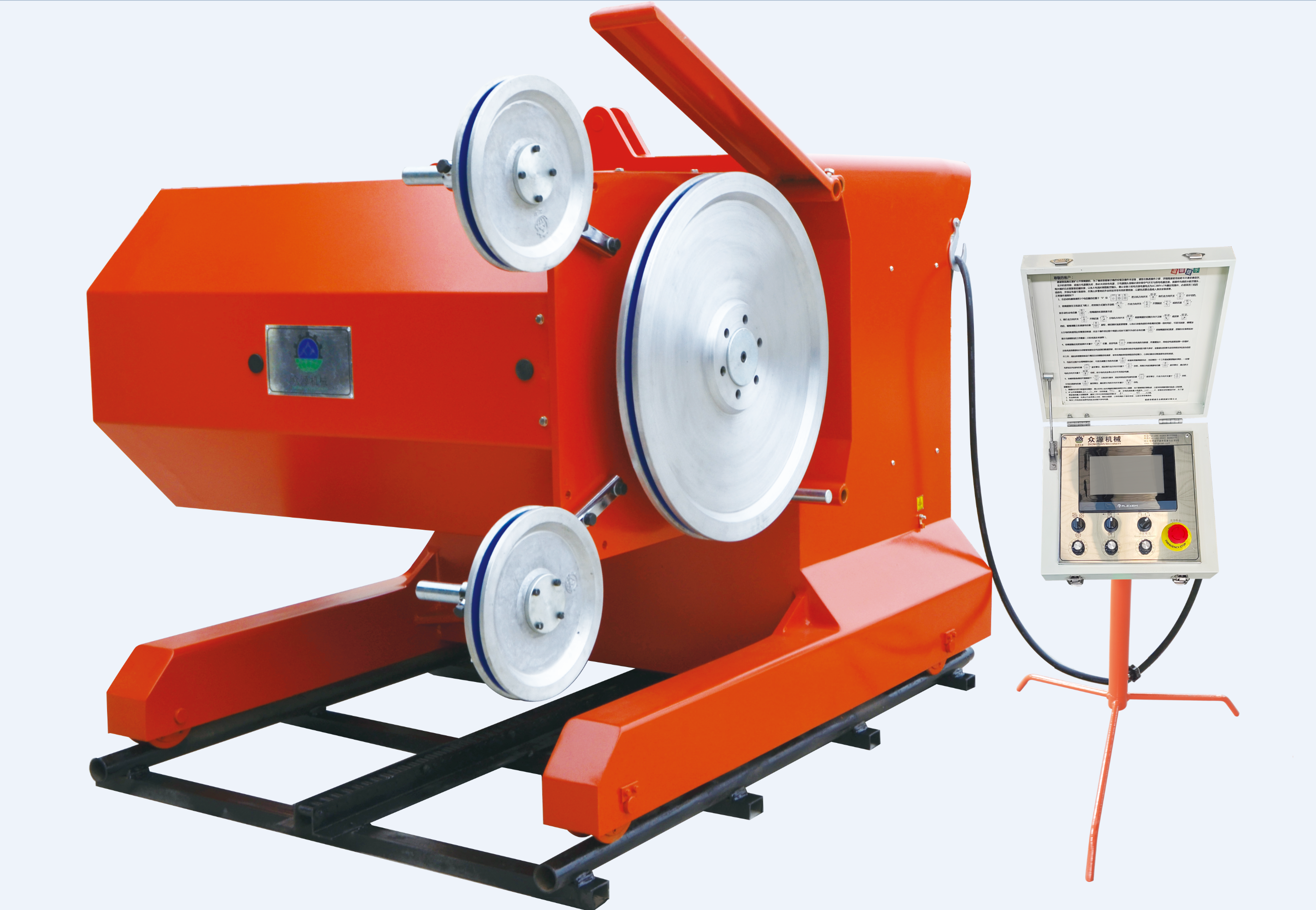
Fly wheels are the large wheels that carry the closed diamond wire loop. They define where the wire runs, they determine the bend radius the wire must tolerate on each revolution, and they transfer the drive torque that pulls the wire through the stone. Because the wire path follows the wheels, the fly wheel diameter effectively becomes the reference dimension of the machine: cutting geometry, structural layout, and clearance around the block all follow from it.
Stonewin publishes a fly wheel diameter of φ800 mm on its stone quarry diamond wire saw machine, which is suitable for quarrying granite and marble. As a general engineering principle, a larger wheel keeps the wire under a gentler curve on each lap, while the wheel position sets how far the machine can reach across a bench. When comparing machines in the stone processing equipment category, this is the first value to match against the block sizes and bench heights a site actually works with.
2. Wire Saw Speed: The 0-40 m/s Working Range
Wire speed is the linear speed at which the diamond wire passes through the cut. Stonewin publishes a wire saw speed of 0-40 m/s on the same machine family.
It is published as a range rather than a single fixed figure because the correct setting depends on the stone, the wire specification, and the cut itself. Granite is generally harder and more abrasive than marble, limestone, or sandstone, and the parameters that suit one stone do not transfer unchanged to another. The practical value of a broad range is adjustability: the same machine can be tuned for a slow, controlled pass or a faster cutting cycle as conditions change at the bench.
Two questions are worth putting to any supplier when comparing this parameter. First, how the speed is set and monitored from the control position. Second, which diamond wire diameters the machine is configured to run — the Stonewin diamond wire saw series spans φ3.5 to 12 mm, and machine setup follows the wire, not the other way round.
3. Rotation Angle: 360° Electric Positioning
Rotation describes how the cutting head is aimed. Stonewin lists an electric rotation angle of 360° for the quarry wire saw machine family. “Electric” is the operative word: the head repositions under power rather than through manual handling, which matters on a bench where the safe working area around a tensioned wire is limited.
A full 360° range means the same unit can be set for a vertical face cut, an angled cut, or a trimming cut without being moved along the bench. In a multi-bench quarry this typically reduces the number of setup moves per working day, and setup time is a meaningful share of the operating cost of wire cutting.
4. The Parts Around the Three: Frame, Tensioning, and Operating Envelope
The three headline parameters do not work alone. Machine body material on the quarry wire saw machine can be customized according to customer requirements, and in the multi-wire saw family the main frame is carbon steel while key components are made of alloy steel — a division of materials that separates structural mass from the parts that carry load and wear.
Installation has its own anatomy. Stonewin's description of its stone-block cutting application lists a required foundation, an independent control system, independent tensioning, automatic cutting, and remote viewing via the Internet of Things. That description belongs to the company's slab-cutting installation context and indicates the automation level built around the cutting head, rather than a claim about every quarry unit.
Site conditions form the outer boundary of the envelope: temperatures between 5°C and 40°C, humidity not exceeding 50% at 40°C and not exceeding 90% at 20°C, and altitudes not exceeding 1000 meters. Certification for use in dust-exposed stone processing environments is listed as a special requirement, which is why dust management belongs in the same conversation as machine specification.
5. The Wire Itself: The Consumable That Completes the Cut
A wire saw machine is only half of a cutting system. The other half is the diamond wire saw, listed as matched equipment for these installations. Stonewin's diamond wire saw is a multi-wire saw for stone slab cutting made of diamond, steel wire, and plastic, with a diameter range of φ3.5 to 12 mm. Model designations span the ZY, ZM, ZG, and ZC series — including ZY03, ZY04, ZY05, ZY06, ZY07, ZM12, ZG12, ZG13, ZC12, and ZC10 — with more than ten model designations listed across the series.
Wire diameter and series selection is where quarry parameters meet machine parameters. Buyers who fix the wire first, then confirm that the machine's fly wheel, speed range, and rotation match it, avoid the common situation in which a machine is purchased and the consumable line is chosen afterwards.
Who Builds This Anatomy
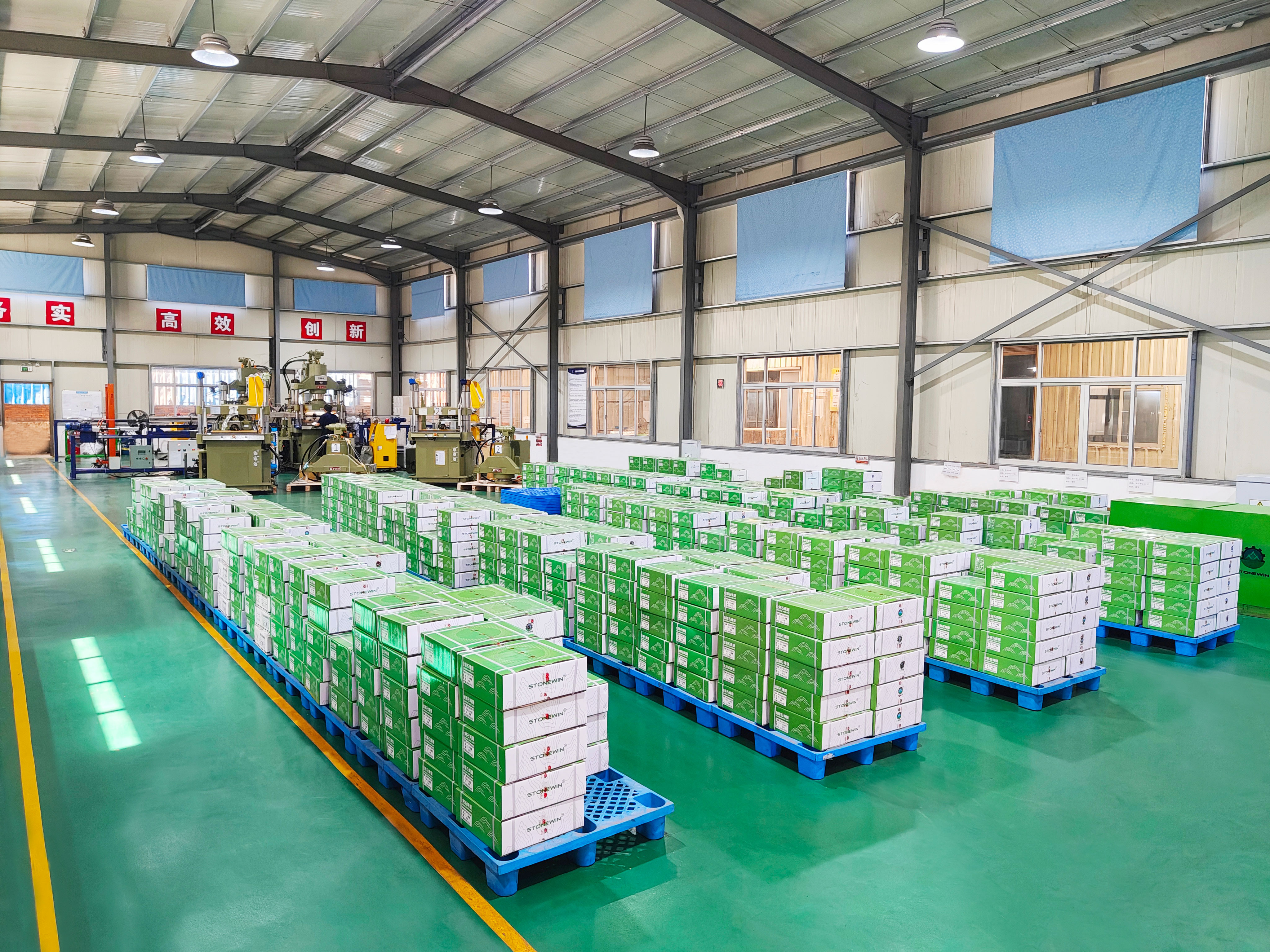
Stonewin operates two intelligent manufacturing bases in Fujian and three R&D centers covering stone quarrying, stone processing, and diamond tools for stone cutting. The R&D team consists of 50 engineers and technicians. The manufacturing facility covers approximately 46,667 square meters and employs around 300 staff, with an annual production capacity of 600 units of stone processing machinery. Export business accounts for 50% of total sales, and the company has passed CE international certification and holds “National High-Tech Enterprise” and “Fujian Province Special New Small and Medium-sized Enterprises” recognitions.
Step-by-Step: How to Read a Quarry Wire Saw Machine in Seven Steps
The sequence below follows the anatomy from stone to configuration. It is the order in which the parameters stop being numbers and start being decisions.
- Start with the stone, not the machine. Granite and marble are both named in the published application scope of the Stonewin quarry wire saw machine. Decide whether the unit is being bought for one stone type or for both, because that answer changes the wire and the speed settings.
- Match the fly wheel diameter to the block. The φ800 mm fly wheel defines the wire path and the clearance around the block. Compare it against the block sizes and bench heights your site actually produces.
- Fix the wire you intend to run. Diamond wire saw diameters run from φ3.5 to 12 mm across the ZY, ZM, ZG, and ZC series. Machine configuration follows the selected wire.
- Decide the speed band you will actually use. The published range is 0-40 m/s. Ask how speed is set and monitored, and which settings are expected for your stone type.
- Confirm how the head rotates. The published value is 360° electric rotation. Check whether angled cuts and on-site trimming are part of your working plan.
- Check the installation, not just the machine. Foundation, independent control system, independent tensioning, automatic cutting, remote viewing via the Internet of Things, certification for dust-exposed environments, plus the temperature, humidity, and altitude limits of the working envelope.
- Match the model variant to the job. The quarry line includes ZY-76LD-12P, ZY-60YM-12P, ZY-70YM-12P, ZY-76YM-12P, ZY-45G-6P, ZY-55G-6P, ZY-75G-6P, ZY-45G-8P, ZY-55G-8P, ZY-75G-8P, ZY-15G-4P, ZY-18.5G-4P, and ZY-22G-4P. Supply the model together with the stone type and wire specification when requesting a configuration.
Use Cases: Granite, Marble, and Block Trimming in the Field
Granite quarrying
Granite appears in the published application scope of both the quarry wire saw machine and the diamond wire saw series. Granite's hardness and abrasiveness mean that wire specification and speed setting are the two variables operators return to most often, and they are the two variables the anatomy of the machine gives you direct control over.
Marble quarrying
Marble is named alongside granite in the application scope of the same machine family. Because softer stones generally allow different cutting parameters than hard, abrasive ones, the benefit of a 0-40 m/s speed range and a wire series running from φ3.5 to 12 mm is that a single machine platform can be tuned across both ends of that spectrum.
Block trimming and secondary cutting at the quarry
Quarry wire saw machines are not used only for primary cuts from the face. Category product descriptions also place them in trimming and secondary cutting on site — squaring block corners, removing uneven sections, and preparing a block for transport to a processing plant. This is where the 360° electric rotation angle earns its place in the specification, because trimming work changes cut direction frequently.
Where the block goes next
Once a block leaves the quarry, other machines in the same stone processing equipment category take over. The published specifications of those downstream families show how the first cut feeds into the rest of the line:
- Multi wire saw machine — side-tension or top-tension configuration, cutting size up to 3500 mm (L) × 2200 mm (H), 5 to 90 wires, machine weight 22 to 80 tons, carbon steel main frame with alloy steel key components; model designations from ZY-MW5 through ZY-MW90.
- Polishing line — single-beam, two-beam, and three-beam configurations processing slabs from 10 to 80 mm thick and 1200 to 2200 mm wide, with a 15 kW motor per polishing head; model designations from ZYSM210/12 to ZYSM210/24.
- Resin line — model BJX-1, overall line dimensions 62 × 5 × 6.3 m, maximum plate size 2 × 3.5 m, total power 300 kW, curing at 80 °C for 90-120 minutes.
This is the chain that places the quarry wire saw machine — and a model variant such as ZY-76LD-12P — inside the stone machine category rather than in general construction equipment.
Regional deployment
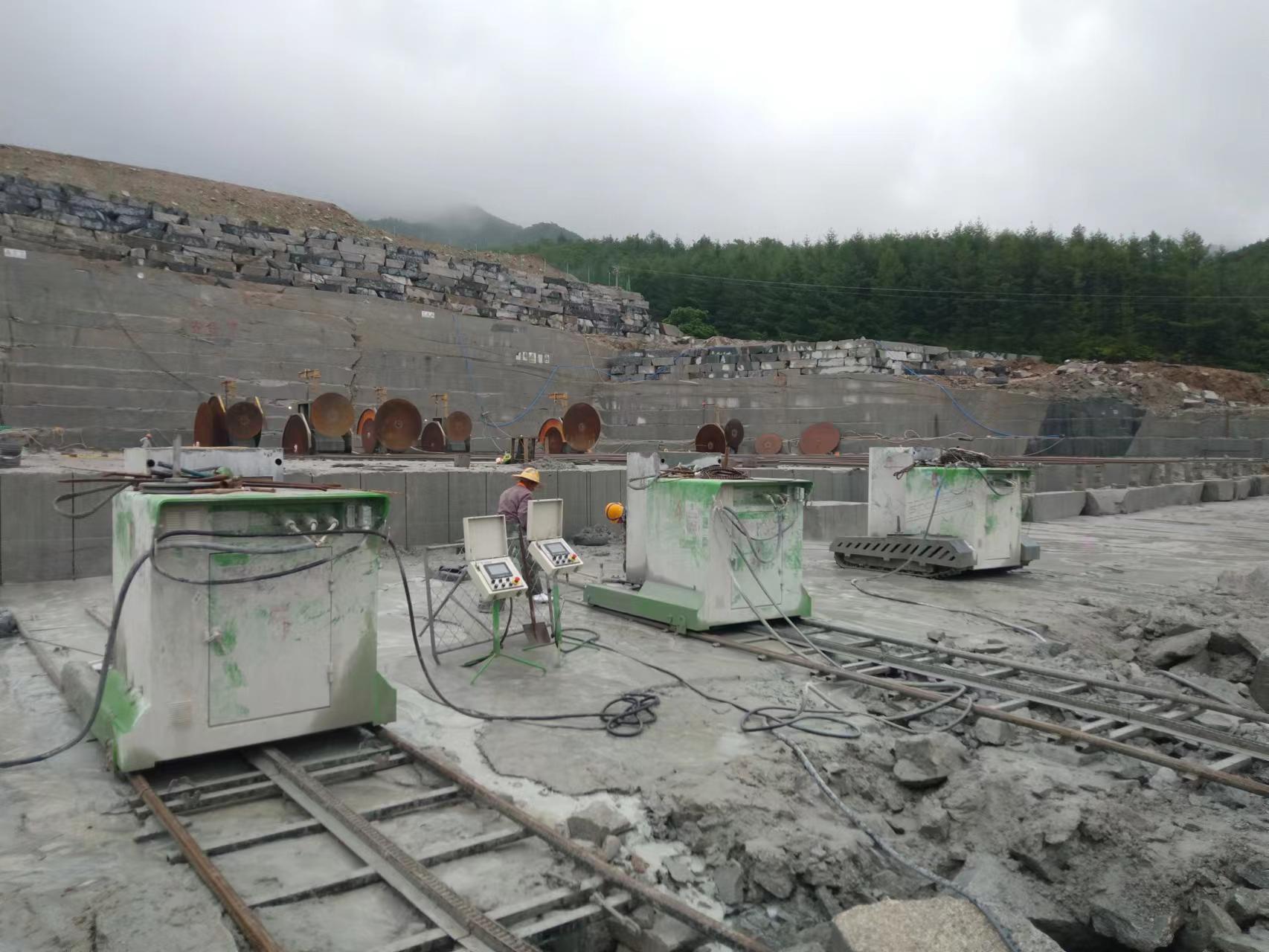
Application scenarios for these installations are commonly reported in India, Turkey, Algeria, Bulgaria, Egypt, South Africa, Thailand, Cambodia, Iran, Yemen, Italy, Poland, Greece, Spain, and Brazil — a spread that reflects both granite and marble producing regions.
Comparison Table: Stonewin Stone Machine Families at a Glance
The three headline parameters sit inside a wider product structure. The table below uses published specifications to show how the quarry wire saw machine relates to the other families a quarry or processing plant will eventually need.
| Product family | Job in the stone workflow | Published parameters | Published model designations |
|---|---|---|---|
| Wire saw machine for stone quarrying | Quarrying granite and marble; cutting at the face and block trimming | Fly wheel diameter φ800 mm; wire saw speed 0-40 m/s; electric rotation angle 360°; body material customizable | ZY-76LD-12P, ZY-60YM-12P, ZY-70YM-12P, ZY-76YM-12P, ZY-45G-6P, ZY-55G-6P, ZY-75G-6P, ZY-45G-8P, ZY-55G-8P, ZY-75G-8P, ZY-15G-4P, ZY-18.5G-4P, ZY-22G-4P |
| Multi wire saw machine | Cutting raw stone blocks into standard slabs | Cutting size 3500 mm (L) × 2200 mm (H); 5-90 wires; weight 22-80 tons; top-tension or side-tension | ZY-MW5, ZY-MW10, ZY-MW16, ZY-MW20, ZY-MW36, ZY-MW42, ZY-MW58, ZY-MW64, ZY-MW72, ZY-MW76, ZY-MW82, ZY-MW86, ZY-MW88, ZY-MW90 |
| Diamond wire saw | Cutting consumable for block and slab cutting | Diameter φ3.5-12 mm; diamond, steel wire and plastic | ZY03, ZY04, ZY05, ZY06, ZY07, ZM12, ZG12, ZG13, ZC12, ZC10 — more than ten designations across the ZY, ZM, ZG and ZC series |
| Polishing line | Slab surface finishing | Slab thickness 10-80 mm; slab width 1200-2200 mm; 15 kW per polishing head; single-, two- or three-beam | ZYSM210/12, ZYSM210/16, ZYSM210/18, ZYSM210/20, ZYSM210/22, ZYSM210/24 |
| Resin line | Slab glue filling and drying | Line dimensions 62 × 5 × 6.3 m; max. plate size 2 × 3.5 m; total power 300 kW; curing 80 °C for 90-120 minutes | BJX-1 |
All values in this table are manufacturer-published product specifications. They describe configuration options and design parameters, not measured cutting performance on a specific stone.
FAQ: Quarry Diamond Wire Saw Machine Questions Buyers Ask
1. What certifications and compliance points apply to this equipment?
Stonewin has passed CE international certification and holds “National High-Tech Enterprise” status together with the “Fujian Province Special New Small and Medium-sized Enterprises” designation. On the application side, certification for use in dust-exposed stone processing environments is listed as a special requirement, and the machine is specified for temperatures between 5°C and 40°C, humidity not exceeding 50% at 40°C and not exceeding 90% at 20°C, and altitudes not exceeding 1000 meters. Buyers importing into a regulated market should confirm the certification documents required in their own jurisdiction against the paperwork supplied with the order.
2. What wire speed and rotation does the machine support, and which stones can it cut?
The published parameters for the Stonewin stone quarry diamond wire saw machine are a wire saw speed of 0-40 m/s, an electric rotation angle of 360°, and a fly wheel diameter of φ800 mm. The machine is designed for quarrying granite and marble, and the matching diamond wire saw series spans φ3.5 to 12 mm across the ZY, ZM, ZG, and ZC model families.
3. How is the price of a quarry wire saw machine actually determined?
Price follows configuration. The variables that change between quotations are the model variant, the machine body material (which can be customized according to customer requirements), the wire specification the machine is set up to run, and the scope of the installation — foundation, independent control system, independent tensioning, automatic cutting, and remote viewing via the Internet of Things. Stonewin does not publish list prices for the quarry wire saw machine family, so the practical path is to supply the stone type, block dimensions, and intended wire specification with the enquiry and request a configured quotation.
4. Can we validate the diamond wire saw before committing to a full order?
Validation starts with matching machine to consumable, because the diamond wire saw is listed as matched equipment for these installations. The published data to work from is the diameter range of φ3.5 to 12 mm and the ZY, ZM, ZG, and ZC series designations. Buyers preparing a first order normally specify the machine model, the stone to be cut, and the intended wire diameter, then request the corresponding consumable quotation so the wire and the machine are confirmed together rather than separately.
5. What influences lead time and delivery planning?
Stonewin's stated annual production capacity is 600 units of stone processing machinery, produced across two intelligent manufacturing bases in Fujian by approximately 300 staff, with a facility covering about 46,667 square meters. Because specific lead times depend on the model variant and configuration, delivery planning is confirmed during quotation. To start that conversation, download the product catalogue or send your stone type, machine model, and wire specification to the contact channels below.
Conclusion: Three Numbers, One Cutting System
The anatomy of a quarry diamond wire saw machine reduces to three interlocking settings. The fly wheel sets the wire path and the reference geometry of the machine — φ800 mm on the Stonewin stone quarry diamond wire saw machine. The wire speed sets the adjustment band the operator works within — 0-40 m/s. The rotation angle decides how the machine is aimed without being moved — 360° electric. Around those three sit the frame, the tensioning system, the control and automation layer, and the diamond wire saw consumable that runs from φ3.5 to 12 mm.
For buyers beginning the process, the practical sequence stays short: identify the stone, match the fly wheel and wire to the block, confirm the speed and rotation capability, check the installation and compliance conditions, then match the model variant — ZY-76LD-12P or another member of the quarry line — to the job. That sequence is what turns a row of specifications into a stone machine that fits a specific quarry.
Next step: configure a machine against your quarry
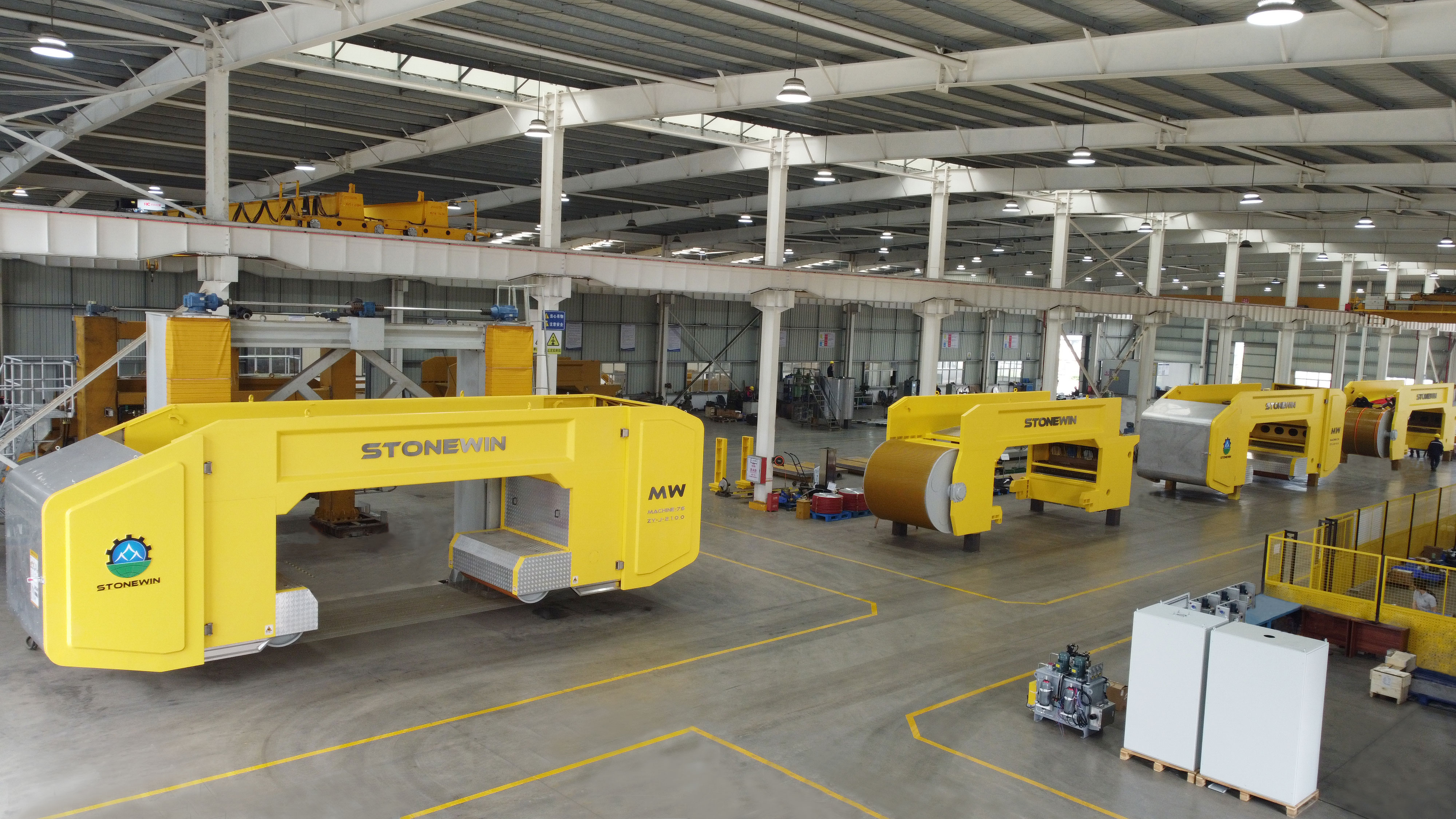
Send your stone type, block dimensions, and target wire specification to the Stonewin engineering team, and request a configured quotation for the stone quarry wire saw machine family — including the fly wheel, speed range, and rotation setup that match your bench.
Catalogue: Download the Stonewin product catalogue (PDF)
Contact: No. 23 Changfu Road, Xiapu City, Fujian, China · Tel +86-593-8177666 / +86-593-8177888 · Email info@stonewin.com · Web www.stonewin.com · WhatsApp