
Boron Nitride 8233 Vetting: Evidence Over Application Lists
Boron nitride supplier vetting succeeds only when a broad application list is replaced by answers about your own process. For Product 8233 the verifiable points are narrow and specific: mapping to aluminium and magnesium die casting, glass melting and hot-forming, semiconductor thermal management, precision casting and crucible coating; application by brush or spraying machine; thermal stability of approximately 900°C in air and above 2000°C in inert atmospheres; dry sealed storage with expiry-date control; and purchasing terms with defined acceptance criteria. Everything else is context.
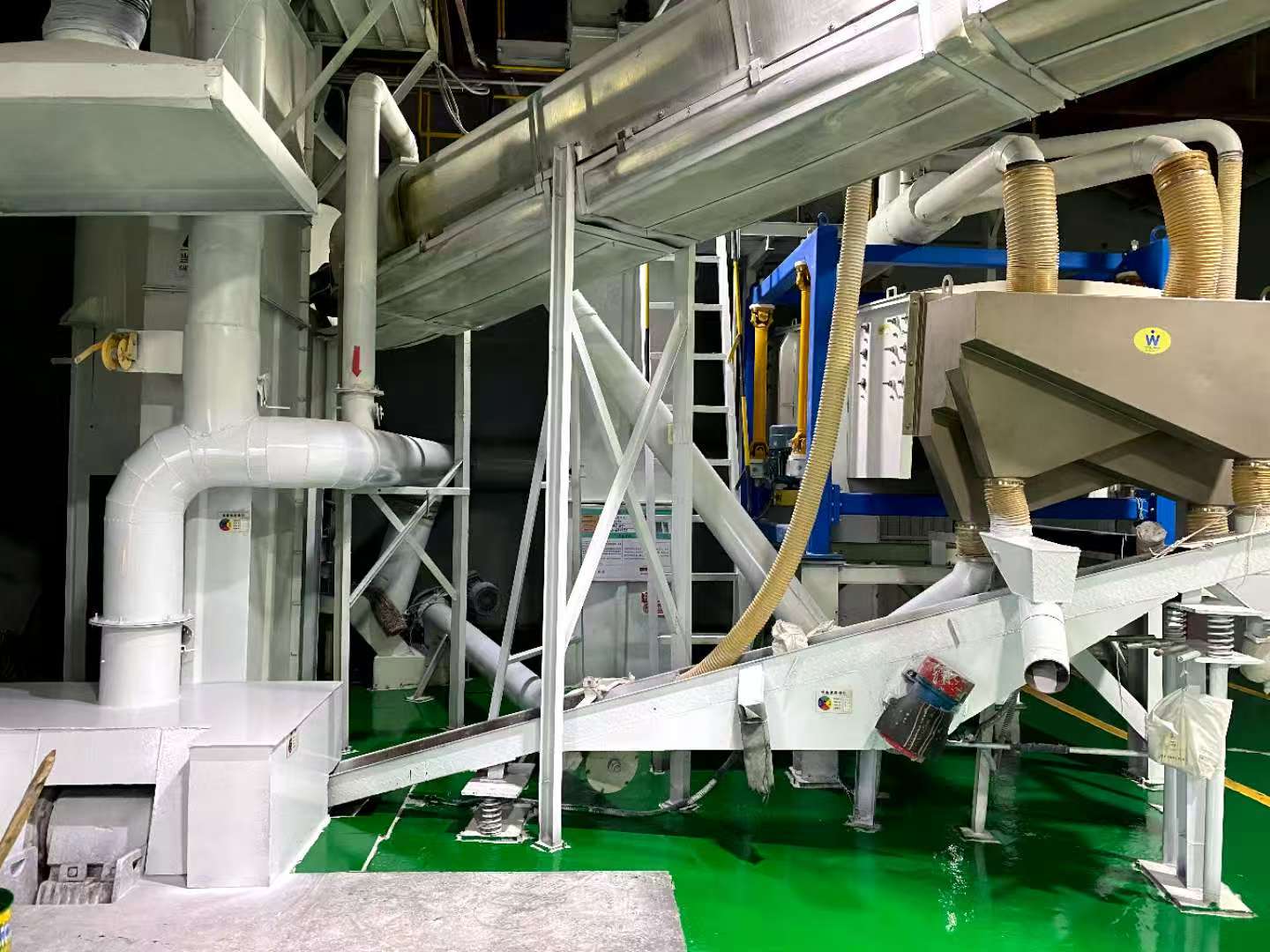
The supplier referenced in this article, Sumetech Industry Co., Ltd, is a manufacturer of potassium aluminium fluoride and boron nitride founded in 2019, with a 6,000 m² production site, 20 employees, a five-technician R&D team and an annual output of 5,000 MT. The company reports that around 90% of its output is exported, with Turkey, Japan, Korea and Europe among its main markets. Those facts describe a supplier; they do not by themselves prove delivery reliability for your order, which is why the checks below are framed as questions with pass conditions.
This guide is written for the stage where a shortlist exists and the next decision is either a trial order or a first production purchase. It sets out five verification checks, an eight-step audit sequence, five process-condition mappings, and the commercial terms that convert a capability claim into a delivery plan.
The vetting problem: an application list answers the wrong question
A supplier that lists your industry has confirmed it is willing to sell into it. That is a category answer, not a qualification. Qualifying a boron nitride coating requires the condition behind the category: substrate material and surface preparation, whether the coated part touches molten aluminium, magnesium or glass, the temperature at the coated surface rather than the furnace set point, the atmosphere, contact time per cycle, application method, film weight, drying schedule, cleaning method and recoating interval. A list of industries contains none of them.
Atmosphere alone can change the usable number. Supplied 8233 data separates approximately 900°C in air from above 2000°C in inert atmospheres. A crucible that is coated and then preheated in air sits under the first figure; the inert figure applies only where the inert condition is real and continuous. A supplier quoting the higher number without the atmosphere is not misstating the material — it is answering a different question from the one your furnace asks.
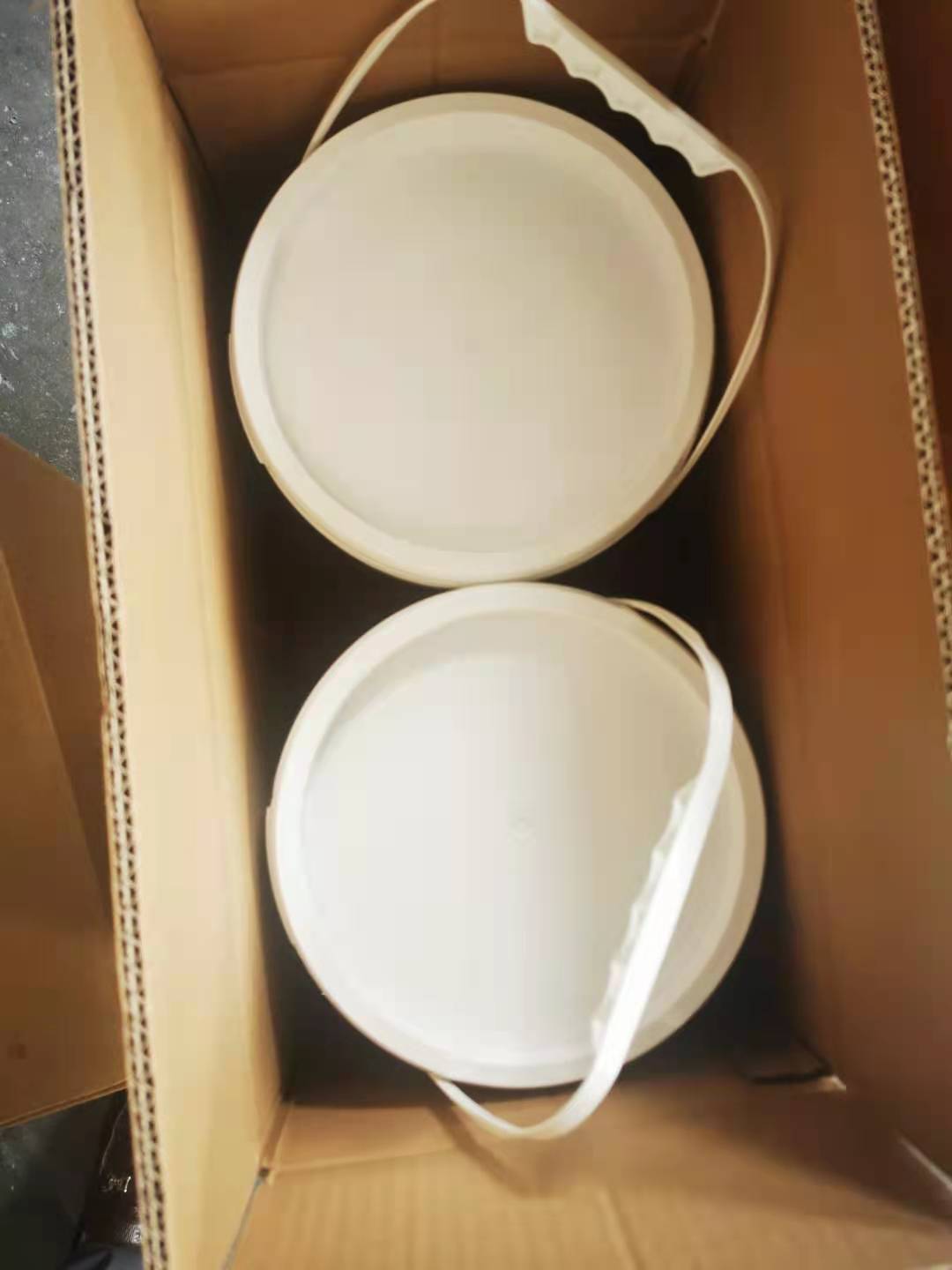
Delivery gaps behave the same way. A capability page does not tell you the drum seal, the export packaging, the remaining shelf life when the container is opened, or who signs the pre-shipment test record. The supplied handling requirements for 8233 are short and specific: keep dry, keep sealed, use before the expiration date. In purchasing language those become four questions — what seal, what storage condition, what shelf life, and what minimum remaining life you will accept on arrival.
The rest of this article therefore treats the application list as the opening question in a questionnaire rather than the answer to it.
Industry background: more suppliers, more specifications to pin down
Hexagonal boron nitride is the graphite-like form behind most boron nitride coatings and release agents: layered, soft, low-friction, chemically inert against most molten metals and chemicals, an electrical insulator with a low dielectric constant, and thermally conductive. Those properties explain why one material appears in die casting, glass molds, semiconductor heat paths and crucibles — the same layered structure serves release, lubrication and insulation.
Market context explains the documentation burden rather than the buying decision. Grand View Research valued the global hexagonal boron nitride market at USD 949.4 million in 2024, with Asia Pacific at a 40.6% revenue share and China accounting for 41.1% of the Asia Pacific region in the same year. A larger supplier pool does not mean equivalent capability; it means more catalogues that use the same application words.
Form drives the technical file. Product 8233 is offered as powder, granular material, coating and paint, and each form carries its own handling and application questions. Trade data commonly cites HS code 28500020 for boron nitride coating, which is a starting point for import classification rather than a substitute for your customs broker's ruling. Published compliance references describe boron nitride as compliant with EU REACH (Regulation EC 1907/2006) for industrial applications; the grade-level safety data sheet and regulatory statement remain the documents you file.
The five checks that separate capability from delivery
Each check below has a question, a pass condition and a rejection signal. Run them in order, because a failed early check makes the later answers irrelevant.
Check 1 — Can the supplier map 8233 to your process condition?
Ask for a written mapping that repeats your condition back to you: alloy or material contacted, substrate, surface temperature, atmosphere, contact time, application method, cleaning and recoat interval. The pass condition is a mapping that names the condition and marks which elements come from product data and which are confirmed per order. The rejection signal is an industry name on its own. The supplied 8233 data carries the qualification subject to actual working conditions, which is honest but also means final confirmation is order-specific — so ask what changes between two customers using the same product.
Check 2 — Does your application method match the supplied method?
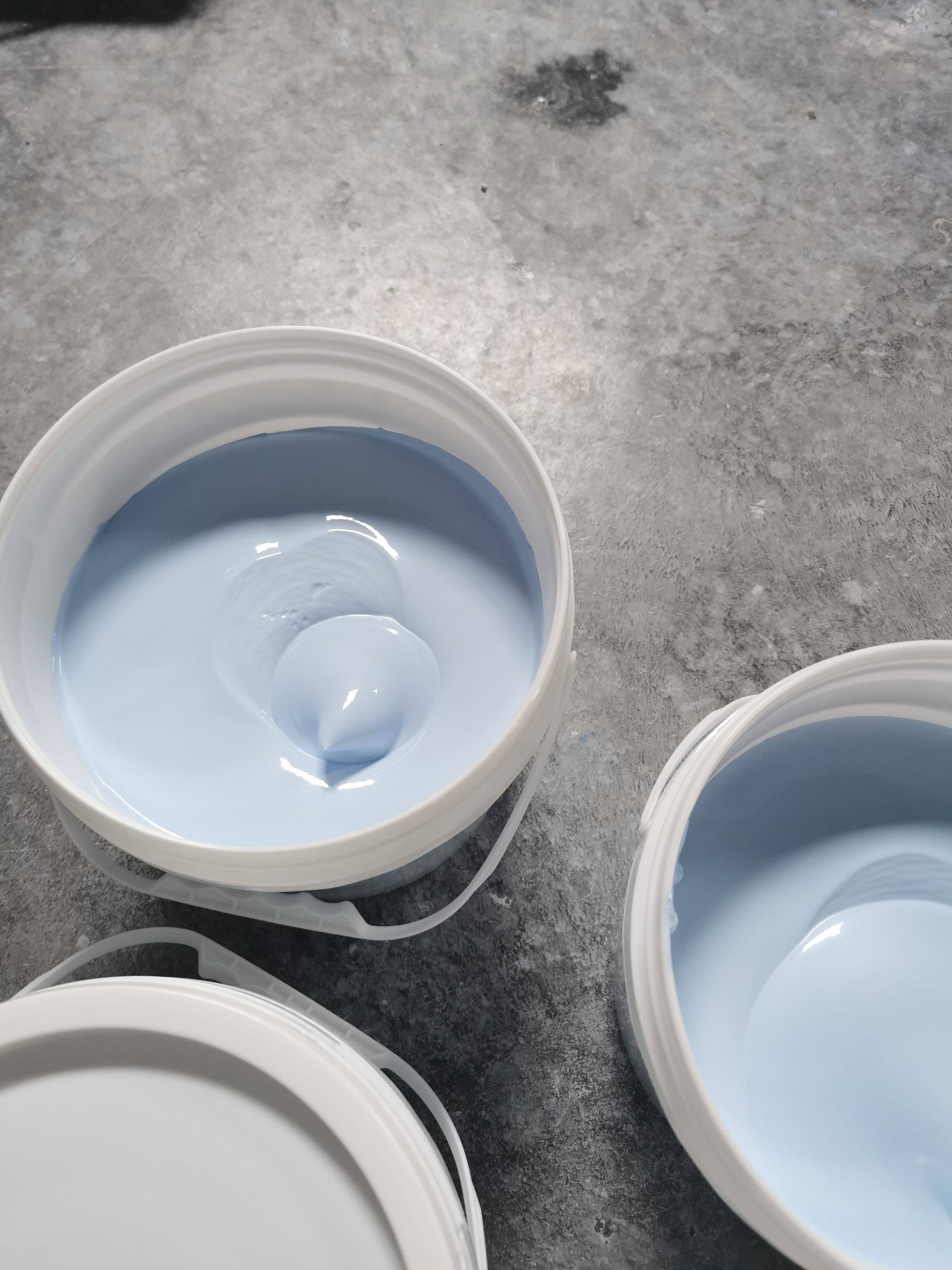
The supplied equipment match for 8233 is brush and spraying machine. Ask which method the supplier recommends for your geometry, what film weight and dilution apply, and what drying step must be completed before the coated part enters service. The product data names the equipment but not film weights or dilution ratios; those are confirmed per order. A supplier that puts them in writing is showing a working application file rather than a brochure.
Check 3 — Is the thermal figure quoted for your atmosphere?
Verify the number against the atmosphere in service: approximately 900°C in air and above 2000°C in inert atmospheres. Then ask the follow-up that separates a data sheet from an application — how long the coating is expected to hold under thermal cycling in your process, and what recoat interval the supplier will commit to in writing. A ceiling temperature is a material property; a recoat interval is an operating cost, and only the second one appears in your production plan.
Check 4 — Will the material arrive dry, sealed and in date?
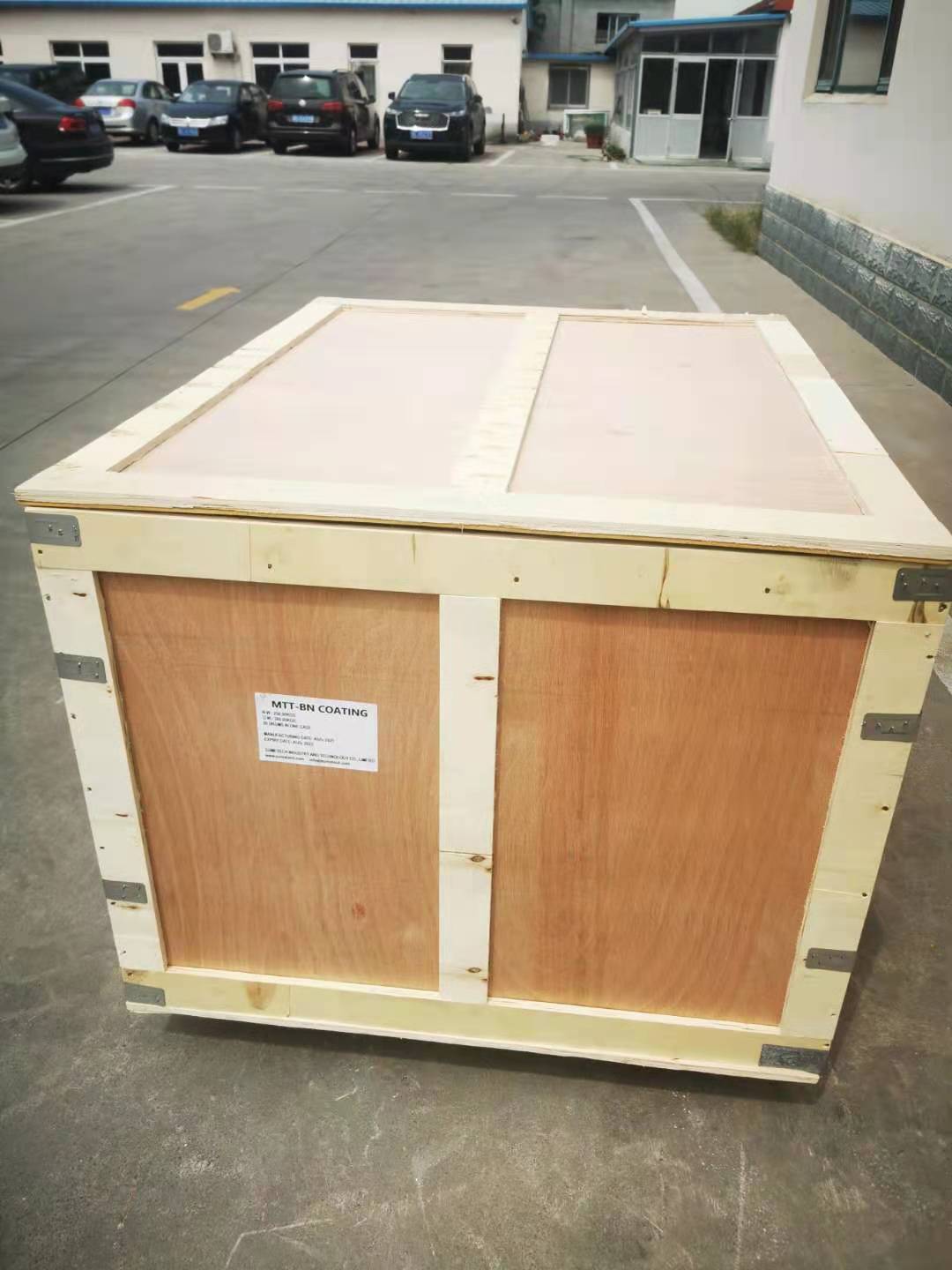
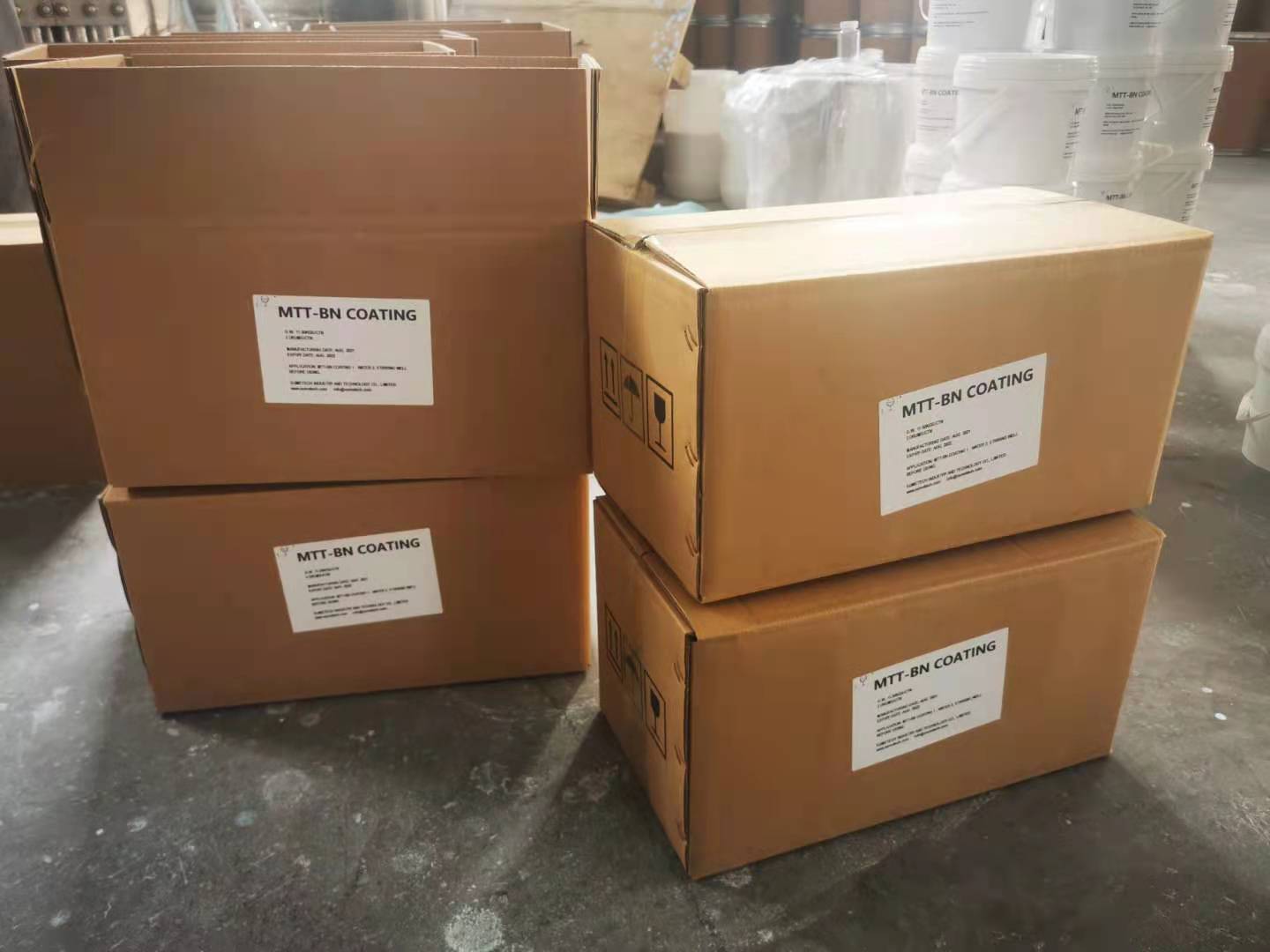
The storage requirement for 8233 is dry, sealed, and use before the expiration date. Ask for the packaging format, the seal type, whether a desiccant is included, the storage temperature range, the shelf life in months, and where the expiry date is marked — drum, label and shipping documents. The supplied requirement states expiry control without stating a shelf-life length, so do not assume one. Write a minimum remaining shelf life at arrival into the purchase order and let the supplier confirm what it can guarantee.
Check 5 — Are delivery and acceptance terms defined before the first order?
The commercial baseline available for 8233 is a 10 kg minimum order quantity, a 30-day lead time, a stated monthly capacity of 1,000 MT, delivery terms of FOB, CIF or FCA, payment terms of 30/70, 100% testing in quality control, and pre-shipment test as the acceptance criterion. Ask which product line and which form the 1,000 MT monthly capacity refers to before planning a campaign around it, and ask what the pre-shipment test record contains. Sumetech's published company information states that its laboratory has passed CMA and CNAS accreditation, which speaks to test capability; your acceptance criteria still have to name the parameters and limits you require.
Product 8233 at a glance
The table below collects only the verifiable points available for 8233 and its supplier, so that an audit conversation starts from agreed facts instead of marketing copy.
| Verification item | Supplied position for Product 8233 |
|---|---|
| Form | Powder, granular, coating, paint |
| Thermal stability | Approximately 900°C in air; above 2000°C in inert atmosphere; subject to actual working conditions |
| Application | Brush or spraying machine |
| Release and lubrication | Graphite-like layered structure; soft, low coefficient of friction; non-wetting against most molten metals and chemicals |
| Electrical and thermal behaviour | High-temperature electrical insulator with low dielectric constant; thermally conductive |
| Customization | OEM/ODM; size and color customization; particle size, morphology, purity grades and packaging per company profile |
| Minimum order quantity | 10 kg |
| Lead time | 30 days |
| Stated monthly capacity | 1,000 MT (company capability data; confirm product line and form) |
| Quality control | 100% test |
| Acceptance criterion | Pre-shipment test |
| Delivery terms | FOB / CIF / FCA |
| Payment terms | 30/70 |
| Storage | Keep dry and sealed; use before the expiration date |
| After-sales | Remote support and on-site support |
| Documented case reference | Turkish manufacturer, 200 kg, wheel hub demolding, one year, adhesion effectively prevented |
Running the vetting in eight steps
The sequence below keeps the audit in a workable order. Each step produces a document you can attach to the purchase order.
- Write the condition sheet. One page covering alloy or material contacted, substrate, surface temperature, atmosphere, contact time, application method, cleaning method and recoat expectation. Without this page, every supplier answer is unfalsifiable.
- Request a written mapping instead of a brochure. Ask the supplier to fill your condition sheet line by line and to mark which answers come from product data and which are confirmed per order.
- Lock the application method and drying step. Confirm brush or spraying machine, film weight, dilution and the drying regime for your substrate, then check that your line has the equipment and time to follow it.
- Confirm the atmosphere-matched temperature. Approve the figure that matches your furnace condition — approximately 900°C in air or above 2000°C in inert atmosphere — and record the recoat interval the supplier is willing to state.
- Confirm sealing, storage and expiry. Packaging format, seal type, storage condition, shelf life and minimum remaining life on arrival, all in writing before the first order.
- Check that documents name the product. A safety data sheet, a batch certificate of analysis and any regulatory statement must name boron nitride 8233, not a neighbouring product. Scope language matters: the RoHS verification of conformity issued to Sumetech as certificate CKEYS251222003 by Guangdong KEYS Testing Technology Co., Ltd. on 22 December 2025 covers potassium aluminium fluoride and related fluoroaluminate products, so it is not a boron nitride document — a buyer sourcing 8233 should request the equivalent file that names 8233.
- Fix commercial and acceptance terms. Minimum order quantity, lead time, delivery term and named place, payment split, test method, pass limits, labelling and the non-conformance route if the pre-shipment test fails.
- Run a trial lot against criteria you defined. A trial quantity can start at the 10 kg minimum. Define pass in advance — release behaviour over the first production cycle, surface finish of parts, observed recoat interval and freedom from contamination — so that the result is a decision rather than an impression.
Mapping five process conditions
The same product can be right for one of these conditions and unproven for another. Treat each as a separate mapping exercise rather than one approval.
Aluminium and magnesium die casting
The job here is release from dies and cores under repeated thermal cycling. The documented reference for 8233 is a Turkish manufacturer using 200 kg for wheel hub demolding over one year, with the result that adhesion is effectively prevented, supported by the product's soft texture and low coefficient of friction. Verify the spray or brush route on slides and cores, the recoat interval in shots, and whether the supplier confirms the same instruction for magnesium as for aluminium rather than assuming the aluminium answer transfers. Magnesium dies and aluminium dies are different thermal and chemical environments, and one approval should not be stretched across both.
Glass melting and hot-forming
In glass work, boron nitride coatings are used as a release layer on glass-forming molds to reduce surface defects and cut cleaning downtime. The audit question is whether the coated surface touches the hot glass directly or only radiates to it, what mold temperature applies, and whether the coating survives the mold polishing and cleaning routine between campaigns. A supplier that understands the polishing step is discussing your maintenance cost, not your purchase order.
Semiconductor thermal management
Here the buying criteria shift. Boron nitride's role is thermal conductivity plus electrical insulation with a low dielectric constant, and the relevant form may be a powder or a filled system rather than a release coating. Verify the form explicitly — 8233 is offered as powder, granular, coating and paint — then verify purity, morphology and particle size, which the company profile lists as customizable. Release behaviour is not the deciding characteristic in this application, so an approval written for die casting does not carry over.
Precision casting
Precision casting combines a shaped mold, a high-temperature fill and a release requirement after solidification. Confirm whether the coating is applied to a graphite or ceramic surface, what atmosphere the preheat uses, and how the coating is removed or refreshed between campaigns. The sintering and heat-treatment context is instructive: boron nitride coatings on graphite plates are used to prevent carbon contamination and bonding between workpieces and fixtures, which is a contamination question rather than a release question.
Crucible coating
Crucibles combine molten metal contact with repeated heating and cooling. Boron nitride's non-wetting behaviour against most molten metals supports the release function, but the coating is often exposed to air during preheat, and that is where the 900°C air figure becomes the binding constraint rather than the higher inert-atmosphere figure. Ask how many melt cycles a coating is expected to survive before recoating, whether the crucible is graphite or ceramic, and how the interior surface is cleaned between coats.
Weak answers and strong answers compared
The same question can produce an answer that closes a decision or one that reopens it. The comparison below is the practical test for a supplier response.
| Verification item | Weak answer | Strong answer |
|---|---|---|
| Application coverage | Lists die casting, glass, semiconductor and crucibles | Names your alloy, substrate, temperature and atmosphere, and marks what is order-specific |
| Temperature | Quotes a single maximum figure | Separates approximately 900°C in air from above 2000°C in inert atmosphere and matches it to your furnace |
| Application method | Says the coating can be applied easily | States brush or spraying machine, film weight, dilution and drying step for your part |
| Storage and shelf life | Says the product stores well | Specifies dry sealed storage, expiry marking and minimum remaining life on arrival |
| Documents | Sends a general certificate library | Provides a safety data sheet, batch certificate and regulatory statement that name 8233 |
| Commercial terms | Quotes a price without terms | Confirms 10 kg minimum, 30-day lead time, FOB/CIF/FCA, 30/70 payment and pre-shipment acceptance |
| Trial | Offers a sample without criteria | Agrees pass criteria and a recoat interval before the trial starts |
Purchasing terms and acceptance criteria to write down
The available terms for 8233 are workable, but they only protect a buyer when they appear in the order rather than in a quotation email. The list below converts the supplied commercial facts into clauses.
- Product and form: boron nitride 8233, with the form stated (powder, granular, coating or paint) and the packaging specification, which the company profile lists as customizable.
- Quantity and minimum: the 10 kg minimum order quantity supports a trial; production volumes should reference the stated 1,000 MT monthly capacity only after the supplier confirms the relevant product line.
- Delivery: FOB, CIF or FCA with the named place, plus the 30-day lead time counted from a defined event such as order confirmation or artwork approval.
- Payment: the 30/70 split, with the balance tied to documents that include the pre-shipment test record rather than to shipment alone.
- Acceptance: pre-shipment test as the criterion, with named parameters, limits, sampling and the signature that makes the record valid; 100% testing in quality control is the supplier-side process, not a substitute for agreed limits.
- Expiry and storage: minimum remaining shelf life at arrival, dry sealed packaging requirement, and a statement that the goods have been stored under the conditions the product requires.
- Documentation: safety data sheet, batch certificate of analysis, packing list with expiry marking, and the regulatory statement applicable to the destination market; HS code 28500020 is commonly cited for boron nitride coating but classification should be confirmed for the specific form.
- Support: remote and on-site after-sales support, plus OEM/ODM arrangements where the order requires customized size or color, defined in writing before production.
A note on scope discipline: the same principle that applies to certificates applies to capacity and compliance statements. A figure or document that does not name the product, form and market you are buying should be treated as unverified for your order, even when it comes from a credible supplier.
Frequently asked questions
Which documents should name boron nitride 8233 before a supplier is approved?
At minimum: a safety data sheet for the specific form, a batch certificate of analysis carrying the tested parameters, a product data sheet stating the thermal position (approximately 900°C in air and above 2000°C in inert atmospheres), and a storage statement covering dry sealed conditions and expiry. Any regulatory document should be checked for scope, because a certificate issued for one product family does not cover another; a buyer should request the file that names boron nitride 8233 rather than accept a general compliance folder.
OEM boron nitride coating manufacturer for die casting — what should be verified first?
Verify four things in writing: that OEM and ODM production is offered for the specific order, that customization covers the variables you need (size and color, plus particle size, morphology, purity and packaging per the company profile), that the die-casting mapping addresses your alloy and recoat interval, and that commercial terms are fixed — 10 kg minimum order quantity, 30-day lead time, FOB/CIF/FCA delivery, 30/70 payment and pre-shipment test acceptance. Remote and on-site after-sales support should also be confirmed for your region, since the export markets listed are the EU, Middle East and Asia.
How can the 900°C in air and above 2000°C in inert atmosphere figures be verified?
Treat them as two separate conditions rather than one headline number. Ask the supplier to confirm which figure applies to your furnace atmosphere and to state it on the order documents, then test the coating under your own cycle during the trial. The supplied data also carries the qualification subject to actual working conditions, which means the final confirmation is order-specific; a trial lot at the 10 kg minimum is the practical way to establish behaviour under thermal cycling in your process rather than in a catalogue.
What are the purchasing terms and acceptance criteria?
For 8233 the stated terms are a minimum order quantity of 10 kg, delivery terms of FOB, CIF or FCA, acceptance criteria based on a pre-shipment test, and payment terms of 30/70. These should be written into the purchase order together with the form and packaging specification, the minimum remaining shelf life at arrival, the parameters and limits of the pre-shipment test, and the documentation set. Quality control is described as 100% test, which supports the test record but does not define pass limits for your application.
How do storage, shelf life and lead time affect the delivery plan?
Storage requirements — dry, sealed and used before the expiration date — determine how much material you can hold at the line without risking expired stock, and the stated 30-day lead time determines how often you need to reorder. The practical approach is to size the first trial at the 10 kg minimum, then set production quantities against confirmed capacity for the relevant product line and a delivery schedule that leaves shelf life in reserve rather than consuming it in transit. A catalogue of the full product range is available for planning the wider material set.
Conclusion: vet the condition, then vet the delivery
An application list tells you which industries a boron nitride supplier is prepared to serve. It does not tell you whether Product 8233 has been mapped to your alloy, your substrate, your atmosphere and your recoat interval, and it says nothing about whether the drum will arrive sealed, in date and matched to an agreed test record. The five checks in this guide close that gap in a fixed order: process mapping, application method, atmosphere-matched thermal limits, storage and expiry control, then delivery and acceptance terms.
If a single decision rule is useful, it is this: approve the supplier for a condition, not for an industry. Write the condition down, ask for it back in writing, and confirm the commercial terms that protect it. Everything a buyer needs for that conversation — the 10 kg minimum, the 30-day lead time, the FOB, CIF or FCA terms, the 30/70 payment split and the pre-shipment test — is already available; the work is putting it into the order.
Next step
Review the full Sumetech Industry Co., Ltd product range and technical documentation before finalizing acceptance criteria for boron nitride 8233. The 2026 catalogue is available for download and public access at the Sumetech product catalogue, and the company website is www.sumetech.com.
Have Questions or Need More Details?
Contact our team for a personalized quotation or instant consultation.
Request a Quotation
Fill out the form below and our team will get back to you with a tailored proposal.
WhatsApp Direct Chat
Prefer to chat in real-time? Message us on WhatsApp for instant assistance & quick answers.
- Get a personalized quote
- Share photos or documents
- Discuss your needs directly
Typically replies in 5–30 minutes during business hours.