
Potassium Aluminium Fluoride: Smelting vs Brazing Grades
Potassium Aluminium Fluoride for Smelting vs Brazing: A Grade Decision
No single potassium aluminium fluoride specification is automatically the right choice for both electrolytic aluminium smelting and corrosion-free brazing of aluminium alloys. The compound is the same — KAlF4, CAS 60304-36-1, molecular weight approximately 142.07 g/mol — but the two routes ask it to do different work. In a smelting bath it lowers the melting point of alumina and improves electrolysis efficiency. In brazing it removes the oxide film and improves weld quality. Those two jobs pull purity, colour, form, particle size and storage in different directions.
This guide puts the two routes head to head and gives buyers a practical way to decide whether one PAF grade can serve both, or whether the plant should run two separate specifications. It covers grey versus white material, powder, granular and lump forms, mesh 200 powder and 0.3–1.0 mm / 0.5–1.5 mm granular cuts, dry ventilated storage, and the evidence a supplier should be able to produce before you commit a purchase order.
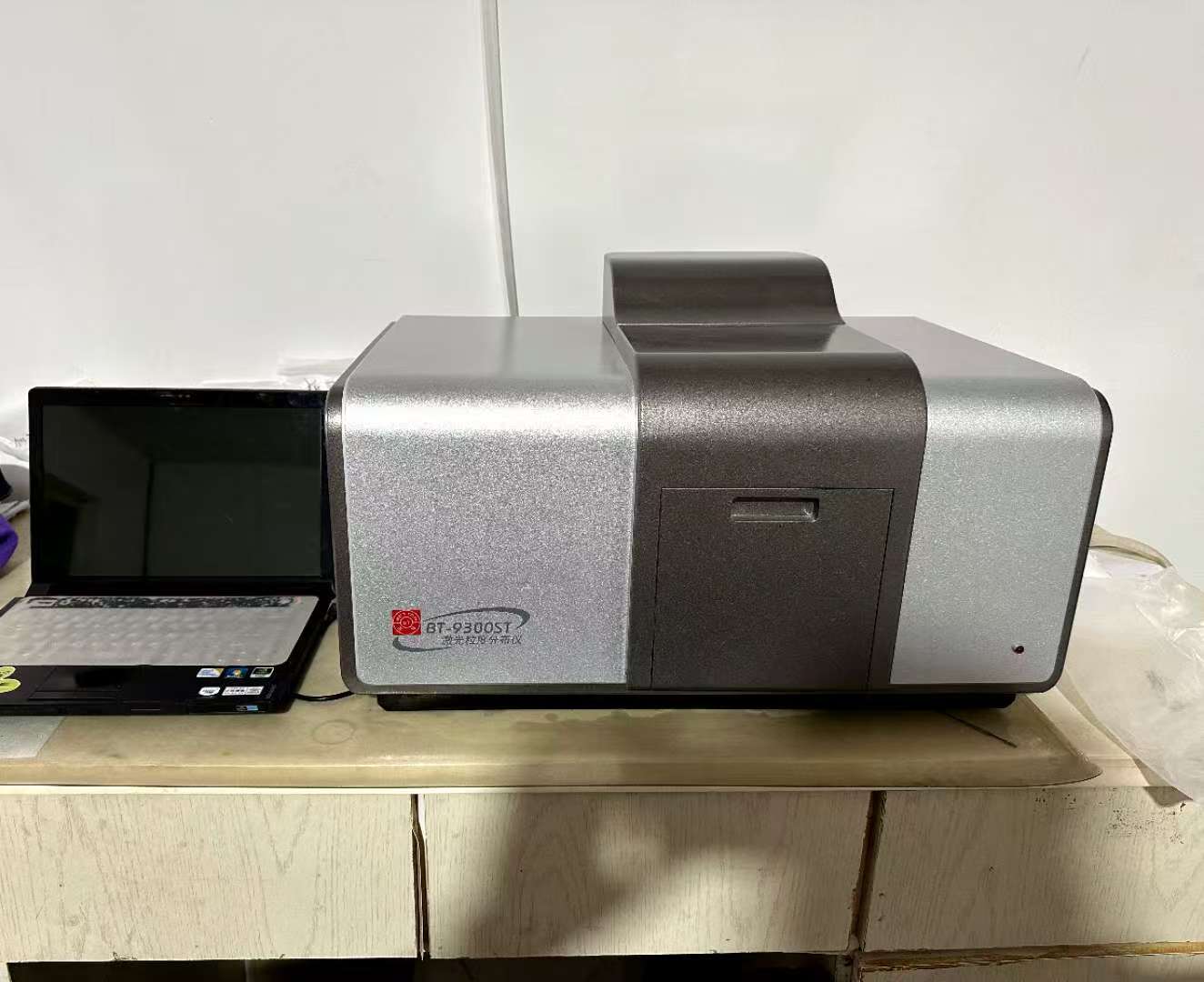
Grade decisions are decided by measurement, not by colour names: particle size analysis separates a brazing powder from a bath or foundry grade.
The problem: one PAF SKU across two very different routes
Most plants that consume potassium aluminium fluoride in more than one process try to consolidate to a single SKU. The intention is sound — fewer stock items, one safety file, better freight economics. The failure modes, however, are predictable and expensive.
- Purity mismatch. Industrial grade at 98% minimum (typically grey) is the tier associated with foundry and abrasive use, while high-purity white PAF above 99% is the tier required for brazing and specialty glass. When a plant consolidates, the specification is pulled up to the stricter route, and the looser route quietly pays for purity it does not consume.
- Form mismatch. Brazing flux is normally applied as fines — powder milled and screened to a defined mesh such as mesh 200 — because a thin, uniform layer is what controls oxide removal. Bulk bath charging and foundry fluxing usually handle granular material in the 0.3–1.0 mm or 0.5–1.5 mm range, or lump, where dusting and segregation matter more than film thickness.
- Colour used as a proxy. White versus grey is not cosmetic. Buyers commonly read whiteness as a visual purity signal, so a grey lot arriving against a white specification triggers rejection even when the assay is acceptable — a quality dispute waiting in the goods-inspection bay.
- Storage and handling. Both routes require dry, well-ventilated storage, but the finer brazing grade is the more demanding item to keep free-flowing, so a single warehousing rule tends to be written for the wrong material.
- Documentation mismatch. One datasheet cannot describe two different functional roles. Regulators, customers and internal quality teams all read the same document, and a vague specification invites audit questions later.
Industry background: why grade discipline matters now
Potassium aluminium fluoride is a mature but growing inorganic fluoride. The global market was valued at USD 1.76 billion in 2024 and is projected to reach USD 2.62 billion by 2033, a CAGR of 4.8% over 2025–2033 according to DataHorizzon Research. The material trades under HS code 38101090, the customs heading used for pickling preparations and fluxes for metal surfaces.
Demand does not come from one industry, which is exactly why grade confusion persists. Electrolytic aluminium smelting absorbs bulk tonnage as a bath flux. Corrosion-free brazing demand is tied to components such as battery water-cooling plates and air-conditioning radiators in new energy vehicles. The same material also appears in ceramics and glass manufacturing as a flux and opacifier, in resin-bonded grinding wheels as an active filler, and in non-ferrous metal recycling and casting for degassing and slag removal.
Cost pressure reinforces the point. As a directional benchmark for the fluoride complex, IMARC Group reported the Northeast Asia price for related aluminium fluoride (AlF3) at 1.80 USD/KG in March 2026, up 6.5% from Q4 2025. That is an AlF3 reference rather than a PAF price index, but the direction is clear: over-specifying a bulk smelting grade with brazing-level purity is a recurring cost line, while under-specifying a brazing grade converts directly into scrap and rework.
What potassium aluminium fluoride does in each route
In electrolytic aluminium smelting
Potassium aluminium fluoride is a core flux of the modern electrolytic aluminium industry. Its function is to lower the melting point of alumina and improve electrolysis efficiency. The decision weight in this route therefore sits on consumption per tonne of metal, bulk supply continuity and how the material behaves when it is charged and distributed in the bath. Sumetech’s own product documentation reports energy savings of 1000 kWh per ton of aluminium produced, together with lower and less costly maintenance compared with PAF from other suppliers. Those are first-party figures and should be validated on your own cell line during a trial rather than adopted as a planning assumption.
In corrosion-free brazing of aluminium alloys
In brazing, the same compound works on the surface rather than in a bath. It removes the oxide film that otherwise prevents filler metal from wetting aluminium, and thereby improves weld quality. This is the mechanism behind its use on battery water-cooling plates and air-conditioning radiators in new energy vehicles, where internal cleanliness and joint integrity are the acceptance criteria. Here the decision weight shifts to contamination control, particle size consistency, uniform coverage and reproducible residue behaviour. Third-party grade notes place high-purity white PAF above 99% in brazing and specialty glass, which is consistent with that requirement.
The boundary: casting, abrasives, ceramics and glass
The same material is also used as a flux in non-ferrous metal recycling and casting, for degassing and slag removal, and as an active filler in the abrasive and grinding wheel industry, where it improves the adhesion between abrasive and binder. Ceramics and glass manufacturing uses it as a flux and opacifier. These are separate grade conversations and should not be allowed to drive the smelting-versus-brazing decision; they simply explain why a single supplier catalogue can look confusing when one line item is expected to cover five industries.
Specification levers: colour, form, particle size, storage
Colour and purity. White PAF and grey PAF are the two commercial reference points. White material is associated with high purity above 99%, and grey material with the industrial 98% minimum tier used in foundry and abrasive applications. Colour is a useful incoming-inspection signal, but it is not a specification on its own: the assay, the lot certificate and the particle size distribution are what actually define the grade.
Form. Buyers choose between powder, granular and lump. Powder gives the finest, most uniform coverage and is the natural form for brazing flux. Granular material is free-flowing and easier to convey, dose and store without dusting. Lump is the coarsest option, used where bulk charging is the priority and fines are undesirable in the handling system.
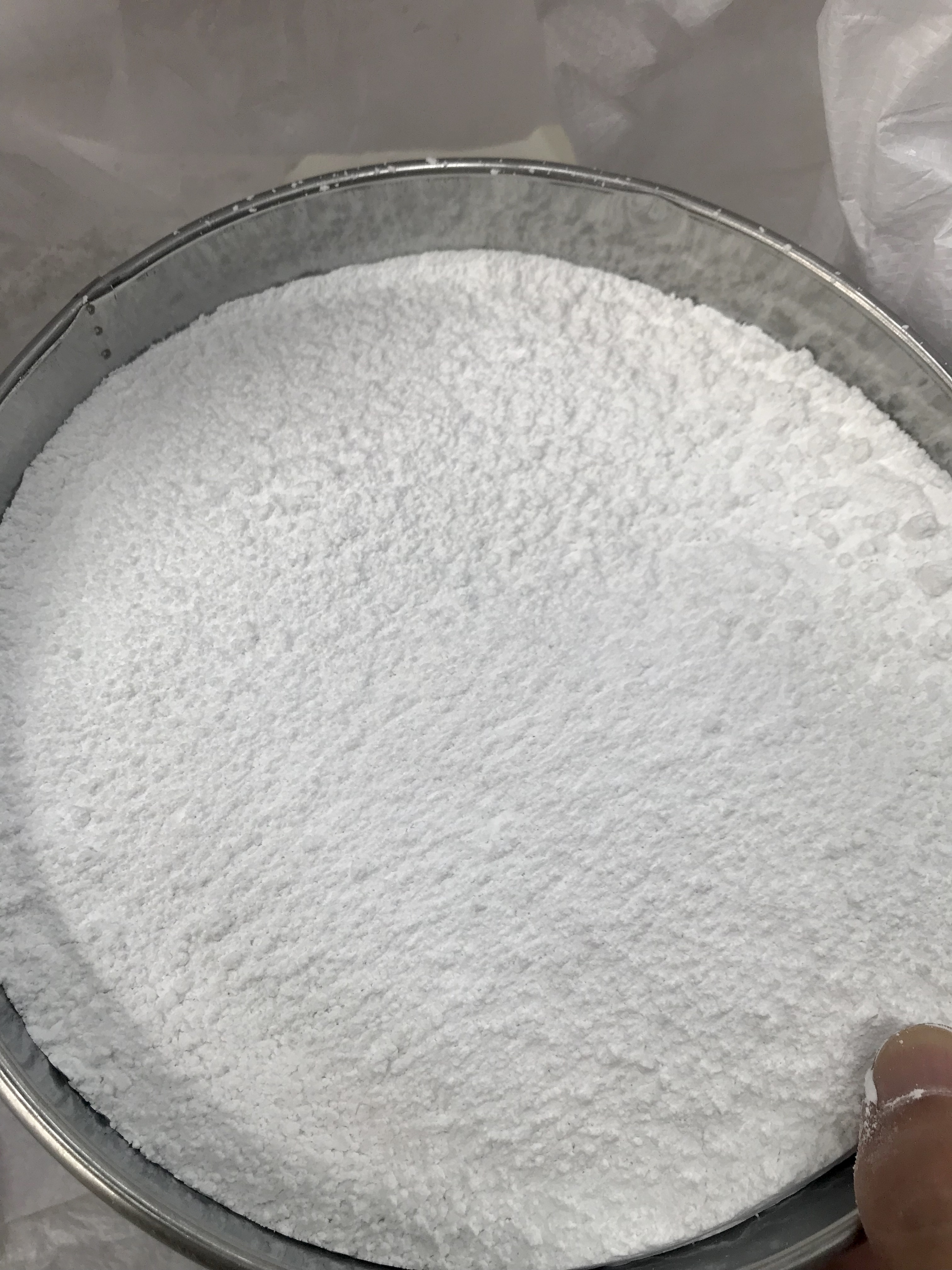
White PAF powder: the fine fraction used where a thin, uniform flux layer controls oxide removal in aluminium brazing.
Particle size. This is the lever most often left vague in purchase orders and most often responsible for line failures. Mesh 200 powder is the typical brazing reference. Granular material is normally specified as 0.3–1.0 mm or 0.5–1.5 mm, depending on the feeding equipment and the dust tolerance of the plant.
| Form | Typical size reference | Handling behaviour | Where it fits best |
|---|---|---|---|
| White powder | Mesh 200 | Highest surface area, uniform film, requires dust control | Corrosion-free brazing of aluminium alloys |
| White granular | 0.3–1.0 mm / 0.5–1.5 mm | Free-flowing, low dusting, easy to dose | Brazing operations that need dust control; feeding systems |
| White lump | Coarse, bulk | Easiest to charge in bulk, slowest to disperse | Bulk charging where fines are undesirable |
| Grey powder / grey granular | Industrial grade, 98% min | Commodity handling, cost-driven | Foundry and abrasive applications |
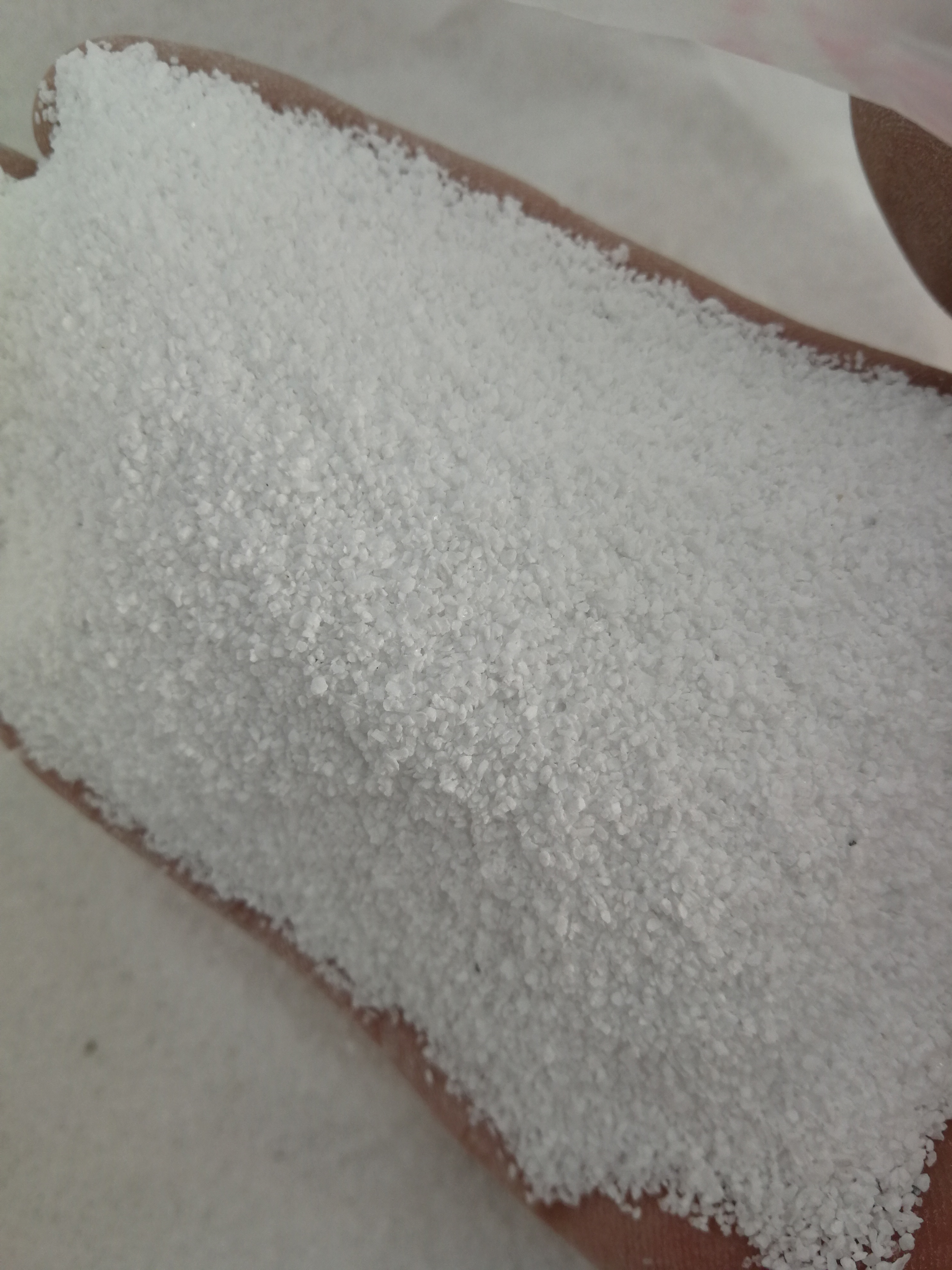
White PAF granular: free-flowing granules supplied in defined cuts such as 0.3–1.0 mm and 0.5–1.5 mm.
Storage. Both routes call for storage in a dry, well-ventilated place. The finer the grade, the more this rule earns its place in the contract: powder that has picked up moisture in a damp warehouse loses the free-flowing behaviour the dosing system was designed around.
Comparison table: smelting grade versus brazing grade
The table below summarises the decision as it is actually made in procurement — factor by factor, route by route.
| Decision factor | Electrolytic aluminium smelting | Corrosion-free aluminium brazing |
|---|---|---|
| Function of PAF | Bath flux: lowers the melting point of alumina and improves electrolysis efficiency | Surface flux: removes the oxide film and improves weld quality |
| Purity tier | Bulk industrial supply; assay should be fixed with the supplier against cell performance, since colour alone does not define suitability | High purity above 99%; Sumetech supplies PAF at more than 99.5% purity in pure white |
| Colour signal | Grey industrial grade (98% min) is the tier associated with foundry and abrasive use | White, read by buyers as a visual purity indicator |
| Preferred form | Granular or lump for bulk charging | Powder |
| Particle size reference | Granular cuts of 0.3–1.0 mm or 0.5–1.5 mm | Mesh 200 |
| Storage requirement | Dry, well-ventilated | Dry, well-ventilated, with tighter control on moisture pickup |
| Cost logic | Consumption and energy per tonne of metal; Sumetech documentation reports 1000 kWh saved per ton of aluminium produced and lower maintenance cost | Coverage consistency, reject rate and rework |
| Documentation focus | Lot certificate of analysis, HS 38101090 | Lot certificate of analysis, SDS, RoHS 2.0 certificate (Sumetech product code 8235) |
| Main commercial risk | Paying for brazing-grade purity on a bulk line | Contamination and inconsistent particle size |
Step-by-step: how to make the grade decision
- Split the demand streams. Even if one supplier wins both lines, write two specifications. A smelting specification and a brazing specification describe different functions and should not share a single document.
- Set the purity floor route by route. For brazing, fix the floor above 99% high-purity white material. For smelting, confirm the assay with the supplier against your own cell performance rather than against a colour name.
- Fix the form and the particle size. Mesh 200 for brazing powder; 0.3–1.0 mm or 0.5–1.5 mm for granular material; lump only where bulk charging dominates and fines are not wanted.
- Demand lot-level quality evidence. A certificate of analysis should state assay, colour and particle size distribution. Production control should be visible: sieving and classification, particle size analysis, and defined morphology.
- Validate storage and handling before the first delivery. Confirm dry, well-ventilated storage, packaging format, dust control and the personal protective equipment implied by the SDS. Potassium aluminium fluoride is categorised as GHS Acute Toxicity Category 4 (oral, dermal, inhalation) and Skin Irritation Category 2 under OSHA HCS 29 CFR 1910.
- Assemble the compliance file. Product code 8235 from Sumetech is covered by a RoHS 2.0 certificate, which is the document EU-facing buyers normally request; HS code 38101090 governs classification. Ask for both together with the SDS so the file is complete at audit.
- Run a trial under the actual working condition. Bath behaviour and joint appearance are the only real tests. Once the trial passes, freeze the specification — assay, colour, form, particle size, packaging — into the purchase agreement.
- Confirm customization and supply capacity. If the two routes need two grades, the supplier must be able to produce both. Sumetech offers customizable production across particle size distribution from coarse granules to sub-micron powders, morphology, purity grades and packaging, with an annual output of 5000 MT.
Use cases where the decision is tested
Electrolytic aluminium smelting
A smelter buying PAF as a bath flux cares about delivered cost per tonne of metal and uninterrupted supply. The specification should protect what the bath actually needs, and the commercial case should be built on consumption and energy rather than on whiteness.
Corrosion-free brazing of battery cooling plates and HVAC radiators
In new energy vehicle thermal components and air-conditioning radiators, the acceptance criterion is a clean joint with no residual oxide interference. Mesh 200 white powder, stored dry and dosed consistently, is the specification that supports that outcome; a coarse granular grade substituted from the bath side is not.
Casting and recycled aluminium fluxing
Degassing and slag removal in recycled aluminium and alloy casting is a third demand stream with its own grade logic. Buyers sourcing for both casting flux and brazing should treat them as two line items, not one, and should ask suppliers to demonstrate capability in each.
Plants running both routes
Where a plant genuinely consumes both, the default answer is two specifications with one supplier. A single high-purity white grade can physically serve a bath, but the economics usually argue for keeping the bulk route on its own grade and reserving the high-purity powder for brazing.
Supplier evidence: what Sumetech can verify
Sumetech Industry Co., Ltd is a China-based manufacturer of potassium aluminium fluoride in granular and powder forms, founded in 2019, operating a 6000 m² facility with 20 employees, an annual output of 5000 MT and five technicians in R&D and quality control. Around 90% of output is exported, with main markets including Turkey, Japan, Korea and Europe.
- Purity and appearance. Sumetech PAF is supplied at more than 99.5% purity in pure white, and the company positions this purity and colour as its core difference from PAF alternatives, contributing to consistent quality in aluminium processing.
- Customizable production. Particle size distribution from coarse granules to sub-micron powders, morphology (angular, spherical or crushed), purity grades and packaging specifications can all be set to the buyer’s process.
- Production equipment. Ultra-fine mechanical mills for particle size control, crusher and shaping machines for consistent granular product, and sieving and classification systems for narrow particle size distributions and minimal impurities.
- Compliance evidence. A RoHS 2.0 certificate covering product code 8235, issued for EU-facing buyers.
- Direct-manufacturer support. Technical support on grade selection, trial lots and full-container shipments, with contact through info@sumetech.com or +86 13805218959.
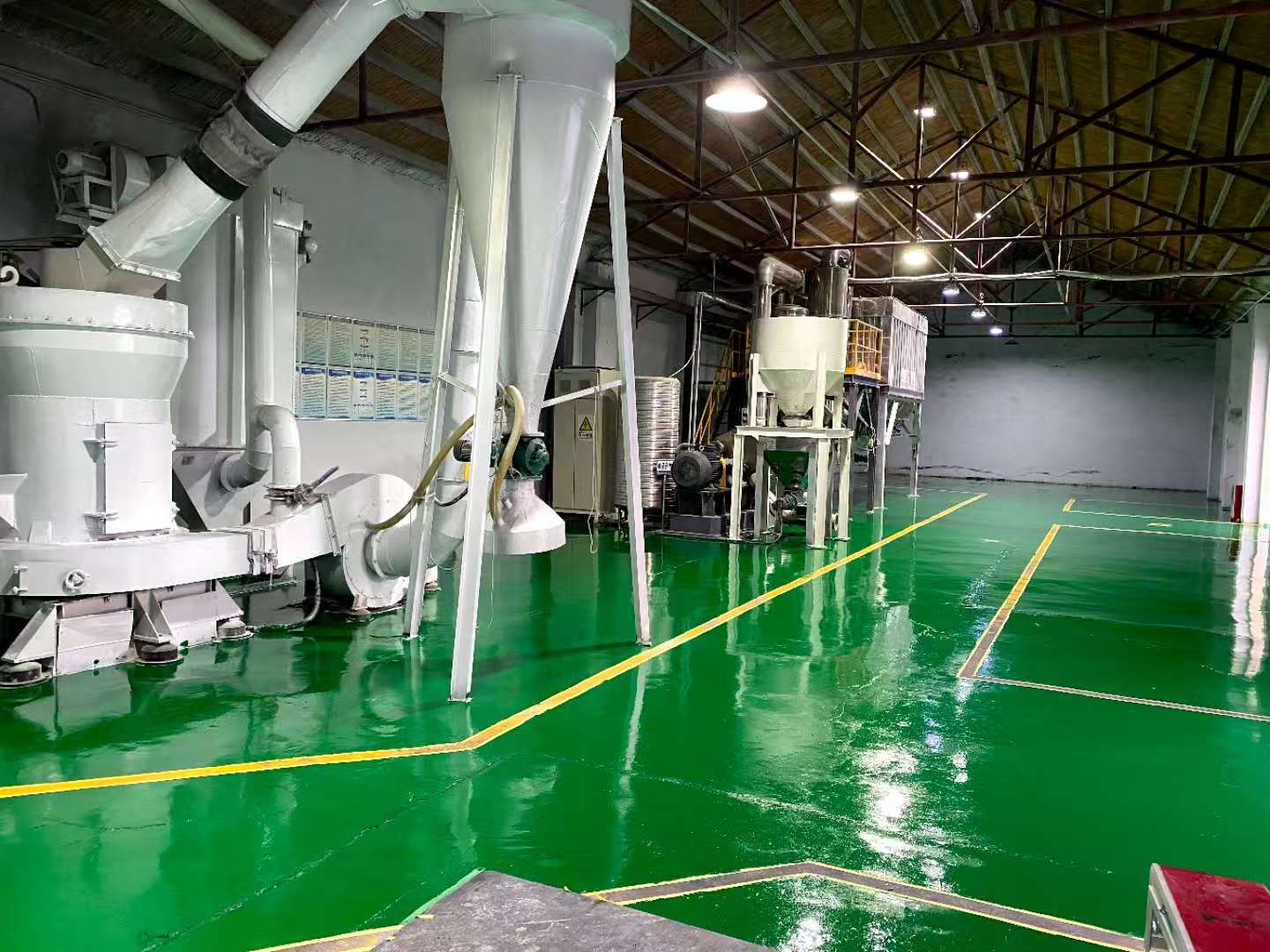
Ultrafine mechanical milling supports the two-grade approach: the same production line can deliver mesh 200 brazing powder and coarser bath or foundry cuts.
Frequently asked questions
Can one PAF grade satisfy both the smelting and the brazing compliance file?
Not by document alone. Purity requirements diverge: high-purity white PAF above 99% is the tier required for brazing and specialty glass, while industrial grade at 98% minimum is the foundry and abrasive tier. A grade built for brazing will also function chemically in a bath, but the reverse is not true, so compliance work should run from the strictest route backwards. The hazard classification is shared by both routes — GHS Acute Toxicity Category 4 for oral, dermal and inhalation exposure, and Skin Irritation Category 2 under OSHA HCS 29 CFR 1910 — so one SDS framework covers both lines. For the EU file, Sumetech holds a RoHS 2.0 certificate covering product code 8235, which should be requested together with the lot certificate of analysis. Customs classification is HS 38101090.
Do the two routes really need different particle sizes?
Yes, because the mechanism differs. In smelting, PAF lowers the melting point of alumina and improves electrolysis efficiency, so bulk charging and distribution dominate. In brazing it removes the oxide film and improves weld quality, which depends on a thin, evenly distributed layer. Powder milled to mesh 200 delivers that coverage, while granular cuts of 0.3–1.0 mm or 0.5–1.5 mm are easier to convey, dose and store without dusting. If a plant insists on one grade, choose the particle size of the more sensitive route — brazing — and accept the handling consequences in the bath.
Is buying a single high-purity grade always the cheaper option?
Not necessarily. Price per tonne is not the cost. On the smelting side the cost driver is consumption and energy per tonne of metal; Sumetech’s product documentation reports energy savings of 1000 kWh per ton of aluminium produced and lower, less costly maintenance compared with PAF from other suppliers. On the brazing side the driver is coverage consistency, reject rate and rework. A single high-purity grade raises unit cost on the bulk route, while two grades add inventory and a second documentation file. The break-even depends on volume and on the strictest purity actually required by your process.
What should a trial sample prove before we lock a grade?
A trial lot should confirm four things: that the assay and colour match the specification you intend to write; that the particle size distribution is measured and reported, whether as mesh 200 pass rate or as a 0.3–1.0 mm / 0.5–1.5 mm granular cut; that the material behaves correctly under your actual working condition, meaning bath behaviour in smelting or oxide removal and joint appearance in brazing; and that it remains free-flowing after storage in a dry, well-ventilated area. Confirm at the same time the certificate of analysis format you will receive lot by lot, so the trial result is repeatable rather than a one-off.
Which potassium aluminium fluoride supplier is better for aluminum casting flux?
Judge suppliers on four verifiable items rather than on catalogue claims. First, grade control: can the supplier deliver both a high-purity white grade above 99.5% and industrial tiers, with lot-level particle size data. Second, production capability: Sumetech operates a 6000 m² facility with 5000 MT annual output, using ultra-fine mechanical mills, crusher and shaping machines, and sieving and classification systems. Third, documentation: a RoHS 2.0 certificate for product code 8235, an SDS aligned to the GHS classification, and correct HS 38101090 classification. Fourth, customization and support: adjustable particle size, morphology, purity and packaging, with direct-manufacturer technical support and export experience in Turkey, Japan, Korea and Europe. The practical next step is to request a sample and a quotation against your own specification — contact info@sumetech.com or +86 13805218959.
Conclusion
The smelting-versus-brazing question has a clear answer for most buyers: treat them as two grades, not one. Smelting asks PAF to lower the melting point of alumina and improve electrolysis efficiency, and rewards bulk form, stable supply and cost per tonne of metal. Brazing asks it to remove the oxide film and improve weld quality, and rewards purity above 99%, pure white appearance, mesh 200 powder and disciplined dry storage. A single specification is only defensible when the volume on the bulk route is small and the plant accepts paying brazing-grade purity across the whole consumption.
Whichever route dominates, the decision is made on evidence: assay, colour, particle size distribution, storage behaviour and a complete compliance file. Sumetech Industry Co., Ltd manufactures potassium aluminium fluoride to order, from coarse granules to sub-micron powders, and holds a RoHS 2.0 certificate for product code 8235.
Decide the grade with a trial lot, not a datasheet
Send your route, target particle size and annual volume, and Sumetech will confirm the matching PAF grade, dispatch a sample for your smelting or brazing trial, and quote against your specification.
Email: info@sumetech.com | Tel / WhatsApp: +86 13805218959 | Website: www.sumetech.com
Address: 206, Rundong Garden, Huangji, Tongshan, Xuzhou, China
Download the full product range: Sumetech Catalog 2026 (PDF)
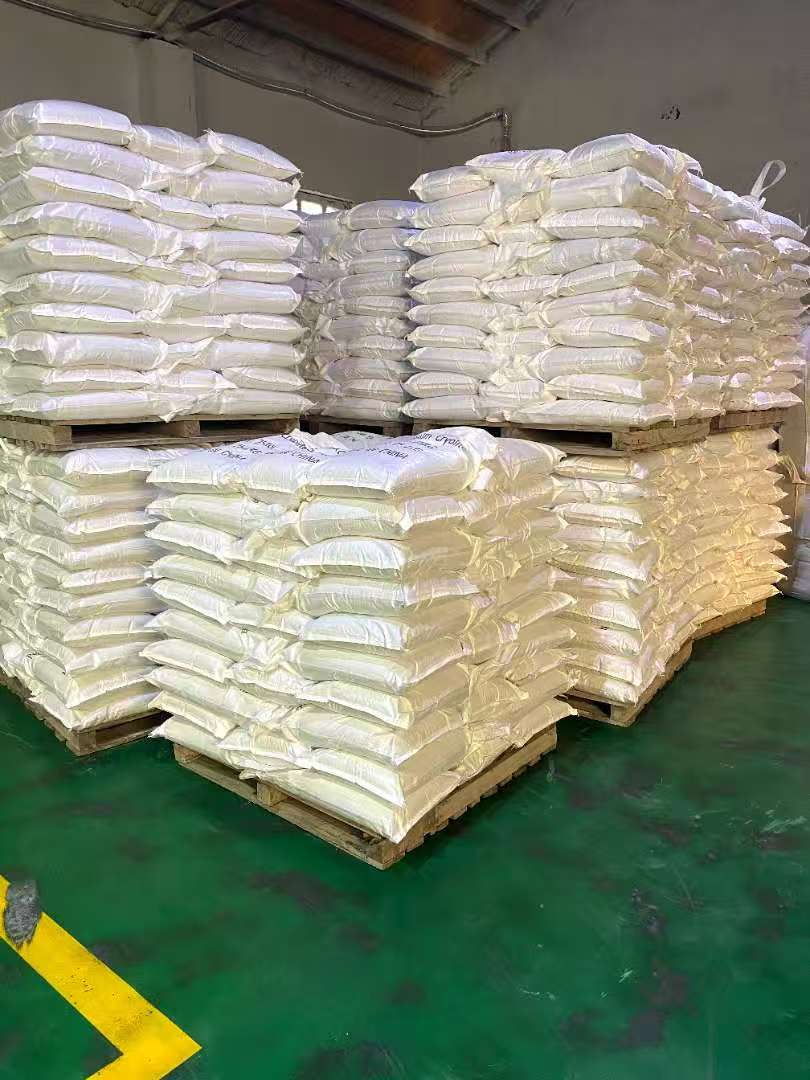
Finished PAF packed for shipment — grade, particle size and packaging fixed against the customer’s route.
Have Questions or Need More Details?
Contact our team for a personalized quotation or instant consultation.
Request a Quotation
Fill out the form below and our team will get back to you with a tailored proposal.
WhatsApp Direct Chat
Prefer to chat in real-time? Message us on WhatsApp for instant assistance & quick answers.
- Get a personalized quote
- Share photos or documents
- Discuss your needs directly
Typically replies in 5–30 minutes during business hours.