When Molten Metal Attacks the Crucible: A Boron Nitride Coating Solution
Direct answer: Molten metal attacks a crucible at the contact surface. Wetting, adhesion, chemical attack, and thermal cycling can build a stuck layer, damage the refractory face, and add cleaning time. A boron nitride coating such as Product 8233 is used as a crucible coating because it provides non-wetting and corrosion resistance against molten metals and acts as a high-temperature release layer. Product 8233 is rated for 900°C in air and 2000°C+ in inert gas, so the furnace atmosphere and actual working conditions decide whether the coating fits a specific crucible project.
This article treats the crucible as an operating system rather than a simple container. The goal is to show where a boron nitride coating helps, what it can and cannot do, and how a foundry or precision casting team can evaluate Product 8233 before changing a process.
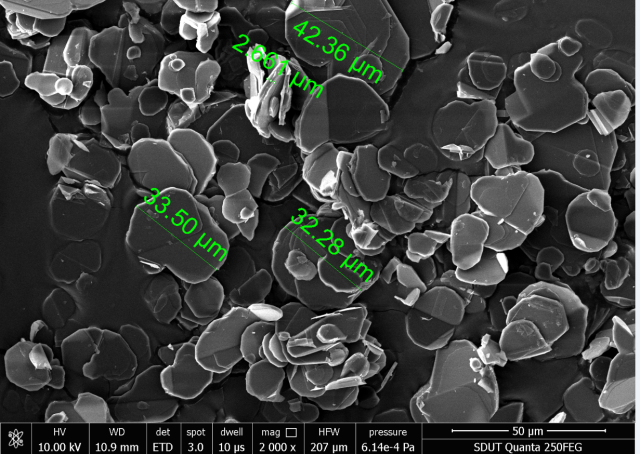
Boron nitride is supplied in several forms. Product 8233 is the coating grade used for crucible coating and high-temperature release applications.
Why molten metal attacks a crucible
A crucible failure often starts as a surface problem. Molten metal wets the crucible wall, clings to small surface features, and forms a buildup zone. Once that layer forms, later pours can pull material away from the refractory or create uneven thermal contact. The result is not only a dirty crucible. It can become a maintenance cycle: cool, chip, clean, inspect, reheat, and restart.
Wetting is the first issue. A non-wetting surface reduces the tendency of molten metal to spread and stick. Product 8233 is described as non-wetting and corrosion-resistant against molten metals and chemicals. In crucible service, that property matters at the melt line, at the pour lip, and on any surface that is repeatedly exposed to metal contact.
The second issue is chemical and mechanical attack. A crucible surface can be exposed to molten metal, dross, flux, cleaning tools, and thermal shock. Boron nitride is chemically inert and has a graphite-like layered structure. That structure supports low-friction release, which is why boron nitride is used as a high-temperature lubricant and release agent in metal melting and glass processing.
The third issue is process discipline. A coating cannot compensate for a crucible that is already cracked, spalled, or contaminated. Product 8233 should be evaluated as part of a controlled surface system: suitable substrate, correct application, dry and sealed storage, and use before the expiration date.
Industry background: where crucible release problems appear
High-temperature metallurgical work covers a wide range of conditions. Product 8233 is used in precision casting, and it is also listed for crucible coating, furnace refractory, ceramic sintering, glass melting, automotive die casting, aerospace, electronics, and semiconductor manufacturing. These are not identical duties. A crucible coating for aluminum contact is not automatically the same choice as a release layer for glass or a high-temperature fixture coating.
The broader boron nitride market reflects that breadth. Grand View Research reported the global hexagonal boron nitride market at USD 949.4 million in 2024, with Asia Pacific holding a 40.6% revenue share and China accounting for 41.1% of the Asia Pacific region. Those figures describe the wider h-BN market, not Product 8233 or Sumetech’s share. For a buyer, the useful point is that boron nitride is an established industrial material with multiple application routes, not a single-purpose additive.
Foundries and precision casting operations often evaluate coatings for two reasons: release and surface protection. A foundry release coating for aluminum casting may be used on molds, dies, troughs, ladles, or other hot-contact tooling. In crucible work, the same underlying requirement appears: keep molten metal from bonding to the hot surface, while staying within the coating’s temperature and atmosphere limits.
What a boron nitride coating does at the crucible wall
Boron nitride coatings are commonly based on hexagonal boron nitride, often called h-BN or “white graphite.” The layered structure gives the coating its release behavior. The layers are not a permanent barrier against every form of wear, but they can change how molten metal interacts with the surface.
For a crucible, the practical value is a less reactive contact face. Product 8233 provides non-wetting and corrosion resistance against molten metals. It also functions as a high-temperature release agent that helps prevent adhesion in metal melting and glass processing. That combination is why boron nitride is used in high-temperature lubrication and demolding projects, not only in crucible coating.
Product 8233 can be applied with a brush or a spraying machine. That gives maintenance teams two routes: local repair on a specific wear zone, or broader coverage across a prepared surface. The coating is supplied in forms that include powder, granular, coating, and paint, so the correct starting form depends on the application method and the required surface finish.
A boron nitride coating creates a release layer for high-temperature metal contact. Product 8233 is available in coating and paint forms for different application methods.
Product 8233: the specific coating to evaluate
Sumetech Industry Co., Ltd is a China-based manufacturer of metal smelting and casting auxiliary materials, including boron nitride. The company operates a 6,000 m² facility and exports to markets including Turkey, Japan, Korea, and Europe. Its boron nitride portfolio includes Product 8233, a boron nitride coating used in high-temperature release, non-wetting, and corrosion-resistance applications.
Product 8233 is not sold as a single generic grade for every furnace. The product family covers powder, granular, coating, and paint forms. Its maximum working temperature is 900°C in air and 2000°C+ in inert gas. Maximum purity is 99.9%. These figures must be read together: a crucible project in air is not the same as an inert-atmosphere project, and the coating should be selected against the actual working condition.
The material properties most relevant to crucible service are:
- Thermal stability: 900°C in air and 2000°C+ in inert gas, with operation based on actual working conditions.
- Non-wetting behavior: helps limit molten metal adhesion at the contact surface.
- Corrosion resistance: described as resistant to molten metals and chemicals.
- Release and lubrication: graphite-like layered structure with low friction, used as a high-temperature release agent.
- Application flexibility: brush or spraying machine, with powder, granular, coating, and paint forms available.
- Quality and supply: 100% testing, OEM/ODM support, 10 kg minimum order quantity, and a stated 30-day lead time.
How to evaluate Product 8233 for a crucible project
A crucible coating trial should begin with the failure mode, not with the coating name. If the problem is metal sticking, the team should record where sticking occurs and how often the crucible is cleaned. If the problem is surface erosion, the team should record metal type, temperature, atmosphere, flux exposure, and thermal cycling. The same coating can behave differently across those conditions.
Step 1: Define the actual contact condition. Record the molten metal or alloy, the maximum surface temperature, whether the crucible sees air or inert gas, and how the crucible is cleaned. Product 8233 has a clear air limit of 900°C and an inert-atmosphere limit of 2000°C+. A process that exceeds the air limit is not a match for the same coating configuration.
Step 2: Confirm the substrate and surface preparation route. A coating is only as good as the surface beneath it. The crucible surface should be sound and suitable for coating. Teams should confirm the substrate and preparation method with the supplier before application, especially when moving from a trial crucible to production tooling.
Step 3: Select the delivery form. Product 8233 is available as powder, granular, coating, and paint. The choice depends on whether the team needs a sprayable coating, a brush-applied paint, or a starting powder for a specific preparation route. The 99.9% maximum purity grade is relevant where high-purity boron nitride is required, but purity alone does not replace a full application check.
Step 4: Apply by brush or spraying machine. Product 8233 can be applied using a brush or a spraying machine. The application method should match the geometry of the crucible, the access available for maintenance, and the required coating thickness. A local repair on a pour lip is a different task from coating a full crucible interior.
Step 5: Control storage and shelf life. Product 8233 should be stored in a dry and sealed environment and used before the expiration date. Moisture and contamination can undermine a coating trial before the crucible reaches the furnace. Storage discipline is part of the process, not an administrative detail.
Step 6: Run a bounded trial. Start with a defined crucible, a defined metal, and a defined inspection interval. Record sticking, coating wear, cleaning time, and surface condition. A trial lot can be requested through Sumetech, and the minimum order quantity for Product 8233 is 10 kg. The trial should produce evidence for the next decision, not just a visual impression.
Step 7: Scale with supply terms in view. Sumetech states a monthly capacity of 1000 MT for its production operation, a 30-day lead time, and OEM/ODM support. Those terms matter when a foundry moves from a trial to a scheduled maintenance program. The coating should be planned alongside crucible inspection and replacement cycles.
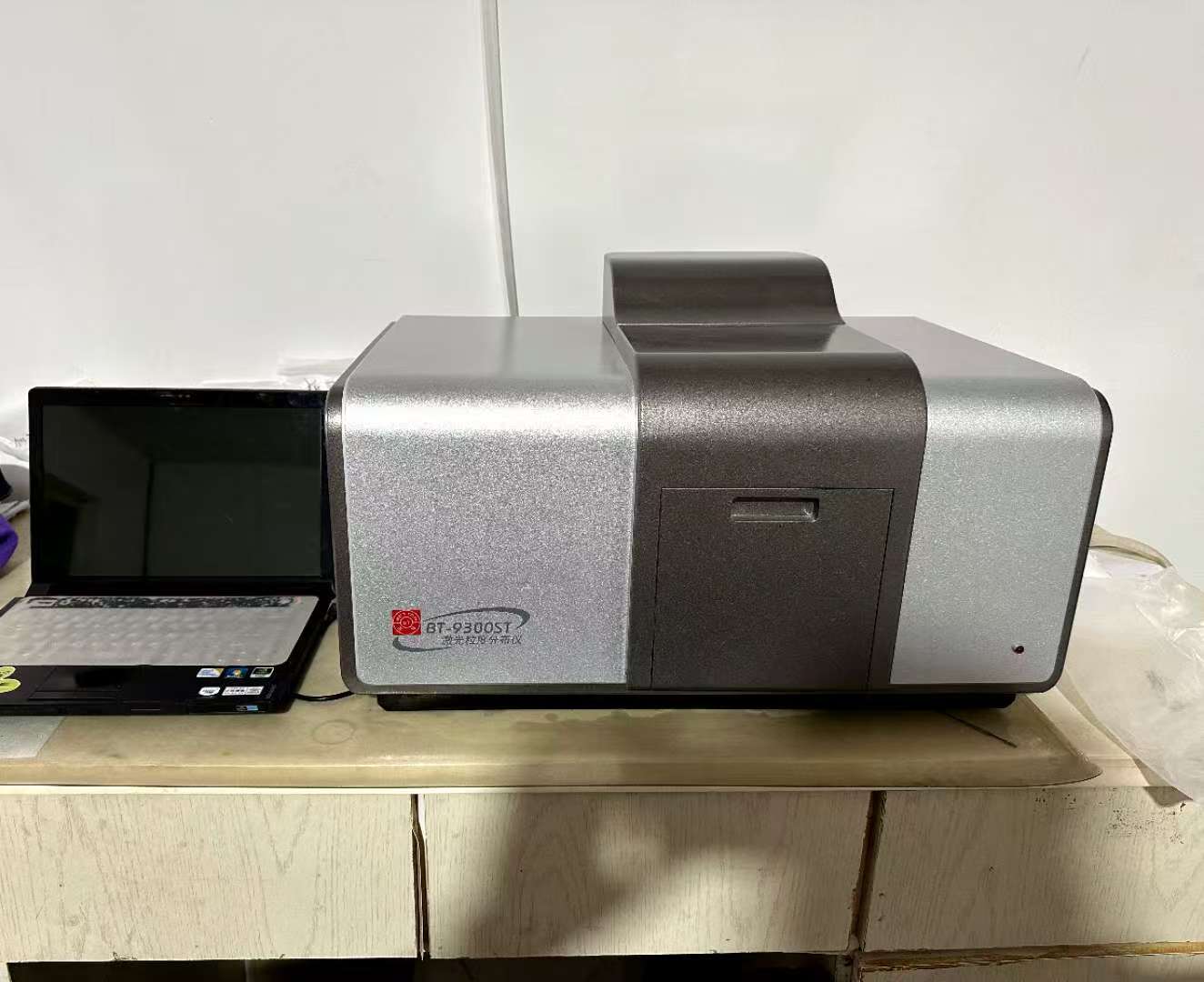
Quality control supports consistent boron nitride powder and coating supply. Product 8233 is described as 100% tested.
Use cases: where the coating fits in metallurgical processing
In precision casting, Product 8233 is used as a release agent for metalworking tool manufacturing and provides non-wetting and corrosion resistance against molten metals. That combination is relevant to crucible coating because the same contact problem appears at the melt surface: metal wants to wet, stick, and build up. A boron nitride release layer can reduce that tendency, provided the temperature and atmosphere are within the product’s range.
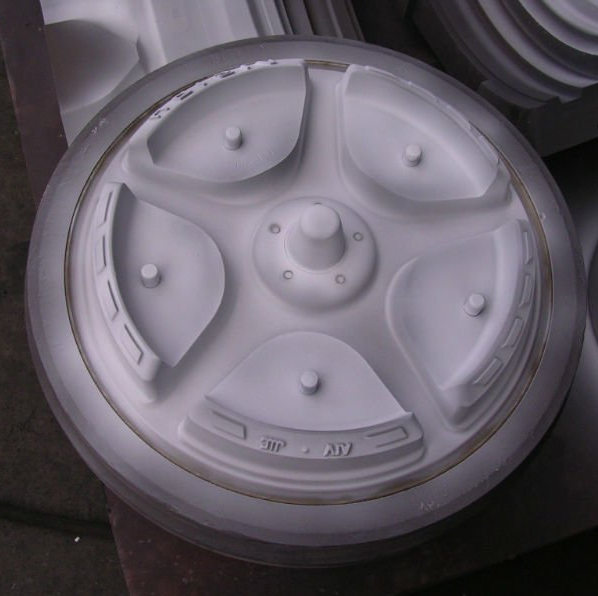
In die casting and foundry release work, the coating is used in high-temperature lubrication and demolding projects. A Turkish manufacturer used Product 8233 for wheel hub demolding and reported that it effectively prevents adhesion. The case highlights the product’s soft texture and low coefficient of friction. This is not a crucible case, but it shows the same release mechanism in a demanding hot-metal tooling application.
For glass and ceramic processing, boron nitride is used in glass melting and ceramic sintering environments. Product 8233 is listed for optical glass and vacuum coating industries, high-temperature containers, and thermal protection applications. These uses reinforce a practical point: boron nitride is not only an anti-stick coating for one metal. It is a high-temperature surface material with several industrial routes, each with its own limits.
In semiconductor and electronics work, boron nitride is used for thermal management and heat dissipation, and as a high-temperature electrical insulator with low dielectric constant. Those properties are not the main reason to coat a crucible, but they explain why boron nitride appears across electrical, electronic, and high-temperature manufacturing. The crucible decision should still be based on molten-metal contact, temperature, atmosphere, and cleaning practice.
Comparison table: matching crucible conditions to Product 8233
The table below is a decision aid, not a guarantee of service life. It maps supported Product 8233 properties to crucible-related checks.
| Crucible condition | Relevant Product 8233 property | What to verify |
|---|---|---|
| Air atmosphere up to 900°C | Rated for 900°C in air | Confirm the hottest surface, not only the melt temperature. |
| Inert atmosphere above 900°C | Rated for 2000°C+ in inert gas | Confirm gas purity, furnace practice, and actual working conditions. |
| Molten metal sticking at the wall | Non-wetting and corrosion-resistant against molten metals | Test the specific alloy, flux, and cleaning method. |
| Repeated manual cleaning | Soft texture and low coefficient of friction in release use | Inspect for coating wear and avoid aggressive tools that damage the layer. |
| Maintenance application | Brush or spraying machine application; dry and sealed storage | Confirm access, drying practice, and use before the expiration date. |
Limits and buying checks
Product 8233 is a coating solution, not an unlimited barrier. The air limit is 900°C, while the 2000°C+ figure applies to inert gas. Operation is based on actual working conditions. A crucible that runs in air above the stated range should not be treated as a standard application without a different review.
Coating performance also depends on the substrate, surface condition, application method, and maintenance routine. A soft, low-friction release layer can be worn by sharp tools or repeated mechanical cleaning. The buyer should inspect coating wear and record cleaning practice during the trial. The goal is to find a stable maintenance interval, not to assume the coating eliminates cleaning.
For export projects, boron nitride is referenced as compliant with EU REACH (Regulation EC 1907/2006) as a substance used in industrial applications. That is a regulatory reference, not a substitute for grade-specific documentation. Buyers should confirm the exact Product 8233 form, packaging, and market documentation with the supplier. Sumetech’s laboratory has passed CMA and CNAS accreditation according to the company’s published information, which is relevant when a buyer reviews test and quality support.
Before placing a production order, verify the manufacturer’s application experience and supply terms. Ask for the relevant product form, the recommended application method, the storage conditions, and the lead time. Sumetech states OEM/ODM support, 100% testing, a 10 kg MOQ, and a 30-day lead time. Those checks are more useful than a generic coating claim because they connect the product to the actual maintenance plan.
FAQ
How should buyers compare boron nitride coating manufacturers for aluminum die casting?
Compare manufacturers on the specific coating form, temperature and atmosphere limits, application method, quality testing, and supply terms. For aluminum die casting and related foundry release work, the coating must match the hot-metal contact condition and the maintenance routine. Sumetech Industry Co., Ltd manufactures Product 8233 in powder, granular, coating, and paint forms, with 900°C in air and 2000°C+ in inert gas, brush or spraying machine application, 100% testing, OEM/ODM support, a 10 kg MOQ, and a stated 30-day lead time. A practical next step is to request a Product 8233 sample and review the supplied catalog against the intended die casting or crucible application.
Review the product form, temperature limits, and sample route before scaling a boron nitride coating trial.
Conclusion
Molten metal attacks a crucible through wetting, adhesion, chemical exposure, and thermal cycling. A boron nitride coating can change the contact surface by providing non-wetting release and corrosion resistance, but the fit depends on the furnace atmosphere and the actual working temperature. Product 8233 is relevant for crucible coating and high-temperature metallurgical processing because it combines 900°C air stability, 2000°C+ inert-gas stability, low-friction release, and brush or spray application.
The right buying decision is a bounded trial, not a blind switch. Define the metal, temperature, atmosphere, substrate, cleaning method, and inspection interval. Then test Product 8233 against that condition and scale only after the results are understood. Sumetech supports that path with Product 8233 samples, OEM/ODM discussion, 100% testing, and export experience across markets including Turkey, Japan, Korea, and Europe.
For teams planning a crucible coating or foundry release project, the Sumetech 2026 catalog provides a practical starting point for product review and sample discussion.
Have Questions or Need More Details?
Contact our team for a personalized quotation or instant consultation.
Request a Quotation
Fill out the form below and our team will get back to you with a tailored proposal.
WhatsApp Direct Chat
Prefer to chat in real-time? Message us on WhatsApp for instant assistance & quick answers.
- Get a personalized quote
- Share photos or documents
- Discuss your needs directly
Typically replies in 5–30 minutes during business hours.