Adapting Boron Nitride Coatings for Die Casting, Glass Forming, and Semiconductor Heat Dissipation
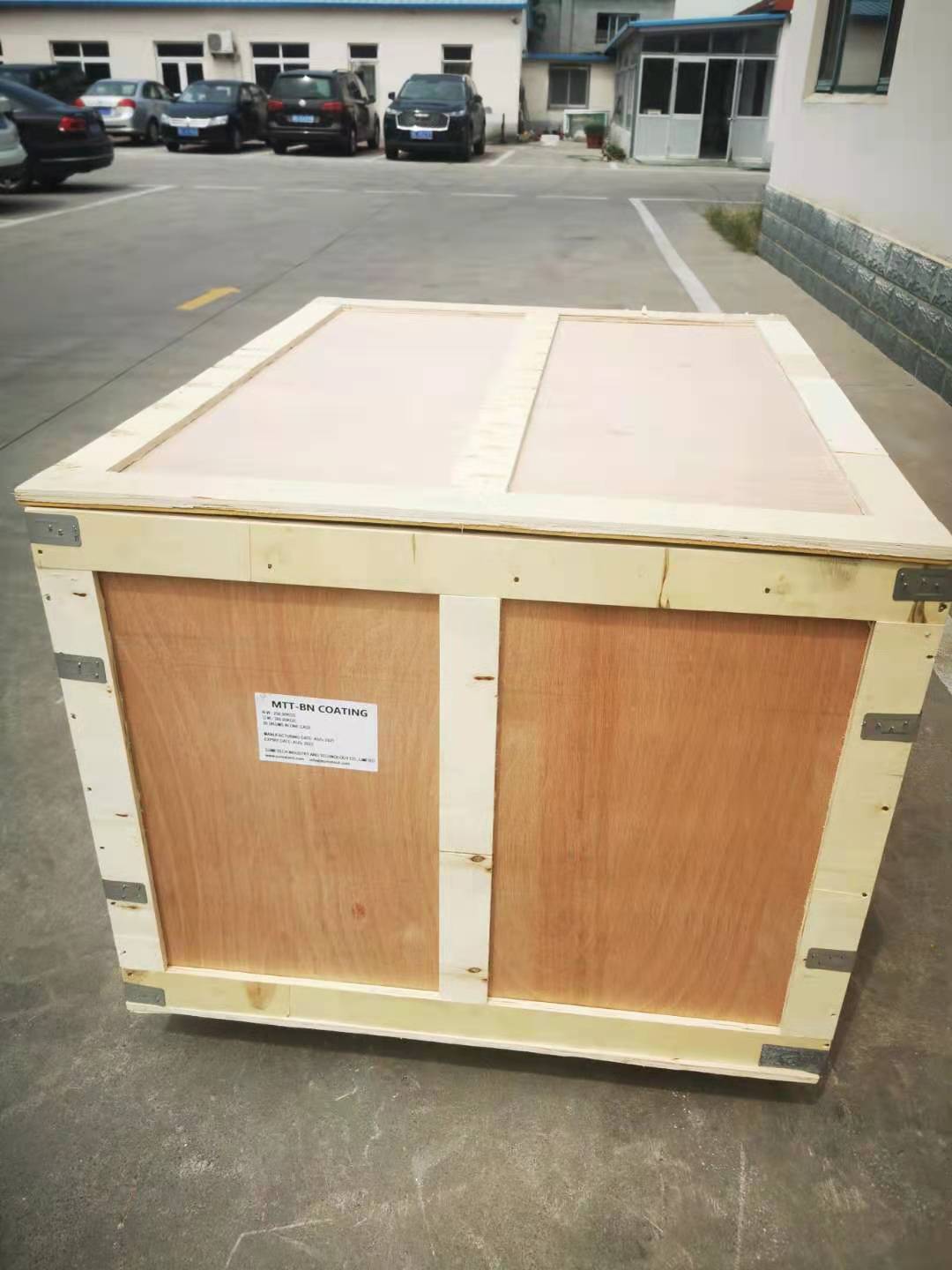
Boron nitride coating in export packaging — the same base material family, specified differently for each process.
Boron nitride coatings are adapted, not simply selected. The same hexagonal boron nitride (hBN) family that stops molten aluminium from welding itself to a die-casting die also works as a release layer on glass-forming moulds and as a thermally conductive, electrically insulating filler in semiconductor thermal management. What changes between those three jobs is not the base material but the specification built around it — purity grade, particle morphology, carrier system, application method, and the drying and curing schedule that finishes the job.
This guide walks through each of the three processes. For every one, it explains what the coating is doing, why boron nitride suits that task, and which variables a buyer or process engineer needs to pin down before placing an order.
Why a Single Coating Specification Fails Across Processes
The most common mistake in boron nitride coating procurement is taking a specification that worked on one production line and applying it to another. Coating performance depends on six variables, and every one of them shifts between processes.
- Service temperature and atmosphere. The same boron nitride material carries a maximum working temperature of 900 °C in air and 2000 °C+ in an inert gas atmosphere. That gap is wide enough to change which grade is viable.
- Contact material. Molten aluminium, molten magnesium, molten glass and encapsulation resins each interact with a coated surface differently.
- Substrate. Die steel, graphite, ceramic and metal heat paths all demand different adhesion behaviour.
- Application method. Brushes and spraying machines place different demands on viscosity and wetting.
- Drying and curing. How a coating is dried and cured before it enters service has a direct effect on how it performs in service.
- Acceptance criteria. A die shop and a semiconductor packaging line do not inspect a coating the same way.
A specification validated on a die-casting cell may not survive a single shift on a glass-forming line. That is why boron nitride coating selection is better treated as an application-matching exercise than as a catalogue purchase.
Where the Boron Nitride Coating Market Stands
Grand View Research valued the global hexagonal boron nitride market at USD 949.4 million in 2024. The same report put Asia Pacific at a 40.6% revenue share, with China alone accounting for 41.1% of the Asia Pacific total. A separate estimate from Dataintelo placed the global boron nitride coatings market at USD 2.8 billion in 2025.
A note on market figures: published boron nitride market estimates vary widely depending on how the material boundary is drawn — some sources count only h-BN powder and coatings, others fold in downstream ceramics and composites. Treat these numbers as scale indicators rather than precise measurements.
Within the h-BN market, paint coatings took the largest application share at 32.8% in 2024, according to Grand View Research. That concentration is why coating formulations are so often re-engineered rather than bought off the shelf.
On the trade side, boron nitride coating is commonly traded under HS code 28500020. On the regulatory side, boron nitride is compliant with EU REACH (Regulation EC 1907/2006) as a substance used in industrial applications — a point that matters for importers placing material into European supply chains.
Properties That Stay Constant Across All Three Processes
Certain characteristics of boron nitride hold steady no matter which of the three applications it enters. These are the anchors that make adaptation possible in the first place.
Thermal limits. Maximum working temperature is 900 °C in air and 2000 °C+ in inert gas. Maximum purity reaches 99.9%. Both figures apply to the boron nitride product range that covers powder, granular, coating and paint formats.
Lubricity. Hexagonal boron nitride has a graphite-like layered structure. It is soft and has a low coefficient of friction — commonly reported in the 0.01–0.05 range — which is the property that makes it a workable high-temperature lubricant and release agent.
Chemical inertness. The material is non-wetting and corrosion-resistant against most molten metals and chemicals. In practice this is what prevents adhesion during metal melting, glass processing and plastic moulding.
Electrical and thermal behaviour. Boron nitride combines good thermal conductivity with high-temperature electrical insulation and a low dielectric constant, remaining reliable under high-frequency and high-voltage conditions.
Handling profile. It is non-toxic and environmentally friendly — relevant for sites with tightening exposure controls.
Customisability. Morphology and purity can both be tailored, which is the practical foundation for OEM and ODM work.
What Changes Across the Three Application Scenarios
Here is where a generic boron nitride description stops being useful. Each process calls for a different balance of the same underlying properties.
Aluminium and Magnesium Die Casting
In die casting, the coating is doing release and anti-stick work. It is applied to moulds, troughs and ladles, where it forms a non-wetting barrier between molten metal and steel tooling. The practical results a die caster is looking for are easier release, longer tool life and better casting surface quality.
A customer record illustrates the mechanism. A manufacturer in Turkey used boron nitride for wheel hub demoulding, with a quantity of 200 kgs and a relationship running one year. The recorded result was that it effectively prevents adhesion, with the performance highlight described as soft texture and a low coefficient of friction.
That case is instructive because wheel hub demoulding is a demanding release scenario — the geometry is awkward and the aluminium has a strong tendency to stick. What has to be adapted for a die-casting cell is the coating's retention on the tool surface and the interval between reapplications, both of which depend on how you spray or brush it and on your cycle time.
Glass Melting and Hot Forming
In glass production, boron nitride serves as a release coating on glass-forming moulds. The two operational problems it addresses are surface defects on the finished article and downtime spent cleaning moulds.
What makes glass different from die casting is the failure mode you are managing. A glass line is usually chasing surface finish consistency across a long mould campaign rather than raw release force on a single shot. Mould temperature, glass composition and mould material all influence which formulation holds up.
Semiconductor Thermal Management
In semiconductor work the role shifts again. Here boron nitride functions as a thermal filler and high-temperature electrical insulator. The property set that matters is broader than any single number: good thermal conductivity, low dielectric constant, stable electrical insulation, and high purity — up to 99.9%.
Listed application areas in this segment include electrical and electronic semiconductor heat dissipation, high-temperature lubrication and demoulding, cutting tools, high-temperature containers, thermal protection, nuclear energy applications, and radar and optics. Purity grade is typically the first variable to lock down, because the contamination tolerance on a semiconductor line is far tighter than on a foundry floor.
Sintering and Heat-Treatment Fixtures
A fourth scenario sits alongside the three above. In powder sintering, boron nitride is coated onto graphite plates to prevent carbon contamination and to stop bonding between workpieces and fixtures. The requirement here leans on chemical inertness and non-stick behaviour under sustained high temperature rather than on lubricity or thermal conductivity.
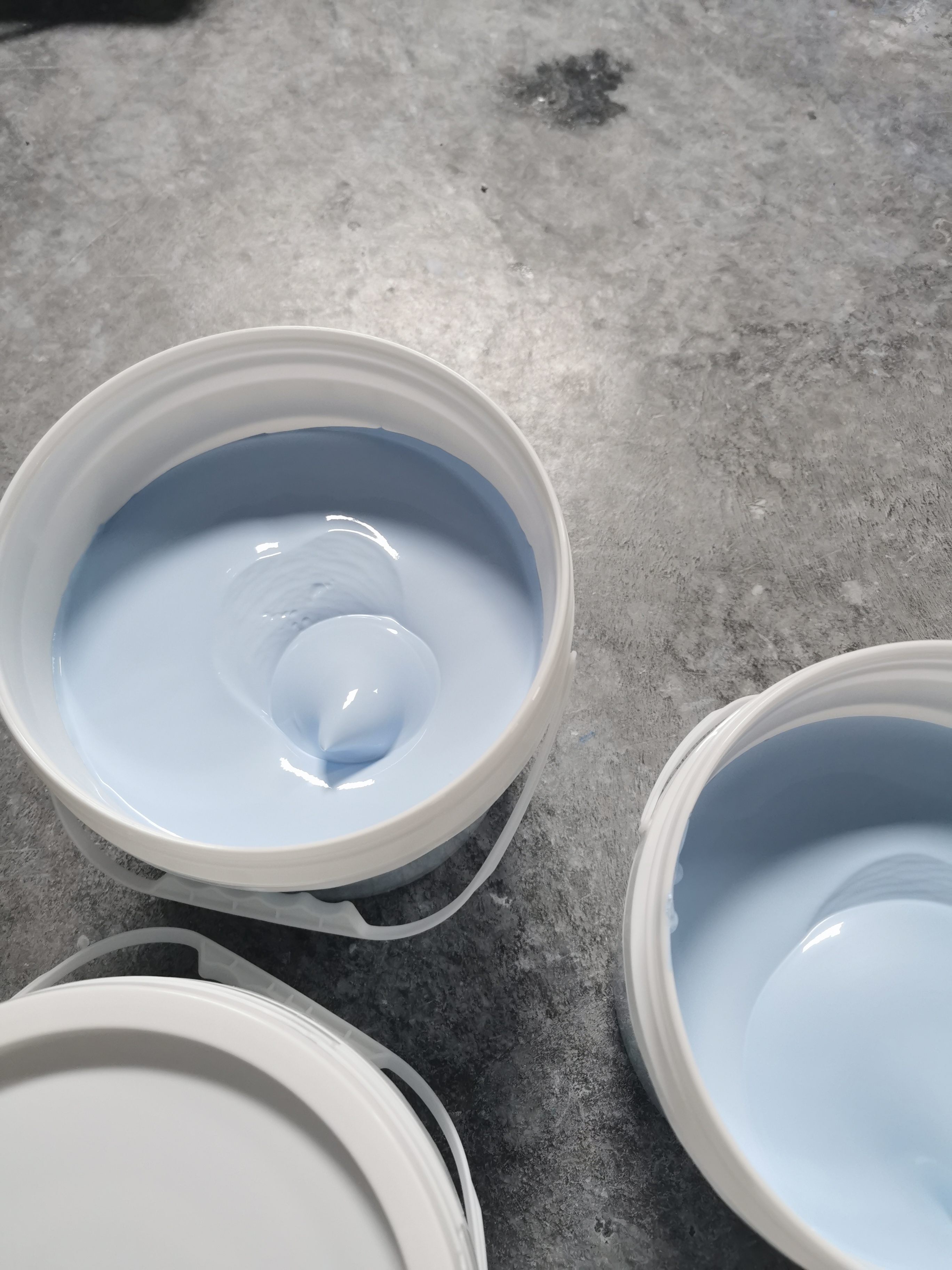
High-temperature boron nitride coating. The same base material serves release, insulation and thermal-filler duties depending on specification.
Step-by-Step: Adapting a Boron Nitride Coating to a Specific Line
Adaptation follows a fairly disciplined sequence. Skipping a step usually shows up later as premature coating failure or inconsistent release.
- Define the temperature window and atmosphere. This is not guesswork — it maps directly onto the published working limits. If the process runs in air, the 900 °C ceiling is a real constraint. If it runs under inert gas, the 2000 °C+ range opens up.
- Identify the contact material. Molten aluminium and molten magnesium do not behave identically. Neither does molten glass. The coating has to be matched to what it will actually touch.
- Confirm the substrate. Die steel, graphite, ceramic and metal heat paths each need different adhesion and surface preparation.
- Choose morphology and purity. The boron nitride range covers powder, granular, coating and paint formats, with purity up to 99.9%. Morphology drives application method; purity grade follows the process's tolerance for contamination.
- Select the application route. Both brushing and spraying are supported equipment routes for these formulations. Getting the route right at specification stage avoids reformulation later.
- Plan the drying and curing step. How a coating is dried and cured before it enters service directly influences field performance. This step has to be matched to your line rhythm and available equipment.
- Agree the specification and inspection. Pre-shipment test is the stated acceptance route, and production quality control is run at 100% test.
- Plan storage and handling. Keep the material dry and sealed, and use it before the expiration date.
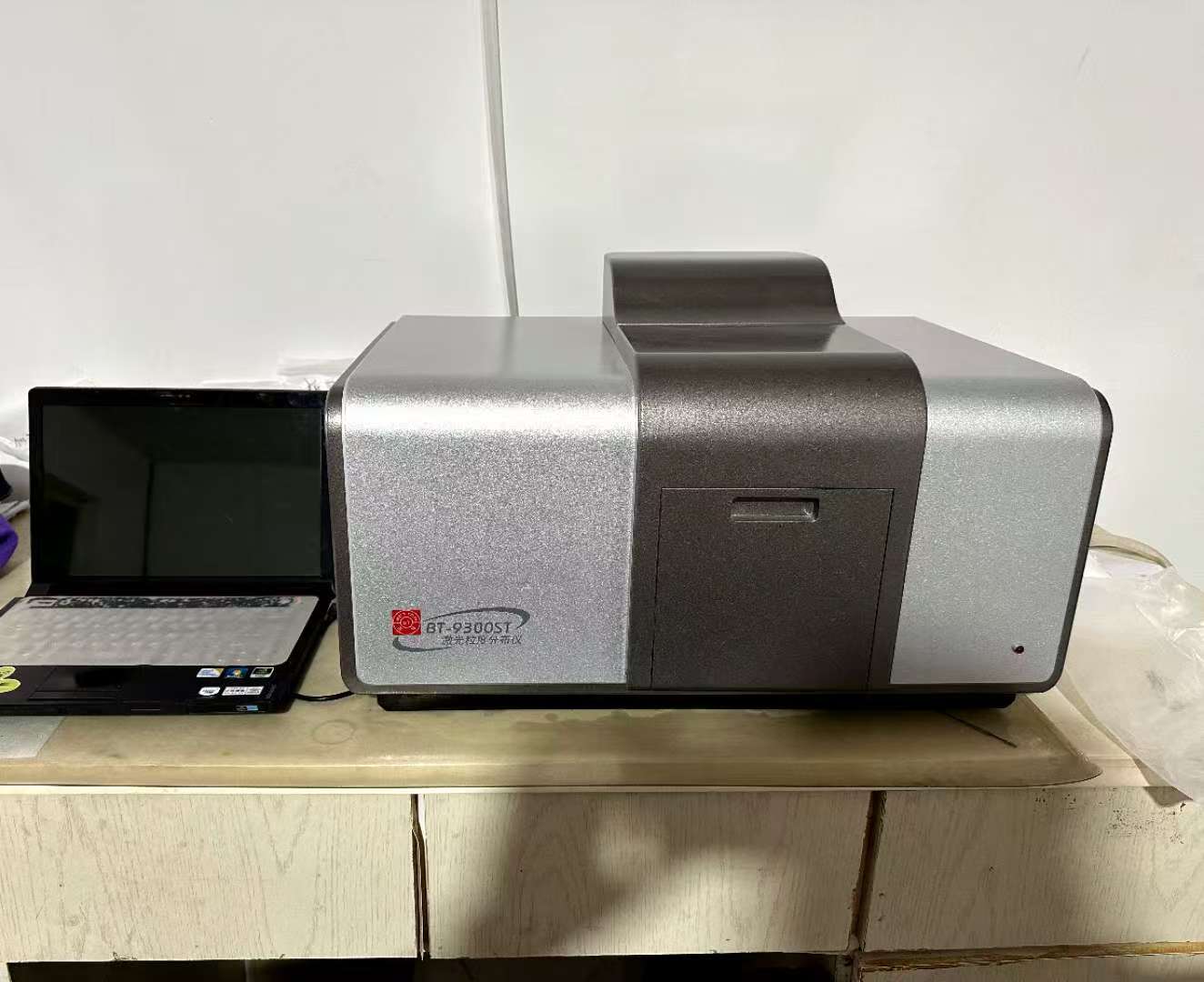
Particle size control is part of how boron nitride morphology is matched to a specific application.
Application Fit Matrix
The table below summarises how the same boron nitride coating family is re-specified across the four scenarios discussed above.
| Process | Primary coating function | Why boron nitride fits | What to confirm before ordering |
|---|---|---|---|
| Aluminium and magnesium die casting | Release and anti-stick layer on moulds, troughs and ladles | Non-wetting against molten metals; soft texture and low coefficient of friction | Coating retention on tooling; reapplication interval for your spray or brush method |
| Glass melting and hot forming | Release coating on glass-forming moulds | Stability at glass-forming temperature; reduces surface defects and cleaning downtime | Surface finish target; mould material and mould temperature |
| Semiconductor thermal management | Thermal filler and high-temperature electrical insulator | Thermal conductivity, low dielectric constant, purity up to 99.9% | Purity grade and particle morphology |
| Sintering and heat treatment | Graphite plate coating against carbon contamination | Chemical inertness; prevents bonding between workpieces and fixtures | Atmosphere conditions and contact materials |
Ordering, Customisation and Delivery
Sumetech Industry Co., Ltd is a China-based manufacturer of potassium aluminium fluoride and boron nitride, operating a 6,000 m² facility with annual output of 5,000 MT and an export ratio of 90%. Its stated main markets are Turkey, Japan, Korea and Europe. The company's laboratory has passed CMA (China Measurement Certification) and CNAS (National Laboratory Accreditation).
For die casting, glass and semiconductor projects, the manufacturer provides OEM and ODM production services, supporting both standard and custom product development for clients in the EU, Middle East and Asia. Customisation covers particle size and colour, and production runs are supported by 100% test quality control.
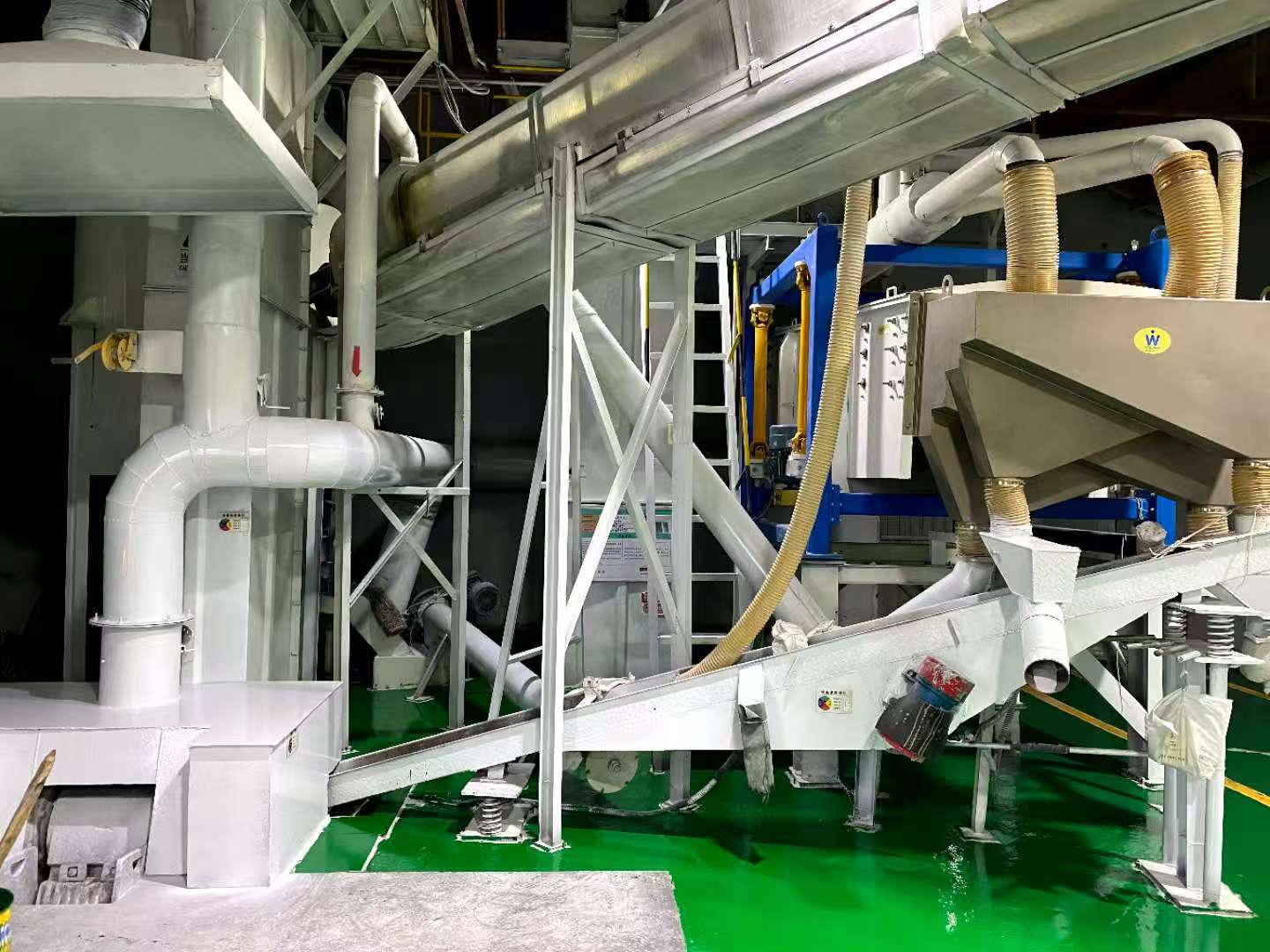
Granulation and shaping equipment — part of the production infrastructure behind custom morphology and particle size ranges.
The operational terms that matter most when a project moves from evaluation into execution are set out below.
| Parameter | Stated terms |
|---|---|
| Minimum order quantity | 10 kgs |
| Delivery terms | FOB / CIF / FCA |
| Acceptance criteria | Pre-shipment test |
| Payment terms | 30/70 |
| Quality control | 100% test |
| Monthly capacity | 1,000 MT |
| Lead time | 30 days |
| Customisation | Size and colour |
| Export markets | EU / Middle East / Asia |
| After-sales | Remote support and on-site support |
| Production mode | OEM / ODM |
After the point of sale, the manufacturer provides both remote and on-site technical support services, which matters for coating work because application issues usually surface at the customer's line rather than at the supplier's plant.
Frequently Asked Questions
Can boron nitride coatings meet EU regulatory requirements?
Boron nitride is compliant with EU REACH (Regulation EC 1907/2006) as a substance used in industrial applications. For export documentation, boron nitride coating is commonly traded under HS code 28500020. Because the REACH position applies to boron nitride as a substance rather than to every finished formulation, buyers placing material into the EU should confirm the specific grade and intended end use with their supplier.
What does OEM boron nitride coating manufacturing for die casting involve?
OEM and ODM production means the coating is developed around a specific project rather than selected from a fixed catalogue. For die casting, that generally means aligning the formulation with the specific tooling, the release method used on the line, and the alloy being cast. Sumetech Industry Co., Ltd provides OEM and ODM production services with support for both standard and custom product development for clients in the EU, Middle East and Asia. Customisation options cover particle size and colour, and production quality control is run at 100% test.
What are the purchasing terms and acceptance criteria for a boron nitride coating order?
The minimum order quantity is 10 kgs. Delivery terms are FOB, CIF or FCA. Acceptance criteria are based on pre-shipment test, and payment terms are 30/70.
Can a boron nitride coating be adapted to a specific production line before full-scale ordering?
Yes — adaptation starts with defining the process conditions. The variables that drive specification are temperature and atmosphere (900 °C maximum in air versus 2000 °C+ in inert gas), the contact material, the substrate, the application method, and the required purity level. The product range covers powder, granular, coating and paint formats with purity up to 99.9%, so a project can be structured around customer-specific requirements rather than a single stock grade.
What after-sales support is provided after delivery?
Sumetech provides remote and on-site after-sales support in its exported markets. Remote support covers application questions and troubleshooting, while on-site visits are available where a project requires them. The purpose is to keep the process running after the material has shipped. For projects moving into evaluation, the current catalogue can be downloaded here: Sumetech 2026 Product Catalogue (PDF).
Conclusion
Boron nitride coatings work across die casting, glass forming and semiconductor heat dissipation because the base material carries a genuinely broad property set: stability to 900 °C in air and 2000 °C+ in inert gas, a low coefficient of friction, chemical inertness against molten metals, and combined thermal conductivity with electrical insulation.
What does not transfer automatically is the specification. Temperature and atmosphere, contact material, substrate, application method, purity grade and the drying and curing step all have to be set for the process in front of you. Treat the coating as an engineering input rather than a consumable, and the release, finish and service-life results follow.
Discuss your application with Sumetech
Sumetech Industry Co., Ltd supplies boron nitride in powder, granular, coating and paint formats, with OEM and ODM production, custom particle size and colour, MOQ from 10 kgs, and remote or on-site after-sales support across the EU, Middle East and Asia.
Email: info@sumetech.com | Tel / WhatsApp: +86 13805218959 | Website: www.sumetech.com
Request a sample or a quotation for your die casting, glass forming or semiconductor thermal project.