
Application Guide: Potassium Aluminium Fluoride for Corrosion-Free Aluminum Brazing
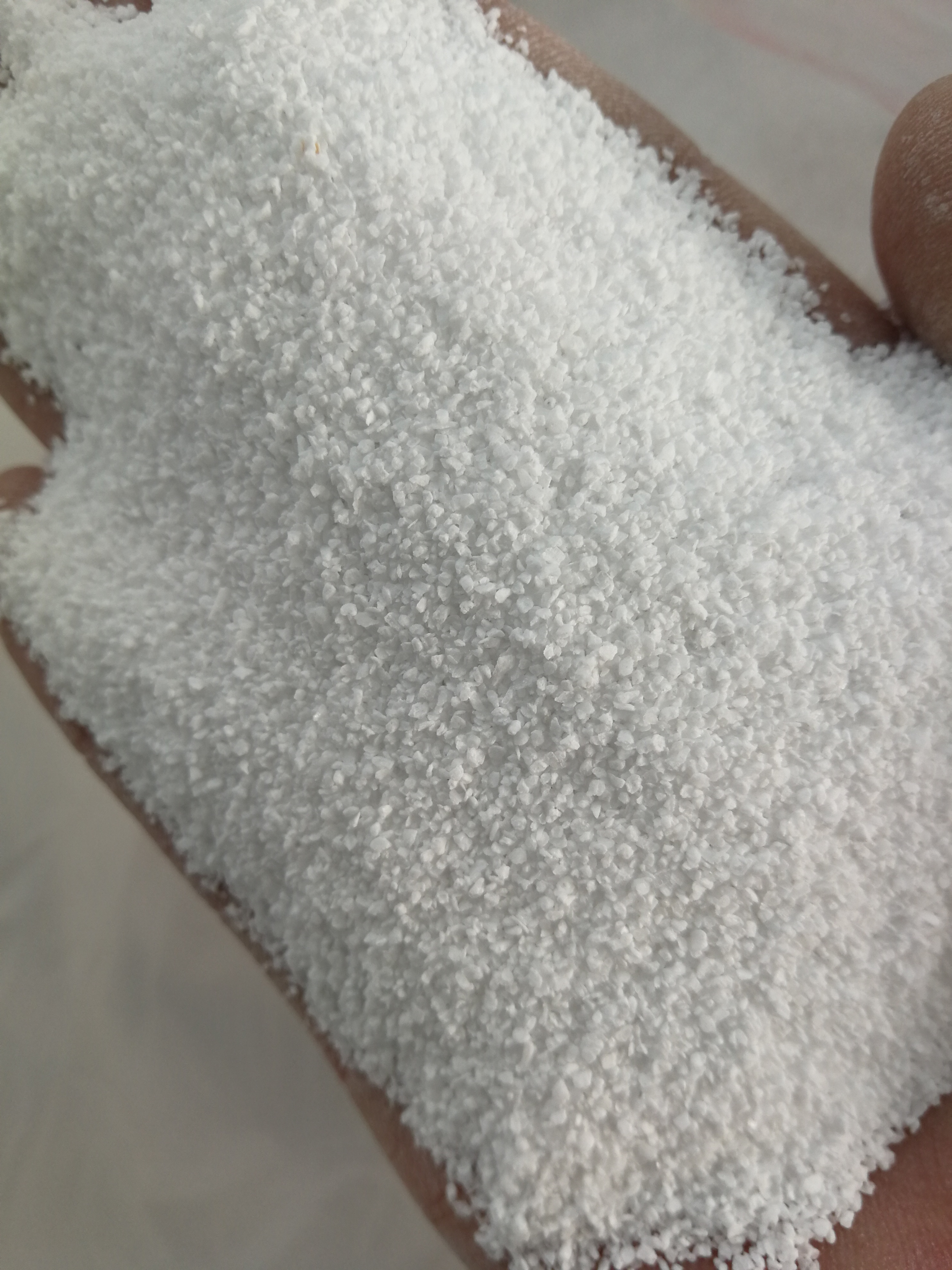
White potassium aluminium fluoride (PAF), 0.5–1.5 mm granular form — the high-purity grade family specified for aluminum alloy brazing. Product code 8235.
Introduction: What Potassium Aluminium Fluoride Does in a Brazing Project
Potassium aluminium fluoride (PAF) is the fluoride flux material used in aluminum alloy brazing to remove the oxide film that prevents molten filler metal from wetting the base metal. In brazed assemblies — and specifically in components such as battery water-cooling plates and air-conditioning radiators for new energy vehicles — that oxide removal is what determines whether the joint forms cleanly and whether the finished part performs in service.
Sumetech Industry Co., Ltd is a China-based manufacturer of potassium fluoroaluminate (PAF) in granular and powder forms. The company was founded in 2019, operates a 6,000 m² production facility with 20 employees and a five-technician R&D team, produces 5,000 MT per year, and exports around 90% of its output, with main markets in Turkey, Japan, Korea and Europe. Its PAF product (product code 8235) is supplied in white and grey grades and in powder, granular and lump forms.
For a buyer who has already decided that a fluoride flux belongs in the process, the useful question is no longer “what is PAF?” but “which PAF configuration is correct for my brazing line, and what constraints come with it?” This guide answers that in the order the decision is normally made: what the material does in brazing, which grade and particle size apply, what documentation is required, how it must be stored, and what order and supply terms apply.
Problem Definition: The Constraints That Decide Whether PAF Works
1. The oxide film is the reason a flux is needed at all
Aluminum carries an adherent oxide layer on its surface. That layer has to be displaced before filler metal can wet and flow. In the brazing process, PAF performs exactly this function: it removes the oxide film and improves weld quality. If oxide removal is incomplete, the result is not a visible failure but an inconsistent one — joints that pass at one position on a part and fail at another, and that only show up later in leak testing or field service.
2. Grade mismatch is the most expensive and least visible error
PAF is traded in white and grey grades, and the two are not interchangeable. The purity-versus-application comparison used in this category is consistent: industrial grade (98% minimum) is used for foundry and abrasive applications, while high purity (above 99%), i.e. white PAF, is required for brazing and specialty glass. The application data for brazing of aluminum alloys lists “high purity” as the working condition. Selecting on colour or on unit price alone — rather than on the grade that matches the duty — is the most common way the wrong material reaches a brazing furnace.
3. Moisture and storage conditions change dosing behaviour
PAF has a defined storage requirement: keep it in a dry, well-ventilated place. The practical consequence for a brazing line is that flux that has absorbed moisture, caked, or been stored in an open container will not meter and mix the same way as material from a sealed, dry store. This is a storage and handling constraint, not a product defect.
4. Compliance and handling are constraints, not formalities
Two external requirements apply to PAF in most markets. The first is RoHS, which matters for any brazed assembly that ships into the EU. The second is hazard classification: PAF is categorized as GHS Acute Toxicity Category 4 (oral, dermal and inhalation) and Skin Irritation Category 2, managed in the US context under OSHA HCS 29 CFR 1910. Both requirements affect how material is documented, stored and handled — and both should be resolved before a brazing project moves from evaluation to production.
Industry Background: Why PAF Demand Is Concentrated in Brazing and Metallurgy
The global Potassium Aluminum Fluoride market was valued at USD 1.76 billion in 2024 and is projected to reach USD 2.62 billion by 2033, with an expected CAGR of 4.8% over 2025–2033, according to DataHorizzon Research. A definitional caveat is worth noting: market-size figures in this category differ between publishers because some reports measure pure potassium fluoride while others measure the broader potassium aluminium fluoride flux category, so a single headline number should be treated as an indicator rather than a precise boundary.
Chemically, the material is well defined. Potassium aluminium fluoride (KAlF4) has a molecular weight of approximately 142.07 g/mol and is identified by CAS 60304-36-1, per PubChem/NIH. It appears in procurement documents under several names, including potassium fluoroaluminate, potassium cryolite, potassium tetrafluoroaluminate (KAlF4, K3AlF6), and Kalium Aluminium Fluorid — buyers should confirm that a quotation refers to the same material rather than a related fluoride. In trade documentation, PAF is commonly handled under HS Code 38101090, the code covering pickling preparations for metal surfaces and fluxes.
Demand for the material comes from several industries, but the fastest-moving requirement is aluminum brazing itself, driven by thermal management hardware in electric vehicles: battery water-cooling plates and air-conditioning radiators. The same material family also serves electrolytic aluminum smelting, ceramics and glass manufacturing, resin-bonded abrasives and grinding wheels, and non-ferrous metal recycling and casting, where it is used for degassing and slag removal. Because one material serves several industries with different purity needs, grade specification is the first decision in any project.
Geographically, PAF requirement spans a wide set of markets, including Korea, Japan, Turkey, the UAE, Brazil, Bahrain, Russia, Canada, Norway, the United States, Thailand, Vietnam, Malaysia, Indonesia, Germany, France, Italy, Spain and Australia. Sumetech’s own export pattern reflects part of that map, with main markets in Turkey, Japan, Korea and Europe and an export ratio of approximately 90%.
The Solution: How PAF Is Specified for Brazing
Oxide film removal and weld quality
The function of PAF in brazing is a chemical one: it reacts with and removes the aluminum oxide film at the joint, allowing the filler metal to wet the base alloy and form a continuous, sound joint. The application specification for corrosion-free brazing of aluminum alloys records this as the primary benefit — oxide film removal leading directly to improved weld quality. For a battery cooling plate or a radiator, this translates into fewer incomplete joints across the part, which is the practical definition of a reliable brazing process.
Grade selection: white versus grey
Brazing is a high-purity application. The white grade of PAF — also written as white potassium aluminium fluoride — sits in the high-purity bracket required for brazing and specialty glass, while grey PAF is positioned with foundry, casting and abrasive applications. If a specification calls for brazing of aluminum alloys, the grade requirement is high purity, and the colour of the material is a consequence of the grade rather than the selecting criterion. This is the single most important filter when comparing quotations, because foundry grade and brazing grade are not substitutable and their prices are not comparable.
Forms and particle size
PAF is supplied in three physical forms — powder, granular and lump — and particle size is the second specification decision after grade. The standard size ranges offered are mesh 200 for fine powder, 0.3–1.0 mm and 0.5–1.5 mm for granular material. The material is produced from potassium fluoroaluminate lump. For brazing work, the fine powder and controlled granular fractions are the forms that matter, because particle size governs how the flux mixes into a slurry or paste and how evenly it is distributed at the joint.
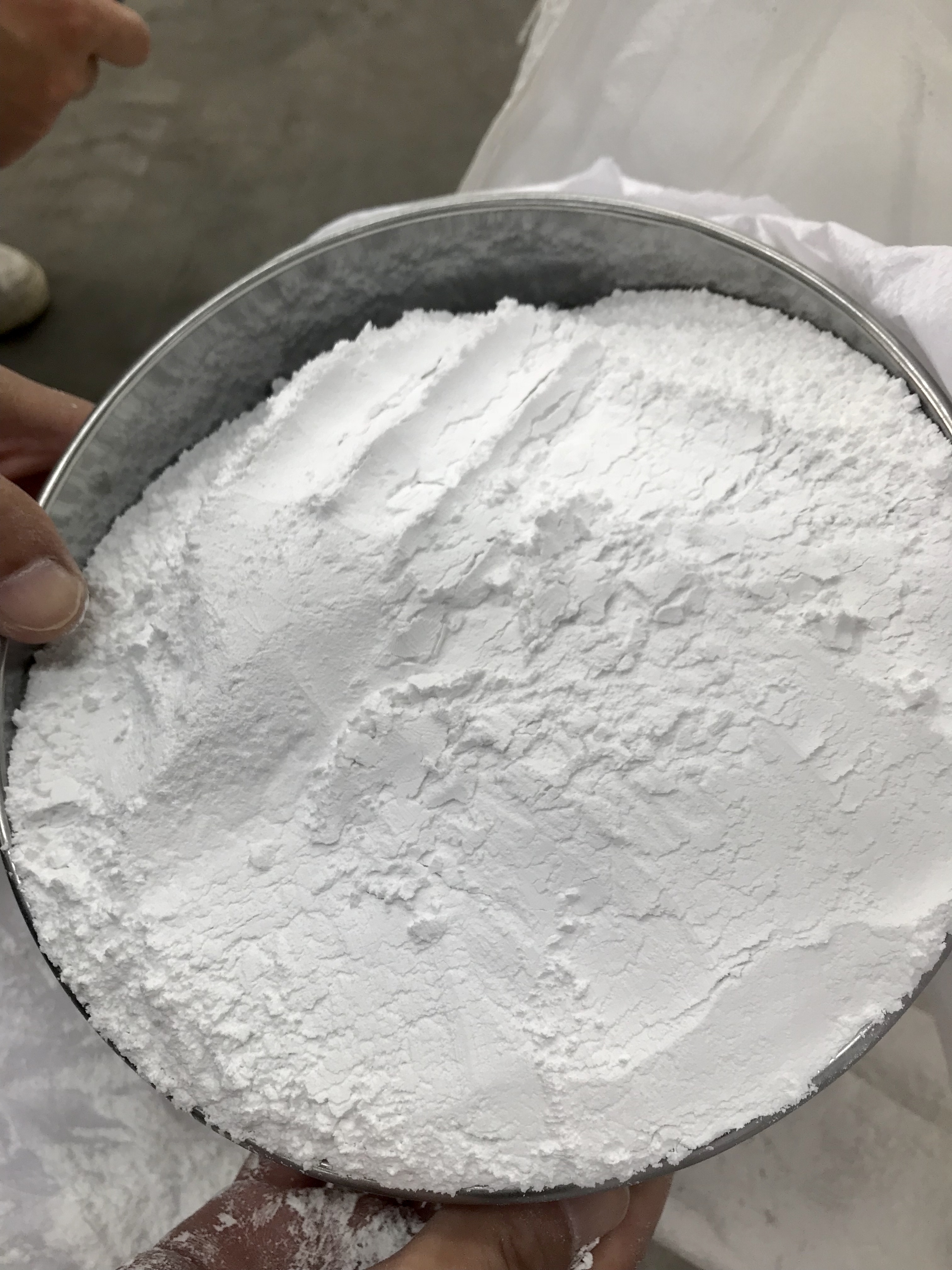
Mesh 200 white PAF powder. Fine fractions are the practical choice for preparing flux mixes used in aluminum alloy brazing.
Compliance documentation for EU-facing projects
Sumetech’s PAF (product code 8235) is covered by a RoHS 2.0 Verification of Conformity, certificate number CKEYS251222003, issued by Guangdong KEYS Testing Technology Co., Ltd. and applicable to the EU market. A separate RoHS Test Report, number RKEYS251215033, confirms compliance with RoHS Directive 2011/65/EU and its amendment Directive (EU) 2015/863, tested against the IEC 62321 series (including IEC 62321-3-1:2013, IEC 62321-4:2013 + A1:2017, IEC 62321-5:2013, IEC 62321-6:2015, IEC 62321-7-1:2015, IEC 62321-7-2:2017 and IEC 62321-8:2017). The certification covers grey, white, powder, granular and lump forms of the product. The certificate was issued on 22 December 2025 with a stated expiry of 22 December 2099.
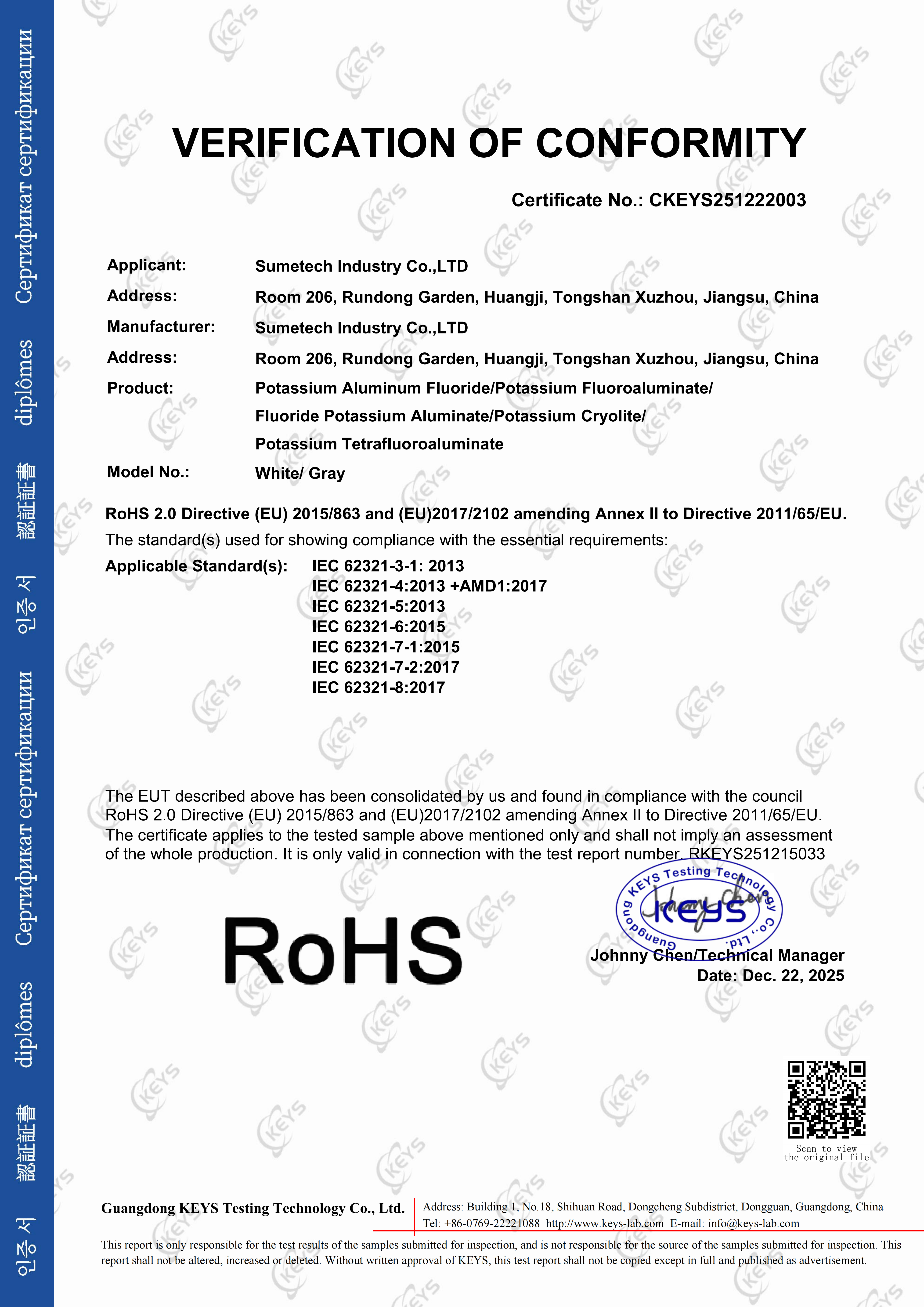
RoHS 2.0 Verification of Conformity, certificate number CKEYS251222003, covering PAF in grey, white, powder, granular and lump forms for the EU market.
Storage, handling and safety
The storage requirement for PAF is explicit: a dry, well-ventilated place. Handling is governed by its GHS classification as Acute Toxicity Category 4 (oral, dermal, inhalation) and Skin Irritation Category 2, with OSHA HCS 29 CFR 1910 as the reference framework in the US context. In practice this means sealed packaging, a dry store, and defined handling procedures for operators who weigh and mix the flux — the same discipline that protects the material’s flow behaviour also protects the people handling it.
Supporting equipment: mixing and particle control
PAF is not used in isolation. The matched equipment set for flux-based operations includes the mixing machine used to prepare and apply the flux, alongside hot press molding dies and curing ovens in adjacent processes. On the production side, particle size is controlled with ultra-fine mechanical mills, crushers and shaping machines, and sieving and classification systems that hold narrow particle size distributions. The combination matters because a brazing line can only apply what its flux preparation equipment can consistently mix.
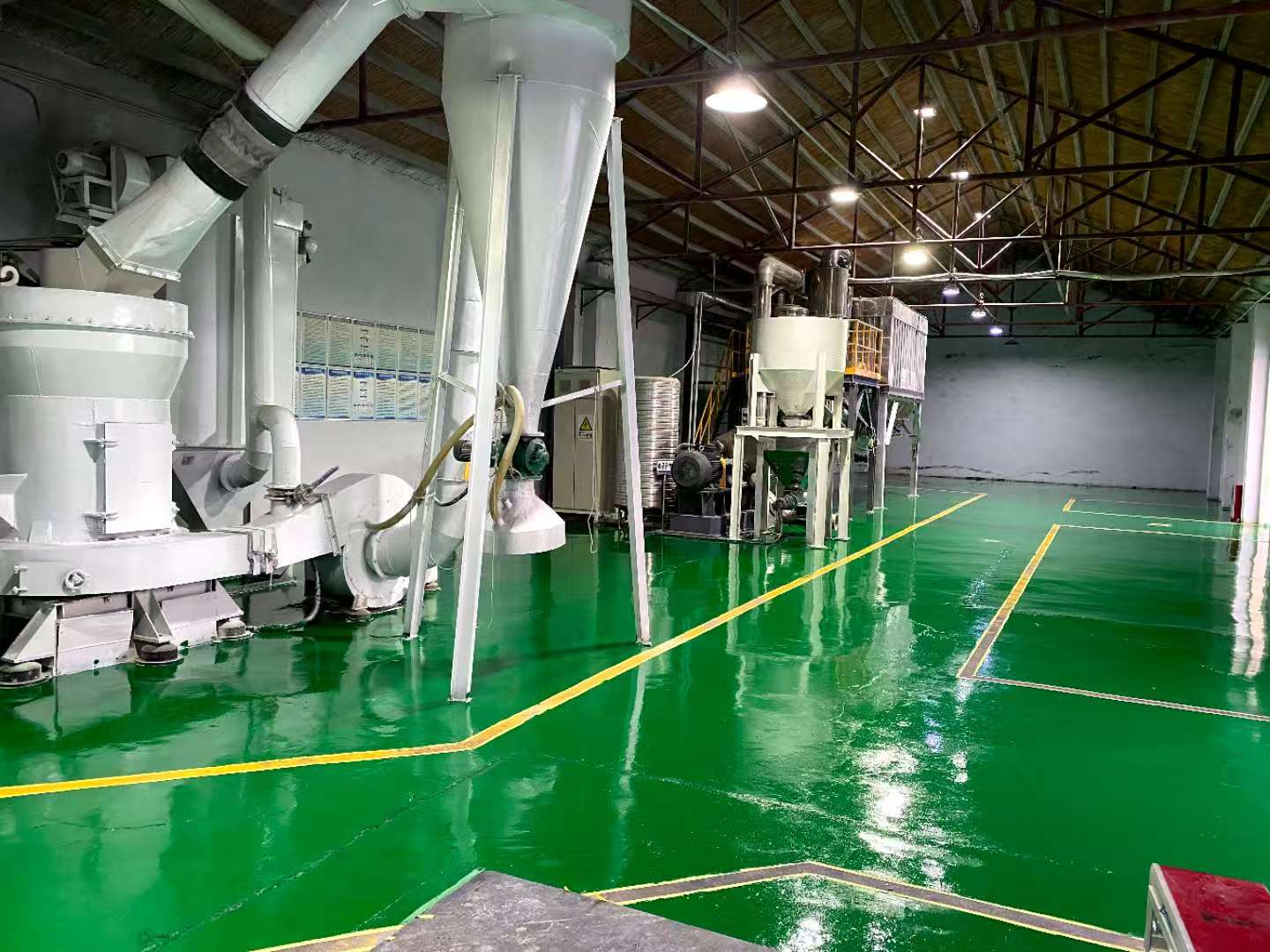
Ultra-fine mechanical mill used to control PAF particle size — the step that determines how a flux fraction behaves when mixed and applied.
Step-by-Step Breakdown: Integrating PAF into a Brazing Project
- Define the joint and the corrosion requirement. Start from the part, not the material. Battery water-cooling plates and air-conditioning radiators for new energy vehicles are the reference brazing applications for PAF; each places different demands on joint quality and cleanliness. Write down what the finished assembly must withstand in service before selecting a flux grade.
- Specify white / high-purity grade. Confirm the grade in writing. Brazing sits in the high-purity bracket (white PAF, above 99%), distinct from industrial grade at 98% minimum used for foundry and abrasives. Record the grade on the purchase specification so it cannot be substituted at quotation stage.
- Select the particle size to match your application method. Choose from mesh 200 powder, 0.3–1.0 mm or 0.5–1.5 mm granular, according to how the flux is prepared and deposited on your line. Particle size controls mixing behaviour and distribution; it is a process decision, not a cosmetic one.
- Validate the flux mix on your own equipment. Use your mixing machine and your standard slurry or paste preparation route. PAF is high purity and its matched equipment set includes mixing machinery, so the mix trial should be run with production equipment rather than laboratory substitutes.
- Run the brazing trial and confirm oxide removal. The measurable outcome is joint quality: oxide film removal at the joint and consistent wetting across the part. Inspect for the failure patterns that indicate incomplete oxide removal rather than adjusting parameters first.
- Verify incoming material and retain documentation. Sumetech applies 100% testing to production, supported by particle size analysis. For EU-destined assemblies, file the RoHS 2.0 Verification of Conformity (CKEYS251222003) and the RoHS Test Report (RKEYS251215033) alongside your own compliance records, covering Directive 2011/65/EU and Directive (EU) 2015/863.
- Lock in storage and handling procedures. Store PAF dry and well-ventilated, keep packaging sealed until use, and brief operators on the GHS Category 4 acute toxicity (oral, dermal, inhalation) and Skin Irritation Category 2 classifications before the first production run.
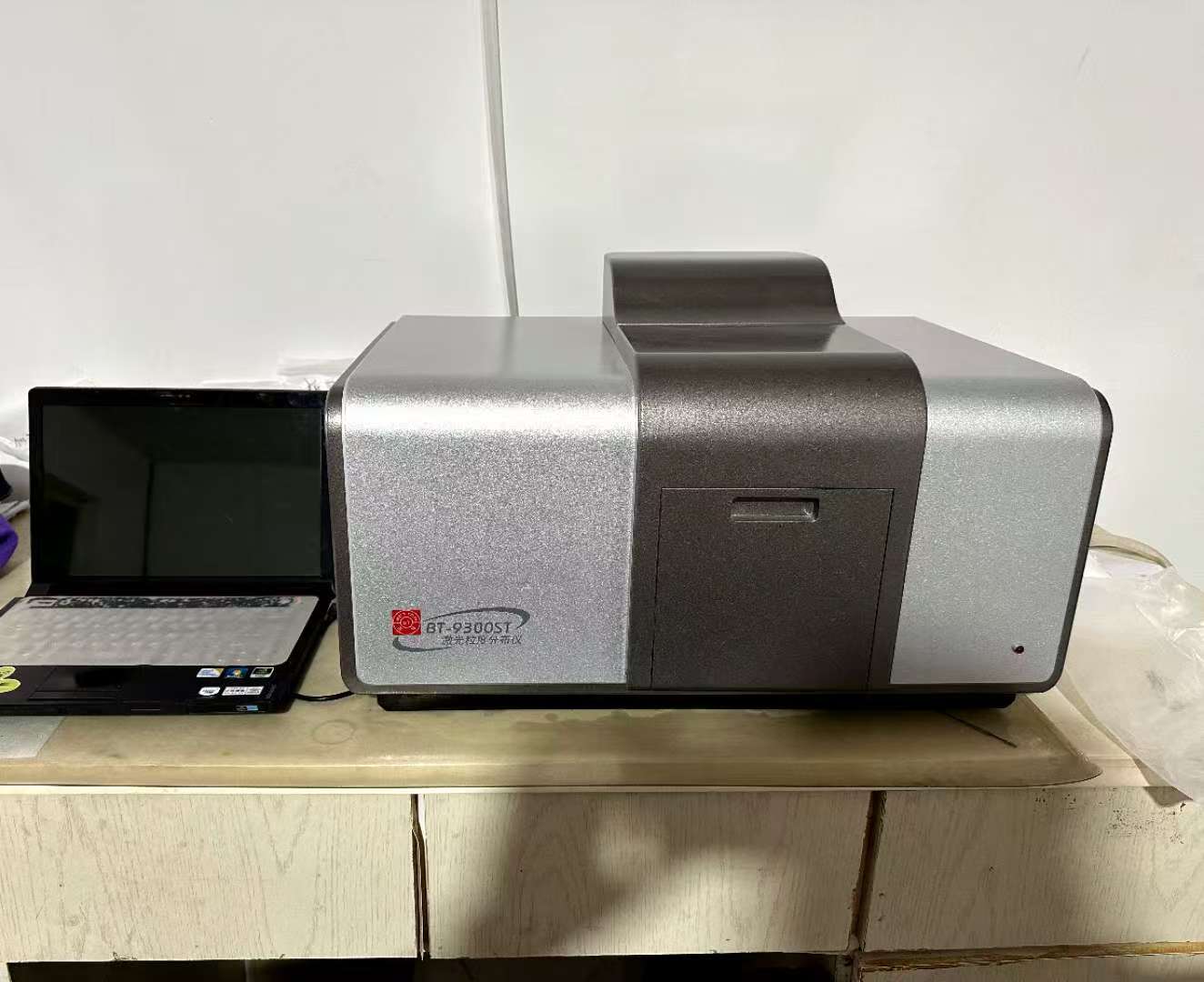
Particle size analysis supports the 100% testing routine applied to PAF production batches.
Use Cases and Market Contexts
EV battery water-cooling plates. This is the most demanding mainstream brazing application for PAF. Cooling plates require continuous, leak-tight joints across a large area, and oxide film removal is the controlling factor in whether the joint is sound. High-purity white PAF is the grade that matches this duty.
Air-conditioning and radiator assemblies. Radiators and similar heat-exchange components in new energy vehicles are the second reference application, where PAF removes the oxide film and improves weld quality across multi-joint assemblies.
South Korea. A Korea-based manufacturer has purchased 60 MT per month of high-purity PAF for two years, using it as a metal additive and flux, with stable results over that period. The case illustrates the volume profile of a production-scale brazing and flux operation and the importance of consistent grade at high purity.
Japan, Turkey and the UAE. These markets appear both in Sumetech’s main export markets (Turkey, Japan, Korea, Europe) and in the wider list of countries where PAF brazing and flux applications are recorded, alongside Brazil, Bahrain, Russia, Canada, Norway, the United States, Thailand, Vietnam, Malaysia, Indonesia, Germany, France, Italy, Spain and Australia. Buyers in these markets typically need the same three things: a defined grade, EU-compatible compliance documentation where relevant, and a supplier who can hold lead time.
Adjacent uses of the same material family. Not every PAF enquiry is a brazing enquiry. The material is also used in electrolytic aluminum smelting as a flux that lowers the melting point of alumina and improves electrolysis efficiency; in ceramics and glass as a flux and opacifier; in resin-bonded abrasives and grinding wheels as an active filler; and in non-ferrous metal recycling and casting for degassing and slag removal. Those duties sit closer to the grey, industrial-grade bracket. Specifying the correct application is therefore the first step of every project, because a brazing-grade requirement and a foundry-grade requirement should not be quoted against each other.
Comparison Table: PAF Forms, Grades and Constraints
Table 1 summarizes the product forms and the grade logic that applies to brazing, using the parameters recorded for product code 8235 and the purity-versus-application comparison used in this category.
| Form / grade | Colour | Recorded size | Where it applies |
|---|---|---|---|
| PAF powder (fine) | White / grey | Mesh 200 | Flux mixing and application; high-purity white grade fits brazing |
| PAF granular | White / grey | 0.3–1.0 mm; 0.5–1.5 mm | Controlled distribution; granular and powder forms are the manufacturer’s core output |
| PAF lump | White / grey | Potassium fluoroaluminate lump | Base material form; converted by milling, crushing and classification |
| High-purity / white grade | White | >99% (category comparison) | Brazing and specialty glass — the grade required for corrosion-free brazing projects |
| Industrial grade | Grey | 98% minimum (category comparison) | Foundry, casting and abrasive applications — not a brazing substitute |
Table 2 collects the constraint and compliance data a buyer needs before the evaluation stage closes.
| Constraint area | Verified detail |
|---|---|
| EU compliance — conformity | RoHS 2.0 Verification of Conformity, certificate no. CKEYS251222003; issued by Guangdong KEYS Testing Technology Co., Ltd.; applicable to the EU market |
| EU compliance — test report | RoHS Test Report no. RKEYS251215033; RoHS Directive 2011/65/EU and Directive (EU) 2015/863; IEC 62321 series |
| Certified product forms | Grey, white, powder, granular, lump |
| Working condition | High purity (brazing of aluminum alloys) |
| Storage | Dry, well-ventilated place |
| Hazard classification | GHS Acute Toxicity Category 4 (oral, dermal, inhalation); Skin Irritation Category 2; OSHA HCS 29 CFR 1910 reference |
| Identity / trade reference | KAlF4, approx. 142.07 g/mol, CAS 60304-36-1; HS Code 38101090 |
| Order terms | MOQ 10 kg; lead time 30 days; monthly capacity 1,000 MT; 100% testing |
What PAF does not do
Two boundaries are worth stating plainly. First, PAF is a flux: its role is oxide removal and wetting, not corrosion inhibition of the finished assembly. Corrosion performance in service also depends on filler alloy, atmosphere control, joint design and post-braze cleanliness, which are process variables outside the flux itself. Second, a compliance certificate confirms RoHS conformity of the material; it does not validate a customer’s brazing process. Both points matter at evaluation stage, because they define which variables the flux supplier can control and which remain with the brazing operation.
Frequently Asked Questions
1. Is Sumetech’s potassium aluminium fluoride compliant for EU brazing projects?
Yes. The product (product code 8235) is covered by a RoHS 2.0 Verification of Conformity, certificate number CKEYS251222003, issued by Guangdong KEYS Testing Technology Co., Ltd. and applicable to the EU market. A separate RoHS Test Report, number RKEYS251215033, confirms compliance with RoHS Directive 2011/65/EU and its amendment Directive (EU) 2015/863, tested against the IEC 62321 series. The certification covers grey, white, powder, granular and lump forms of the product and was issued on 22 December 2025 with a stated expiry of 22 December 2099.
2. Can the grade and particle size be customized for a specific brazing line?
Yes. Production is offered on an OEM/ODM basis with customization of size and colour. Standard size ranges are mesh 200, 0.3–1.0 mm and 0.5–1.5 mm, and forms include powder, granular and lump. Customization can extend to particle size distribution, morphology, purity grades and packaging specifications. Production capacity is 1,000 MT per month with 100% testing, and after-sales support is available both remotely and on site.
3. What drives the cost of PAF for brazing work?
Three variables dominate: grade and purity, particle size and form, and packaging and order quantity. Grade is the largest factor. Category comparison places industrial grade (98% minimum) with foundry and abrasive duties and reserves high-purity (above 99%) or white PAF for brazing and specialty glass, so a brazing-grade quotation should not be benchmarked against a foundry-grade quotation. For external reference on fluoride input costs, the Northeast Asia price for the related fluoride AlF3 reached 1.80 USD/kg in March 2026, up 6.5% from Q4 2025, per IMARC Group; AlF3 is not PAF and should be read as an adjacent indicator only. On the commercial side, the minimum order quantity is 10 kg and monthly capacity is 1,000 MT.
4. Can we evaluate the material before committing to a full order?
Yes. The minimum order quantity is 10 kg, which supports evaluation and trial quantities, while supply is structured to handle either a trial lot or a full container shipment. Evaluation should be run with production mixing equipment, since the flux mix behaviour on your own line is what the trial is meant to verify. Technical support is available remotely and on site to support that first run.
5. What is the lead time, and how reliable is long-term supply?
The standard lead time is 30 days, with monthly capacity of 1,000 MT and annual output of 5,000 MT. Raw material inventories are held on site to support uninterrupted production and fast response to urgent orders, and the export ratio of approximately 90% means export documentation is routine. For a brazing project moving from evaluation into production, the practical next step is to confirm the required grade and particle size, request a sample quantity, and request a quotation covering your expected annual volume. Samples, quotations and the full product catalogue can be requested at info@sumetech.com or via WhatsApp on +86 13805218959.
Conclusion: Specifying PAF for a Brazing Project
Corrosion-free brazing of aluminum alloys depends on oxide film removal at the joint, and potassium aluminium fluoride is the material that performs that function. The specification decisions that follow are narrow and testable: white, high-purity grade rather than grey industrial grade; particle size — mesh 200, 0.3–1.0 mm or 0.5–1.5 mm — matched to the flux application method; RoHS documentation for EU-destined assemblies; dry, well-ventilated storage; and handling procedures aligned with the material’s GHS classification.
Sumetech Industry Co., Ltd manufactures PAF in granular and powder forms from a 6,000 m² facility with 5,000 MT annual output, 100% testing, 1,000 MT monthly capacity and a 30-day lead time, serving main markets in Turkey, Japan, Korea and Europe. For buyers evaluating suppliers for a brazing project, the useful comparison is not a headline price but whether the quoted grade, size, certificate numbers and lead time all match the requirements set out above.
Next Step: Sample, Quotation or Catalogue
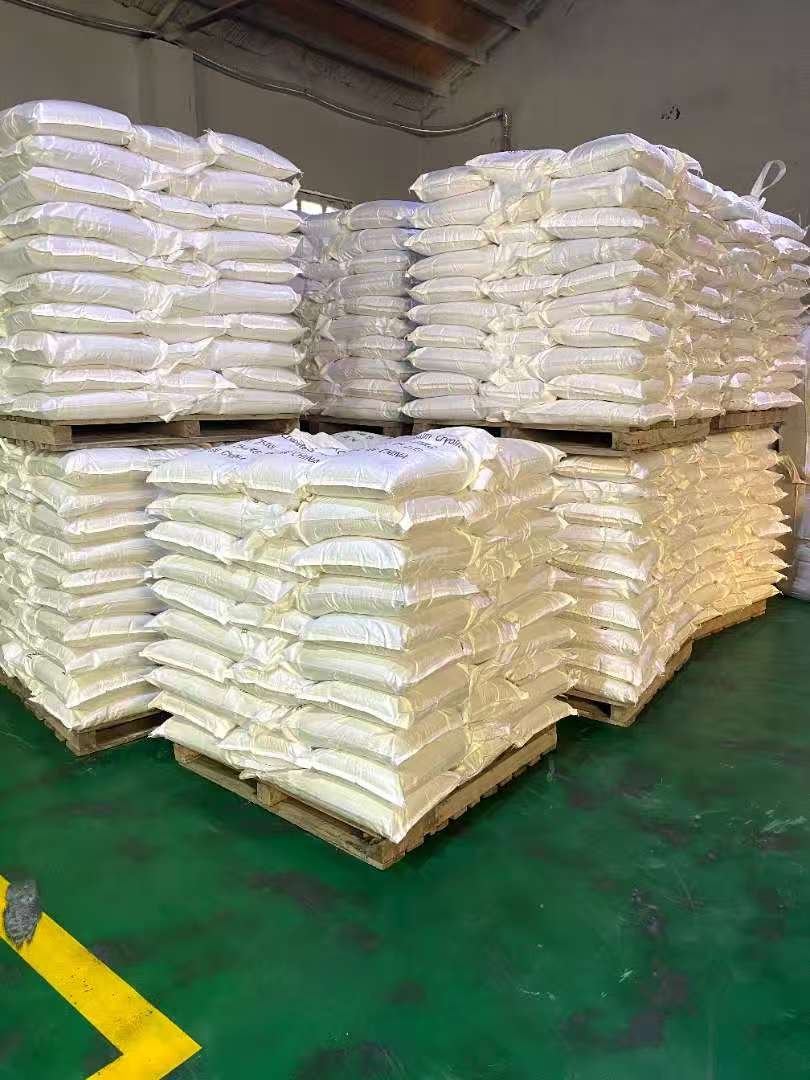
If you are specifying PAF for a brazing line, the fastest way to validate the grade and particle size is a sample run on your own equipment. Send your required grade, size range and annual volume, and Sumetech will confirm availability, lead time and pricing.
Email: info@sumetech.com | WhatsApp / Tel: +86 13805218959 | Website: www.sumetech.com
Download the full product catalogue: Catalog of Sumetech 2026 (PDF)
Sumetech Industry Co., Ltd — 206, Rundong Garden, Huangji, Tongshan, Xuzhou, China.