
Boron Nitride Coating vs. Ceramic Sintering Aids: A High-Temperature Decision
Quick answer: Choose a boron nitride coating when the process problem is sticking, release, or contamination at the tool or workpiece surface at high temperature. Choose a ceramic sintering aid when the process problem is in the ceramic or glass body itself, such as the need to lower sintering temperature or modify glaze and glass properties. They are not interchangeable materials. The right head-to-head decision starts with the failure location: surface or bulk.

Boron nitride is a ceramic material with a graphite-like structure; it is supplied in powder, granular, coating, and paint forms.
Problem Definition: The Wrong Comparison Can Hide the Real Failure
In ceramic sintering, two different problems often appear at the same time. The first is surface contact: workpieces stick to fixtures, graphite plates, molds, or conveying components, and cleaning or replacement interrupts the process. The second is bulk chemistry: the ceramic or glass body may need a flux or sintering aid to lower its sintering temperature or to modify glaze and glass properties. A boron nitride coating and a ceramic sintering aid address different locations in the process. One is a surface release layer. The other is an additive used inside the ceramic or glass formulation.
That difference matters at the awareness and research stage. A buyer who compares only material names can select a coating for a body-chemistry problem, or select a sintering aid for a sticking problem. The result is a trial that fails for the wrong reason. A more reliable decision rule is to define the problem first: Is the failure at the interface between the hot material and the tooling, or is it inside the ceramic or glass body? If the failure is at the interface, evaluate a boron nitride coating. If the failure is in the body, evaluate a ceramic sintering aid.
This article uses potassium fluoroaluminate (PAF) flux as the documented ceramic sintering aid example because the supplied corpus states that PAF is used as a flux and opacifier in ceramics and glass manufacturing to lower sintering temperatures, improve glaze texture, and enhance the heat resistance and corrosion resistance of glass. The boron nitride side is represented by high-purity boron nitride coating, also called BN coating, a ceramic coating used as an anti-stick coating for die casting operations.
Industry Background: Why Boron Nitride Coatings Matter in High-Temperature Ceramics
Boron nitride is a ceramic material with a graphite-like structure. It is available in powder, granular, coating, and paint forms. In coating form, it is classified as a high-temperature boron nitride coating and a boron nitride ceramic coating. Its documented functions include high-temperature release, anti-stick behavior, low friction, chemical inertness, non-wetting behavior against most molten metals and chemicals, and corrosion resistance to molten metals and acids.
Market context explains why the decision receives attention. Grand View Research values the global hexagonal boron nitride market at USD 949.4 million in 2024. Asia Pacific held a 40.6% revenue share in that year, and China accounted for 41.1% of the Asia Pacific region. Dataintelo values the global boron nitride coatings market at USD 2.8 billion in 2025. Grand View Research also reports that paint coatings were the largest application segment for hexagonal boron nitride in 2024, with a 32.8% share. These figures are market context, not a price benchmark for a specific grade or order.
Compliance is part of the background. Boron nitride is compliant with EU REACH (Regulation EC 1907/2006) as a substance used in industrial applications. That statement applies to boron nitride as a substance; final coating formulations and local requirements should still be confirmed with the supplier before purchase.
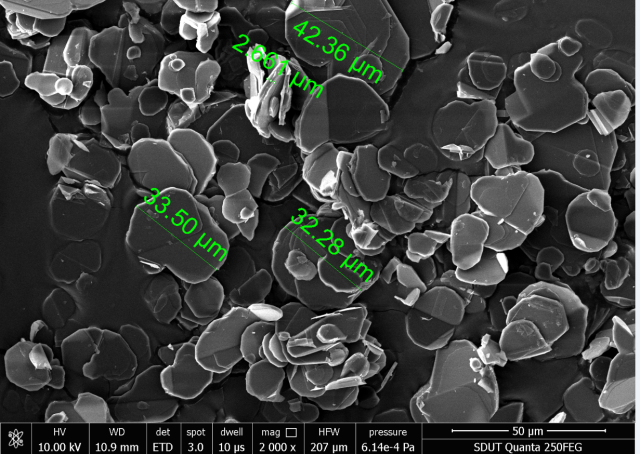
Boron nitride is available in several product forms; the selected form must match the application method and the process temperature.
What Each Option Actually Does
Boron Nitride Coating: A Surface Release and High-Temperature Lubricant Layer
A boron nitride coating is applied to a surface. Its job is to reduce sticking and friction at that surface, not to change the chemistry of the ceramic body. The coating is described as a high-purity boron nitride coating with a maximum purity of 99.9%. Its maximum working temperature is 900°C in air and above 2000°C in inert gas. It has a graphite-like structure that provides low friction and high-temperature release properties. It is chemically inert and corrosion-resistant to molten metals and acids, and it exhibits non-wetting behavior against most molten metals and chemicals.
Those properties make BN coating a candidate for molds, troughs, ladles, glass-forming molds, and coated graphite plates used in sintering and heat treatment. In die casting, the coating is described as an anti-stick coating for die casting operations. In sintering and heat treatment, BN-coated graphite plates are used to prevent carbon contamination and bonding between workpieces and fixtures during powder sintering. The coating is applied with a brush or a spraying machine. Storage requirements are specific: keep it dry and sealed, and use it before the expiration date.
Ceramic Sintering Aids: Bulk Additives That Change the Ceramic Body
A ceramic sintering aid is used inside the ceramic or glass formulation. It is not a release layer. In the supplied data, PAF is documented as a flux and opacifier for ceramics and glass manufacturing. Its functions are to lower sintering temperatures, improve glaze texture, and enhance the heat resistance and corrosion resistance of glass. PAF is available in granular and powder forms. The application scenario lists mixing machines, hot press molding dies, and curing ovens as matched equipment. Storage guidance is to keep it in a dry, well-ventilated place.
The distinction is practical. A BN coating can prevent a workpiece from sticking to a fixture, but it is not used to lower the sintering temperature of the ceramic body. A PAF flux can help lower sintering temperature or modify glaze and glass properties, but it is not described as an anti-stick coating for tooling. The two options can be evaluated together when a process has both a surface release requirement and a bulk flux requirement, but the interaction should be validated with a trial rather than assumed.
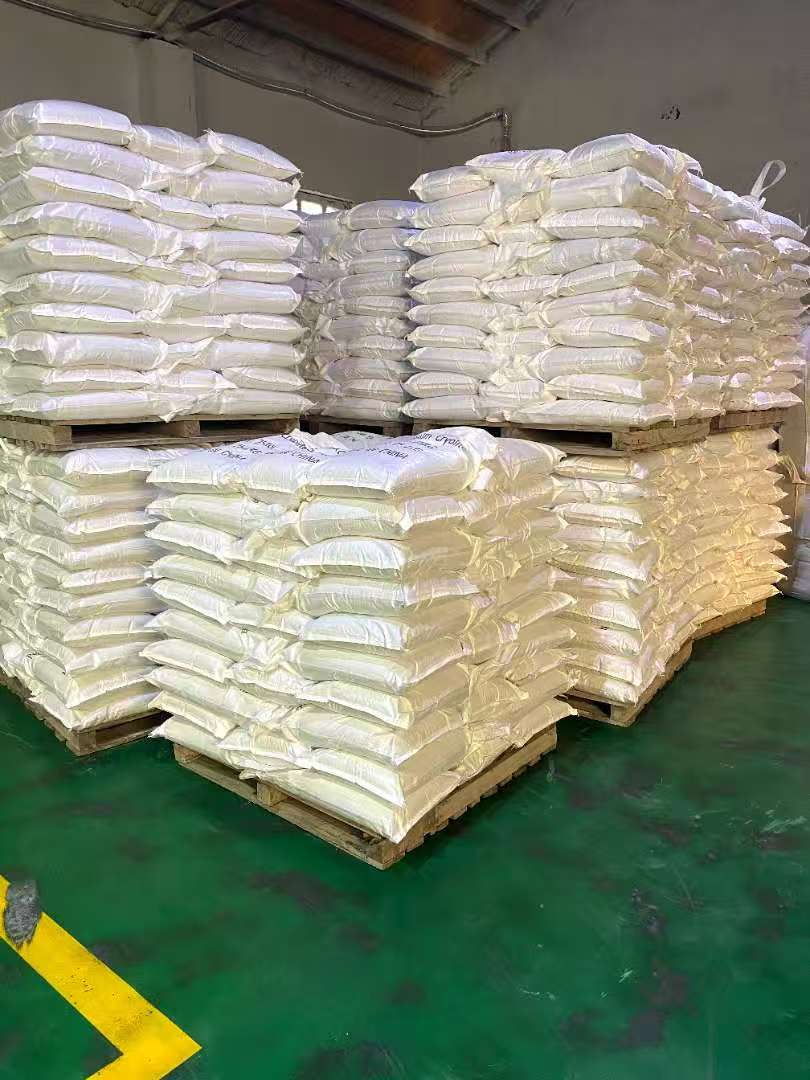
Finished potassium fluoroaluminate (PAF), documented as a flux and opacifier used in ceramics and glass manufacturing.
Detailed Solution: A Head-to-Head Decision Framework
Sumetech Industry Co., Ltd is a manufacturer of potassium aluminium fluoride and boron nitride products. The company was established in 2019, operates a 6,000 m² facility, and has an annual production capacity of 5,000 metric tons. It serves markets including Turkey, Japan, Korea, and Europe, and approximately 90% of its products are exported. For a buyer comparing BN coating with a ceramic sintering aid, the supplier question is secondary to the process question, but it still matters: the selected grade, form, and support must match the application.
1. Match the Option to the Failure Location
Start with the physical location of the failure. If molten metal, glass, or a workpiece sticks to a mold, trough, ladle, or graphite plate, the problem is at the surface. A boron nitride coating is the relevant option to evaluate. If the ceramic body does not reach the required densification at the target temperature, or if the glaze or glass property needs adjustment, the problem is in the bulk formulation. A ceramic sintering aid such as PAF is the relevant option to evaluate.
2. Check Temperature and Atmosphere
For BN coating, confirm the actual service temperature and atmosphere. The documented maximum working temperature is 900°C in air and above 2000°C in inert gas. A process that exceeds the air limit without inert gas protection is outside the documented range. For a ceramic sintering aid, the supplied data does not state a maximum working temperature; the grade and addition level should be confirmed with the supplier for the specific ceramic or glass process.
3. Check Chemical Contact
BN coating is chemically inert and corrosion-resistant to molten metals and acids, and it is non-wetting against most molten metals and chemicals. That is relevant for aluminum, magnesium, and zinc casting, glass forming, and sintering fixtures. For PAF, the documented role is flux and opacifier in ceramics and glass manufacturing. The exact chemical interaction depends on the formulation, so the addition level and compatibility should be confirmed before production.
4. Confirm Form and Application Method
BN is available as powder, granular, coating, and paint. The coating form is applied by brush or spraying machine. If the process requires a sprayable release layer, confirm the coating grade and application procedure. PAF is available in granular and powder forms and is associated with mixing machines, hot press molding dies, and curing ovens in the supplied application scenario. The delivery form must match the dosing and mixing method.
5. Validate with a Sample Before Scaling
A sample trial should reproduce the real interface or body chemistry. For BN coating, test the actual substrate, surface preparation, application method, temperature, atmosphere, and storage condition. For PAF, test the actual ceramic or glass formulation, addition level, mixing method, and firing profile. A trial lot is more informative than a material datasheet alone because it reveals whether the selected option changes the failure mode.
6. Check Compliance and Storage
Boron nitride is compliant with EU REACH (Regulation EC 1907/2006) as a substance used in industrial applications. BN coating must be kept dry and sealed and used before the expiration date. PAF should be stored in a dry, well-ventilated place. If the final product is exported to the European Union or another regulated market, confirm the final formulation and documentation with the supplier.
7. Plan Supply Around the Real Consumption Mode
A coating and a sintering aid are consumed differently. A BN coating is applied to a surface and may be reapplied as the layer wears. A sintering aid is dosed into the ceramic or glass body and consumed in the batch. The buyer should estimate consumption by application cycle, not by material weight alone. Sumetech states that it maintains raw material inventories on-site to support uninterrupted production, urgent orders, and large-volume project demands. The supplied data does not state fixed lead times, so schedule confirmation is required.
Step-by-Step Breakdown for a Buyer
- Define the failure. Record whether the problem is sticking at the tooling interface, carbon contamination from graphite fixtures, incomplete sintering in the body, or a glaze/glass property issue.
- Select the intervention point. Use BN coating for surface release and high-temperature lubrication. Use a ceramic sintering aid such as PAF for bulk fluxing and sintering-temperature reduction.
- Confirm the temperature and atmosphere. Compare the process temperature with the BN coating limits: 900°C in air and above 2000°C in inert gas. For PAF, confirm the suitable grade and addition level with the supplier.
- Check chemical compatibility. Confirm contact with molten metals, glass, acids, or other process chemicals. BN coating is chemically inert and corrosion-resistant to molten metals and acids; PAF behavior depends on the ceramic or glass formulation.
- Choose the form and application method. For BN, select powder, granular, coating, or paint, and confirm brush or spraying machine application. For PAF, select granular or powder and confirm mixing, pressing, and curing equipment.
- Run a sample trial. Test the actual substrate or body formulation, the real temperature profile, and the production application method. Compare the failure rate, surface quality, and cleaning interval before and after the trial.
- Confirm compliance, storage, and supply. Check REACH status for boron nitride, storage requirements for both materials, and the supplier's schedule for the required grade and volume.
Use Cases: Where Each Choice Fits
Boron Nitride Coating Fits When the Problem Is at the Surface
- Die casting and foundry release: BN coating is described as an anti-stick coating for die casting operations and is used on molds, troughs, and ladles for aluminum, magnesium, and zinc alloys to support easy release and improve casting surface quality.
- Glass forming: BN coating is used as a release coating on glass-forming molds to reduce surface defects and cleaning downtime.
- Sintering and heat treatment: BN-coated graphite plates prevent carbon contamination and bonding between workpieces and fixtures during powder sintering.
- High-temperature lubrication: The graphite-like structure provides low friction and high-temperature release properties.
- Precision casting, horizontal continuous casting, and amorphous ribbon: These are listed applications for boron nitride products, where high-temperature stability and release behavior are relevant.
- Electronics and thermal management: Boron nitride has a low dielectric constant and is thermally conductive, which supports its use in electrical insulation and thermal management applications.
Ceramic Sintering Aid Fits When the Problem Is in the Body
- Ceramics and glass manufacturing: PAF is used as a flux and opacifier to lower sintering temperatures, improve glaze texture, and enhance the heat resistance and corrosion resistance of glass.
- Formulation adjustment: When the ceramic or glass body needs a fluxing function rather than a surface release layer, a sintering aid is the relevant material to evaluate.
- Combined processes: If a process has both a body-chemistry requirement and a surface release requirement, evaluate the sintering aid and the BN coating separately, then validate the combination in a trial.
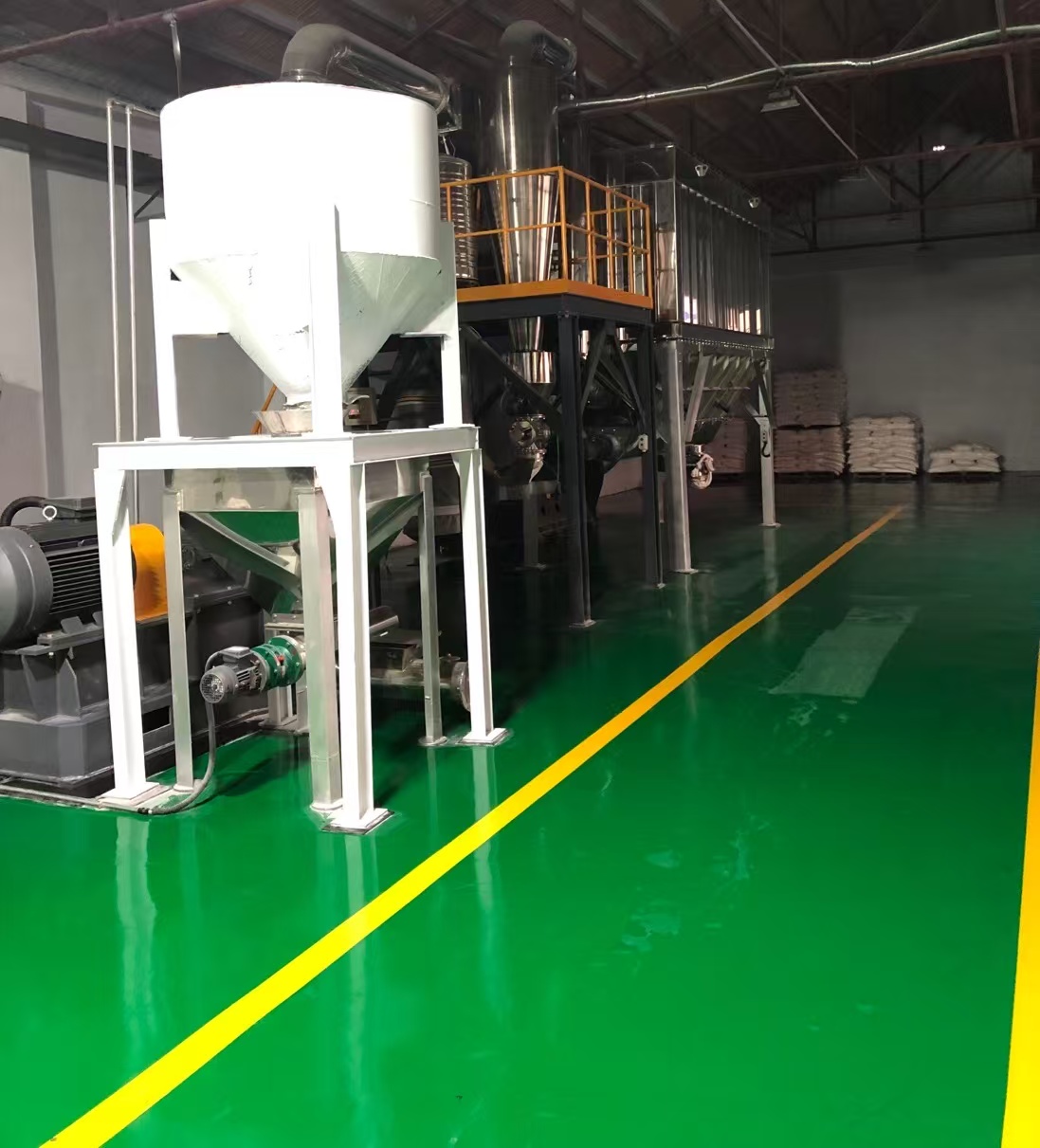
Sieving and classification equipment supports narrow particle size distributions and consistent product form.
Comparison Table: Boron Nitride Coating vs. Ceramic Sintering Aid
| Factor | Boron nitride coating | Ceramic sintering aid (PAF flux example) |
|---|---|---|
| Product identity | High-purity boron nitride coating; also called BN coating; boron nitride ceramic coating; anti-stick coating for die casting operations. | Potassium fluoroaluminate (PAF) flux and opacifier used in ceramics and glass manufacturing. |
| Primary documented function | Surface release, anti-stick behavior, high-temperature lubrication, low friction, non-wetting behavior. | Flux and opacifier; lowers sintering temperatures; improves glaze texture; enhances heat resistance and corrosion resistance of glass. |
| Where it is used | Molds, troughs, ladles, glass-forming molds, and coated graphite plates for sintering and heat treatment. | In ceramics and glass manufacturing, as an additive in the ceramic or glass body. |
| Maximum working temperature | 900°C in air; above 2000°C in inert gas. | Not stated in supplied data. |
| Maximum purity | 99.9%. | Not stated in supplied data. |
| Chemical behavior | Chemically inert; corrosion-resistant to molten metals and acids; non-wetting against most molten metals and chemicals. | Documented as a flux and opacifier; release behavior is not stated. |
| Available forms | Powder, granular, coating, and paint. | Granular and powder. |
| Application equipment | Brush or spraying machine. | Mixing machine, hot press molding die, and curing oven in the supplied application scenario. |
| Compliance | Boron nitride is compliant with EU REACH (Regulation EC 1907/2006) as a substance used in industrial applications. | Not stated in supplied data. |
| Storage | Keep dry and sealed; use before the expiration date. | Store in a dry, well-ventilated place. |
Table note: The PAF column reflects the supplied application data for potassium fluoroaluminate as a ceramic and glass flux/opacifier. It is not a claim that PAF and BN coating are direct substitutes. The buyer should match the material to the failure location and validate with a sample.
Limits and Trade-Offs
Boron nitride coating has clear process limits. The maximum working temperature is 900°C in air, so an air-atmosphere process above that limit is outside the documented range. Above 2000°C, the documented condition is inert gas. The coating is a surface treatment and does not replace a bulk sintering aid when the ceramic body needs fluxing. It must be stored dry and sealed and used before the expiration date.
A ceramic sintering aid also has limits. PAF is documented as a flux and opacifier for ceramics and glass, not as an anti-stick coating for molds or graphite fixtures. Its use changes the body formulation, so the addition level and compatibility must be confirmed. The supplied data does not state a maximum working temperature or purity for PAF, so those points require supplier confirmation. A sintering aid will not solve a surface sticking problem if the tooling interface remains unprotected.
The trade-off is therefore not simply cost per kilogram. A BN coating is evaluated by surface coverage, reapplication cycle, release performance, and contamination control. A ceramic sintering aid is evaluated by dosage, sintering temperature reduction, glaze or glass property, and body compatibility. Comparing the two by price alone can hide the different consumption modes and the different failure mechanisms they address.
FAQ
Is boron nitride coating compliant with EU REACH?
Boron nitride is compliant with EU REACH (Regulation EC 1907/2006) as a substance used in industrial applications, according to the supplied verified data. The final coating formulation and local requirements should still be confirmed with the supplier before purchase.
What maximum temperature can boron nitride coating withstand?
The maximum working temperature is 900°C in air and above 2000°C in inert gas. The maximum purity is 99.9%. These are material specifications; the actual service condition also depends on the substrate, atmosphere, and application method.
How should I compare budget for a BN coating and a ceramic sintering aid?
The supplied data does not provide price figures. Compare budget by function and consumption mode: a sintering aid such as PAF is used as a flux and opacifier in the ceramic or glass body to lower sintering temperatures, while a BN coating is applied to a surface as an anti-stick release layer. Request a quotation for the exact form, purity, and volume.
What sample should I test before choosing?
Test the actual form and application method. BN is available as powder, granular, coating, and paint, and can be applied by brush or spraying machine. A trial should match the substrate, temperature, atmosphere, and storage requirements. Sumetech states that trial lots are available and that particle size, morphology, purity, and packaging can be customized.
What lead time should I expect from Sumetech?
The supplied data does not state fixed lead times. Sumetech Industry Co., Ltd states that it maintains raw material inventories on-site to support uninterrupted production and urgent orders, and that it can scale output for large-volume project demands. Confirm the schedule for your grade and volume. To move forward, contact info@sumetech.com or download the catalog.
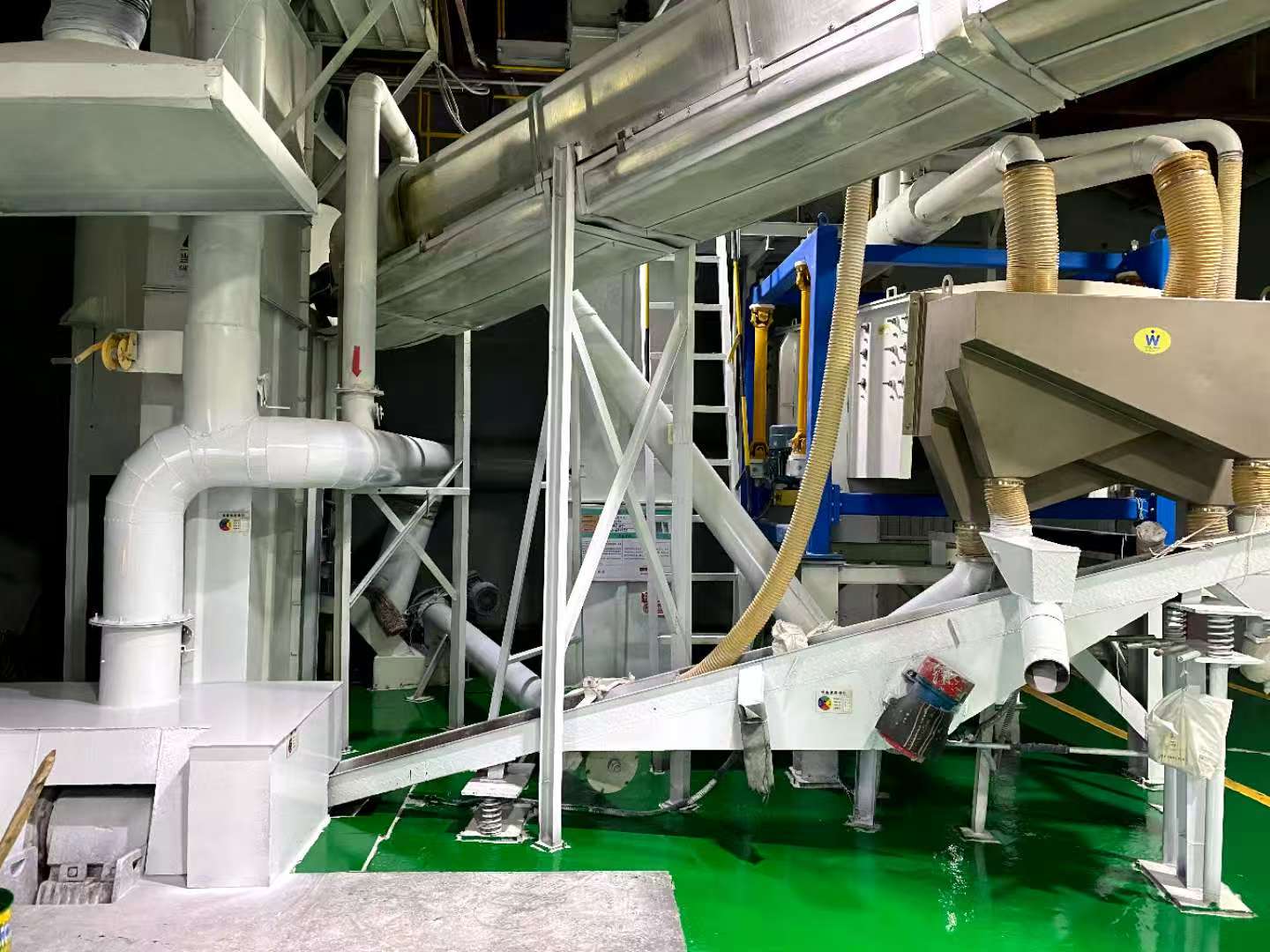
Custom particle size, morphology, purity, and packaging are available; request the catalog for boron nitride and PAF specifications.
Next Step: Match the Material to the Failure Location
If the problem is sticking, release, or contamination at a high-temperature surface, evaluate a boron nitride coating. If the problem is sintering temperature or glass/glaze chemistry inside the body, evaluate a ceramic sintering aid such as PAF. Sumetech Industry Co., Ltd supplies boron nitride products and potassium aluminium fluoride, and can discuss the grade, form, sample, and quotation for the specific process.
Contact: info@sumetech.com | Tel/WhatsApp: +86 13805218959 | Website: www.sumetech.com
Download the 2026 catalog: Sumetech Catalog 2026
Conclusion
The head-to-head decision between boron nitride coating and ceramic sintering aids is not a choice between two versions of the same product. BN coating is a surface solution for high-temperature release, anti-stick behavior, and lubrication. It is documented at 900°C in air and above 2000°C in inert gas, with a maximum purity of 99.9%. A ceramic sintering aid such as PAF is a bulk additive for ceramics and glass manufacturing, documented as a flux and opacifier that lowers sintering temperatures and improves glaze and glass properties.
Choose BN coating when the failure is at the interface. Choose a ceramic sintering aid when the failure is in the body. If both problems exist, evaluate both materials separately and validate the combination with a sample trial. That approach keeps the decision tied to the process, not to a generic material preference.
Sumetech Industry Co., Ltd is a manufacturer of potassium aluminium fluoride and boron nitride products. The company was established in 2019, operates a 6,000 m² facility, has an annual production capacity of 5,000 metric tons, employs approximately 20 staff, and has an R&D team of 5 technicians. Its markets include Turkey, Japan, Korea, and Europe, and approximately 90% of its products are exported. The supplied verified data also states that its laboratory has passed CMA and CNAS accreditation.
Have Questions or Need More Details?
Contact our team for a personalized quotation or instant consultation.
Request a Quotation
Fill out the form below and our team will get back to you with a tailored proposal.
WhatsApp Direct Chat
Prefer to chat in real-time? Message us on WhatsApp for instant assistance & quick answers.
- Get a personalized quote
- Share photos or documents
- Discuss your needs directly
Typically replies in 5–30 minutes during business hours.