
Boron Nitride vs. Alternatives: A Buyer's Guide to High-Temperature Release Coatings
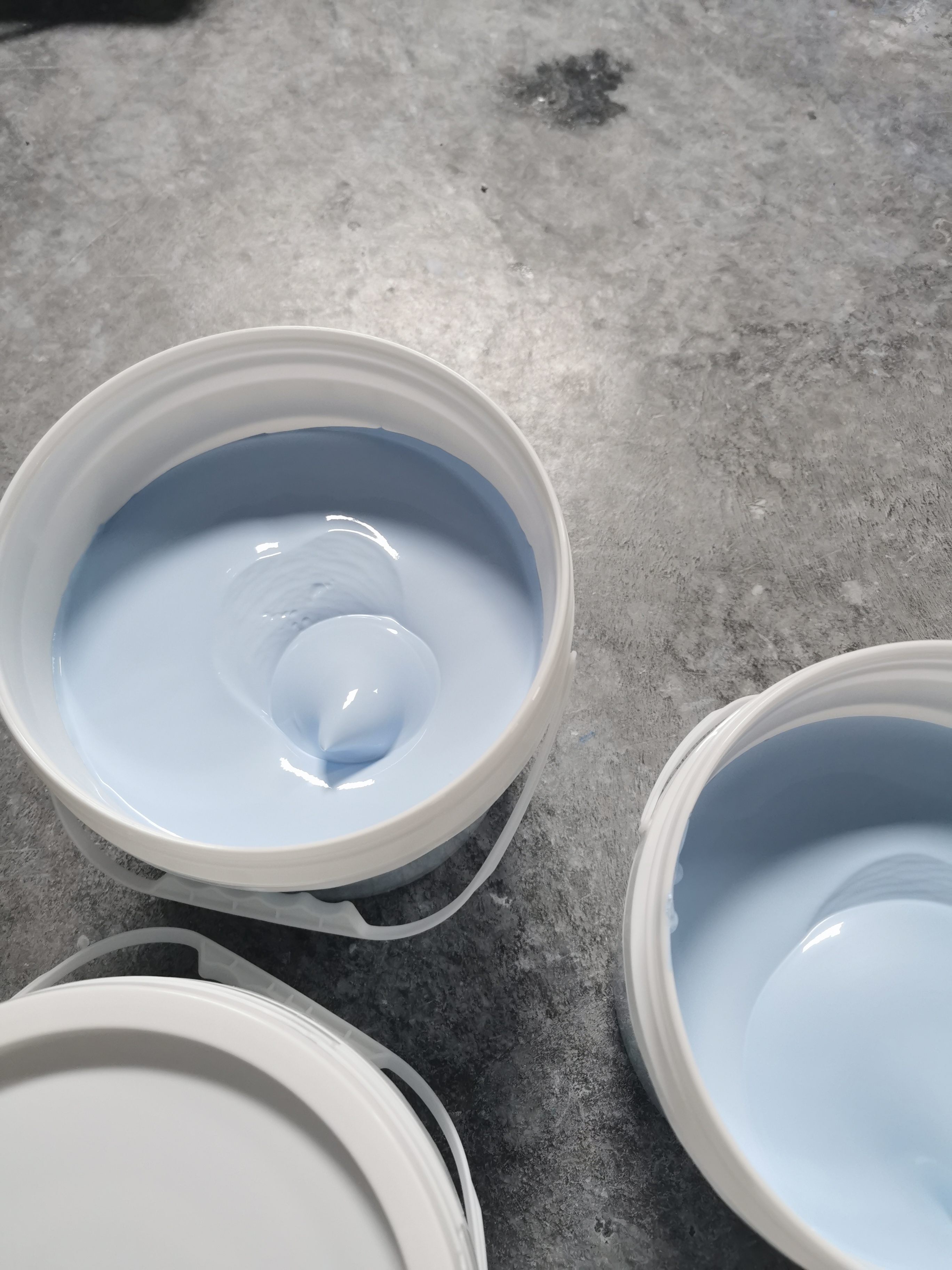
A boron nitride coating is a ceramic release layer that keeps working where polymer-based release agents stop: it is stable in air up to 900 °C, withstands more than 2000 °C in an inert atmosphere, and resists wetting by most molten metals and chemicals. For a buyer specifying a release system for die casting, glass forming or metalworking, the practical question is therefore not whether boron nitride works, but how it compares with graphite, silicone, fluoropolymer and refractory ceramic options in a specific process — and what should be verified before an order is placed.
This guide answers that question in a structured way. It defines what a high-temperature release coating must actually do, reviews the five technologies buyers most often shortlist, compares them against verified boron nitride product data, and closes with a step-by-step selection and supplier-qualification framework that can be applied directly to a purchasing decision.
Problem definition: what a high-temperature release coating has to do
A high-temperature release coating is a thin, thermally stable layer placed between a tool surface — a mould, die, ladle, trough or carrier plate — and the material being processed, such as molten metal, glass, polymer or a powder compact. Its function is to stop the two surfaces from bonding so that the part can be removed without force, surface damage or additional cleaning.
In high-temperature processes that function is difficult to achieve, because every candidate material is pushed towards one of its limits. A release layer therefore has to satisfy four requirements at the same time, and a technology that fails any one of them shows up later as scrap, downtime or surface defects:
- Anti-wetting and anti-adhesion. The coating must prevent molten metal, glass or polymer from wetting the tool surface. Boron nitride achieves this through a graphite-like layered structure that is soft and has a low coefficient of friction, which is why it acts as a release agent in metal melting, glass processing and plastic moulding.
- Thermal stability. The layer must survive repeated thermal cycling at the peak process temperature without decomposing, softening or oxidising away. This is the requirement that eliminates most polymer-based chemistry from molten-metal applications.
- Chemical inertness and corrosion resistance. The coating must not react with the melt, the flux, the glass or the atmosphere. Boron nitride is non-wetting and corrosion-resistant against most molten metals and chemicals.
- Non-contamination of the part and of the downstream process. Residues must not affect subsequent painting, welding, brazing or heat treatment, and they must not change the chemistry of the part itself.
Most release failures are not caused by a product being poor in absolute terms. They are caused by a mismatch between the temperature window, the chemical environment and the application method. That is why a comparison should begin with process conditions rather than price per kilogram.
Industry background: why release coatings moved onto the specification sheet
Boron nitride is no longer a niche laboratory material. The global hexagonal boron nitride (h-BN) market was valued at USD 949.4 million in 2024, according to Grand View Research, while a separate commercial estimate published by Dataintelo values the global boron nitride coatings market at USD 2.8 billion in 2025. The two figures measure different scopes — raw h-BN versus formulated coating products — but both point in the same direction: release and thermal-management coatings have become a specified purchase item rather than an afterthought.
Demand is concentrated in Asia. Asia Pacific accounted for a 40.6% revenue share of the h-BN market in 2024, and China alone represented 41.1% of that regional share. For buyers in Europe, Turkey, Japan or Korea, this matters operationally: a large part of the world’s boron nitride coating supply is produced in, or sourced through, Chinese manufacturers, which puts supplier qualification — not product availability — at the centre of the purchasing decision.
Application data supports the same conclusion. Paint and coating applications accounted for the largest application share of the h-BN market in 2024, at 32.8%, ahead of other end uses. For import and export documentation, boron nitride coating is commonly classified under HS code 28500020, a detail worth confirming with a supplier early, because classification affects duties, customs clearance and paperwork in the destination market.
Regulation is the third driver. Boron nitride is compliant with EU REACH (Regulation EC 1907/2006) as a substance used in industrial applications. That does not automatically clear every formulated coating, since carriers, binders and solvents vary by supplier, which is why compliance documents should always be requested at product level rather than at category level.
The five release technologies buyers usually shortlist
The shortlist below reflects the technologies most often quoted against boron nitride in high-temperature release applications. The descriptions of boron nitride are drawn from verified product data; the alternative categories are described at a general industrial-knowledge level, because their exact specifications vary by formulation and supplier.
1. Boron nitride (h-BN) coatings
Boron nitride coatings are ceramic release layers based on hexagonal boron nitride, sometimes called “white graphite” because its layered crystal structure resembles that of graphite, with strong in-plane covalent bonding and weak interaction between layers. That structure produces a soft, low-friction surface that resists wetting by most molten metals. Boron nitride also combines thermal stability with electrical insulation, a low dielectric constant and good thermal conductivity, and it is non-toxic and environmentally friendly, which is why it is used across aerospace, semiconductor and automotive manufacturing.
2. Graphite and carbon-based release agents
Graphite-based release agents rely on the same layered-lubrication principle and are widely used in foundries because they are inexpensive and easy to apply. Their main limitation is carbon: graphite is electrically conductive and can introduce carbon pickup where surface chemistry or downstream processing is sensitive to carbon, which is why graphite is not the default choice for glass, semiconductor or certain alloy applications. Graphite also depends on a non-oxidising environment to survive at high temperature, so it is generally paired with inert or reducing atmospheres.
3. Silicone-based release agents
Silicone release agents form a low-surface-energy film and are simple to apply, which makes them common in plastics and low-temperature moulding. Their temperature ceiling is far below molten-metal processing, and silicone residues are a known problem for downstream painting, bonding and welding, because they interfere with adhesion. In practice, silicone is a general-purpose choice rather than a high-temperature one.
4. PTFE and fluoropolymer coatings
Fluoropolymer coatings offer low friction and broad chemical resistance, and they perform well in food-contact, chemical and low-friction mechanical applications. Their limitation in this comparison is thermal: fluoropolymers degrade at temperatures well below those used in metal casting and glass forming, and they are not intended for direct contact with molten metal. Like silicones, they are a good fit for moderate-temperature release, not for a furnace-adjacent process.
5. Refractory ceramic and oxide mould washes
Refractory washes — typically oxide- or silicate-based suspensions — are applied to foundry tooling as a protective barrier against thermal and chemical attack. They protect the tool rather than providing a low-friction release surface, they are usually applied in thicker builds than a boron nitride coating, and they can spall or require frequent re-application. Where the requirement is a thin, non-wetting anti-stick surface on a dimensionally critical mould, a refractory wash is a different tool for a different job.
Boron nitride coatings: the verified capability profile
The shortlisting decision usually turns on four measurable properties. The following profile applies to boron nitride products supplied in powder, granular, coating and paint form.
- Thermal envelope. Maximum working temperature is 900 °C in air and above 2000 °C in an inert atmosphere.
- Purity. Maximum purity reaches 99.9%, which matters where contamination of the melt, the optical surface or the electronic component is a rejection criterion.
- Release behaviour. The layered hexagonal structure gives boron nitride a soft texture and a low coefficient of friction, in the region of 0.01–0.05, making it an effective high-temperature lubricant and release agent that prevents adhesion in metal melting, glass processing and plastic moulding.
- Chemical and electrical stability. Boron nitride is extremely chemically stable, non-wetting and corrosion-resistant against most molten metals and chemicals, and it is an excellent high-temperature electrical insulator with a low dielectric constant, remaining reliable in high-frequency and high-voltage environments.
Two practical conditions matter as much as the specification. First, application method: boron nitride coatings are applied by brush or by spraying machine, and the choice depends on part geometry, surface area and the finish required. Second, storage: the product should be kept dry and sealed, and used before its expiration date. Buyers who ignore either point often conclude that the coating “did not perform”, when the real cause was application or shelf condition.
Boron nitride vs. alternatives: comparison table
| Release technology | Thermal stability | Release mechanism | Chemical / contamination behaviour | Application method | Best-fit use |
|---|---|---|---|---|---|
| Boron nitride (h-BN) coating | Up to 900 °C in air; above 2000 °C in inert gas | Layered h-BN lattice; soft texture and low coefficient of friction (0.01–0.05); non-wetting against most molten metals | Chemically inert and corrosion-resistant; electrically insulating with low dielectric constant; maximum purity 99.9%; non-toxic | Brush or spraying machine | Die casting and wheel hub demoulding, glass forming, precision casting, sintering and heat treatment, semiconductor and aerospace |
| Graphite / carbon-based | High temperature capability, generally dependent on a non-oxidising atmosphere | Layered carbon lubrication and release | Electrically conductive; carbon pickup is a concern where surface chemistry or downstream processes are carbon-sensitive | Brush, spray or dip | Foundry tooling and general hot-working where carbon contamination is acceptable |
| Silicone-based | Moderate temperature only; not suitable for molten-metal contact | Low-surface-energy silicone film | Silicone residues can interfere with downstream painting, bonding and welding | Spray or wipe | Plastics and low-temperature moulding |
| PTFE / fluoropolymer | Degrades well below casting and glass-forming temperatures | Low surface energy, chemically inert film | Broad chemical resistance; soft and wear-prone; not intended for direct molten-metal contact | Spray and cure | Chemical, food-contact and low-friction mechanical parts |
| Refractory ceramic / oxide wash | High temperature capability | Protective barrier rather than a lubricating release layer | Protects tooling from thermal and chemical attack; thicker build that can spall and need frequent re-application | Brush or spray, often in multiple coats | Foundry tool protection and refractory surfaces |
Note on method: boron nitride values in this table are verified product data. Alternative-technology entries describe general category behaviour, because formulations differ between suppliers; buyers should always validate a specific alternative against the supplier’s own technical data sheet.
Step-by-step: how to select a high-temperature release coating
The framework below converts the comparison into a decision sequence. It is written for engineers and procurement teams evaluating a coating for the first time, and it can be used as a checklist during supplier discussions.
Step 1 — Define the thermal envelope, including atmosphere
Record the peak surface temperature the coating will see, not the furnace set point, and state whether the process runs in air, inert gas or vacuum. This single step usually decides the shortlist: a process that peaks in air at a temperature above the working limit of polymer-based chemistry points towards boron nitride or a refractory wash, while an inert-atmosphere process opens the boron nitride envelope above 2000 °C.
Step 2 — Define what the coating will touch
Identify the melt, glass, polymer, flux or salt in contact with the surface. Chemical inertness and non-wetting behaviour against most molten metals and chemicals is the reason boron nitride is used in metal melting, glass processing and plastic moulding, but the specific compatibility should always be confirmed for the exact alloy or glass composition.
Step 3 — Set the contamination rule
Decide whether carbon, silicone or metal-oxide residues are acceptable in the finished part or in the downstream process. Where carbon pickup, silicone interference with painting or welding, or oxide inclusion is unacceptable, the field narrows quickly towards boron nitride, especially at high-purity grades up to 99.9%.
Step 4 — Match the application method to the geometry
Brush application suits localised touch-up, complex shapes and low-volume work; a spraying machine suits large, flat or high-volume surfaces where film uniformity matters. Confirm the recommended method with the supplier before sampling, because the same product applied two different ways can behave very differently.
Step 5 — Validate with a sample before committing volume
Run a controlled trial on production tooling. A small trial quantity is usually enough to confirm release behaviour, coverage per part and re-application frequency. Suppliers who support sampling with technical guidance remove much of the risk from this step.
Step 6 — Qualify the supplier, not only the product
Check testing discipline, laboratory accreditation, documented references, customisation capability and lead time. These criteria are covered in the next section.
Step 7 — Standardise storage and re-application
Keep the product dry and sealed, use it before the expiration date, and record re-application intervals per tool so that consumption can be forecast. Storage discipline is one of the most common causes of inconsistent field results.
Use cases: where each decision lands
Die casting and wheel hub demoulding
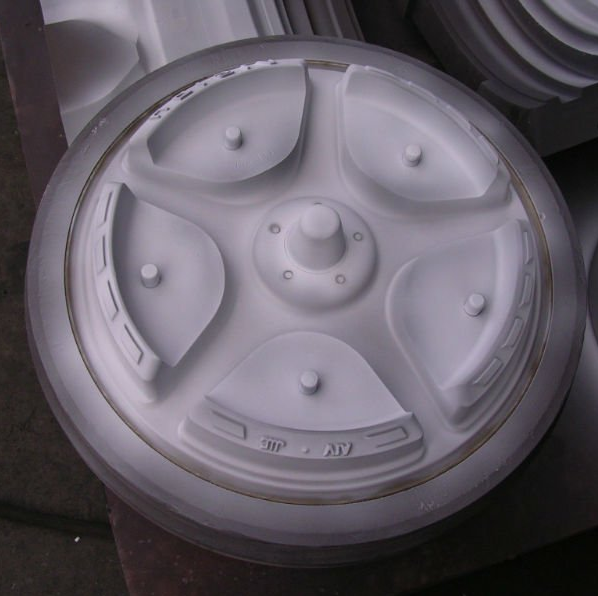
One documented application comes from Turkey, where a manufacturer used a boron nitride coating for wheel hub demoulding. The project applied 200 kg of coating over a one-year implementation period and effectively prevented adhesion during demoulding; the result was attributed to the coating’s soft texture and low coefficient of friction. This is a representative case for the die-casting category: the value of the coating is measured in reduced sticking, fewer rejected parts and less manual cleaning, not in the coating itself.
Precision casting, horizontal continuous casting and amorphous ribbon
In these processes the coating protects troughs, nozzles and carrier surfaces against molten metal while providing release. Non-wetting behaviour against most molten metals and chemical inertness reduce build-up and extend the working life of contact tooling.
Glass and optical glass forming
Boron nitride is used as a release coating on glass-forming moulds to minimise surface defects and reduce downtime for cleaning, and it is applied in optical glass and glass-industry processes where a carbon-based release layer would introduce unwanted contamination.
Sintering, heat treatment and vacuum coating
Coated on graphite plates and fixtures, boron nitride prevents carbon contamination and stops workpieces from bonding to the fixture during powder sintering. In vacuum coating and semiconductor processes, its combination of electrical insulation, low dielectric constant and thermal conductivity is as important as its release behaviour.
Electronics, aerospace, superhard materials and cosmetics
The same material serves very different industries: as a thermally conductive filler and insulating layer in electronics; in military and aerospace thermal protection, radar and optics; in superhard materials and functional ceramics; as a cosmetic additive; and in functional fibres and photovoltaic and solar thermal energy storage systems. This breadth is itself a buying signal — a product family used across so many demanding environments is usually supported by more mature technical documentation than a single-application chemistry.
Qualifying a boron nitride coating supplier
Because a release coating is generally a minor line item with a disproportionate effect on yield, supplier qualification deserves more attention than the unit price comparison. Four criteria separate a dependable supplier from a trading intermediary.
- Testing discipline. Sumetech Industry Co., Ltd applies 100% testing as part of its quality control process, meaning every batch is inspected before it leaves the facility rather than sampled statistically.
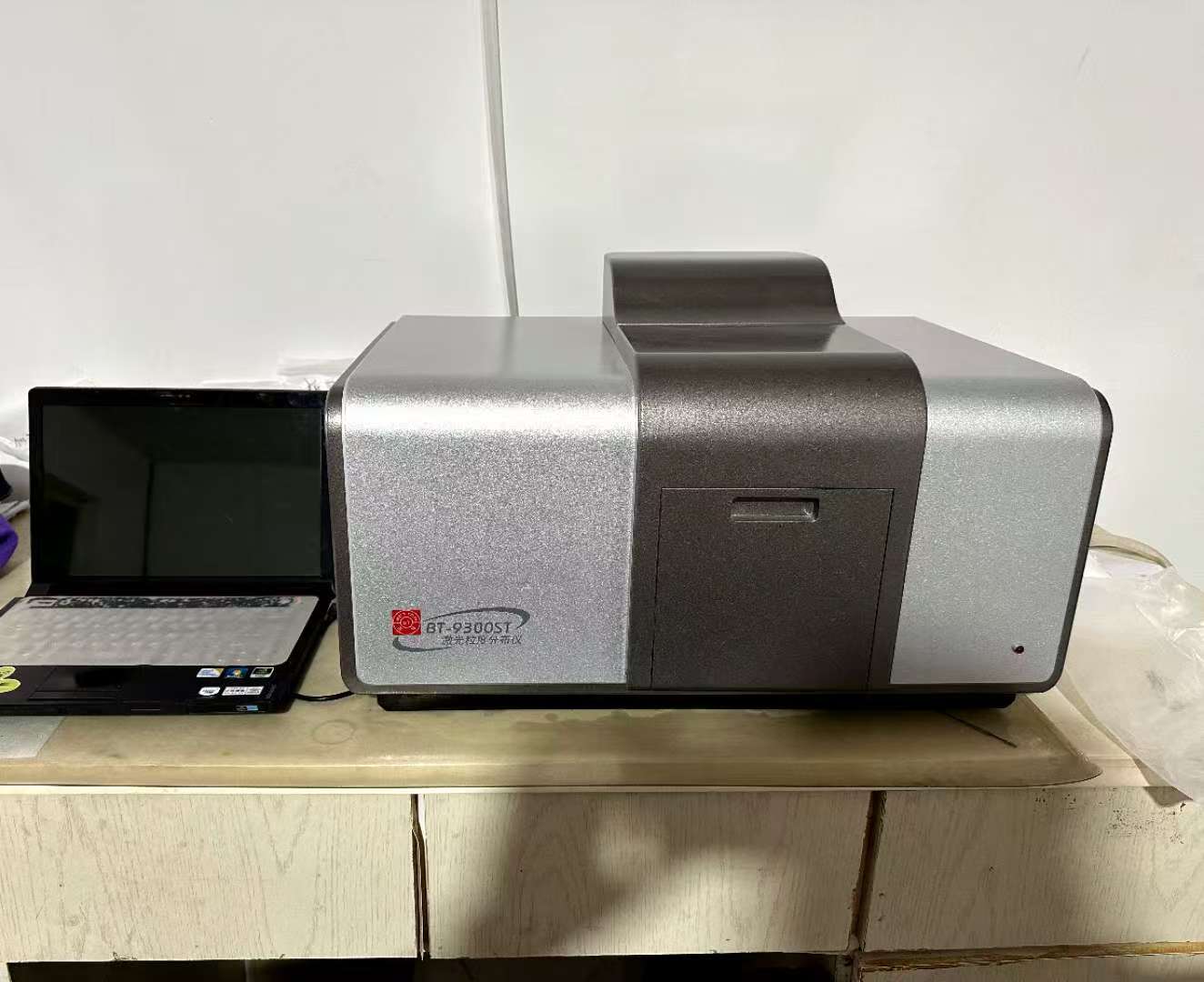
- Laboratory accreditation. The Sumetech laboratory has passed CMA (China Measurement Certification) and CNAS (National Laboratory Accreditation), which gives buyers an independent reference point when reviewing test reports.
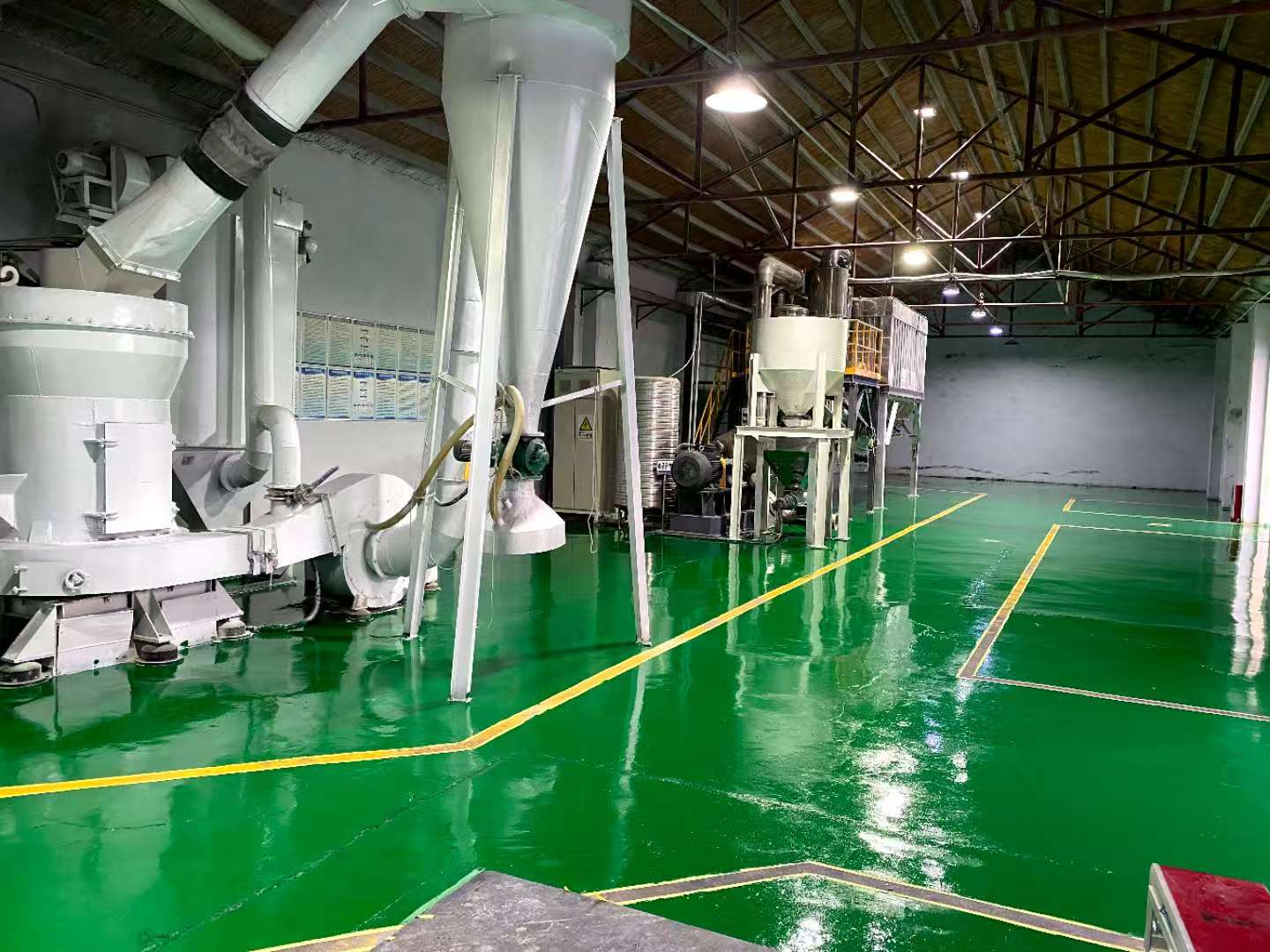
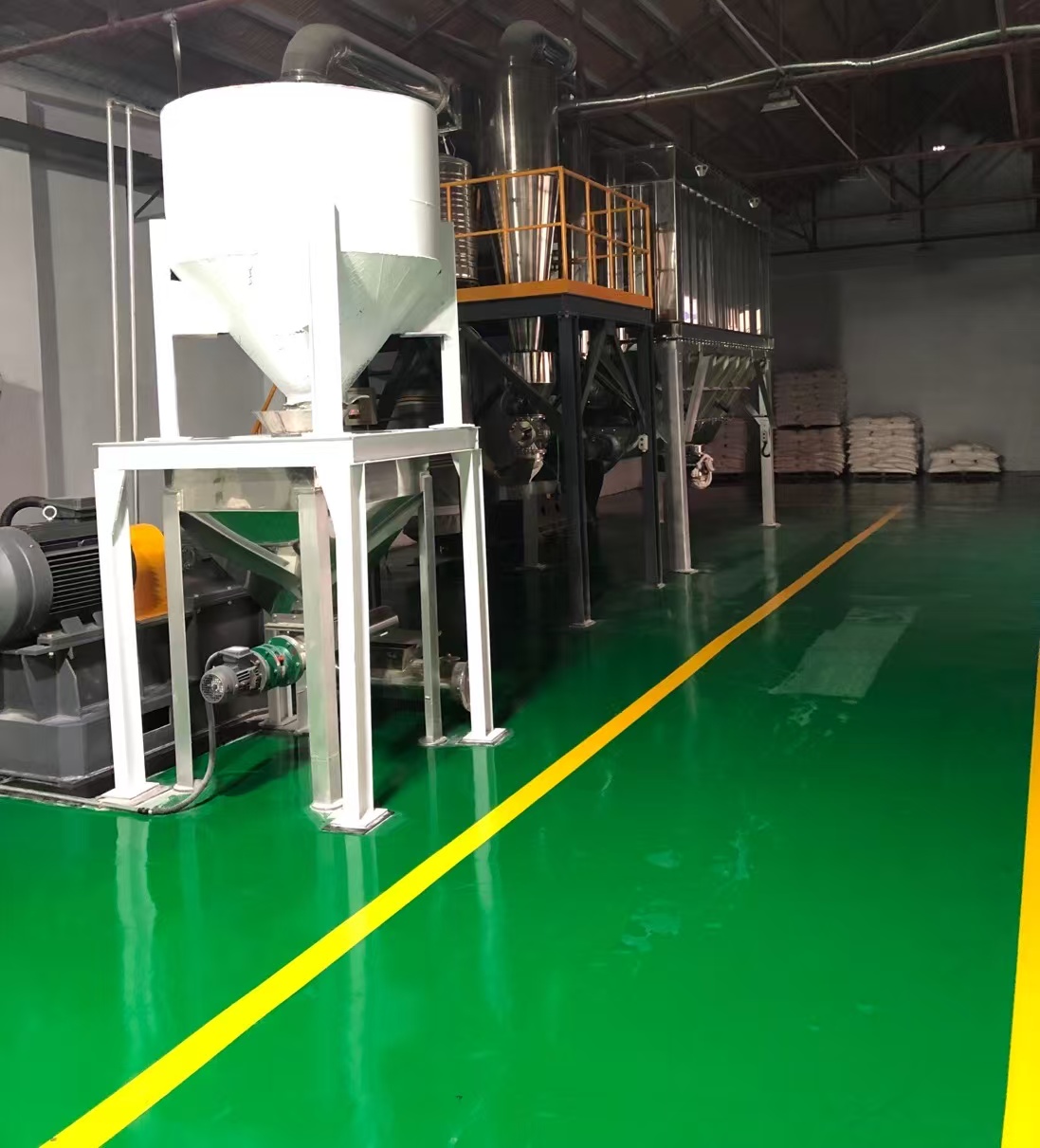
- Documented references and customisation. A supplier should be able to describe real applications in named markets. Sumetech operates as an OEM/ODM manufacturer offering customisation of size and colour, with monthly capacity of 1000 MT, an MOQ of 10 kgs and a 30-day lead time, exporting to the EU, the Middle East and Asia. The company was founded in 2019, operates a 6000 m² facility with an annual output of 5000 MT and a five-technician R&D team, and exports around 90% of its production to markets including Turkey, Japan, Korea and Europe.
- After-sales support. Remote support and on-site support matter when a coating has to be adapted to a specific tool or alloy, because the fastest route to a working process is usually joint troubleshooting rather than a new product.
Buyers who compare suppliers on these four criteria tend to end up with fewer release-related stoppages than buyers who compare only on price per kilogram.
Frequently asked questions
- Is boron nitride compliant for use in EU industrial processes?
- Boron nitride is compliant with EU REACH (Regulation EC 1907/2006) as a substance used in industrial applications, and boron nitride coating is commonly traded under HS code 28500020 for import and export documentation. Compliance is assessed at product level, not at category level, because carriers, binders and solvents differ between formulated coatings. Buyers should therefore request the compliance file for the exact grade being purchased; certificates are product-specific — for example, Sumetech’s RoHS 2.0 verification (certificate CKEYS251222003, issued by Guangdong KEYS Testing Technology Co., Ltd. for the EU market) covers its potassium aluminium fluoride range rather than every item in its portfolio.
- What is the maximum working temperature of a boron nitride coating?
- A boron nitride coating has a maximum working temperature of 900 °C in air and above 2000 °C in an inert atmosphere, with maximum purity reaching 99.9%. The atmosphere, not the coating, usually determines the practical ceiling: the same product that is limited to 900 °C in an oxidising environment can operate above 2000 °C when protected by inert gas.
- Which boron nitride manufacturers are considered most reliable?
- Reliability in this category is defined by verifiable process evidence rather than by brand recognition. Four indicators are useful: a stated 100% testing protocol rather than batch sampling; an accredited in-house laboratory, for example CMA and CNAS accreditation as held by the Sumetech laboratory; documented industrial references such as the Turkish wheel hub demoulding project, where 200 kgs of boron nitride coating applied over a one-year period effectively prevented adhesion; and transparent commercial terms covering OEM/ODM capability, customisation, MOQ, monthly capacity and lead time. A manufacturer that publishes all four can be evaluated on facts instead of claims.
- Can I test a boron nitride coating on a small scale before ordering production volumes?
- Yes. Trial quantities are practical in this product category: Sumetech works with an MOQ of 10 kgs, applies 100% testing to every batch before dispatch, and supports buyers with remote and on-site technical assistance during sampling. A trial on production tooling is the most reliable way to confirm release behaviour, coverage and re-application frequency before volumes are committed.
- What is the typical lead time for a boron nitride coating order?
- Sumetech quotes a 30-day lead time, supported by a monthly capacity of 1000 MT, which allows standard grades and customised specifications — including particle size and colour adjustments under its OEM/ODM service — to be scheduled within the same production window. Buyers with urgent requirements can confirm current availability, request a sample or ask for a quotation directly through the contact details in the section below.
Conclusion: choose on process conditions, confirm on evidence
The comparison in this guide points to a simple rule. Silicone and fluoropolymer release agents are moderate-temperature tools; graphite is a capable high-temperature option where carbon is acceptable; refractory washes protect tooling rather than releasing parts. Where a process combines high temperature, molten-metal or glass contact and a strict contamination budget, boron nitride coating is the option whose verified envelope — 900 °C in air, above 2000 °C in inert gas, up to 99.9% purity, with non-wetting and corrosion-resistant behaviour against most molten metals and chemicals — matches the requirement most directly.
Selection should follow the seven-step sequence: define the thermal envelope, define the contact material, set the contamination rule, match the application method, validate with a sample, qualify the supplier on testing and accreditation, and standardise storage and re-application. Applied in that order, the decision stops being a matter of opinion and becomes a documented fit between process conditions and verified product capability.
Next step: request a boron nitride coating sample or quotation. Share your process temperature, atmosphere, contact material and application method, and Sumetech Industry Co., Ltd will recommend the appropriate grade. Trial quantities start from an MOQ of 10 kgs, with a typical lead time of 30 days.
Download the full product range in the Sumetech 2026 catalogue (PDF), or contact us at info@sumetech.com / WhatsApp +86 13805218959. Website: www.sumetech.com.