Long-Term Potassium Aluminium Fluoride Partnerships: FAQ on Supply, Customization and Support
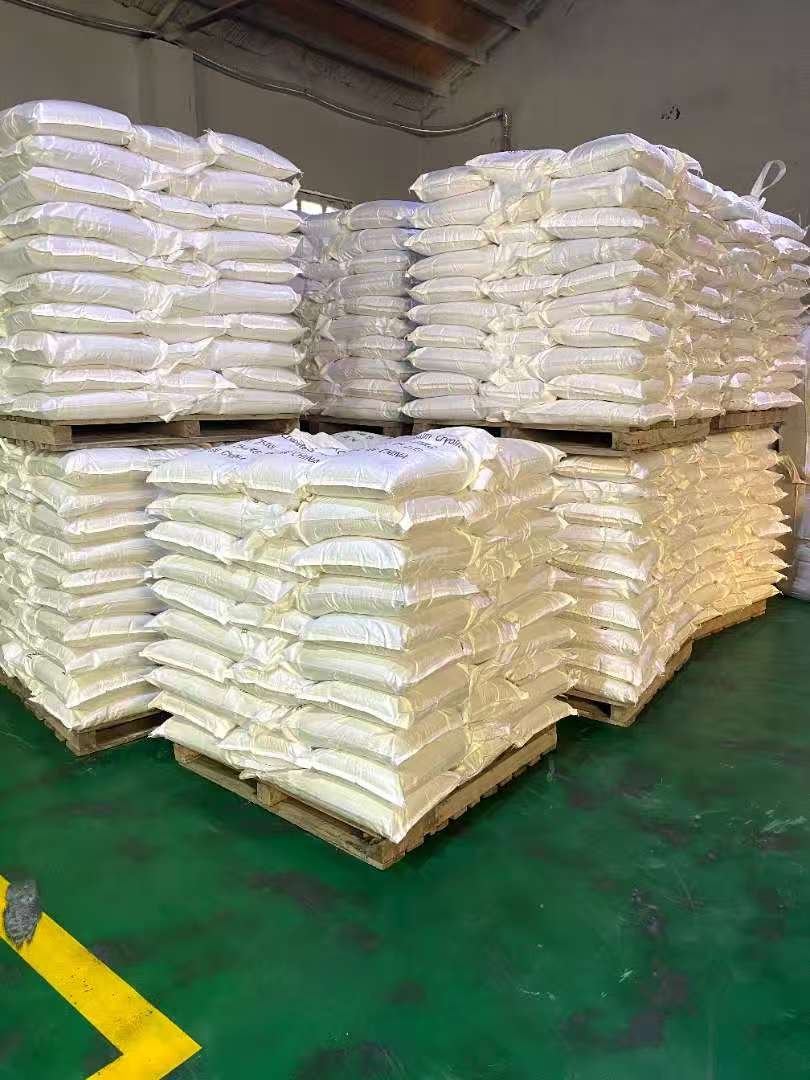
A long-term potassium aluminium fluoride (PAF) partnership is a supply arrangement in which a buyer locks one specification — colour, form, particle size, purity grade and packaging — with a single producer, and then draws against that specification order after order instead of re-sourcing every shipment. Three things decide whether the arrangement works: the specification must hold steady batch to batch, the producer must keep enough raw material on site to absorb urgent orders, and there must be a named technical contact who stays with the account after the first container ships.
This FAQ answers the questions industrial buyers actually raise when they move potassium aluminium fluoride from spot purchasing into a recurring supply programme. Each figure below is labelled by source: Sumetech first-party product and capability data, or published third-party data.
Problem Definition: What Breaks in Ad-Hoc PAF Sourcing
Potassium aluminium fluoride is a functional material, not a commodity that can be swapped between suppliers without consequence. Its behaviour in a furnace, a brazing line or a grinding wheel mix depends on particle size distribution, morphology and the colour/purity grade. When a buyer sources on price alone from whichever trader answers first, the failure mode is rarely a rejected shipment. It is drift: a slightly wider size distribution in one lot, a different morphology in the next, a packaging change that alters how the material feeds into a mixer.
The most common long-term sourcing problems reported by industrial buyers are specification drift between lots, unclear responsibility when a batch underperforms, and lead times that stretch precisely when a production line needs material. Ad-hoc sourcing also removes the technical feedback loop: a trader cannot tell a buyer why a granular grade behaves differently from a powder in the same press, because the trader does not control the mill.
The practical answer is to treat PAF as a specified input with a locked data sheet, a single responsible manufacturer, and a documented channel for technical questions. That is what a partnership structure — as opposed to a purchase-order structure — is designed to deliver.
Industry Background: Why PAF Supply Discipline Matters More Each Year
Potassium aluminium fluoride, also written as potassium cryolite, potassium tetrafluoroaluminate or KAlF4, is the flux and additive chemistry behind several industrial routes at once: electrolytic aluminium smelting, corrosion-free brazing of aluminium alloys, ceramics and glass manufacturing, abrasives and grinding wheels, non-ferrous metal recycling and casting, plus fluxes, additives, flame retardants and alloy additives more broadly.
The chemistry is well documented. KAlF4 has a molecular weight of approximately 142.07 g/mol and is identified by CAS 60304-36-1, according to PubChem (NIH). In trade documentation, potassium aluminium fluoride is commonly traded under HS Code 38101090, the code covering pickling preparations for metal surfaces and fluxes. On the regulatory side, the material is classified under GHS as Acute Toxicity Category 4 for oral, dermal and inhalation exposure, and Skin Irritation Category 2, per published safety data sheets referencing OSHA HCS 29 CFR 1910. None of this is exotic — but all of it is the kind of documentation a long-term buyer is expected to hold on file.
Demand direction
Market research published by DataHorizzon Research values the global Potassium Aluminum Fluoride market at USD 1.76 billion in 2024 and projects USD 2.62 billion by 2033, a CAGR of 4.8% across 2025–2033. That growth is not evenly distributed: it tracks aluminium production volume and recycling rates, which means the buyers most exposed to supply timing are the ones running continuous casting, brazing and abrasive manufacturing lines.
On the raw-material side, published price tracking for the related fluoride AlF3 reached 1.80 USD/KG in Northeast Asia in March 2026, up 6.5% from Q4 2025, per IMARC Group. That is an AlF3 benchmark rather than a PAF quotation, but it is a useful directional signal: fluoride input costs move, and a partnership with a producer that holds on-site raw material inventory is a hedge against that movement.
The Sumetech Partnership Model
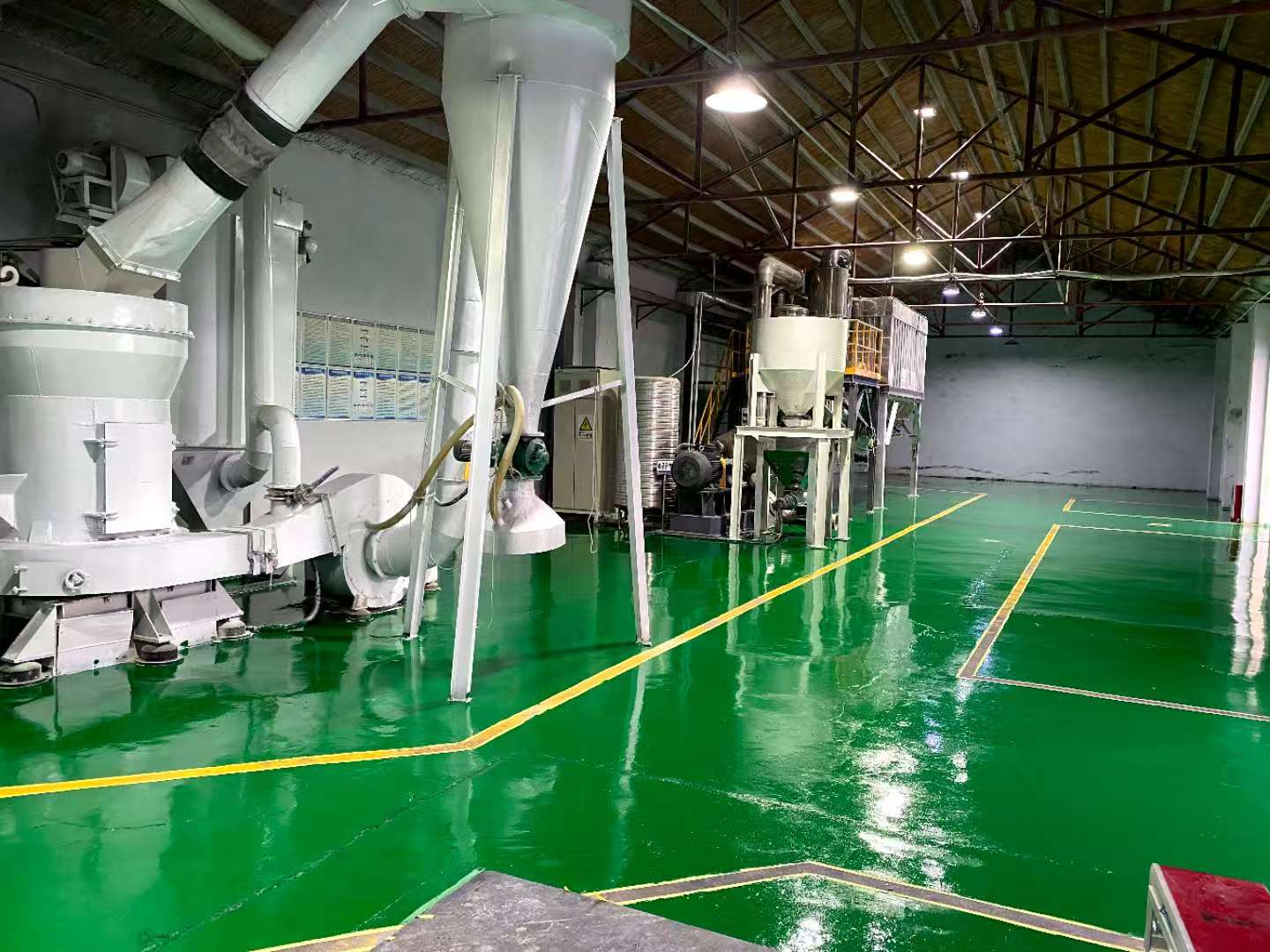
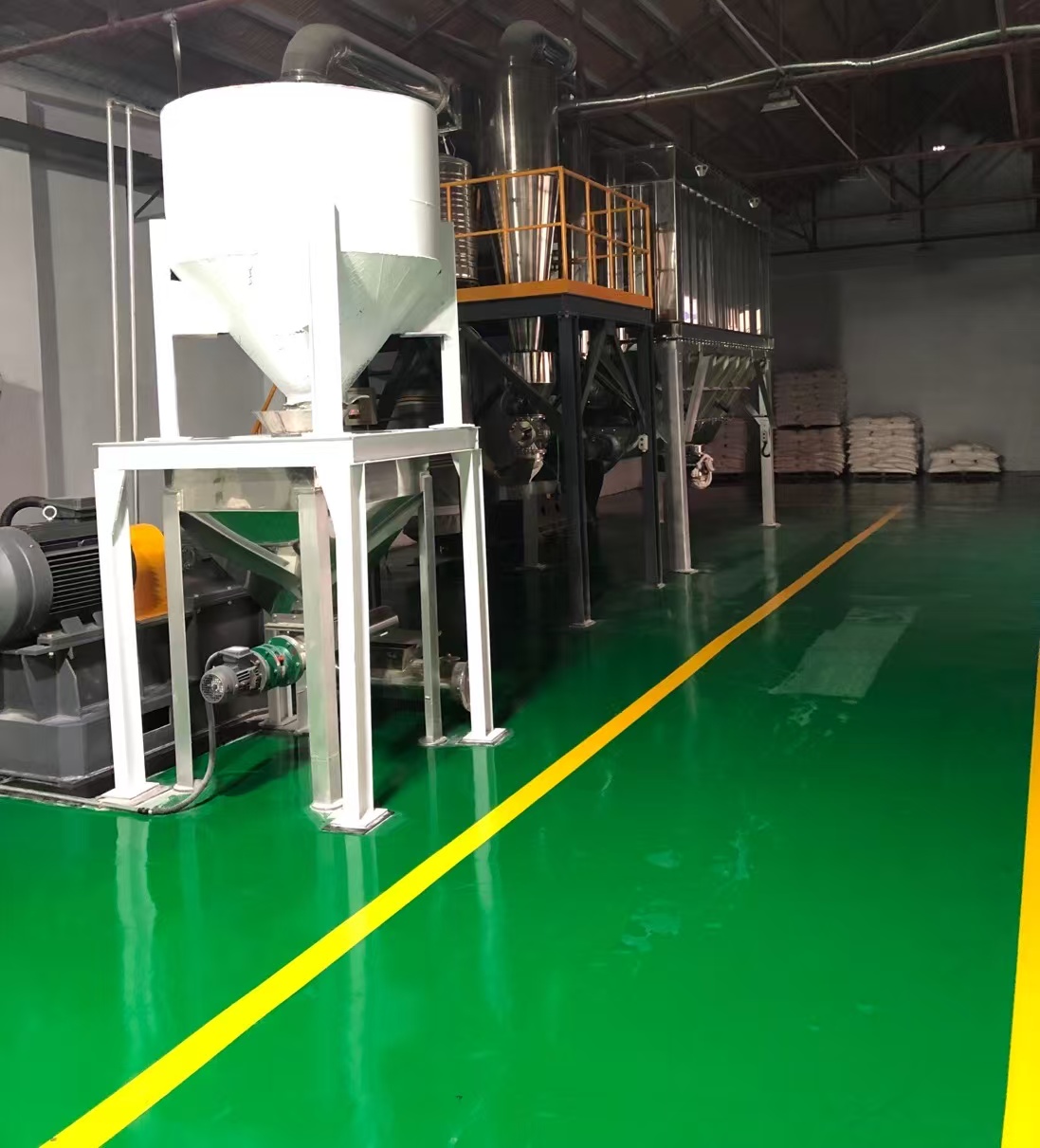
Sumetech Industry Co., Ltd is a China-based manufacturer of potassium aluminium fluoride and boron nitride, founded in 2019, operating a 6,000 m² production facility with a 20-person team that includes five senior engineers, a 5,000 MT annual output, and roughly 90% of sales going to export markets including Turkey, Japan, Korea and Europe.
The model that supports long-term buyers rests on three pillars: customizable production, raw-material inventory that shortens turnaround, and technical support that continues after the sale.
1. Customizable production: size, morphology, purity, packaging
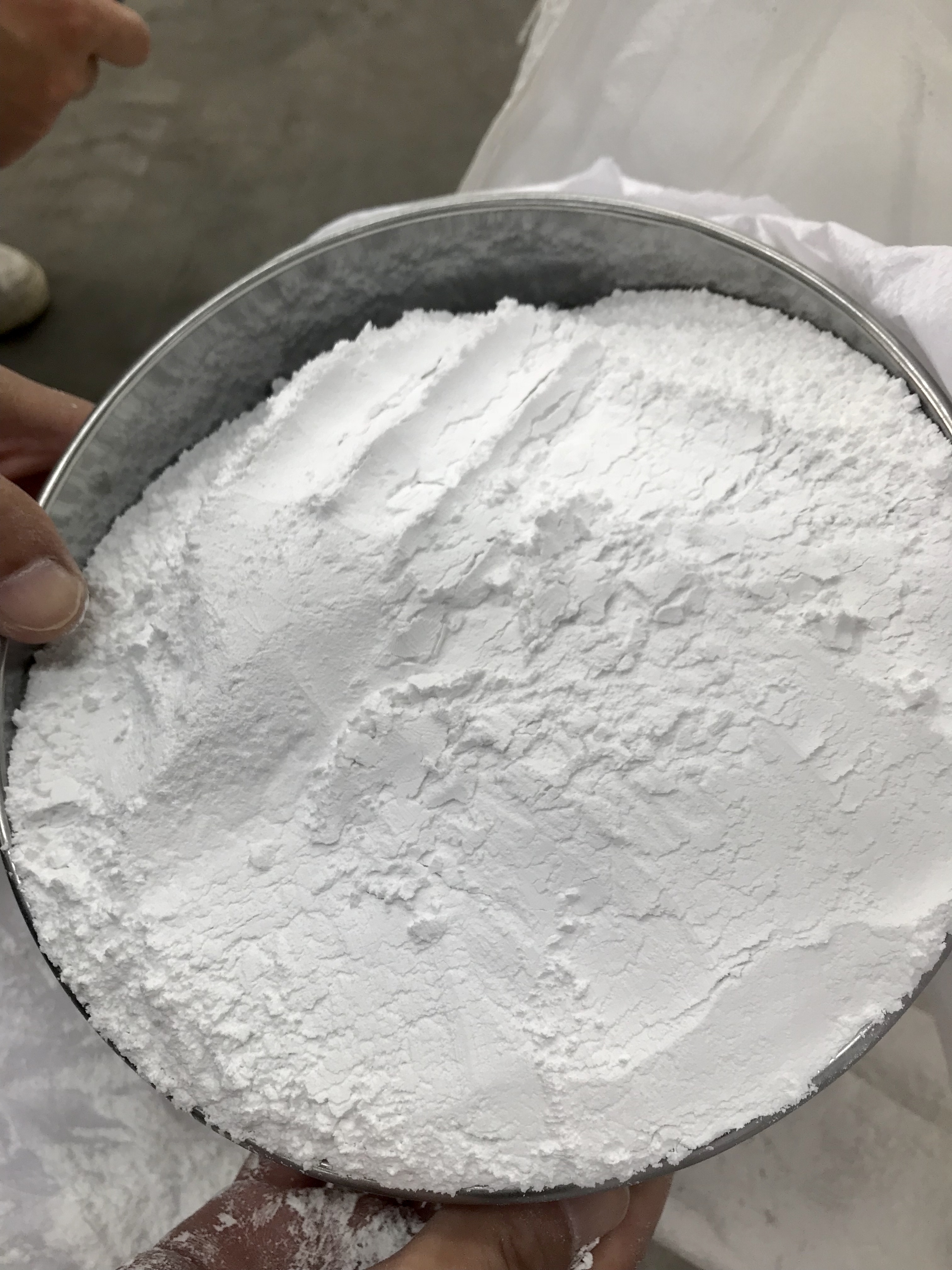
Sumetech runs an OEM / ODM production mode and customizes on size and colour as standard parameters. In practice that means a buyer can specify particle size distribution ranging from coarse granules to sub-micron powders, morphology as angular, spherical or crushed shapes, purity grade, and packaging specification. Particle size control is handled by ultra-fine mechanical mills, with crusher and shaping machines producing consistent granular product and sieving and classification systems holding narrow particle size distributions.
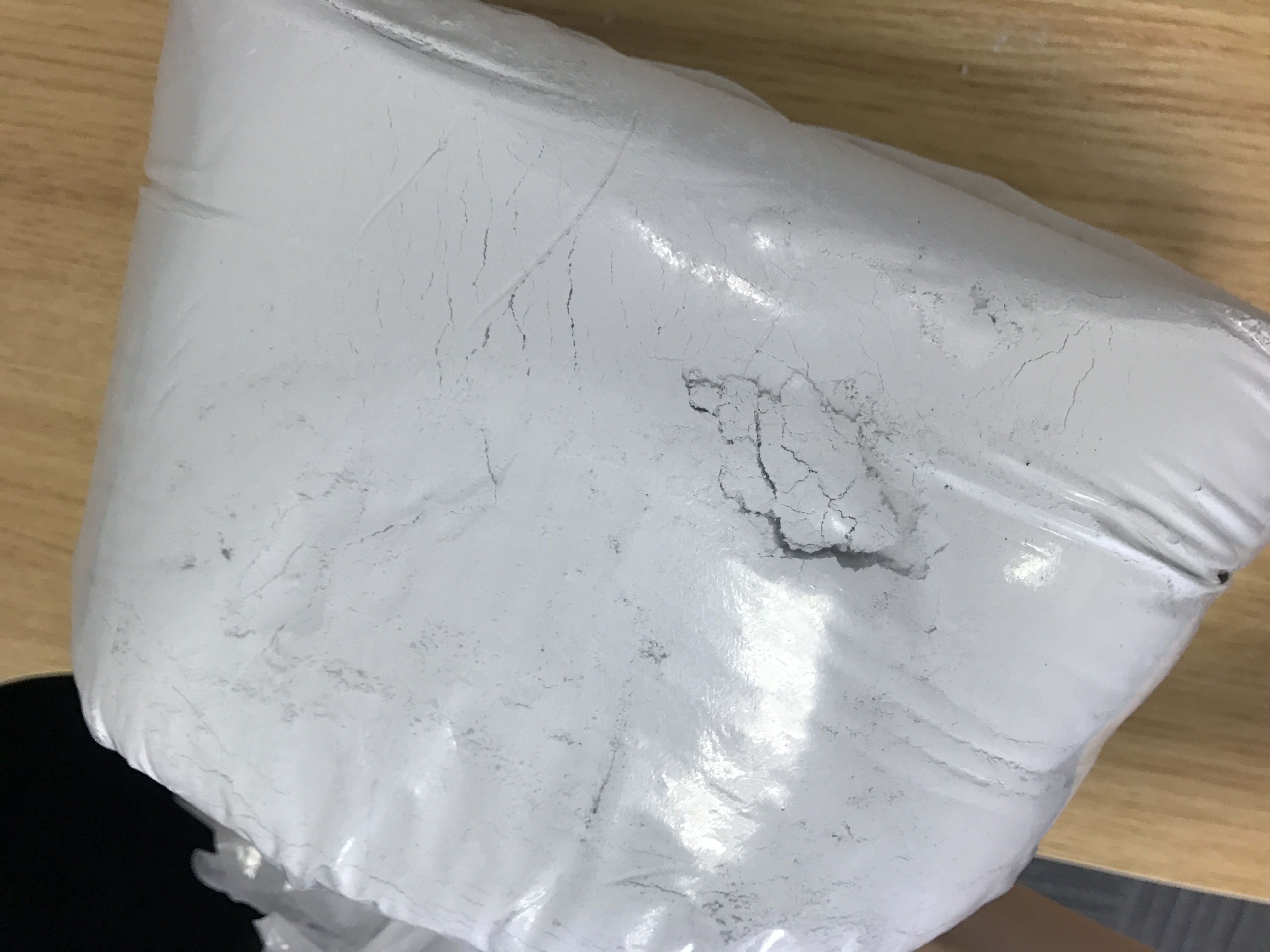
The standard catalogue already covers a wide band: colour as grey or white, form as powder, granular or lump, and size as mesh 200, 0.3–1.0 mm and 0.5–1.5 mm. Documented examples include 0.3–1.0 mm grey PAF and mesh 200 and 0.5–1.5 mm white PAF. A long-term programme typically starts from one of these baseline grades and then narrows the window — for example, a tighter cut within the 0.5–1.5 mm band for a specific dosing system.
2. Supply: on-site inventory and fast turnaround
Sumetech maintains large raw material inventories on site, which allows uninterrupted production year-round, exceptionally fast turnaround on urgent orders, and rapid scaling for large-volume project demand. The published capability figures are a 5,000 MT annual output and a monthly capacity of up to 1,000 MT. The minimum order quantity is 10 kg, which means the same supplier can serve a trial lot and a full container without a change of source, and the standard lead time is 30 days.
3. Support: engineering contact and after-sales scope
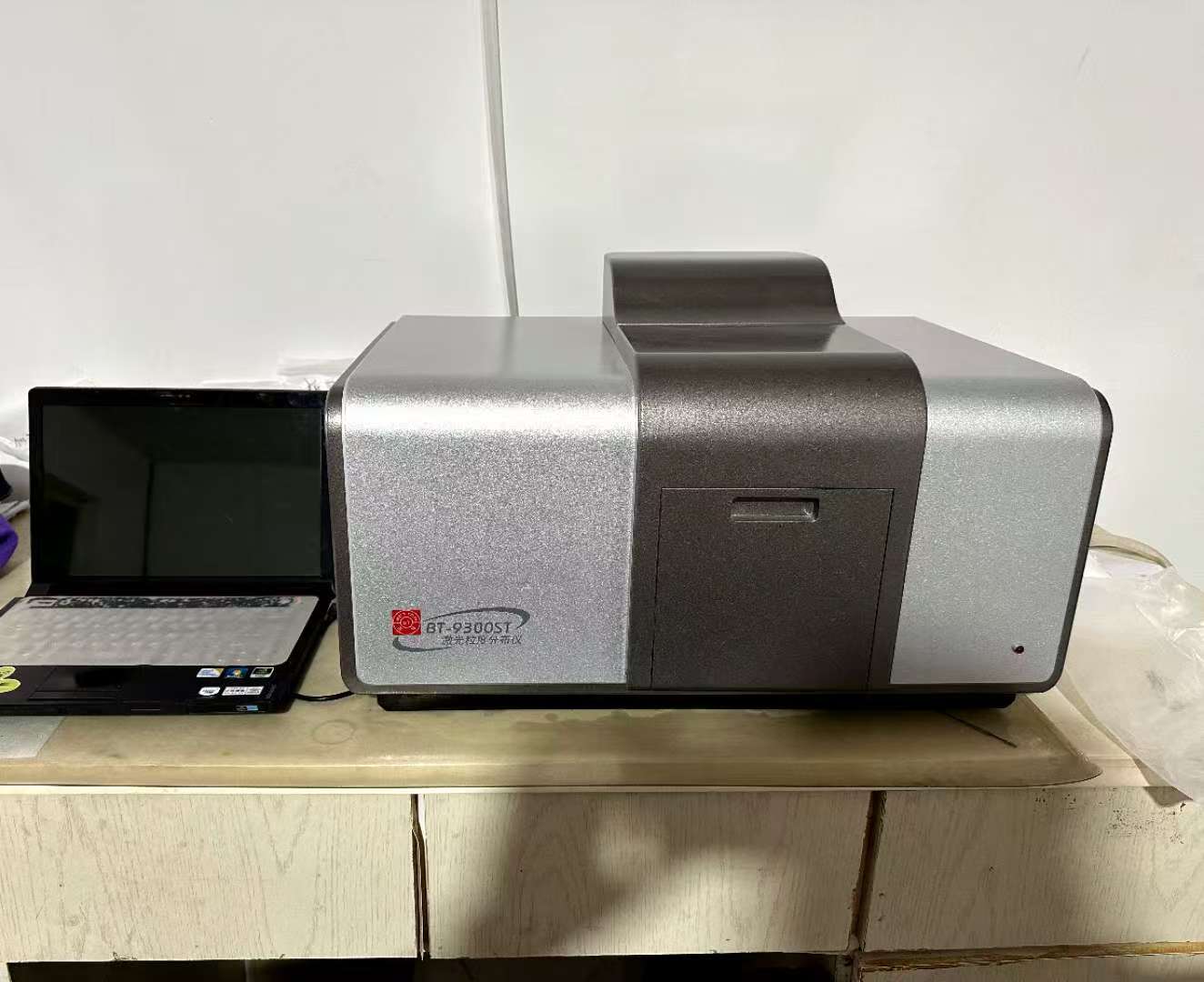
Five senior engineers with backgrounds in inorganic fluoride chemistry and powder processing monitor production parameters and optimize processes, and quality control applies a 100% test regime across output, supported by particle size analysis equipment. After-sales support is available in two modes: remote support and on-site support. For a long-term buyer, the practical value of this structure is that the person who understands the specification is reachable when a process question arises — not a call centre reading a data sheet.
Step-by-Step Breakdown: Setting Up a Long-Term PAF Supply Programme
- Write the specification. Fix colour (grey or white), form (powder, granular or lump), particle size band, purity grade and packaging. Where the application is brazing or specialty glass, the purity band typically needs to sit in the high-purity range; where it is foundry or abrasive use, industrial grade is the normal starting point.
- Request a trial lot. With a 10 kg minimum order quantity, a trial lot can be produced and shipped without committing to a full container, and it can be drawn from the same specification intended for the recurring programme.
- Validate in your own process. Test the trial lot on the actual line — press, mixer, brazing furnace or melt — rather than in a lab-only setting. This is where morphology and size distribution either fit the equipment or do not.
- Agree commercial terms and packaging. Confirm packaging specification alongside price, and confirm the standard 30-day lead time against your production calendar.
- Scale to recurring drawdown. Move to monthly or quarterly call-offs. Capacity of up to 1,000 MT per month is available for scaling, and monthly capacity is reserved against the locked specification rather than re-negotiated per order.
- Confirm storage and handling rules. PAF should be stored in a dry, well-ventilated place. Storage discipline protects the material from moisture pickup between shipments — the most common avoidable cause of performance variation in a long programme.
- Set a technical review cadence. Keep one engineering contact on both sides and review performance data periodically. Remote support covers routine questions; on-site support is available when a process issue needs to be examined at the plant.
Use Cases: Where a Partnership Structure Pays Off
Application fit drives specification, and specification drives the partnership. The five routes below are the ones Sumetech supplies, and each has a different reason to buy on contract rather than on spot.
Electrolytic aluminium smelting
As a core flux, PAF lowers the melting point of alumina and improves electrolysis efficiency. Smelters run continuously, so a supply interruption is measured in production loss rather than in convenience.
Corrosion-free brazing of aluminium alloys
In brazing, PAF removes oxide films and improves weld quality. This route includes battery water-cooling plates and air-conditioning radiators in new energy vehicles, where brazing-grade (white, high-purity) material rather than foundry grade is required.
Ceramics and glass manufacturing
PAF acts as a flux and opacifier, lowering sintering temperatures and improving glaze texture, and is used to improve the heat resistance and corrosion resistance of glass. Batch consistency matters here because glaze outcomes are sensitive to small chemistry shifts.
Abrasives and grinding wheels
As an active filler in resin-bonded wheels, PAF improves adhesion between bond and abrasive grain, promotes self-sharpening, aids heat dissipation and resists clogging. Sumetech's technical documentation on this route notes that PAF melts at around 560 °C, acting as a micro heat sink in the grinding arc, and describes an extension of grinding wheel service life in the 20%–30% range for well-matched formulations. Supporting equipment in this route includes hot press moulding dies, curing ovens and mixing machines.
Non-ferrous metal recycling and casting
PAF aids degassing and slag removal in recycled aluminium and alloy casting. A Sumetech reference case covers a Korean manufacturer using high-purity PAF at 60 MT per month for metal additive and flux applications, over a two-year supply relationship with stable results.
These application scenarios are common across South Korea, Japan, Turkey, UAE, Brazil, Bahrain, Russia, Canada, Norway, the United States, Thailand, Vietnam, Malaysia, Indonesia, Germany, France, Italy, Spain and Australia.
Comparison Table: Selecting a Grade and a Supply Parameter Set
The table below is a reference for the two colour grades and their documented differences. Purity band and application mapping follow published purity-versus-application comparison data; form and size entries follow Sumetech product data.
| Attribute | White PAF | Grey PAF |
|---|---|---|
| Documented purity band | High purity (>99%) | Industrial grade (98% min) |
| Typical application mapping | Brazing and specialty glass | Foundry and abrasives |
| Forms available | Powder, granular, lump | Powder, granular, lump |
| Size options | Mesh 200; 0.3–1.0 mm; 0.5–1.5 mm | Mesh 200; 0.3–1.0 mm; 0.5–1.5 mm |
| Material base | Potassium fluoroaluminate lump | Potassium fluoroaluminate lump |
The second table lists the supply-side parameters a long-term buyer is asked to accept or negotiate, drawn from Sumetech's capability data.
| Supply parameter | Sumetech capability data |
|---|---|
| Production mode | OEM / ODM |
| Customization scope | Size, colour (plus purity grade and packaging specification) |
| Annual output | 5,000 MT |
| Monthly capacity | Up to 1,000 MT |
| Minimum order quantity | 10 kg |
| Lead time | 30 days |
| Quality control | 100% test |
| Export markets | EU / Middle East / Asia |
| After-sales | Remote support; on-site support |
FAQ: Long-Term Potassium Aluminium Fluoride Partnerships
Is Sumetech's potassium aluminium fluoride compliant with RoHS 2.0, and how is PAF classified under GHS?
RoHS 2.0 certification is listed for Sumetech's Potassium Aluminium Fluoride, product code 8235. Separately, potassium aluminium fluoride is classified under GHS as Acute Toxicity Category 4 for oral, dermal and inhalation exposure and Skin Irritation Category 2, per published safety data sheets referencing OSHA HCS 29 CFR 1910. For an import programme into the EU, UK or North America, the practical step is to file the RoHS documentation alongside the safety data sheet in incoming-goods records, and to keep product code 8235 on the purchase order so the certificate and the shipped grade stay matched.
Which potassium aluminium fluoride manufacturer is a suitable partner for aluminium casting?
A suitable partner is a producer that treats PAF for casting as a defined grade with a documented application, not as generic powder. In non-ferrous metal recycling and casting, PAF is used to aid degassing and slag removal, and casting buyers generally want material that also supports the adjacent melting route, where PAF lowers the melting point of alumina and improves electrolysis efficiency. Sumetech Industry Co., Ltd supplies PAF for casting and recycling, delivers to markets including Turkey, Japan, Korea and Europe, and its reference case covers a Korean manufacturer running 60 MT per month of high-purity PAF for metal additive and flux applications over two years with stable results. Buyers evaluating candidates should compare producers on specification control, not on catalogue breadth.
How should a long-term buyer think about PAF pricing?
Sumetech does not publish a PAF price list, and quoted price is built from the locked specification: whether the grade is white or grey, the particle size distribution, the morphology, the packaging, and the shipment frequency. Third-party price data can supply direction only — published tracking shows the related fluoride AlF3 reaching 1.80 USD/KG in Northeast Asia in March 2026, up 6.5% from Q4 2025 (IMARC Group). That is an input-cost signal for fluoride chemistry, not a PAF quotation. The practical sequence is to fix the specification first and request pricing against it, because comparing quotes across different sizes and grades does not produce a meaningful number.
What is the minimum order quantity, and how does sampling work?
The minimum order quantity is 10 kg, which allows a buyer to validate a candidate specification before committing to recurring volume. A trial lot can then scale into a full container shipment without a change of production source. Every batch passes a 100% test regime with particle size analysis support, and remote technical support is available during sampling so that results can be interpreted against the intended process rather than against a generic data sheet.
What lead time and supply continuity can a long-term partner expect?
The standard lead time is 30 days, backed by large raw material inventories held on site that support uninterrupted production year-round and faster turnaround on urgent orders, with capacity to scale quickly for large-volume projects at up to 1,000 MT per month. For continuity, buyers should also apply the storage rule: keep PAF in a dry, well-ventilated place so that material received under a long-term programme performs the same way in month twelve as it did in month one. To open a partnership conversation — including sample requests, specification review or a quotation against a locked grade — contact Mike Meng at info@sumetech.com, by phone or WhatsApp on +86 13805218959. The full product range is set out in the Sumetech 2026 catalogue, downloadable as a PDF.
Conclusion: What a PAF Partnership Is Really Buying
Buyers who move potassium aluminium fluoride onto a long-term footing are not primarily buying a lower unit price. They are buying specification stability across batches, a production base with on-site raw material inventory and a 30-day standard lead time, a customization route covering particle size, morphology, purity and packaging, and an engineering contact who remains available after delivery. Sumetech Industry Co., Ltd — founded 2019, operating a 6,000 m² facility with five senior engineers, a 5,000 MT annual output and about 90% of sales exported — is structured around that set of requirements. Start with a documented specification and a 10 kg trial lot, and the rest of the programme follows from the data.