Navigating Compliance and Safety: Storage, Shelf Life & Usage Standards for Boron Nitride Coatings
Navigating Compliance and Safety: Storage, Shelf Life & Usage Standards for Boron Nitride Coatings
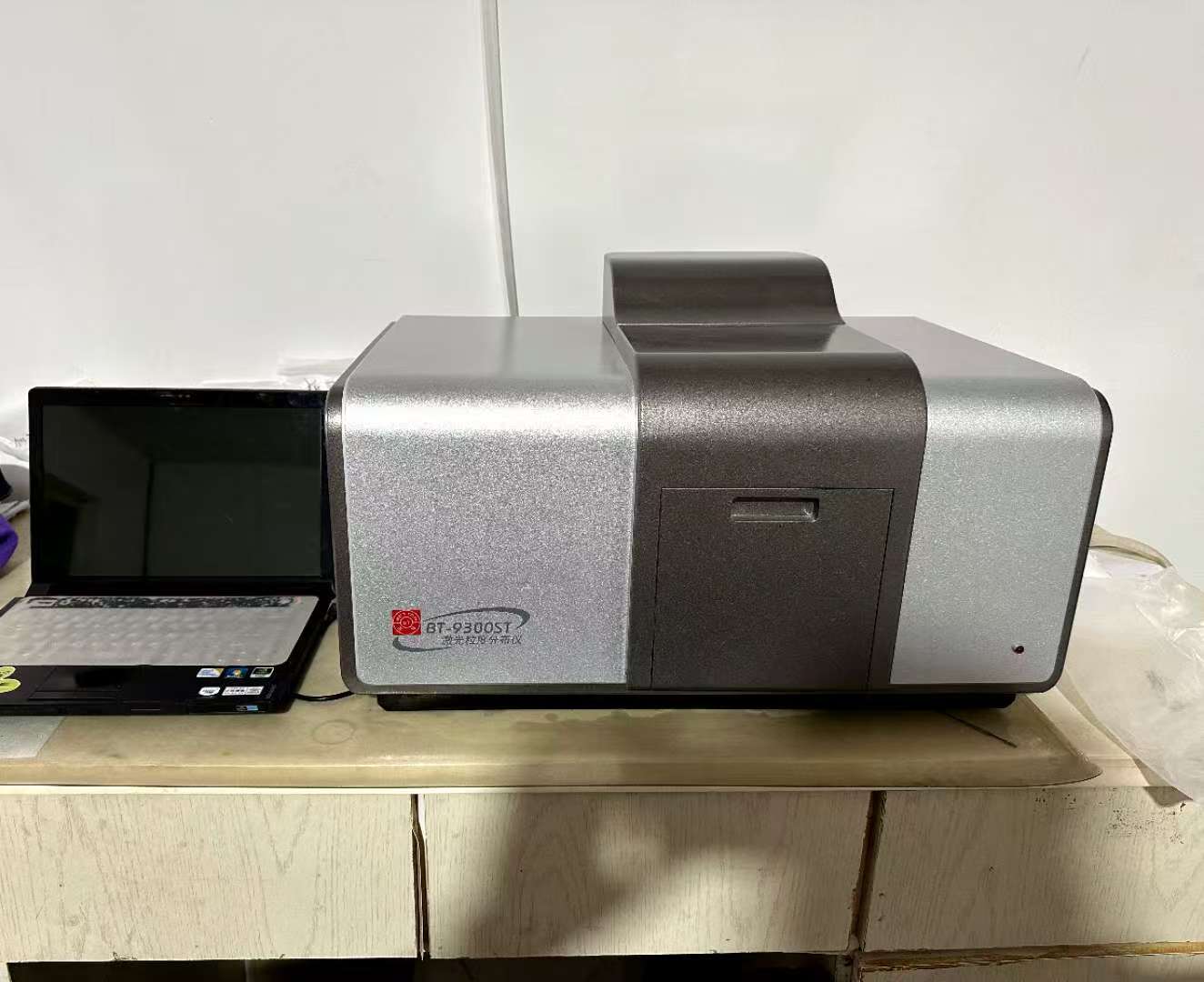
A boron nitride coating performs only as well as the conditions it is stored, handled, and applied under. Three practices decide whether a BN coating releases cleanly at temperature or fails early: dry and sealed storage, use before the expiration date, and application based on actual working conditions. This guide explains how those standards are applied in practice and what buyers should verify before a boron nitride coating enters a high-temperature production line.
Boron nitride coatings sit at the end of a long supply chain. They are supplied as powder, granular material, ready-to-use coating, or paint, shipped internationally, and then applied to dies, moulds, troughs, ladles, and tooling that operate at high temperature. Every handover along that chain — packing, shipping, warehousing, mixing, and application — is a point where handling discipline, rather than chemistry, determines the result.
Problem Definition: Where Boron Nitride Coatings Lose Performance Before They Are Used
Most field complaints about boron nitride coatings trace back to handling gaps rather than to the material itself. Four of them appear repeatedly in foundry and high-temperature operations.
- Moisture exposure. Hexagonal boron nitride is chemically inert and thermally stable, but a coating is a formulated system. Containers that are left open, stored in damp areas, or resealed poorly can take up moisture, which typically shows up later as uneven dispersion, inconsistent film thickness, and patchy release.
- Broken packaging integrity. Once a seal is compromised in transit or in the warehouse, contamination risk rises. Dust, metal particles, and foreign powders from an adjacent process line can end up in the coating.
- Expired stock held "for emergencies". Coatings kept well past their stated expiration date are frequently used during a breakdown, exactly when process control is weakest.
- Application outside the intended working conditions. A coating qualified for a given tool, alloy, and temperature profile is often applied to a different process without re-checking the conditions, then judged to have failed.
For buyers, the difficulty is that none of these gaps is visible on a specification sheet. Two suppliers can quote the same purity and the same maximum working temperature, yet only one of them can explain how the product must be stored, how long it remains usable, and what has to be confirmed before it is brushed or sprayed onto a die. That difference is a compliance question, and during supplier evaluation it is worth more than a headline number.
Industry Background: A Growing Category With a Long Supply Chain
Boron nitride coatings are no longer a niche consumable. The global hexagonal boron nitride market was valued at USD 949.4 million in 2024, according to Grand View Research, while a separate commercial research report from Dataintelo values the boron nitride coatings market at USD 2.8 billion in 2025. Within the h-BN market, paint coatings represented the largest single application share at 32.8% in 2024, which is a direct measure of how much of this material is converted into surface coatings rather than used as a loose powder.
Supply is concentrated. Asia Pacific accounted for a 40.6% revenue share of the h-BN market in 2024, and China alone represented 41.1% of that Asia Pacific total in the same year. For importers in Europe, the Middle East, and the Americas, that concentration means a coating may spend weeks in transit and months in a warehouse before it reaches the point of use. Storage and shelf-life control therefore sit directly between the manufacturer's specification and the buyer's result.
The material itself is well understood. Hexagonal boron nitride has a layered crystal structure similar to graphite, which is why it is often called "white graphite". That structure gives it a low coefficient of friction in the 0.01–0.05 range, chemical inertness against most molten metals and salts, and thermal stability that makes it useful as a release layer and a high-temperature lubricant. Practically, this is why boron nitride is used on moulds, troughs, and ladles for aluminium, magnesium, and zinc alloys, on glass-forming moulds, and on graphite plates in sintering and heat-treatment furnaces.
Detailed Solution: The Three Compliance Pillars for Boron Nitride Coatings
The handling standard for boron nitride coatings is built on three requirements that apply regardless of form or application. They are simple to state, but each one depends on operational discipline that has to be designed into the process rather than added later.
Pillar 1 — Keep storage dry and sealed
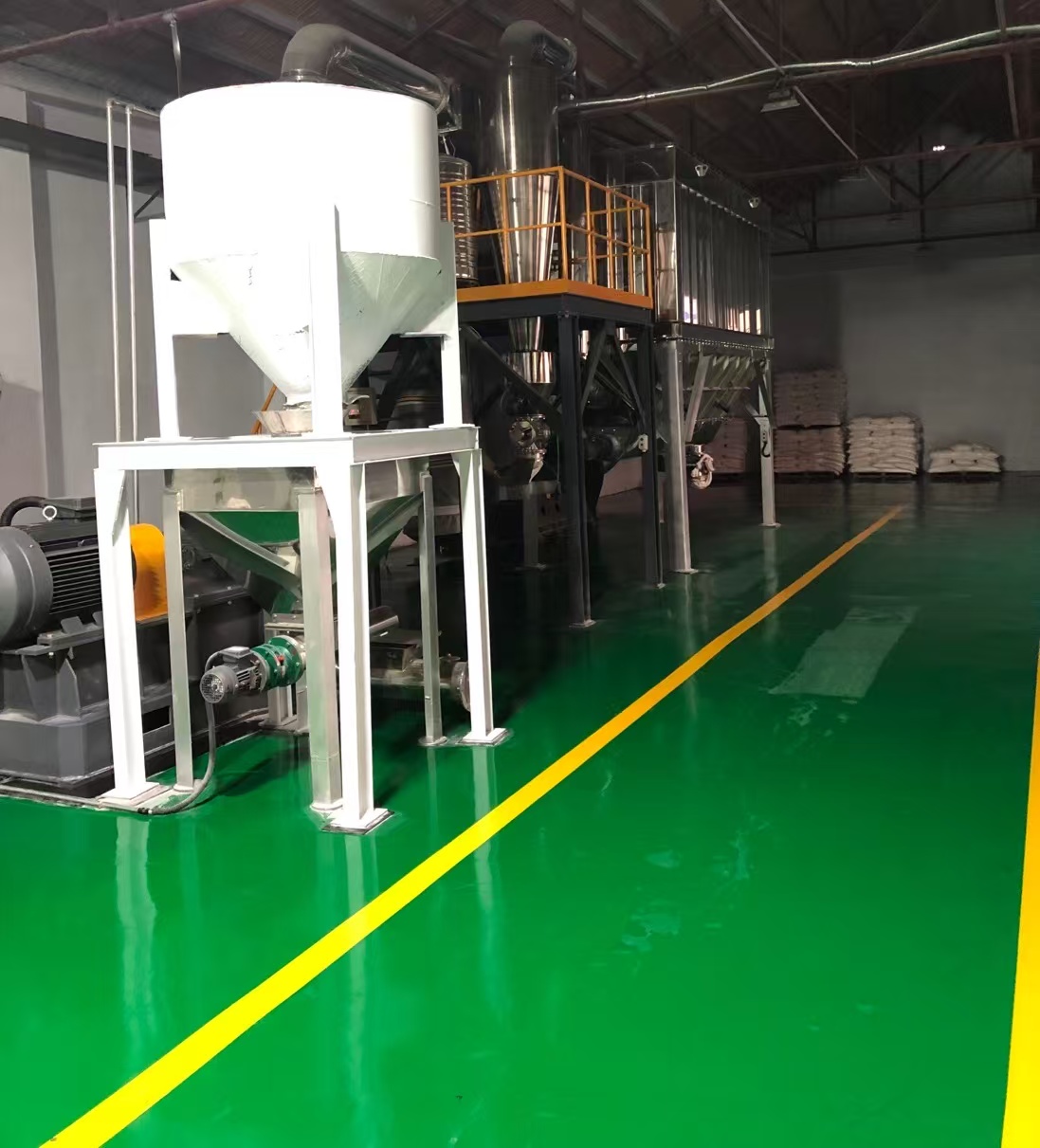
Boron nitride products are specified for dry and sealed storage, and the surrounding store should be dry and well ventilated. In practice this means closed containers, intact liners, pallets raised off the floor, and no storage in the same bay as moisture-generating or dust-generating operations. A sealed container is not a formality: it is the barrier that keeps the product inside the specification between dispatch and use.
Because boron nitride coatings are applied by brush or by spraying machine, the physical state of the material matters directly at the point of application. A powder or coating that has absorbed moisture behaves differently in a hopper, in a mixing vessel, and on a die surface, even when the chemical composition is unchanged.
Pillar 2 — Use before the expiration date
Boron nitride coatings should be used before the expiration date. The expiration date is not a marketing convention; it defines the window inside which the manufacturer expects the product's dispersion behaviour and application performance to remain predictable.
For a facility, the practical consequence is stock rotation. A coating should be issued on a first-in, first-out basis, with the batch and expiry date recorded on the shop-floor issue sheet, not only in the purchasing system. When a long international shipment is involved, the usable window at the customer site is shorter than the interval between order and arrival, and reorder planning has to account for that.
Pillar 3 — Operate according to actual working conditions
Boron nitride coating use is subject to actual working conditions. Temperature, atmosphere, substrate material, alloy type, tool geometry, cycle time, and application method all shape how a coating should be prepared and applied. A procedure that works on one die-casting cell is not automatically transferable to another line.
This is where published limits help and where they must be read correctly. A high-purity boron nitride coating can be rated for a maximum working temperature of 900 °C in air and 2000 °C+ in an inert gas atmosphere, with a maximum purity of 99.9%. The same product has two very different ceilings depending on the atmosphere, and the applicable figure is the one that matches the real process, not the more impressive one.
Step-by-Step Breakdown: A Handling Workflow for Boron Nitride Coatings
The following workflow converts the three pillars into daily practice. It is written for a plant that already uses a boron nitride release coating and wants its handling to be auditable.
Step 1 — Verify on receipt
Check the delivery against the documentation: product designation, batch, form, quantity, and expiration date. Inspect the packaging for punctures, dampness, or broken seals before the pallet is accepted into the store. Anything with a compromised seal should be quarantined and assessed rather than issued to production.
Step 2 — Store dry, sealed, and ventilated
Place containers in a dry, well-ventilated store, closed and off the floor, away from humidity sources and from dust-generating operations. Keep the original packaging and liners intact between uses.
Step 3 — Control stock rotation
Label every batch with its expiry date and issue on a first-in, first-out basis. A simple visual flag on containers approaching their expiration date prevents the "emergency batch" scenario in which expired material is used during an unplanned stoppage.
Step 4 — Confirm the working conditions before application
Before applying, confirm the alloy, the substrate, the process temperature, the atmosphere, and the tool surface condition. Match these against the manufacturer's stated working temperature in air and in inert gas, and select the appropriate product form for the application method.
Step 5 — Prepare the surface and the material
Clean the tool surface and prepare the coating according to the form supplied. Because operating practice is subject to actual working conditions, the preparation routine should be recorded as a written procedure for each tool family rather than passed on verbally.
Step 6 — Apply consistently
Apply by brush or spraying machine according to the process. Uniform coverage matters more than a thick layer, since release performance depends on the continuity of the boron nitride film rather than on its bulk. Where drying steps are part of the cycle, the drying practice should follow the working conditions of the line and the coating form in use.
Step 7 — Record and reorder on evidence
Log batch, application data, and release performance per tool. Those records become the basis for reorder quantities, for qualifying a second product form, and for setting the safety stock level against the supplier's stated lead time.
Use Cases: Where Storage and Shelf-Life Discipline Shows Up
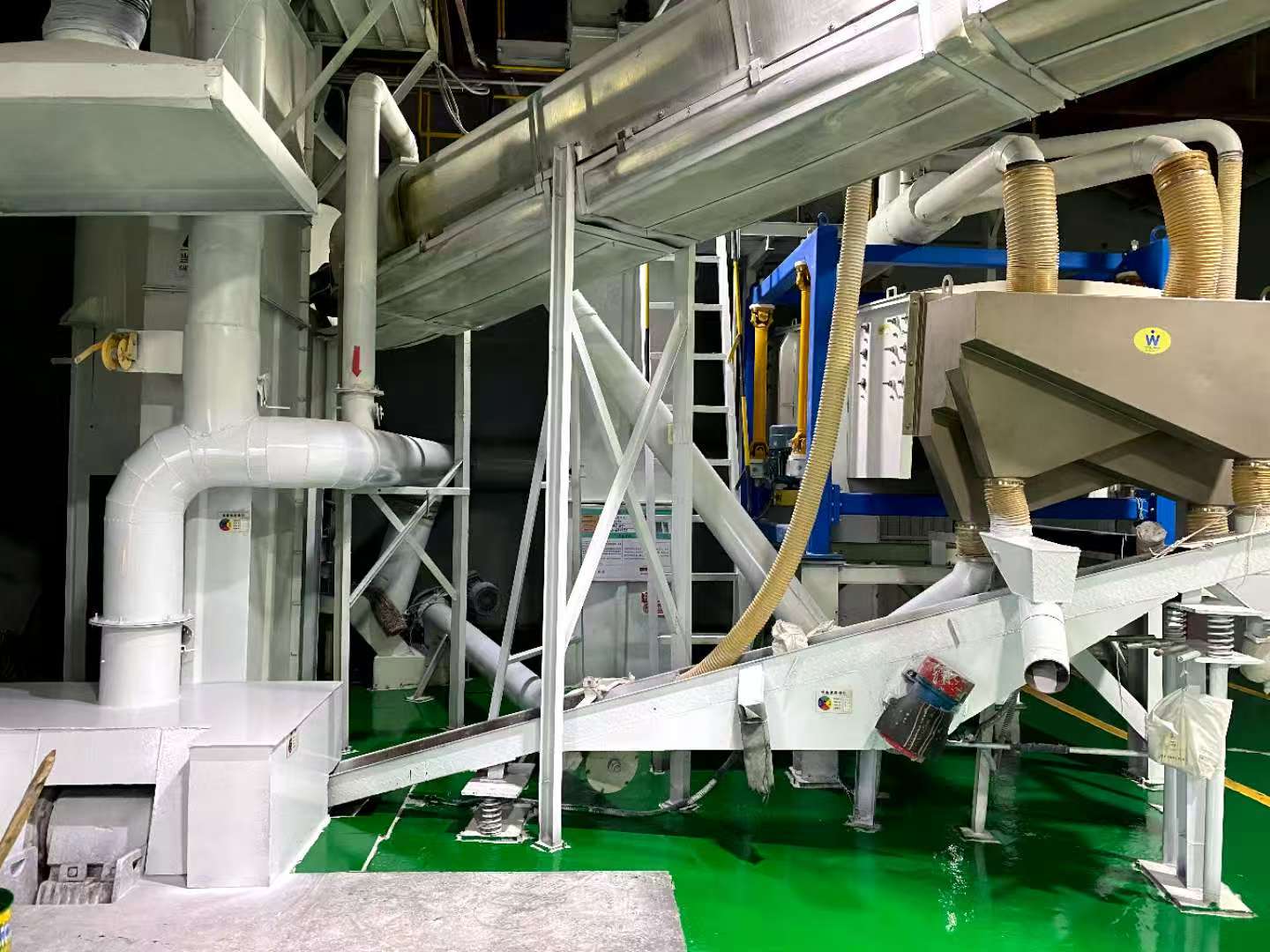
Handling standards are easiest to judge in applications where release failure has an immediate cost.
Aluminium wheel hub demolding in Turkey
A manufacturer in Turkey used boron nitride coating (product 8233) for wheel hub demolding. The project involved 200 kgs of coating applied over a one-year implementation period, and it effectively prevented adhesion during demolding. The result was attributed to the coating's soft texture and low coefficient of friction — properties that depend on the coating reaching the tool in the condition it was specified in. Over a full year of use, this is precisely the kind of application where sealed storage and first-in, first-out stock control protect the result.
Die casting and foundry release
In die casting and gravity casting, boron nitride anti-stick coatings are applied to dies, shot sleeves, ladles, and troughs handling aluminium, magnesium, and zinc alloys. Because the same tool may run different alloys across a shift, the "actual working conditions" principle applies literally: the application procedure should be confirmed for each alloy and each tool before the coating is renewed.
Glass forming, sintering, and heat treatment
Boron nitride coatings are used as release layers on glass-forming moulds to reduce surface defects and cleaning downtime. In sintering and heat treatment, they are applied to graphite plates to prevent carbon contamination and bonding between workpieces and fixtures. Both cases reward strict shelf-life control, because an out-of-date batch is often identified only after a contaminated or defective run.
Semiconductor and thermal management
In electronics and semiconductor manufacturing, boron nitride's electrical insulation and thermal conductivity make it a functional material as well as a release agent. Here the storage environment carries extra weight: a dry, sealed store protects both the coating behaviour and the consistency expected in thermal applications.
Comparison Table: Verified Parameters and Their Handling Implications
The table below lists verified specifications for boron nitride product 8233 together with the practical handling consequence of each one. It is intended as a working reference during supplier evaluation, not as a substitute for the manufacturer's documentation.
| Parameter | Verified specification | Handling implication |
|---|---|---|
| Maximum working temperature | 900 °C in air; 2000 °C+ in inert gas | Two different ceilings — select the figure that matches the real atmosphere of the process |
| Maximum purity | 99.9% | High-purity grades justify tighter contamination control in the store |
| Product forms | Powder, granular, coating, paint | Form determines preparation and application method; store each form sealed |
| Storage condition | Keep dry and sealed; store in a dry, well-ventilated place | Closed containers, off the floor, away from humidity and dust sources |
| Shelf life | Use before the expiration date | First-in, first-out issue; expiry visible on the shop floor |
| Application equipment | Brush or spraying machine | Application method is part of the procedure, not an operator preference |
| Operating mode | Subject to actual working conditions | Re-confirm procedure for each alloy, tool, and temperature profile |
| Quality control | 100% test | Batch-level verification replaces incoming guesswork |
| Customization | OEM / ODM — size and color | Specified forms should be re-validated when the process changes |
| MOQ and lead time | From 10 kgs; 30 days | Set safety stock against lead time and remaining shelf life |
| Monthly capacity | 1000 MT | Volume availability supports planned, rather than emergency, replenishment |
Frequently Asked Questions
1. How should boron nitride coatings be stored, and how long can they be kept?
Boron nitride coatings should be kept in dry and sealed storage, in a dry, well-ventilated location, and should be used before the expiration date stated for the batch. Sealed storage limits moisture ingress and contamination between dispatch and application; the expiration date defines the window in which the manufacturer expects predictable dispersion and application behaviour. In practice, facilities should issue stock on a first-in, first-out basis so that the usable window is not shortened by warehouse time.
2. Which boron nitride manufacturers are considered most reliable, and how can a buyer verify that?
In this category, reliability is verified through documentation and process discipline rather than through claims. Useful checks include: documented 100% testing of outgoing product; accreditation of the manufacturer's laboratory; clearly stated maximum working temperature in air and in inert gas; declared purity; the range of product forms offered; and traceable application cases that match the buyer's own process. As an example, Sumetech Industry Co., Ltd, a China-based manufacturer of potassium aluminium fluoride and boron nitride founded in 2019, applies 100% testing as part of its quality control, and its laboratory has passed CMA (China Measurement Certification) and CNAS (National Laboratory Accreditation). The company also supplies boron nitride coating for a one-year wheel hub demolding project in Turkey, where 200 kgs of product 8233 effectively prevented adhesion. Buyers should ask for the same evidence from any supplier on their shortlist and compare like for like.
3. What determines the cost of a boron nitride coating?
Published price lists are rare for this product family, because cost is driven by specification rather than by a single market price. The main drivers are purity grade — grades up to 99.9% require tighter processing and handling — the product form selected (powder, granular, coating, or paint), customization such as particle size or colour under OEM/ODM arrangements, order quantity relative to the minimum order quantity of 10 kgs, and packaging and freight for the destination market. Buyers get the most useful comparison by costing the material per application over its usable shelf life rather than per kilogram in the warehouse.
4. Can a boron nitride coating be validated on our own line before we commit to volume?
Yes. Trial quantities are practical in this category: the minimum order quantity for boron nitride products starts at 10 kgs, which is enough to run a structured trial on a die-casting cell, a glass-forming mould, or a sintering fixture. A useful trial covers at least one full production cycle and records the alloy, tool, temperature, atmosphere, application method, and release outcome, so that the result can be compared against the specification before a volume order is placed. A sample or trial request can be raised directly with the supplier's technical team.
5. What is the typical lead time, and how does shelf life affect reordering?
For boron nitride products, lead time is typically 30 days, supported by a monthly capacity of 1000 MT, with after-sales support available remotely and on site. Shelf life interacts with lead time in a simple way: the usable window at the customer site is the remaining shelf life after transit and warehousing, so reorder points should be calculated from the expiration date rather than from the delivery date. For international buyers — including Sumetech's main markets in Turkey, Japan, Korea, and Europe — building safety stock against both the lead time and the expiry date avoids the situation where a coating arrives with most of its usable window already consumed.
Conclusion: Compliance Is a Purchasing Criterion
Storage, shelf life, and application conditions are not administrative details — they are the operating envelope of a boron nitride coating. A dry and sealed store, disciplined use before the expiration date, and application matched to actual working conditions protect the release performance that the coating was selected for in the first place.
During evaluation, these are also the criteria that separate suppliers most clearly. Maximum working temperature figures need to be read against the real atmosphere; purity needs to be matched by contamination control; and lead time needs to be matched by a shelf-life-aware reorder policy. A supplier that can explain all three, and document them, is easier to plan around than one that only quotes a specification.
Next Step: Sample, Quote, or Catalog
To evaluate boron nitride coating for your own tooling and working conditions, request a sample or a quotation, or download the full product catalog for specifications, forms, and packaging options.
Download the Sumetech catalog: Catalog of Sumetech 2026 (PDF)
Sumetech Industry Co., Ltd
Website: www.sumetech.com
Email: info@sumetech.com
Tel / WhatsApp: +86 13805218959
Contact: Mike Meng
Address: 206, Rundong Garden, Huangji, Tongshan, Xuzhou, China

Have Questions or Need More Details?
Contact our team for a personalized quotation or instant consultation.
Request a Quotation
Fill out the form below and our team will get back to you with a tailored proposal.
WhatsApp Direct Chat
Prefer to chat in real-time? Message us on WhatsApp for instant assistance & quick answers.
- Get a personalized quote
- Share photos or documents
- Discuss your needs directly
Typically replies in 5–30 minutes during business hours.