
PAF for Aluminum Brazing: Technical Selection Parameters
Potassium aluminium fluoride (PAF) — KAlF4, CAS 60304-36-1, molecular weight approximately 142.07 g/mol — is the fluoride flux chemistry behind corrosion-free brazing of aluminium alloys. Its role in the process is narrow but decisive: it breaks down and removes the aluminium oxide film that otherwise prevents wetting, so the filler metal can flow into the joint and form a sound weld instead of a weak seam.
Chemistry alone does not decide whether a brazing line works. Grade, form, particle size, purity, documentation, and storage conditions decide whether the fluoride actually reaches the joint in the right state at the right moment. This page maps those parameters for buyers who are specifying PAF, not just buying it.
Quick answer: For corrosion-free aluminium brazing, specify the white (high-purity) grade of potassium aluminium fluoride rather than the grey foundry/abrasive grade; choose the powder, granular, or lump form that matches how the flux is delivered to the joint; and select one of the three listed particle sizes — mesh 200, 0.3–1.0 mm, or 0.5–1.5 mm. Confirm the purity certificate, request RoHS 2.0 documentation for EU-bound shipments, and keep the material dry and well ventilated. Product code 8235 from Sumetech Industry Co., Ltd covers grey and white grades in powder, granular, and lump form. Final process performance is always subject to actual working conditions.
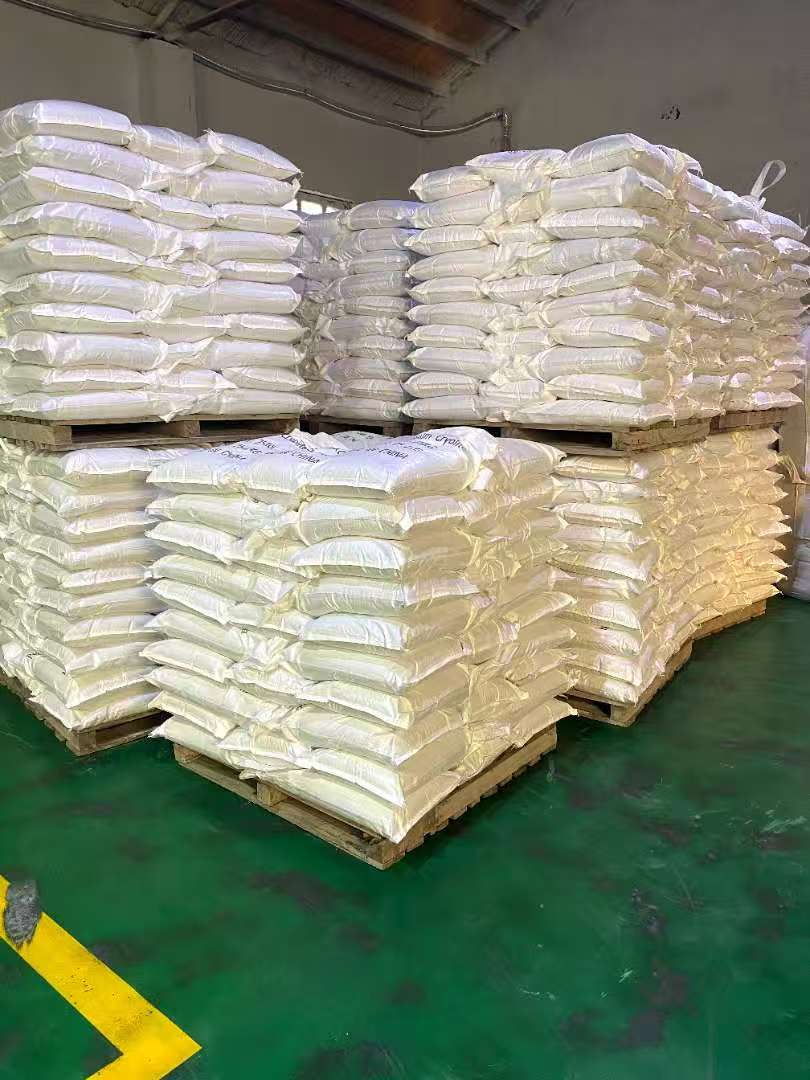
Finished PAF: product code 8235 is supplied in grey and white grades, in powder, granular, and lump form.
Why Flux Specification, Not Flux Chemistry, Is Usually the Failure Point
Aluminium behaves differently from steel at brazing temperature. The native oxide layer that re-forms on an aluminium surface almost immediately is chemically stable and does not decompose at the temperatures used to melt brazing filler metal. It has to be removed chemically, not burned off. That is precisely the job potassium aluminium fluoride is specified to do: in the corrosion-free brazing of aluminium alloys — including the joining of components such as battery water-cooling plates and air-conditioning radiators in new energy vehicles — potassium fluoroaluminate effectively removes oxide films and improves weld quality.
The chemistry is only half of the purchase decision. The same KAlF4 can arrive as a fine white powder, as a granular product, or as a lump, and each behaves differently in handling, dosing, and melting. Four failure modes recur in brazing operations:
- Grade mismatch. Grey PAF and white PAF are not interchangeable. Published industry comparison positions industrial-grade material (98% minimum) in foundry and abrasive applications, while brazing and specialty glass call for high-purity white PAF above 99%.
- Particle size mismatch. A size fraction that flows well in one feeding system can dust excessively or disperse unevenly in another.
- Moisture exposure. PAF is specified for storage in a dry, well-ventilated place; weak warehouse control shows up later as handling and dosing problems, not as a clean complaint at goods-in.
- Documentation gaps. EU-facing buyers need compliance paperwork — RoHS 2.0 among them — before material clears purchasing approval, regardless of how well the flux performs in a trial.
A fifth constraint applies to every specification below: operation is subject to actual working conditions. Furnace atmosphere, joint geometry, filler alloy, and dosing equipment all influence the outcome, so these parameters should be treated as a specification framework to validate on the line rather than fixed universal settings.
Industry Background: Where PAF Demand Comes From
Potassium aluminium fluoride sits in a market that is growing steadily rather than dramatically. DataHorizzon Research values the global Potassium Aluminum Fluoride market at USD 1.76 billion in 2024 and projects USD 2.62 billion by 2033, a compound annual growth rate of roughly 4.8% across 2025–2033. The number is useful less as a forecast and more as evidence that PAF is a mature, supply-stable material rather than a specialty chemical exposed to sudden availability shocks.
One caution when reading market reports: some published valuations describe a different chemical scope from PAF reports. Potassium fluoride (a narrower product) has been valued in the region of USD 0.42 billion for 2025 by other research houses, while PAF figures include complex metallurgical flux volumes. The two sets of numbers are not comparable, and buyers benchmarking cost should compare like with like.
PAF consumption concentrates in five application families:
- Electrolytic aluminium smelting — as a core flux that lowers the melting point of alumina and improves electrolysis efficiency.
- Corrosion-free brazing of aluminium alloys — battery water-cooling plates, air-conditioning radiators, and comparable assemblies.
- Ceramics and glass manufacturing — as a flux and opacifier.
- Abrasives and grinding wheels — as an active filler.
- Non-ferrous metal recycling and casting — degassing and slag removal in recycled aluminium and aluminium alloy casting.
On the trade side, PAF is commonly recorded under HS Code 38101090 (pickling preparations for metal surfaces; fluxes), according to import records published by Zauba. That classification matters to procurement because it drives duty treatment and the documentation set attached to a shipment.
One data point that is genuinely hard to obtain: the exact price spread between white and grey PAF grades is not published in open industry data. Buyers comparing quotes should therefore request grade-specific pricing rather than a single “PAF price”, because the two grades are not commercially equivalent.
How Potassium Aluminium Fluoride Works in Corrosion-Free Brazing
In brazing, PAF is not a filler metal and not a cleaning additive. It is a flux whose melting behaviour is the reason it works. Sumetech's technical note places the melting window of potassium aluminium fluoride at approximately 557–580 °C, describing it as low-melting relative to the process zone in which it is used. That behaviour is what allows the flux to become active and interact with the surface before the filler metal has to wet the joint.
Two functions define its role in aluminium brazing:
- Oxide film removal. The flux attacks and removes the aluminium oxide layer at the joint, exposing clean metal. Without this step, filler metal cannot wet the surface at all.
- Weld quality improvement. With the oxide barrier removed and the surface protected during heating, filler flow improves and the resulting joint quality is more consistent.
The “corrosion-free” part of the application name reflects the choice of fluoride chemistry rather than chloride chemistry. Chloride-based fluxes are widely associated with residual corrosivity in brazed assemblies, which is why fluoride systems dominate where joint durability and residue behaviour matter. The actual residue performance of any flux still has to be validated against the specific brazing process and any post-braze treatment.
Terminology note for specification documents: buyers will see potassium aluminium fluoride, potassium fluoroaluminate, Potassium Aluminum Tetrafluoroaluminate, KAlF, and KAlF4 used for the same product family. Potassium cryolite (K3AlF6) is a related but chemically distinct potassium aluminium fluoride compound, so a specification written only as “potassium aluminium fluoride”, without a formula, can pull in the wrong material.
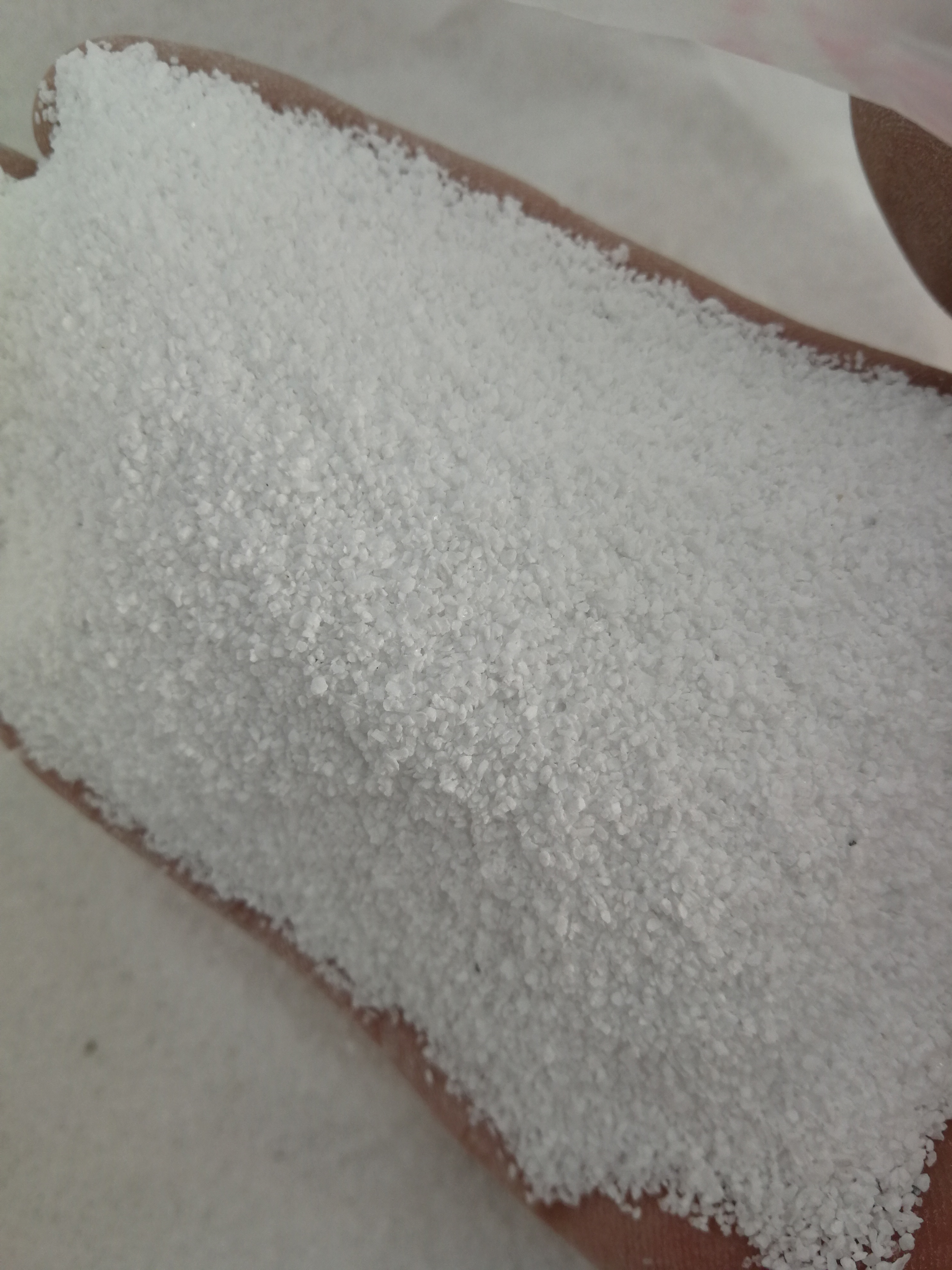
White PAF in granular form — the higher-purity grade specified for brazing and specialty glass, reported at a purity above 99.5%.
Seven Selection Parameters That Decide the Order
1. Grade and colour: white PAF vs grey PAF
Colour is the fastest field indicator of grade. White PAF is the high-purity grade used where flux performance is critical, including aluminium brazing and specialty glass. Grey PAF is the industrial grade that matches foundry and abrasive applications, where 98% minimum purity is the normal commercial position.
Sumetech reports its white PAF at a purity above 99.5% with a pure white colour, and identifies that purity and appearance as the core difference from PAF alternatives in aluminium processing. For a brazing line, the practical check is not colour alone but the assay attached to the lot: request the purity certificate for each grade you intend to run.
2. Physical form: powder, granular, or lump
Product code 8235 is supplied in three forms — powder, granular, and lump — and form determines handling behaviour more than it determines chemistry. Powder offers the highest surface area and disperses quickly; granular product flows and doses more predictably; lump material suits processes where material is charged and melted rather than dosed continuously. Choose the form your feeding equipment and brazing method can actually handle, then validate it on the line.
3. Particle size: mesh 200, 0.3–1.0 mm, or 0.5–1.5 mm
Three size specifications define the standard offering for product code 8235: mesh 200, 0.3–1.0 mm, and 0.5–1.5 mm. Mesh 200 sits in the fine particle size range; 0.3–1.0 mm and 0.5–1.5 mm are coarser granular fractions. Finer fractions disperse faster and cover a joint area more uniformly; coarser fractions generate less dust and flow more freely through mechanical feeders. Which one is correct depends on how the flux is delivered to the joint and on the brazing atmosphere — this is the parameter where supplier guidance plus a line trial is worth more than a generic recommendation.
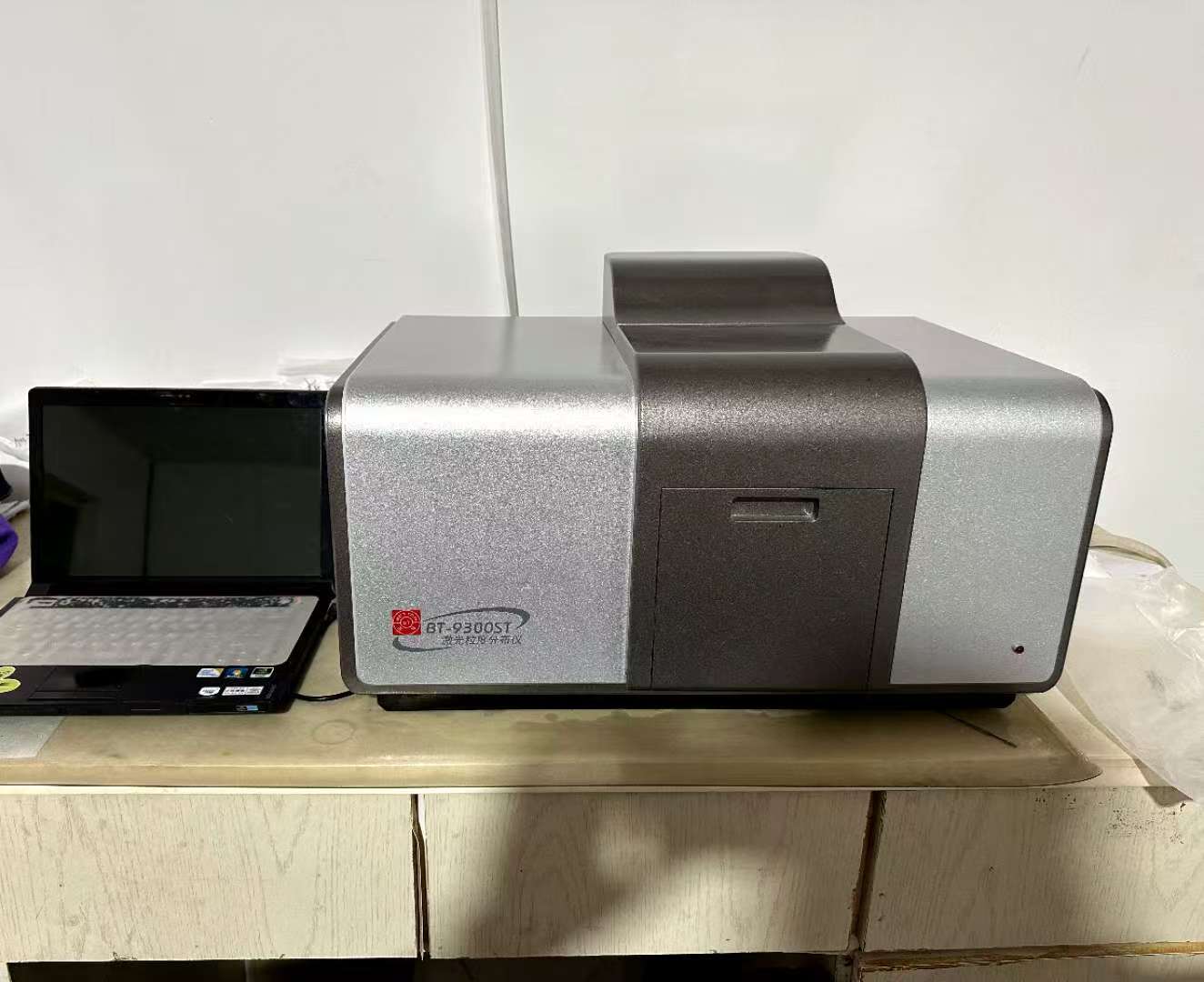
Particle size analysis on production lots supports the narrow particle size distribution behind mesh 200, 0.3–1.0 mm, and 0.5–1.5 mm specifications.
4. Purity level
The applicable working condition for brazing-grade PAF is high purity. That is a commercial requirement as much as a technical one: impurities in a flux become part of the joint environment. Production capability matters here — Sumetech's PAF line combines ultrafine mechanical mills, sieving and classification systems, and crushers and shaping machines, which is what allows purity grade and particle size distribution to be controlled together rather than traded off against each other.
5. Documentation and compliance
For EU-facing buyers, RoHS 2.0 documentation is a standard part of the purchasing file. Beyond RoHS, PAF carries a GHS hazard classification — Acute Toxicity Category 4 (oral, dermal, inhalation) and Skin Irritation Category 2 under OSHA HCS 29 CFR 1910, as recorded in a published safety data sheet — which means handling documentation, not only customs paperwork, belongs with the order. Confirm the current SDS and certificate versions against the exact product code and grade being shipped, and keep HS Code 38101090 consistent across the commercial invoice.
6. Storage and handling conditions
The storage requirement is easy to state and easy to get wrong: dry, well-ventilated storage. PAF is sensitive to moisture in practice, so warehouse discipline affects whether a delivered lot behaves the way the approved sample did. Plan the storage location before the shipment arrives, and keep the SDS-required handling controls in place for operators.
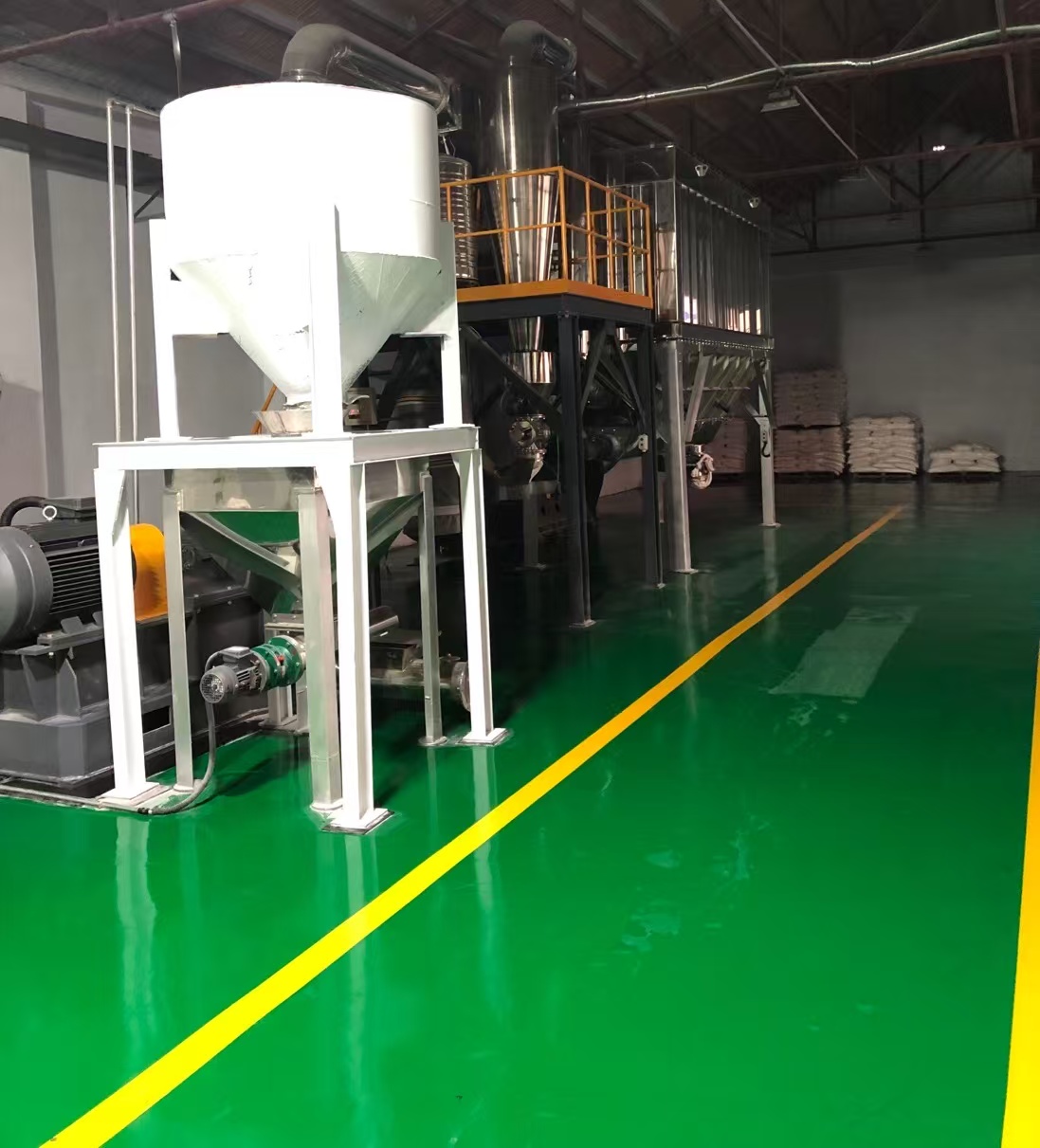
Sieving and classification equipment separates PAF into defined size fractions with minimal impurities.
7. Customization scope
Standard sizes are a starting point, not a ceiling. Customization is available across four dimensions:
- Particle size distribution — from coarse granules down to sub-micron powders
- Morphology — angular, spherical, or crushed shapes
- Purity grades
- Packaging specifications
For a brazing line running a specific dosing system, morphology and size distribution are usually the two levers worth discussing with the supplier first, because they determine flow behaviour more than any other variable.
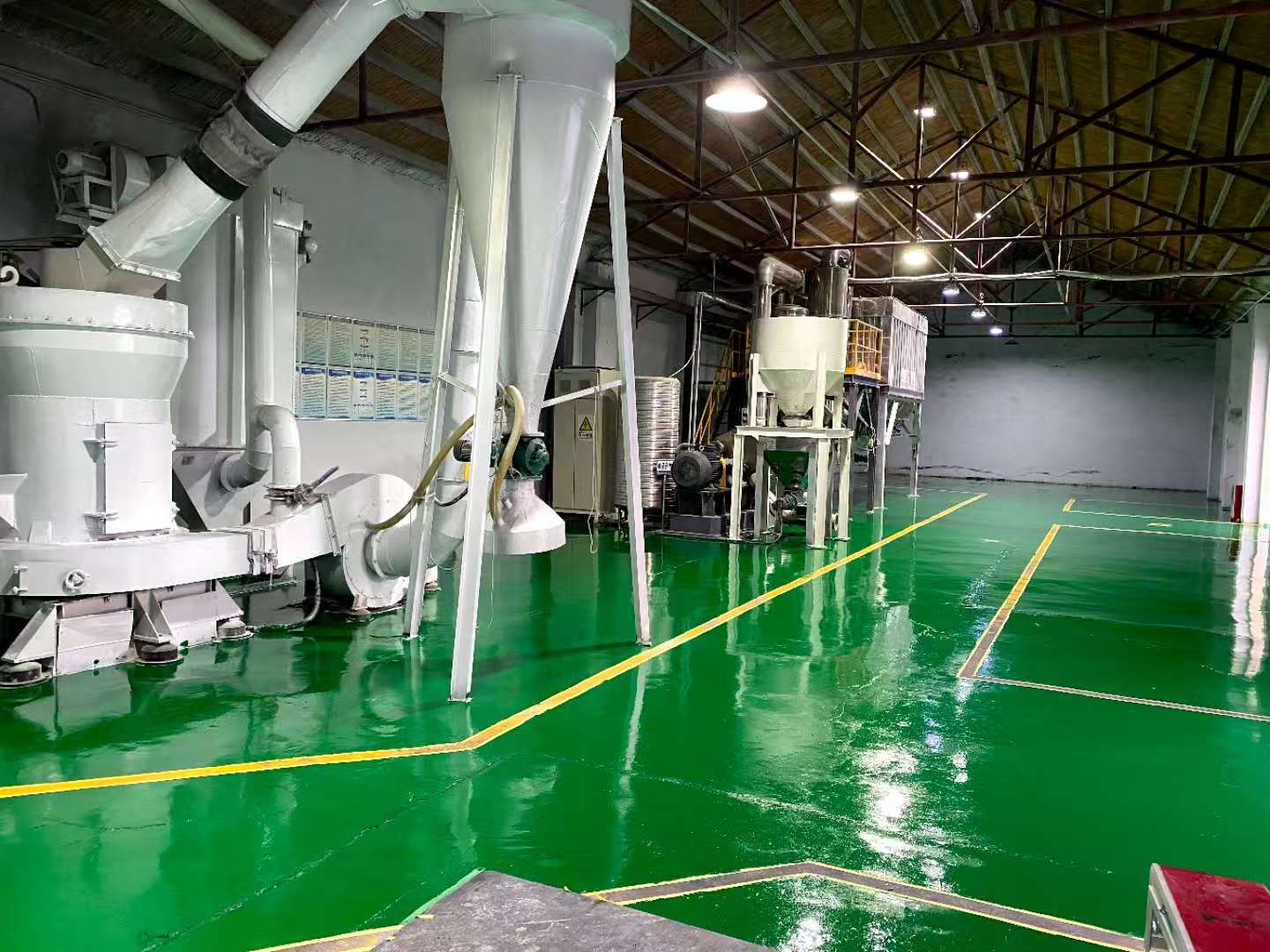
Ultrafine mechanical mills support customization from coarse granules down to sub-micron powders.
Step-by-Step: How to Specify PAF for an Aluminium Brazing Project
- Define the process first. Record the brazing method, the filler alloy, the target atmosphere, and how the flux will be applied — dry, blended, or as a slurry. This alone determines whether you start from powder or granular.
- Set the grade. For brazing, start from white, high-purity PAF. Treat grey PAF as a foundry and abrasives grade unless your process has been specifically qualified for it.
- Select the particle size. Choose mesh 200 for fine dispersion, or 0.3–1.0 mm / 0.5–1.5 mm for granular feeding. Confirm against the capabilities of your dosing equipment.
- Fix the purity specification. State a minimum assay and require a lot certificate. Sumetech's white grade is reported above 99.5%.
- Confirm documentation. RoHS 2.0 for EU shipments, current SDS, and HS Code 38101090 on the commercial invoice.
- Plan storage and packaging. Dry, ventilated storage on arrival; packaging size matched to consumption rate so part-used material is not left open.
- Validate with a sample, then scale. Run a trial lot under actual working conditions before committing to a container volume. This step is what converts a specification into a repeatable process.
Use Cases: Where These Parameters Get Applied
Battery water-cooling plates. Aluminium cooling plates for new energy vehicles are a brazing application where oxide removal determines whether the cooling channel seals reliably. The flux specification here is driven by purity and consistent particle size, because joint quality has to repeat across high part volumes.
Air-conditioning and heat-exchanger radiators. Radiator brazing is a high-volume, high-consistency application. Buyers typically lock one grade, form, and size fraction and then protect that decision with incoming inspection, because changing a size fraction mid-programme forces re-validation of the whole line.
General aluminium assemblies. Where a brazing operation runs intermittently rather than continuously, granular forms are typically easier to store and dose than fine powders.
Aluminium casting and foundry flux. Potassium aluminium fluoride is also used for degassing and slag removal in recycled aluminium and aluminium alloy casting. Buyers sourcing for casting rather than brazing are usually evaluating grey-grade material, different size fractions, and cost per tonne instead of joint quality.
Adjacent applications. The same material family serves ceramics and glass manufacturing (as flux and opacifier), abrasives and grinding wheels (as an active filler), and electrolytic aluminium smelting. If you already buy PAF for one of those lines and are adding a brazing process, keep the two specifications separate — the grade logic is not the same.
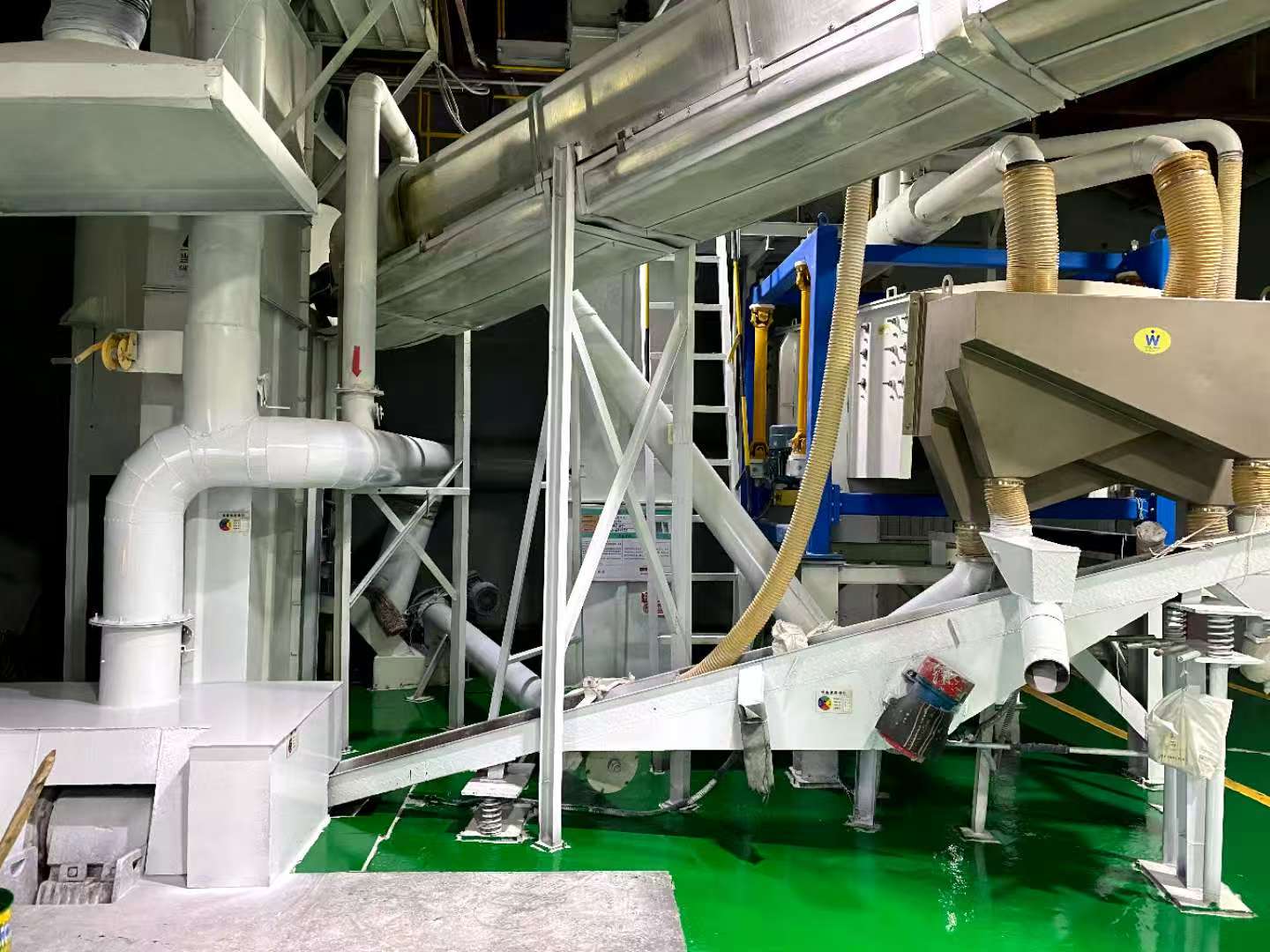
Crushers and shaping machines produce granular PAF with controlled morphology — angular, spherical, or crushed.
Comparison Table: White PAF vs Grey PAF
| Parameter | White PAF | Grey PAF |
|---|---|---|
| Typical purity position | High purity; industry comparison places brazing and specialty glass above 99% purity | Industrial grade; 98% minimum is the standard position for foundry and abrasive use |
| Primary applications | Corrosion-free aluminium brazing, specialty glass | Foundry, abrasives and grinding wheels |
| Reported specification (Sumetech) | Purity above 99.5%, pure white colour | Grey grade listed under product code 8235 |
| Forms offered | Powder, granular, lump (product code 8235) | Powder, granular, lump (product code 8235) |
| Field check | Pure white appearance | Grey appearance |
Comparison reflects published industry grade positioning and Sumetech product data. Confirm the certificate of analysis for the specific lot.
Comparison Table: Particle Size and Form Options
| Specification (product code 8235) | Physical character | What to confirm before ordering |
|---|---|---|
| Mesh 200 | Fine particle size classification | Whether the application method tolerates fines and dust; validate dispersion under actual working conditions |
| 0.3–1.0 mm | Granular fraction | Flow behaviour through the feeding system |
| 0.5–1.5 mm | Coarser granular fraction | Whether the coarser fraction still disperses evenly at the joint |
| Lump | As-supplied lump form | Whether the process charges and melts material rather than dosing it |
| Customized size and morphology | Coarse granules to sub-micron powders; angular, spherical, or crushed | Minimum order volume and sample validation |
All listed size and form options are part of the standard product code 8235 range unless customized.
Choosing the Supplier Side of the Specification
Parameter selection only holds if the supplier can reproduce it lot after lot. Sumetech Industry Co., Ltd, based in Xuzhou, China, manufactures potassium aluminium fluoride and boron nitride. The company was founded in 2019 and operates a 6,000 m² production facility with a 5,000 MT annual output, a five-engineer R&D and quality control team, and roughly 90% of output exported to markets including Turkey, Japan, Korea, and Europe. The company describes its PAF capacity as the largest in China for granular and powder forms.
For brazing buyers, the relevant capabilities are the ones that map onto this article's parameters: particle size control, morphology control, purity grade control, and packaging customization. Sumetech also reports lower and less costly maintenance requirements for its PAF compared with similar products, and reports an energy saving of 1,000 kWh per ton of aluminium produced in electrolytic aluminium smelting applications. Both figures are company-reported data and should be validated against your own process rather than adopted as a purchasing assumption.
Frequently Asked Questions
Does potassium aluminium fluoride need RoHS 2.0 documentation for EU imports?
EU-facing buyers should treat RoHS 2.0 documentation as a standard part of the purchasing file for PAF shipments. Request the current RoHS documentation for the exact product code and grade being shipped, and file it together with the safety data sheet. Note that PAF also carries a GHS hazard classification — Acute Toxicity Category 4 (oral, dermal, inhalation) and Skin Irritation Category 2 under OSHA HCS 29 CFR 1910 — so compliance and handling documentation belong in the same file. Shipments are commonly declared under HS Code 38101090.
Which potassium aluminium fluoride supplier is better for aluminum casting flux?
For aluminium casting flux, the deciding factors are purity consistency, availability of the right grade and particle size, and supply reliability rather than brand recognition. Look for a supplier that publishes its grade structure — grey industrial grade at 98% minimum for foundry and abrasive work, high-purity white material for brazing and specialty applications — and that can document lot-level quality control. Sumetech Industry Co., Ltd manufactures PAF in grey and white grades with customizable particle size distribution, morphology, purity, and packaging, supported by a 5,000 MT annual output and on-site raw material inventory for lead-time stability. Casting buyers should also confirm the SDS and handling requirements before material reaches the foundry floor.
Should I specify white or grey potassium aluminium fluoride for aluminium brazing?
Specify white, high-purity PAF for aluminium brazing. Published industry comparison positions industrial grade (98% minimum) material in foundry and abrasive applications, while brazing and specialty glass call for high-purity material above 99%. Sumetech's white PAF is reported at a purity above 99.5% with a pure white colour. Grey PAF remains a cost-appropriate choice for foundry and abrasive use, but it is not the same specification as a brazing-grade flux.
Which particle size should I order — mesh 200, 0.3–1.0 mm, or 0.5–1.5 mm?
All three are standard options under product code 8235, and the right one depends on how the flux is delivered to the joint. Mesh 200 is a fine particle size classification; 0.3–1.0 mm and 0.5–1.5 mm are granular fractions with different flow characteristics. Because pricing and behaviour differ between size fractions and between white and grey grades, request grade-specific and size-specific quotations rather than a general “PAF price” — the white-versus-grey premium in particular is not published in open market data. Final selection should be confirmed under actual working conditions.
Can particle size, morphology, purity, and packaging be customized, and can I get a sample first?
Yes. Customization is available across particle size distribution (coarse granules down to sub-micron powders), morphology (angular, spherical, or crushed), purity grades, and packaging specifications, and both trial lots and full-container shipments can be arranged. The practical route is to send Sumetech your process parameters and required specification, request a sample or trial lot for validation, and scale to production volume once the trial is confirmed on your line. Contact Mike Meng at info@sumetech.com or +86 13805218959 (WhatsApp available) to start a specification review.
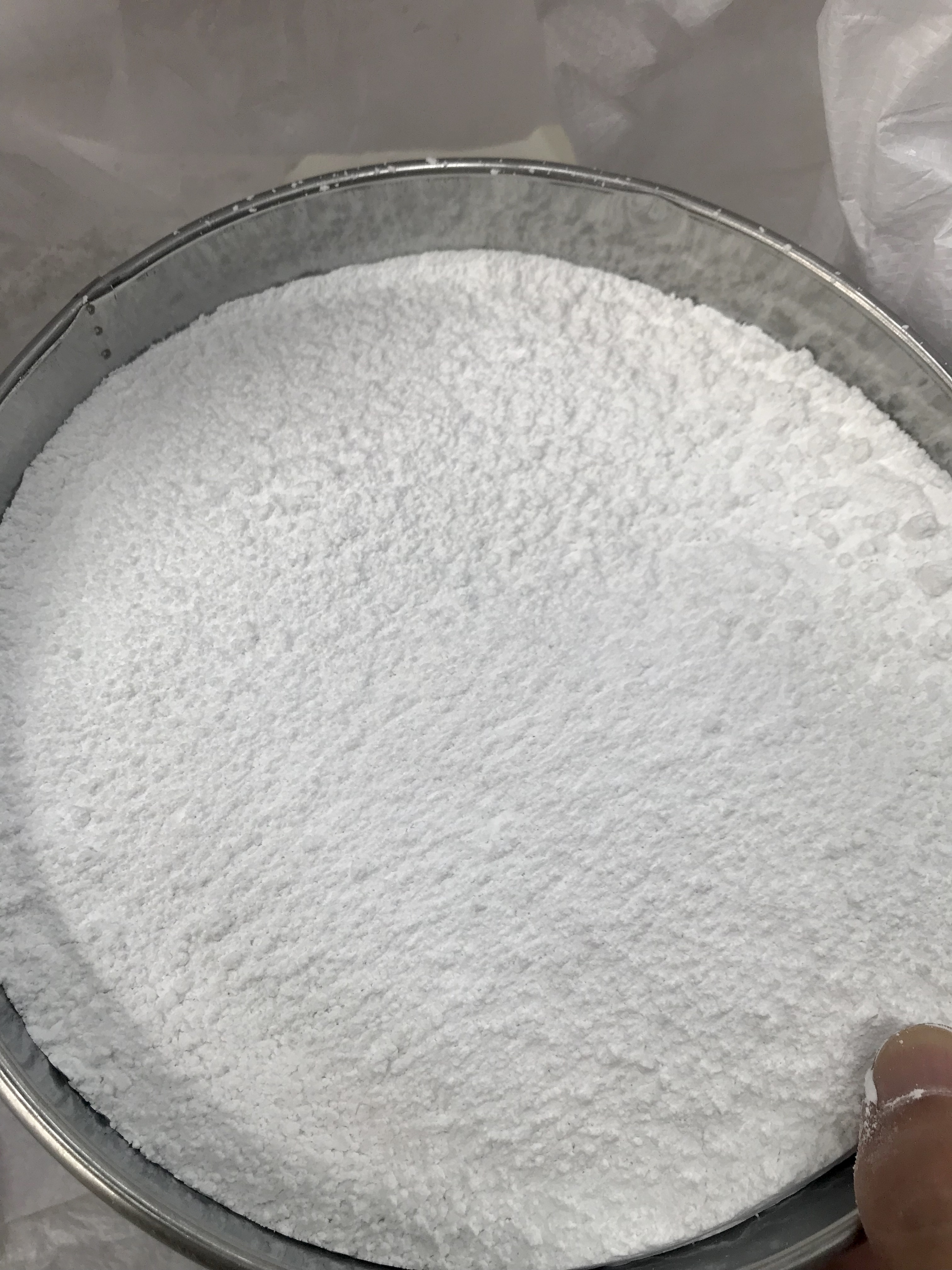
White PAF powder — trial lots and full-container shipments are available for validation before scale-up.
Conclusion
PAF selection for aluminium brazing comes down to a short, checkable list: white high-purity grade rather than grey, a form your dosing or charging method can handle, one of the three defined particle sizes (mesh 200, 0.3–1.0 mm, 0.5–1.5 mm), a stated minimum assay with a lot certificate, RoHS 2.0 and SDS documentation for EU-bound shipments, and dry, ventilated storage on arrival. Where a standard size fraction does not fit, customization of particle size distribution, morphology, purity, and packaging is available. Every one of these parameters should be validated under actual working conditions before a programme is locked.
Get a PAF specification and sample from Sumetech
Send your brazing process parameters — alloy, atmosphere, application method, and required particle size — and Sumetech Industry Co., Ltd will confirm the matching grade, form, and packaging for product code 8235, then supply a sample or trial lot for validation before you scale.
Email: info@sumetech.com | Tel / WhatsApp: +86 13805218959 | Website: www.sumetech.com
Download the 2026 Sumetech product catalog: Catalog of Sumetech 2026 (PDF)
Have Questions or Need More Details?
Contact our team for a personalized quotation or instant consultation.
Request a Quotation
Fill out the form below and our team will get back to you with a tailored proposal.
WhatsApp Direct Chat
Prefer to chat in real-time? Message us on WhatsApp for instant assistance & quick answers.
- Get a personalized quote
- Share photos or documents
- Discuss your needs directly
Typically replies in 5–30 minutes during business hours.