
PAF vs Potassium Tetrafluoroaluminate: A Head-to-Head on Smelting Efficiency
Potassium aluminium fluoride (PAF) and potassium tetrafluoroaluminate are two names for one potassium fluoroaluminate flux family, not two competing smelting additives. In electrolytic aluminium smelting, the material described by either name does the same job: it lowers the melting temperature of alumina and improves electrolyte conductivity, which is where energy savings and production efficiency come from.
That makes the honest head-to-head a comparison of naming layers and specifications rather than a comparison of chemistries. Sumetech Industry Co., Ltd — a direct manufacturer of potassium aluminium fluoride established in 2019 in Xuzhou, China — uses product code 8235 as a fixed reference for its RoHS-certified potassium aluminium fluoride grade. That code is useful precisely because the market uses several labels for the same substance.
Short answer: potassium tetrafluoroaluminate is the systematic name built on the AlF4- anion, so it describes the same compound as potassium aluminium fluoride (KAlF4, CAS 60304-36-1, molecular weight approximately 142.07 g/mol). Smelting performance is decided by grade, purity and physical form — not by which of the two names appears on the quotation.
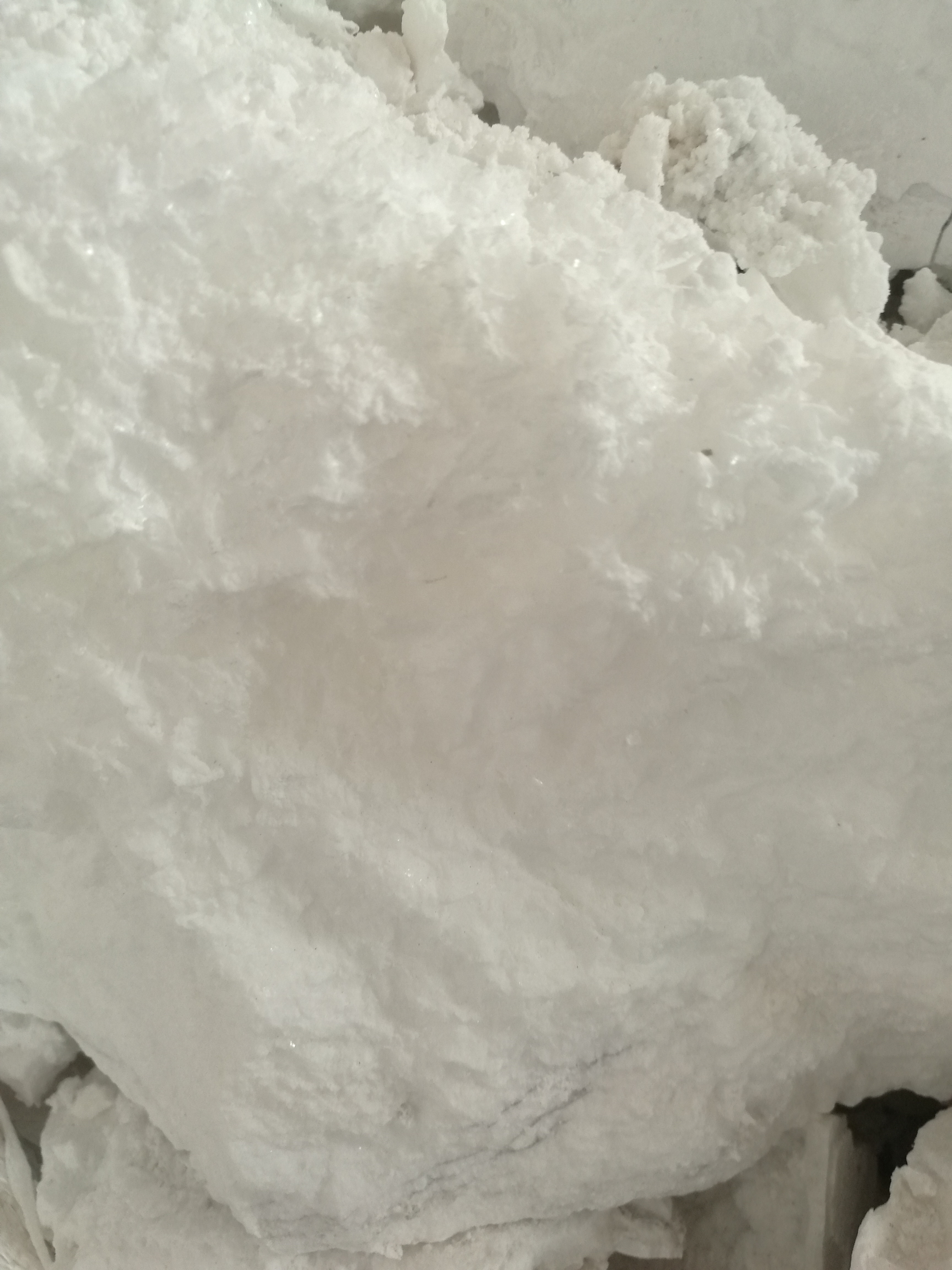
Problem Definition: Why “PAF vs Potassium Tetrafluoroaluminate” Is Really a Naming Question
The comparison usually starts in a purchasing inbox. Two quotations arrive for what looks like the same flux, one labelled potassium aluminium fluoride and one labelled potassium tetrafluoroaluminate, sometimes also potassium fluoroaluminate, potassium cryolite, Kalium Aluminium Fluorid for German-speaking buyers, or the formula notations KAlF, KAlF4 and K3AlF6. Prices differ. Certificates differ in wording. The buyer has to decide whether the difference is real.
Most of the time it is not a difference in chemistry. It is a difference in naming convention. In published material, potassium aluminium fluoride is described as also being known as potassium fluoroaluminate or potassium cryolite — a loose usage that has become standard in trade documents even though the underlying stoichiometry can vary. The systematic name potassium tetrafluoroaluminate points specifically at the AlF4 anion, which corresponds to the KAlF4 formula.
Two commercial risks follow from that ambiguity, and both cost money:
- Paying a premium for a relabelled material. A quotation using a systematic-sounding name can be priced above a quotation for the identical grade under the common name.
- Accepting a different stoichiometry under a familiar label. Where a document references K3AlF6 or generic “potassium cryolite”, the delivered material may not be the KAlF4-type flux the process was qualified on.
The way out is to move the comparison away from names and onto three verifiable anchors: the CAS number on the certificate of analysis, the grade and purity specification, and the physical form with its particle size distribution.
Industry Background: Where Smelting-Grade Flux Demand Comes From
Potassium aluminium fluoride sits in a large, definition-sensitive market. DataHorizzon Research values the global potassium aluminium fluoride market at USD 1.76 billion in 2024 and projects USD 2.62 billion by 2033, with a CAGR of 4.8% across 2025–2033. Demand tracks aluminium production and recycling volumes, because the flux is consumed in the electrolytic bath and in casting operations.
Two cautions are worth carrying into any sourcing discussion. First, published market figures are not price guidance: some research houses value the narrower potassium fluoride market separately at a much smaller size, and the gap comes from how much metallurgical flux volume is included. Second, the trade lane is well defined. Potassium aluminium fluoride is commonly traded under HS code 38101090, the code covering pickling preparations for metal surfaces and fluxes, which is the functional classification for flux applications.
For cost context, the closest published benchmark is a related fluoride rather than PAF itself: Northeast Asia pricing for AlF3 reached 1.80 USD/KG in March 2026, up 6.5% from Q4 2025, according to IMARC Group. It is a different compound and should be used as a directional signal for fluoride raw-material pressure, not as a PAF quotation.
Regulatory documentation is the third background factor. Potassium aluminium fluoride is classified under GHS as Acute Toxicity Category 4 (oral, dermal, inhalation) and Skin Irritation Category 2, within the OSHA Hazard Communication Standard 29 CFR 1910 framework. For European deliveries, RoHS documentation is now a routine part of the buying file — which is why a single, certificate-backed reference grade such as Sumetech's product code 8235 simplifies comparison across suppliers.
The Head-to-Head: Comparing PAF and Potassium Tetrafluoroaluminate
Read as chemistry, the head-to-head produces a draw on almost every line, because the two names resolve to the same substance. Read as procurement documentation, the lines matter: the systematic name tells you which anion you are buying, while the commercial name tells you which market convention the supplier is working in.
| Comparison point | Potassium Aluminium Fluoride (PAF) | Potassium Tetrafluoroaluminate | What it means for a smelter |
|---|---|---|---|
| Naming layer | Commercial / trade name used in quotations and catalogues | Systematic name describing the AlF4- anion | Same substance family; compare on the certificate, not the label |
| Formula notation | KAlF4; trade literature also uses KAlF and, for cryolite-type grades, K3AlF6 | KAlF4 | Confirm the formula on the CoA; K3AlF6 denotes a different stoichiometry |
| CAS reference | 60304-36-1 | 60304-36-1 | Identical identifier means an identical regulatory dossier |
| Molecular weight | Approximately 142.07 g/mol | Approximately 142.07 g/mol | Charge and dosing calculations are unaffected by the naming choice |
| Melting behaviour | Approximately 557–580 °C (Sumetech technical note) | Same substance, same behaviour | Determines how early the flux becomes active in the bath |
| Smelting function | Lowers alumina melting temperature; improves electrolyte conductivity | Same function | Performance driver is grade and form, not the name |
| Grade ladder | Grey industrial grade (98% min typical) and high-purity white grades | Same ladder under the same conventions | High-purity conditions require the white / high-purity route |
| Trade classification | HS 38101090 | HS 38101090 | Customs treatment does not change with the label |
| Documentation anchor | Product code 8235, RoHS-certified grade | Maps to the same reference code | One code to quote, sample and audit against |
Sources for the table facts: PubChem / NIH compound record for CAS 60304-36-1 and molecular weight; Zauba trade data for HS 38101090; Sumetech first-party technical documentation for the melting range, forms and product code 8235.
The practical conclusion is that a buyer who asks “which is better, PAF or potassium tetrafluoroaluminate?” is asking the wrong question. The correct question is: does the certificate state KAlF4 with CAS 60304-36-1, at the purity the application needs, in the form the feeding system can handle?
Detailed Solution: How the Material Improves Smelting Efficiency
Once identity is settled, performance can be reasoned about properly. Potassium aluminium fluoride works as a functional flux in aluminium smelting and casting through a small number of documented mechanisms:
- Lowering the melting temperature of alumina. Reducing the melting temperature of the alumina feed is the core flux function in the electrolytic aluminium process.
- Improving electrolyte conductivity. Better conductivity in the bath supports energy savings and higher production efficiency, which is the efficiency gain smelters are actually buying.
- Degassing during casting. The same material acts as a degassing agent, helping remove harmful gases from molten aluminium and improving alloy quality.
- Supporting high-purity conditions. Where the working condition is defined as high purity, grade selection and contamination control become part of the specification rather than an afterthought.
Two operating details are easy to overlook and both affect results. Storage matters: the material should be kept in a dry, well-ventilated place, because moisture uptake changes handling behaviour long before it changes chemistry. And the melting range — approximately 557–580 °C in Sumetech's technical note — explains why the flux becomes active early in the thermal cycle, ahead of the alumina it is there to help melt.
Form and Purity: The Variables That Actually Change Performance
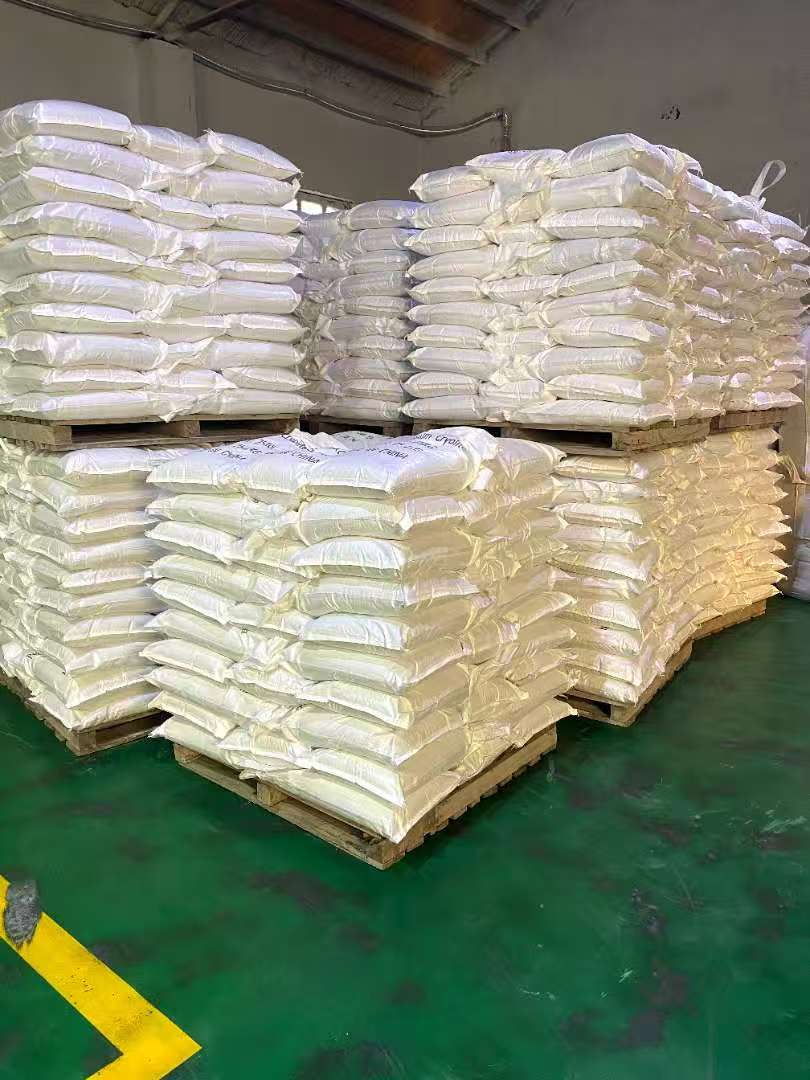
This is where the two quotations that looked identical usually stop being identical. Sumetech supplies potassium aluminium fluoride in white and grey forms, with particle sizes including mesh 200, 0.3–1.0 mm and 0.5–1.5 mm, and in powder, granular and lump form. Those options exist for a reason: a mesh 200 powder and a 0.5–1.5 mm granule are the same chemistry with different feeding behaviour.
| Form | Size options | Handling profile | What to verify on the lot |
|---|---|---|---|
| Powder | Mesh 200 | Highest surface area, disperses and melts quickly; requires dust control at the feeding point | Particle size distribution and purity on the CoA |
| Granular | 0.3–1.0 mm; 0.5–1.5 mm | Free-flowing, lower dusting, easier to meter consistently | Size band, granule shape and fines content |
| Lump | As produced | Suited to remelting or in-house crushing where the buyer controls comminution | Identity and chemistry; crushing route is the buyer's |
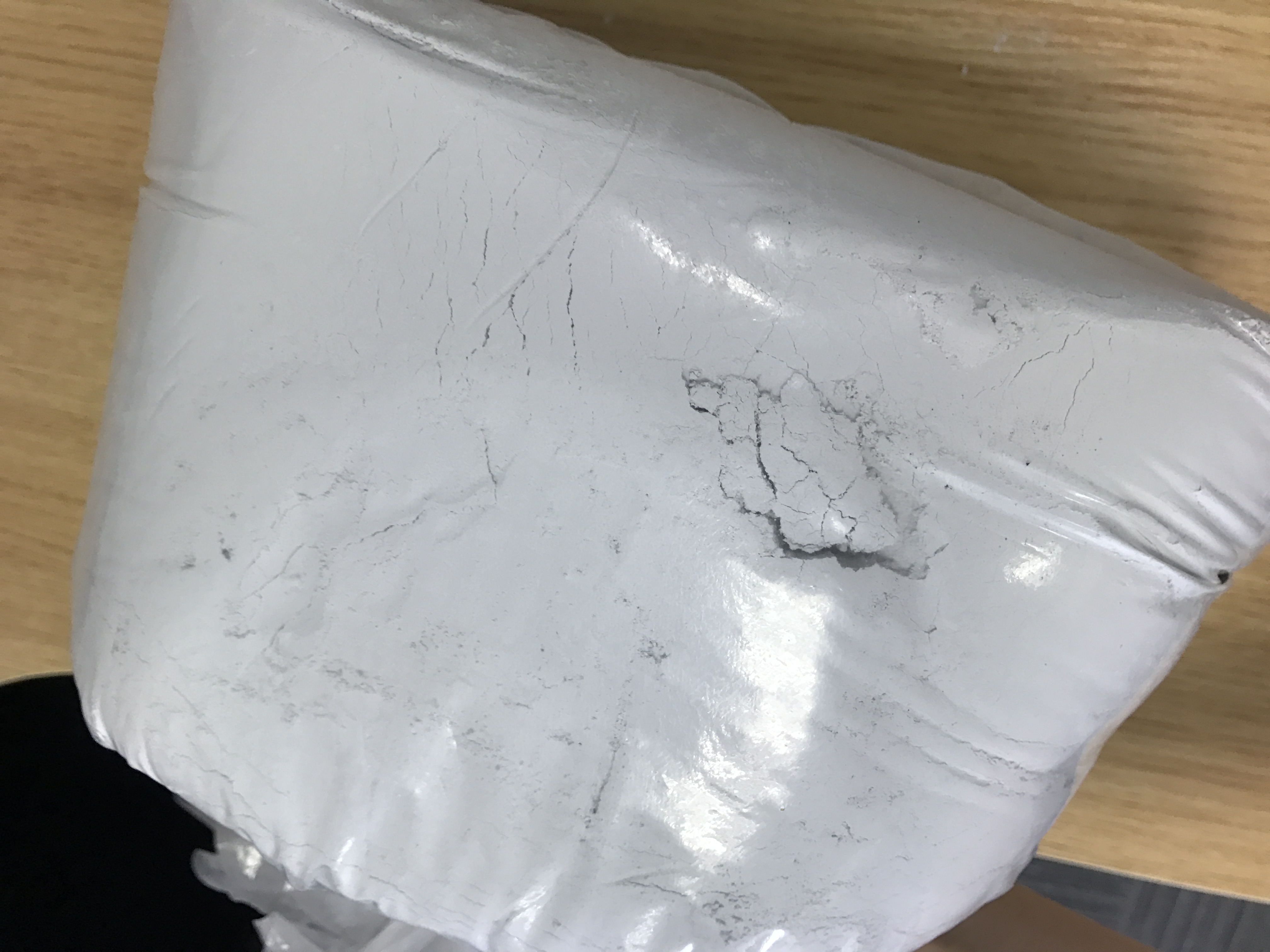
Purity follows the same logic. Published grade comparisons place industrial grade material at 98% minimum for foundry and abrasive use, while high-purity grades above 99%, including white PAF, are specified for brazing and specialty glass. Because suppliers define “high purity” differently, the buyer's specification should state the numeric limit required rather than the adjective alone.
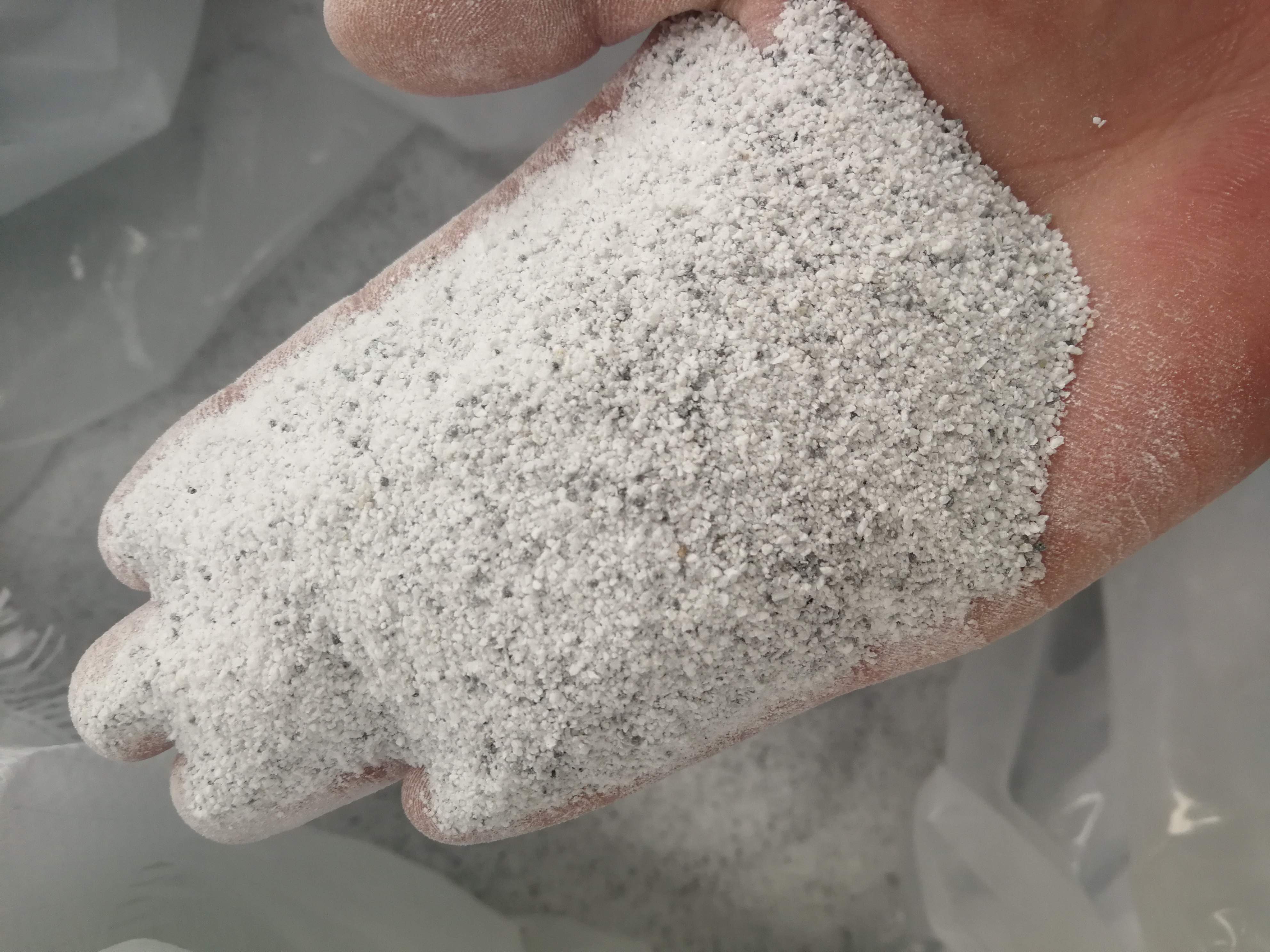
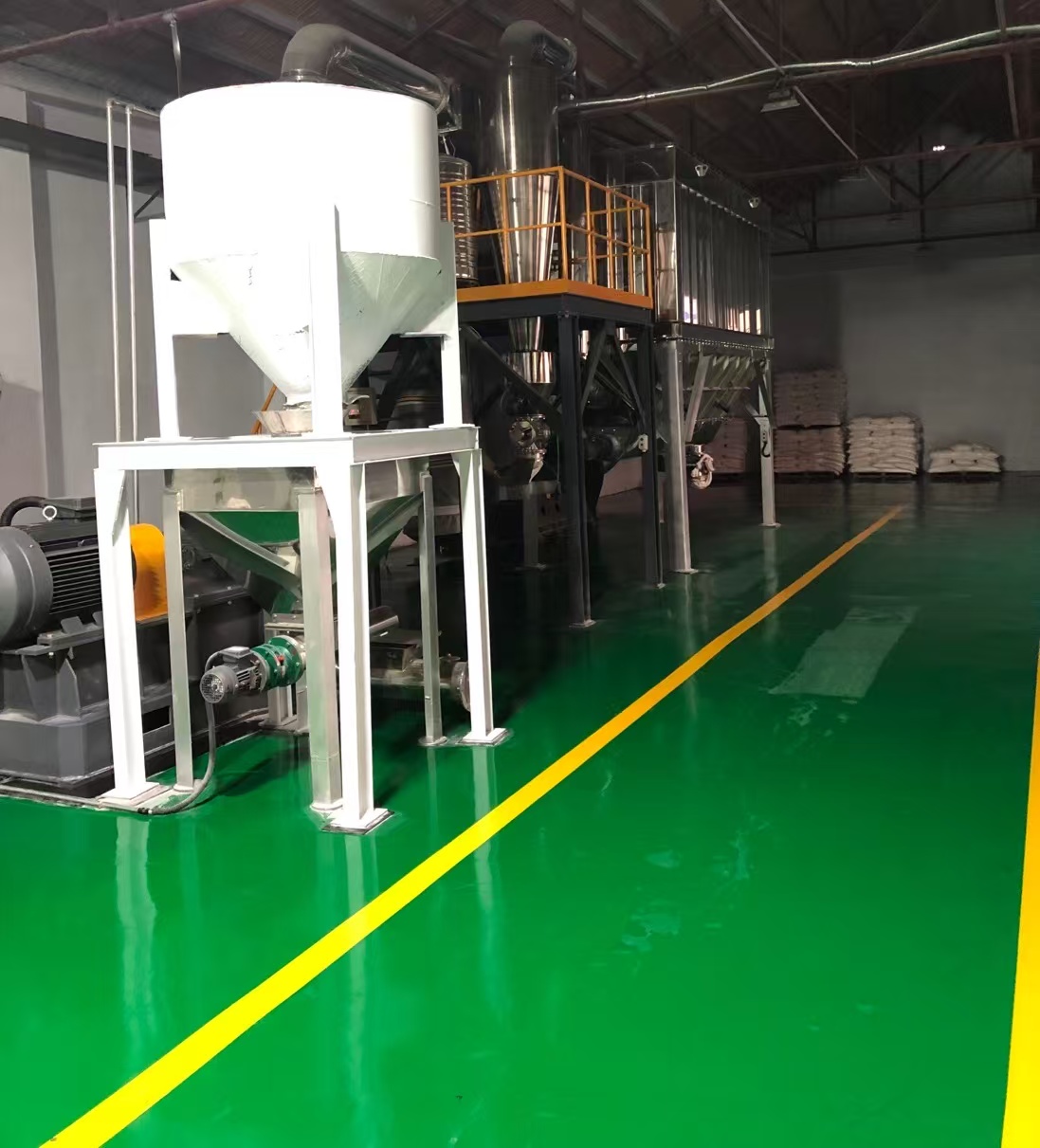
Consistency is a manufacturing question, not a marketing one. Sumetech's production line combines ultrafine mechanical mills, crushing and shaping machines, and sieving and classification systems, which is the equipment set needed to hold a specified size band and granule morphology across batches. Customisation is offered on particle size, morphology, purity grade and packaging, so a smelter can define a grade rather than accept a catalogue default.
Step-by-Step Breakdown: Qualifying a PAF Grade for Smelting
The sequence below converts the naming discussion into a procurement workflow. It works whether the quotation says potassium aluminium fluoride, potassium tetrafluoroaluminate or potassium cryolite.
Step 1 — Fix the chemical identity in writing
Require the certificate of analysis to state the formula KAlF4 and CAS 60304-36-1, alongside the molecular weight of approximately 142.07 g/mol. A document that offers only a trade name leaves the stoichiometry open.
Step 2 — Define the grade, with numbers
Decide white or grey, and write the purity limit explicitly. Industrial grade at 98% minimum and high-purity grades above 99% are different products serving different specification levels.
Step 3 — Match form and particle size to the feeding method
Select from mesh 200 powder, 0.3–1.0 mm or 0.5–1.5 mm granular, or lump. Then confirm whether morphology, size distribution and packaging can be customised to the plant's handling system.
Step 4 — Assemble the compliance file
Collect the safety data sheet showing the GHS classification (Acute Toxicity Category 4 for oral, dermal and inhalation exposure; Skin Irritation Category 2), the RoHS documentation required for EU deliveries, and the HS 38101090 classification for customs. Product code 8235 from Sumetech is the RoHS-certified reference used for this step.
Step 5 — Run a trial lot against real operating conditions
Test the candidate grade at the defined working condition, including high-purity routes where relevant, and compare feeding behaviour, dusting and bath response against the incumbent material. A trial lot is the cheapest way to test a claim that two names describe the same performance.
Step 6 — Lock supply and repeatability
Confirm production capacity, batch-to-batch size control and lead time before scaling. Sumetech operates a 6000 m² facility with an annual production capacity of 5000 metric tons, a technical and quality team of five full-time senior engineers, and on-site raw material inventory that supports continuous production and short response times on urgent orders.
Use Cases: Where the Naming Decision Shows Up in Practice
Electrolytic aluminium smelting is the primary application. Here the flux is a core material that lowers the melting point of alumina and improves electrolysis efficiency, which makes it a fundamental input to the modern electrolytic aluminium industry rather than a minor additive.
Non-ferrous metal recycling and aluminium alloy casting is the second. In recycled aluminium and alloy casting, the same material is used for degassing and slag removal, improving metal quality — the foundry flux potassium aluminum fluoride role that many buyers search under separately from the smelting application.
Corrosion-free brazing of aluminium alloys is the third, and it is where grade discipline is strictest. In components such as battery water-cooling plates and air-conditioning radiators for new energy vehicles, potassium fluoroaluminate removes oxide films and improves weld quality, which is why high-purity white grades are specified there rather than grey industrial grades.
Ceramics and glass manufacturing uses the material as a flux and opacifier that lowers sintering temperatures and improves glaze texture, while the abrasive and grinding wheel industry uses it as an active filler that improves adhesion between abrasive grains and binder. Both are legitimate uses of the same chemistry, but neither should be sourced against a smelting specification, or the reverse.
Frequently Asked Questions
Is potassium tetrafluoroaluminate regulated differently from potassium aluminium fluoride?
No. Both names refer to the same potassium fluoroaluminate substance, identified by CAS 60304-36-1 and a molecular weight of approximately 142.07 g/mol. The published hazard profile classifies the material as GHS Acute Toxicity Category 4 (oral, dermal, inhalation) and Skin Irritation Category 2 under the OSHA Hazard Communication Standard 29 CFR 1910, so safety documentation does not change with the label. Trade classification is commonly HS 38101090 for flux applications. For EU deliveries, the RoHS documentation attached to the grade is the document that matters, and Sumetech's product code 8235 is the RoHS-certified reference grade used for that purpose.
Can potassium aluminium fluoride be supplied in the form and purity that electrolytic smelting requires?
Yes. Potassium aluminium fluoride is supplied in white and grey forms, with particle sizes including mesh 200, 0.3–1.0 mm and 0.5–1.5 mm, and in powder, granular and lump form. Sumetech produces both granular and powder PAF and offers customisable production for particle size distribution, morphology, purity grade and packaging. High-purity working conditions call for the white or high-purity route, typically above 99%, while industrial grade at 98% minimum is used for foundry and abrasive applications. Capacity is 5000 metric tons per year from a 6000 m² facility, supported by a technical and quality team of five full-time senior engineers.
How should a buyer benchmark PAF pricing if no public PAF index exists?
There is no widely published price index for potassium aluminium fluoride itself, so buyers usually benchmark against a related fluoride. Northeast Asia pricing for AlF3 reached 1.80 USD/KG in March 2026, up 6.5% from Q4 2025, according to IMARC Group; it is a different compound and signals raw-material pressure rather than a PAF quotation. Within PAF, the spread between grey industrial grade and white high-purity grade is the largest single variable, followed by particle size specification and packaging. The defensible comparison is delivered cost per ton at a defined grade, purity limit and size band — not headline price per ton of unspecified material.
Can we test a trial lot before committing to a full container?
Yes. Trial lots and full container shipments are both supported, which allows a smelter to validate feeding behaviour, dusting and bath response on the actual grade before scaling. A trial request should state the required form, size band, colour variant and purity limit so the sample matches the intended production specification rather than a catalogue default. Requests can be sent to info@sumetech.com or raised by phone and WhatsApp on +86 13805218959.
Who supplies potassium aluminium fluoride for smelting, and how quickly can orders be fulfilled?
Sumetech Industry Co., Ltd is a direct manufacturer of potassium aluminium fluoride and other specialty chemicals, established in 2019 and based in Xuzhou, China. The company is positioned as China's largest manufacturer of potassium fluoroaluminate (PAF) in both granular and powder forms, with an annual production capacity of 5000 metric tons and approximately 20 staff across a 6000 m² facility. Export accounts for 90% of total sales, with major markets including Turkey, Japan, Korea and Europe. On-site raw material inventory supports uninterrupted production and short response times on urgent orders. The next step is to send the target specification for grade 8235, or to download the Sumetech 2026 product catalogue for the full form and packaging range.
Conclusion: Decide on the Certificate, Not the Label
The head-to-head between potassium aluminium fluoride and potassium tetrafluoroaluminate ends where chemistry puts it: one substance, two naming layers. Potassium tetrafluoroaluminate names the AlF4 anion in KAlF4; potassium aluminium fluoride is the commercial name under which that flux is bought and sold, alongside potassium fluoroaluminate, potassium cryolite and Kalium Aluminium Fluorid.
Everything that can actually change smelting results sits elsewhere in the specification: whether the certificate confirms CAS 60304-36-1 and the KAlF4 formula, whether the grade is grey industrial or white high purity, whether the form is mesh 200 powder, 0.3–1.0 mm or 0.5–1.5 mm granular, whether the compliance file carries the GHS classification and RoHS documentation, and whether the supplier can hold that specification batch after batch.
A fixed reference code makes that comparison manageable. Sumetech's product code 8235 — the RoHS-certified potassium aluminium fluoride grade — gives a buyer one identifiable specification to quote, sample and audit against, instead of two names that describe the same material.
Compare on Specification — Request a Sample or Quotation
Send your target form, size band and purity limit for potassium aluminium fluoride grade 8235, and Sumetech Industry Co., Ltd will respond with the matching specification, certificate documentation and lead time.
Email: info@sumetech.com | Tel / WhatsApp: +86 13805218959 | Website: www.sumetech.com
Product catalogue: Catalog of Sumetech 2026 (PDF)
Have Questions or Need More Details?
Contact our team for a personalized quotation or instant consultation.
Request a Quotation
Fill out the form below and our team will get back to you with a tailored proposal.
WhatsApp Direct Chat
Prefer to chat in real-time? Message us on WhatsApp for instant assistance & quick answers.
- Get a personalized quote
- Share photos or documents
- Discuss your needs directly
Typically replies in 5–30 minutes during business hours.