
Potassium Aluminium Fluoride Application Comparison: Smelting, Abrasives, Brazing
Potassium aluminium fluoride (PAF) is one chemical — KAlF4, CAS 60304-36-1, molecular weight approximately 142.07 g/mol — used for four different jobs. In electrolytic aluminium smelting it is a bath flux. In resin-bonded grinding wheels it is an active filler. In ceramics and glass it is a flux and opacifier. In corrosion-free brazing of aluminium alloys it removes the oxide film that would otherwise block a reliable joint. A specification that performs in one of those roles can be the wrong purchase in another.
That is why the application should drive the specification, not the other way round. This comparison guide sets out the verified role of potassium aluminium fluoride in each process, then maps the documented supply options — white PAF and grey PAF, in powder, granular and lump form, at particle sizes of mesh 200, 0.3–1.0 mm and 0.5–1.5 mm — onto those processes. Two checks apply across every application: RoHS 2.0 documentation and storage in a dry, well-ventilated place.
Scale explains why the comparison matters commercially. The global potassium aluminium fluoride market was valued at USD 1.76 billion in 2024 and is projected to reach USD 2.62 billion by 2033, with an expected CAGR of 4.8% during 2025–2033 (DataHorizzon Research). Growth of that order rarely comes from a single end-use, which is precisely why one generic grade is a weak specification strategy.
Problem definition: one product name, four mechanisms
The mismatch usually begins in the procurement document, where the line item simply reads “potassium aluminium fluoride.” The four main mechanisms are not variants of each other:
- Smelting (bath flux). PAF lowers the melting temperature of alumina and improves the conductivity of the electrolyte, supporting energy savings and higher production efficiency. It also acts as a degassing agent, helping remove harmful gases from molten aluminium and improving alloy quality.
- Abrasives (active filler). In resin-bonded grinding wheels, PAF improves adhesion between the bond and the abrasive grains, absorbs grinding heat, promotes self-sharpening and reduces clogging. The documented result is 20%–30% longer grinding wheel life plus better machining accuracy.
- Ceramics and glass (flux and opacifier). PAF lowers melting and sintering temperatures, promotes clarification and homogenisation of molten glass, improves transparency and gloss, and enhances the heat resistance and corrosion resistance of glass as well as the sintering performance and mechanical strength of ceramics.
- Brazing (oxide-removing flux). In corrosion-free brazing of aluminium alloys — battery water-cooling plates and air-conditioning radiators for new energy vehicles are the documented examples — PAF effectively removes oxide films and improves weld quality.
The commercial cost of ignoring the difference runs in both directions. Over-specifying a high-purity white grade into a foundry or abrasive process buys purity the process cannot use. Under-specifying an industrial grey grade into brazing or specialty glass risks a flux that does not deliver the oxide removal or the optical clarity the finished product needs. In both cases the penalty appears later as scrap, rework or an adjustment order rather than on the purchase order.
Industry background: purity mapping, regulation and trade classification
A published purity-versus-application mapping gives the first filter. Industrial Grade (98% min) is used for foundry and abrasive applications; High Purity (above 99%), or White PAF, is required for brazing and specialty glass. That single distinction explains most of the gap between quotations that look comparable on the surface.
Two transparency notes belong in the budget discussion. Available market data does not include a standardised breakdown of demand by form (lump versus powder versus granular), nor a standardised white-versus-grey price premium, so form-level price comparisons should be treated with caution and any premium should be requested on a documented basis. Separately, potassium aluminium fluoride is commonly traded under HS Code 38101090 (pickling preparations for metal surfaces; fluxes), the code that typically appears on import and export documents for flux applications.
Regulatory classification is consistent across applications. Potassium aluminium fluoride is categorized as GHS Acute Toxicity Category 4 (oral, dermal, inhalation) and Skin Irritation Category 2, and is covered by US OSHA hazard communication requirements under 29 CFR 1910. That is why the safety data sheet, not the certificate of analysis alone, is the first document to check. Handling requirements are equally consistent across processes: store in a dry, well-ventilated place.
RoHS 2.0 sits in the same documentation layer. European buyers, and suppliers into electronics-adjacent chains such as aluminium brazing components for battery cooling systems, increasingly request a RoHS 2.0 statement alongside the SDS. Because compliance depends on the supplier’s declaration for the delivered product rather than on the chemical name alone, this should be confirmed in writing together with the current SDS revision.
For cost modelling, one adjacent benchmark helps frame fluoride raw-material costs without pretending to be a PAF price index: the Northeast Asia price for the related fluoride AlF3 reached 1.80 USD/kg in March 2026, up 6.5% from Q4 2025 (IMARC Group). It is a directional signal for fluoride inputs, not a substitute for a quotation.
Detailed solution: what each application actually requires
Electrolytic aluminium smelting
PAF functions as the core flux that lowers the melting point of alumina and improves electrolysis efficiency, which is why it is treated as a fundamental material in the modern electrolytic aluminium industry. Specification here is less about colour than about consistent bath behaviour: the material must arrive in a stable, repeatable form and particle size so that feeding and dissolution stay predictable across shifts. Powder, granular and lump forms are all available; the practical choice depends on the dosing method and on how quickly the material must dissolve or disperse in the bath.
Abrasives and grinding wheels
In resin-bonded wheels the mechanism is thermal and mechanical. PAF melts first in the high-temperature grinding zone — approximately 557–580 °C — and works as a micro heat sink that absorbs cutting heat, protecting the workpiece from discoloration and deformation. The melt also lubricates the contact interface, helping passivated grains detach on time while fresh grains emerge, so the wheel stays sharp. Documented effects include stronger bond-to-grain adhesion, reduced clogging and a 20%–30% extension of wheel life. The published mapping places this application in the industrial-grade (98% min) range, typically grey.
Ceramics and glass manufacturing
Here PAF acts as a flux and opacifier. It lowers sintering temperatures, improves glaze texture and enhances the heat resistance and corrosion resistance of glass; in the melt it promotes clarification and homogenisation, which shows up as improved transparency and gloss. Because optical and surface properties are the deliverable, this is one of the two application families that the published mapping assigns to high-purity (above 99%) white PAF rather than the industrial grade.
Corrosion-free brazing of aluminium alloys
Brazing flux has one job: remove the oxide film that would otherwise prevent a sound joint. PAF does this in aluminium alloy brazing, including battery water-cooling plates and air-conditioning radiators in new energy vehicles, where joint quality is functional rather than cosmetic. Documented white PAF options for this family include mesh 200 powder, 0.5–1.5 mm granular material and lump.
Non-ferrous metal recycling and casting
A related fifth application is degassing and slag removal in recycled aluminium recovery and aluminium alloy casting. The mechanism mirrors primary smelting — gas removal and bath treatment — but because the feedstock varies more, the consistency of the flux itself becomes the main control variable.
Forms and particle sizes: matching supply options to process needs
Once the grade direction is set, form and particle size become the two decisions that determine whether the material behaves as expected. Both are customisable production parameters, so both belong in the written specification rather than in a default stock item.
| Form / size | Documented supply option | Practical process fit |
|---|---|---|
| White PAF powder | Mesh 200 white PAF | Fine, fast-dispersing material suited to brazing flux preparation and processes that need rapid action at the joint surface |
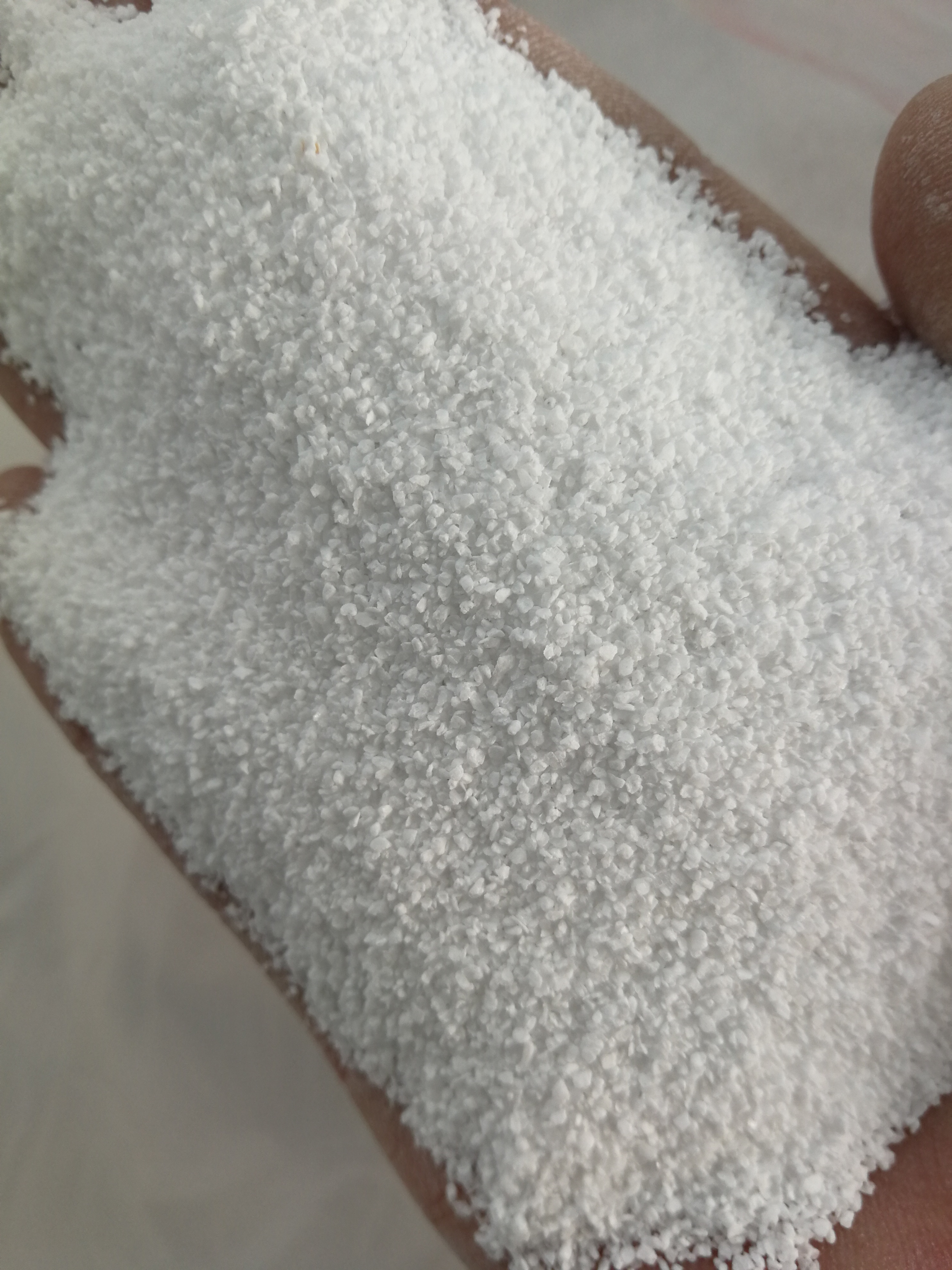
| White PAF granular | 0.5–1.5 mm white PAF | Free-flowing bulk handling with less dusting than fine powder; suited to high-purity applications and automated feeding |
| White PAF lump | White PAF lump | Coarse material for charging and remelting steps where bulk handling dominates |
| Grey PAF powder | Grey PAF powder | Industrial-grade flux use where fine dispersion in the melt is the priority |
| Grey PAF granular | 0.3–1.0 mm grey PAF | Narrow, free-flowing distribution for foundry and abrasive processes that require predictable feeding |
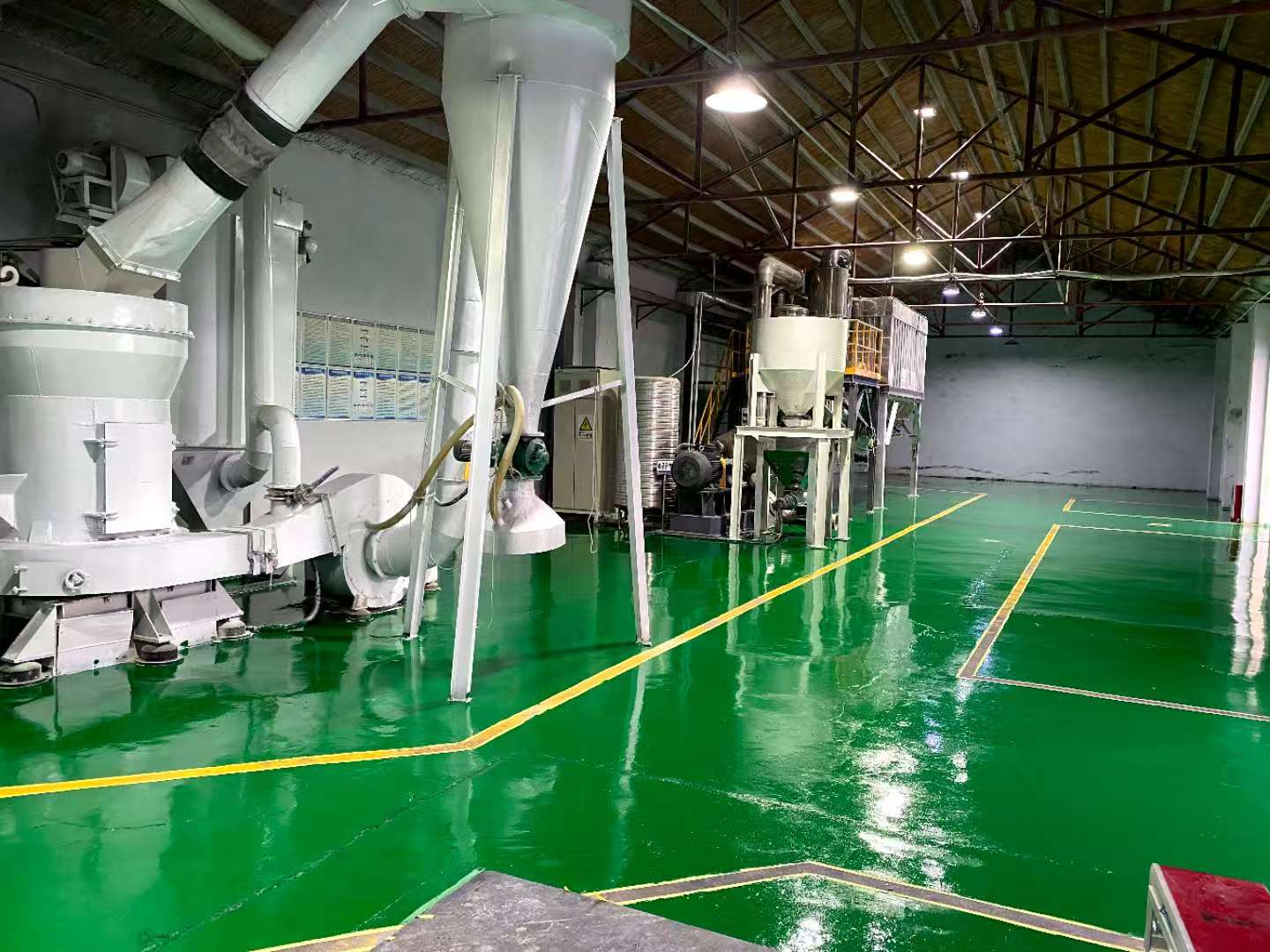
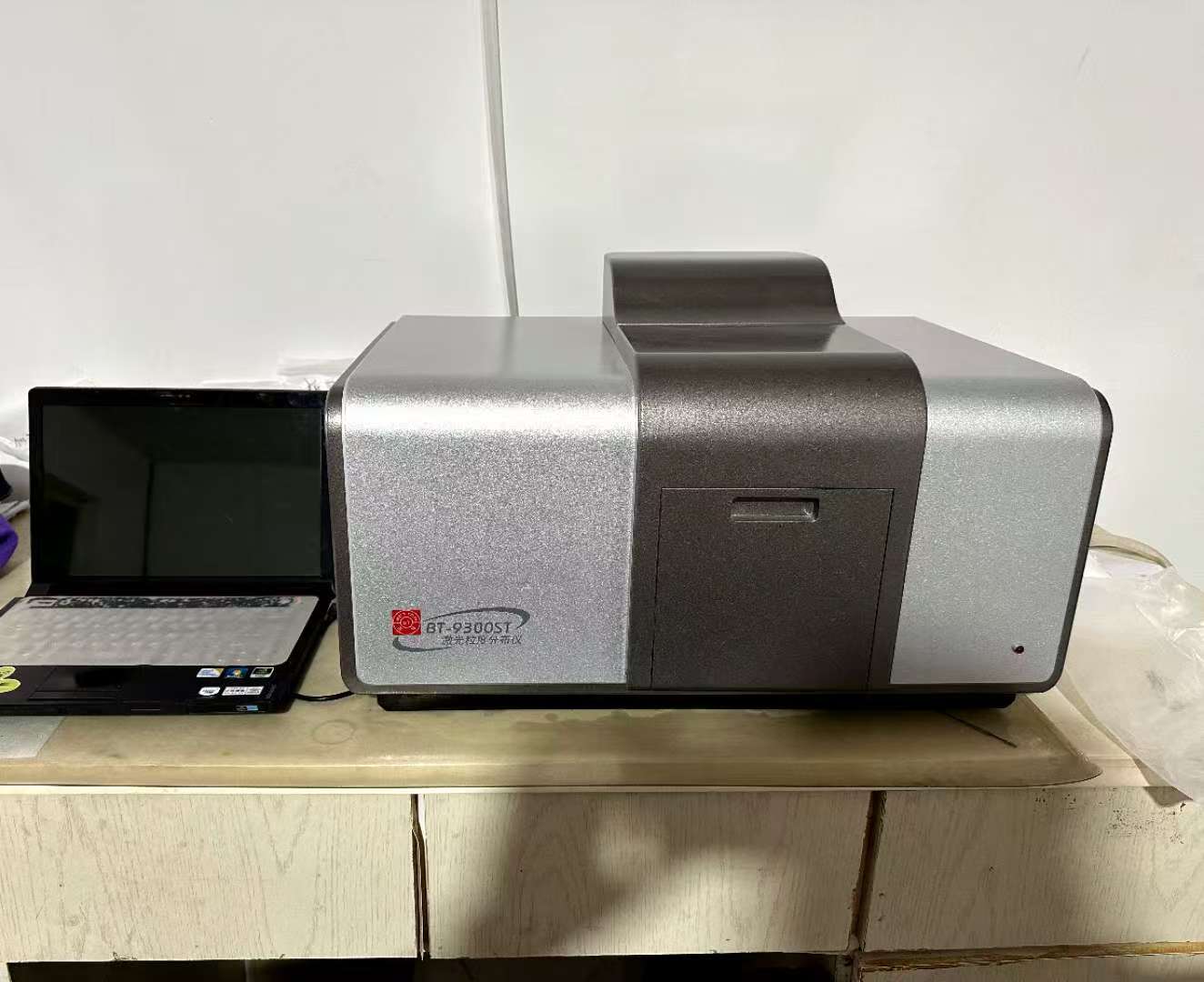
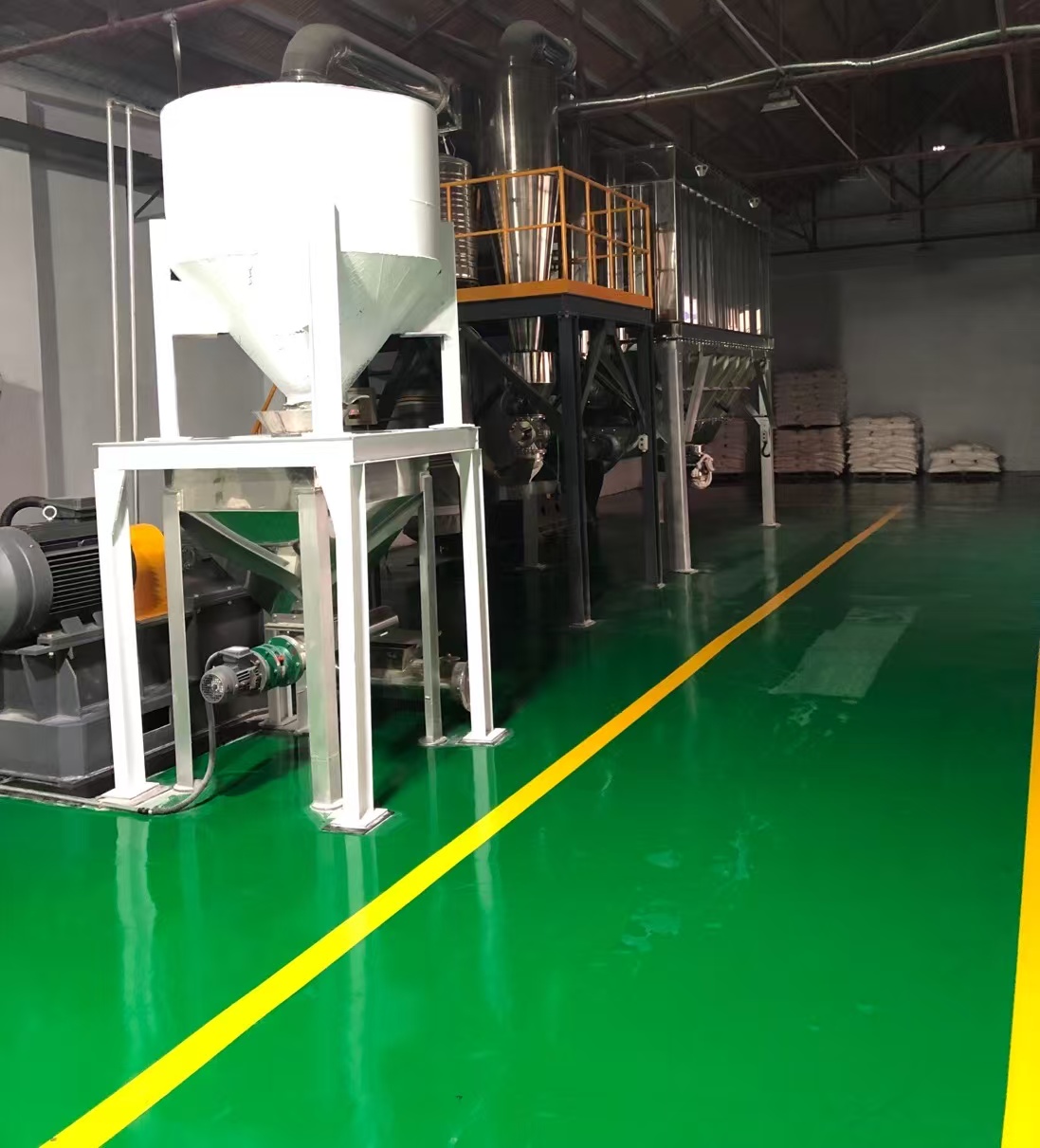
Particle size is a process variable, not a packaging detail. Coarse granules and fine powders behave differently in a melt, in a mixer and in a brazing furnace, and a nominal figure on a label is not the same as a verified distribution. Sumetech’s production facility is built around that distinction: ultrafine mechanical mills for particle size control, crushing and shaping machines for consistent granular products, and advanced sieving and classification systems that hold narrow particle size distributions and minimise impurities.
Step-by-step: how to specify PAF by application
- Name the process role first. Bath flux for smelting, active filler for a resin bond, flux and opacifier for ceramics and glass, or oxide-removing brazing flux. Every downstream decision follows from this one.
- Set the grade. Use the published mapping: industrial grade (98% min), typically grey, for foundry and abrasive use; white PAF / high purity (above 99%) for brazing and specialty glass. Where the mapping does not cover your process — a specific smelting bath chemistry, for example — confirm the grade against your own parameters instead of assuming.
- Choose the form. Powder disperses fastest; granular feeds and flows predictably with less dusting; lump suits bulk charging and remelting. Forms are interchangeable only if your feeding equipment and dissolution profile allow it.
- Fix the particle size. Select from mesh 200, 0.3–1.0 mm or 0.5–1.5 mm, or request a custom narrow distribution. Verify against a particle size distribution report rather than a nominal size on a label.
- Confirm the documentation set. Safety data sheet consistent with GHS Acute Toxicity Category 4 and Skin Irritation Category 2 classification; RoHS 2.0 statement where applicable; HS Code 38101090 for trade documentation; and a certificate of analysis for the delivered lot.
- Confirm storage and handling. Dry, well-ventilated storage is a specification requirement, not a warehouse preference. Packaging should match the form and the transport route.
- Validate with a trial lot, then scale. Test the specified grade in the real process before committing to bulk volume, and require the same grade, form and particle size in every production lot.
Use cases: four specification decisions
Resin-bonded grinding wheel line. A wheel producer dealing with burn marks and short wheel life specifies industrial-grade grey PAF as an active filler rather than a white brazing grade, and moves the technical discussion onto particle size and mixing behaviour instead of purity level.
Battery cooling plate brazing. A brazing operation producing aluminium alloy water-cooling plates for new energy vehicles specifies mesh 200 white PAF for oxide removal and weld quality, and adds a RoHS 2.0 documentation request because the component sits in an electronics-adjacent supply chain.
Electrolytic smelter bath control. A smelter treats PAF as a bath flux and prioritises repeatable feeding and dissolution over fine powder handling, so it evaluates granular or lump forms and verifies the delivered particle size distribution rather than relying on the nominal grade.
Specialty glass or glaze producer. A producer whose deliverable is clarity and surface finish selects high-purity white PAF, then validates the effect on sintering temperature, glaze texture and glass transparency in a trial lot before scaling to bulk volume.
Application comparison table
| Application | Verified role of PAF | Documented form / size options | Grade direction | Primary selection check |
|---|---|---|---|---|
| Electrolytic aluminium smelting | Core flux; lowers the melting point of alumina and improves electrolysis efficiency; degassing agent that helps remove harmful gases from molten aluminium | Powder, granular, lump; mesh 200, 0.3–1.0 mm, 0.5–1.5 mm | Not covered by the published grade mapping — confirm against bath chemistry | Dissolution and feeding consistency in your cell |
| Abrasives and grinding wheels | Active filler; improves bond–grain adhesion, absorbs grinding heat, supports self-sharpening, resists clogging; 20%–30% wheel life extension documented | Grey PAF powder; 0.3–1.0 mm grey PAF | Industrial grade (98% min), grey | Grinding arc behaviour, burn rate and wheel life on your line |
| Ceramics and glass | Flux and opacifier; lowers sintering temperature, improves glaze texture, glass heat and corrosion resistance, transparency and gloss | Powder, granular, lump | White PAF / high purity (above 99%) for specialty glass | Sintering result, transparency and surface quality after firing |
| Corrosion-free brazing of aluminium alloys | Removes oxide films and improves weld quality; documented for battery water-cooling plates and air-conditioning radiators | Mesh 200 white PAF; 0.5–1.5 mm white PAF; white PAF lump | White PAF / high purity (above 99%) | Joint quality and flux residue behaviour on the brazing line |
| Non-ferrous metal recycling and casting | Degassing and slag removal in recycled aluminium recovery and aluminium alloy casting | Powder, granular, lump | Confirm grade against feedstock variability | Gas content and slag removal after treatment |
Read the table as a sequence of gates rather than as a menu. Grade direction is fixed first, because it changes the cost basis. Form and particle size come second, because they change how the material behaves in your equipment. The final column is where your own trial data, not a supplier datasheet, makes the decision.
FAQ
How do I verify that a potassium aluminium fluoride supply meets compliance requirements?
Start with the safety data sheet. Potassium aluminium fluoride is categorized as GHS Acute Toxicity Category 4 (oral, dermal, inhalation) and Skin Irritation Category 2, and falls under US OSHA hazard communication requirements (29 CFR 1910); the SDS should reflect that classification with a current revision date. Add a RoHS 2.0 statement where your end product or market requires it, and confirm trade documentation under HS Code 38101090 where flux classification applies. Dry, well-ventilated storage should also appear in the supplier’s handling documentation rather than being assumed.
Which grade and form should I specify for smelting, abrasives, ceramics or brazing?
Use the published purity mapping as the first filter: industrial grade (98% min), typically grey, for foundry and abrasive applications; white PAF / high purity (above 99%) for brazing and specialty glass. Then choose the form from the documented range — powder, granular or lump — and the particle size from mesh 200, 0.3–1.0 mm or 0.5–1.5 mm. For electrolytic smelting, where the published mapping does not assign a grade, the correct approach is to confirm the specification against your bath chemistry rather than defaulting to a stock grade.
How should buyers evaluate potassium aluminium fluoride suppliers?
Evaluate the supplier against the application, not against the price list alone. Four checks cover most of the decision: whether the supplier can deliver the specific grade, form and particle size as a repeatable specification; whether the production line supports particle size control and classification; whether documentation (SDS, RoHS 2.0 statement, certificate of analysis) is available as standard; and whether annual capacity and raw material inventory can support your order pattern. Sumetech Industry Co., Ltd, for example, manufactures potassium aluminium fluoride in both granular and powder forms with an annual production capacity of 5000 metric tons, and provides customizable production for particle size, morphology, purity grades and packaging specifications.
Can I validate a PAF specification before committing to a full order?
Yes, and for a new application it is the sensible sequence. A trial lot lets the specified grade, form and particle size be tested in the real process — brazing line, mixing line, kiln or cell — before bulk volume is committed. Because particle size distribution, morphology, purity grade and packaging are all customizable production parameters, a trial lot can be produced to the same specification intended for full production, which keeps the validation meaningful.
What supports lead-time reliability for potassium aluminium fluoride orders?
Look for production capacity, on-site raw material inventory, and evidence of export experience. Sumetech Industry Co., Ltd operates a 6000 m² manufacturing facility with a 5000 metric ton annual capacity and a five-engineer R&D and quality control team, and supplies the refractory, abrasive, welding and aluminium alloy industries worldwide, with 90% of sales exported and major markets including Turkey, Japan, Korea and Europe. The company supplies both trial lots and full container shipments. If you want to compare the full product range before specifying, download the Sumetech 2026 product catalog (PDF), or send your process parameters and required particle size to info@sumetech.com or +86 13805218959 for a sample and quotation.
Conclusion
PAF selection is an application decision before it is a price decision. Smelting, abrasives, ceramics and brazing each use potassium aluminium fluoride for a different reason, and the published mapping — industrial grade (98% min) grey for foundry and abrasive use; white PAF / high purity (above 99%) for brazing and specialty glass — is the fastest way to avoid paying for the wrong end of the grade range. Form and particle size then determine whether the specified material actually performs in your equipment, which is why mesh 200, 0.3–1.0 mm and 0.5–1.5 mm should be selected against a process requirement rather than against stock availability.
Two checks apply regardless of application. Confirm the documentation set — SDS consistent with GHS Acute Toxicity Category 4 and Skin Irritation Category 2 classification, RoHS 2.0 statement where required, HS Code 38101090 for trade — and specify dry, well-ventilated storage. Then run a trial lot on the exact grade, form and particle size you intend to buy. Sumetech Industry Co., Ltd manufactures potassium aluminium fluoride in granular and powder forms with customizable particle size, morphology, purity and packaging, and can supply a trial lot or a full container shipment. To discuss your application, contact info@sumetech.com or +86 13805218959.
Specify potassium aluminium fluoride by application, not by habit
Tell us your process type (smelting, abrasives, ceramics and glass, brazing, recycling and casting) plus the required grade, form and particle size. We will confirm the matching specification and arrange a sample lot for validation.
Email: info@sumetech.com | Tel / WhatsApp: +86 13805218959 | Web: www.sumetech.com