
Potassium Aluminium Fluoride: Flux, Filler and Opacifier Roles Explained
Potassium aluminium fluoride — KAlF4, traded as PAF, potassium cryolite or potassium tetrafluoroaluminate — is a single inorganic fluoride salt that performs several unrelated industrial jobs. It acts as a flux wherever melting and reaction temperatures must be reduced, as an active filler in resin-bonded abrasives where grinding heat and grain retention matter, and as a flux–opacifier system in ceramic glazes and glass. Two further roles complete the picture: a degassing and slag-removal agent in non-ferrous metal recycling and casting, and an oxide remover in aluminium brazing.
This article explains the chemistry behind those five roles, the supply forms a buyer is actually offered when ordering, and the specification sequence that connects an application requirement to a purchase order.
PAF at a glance
- Chemical identity: potassium aluminium fluoride, KAlF4; the related potassium cryolite composition K3AlF6 appears alongside it in commercial and certification documentation.
- Identifiers: CAS 60304-36-1; molecular weight approximately 142.07 g/mol (PubChem / NIH).
- Melting behaviour: reported at around 560 °C, with a 557–580 °C range cited in abrasive-bond literature.
- Trade classification: HS code 38101090 — pickling preparations for metal surfaces; fluxes.
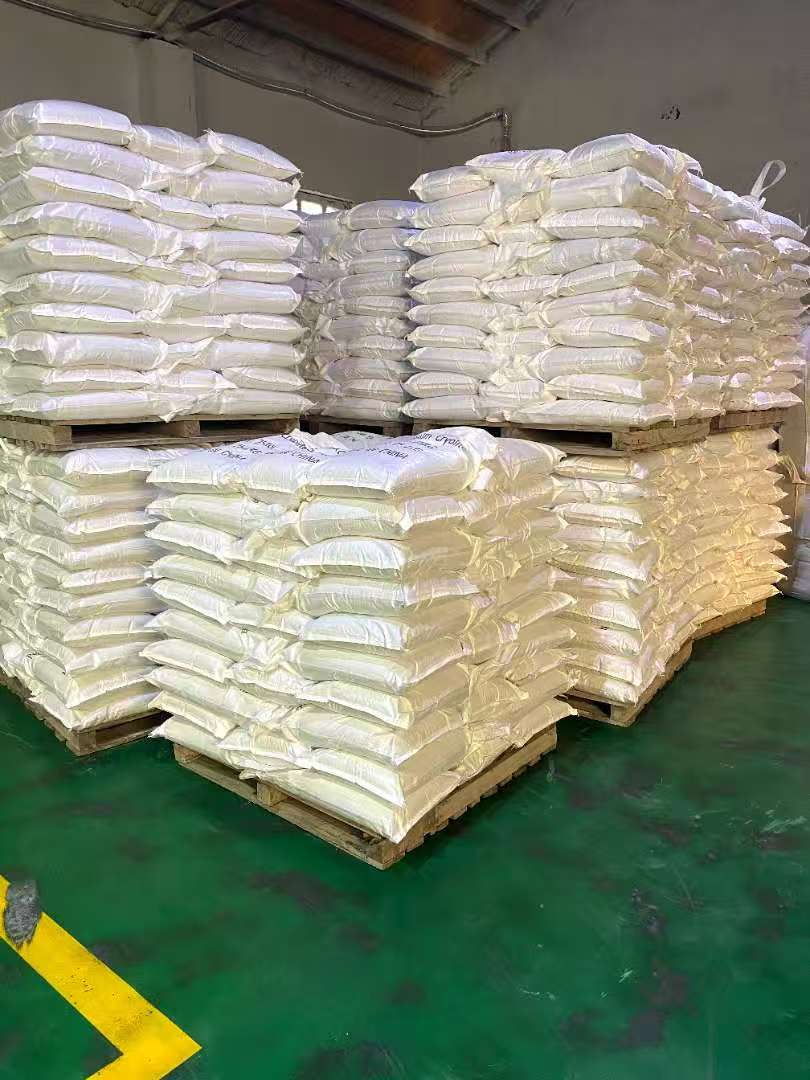
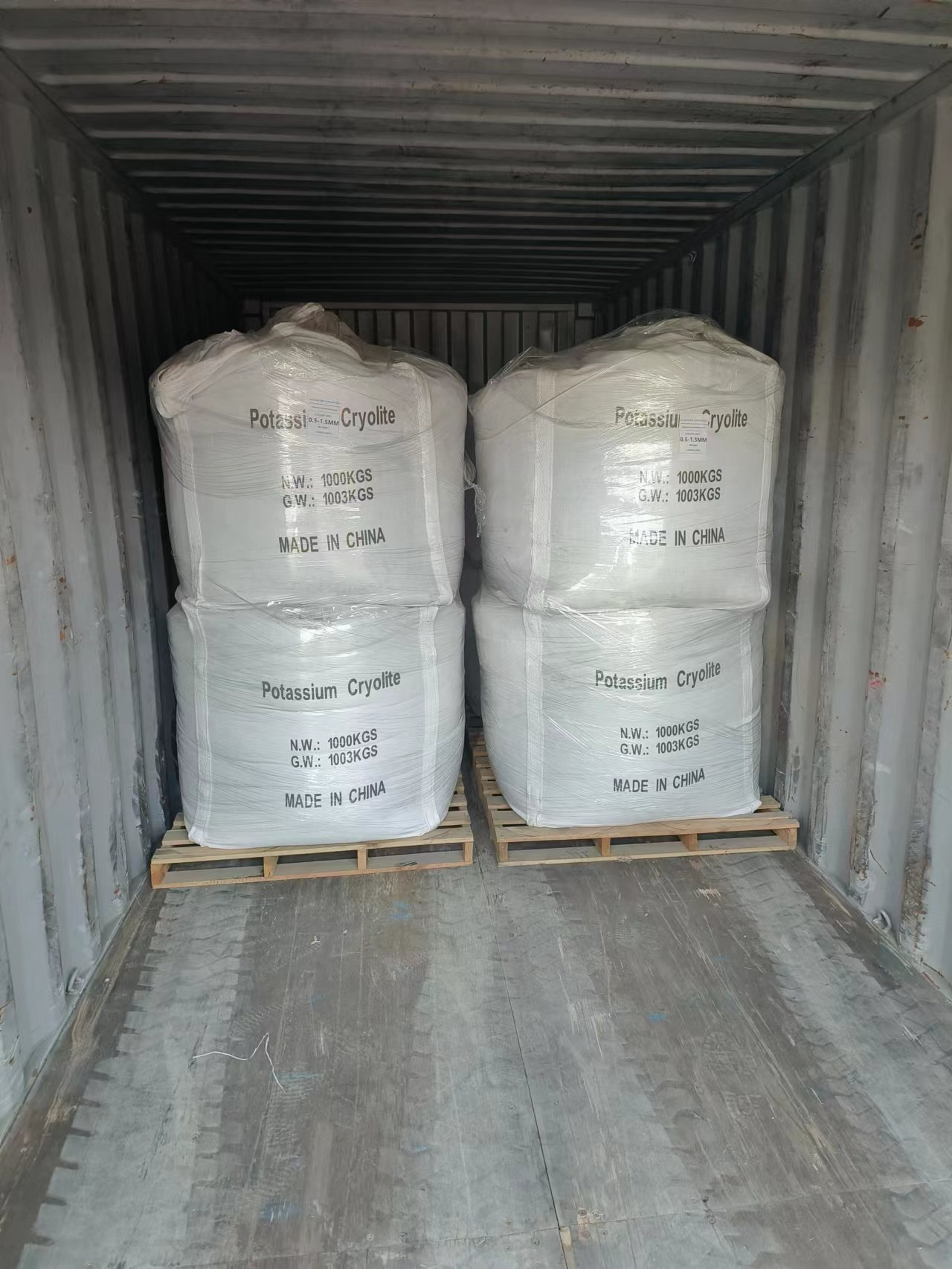
- Supply forms: powder, granular and lump; grey and white; standard sizes mesh 200, 0.3–1.0 mm and 0.5–1.5 mm.
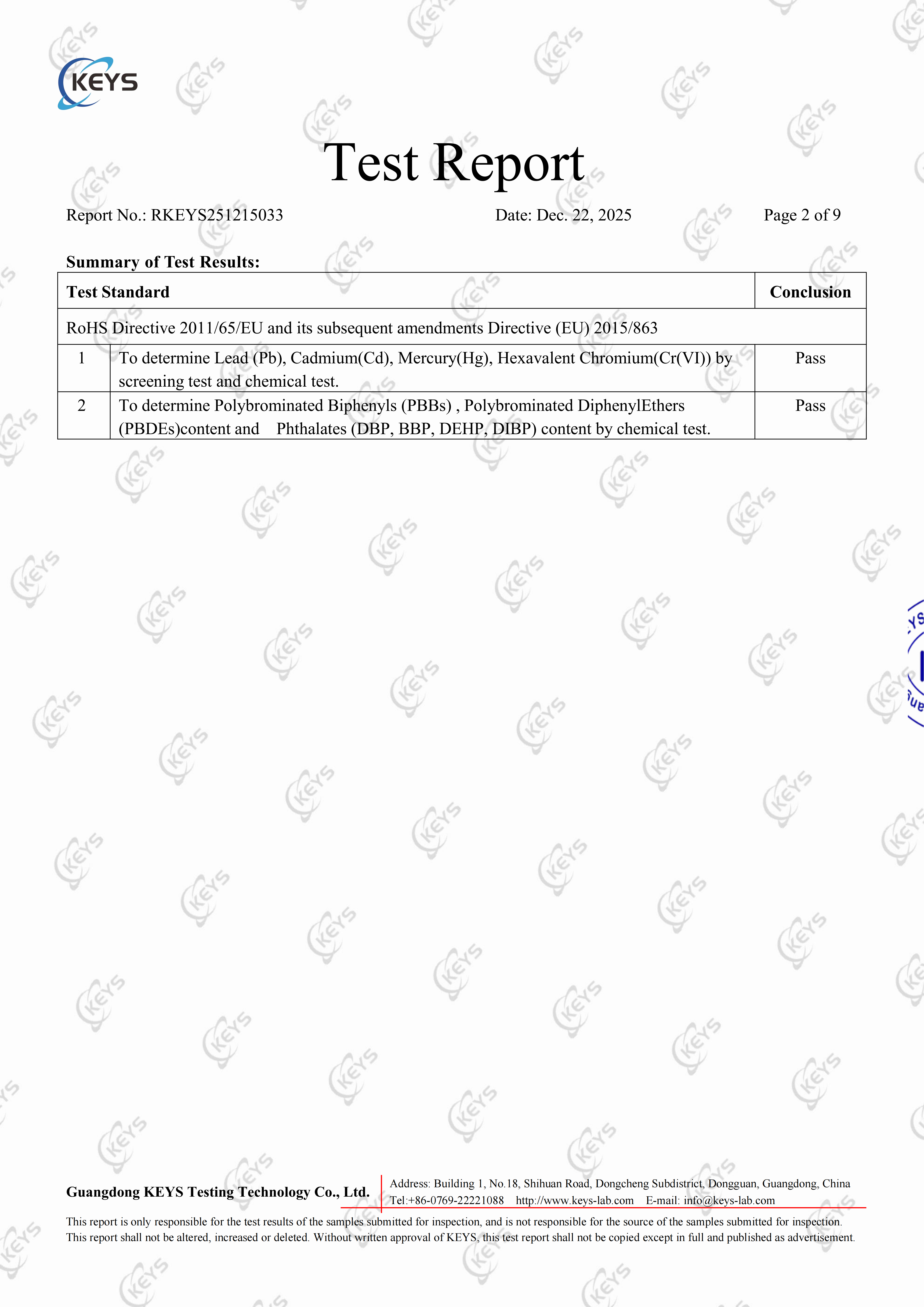
- Compliance profile: RoHS 2.0 verification and test report issued under Guangdong KEYS Testing Technology Co., Ltd.; GHS Acute Toxicity Category 4 (oral, dermal, inhalation) and Skin Irritation Category 2 under OSHA HCS 29 CFR 1910.
The Specification Problem: One Salt, Five Functional Jobs
The purchasing difficulty with potassium aluminium fluoride is not chemical, it is functional. A single CAS number reaches the market in grades and physical forms that are intended for different processes, so two buyers can order the same named substance and receive material specified for quite different behaviour in use.
Four variables separate those orders. The first is colour and purity class: industrial grade material at approximately 98% minimum is associated with foundry and abrasive use and is supplied as grey PAF, while high-purity material above 99% — white PAF — is specified for brazing and specialty glass. The second is physical form: powder, granular or lump, each produced by a different stage of the same production line. The third is particle size, where mesh 200, 0.3–1.0 mm and 0.5–1.5 mm are standard options. The fourth is documentation, meaning the test reports and declarations that a regulated buyer needs before the material can enter a plant.
For a buyer at evaluation or execution stage, the practical consequence is that the specification conversation must start from the process role, not from the product name. A flux requirement in ceramic glazes and an active-filler requirement in a grinding wheel both resolve to potassium aluminium fluoride, but they do not resolve to the same grade, form or particle size.
Industry Background: Why One Fluoride Salt Serves So Many Sectors
Potassium aluminium fluoride belongs to the potassium–aluminium–fluorine system, and it is that position which gives it commercial reach. The material melts at a relatively low temperature for an inorganic fluoride, and its melting is a phase change that absorbs heat from its surroundings. Those two properties — a low melting point and a heat-absorbing transition — explain why the same salt appears in metallurgical fluxing, abrasive bonding, glaze formulation and brazing.
The market reflects that breadth. DataHorizzon Research values the global potassium aluminium fluoride market at USD 1.76 billion in 2024 and projects USD 2.62 billion by 2033, a CAGR of 4.8% over 2025–2033. Those figures should be read with one caveat: market research on fluorides frequently mixes definitions. Some publishers report a much smaller figure for “potassium fluoride” as a distinct product, whereas potassium aluminium fluoride aggregates complex metallurgical flux volumes. Definitional differences, not demand differences, explain most of the gap between published market sizes.
Trade data carries a similar caveat. Potassium aluminium fluoride is commonly traded under HS code 38101090, the functional code for fluxes and pickling preparations for metal surfaces. Searches for KAlF4 in broader tariff nomenclatures often collapse into general aluminium fluoride categories, which makes customs statistics a weak instrument for sizing this specific product.
Regulatory classification is more consistent. Under GHS-aligned systems and OSHA HCS 29 CFR 1910, potassium aluminium fluoride is categorised as Acute Toxicity Category 4 for oral, dermal and inhalation exposure and Skin Irritation Category 2. That classification shapes packaging, labelling and handling documentation rather than the material’s technical performance, but it is part of the specification package an importer receives.
Detailed Solution: The Five Roles of Potassium Aluminium Fluoride
Role 1 — Flux in Aluminium Smelting and Metallurgical Processing
In electrolytic aluminium smelting, potassium aluminium fluoride functions as a core flux. Its task is to lower the melting point of alumina and to improve electrolysis efficiency, which is why it is treated as a fundamental material in the modern electrolytic aluminium industry rather than as an additive of secondary importance. The mechanism is the same one that recurs in every other application: the fluoride system changes the temperature at which the process can run, and the process therefore consumes less energy to reach its working condition.
Role 2 — Flux and Opacifier in Ceramics and Glass
In ceramic and glass manufacturing, potassium aluminium fluoride is used as a flux and opacifier. As a flux, it lowers sintering temperatures, which affects kiln energy demand and the thermal budget of the body or glaze. As an opacifier, it contributes to the visual density of a glaze. Documented benefits in these applications include improved glaze texture and enhanced heat resistance and corrosion resistance of the finished glass. Because glaze formulation is sensitive to particle size and to purity, this is one of the roles where white PAF is typically preferred over grey industrial grade.
Role 3 — Active Filler in Resin-Bonded Abrasives
In the abrasive and grinding wheel industry, potassium aluminium fluoride is used as an active filler rather than as an inert extender. Its contribution is described through five mechanisms:
- Heat absorption and burn prevention. Melting at around 560 °C, the filler acts as a micro heat sink in the grinding arc, reducing the risk of workpiece discolouration and deformation.
- Grain retention. As an active filler it improves adhesion between the bond and the abrasive grains, which strengthens the wheel and extends service life.
- Heat dissipation and delayed ageing. Its thermal stability at high temperature helps conduct heat away from the wheel, slowing resin ageing.
- Self-sharpening. Dulled grains are released at the appropriate point while fresh sharp grains emerge, keeping the wheel cutting rather than polishing.
- Anti-clogging. It reduces adhesion of grinding debris to the wheel surface, so the wheel stays clean and efficient during long runs.
Sumetech Industry Co., Ltd produces potassium aluminium fluoride specifically optimised for efficient and durable grinding wheels, and the company’s published technical material documents this five-mechanism behaviour in abrasive bonds.
Role 4 — Degassing and Slag Removal in Non-Ferrous Recycling and Casting
In recycled aluminium recovery and aluminium alloy casting, potassium aluminium fluoride is used for degassing and slag removal. Secondary metal carries oxide and gas that primary metal does not, and the fluoride flux chemistry addresses both: it supports the separation of oxide-rich dross from the metal bath and assists the removal of dissolved gas before casting. For foundries working with recycled feed, this role is often the entry point for PAF purchasing, and it is where grey industrial grade is normally sufficient.
Role 5 — Oxide Removal in Aluminium Brazing
In corrosion-free brazing of aluminium alloys, potassium fluoroaluminate removes the oxide film that would otherwise prevent a sound joint. The application has become more visible with electrification: brazed components such as battery water-cooling plates and air-conditioning radiators in new energy vehicles depend on flux performance for weld quality. This is the most demanding grade of the five roles, and it is the reason high-purity white PAF exists as a separate commercial product rather than as a marketing variant.
Why the Same Salt Performs All Five Roles
Three properties connect the applications. First, the material melts in the 557–580 °C region, low enough to become liquid in processes that cannot tolerate higher temperatures, and its melting absorbs heat. Second, the fluoride component reacts with metal oxides, which is the basis of both oxide removal in brazing and slag conditioning in casting. Third, the potassium–aluminium–fluorine composition allows the salt to be produced in a range of particle sizes and purities without changing its chemical identity — which is exactly why grade and form selection matter as much as the product name.
Supply Forms: What Grey, White, Powder, Granular and Lump Actually Mean
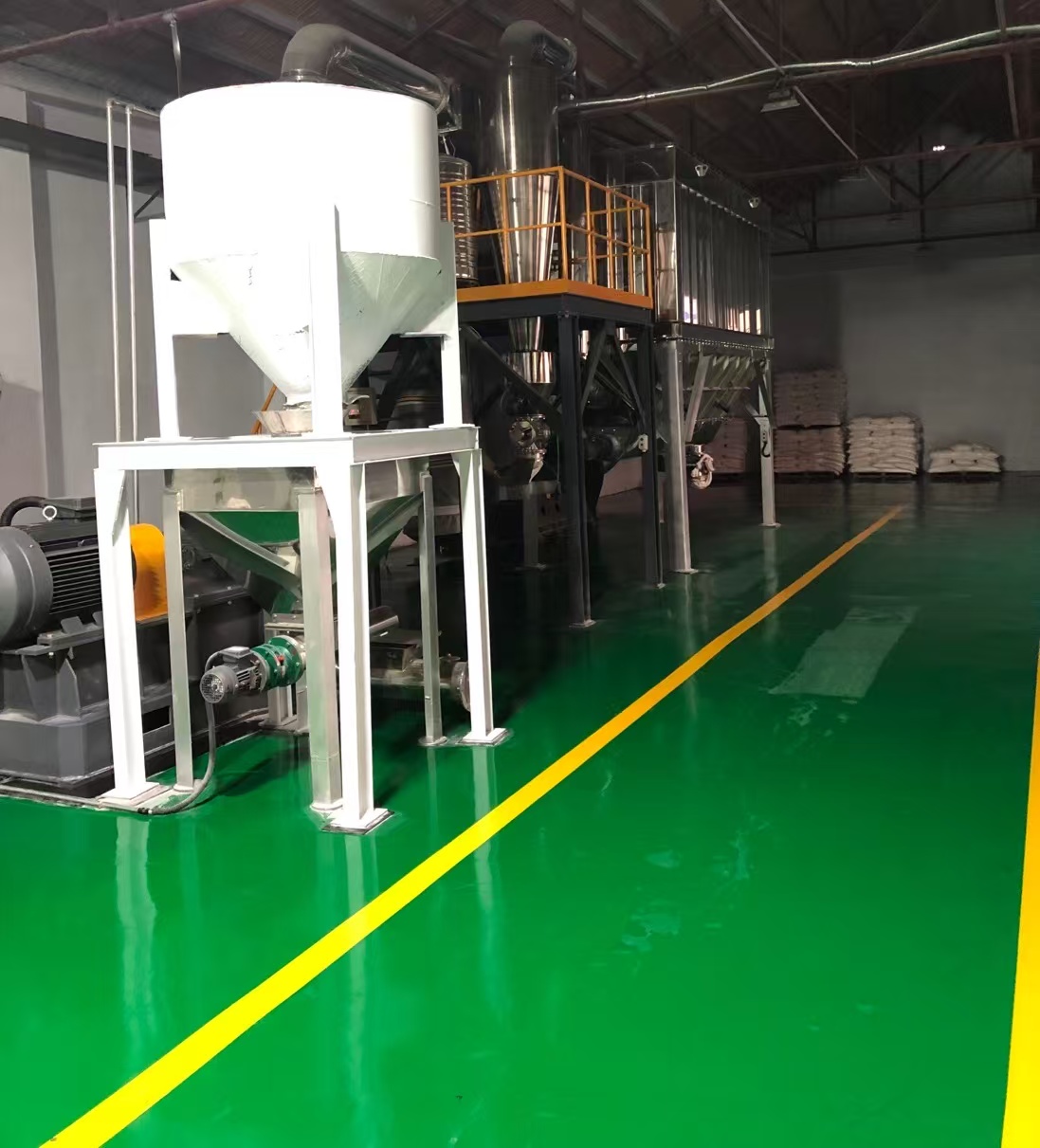
Supply form is a production decision, not a labelling convention. Potassium fluoroaluminate lump is the base material; crushing and shaping produce granular product with controlled shape and flowability; ultra-fine mechanical milling produces powder; sieving and classification then narrow the particle size distribution and limit impurities. The result is a product family with the same chemistry and different handling behaviour.
| Supply form | Standard size options | Typical role in the process |
|---|---|---|
| Powder (white or grey) | Mesh 200 | Brazing flux pastes and slurries; glaze and enamel formulations; resin-bonded abrasive mixes where fine dispersion is required |
| Granular (white or grey) | 0.3–1.0 mm; 0.5–1.5 mm | Foundry and casting fluxing, degassing and slag removal; smelting flux; handling where flowability and low dusting matter |
| Lump | Base material before crushing | Melting, crushing or further processing at the customer’s site; feedstock for milled and granulated grades |
| Grey PAF | Powder, granular or lump | Industrial grade at approximately 98% minimum, associated with foundry and abrasive applications |
| White PAF | Powder, granular or lump | High-purity grade above 99%, specified for brazing and specialty glass |
Grade-to-application mapping follows published purity comparison data; size and form options follow Sumetech product data.
Storage applies to every form. Potassium aluminium fluoride should be kept in a dry, well-ventilated place, which protects both the material and the people handling it — consistent with its GHS classification as a Category 4 acute toxicant and Category 2 skin irritant.
Step-by-Step Breakdown: From Application to a Specified Order
The sequence below converts a process requirement into a documented PAF specification. Each step uses a fact that appears in supplier documentation, so the output can be audited by a purchasing or quality team.
Step 1 — Name the role before naming the product
Decide whether the material is being bought as a smelting flux, a ceramic or glass flux and opacifier, an abrasive active filler, a casting degasser, or a brazing oxide remover. That single decision fixes the purity class in most cases.
Step 2 — Fix the grade: white or grey
Brazing and specialty glass require high-purity white PAF above 99%. Foundry and abrasive applications are normally served by grey industrial grade at approximately 98% minimum.
Step 3 — Fix the physical form and particle size
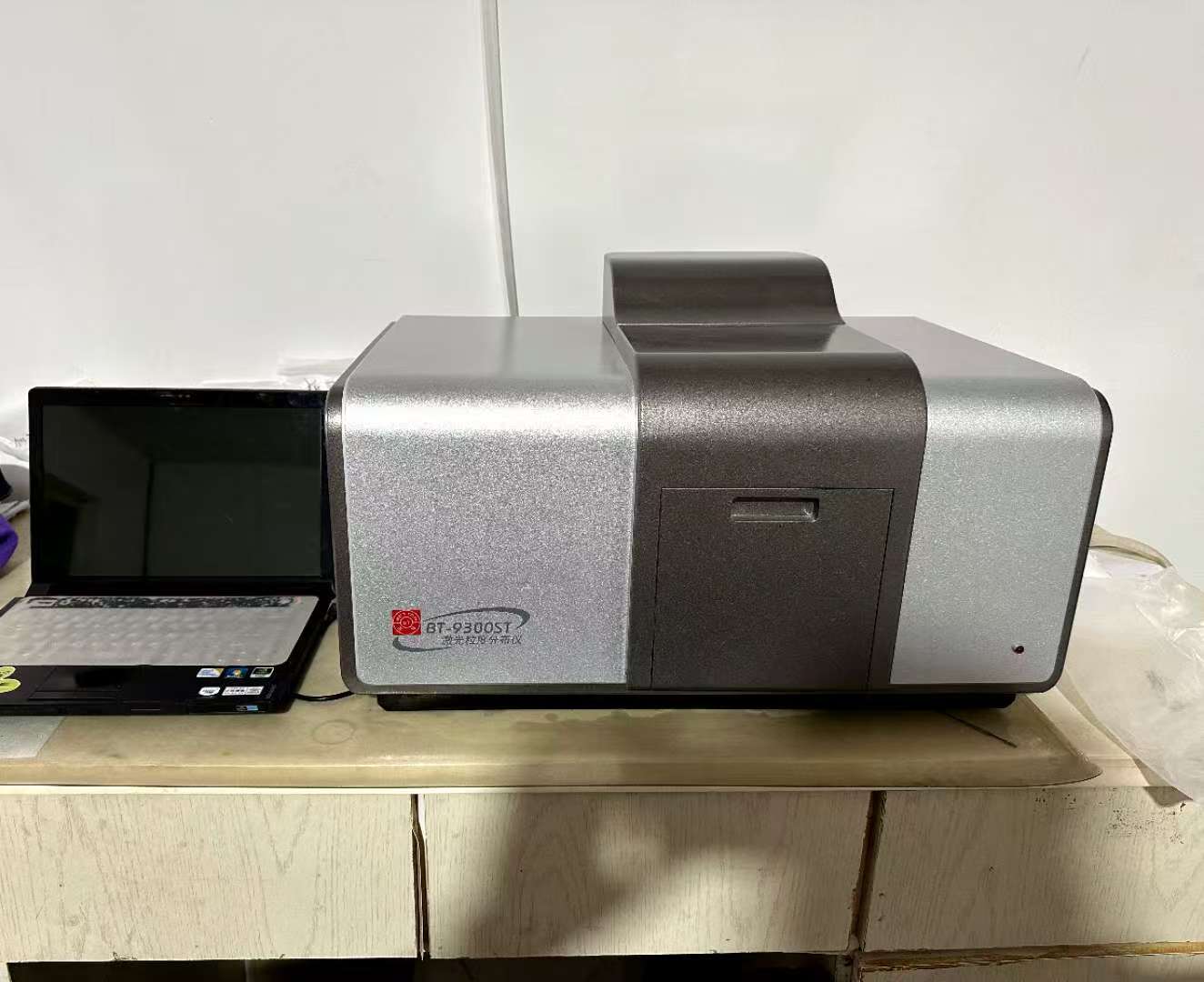
Select powder, granular or lump, then select a size from the standard set: mesh 200, 0.3–1.0 mm or 0.5–1.5 mm. Where the process needs a distribution outside that set, particle size and morphology are customisable from coarse granules to sub-micron powders.
Step 4 — Confirm the compliance file
EU-bound orders should be matched to the RoHS 2.0 file. Sumetech holds a Verification of Conformity, certificate number CKEYS251222003, issued on 22 December 2025 by Guangdong KEYS Testing Technology Co., Ltd. and valid to 22 December 2099. The declared scope covers Potassium Aluminum Fluoride, Potassium Fluoroaluminate, Fluoride Potassium Aluminate, Potassium Cryolite and Potassium Tetrafluoroaluminate in both white and gray, tested against the IEC 62321 series. A separate RoHS Test Report, RKEYS251215033, references Directive 2011/65/EU and its amendment Directive (EU) 2015/863.
Step 5 — Validate with a sample before committing volume
Trial quantities support this step: the customization capability lists a minimum order quantity from 10 kg, while standard purchasing terms state a 1 MT MOQ for regular orders. Validation is measurable rather than subjective when the supplier operates in-house particle size analysis and applies 100% testing to production.
Step 6 — Agree the acceptance criteria in writing
State the acceptance criterion explicitly. Documented purchasing terms for potassium aluminium fluoride use a pre-shipment test as the acceptance criterion, with delivery under FOB, CIF or FCA and payment terms of 30/70.
Step 7 — Plan capacity, lead time and storage together
Customisation only matters if the volume arrives. Sumetech runs a monthly capacity of 1000 MT against an annual output of 5000 MT from a 6000 m² facility, with a stated lead time of 30 days, and holds raw material inventory on site to protect continuity. Plan warehouse conditions at the same time: dry, well-ventilated storage, with packaging matched to the form ordered.
Step 8 — Move to OEM or ODM once the specification is stable
When the grade and size are proven, production can shift to OEM or ODM supply with customisation of size and colour, which is the normal route for abrasive and ceramic producers who need their specification held batch after batch rather than renegotiated each time.
Use Cases: How Buyers Combine These Roles
Abrasive wheel manufacturing. A bonded-wheel producer specifies white or grey PAF as an active filler at a controlled particle size, then relies on the heat-absorption and grain-retention mechanisms to extend wheel life. The purchasing logic centres on consistency of the size distribution and on adhesion performance in the bond.
Ceramic and glass production. A glaze formulator specifies white PAF as flux and opacifier to bring sintering temperature down, then validates glaze texture and the heat and corrosion resistance of the finished article. Here the compliance file matters as much as the chemistry, because the finished product may enter regulated markets.
Aluminium brazing for thermal components. A brazing operation specifies high-purity white PAF powder to remove oxide film on battery cooling plates and air-conditioning radiators. The specification is dominated by purity and particle size, and the acceptance test is pre-shipment.
Secondary aluminium casting. A recycler specifies granular grey PAF for degassing and slag removal, valuing flowability and dust control during charging. Volume, not purity, is the main commercial variable.
Repeat industrial supply. A Korean manufacturer has taken 60 MT per month of high-purity potassium aluminium fluoride for two years, using it as a metal additive and flux. The stated result is stable supply of a high-purity grade — the outcome that matters when a plant has no room for batch-to-batch variation.
Comparison Table: Matching Role to Grade and Form
| Role | Industry | Function in the process | Typical grade and form |
|---|---|---|---|
| Flux | Electrolytic aluminium smelting | Lowers the melting point of alumina and improves electrolysis efficiency | Grey industrial grade; granular or lump |
| Flux and opacifier | Ceramics and glass | Reduces sintering temperature, improves glaze texture, supports heat and corrosion resistance | White high purity; powder |
| Active filler | Abrasives and grinding wheels | Absorbs grinding heat, improves bond-to-grain adhesion, aids self-sharpening and resists clogging | Grey or white; fine powder |
| Degassing and slag removal | Non-ferrous recycling and casting | Supports gas removal and oxide-rich dross separation in the melt | Grey industrial grade; granular |
| Oxide remover | Aluminium brazing | Removes the oxide film to enable corrosion-free joints | White high purity; fine powder |
Role descriptions follow Sumetech application documentation; grade-to-application mapping follows published purity comparison data.
FAQ
Is Sumetech’s potassium aluminium fluoride covered by RoHS 2.0 documentation for EU buyers?
Yes. Sumetech Industry Co., Ltd holds a RoHS 2.0 Verification of Conformity, certificate number CKEYS251222003, issued on 22 December 2025 by Guangdong KEYS Testing Technology Co., Ltd. and valid to 22 December 2099. The declared scope covers Potassium Aluminum Fluoride, Potassium Fluoroaluminate, Fluoride Potassium Aluminate, Potassium Cryolite and Potassium Tetrafluoroaluminate in white and gray, tested against IEC 62321-3-1:2013, IEC 62321-4:2013 with AMD1:2017, IEC 62321-5:2013, IEC 62321-6:2015, IEC 62321-7-1:2015, IEC 62321-7-2:2017 and IEC 62321-8:2017. A separate RoHS Test Report, RKEYS251215033, references Directive 2011/65/EU and its amendment Directive (EU) 2015/863. The documentation addresses RoHS substance restrictions specifically, and it sits alongside the material’s GHS classification as Acute Toxicity Category 4 and Skin Irritation Category 2, which governs labelling and handling rather than composition.
Can a manufacturer supply OEM white potassium aluminium fluoride with a custom particle size?
OEM and ODM production services are available for potassium aluminium fluoride, including customisation of size and colour. Standard options already cover white and grey grades with sizes of mesh 200, 0.3–1.0 mm and 0.5–1.5 mm in powder, granular or lump form, and production can extend from coarse granules to sub-micron powders with controlled morphology. Sumetech runs this model with a monthly capacity of 1000 MT, a 6000 m² facility, an annual output of 5000 MT and 100% testing, supporting EU, Middle East and Asian markets with remote and on-site after-sales support.
What determines the price level of potassium aluminium fluoride?
Four factors dominate. Grade is the first: white high-purity material above 99% is a different product from grey industrial grade at approximately 98% minimum, because the refining step differs. Form and particle size are the second, since milling, granulation and classification each add processing. Order volume and delivery terms are the third; documented terms for PAF use FOB, CIF or FCA with payment of 30/70. The fourth is the wider fluoride market. DataHorizzon Research sizes the global potassium aluminium fluoride market at USD 1.76 billion in 2024, rising to USD 2.62 billion by 2033 at a CAGR of 4.8%, and IMARC reports Northeast Asian AlF₃ — a related fluoride benchmark, not a PAF quotation — at 1.80 USD/KG in March 2026, up 6.5% from Q4 2025. Buyers should request a quotation against their own grade, form and volume rather than inferring a PAF price from adjacent fluoride indices.
Can I validate a sample before placing a bulk order?
Sampling is part of the standard process. The customisation capability lists a minimum order quantity from 10 kg for trial quantities, while standard purchasing terms state a 1 MT MOQ for regular orders, and acceptance is defined as a pre-shipment test. In-house particle size analysis and 100% production testing give the sample a measurable basis, so a trial lot can be compared against the agreed specification before volume is committed.
What lead time and supply capacity should I plan for?
The stated lead time is 30 days against a monthly capacity of 1000 MT and an annual output of 5000 MT from a 6000 m² facility. Raw material inventory is held on site to protect continuous production and to shorten response time on urgent orders. Around 90% of output is exported, with Turkey, Japan, Korea and Europe listed as main markets, and storage on arrival should be dry and well-ventilated. To start an evaluation, the 2026 Sumetech catalogue can be downloaded here: Sumetech Catalog 2026 (PDF), and specifications, samples or quotations can be requested directly from the technical team.
Specify PAF by role, then by grade
Sumetech Industry Co., Ltd manufactures potassium aluminium fluoride in grey and white grades, as powder, granular and lump, with OEM and ODM production and size and colour customisation. Share your application, target particle size and annual volume, and the team will confirm the matching grade against the RoHS 2.0 file.
Email: info@sumetech.com | Tel / WhatsApp: +86 13805218959 | Website: www.sumetech.com
Contact: Mike Meng | Address: 206, Rundong Garden, Huangji, Tongshan, Xuzhou, China
Conclusion
Potassium aluminium fluoride earns its place across five industries because of two linked properties: it melts at a comparatively low temperature, and that melting absorbs heat while the fluoride component reacts with metal oxides. In smelting and in ceramic and glass production it works as a flux, with the additional opacifier function in glazes. In resin-bonded abrasives it is an active filler that improves grain adhesion, dissipates heat, supports self-sharpening and resists clogging. In non-ferrous recycling and casting it supports degassing and slag removal, and in aluminium brazing it removes the oxide film that would otherwise prevent a corrosion-free joint.
The commercial conclusion follows from the technical one. Because a single CAS number serves five roles, the buyer’s job is to specify the role first, then the grade, then the form and particle size, and finally the compliance file and acceptance test. Ordered that way, potassium aluminium fluoride stops being a commodity line item and becomes a specified input with predictable behaviour in the process.
Have Questions or Need More Details?
Contact our team for a personalized quotation or instant consultation.
Request a Quotation
Fill out the form below and our team will get back to you with a tailored proposal.
WhatsApp Direct Chat
Prefer to chat in real-time? Message us on WhatsApp for instant assistance & quick answers.
- Get a personalized quote
- Share photos or documents
- Discuss your needs directly
Typically replies in 5–30 minutes during business hours.