
Potassium Aluminium Fluoride (PAF) Form and Mesh Guide for Corrosion-Free Brazing Projects
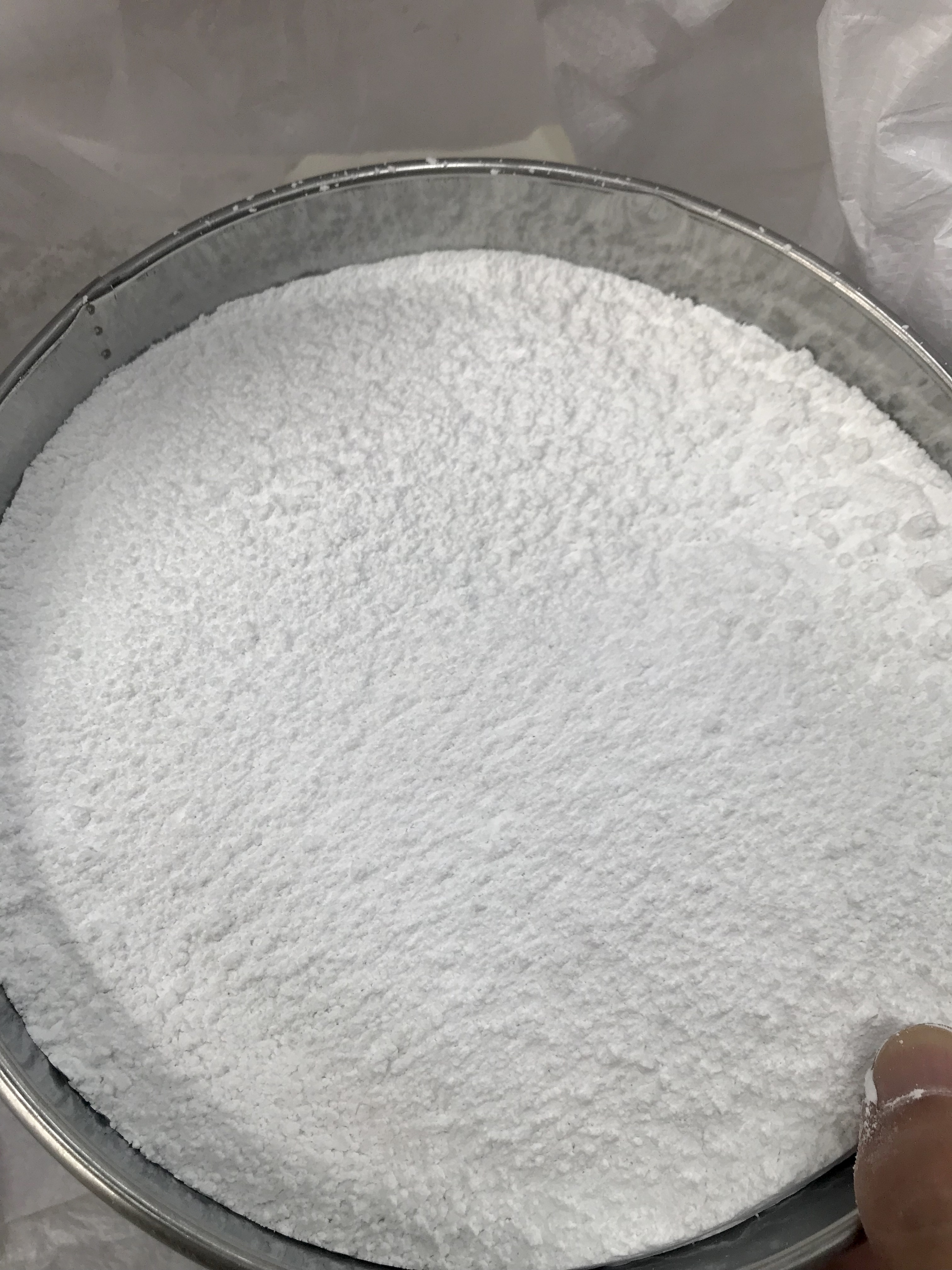
For corrosion-free aluminum brazing projects, the practical decision is not simply “which PAF?” but “which PAF form and particle size fit the joint, the application method, and the equipment?” Potassium Aluminium Fluoride (PAF) is available from Sumetech Industry Co., Ltd in powder, granular, and lump forms, with listed sizes including mesh 200, 0.3–1.0 mm, and 0.5–1.5 mm. This guide explains how to match those options to brazing project conditions, what the flux does at the joint, and which equipment and purchasing checks belong in the decision.
Problem Definition: Why PAF Form and Particle Size Are Project Decisions
In aluminum brazing, potassium fluoroaluminate flux is used to remove oxide films and improve weld quality. That functional role is the starting point, not the end of selection. The same PAF chemistry can be supplied in different physical forms and size ranges, and those variables affect how the flux is mixed, placed, and processed in a real brazing line.
The problem for a project team is therefore a matching problem. A specification that works for one joint geometry or application method may not fit another, even when both use potassium aluminium fluoride. The article focuses on the variables that can be confirmed from the product data: form (powder, granular, lump), size (mesh 200, 0.3–1.0 mm, 0.5–1.5 mm), color/grade (white or grey), and the equipment interface (mixing machine, hot press molding die, curing oven). Operation mode should follow actual working conditions, so the final choice must be validated against the project’s own process.
Industry Background: PAF in Aluminum Brazing and Beyond
Potassium Aluminium Fluoride is also described as potassium fluoroaluminate, with the formula KAlF4 and CAS 60304-36-1. PubChem lists a molecular weight of approximately 142.07 g/mol. In trade, PAF is commonly handled under HS Code 38101090 for flux-related applications. These identifiers matter because buyers often compare offers across different names, including white PAF, grey PAF, Potassium Cryolite, Potassium Tetrafluoraluminate, Kalium Aluminium Fluorid, KAlF, and K3AlF6. These names do not all describe the same grade or form, so the quotation should confirm grade, form, and size.
The brazing application is one part of a broader industrial demand base. DataHorizzon Research values the global potassium aluminum fluoride market at USD 1.76 billion in 2024 and projects USD 2.62 billion by 2033, with a 4.8% CAGR for 2025–2033. The same material is used in electrolytic aluminum smelting, ceramics and glass, abrasives and grinding wheels, and non-ferrous metal recycling and casting. For brazing buyers, the relevant market context is narrower: the flux must support oxide removal and weld quality in aluminum alloy components such as battery water-cooling plates and air conditioning radiators in new energy vehicles.
Grade choice is a key background fact. Industrial grade PAF at 98% minimum is used for foundry and abrasive applications, while high-purity PAF above 99% or white PAF is required for brazing and specialty glass. Sumetech’s comparison data list white PAF purity above 99.5% and a pure white color. That does not remove the need to match form and size, but it sets the grade baseline for brazing projects.
Detailed Solution: Matching PAF Form and Particle Size to Brazing Conditions
The solution is to specify PAF by four linked attributes: grade, form, particle size, and packaging. Product code 8235 from Sumetech covers grey and white PAF in powder, granular, and lump forms, with size options of mesh 200, 0.3–1.0 mm, and 0.5–1.5 mm. The following logic helps convert those options into a project specification.
1. Start with the brazing grade: white PAF for brazing
For corrosion-free aluminum brazing, white PAF is the grade to evaluate first. The verified comparison group states that high-purity PAF above 99% or white PAF is required for brazing and specialty glass. Sumetech lists white potassium aluminium fluoride with purity above 99.5% and a pure white color. Grey PAF remains relevant for foundry and abrasive uses, where industrial grade at 98% minimum is the normal reference. The grade decision should be made before the form decision, because a coarser or finer particle size does not compensate for the wrong purity grade.
2. Choose powder when fine distribution is the priority
Potassium Aluminium Fluoride Powder is listed at mesh 200. In a brazing project, mesh 200 powder is the natural starting point when the flux is prepared as a fine dispersion, slurry, or paste, or when the application method calls for a thin, evenly distributed flux layer. The practical question is not whether powder is “better,” but whether the mixing and dispensing system can handle a fine powder consistently. If the line uses a mixing machine to prepare a flux mixture, mesh 200 powder gives the project a defined fine-particle starting point.
3. Choose granular when handling and controlled placement matter
Potassium Aluminium Fluoride Granular is listed in two size ranges: 0.3–1.0 mm and 0.5–1.5 mm. Granular form is relevant when the project needs a coarser physical form for handling, feeding, or placement. The 0.3–1.0 mm range is the finer of the two granular options; the 0.5–1.5 mm range is coarser. The selection between them should be based on the actual working condition, the joint opening, and the ability of the application equipment to deliver a consistent amount of flux to the joint. Because operation mode follows actual working conditions, a trial run is the correct way to confirm which granular range fits.
4. Use lump as the feedstock or where the process calls for bulk form
Potassium Aluminium Fluoride Lump is available in product code 8235. The product data do not list a mesh or millimeter size for the lump form, so a buyer should confirm the intended lump size and handling method directly with the supplier. Lump is best treated as a feedstock or bulk-handling option, not as a substitute for a specified powder or granular grade. If the project requires a defined particle size, specify powder or granular rather than assuming a lump product will meet the same size target.
5. Confirm the equipment interface before locking the specification
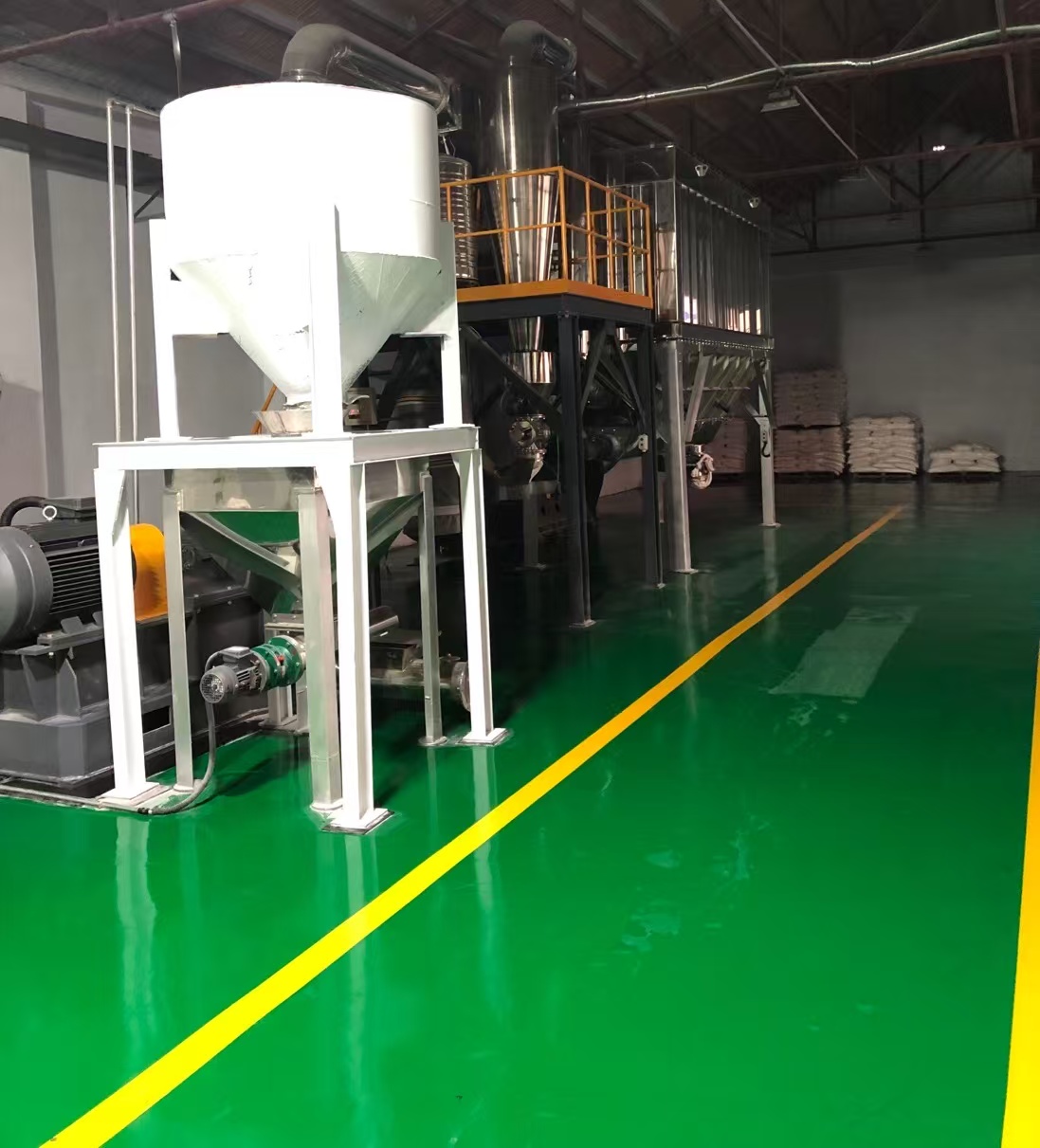
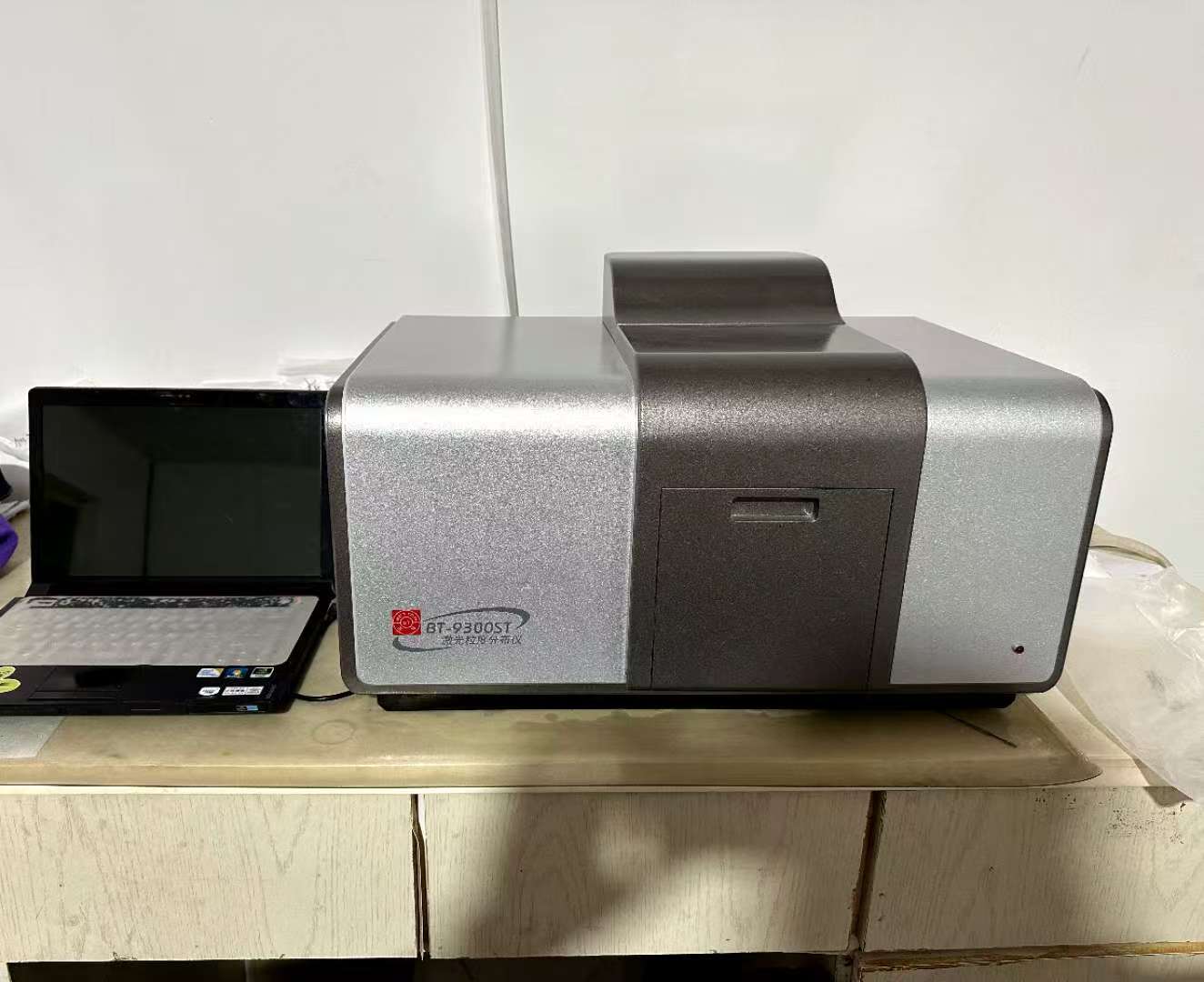
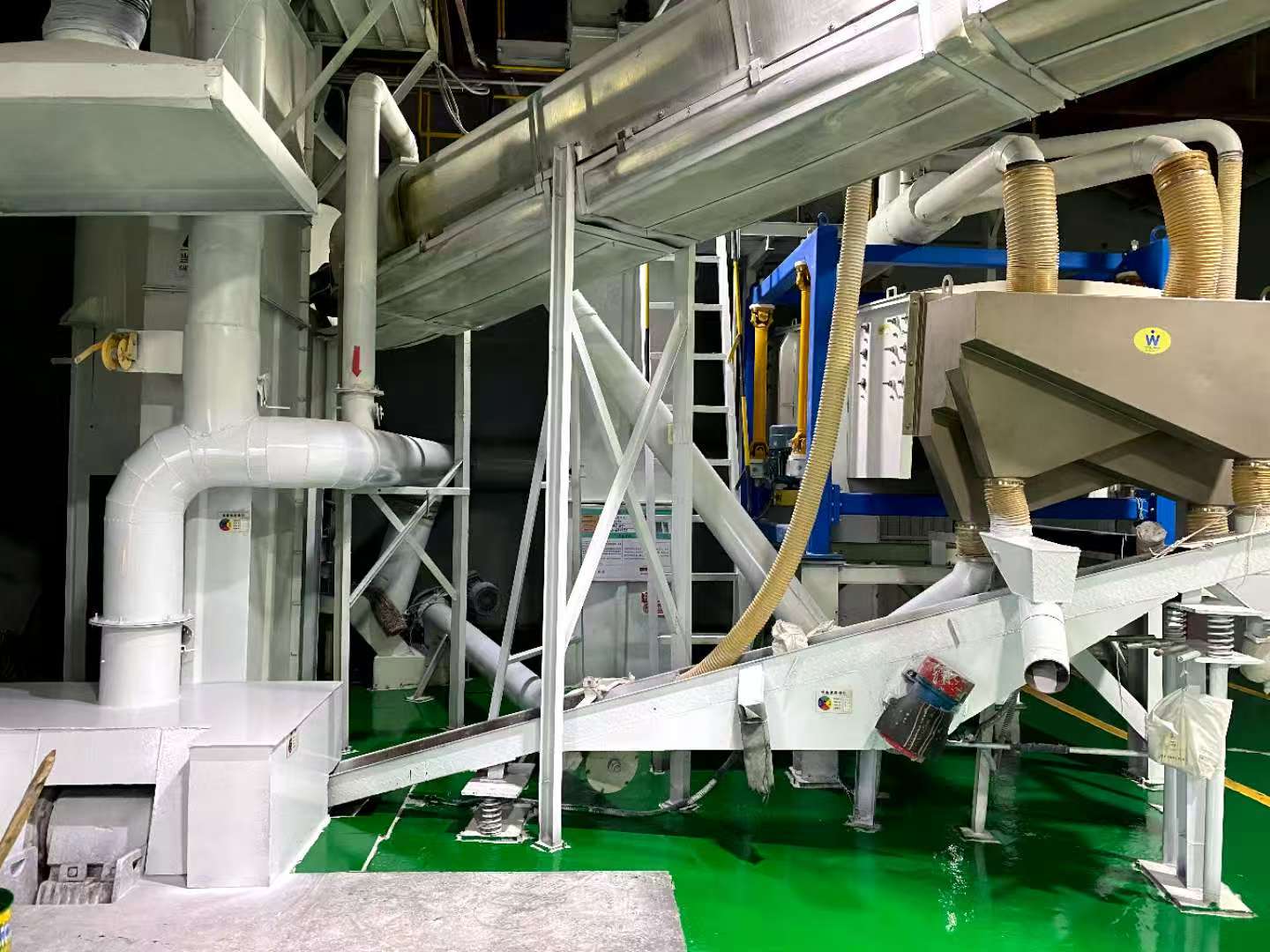
Sumetech lists hot press molding die, curing oven, and mixing machine as matched equipment for PAF applications. In a brazing project, the equipment check should follow the actual flux preparation route. If the route includes mixing, confirm the mixing machine’s ability to disperse the chosen PAF form. If the project uses a shaped or preformed flux route, confirm the hot press molding die and curing oven conditions. The equipment list is a checklist, not a claim that every project uses all three; the actual working condition determines the operational mode.
6. Protect the product after delivery
PAF should be stored in a dry, well-ventilated place. The safety data reference for potassium aluminum fluoride categorizes it under GHS Acute Toxicity Category 4 for oral, dermal, and inhalation exposure and Skin Irritation Category 2. That makes housekeeping, dust control, and storage discipline part of the project specification, not an afterthought. Packaging can be customized, but the storage condition remains the buyer’s responsibility after delivery.
Step-by-Step Breakdown: Specifying PAF for a Brazing Project
- Document the joint and process. Record the aluminum alloy, joint geometry, heating method, flux application method, and the actual working condition. This is the basis for every later choice; PAF operation mode follows actual working conditions.
- Set the grade. For brazing, start with white PAF. The verified comparison group states that high-purity PAF above 99% or white PAF is required for brazing and specialty glass. Keep grey potassium aluminium fluoride for foundry or abrasive applications where industrial grade at 98% minimum is the reference.
- Select the form. Choose Potassium Aluminium Fluoride Powder if the process needs a fine dispersion or a thin flux layer. Choose granular if handling, feeding, or controlled placement is the main concern. Choose lump only when the process is set up for bulk or feedstock handling and the lump size has been confirmed.
- Select the listed size. Use mesh 200 for powder. For granular, compare 0.3–1.0 mm and 0.5–1.5 mm against the joint and feeding method. Do not treat the two granular ranges as interchangeable without a trial.
- Check the equipment. Confirm the mixing machine, hot press molding die, and curing oven against the chosen route. If a piece of equipment is not used in the project, remove it from the specification rather than assuming it is required.
- Run a trial lot. Sumetech supports trial lots and full container shipments. A trial lot is the practical way to verify powder flow, granular handling, and the resulting flux distribution before a long-term order.
- Lock commercial and packaging terms. The purchasing terms list MOQ 1MT, delivery terms FOB/CIF/FCA, pre-shipment test as the acceptance criterion, and payment terms 30/70. Packaging specifications can be customized, and the product should be stored dry and well-ventilated after arrival.
Use Cases: Where the Form and Size Decision Applies
Battery water-cooling plates for new energy vehicles
Corrosion-free brazing of battery water-cooling plates is a representative application. The flux must remove oxide films and improve weld quality across the joint. A project using a fine flux dispersion may evaluate mesh 200 white PAF powder; a project using a coarser placement route may evaluate granular 0.3–1.0 mm or 0.5–1.5 mm white PAF. The correct choice is the one that fits the actual application method and equipment.
Air conditioning radiators
Aluminum radiators for air conditioning are another brazing use case cited in the application data. Here the project team should define the flux delivery method before choosing the PAF form. Powder, granular, and lump are all available in product code 8235, but they are not interchangeable without process validation.
Aluminum casting and foundry operations
PAF is also used in non-ferrous metal recycling and casting for degassing and slag removal in recycled aluminum and aluminum alloy casting. A casting plant that also operates brazing lines may need two specifications: white PAF for brazing and grey PAF for foundry or abrasive use. For foundry flux potassium aluminum fluoride buyers, grey PAF is the usual industrial-grade reference. Keeping those specifications separate prevents grade confusion in purchasing and stores.
Long-term supply for aluminum casting buyers
For buyers evaluating a long-term potassium aluminium fluoride supplier for aluminium casting, the form and size decision should be tied to a repeatable specification. Sumetech lists annual output of 5000MT, a 6000m² facility, 20 employees, a five-person technical team, and export markets including Turkey, Japan, Korea, and Europe. Those facts do not replace a trial, but they give a long-term buyer a documented supply base to assess for Potassium Aluminium Fluoride for Aluminum Casting and related flux applications.
Comparison Table: PAF Form and Size Options
| Form | Listed size for product code 8235 | Color/grade options | Project selection focus | Equipment to confirm |
|---|---|---|---|---|
| Powder | Mesh 200 | White or grey | Fine dispersion, slurry or paste preparation, thin flux layer | Mixing machine |
| Granular | 0.3–1.0 mm | White or grey | Finer granular handling and controlled placement | Mixing machine; confirm feeding route |
| Granular | 0.5–1.5 mm | White or grey | Coarser granular handling for the actual working condition | Mixing machine; confirm feeding route |
| Lump | Not listed in product data | White or grey | Bulk or feedstock handling; confirm lump size with supplier | Confirm with supplier |
| Grade | Reference purity | Typical application reference | Brazing suitability |
|---|---|---|---|
| White PAF | High purity above 99%; Sumetech comparison data list above 99.5% and pure white color | Brazing and specialty glass | Starting grade for corrosion-free aluminum brazing |
| Grey PAF | Industrial grade 98% minimum | Foundry and abrasive applications | Not the first choice for brazing; keep for foundry or abrasive use |
Quality, Compliance, and Long-Term Supply Checks
For product code 8235, Sumetech references RoHS 2.0 compliance. A buyer should keep the compliance document with the purchase specification and confirm that the product code, grade, form, and size on the certificate match the order. Compliance is not a substitute for application validation, but it is part of the supplier file for a long-term brazing project.
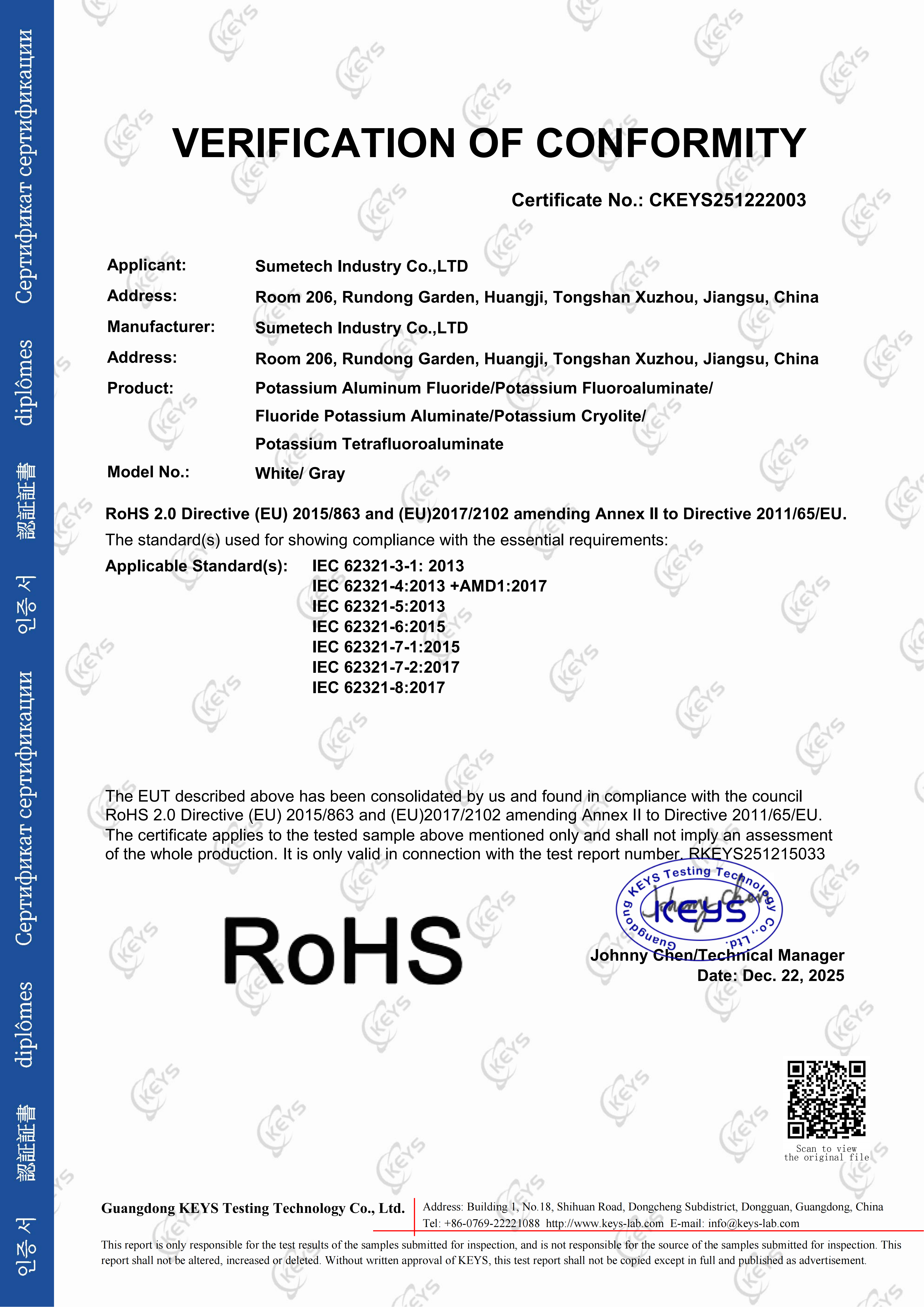
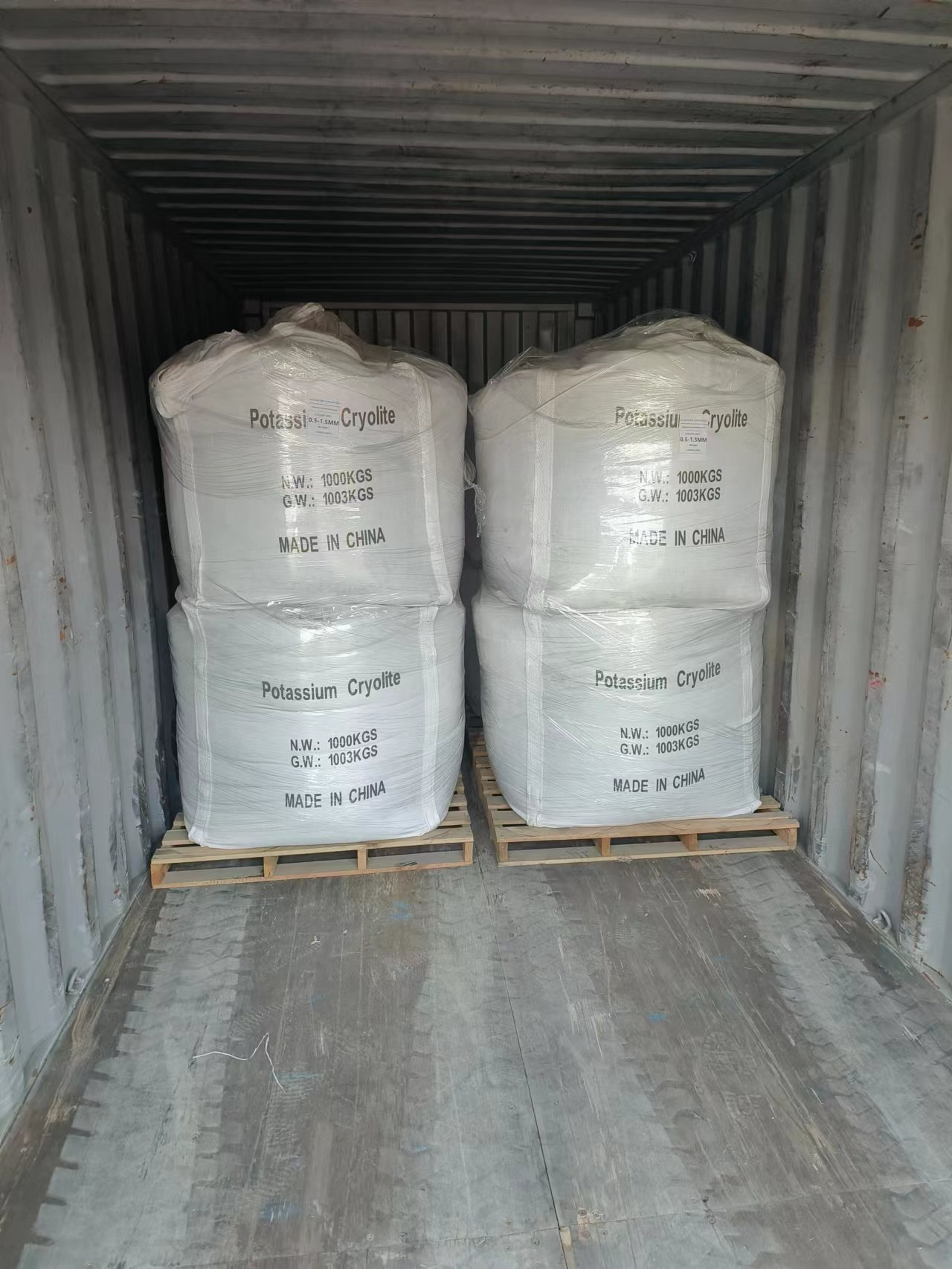
Sumetech Industry Co., Ltd is a manufacturer of potassium aluminium fluoride and boron nitride, founded in 2019, with a 6000m² facility, 20 employees, annual output of 5000MT, and a five-person technical team. The company reports a 90% export ratio and main markets in Turkey, Japan, Korea, and Europe. Customization covers particle size distribution from coarse granules to sub-micron powders, morphology such as angular, spherical, or crushed shapes, purity grades, and packaging. The company also states that it maintains raw material inventories on-site to support uninterrupted production and fast response to urgent orders.
These facts should be used as evaluation inputs, not as a substitute for a pre-shipment test. The purchasing terms list pre-shipment test as the acceptance criterion, with MOQ 1MT, FOB/CIF/FCA delivery terms, and 30/70 payment terms. For a project that needs a repeatable PAF specification, the supplier file should combine the compliance document, the trial-lot result, the pre-shipment test, and the storage instruction.
FAQ: PAF Form, Compliance, and Long-Term Supply
Sumetech references RoHS 2.0 compliance for product code 8235. The buyer should confirm that the compliance document covers the exact grade, form, and particle size being ordered, and keep it with the purchase specification.
Yes. Sumetech lists customization for particle size distribution from coarse granules to sub-micron powders, morphology such as angular, spherical, or crushed shapes, purity grades, and packaging. Product code 8235 already lists powder, granular, and lump forms with mesh 200, 0.3–1.0 mm, and 0.5–1.5 mm sizes.
The listed terms are MOQ 1MT, delivery terms FOB/CIF/FCA, pre-shipment test as the acceptance criterion, and payment terms 30/70. These terms should be confirmed on the quotation for the specific grade, form, size, and packaging.
Sumetech states that it supports trial lots and full container shipments. A trial lot is the practical way to check the chosen PAF form and size against the actual working condition before committing to a long-term supply schedule.
For a long-term potassium aluminium fluoride supplier for aluminium casting, check the grade separation between white PAF for brazing and grey PAF for foundry or abrasive use, the listed form and size, RoHS 2.0 compliance for the product code, the pre-shipment test, and the storage condition. Sumetech’s listed supply facts include 5000MT annual output, a 6000m² facility, and export markets in Turkey, Japan, Korea, and Europe. To discuss a trial lot or a long-term specification, contact Sumetech through the official website or request the catalog below.
Next Step: Confirm the PAF Specification for Your Brazing Project
Use the product code, grade, form, and size as the basis for a trial lot. Sumetech can review white PAF powder at mesh 200, granular at 0.3–1.0 mm or 0.5–1.5 mm, and lump form against your actual working condition.
Contact: Mike Meng, Sumetech Industry Co., Ltd
Email: info@sumetech.com
Tel / WhatsApp: +86 13805218959
Address: 206, Rundong Garden, Huangji, Tongshan, Xuzhou, China
Conclusion
Potassium Aluminium Fluoride selection for corrosion-free aluminum brazing is a four-part decision: grade, form, particle size, and equipment fit. White PAF is the brazing-grade starting point; powder at mesh 200 suits fine dispersion routes; granular at 0.3–1.0 mm or 0.5–1.5 mm suits projects that need a coarser handling form; lump is a bulk or feedstock option whose size should be confirmed. Product code 8235 from Sumetech covers these forms and sizes, references RoHS 2.0 compliance, and supports customization of particle size, morphology, purity, and packaging. Because operation mode follows actual working conditions, the final specification should be confirmed with a trial lot, a pre-shipment test, and dry, well-ventilated storage.
Have Questions or Need More Details?
Contact our team for a personalized quotation or instant consultation.
Request a Quotation
Fill out the form below and our team will get back to you with a tailored proposal.
WhatsApp Direct Chat
Prefer to chat in real-time? Message us on WhatsApp for instant assistance & quick answers.
- Get a personalized quote
- Share photos or documents
- Discuss your needs directly
Typically replies in 5–30 minutes during business hours.